Wool Reimagined with NZ Merino

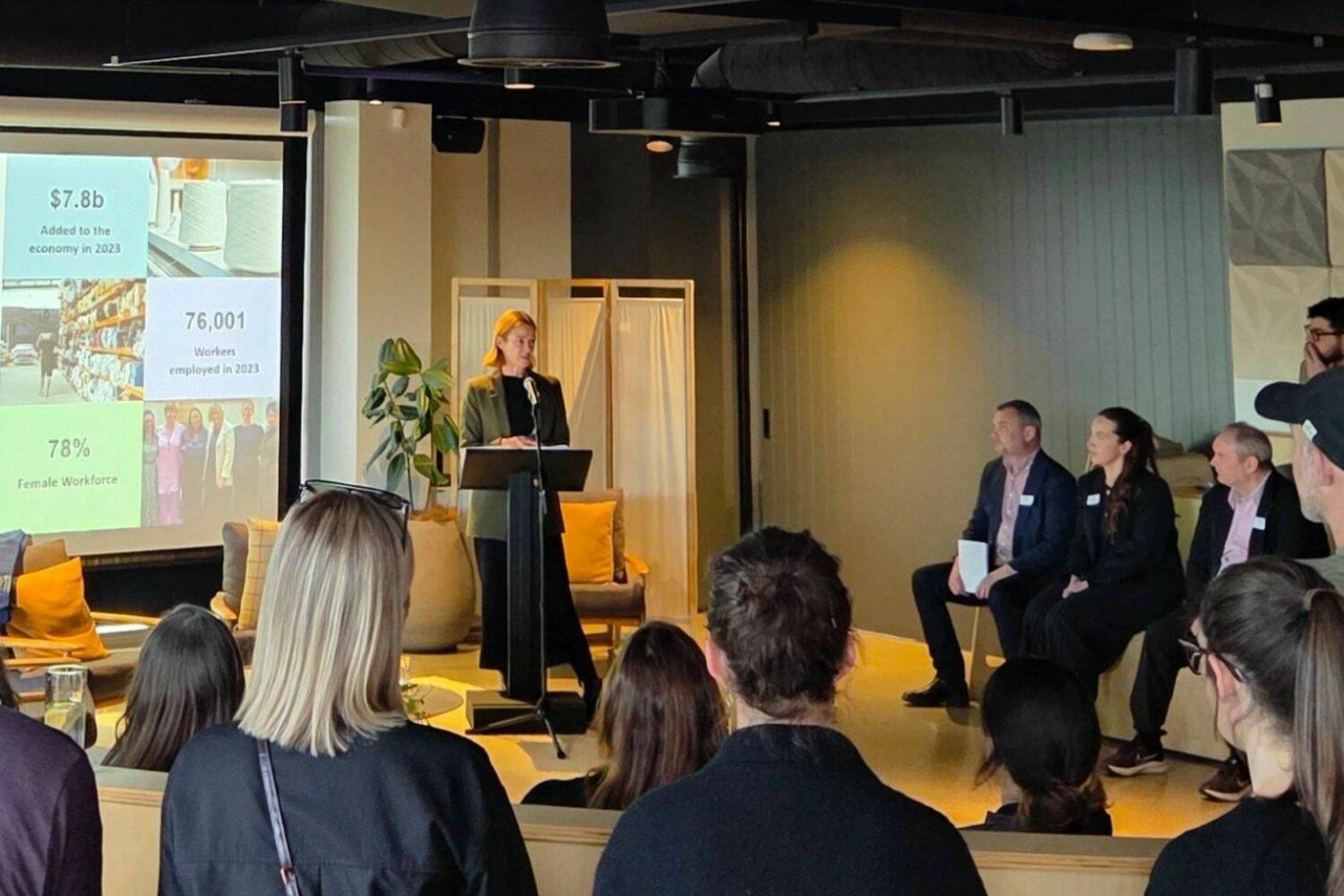
Last week, Jacinta FitzGerald, our CE, spoke at Wool Reimagined, hosted by The NZ Merino Company - a gathering dedicated to exploring the competitive advantage of wool and connecting growers, manufacturers, designers, and brands across Aotearoa.
Jacinta presented an overview of the value of New Zealand’s fashion and textile sector, and shared key insights on the challenges and opportunities it faces, highlighting how strategic approaches to sustainability and circularity can support industry transformation.
While there are challenges, with rising costs, softer retail activity, and gaps in infrastructure and capability locally, our most recent member pulse survey shows there is also a real sense of optimism. Product innovation and new investment is creating growth pathways, and businesses are seeing an increasing interest from New Zealanders in local, high-quality products with a strong provenance story.
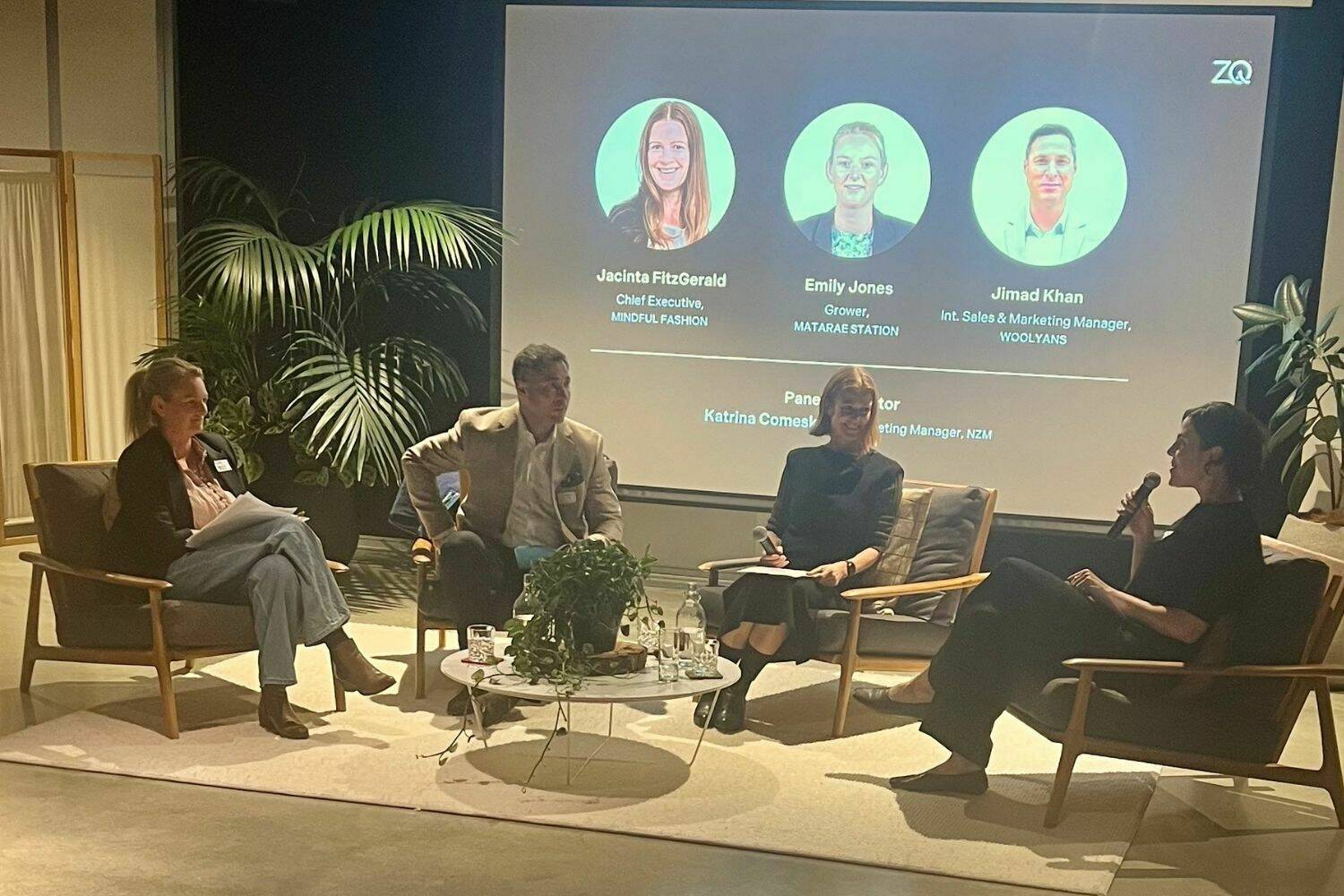
Later in the day, on the panel "From Farm to Wardrobe" Jacinta provided the brand perspective alongside grower Emily Jones from Matarae Station, and Jimad Khan from Wool Yarns.
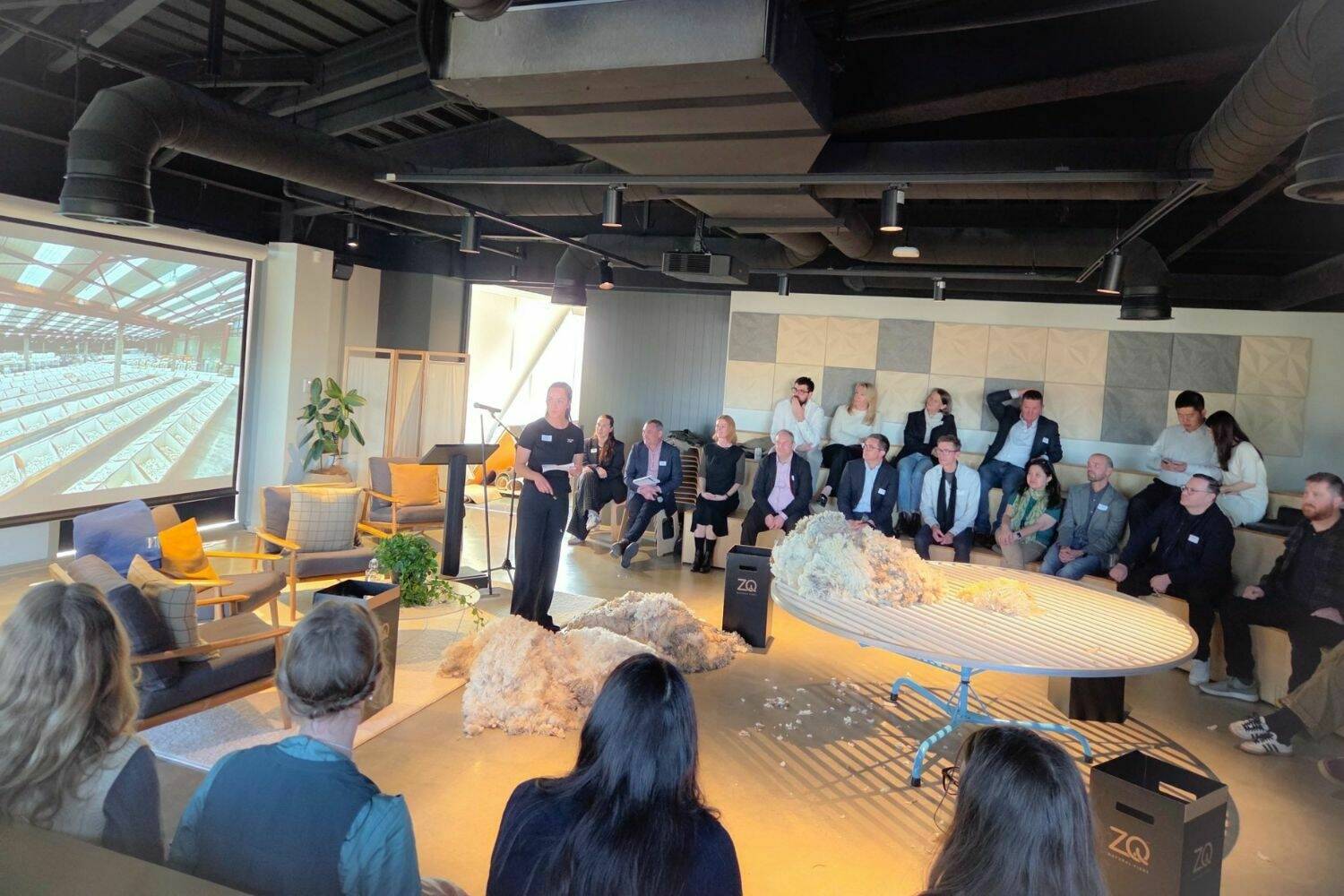
The event gave us the opportunity to see firsthand the expertise and skill required to bring this fibre to our wardrobes, with Blair Davies and Cassidy Gray demonstrating the importance of fleece preparation and giving everyone in attendance an opportunity to connect to wool right back to its origins.
Our key takeaways included:
🔸 Craftsmanship exists at every level, from on-farm practices to garment production, and connecting these stories is essential.
🔸 Sustainability and craftsmanship are deeply linked through care and connection.
🔸 Demand for local, high-quality products with provenance is rising.
🔸 Investing in traceability, provenance and storytelling provides brands with a competitive advantage.
🔸 Educating consumers is an important, and businesses right across the value chain have an important role to play in this area
Events like this remind us of how interconnected the NZ fashion and textile ecosystem is, and the importance of understanding where your materials come from and how they are produced.