
Circular Design Award: Award 2025
Threads of Tomorrow Summit brings Industry ecosystem together
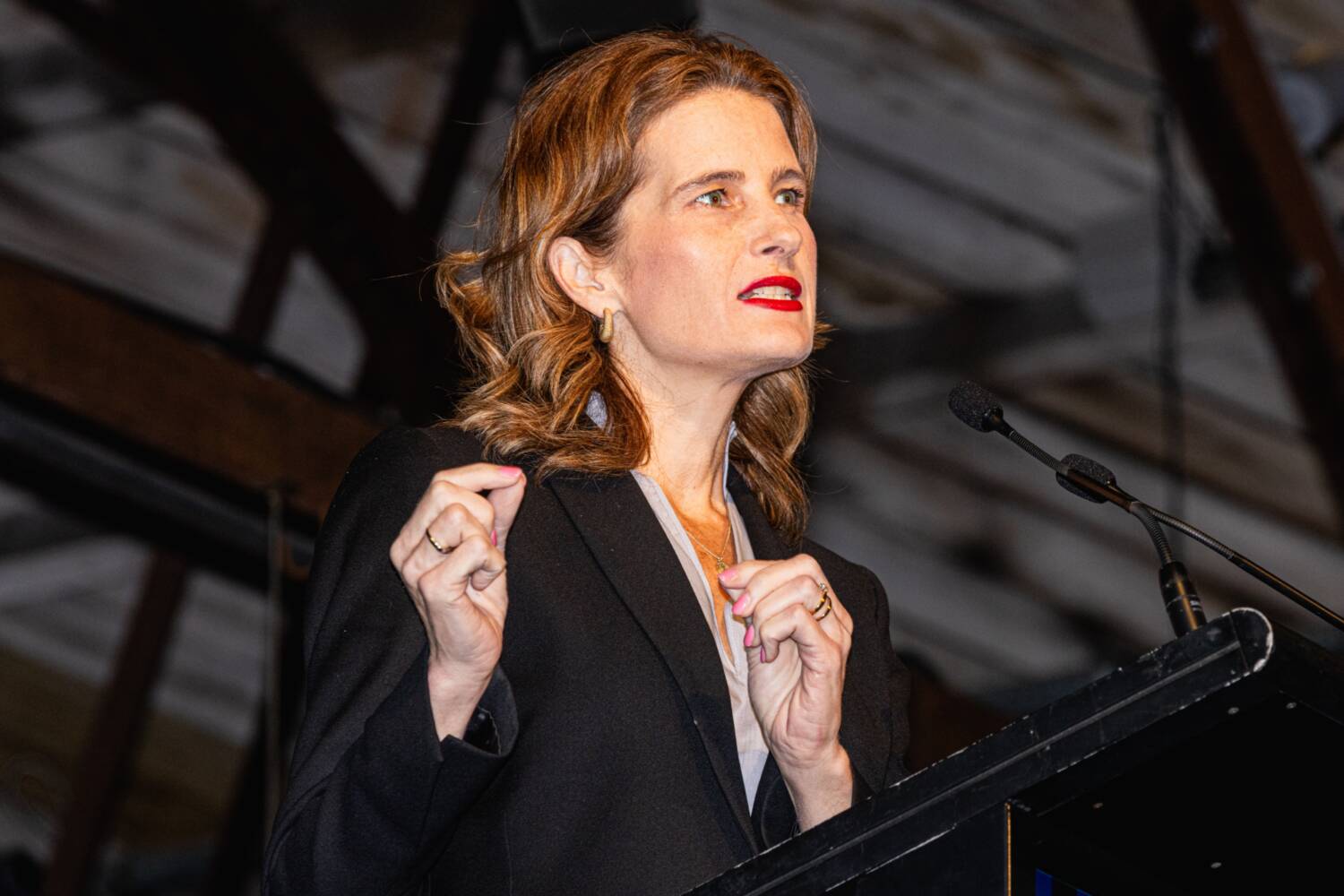
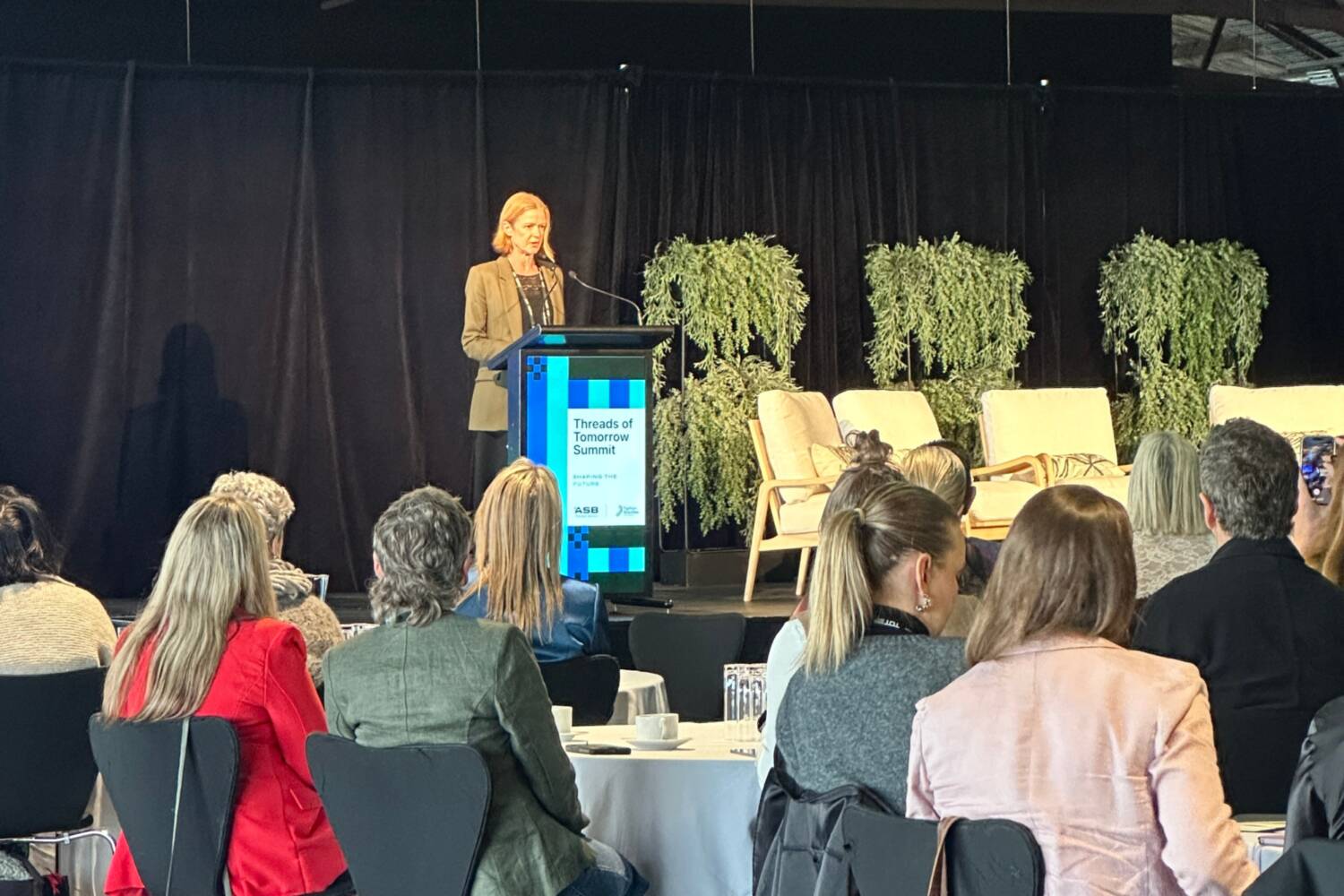
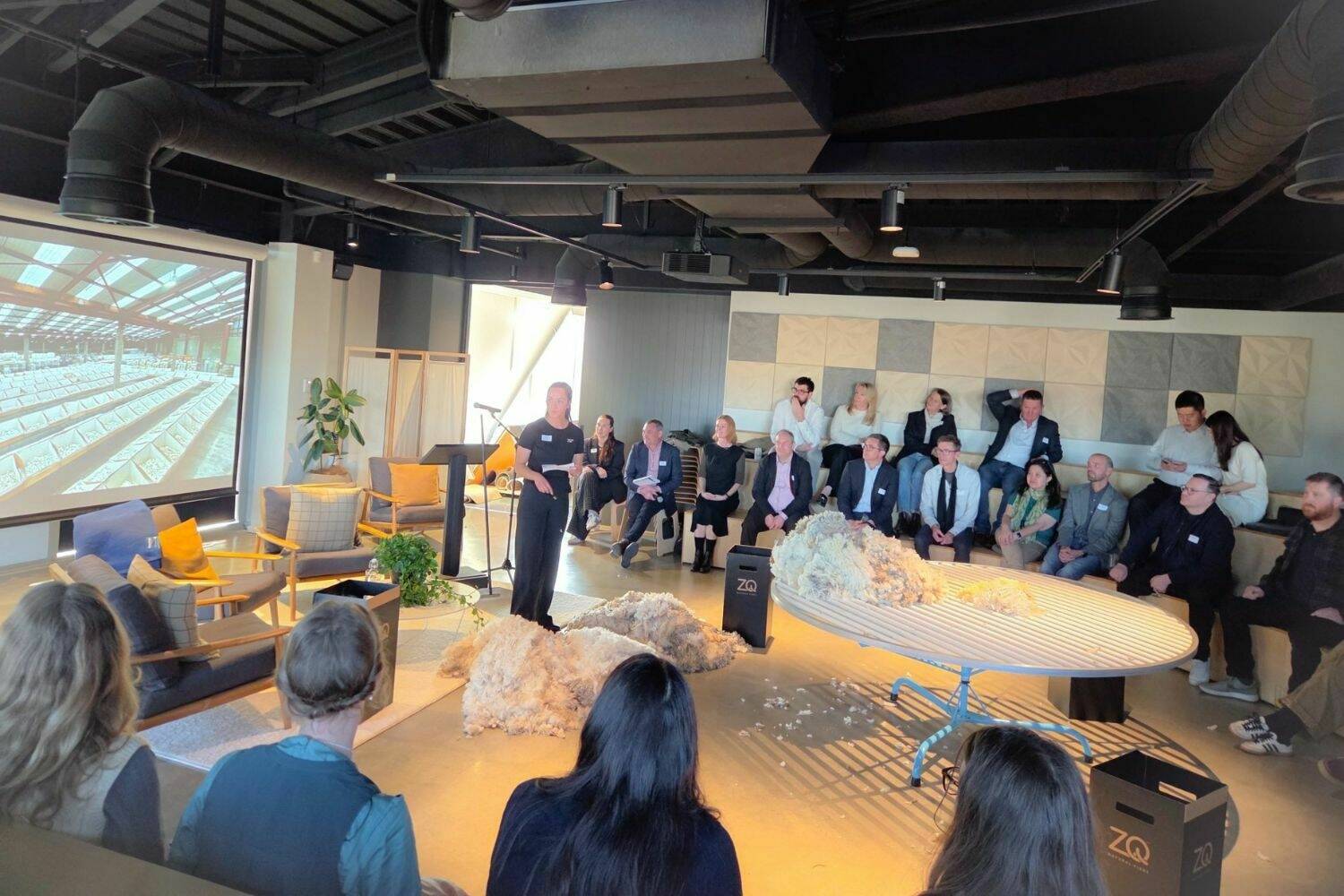
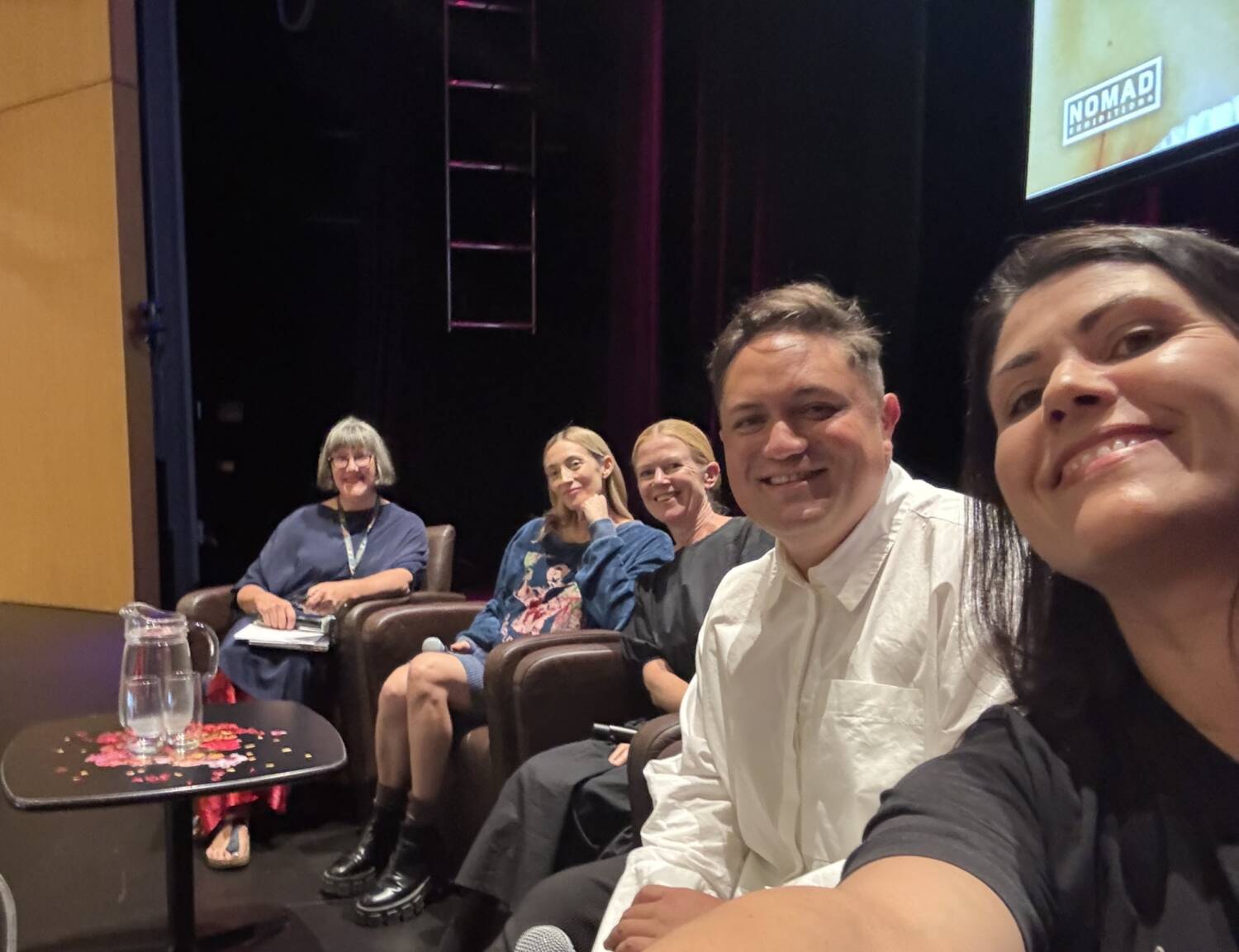
Fashion & Textiles New Zealand brought more than 220 people together last week for the inaugural Threads of Tomorrow Summit, a national gathering focused on the future of the fibre, textiles, and fashion sectors in Aotearoa New Zealand.
Held at Shed 10 in Tāmaki Makaurau Auckland, the sold-out Summit brought together people from across the full ecosystem: fibre growers, textile and apparel manufacturers, designers, brands, retailers, researchers, innovators, funders, policymakers, circular economy leaders, students and industry partners.
With our three connected themes, Place, Possibility and Momentum, at the heart of every conversation, the day explored how Aotearoa can build a stronger, more coherent and future-ready fashion and textiles industry.
A sector with real economic and cultural value
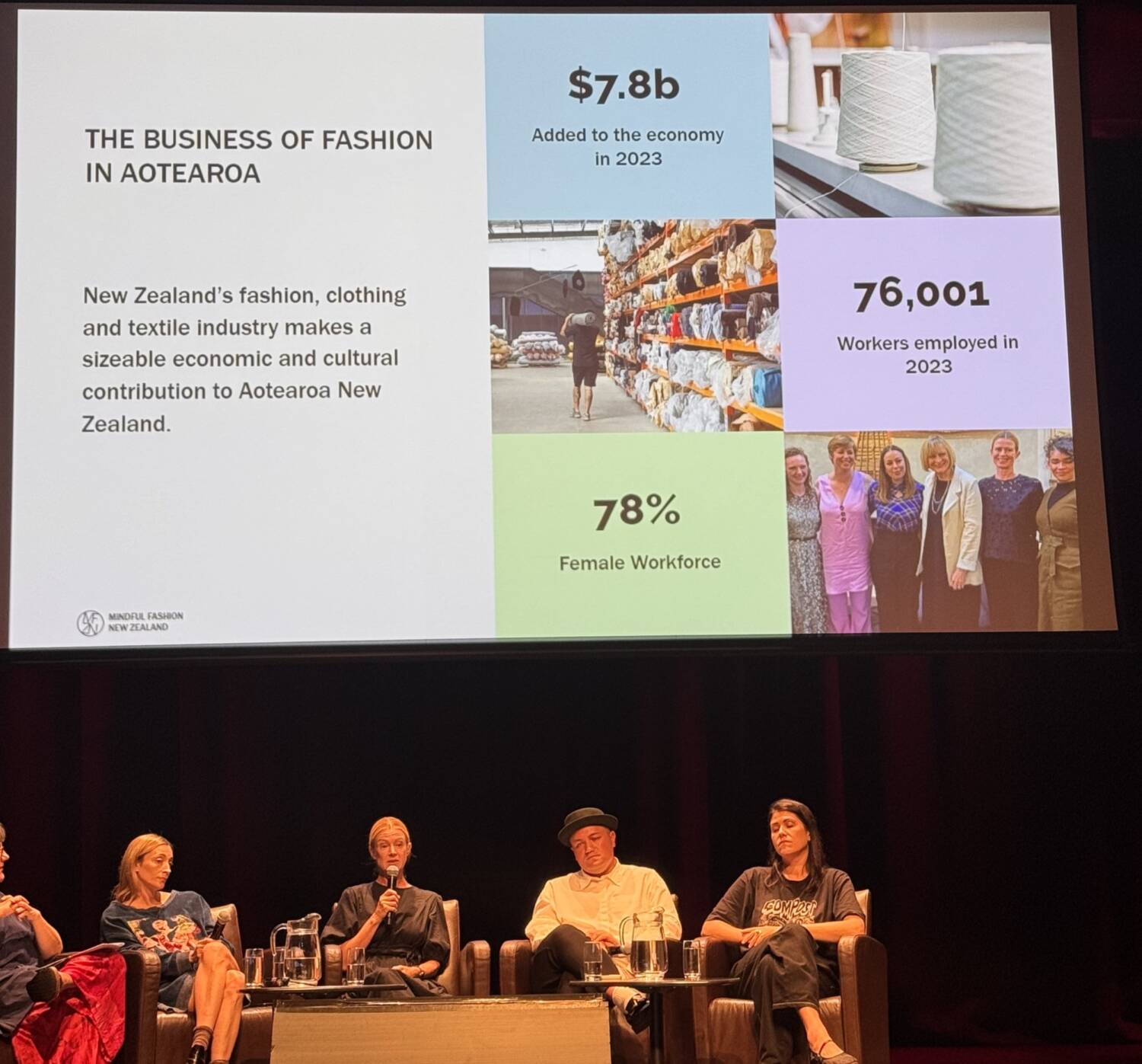
Opening the Summit, Fashion & Textiles New Zealand Chief Executive Jacinta FitzGerald reminded the room that textiles are part of everyday life, “literally how we start our day”, but are often under-recognised as a national industry which contributes an estimated $7.8 billion to the New Zealand economy and supports around 76,000 jobs.
Who was in the room
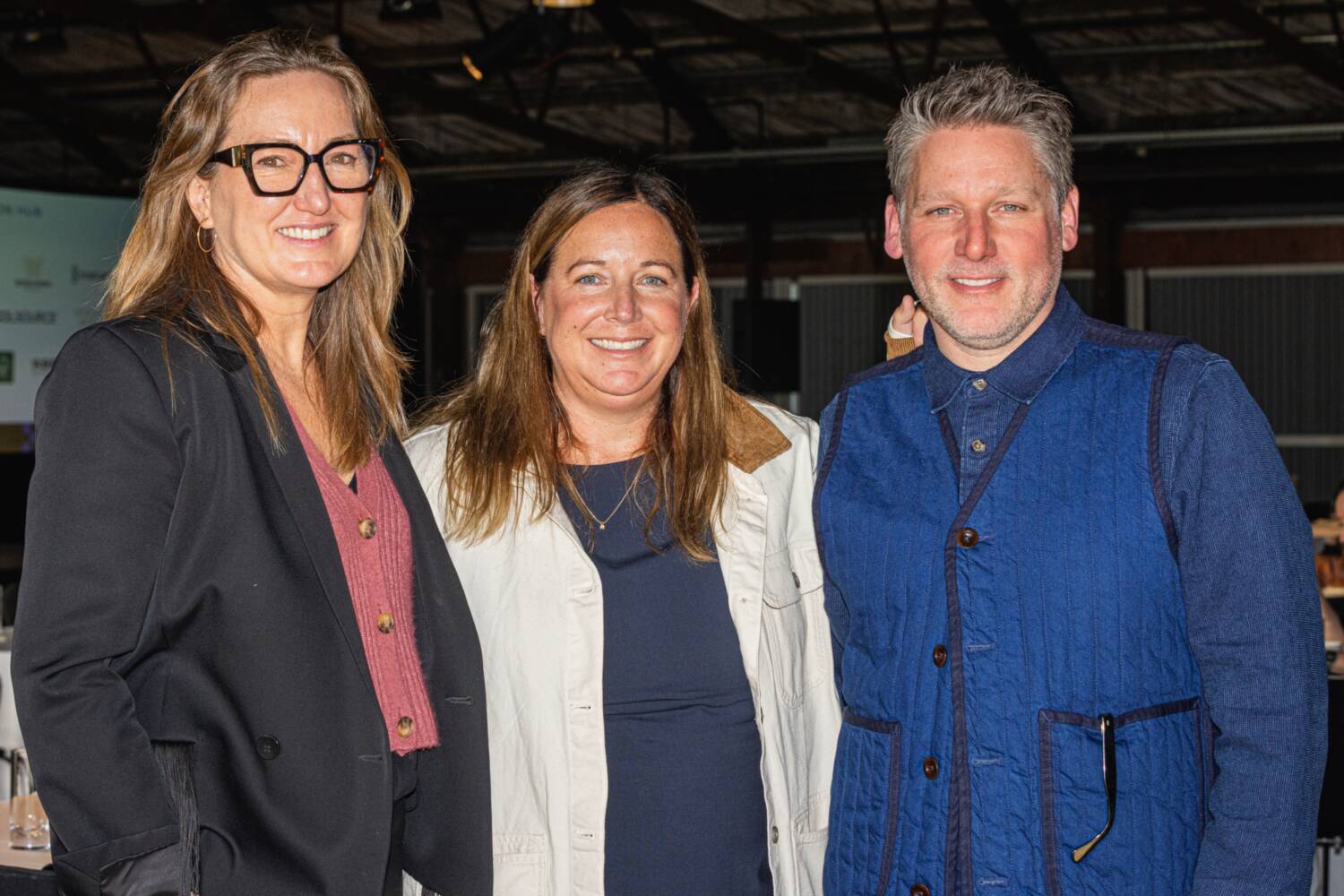
The strength of the day came from the diversity of people and perspectives present.
Across the room were those working at both ends of the value chain and everywhere in between, from land and fibre production through to design, product development, manufacturing, retail, reuse, repair, recycling, stewardship and end-of-life systems.
That mix was central to the energy of the Summit with people making new connections across the full system. It was a reminder that the future of fashion and textiles will not be built by one organisation, one business model, one material, or one part of the value chain alone.
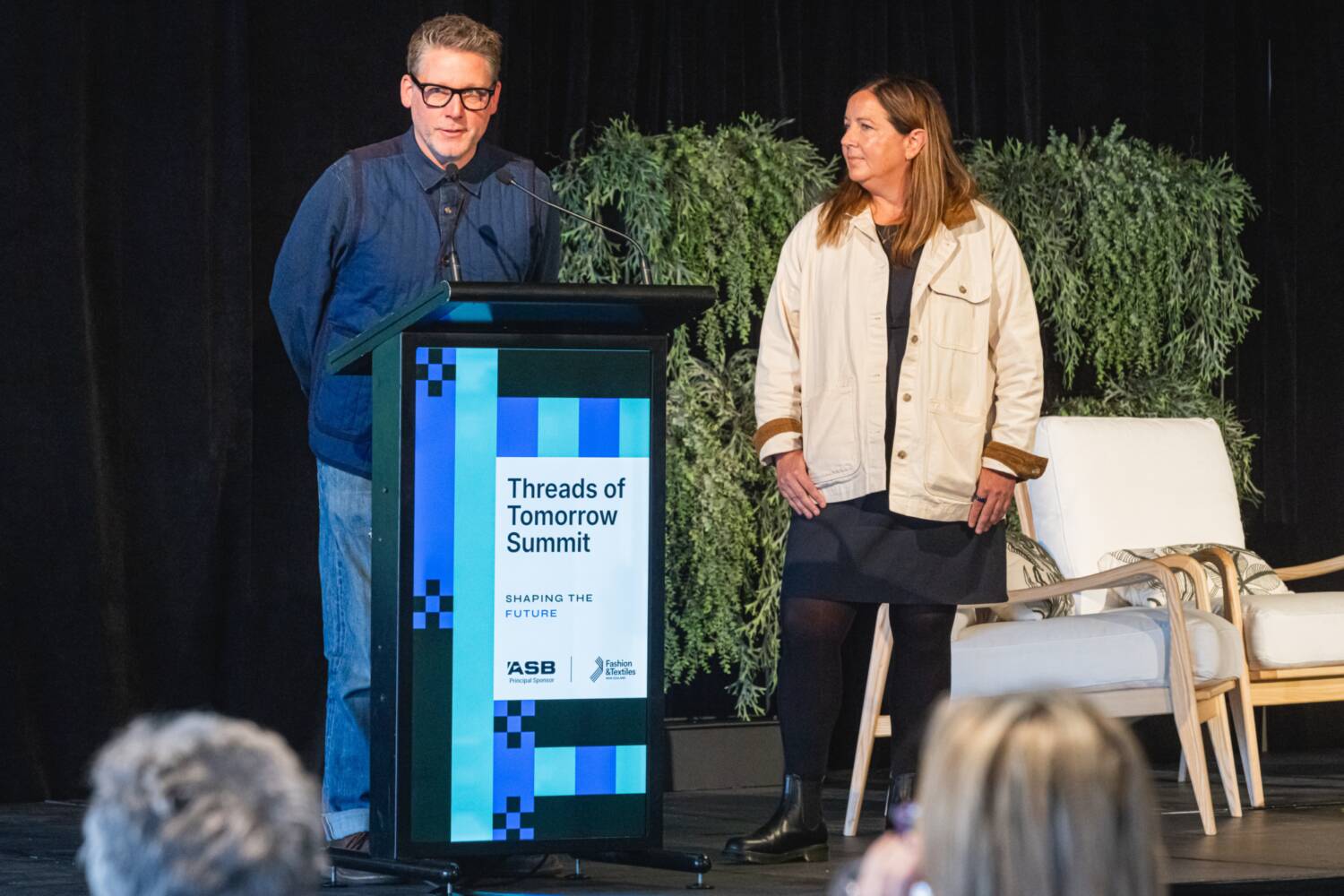
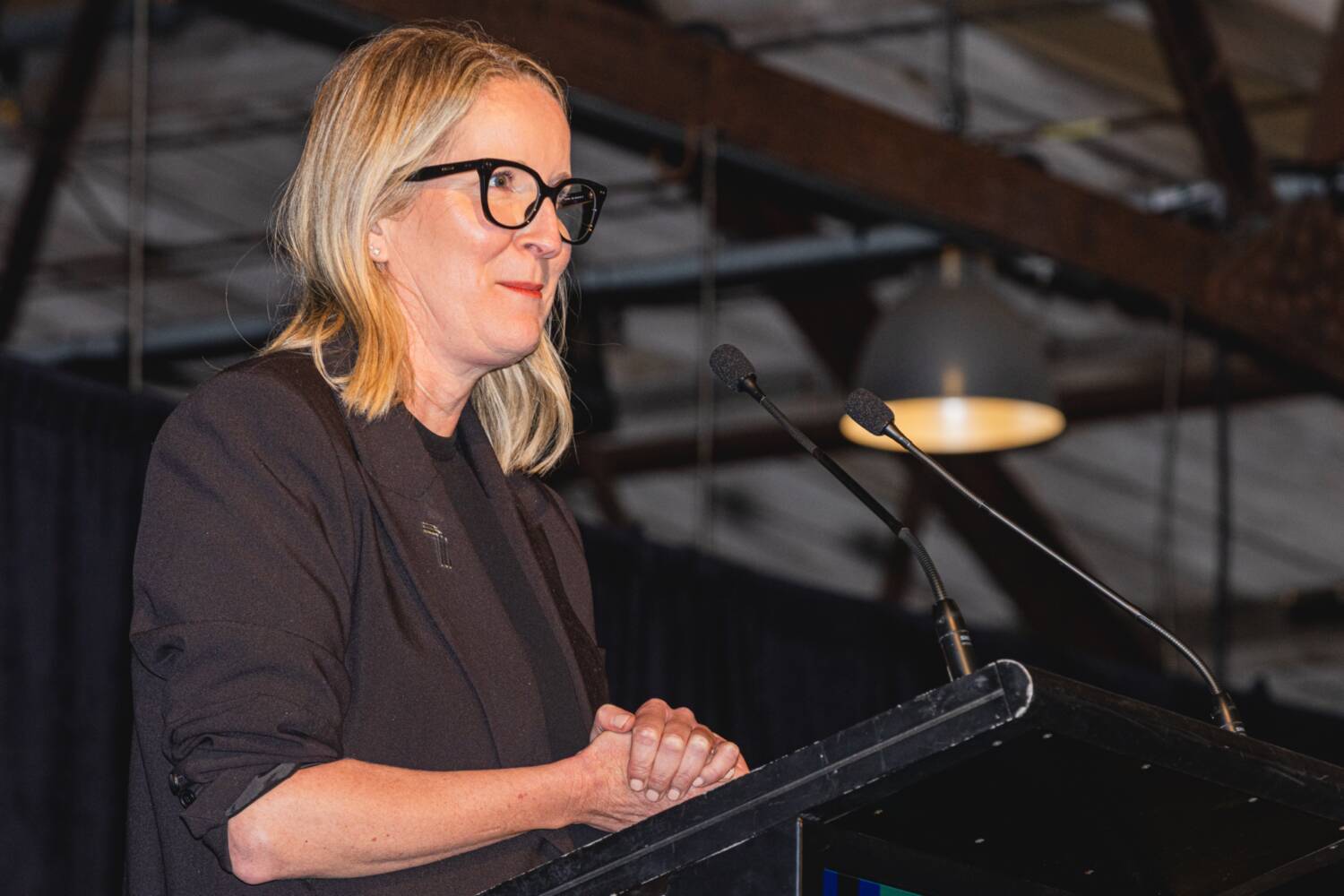
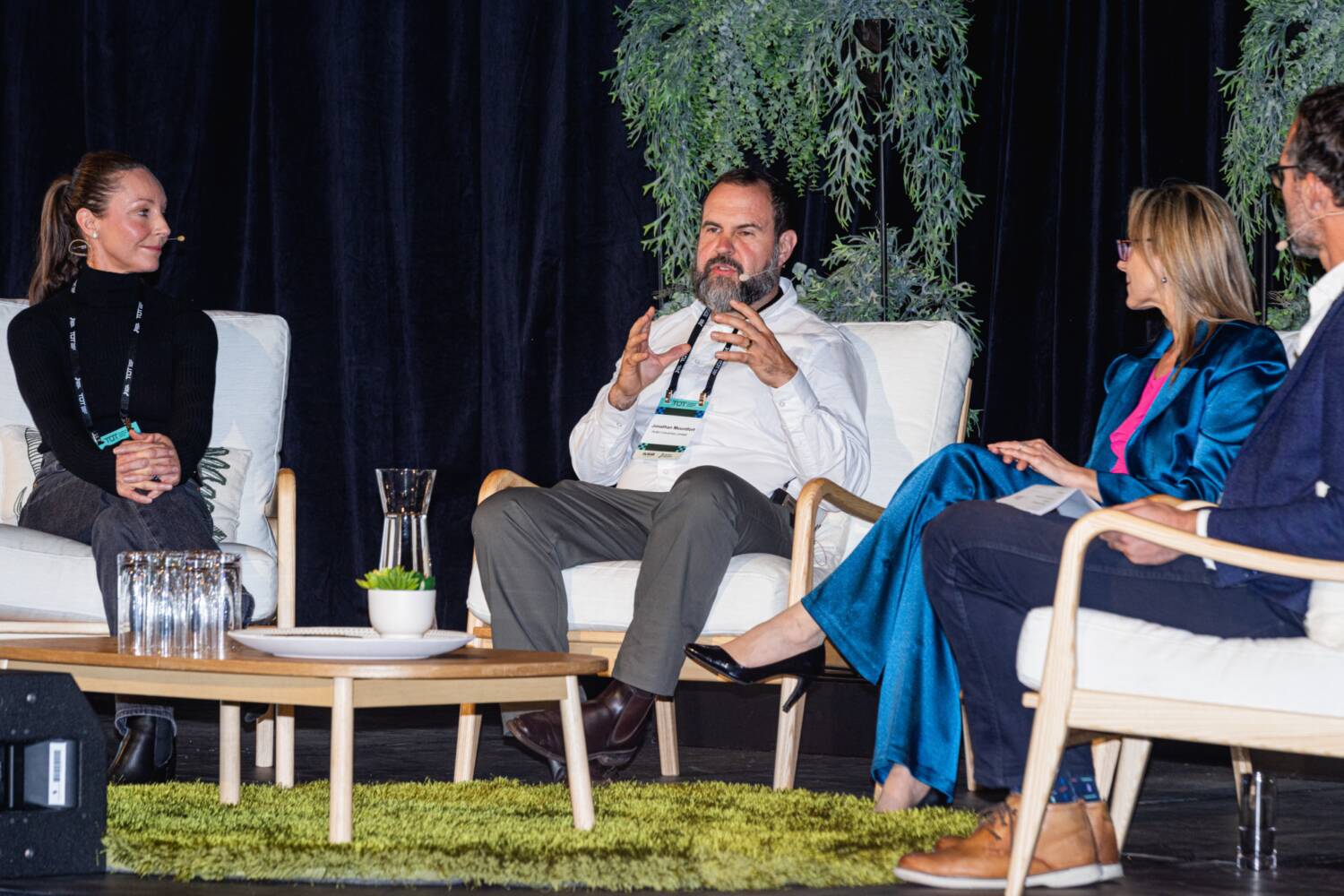
Key voices and highlights
The programme brought together local and global speakers across future signals, industry strategy, fibre systems, circularity, innovation, business resilience and global leadership.
Hon Nicola Willis acknowledged the economic importance of the sector, the role of skills and education, and the opportunity to think about long-term value, including through procurement and support for New Zealand-made products and materials.
Victoria Mulligan challenged the room to look up and look out, connecting future signals to the decisions businesses and sectors need to make today. She introduced us to the importance of critical ignoring in a communication saturated world.
The Land to Market conversation, expertly facilitated by Lisa Portas, explored how Aotearoa’s fibre advantage is not just about provenance, but about relationships, land, knowledge, values, quality and market connection.
Pip Best and Gina Morrissey of EY shared insights from their work on the draft Industry Manufacturing Strategy, including the opportunities and challenges involved in rebuilding capability, strengthening skills and supporting a more future-ready manufacturing base.
The circular systems conversation, facilitated by Nick Morrison and featuring Ainsley Simpson of Seamless, Jonathan Mountfort and Emma Ensor, reinforced that circularity is systems change. It requires design decisions, infrastructure, policy, product stewardship, business model innovation and collaboration across the full value chain.
Mark Little and Sarah Hayes from Patagonia challenged the room to think beyond business as usual, with a clear message about material responsibility, product durability, emissions reduction, repair, and the importance of ensuring that every material used in a product has earned its place.
Local case studies brought possibility to life. Emma Wallace from Kowtow shared the brand’s work to design out waste and think beyond end-of-life, including its biochar journey. Sophie Poelman of LOF spoke to human-centred design and fair relationships with growers. Shelley Houston of Materially Kiwi showed how waste streams can be reimagined into high-value materials.
In the Beyond our shores panel, Paul Gestro from ASB expertly led the conversation exploring how NZ brands are navigating global markets and building competitive advantage, while Dean Werder of Les Mills spoke about resilience in business, offering a practical and human perspective on leadership, mindset and navigating change.
Through the Future of Fibre Aotearoa briefing, Kelly McClean shared emerging insights into New Zealand’s fibre ecosystem, including the importance of moving beyond fragmentation, strengthening value chains, and building greater connection between what we grow, make, design and sell. Bringing global expertise, Sean Sloan from Avery Dennison highlighted the role of traceability and technology in connecting products, proof and story,
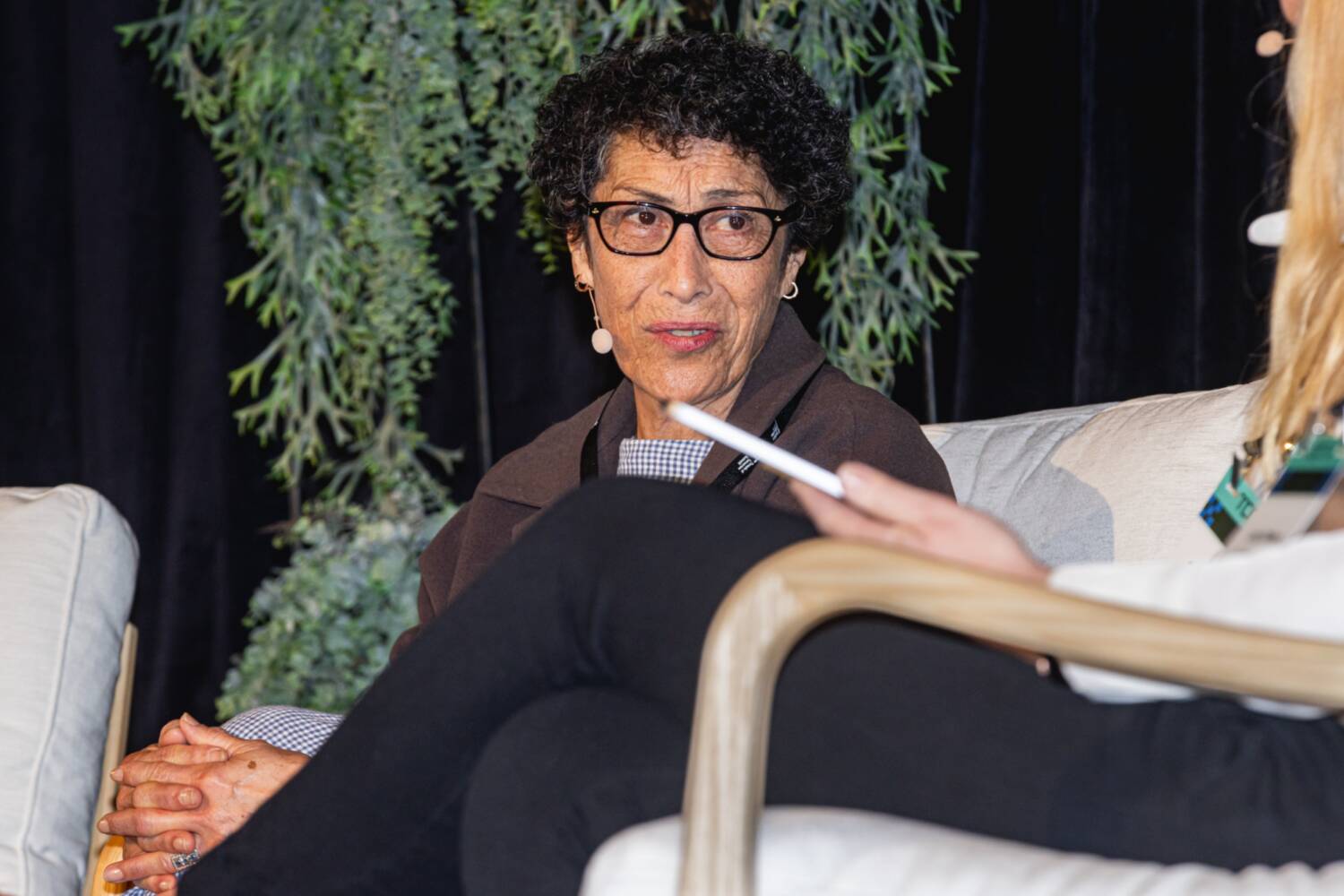
What we heard
Several themes emerged strongly across the day.
- Place matters, but equally important is evidence. Aotearoa has distinctive strengths in fibre, land-based knowledge, creativity, design, innovation and making. But provenance on its own is no longer enough. The stories behind New Zealand products need to be supported by credible data, traceability, certification and evidence.
- Materials matter. Material choices shape the performance, durability, impact, value and end-of-life pathway of a product. The Summit reinforced that thoughtful material selection is not a narrow sustainability concern. It is a core business and design decision.
- Circularity must be designed in from the beginning. Retrofitting circularity after a product has been made is not enough. The strongest circular systems start with better decisions about whether something should be made, what it is made from, how it is used, how long it lasts, and what happens next.
- Collaboration is not optional. Circular systems, local manufacturing capability, fibre value chains, market access and future skills all require coordinated action across the ecosystem. All parties need to be involved, no single organisation can build the future alone.
- The sector has real momentum. There was a strong sense of optimism in the room, but it was not vague optimism. It was grounded in real challenges, practical examples, emerging opportunities and a growing recognition that the industry is ready to work more collectively.
The energy in the room
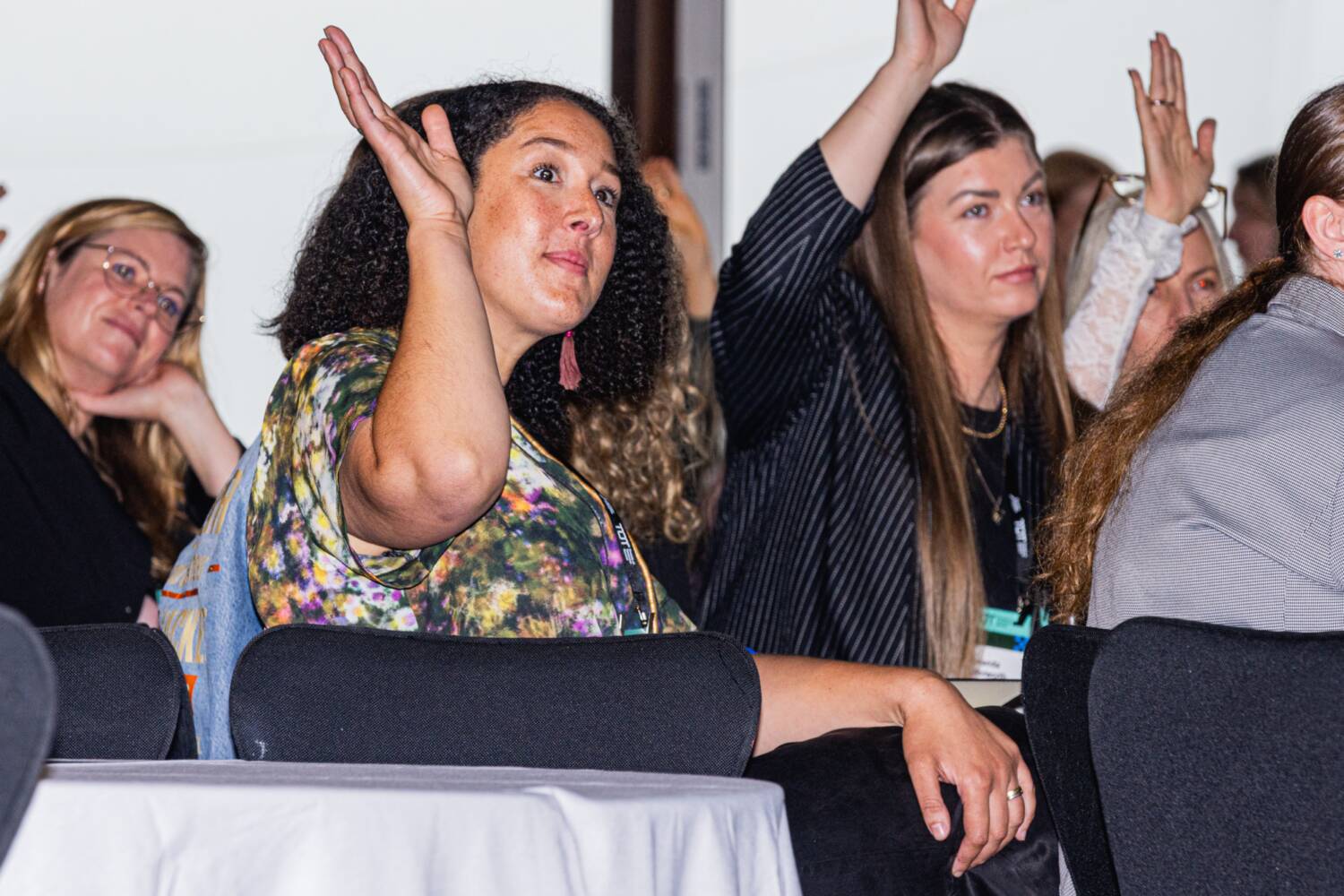
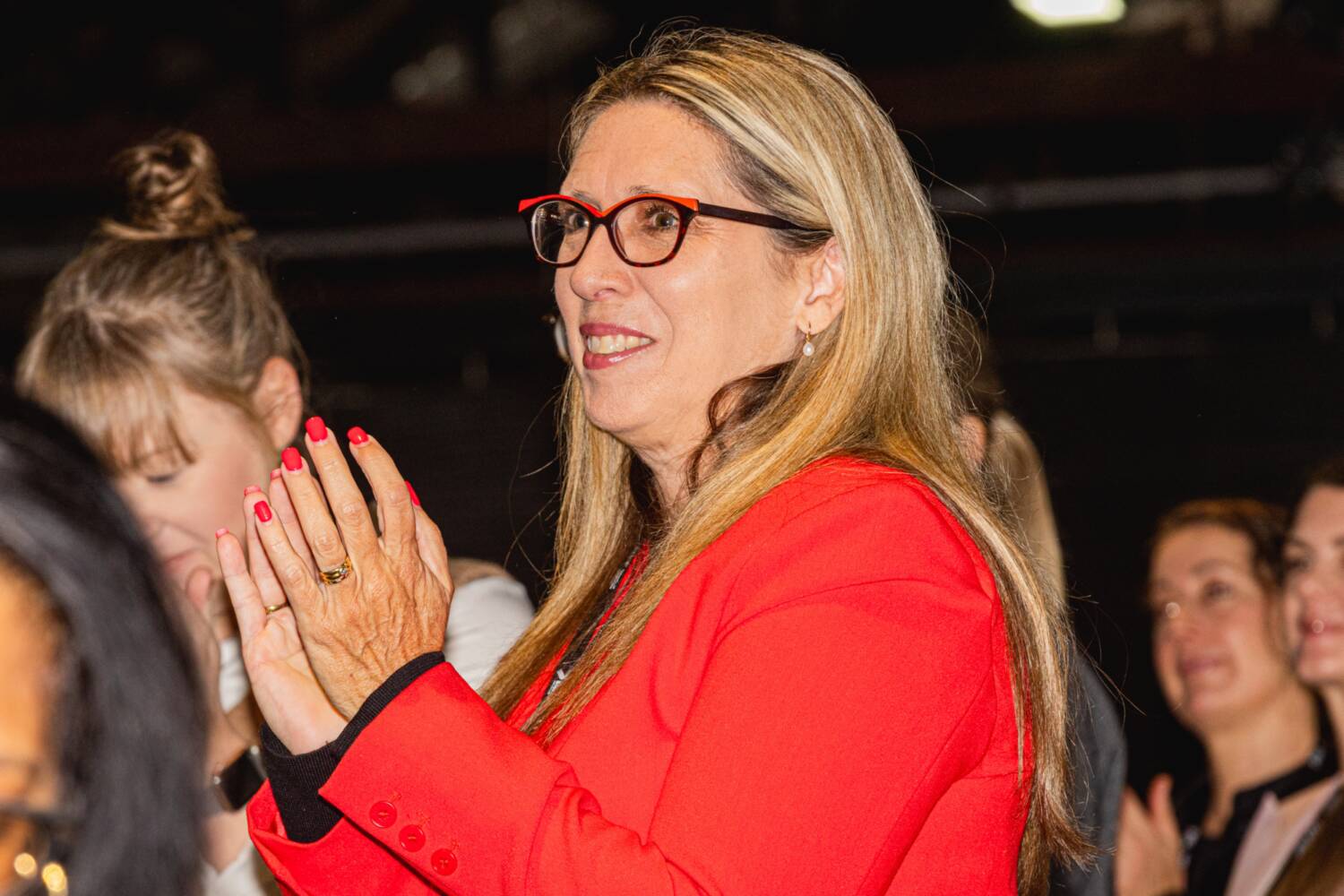
The energy in the room was one of the strongest parts of the day. People came ready to listen, share, challenge and connect. Conversations continued through the breaks, across the Innovation Showcase and into the networking that followed.
As Juliette Hogan, Chair of Fashion & Textiles New Zealand, reflected in closing, New Zealand’s opportunity is not to be the biggest or the cheapest. It is to build from what we have: land, fibre, creativity, capability, values and connection.
What comes next
For Fashion & Textiles New Zealand, the Summit was not a standalone event. It forms part of a wider programme of work to build visibility, capability and connection across the sector, including Future of Fibre Aotearoa, manufacturing strategy, circular design and innovation, and ongoing advocacy for the role this industry can play in New Zealand’s economic, environmental and cultural future.
The challenge now is to keep the momentum moving.
That means continuing the conversations started at the Summit, turning relationships into action, and identifying the practical steps that will help build a stronger, more connected and future-ready fashion and textiles ecosystem for Aotearoa.
One sector. Many threads. A shared future.
Summit: Innovation Hub - Index page
FOF: About - Index page
FOF: Insights & Opportunities - Index page
FOF: Leadership Circle - Index page
Introducing Fashion & Textiles New Zealand

Formerly Mindful Fashion New Zealand
8 April, 2026
Today, we step forward with a new name that reflects the breadth of the industry we work with, and the role we play in shaping its future.
Fashion & Textiles New Zealand champions a thriving future for Aotearoa New Zealand’s fashion and textiles industry.
This marks a new chapter for our organisation, and for the industry we serve.
“Mindful Fashion New Zealand has always been about more than fashion,” said Jacinta FitzGerald, Chief Executive of Fashion & Textiles New Zealand.
“This isn’t a shift in direction, it’s a clearer expression of what we’ve been building for years. A connected, future-focussed fashion and textile industry recognised for its economic value, its cultural contribution, and its ability to lead in innovation and circular thinking.”
Where we've come from
At the heart of this moment is the foundation laid by our founders, Kate Sylvester and Emily Miller-Sharma, who brought the industry together in 2019 with a shared vision for change. We’re deeply grateful for their leadership and their continued support.
Over the past seven years we've grown from connecting a fragmented industry into a trusted convenor and voice with government and partners, supported by a growing membership of more than 120 businesses.
Together, we’ve brought major initiatives to life, including the Threads of Tomorrow report (with EY New Zealand) and the Circular Design Awards, building momentum for a more resilient, future-focused industry.
We believe New Zealand’s fashion & textiles industry can drive economic resilience, cultural identity and leadership in innovation and circular thinking, and deserves a stronger place on the national agenda.
Fashion & textiles is a sector defined by creativity, entrepreneurship and innovation. It is also a significant economic force.
Our research shows the industry contributed $7.8 billion to the economy in 2023 (1.9% of GDP), employed more than 76,000 people, and paid $4.4 billion in wages. With women making up 78% of the workforce, it is also a meaningful driver of women’s economic participation and opportunity.
Despite this, the industry has often been under-recognised.
We’re we are heading
By bringing the industry together, we’re building a stronger, more unified voice, one that can shape policy, unlock investment, and accelerate the transition to a thriving, globally relevant future.
While our name has changed, our purpose remains the same.
To unite the industry and champion a thriving future for New Zealand fashion and textiles, one that delivers value for business, people and the environment.
Our new name carries that purpose forward, strengthened for what comes next.
Join us!
Fashion & Textiles New Zealand is here for the entire industry ecosystem.
We invite businesses across the fashion and textiles ecosystem to connect, collaborate and contribute to building a stronger industry together.
Chair Juliette Hogan says
"This is really just an open invitation to our industry. If you’re part of New Zealand’s fashion and textiles community, we’d love you to be part of shaping what comes next. There’s a real opportunity here - and it will take all of us, working together, to make the most of it."
Announcing Threads of Tomorrow Industry Summit 2026!
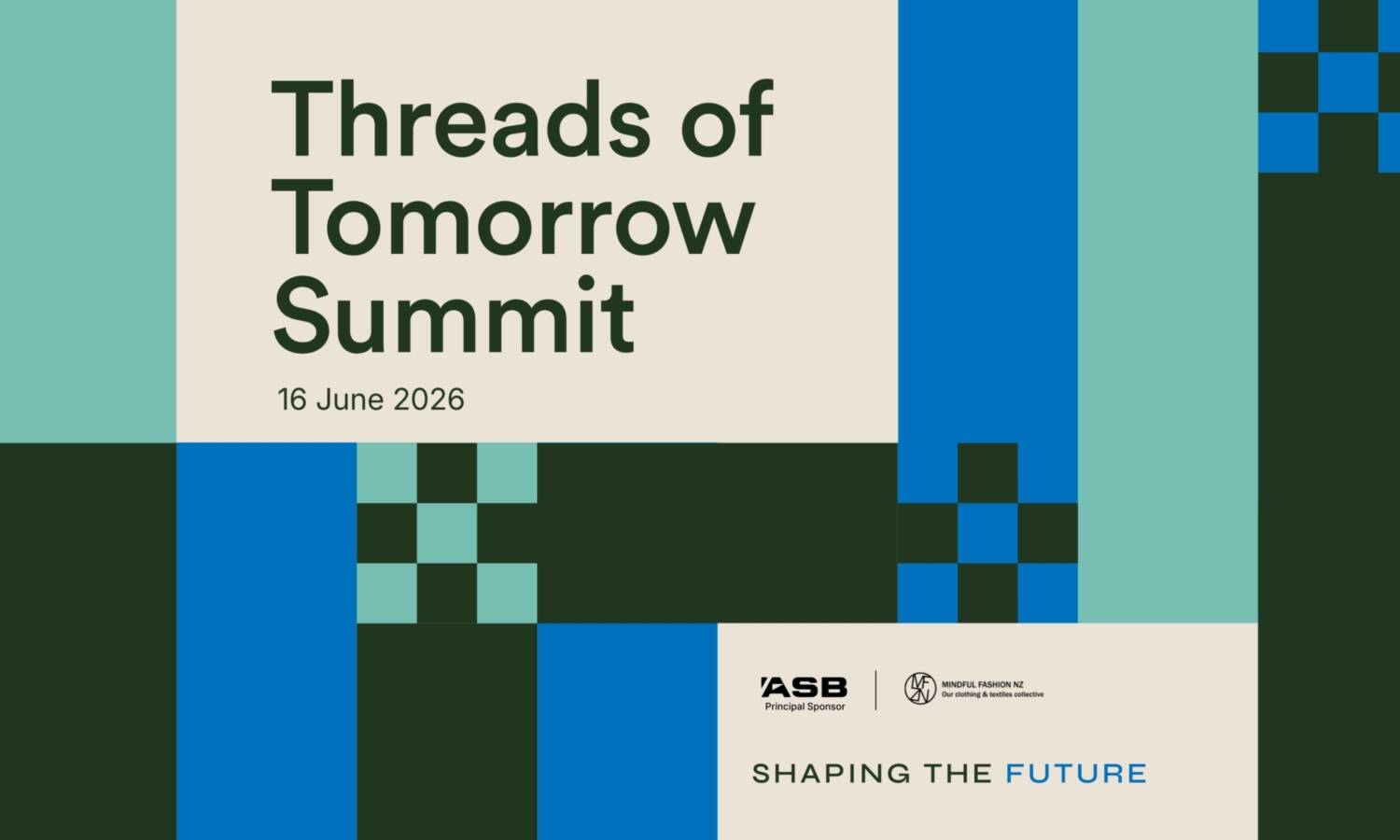
We’re excited to announce that the Threads of Tomorrow Summit will take place in Tāmaki Makaurau Auckland on Tuesday 16th June, 2026.
Building on the momentum of the Threads of Tomorrow report and the opportunities identified across Aotearoa’s fibre, textile, product and clothing sectors, the Summit will be a major national gathering dedicated to shaping the future of our industry to deliver lasting value for our communities, our economy, and our place.
Convened by Fashion & Textiles NZ (MFNZ) the one-day event will bring together leaders and visionaries from across the value chain, from fibre growers and textile producers to designers, manufacturers, innovators, researchers, policymakers and international partners.
Want to be part of this inaugural event?
Do you have an innovation you'd like to showcase, an exciting and bold story to tell, or simply want to attend? We'd love you to take part, and are seeking expressions of interest now.
Fill in our Expression of Interest form here, and we will get back to you.
Apply to showcase your product or brand in our Innovation Hub.
The Summit will explore:
- The values and stories that set Aotearoa apart on the global stage
- Innovation at every stage of the fibre-to-product system
- How Aotearoa can strengthen local industry capability and future-ready manufacturing
-
Circular and regenerative models that support a thriving bioeconomy
-
How we can collaborate across sectors to unlock new value and opportunity
As global pressures, technological shifts and sustainability imperatives reshape the industry, this Summit offers a pivotal moment to come together, align on a shared narrative, and chart a bold course for the future.
More details, including speakers, programme and ticketing, will be released in early 2026.
For now, mark your calendars.
Aotearoa’s future of clothing, textiles and fibre begins here.
NZ Fashion & Textiles $7.8b case for 'Quiet Economic Powerhouse'.
6th November, 2025
Stalwarts of local fashion and textiles visited the Beehive for a landmark address. How will the Government respond?
New Zealand fashion leaders are calling for increased Government support, citing the potential of an industry that added $7.8 billion to the economy in 2023.
Fashion & Textiles NZ (MFNZ) chief executive Jacinta FitzGerald, designer Juliette Hogan and Kathmandu chief executive Megan Welch addressed MPs in Parliament on Tuesday evening.
Hogan, who spoke as chair of the MFNZ board, told Viva the event was an unmissable opportunity “to be able to inform those ministers and MPs across the parties about the importance of our industries”.
FitzGerald, speaking on behalf of MFNZ, a collective founded in 2019 and now made up of more than 120 NZ businesses within the fashion, clothing and textile industries, highlighted contributions to both the economy and cultural fabric of Aotearoa.
She calls fashion and textiles a “quiet economic powerhouse”. In 2023, the industries accounted for 1.9% of GDP. That figure surpasses building construction, she says.
“We employ 76,000 people, pay $4.4 billion in wages, and are home to globally renowned quality, creative and fibre innovation, yet remarkably the fashion and textile industry has historically been overlooked for the value it brings to the economy.”
The address was delivered to MPs including Labour’s Camilla Belich and National’s Nicola Willis (Finance Minister) and Todd McClay (Trade and Investment Minister).
FitzGerald and Hogan also met privately with Willis and McClay earlier in the day. They discussed how MFNZ’s vision for a thriving local industry might overlap with the Government’s aim to double exports by 2034.
MFNZ calls the reception in Parliament “overwhelmingly positive” and credits those key economic figures from the 2024 report.
“There’s a desire to support that creativity, the innovation and the growth of the fashion and textile industry in New Zealand.”
In meetings with ministers, MFNZ expressed interest in a future-focused partnership.
“We were talking about some of those opportunities where the Government can lean into and help support building market access ... or opening up some of those opportunities in innovation,” FitzGerald says.
“Momentum has been building over the last 12 months,” FitzGerald says. “It was incredible to have ministers in the room. You could see their eyes widening as we were talking about the statistics. The value is something that people don’t know about, even though we’ve been banging on about it.”
“We have some of the world’s leading sustainable brands and produce some of the best fibre in the world. Consumers are wanting products that are sustainable, transparent and ethical, and Kiwi businesses are well placed to exceed in this space.”
“There’s so many people that want to try things, they want to solve challenges of the industry, whether that be textile waste and the huge impacts of fast fashion or whether that be the opportunities with what we produce in New Zealand,” FitzGerald says. “We’ve got such a strong platform to build from
Fashion & Textiles NZ Briefs Parliament on the Future of NZ's Fashion & Textile Industry
4th November 2025
Industry Milestone: Fashion & Textiles on the agenda at Parliament
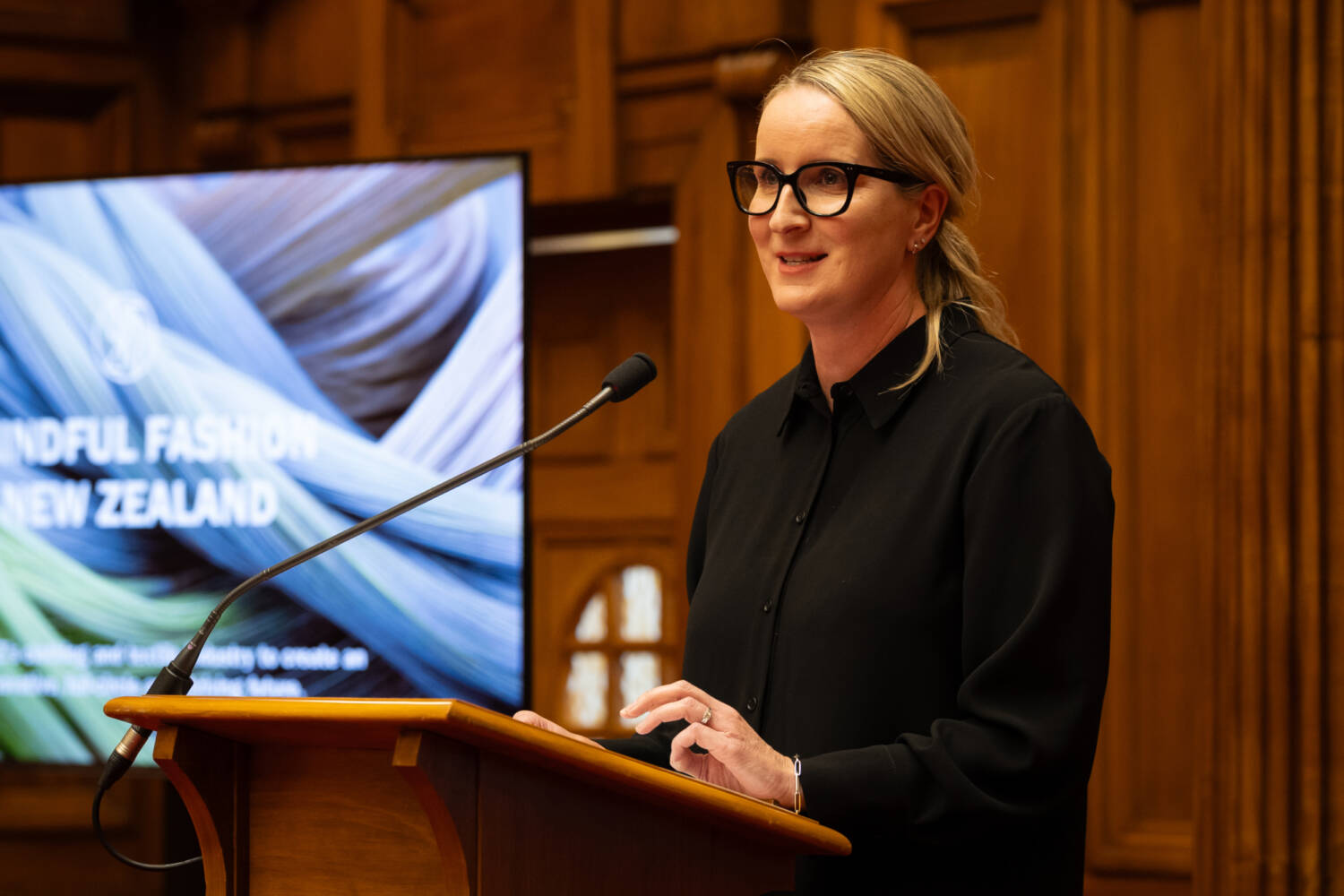
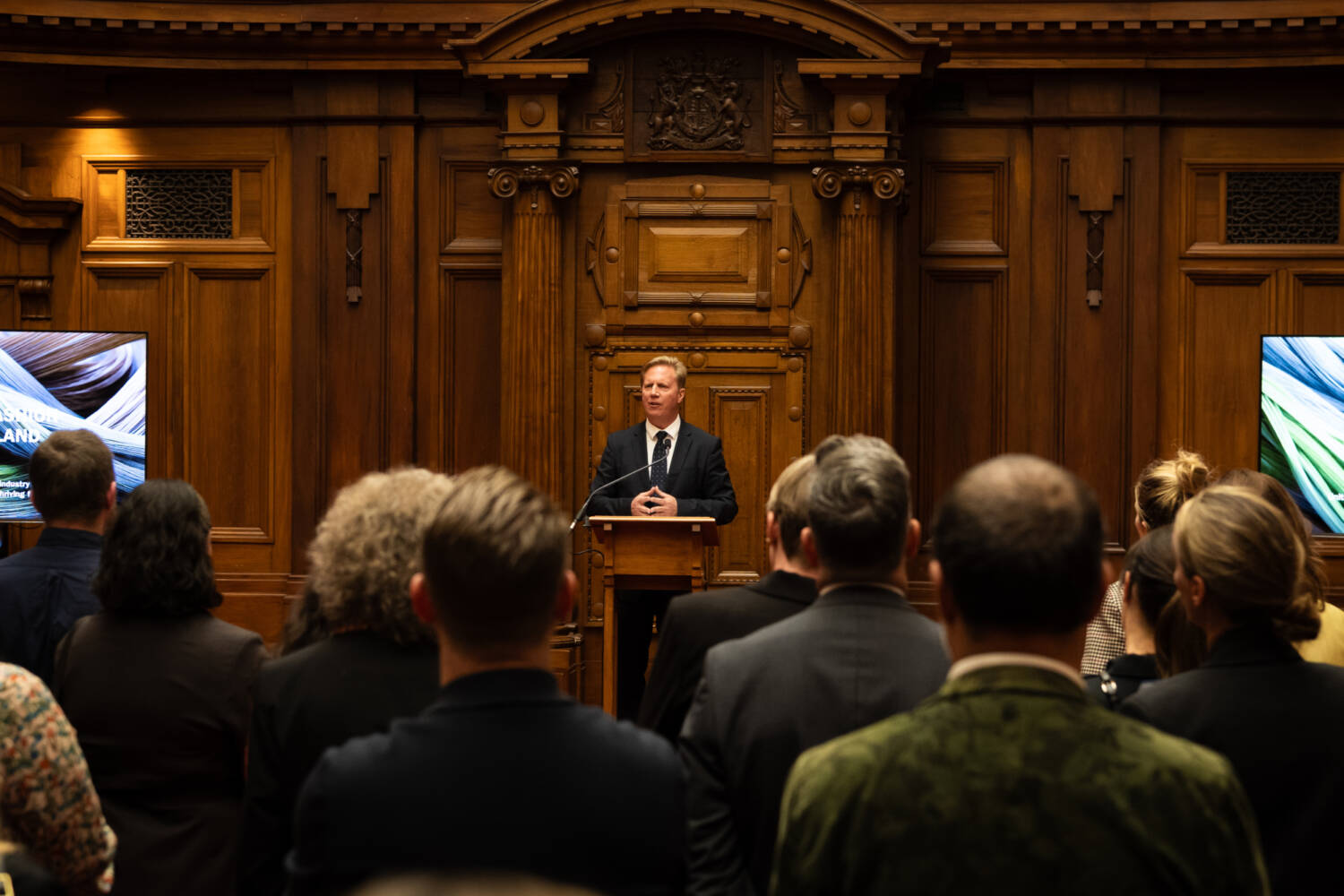
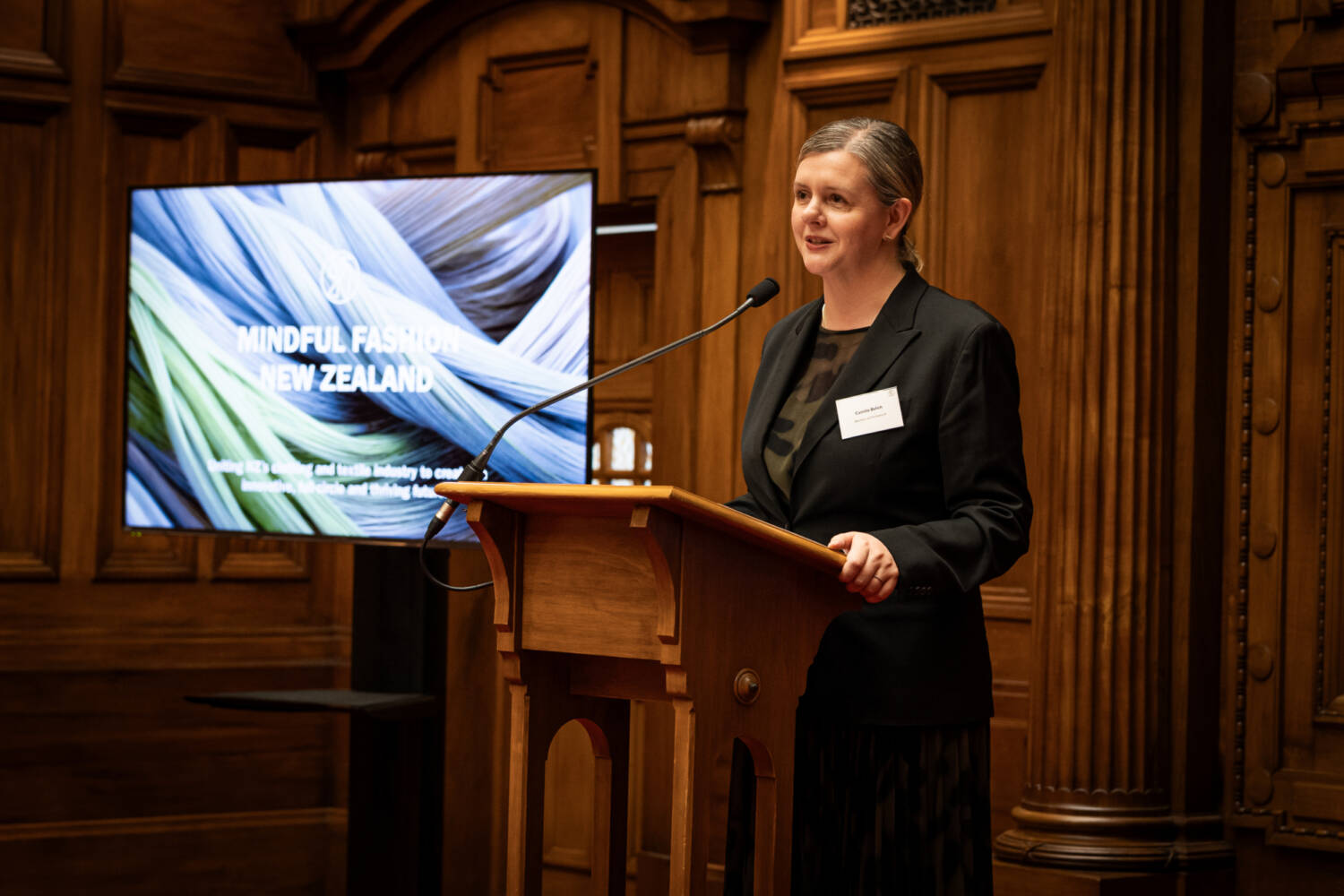
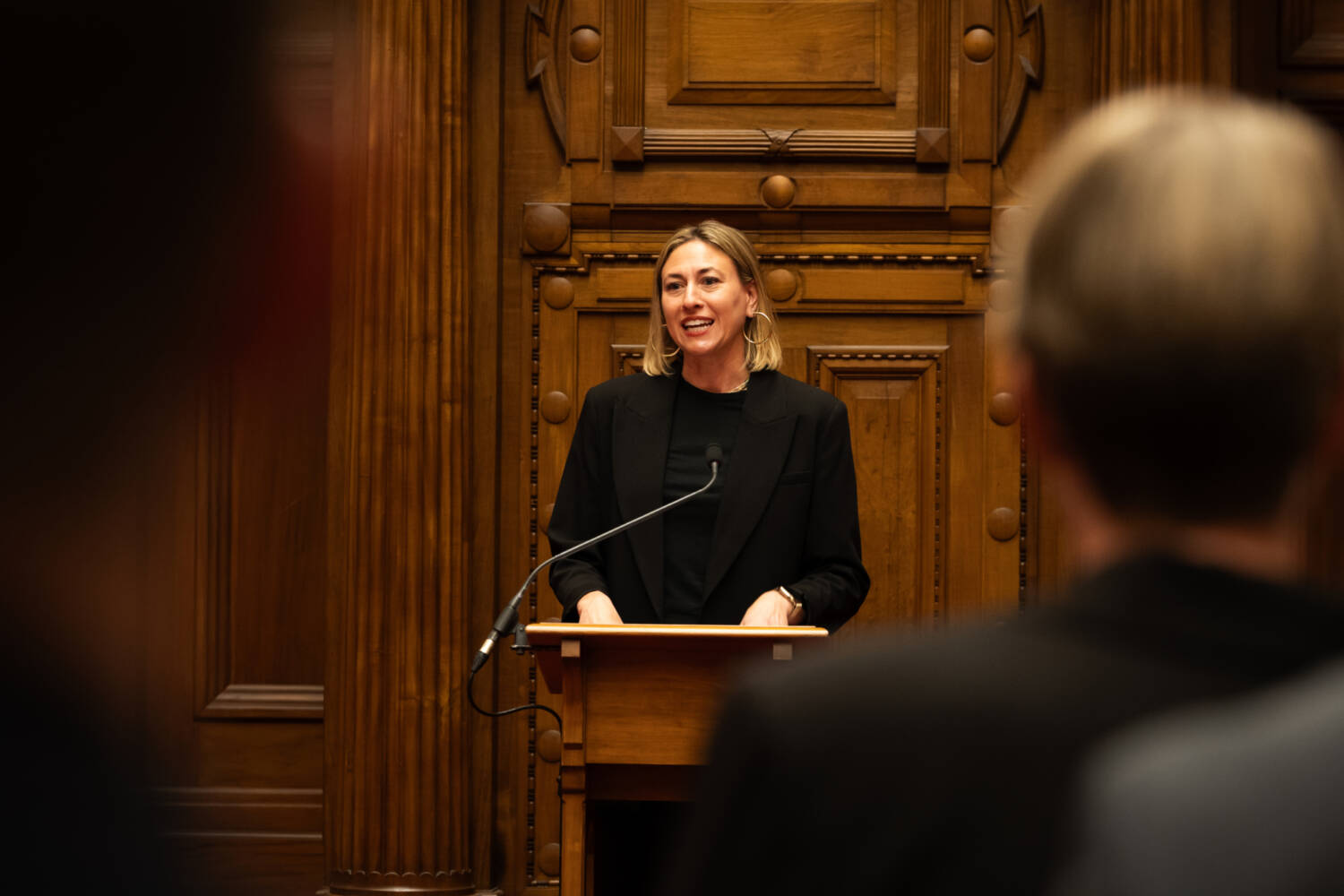
Tuesday November 4th, 2025 marked a defining moment for Aotearoa’s fashion and textile industry, and for Fashion & Textiles NZ. For perhaps the first time, our sector was formally recognised and heard in Parliament, with Ministers, MPs, industry leaders and partners coming together to acknowledge our industry’s contribution, and importantly, its future potential.
Hosted by Camilla Belich MP, we were honoured to have Minister Todd McClay join us and reiterate our agenda, speaking about the export and fibre opportunities for the sector in NZ and globally. We were also joined by Ministers Nicola Willis, Nicola Grigg, and Mark Patterson, MPs from across the house, and national industry and business leaders.
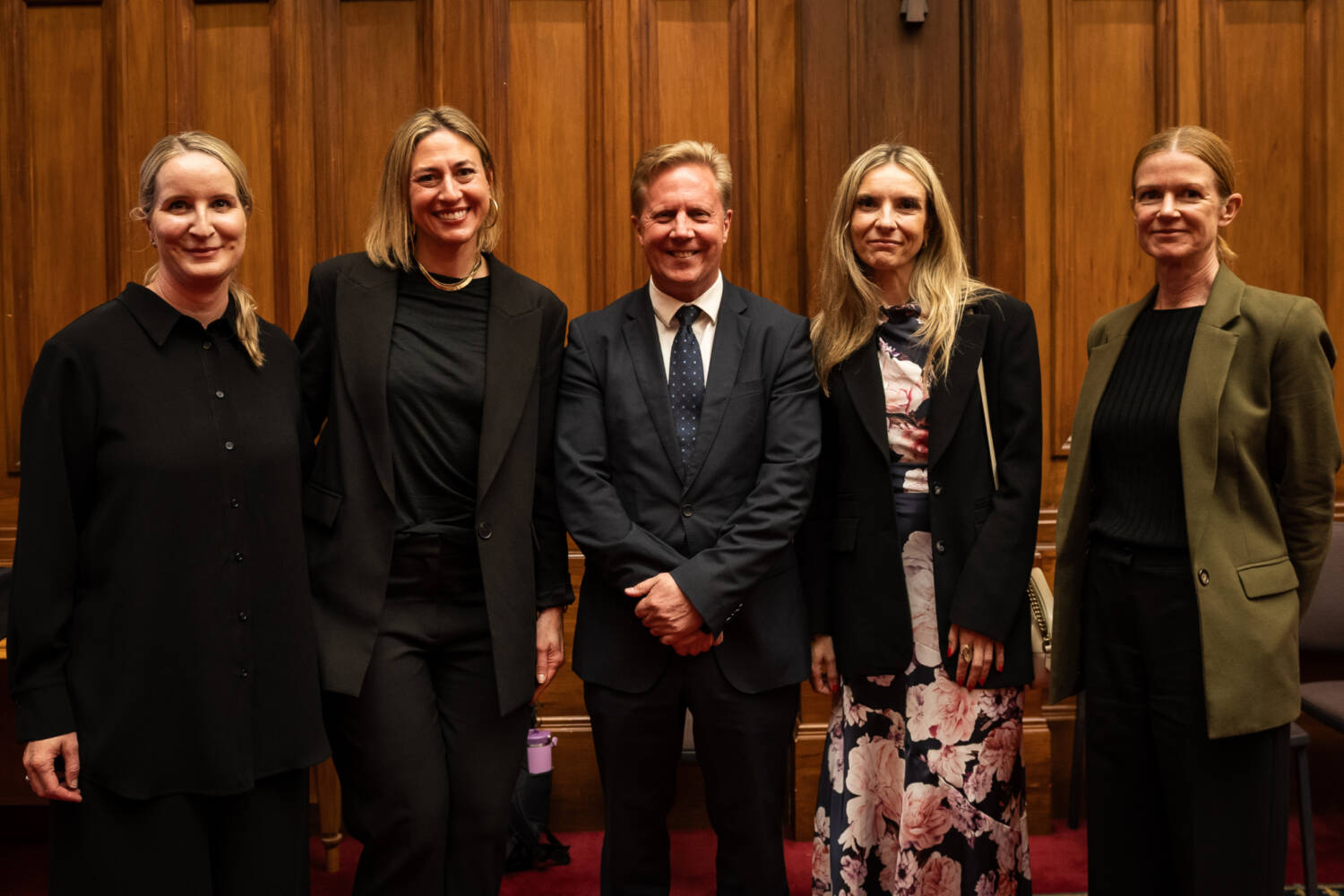
Our message in Parliament was clear:
New Zealand’s fashion and textile industry is a quiet economic powerhouse - contributing $7.8b to the economy, supporting 76,000 jobs, and shaping culture, creativity and community across the country.
Our industry spans the full value chain - from fibre and textile production to design & manufacturing, retail, and, ultimately, our customers and our communities. We are an industry that creates jobs, drives innovation, strengthens exports, and shapes culture and community.
We shared that this industry stands at the intersection of design, manufacturing, fibre innovation, and values based leadership. That we have distinct competitive advantages across this value chain, and with the right investment and partnership, this industry's potential to deliver lasting value for our economy, our communities, and our place, is immense.
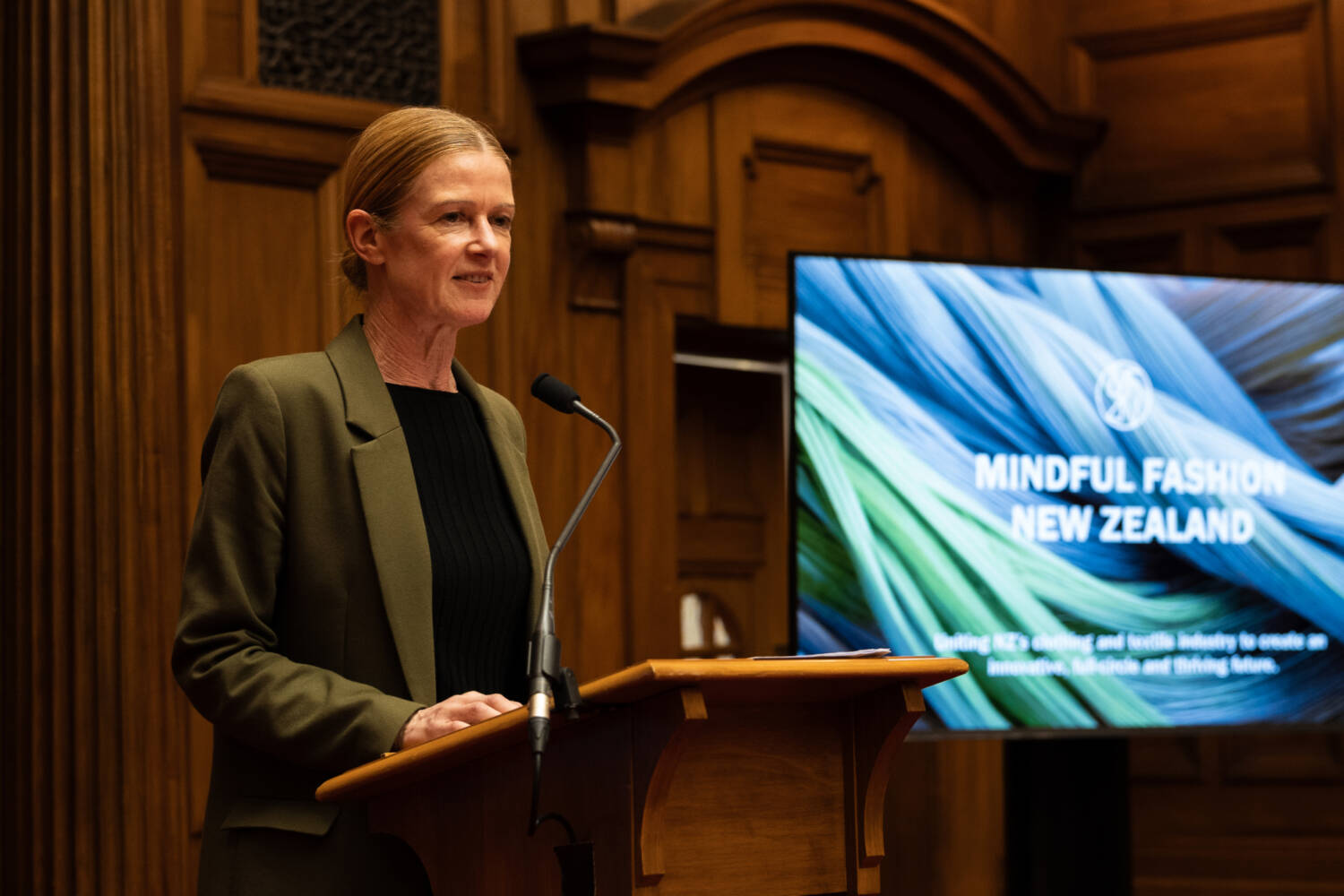
Introducing Fashion & Textiles NZ
As an organisation we are focussed on these opportunities through the entire clothing, textiles, and fibre value chain. As such, we have taken the decision to change our name to reflect this. Over the coming 6 months, Fashion & Textiles New Zealand will become Fashion and Textiles New Zealand. This new name better reflects who we represent and what we’re looking to achieve. This change will be phased in.
Last night we called for continued, meaningful partnership with government to unlock this value and accelerate industry progress, to ensure this industry remains successful, resilient, and enduring for generations to come.
Three new initiatives announced
To drive momentum and strengthen capability across the value chain in Aotearoa, we announced three major initiatives:
Threads of Tomorrow Summit - June 16th 2026
A landmark national forum, supported by ASB, bringing together the fibre-textile-fashion ecosystem to showcase innovation, build collaboration, and strengthen global opportunity for NZ design, manufacturing, and fibre excellence. Save the date and let us know here if you would like to be part of this.
Industry Manufacturing Strategy
We will produce an actionable forward-looking plan to reinvigorate and position our manufacturing sector for long-term prosperity, by building resilience, capability and enduring competitiveness with a focus on accelerating technology adoption, and growing export-ready, future-fit production capacity.
Future of Fibre Aotearoa
A multi-year initiative supported by Agmardt, focused on unlocking value across NZ’s fibre ecosystem, from farm to finished textiles, identifying opportunities to position fibre as a flagship of Aotearoa’s high-value economy.
These initiatives represent a critical investment in the long-term strength, competitiveness, and durability of our industry.
This moment was made possible by our members, advocates and supporters who have helped build a united, future-focused voice for our industry. Thank you for being part of this significant step forward. It was phenomenal to have so many of our members and partners join us, many travelling from around the country.
We are incredibly proud to have reached this milestone - it marks a new stage for us as an organisation. Our ambition is bold: a future where New Zealand’s fashion and textile industry is globally recognised for innovation, excellence, and enduring value.
If you’re interested in working with us on creating opportunities through fibre to fashion please get in touch.
A Night to Celebrate Circular Innovation
7th October, 2025
Celebrating circular creativity and the future of fashion in Aotearoa.
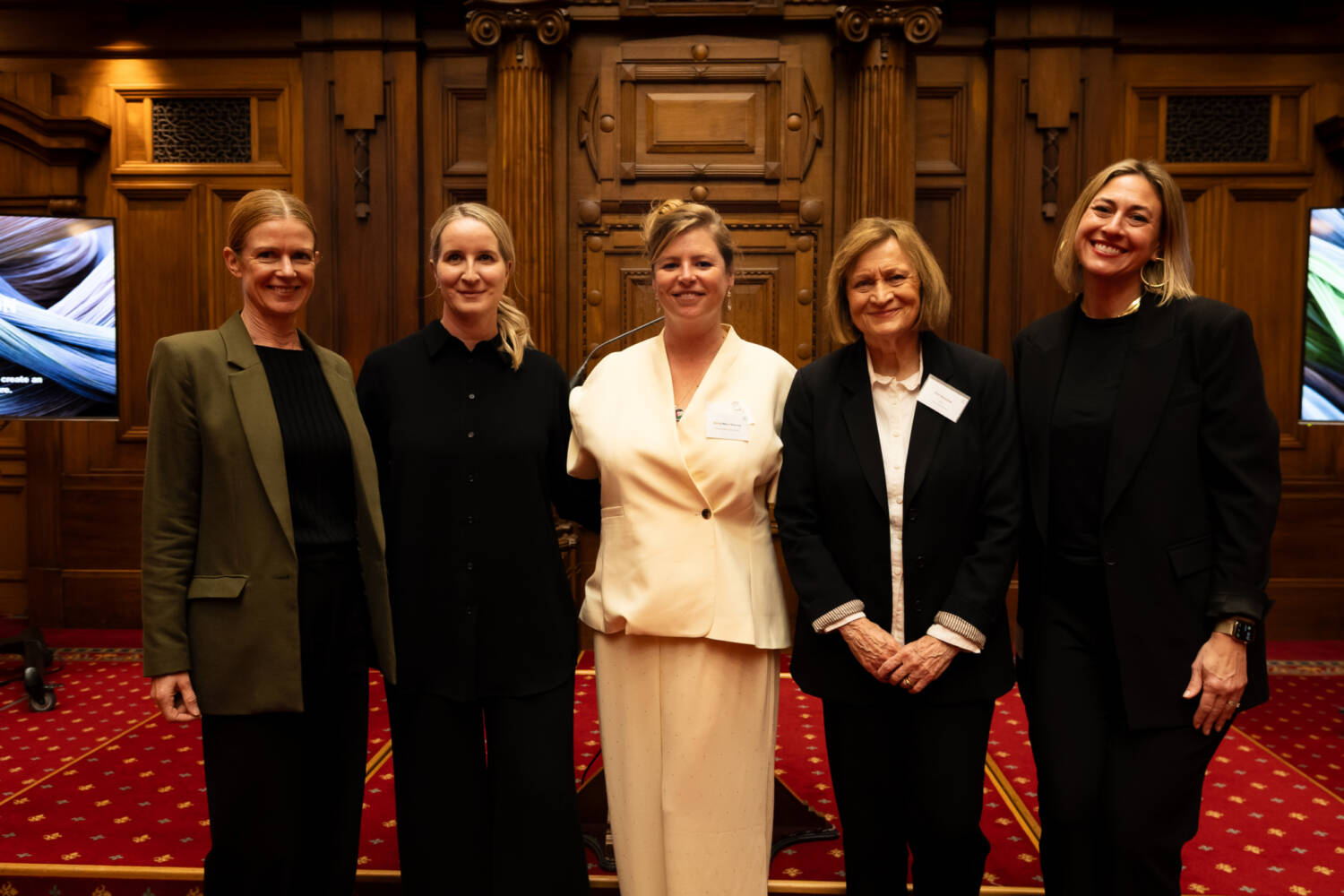
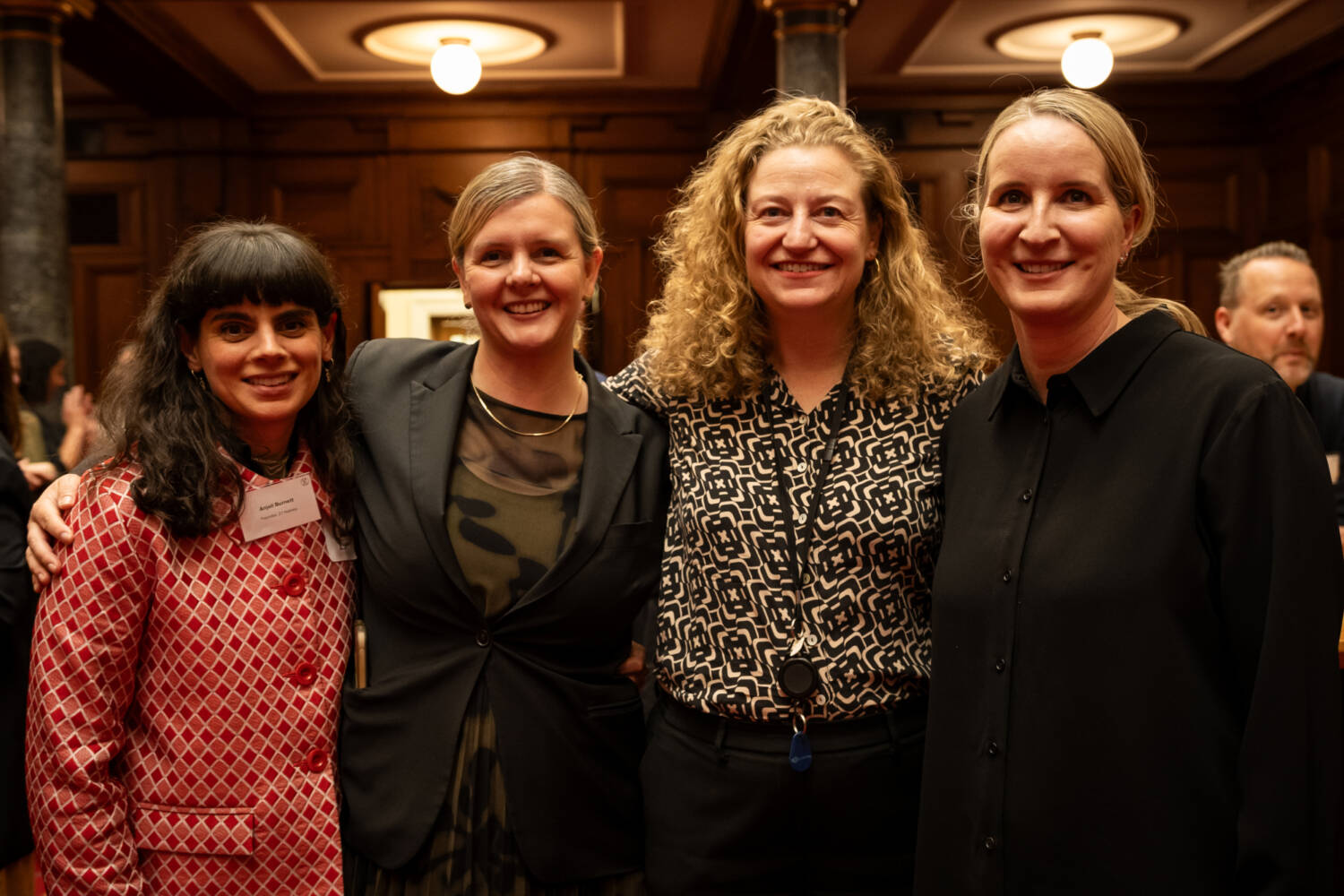
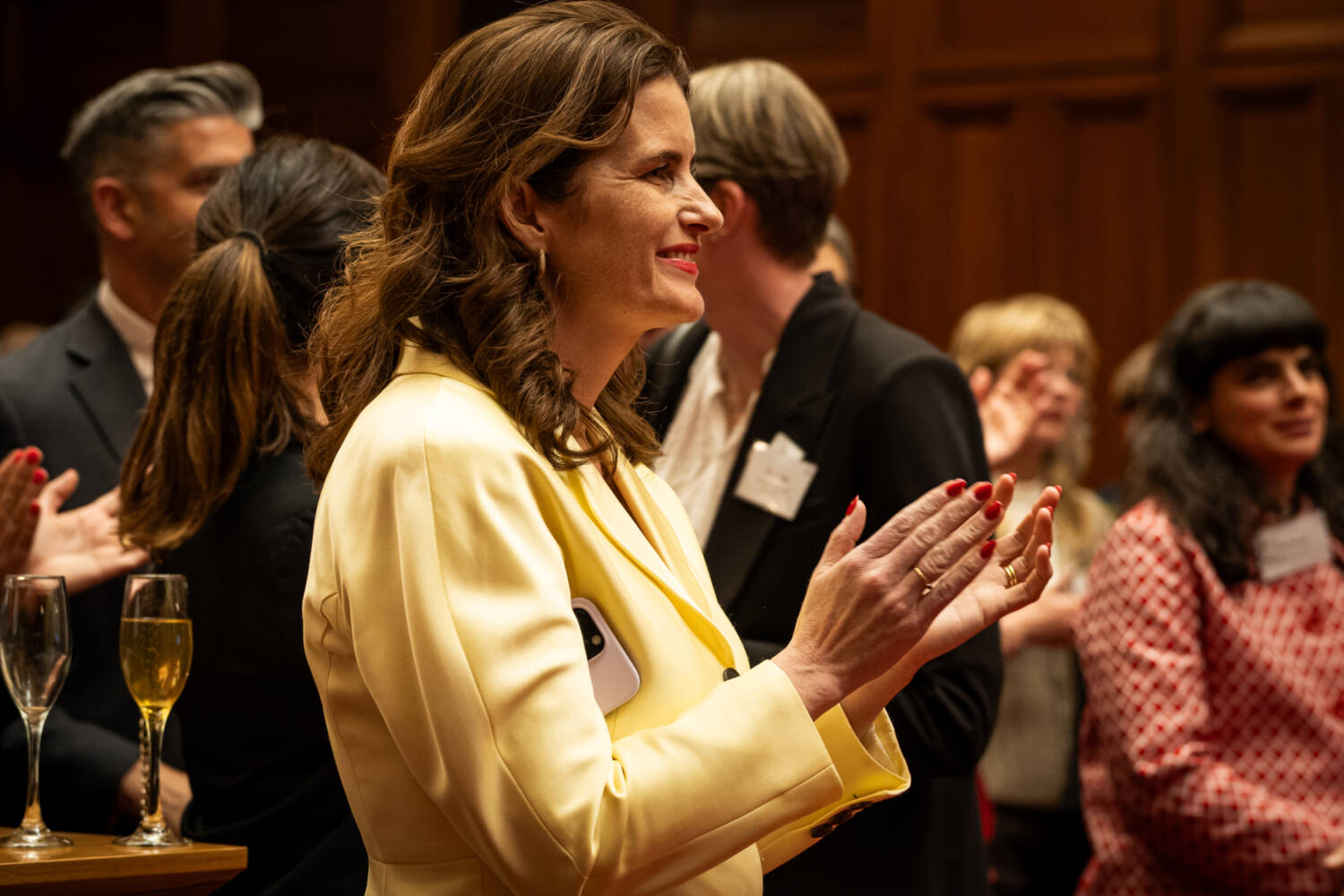
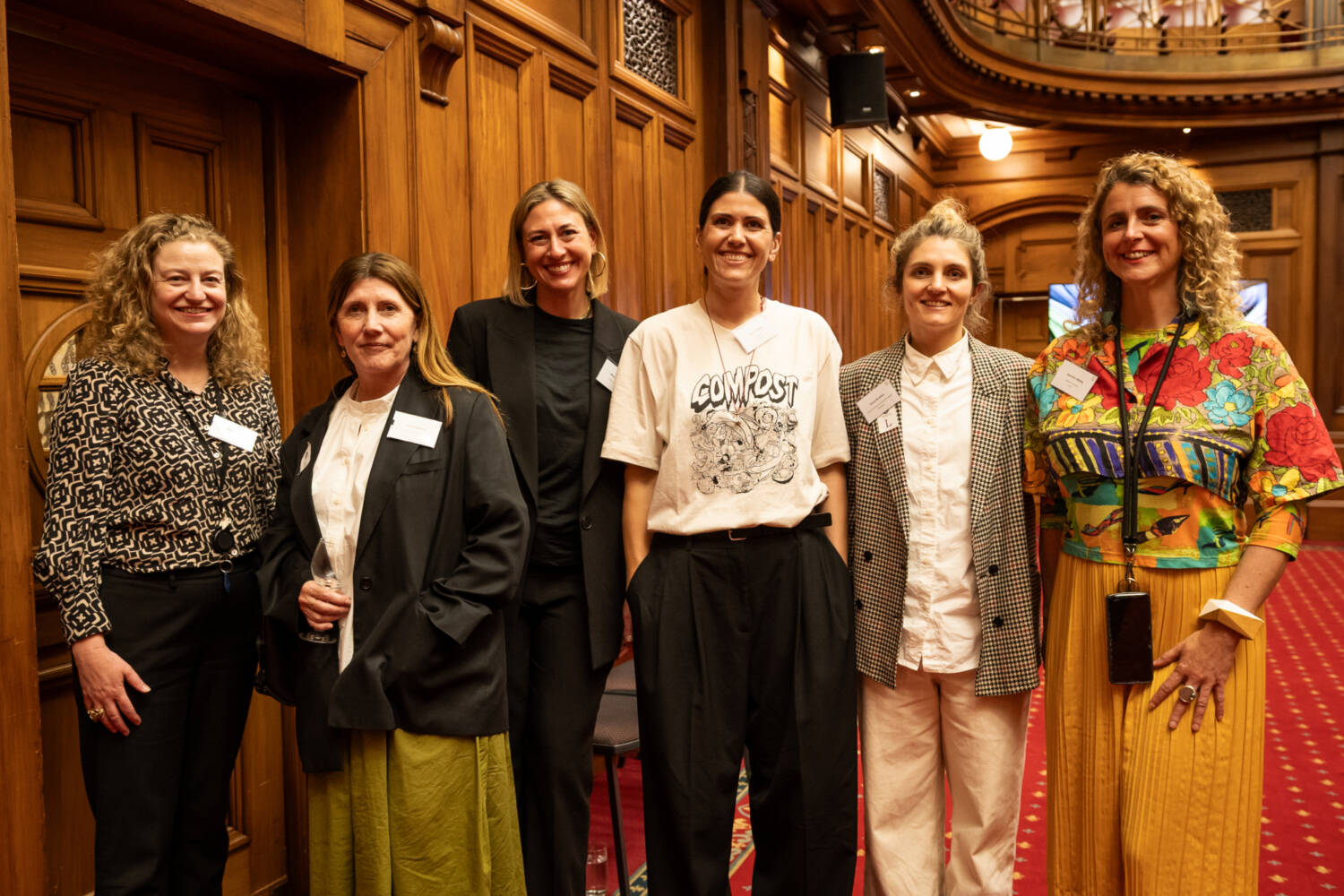
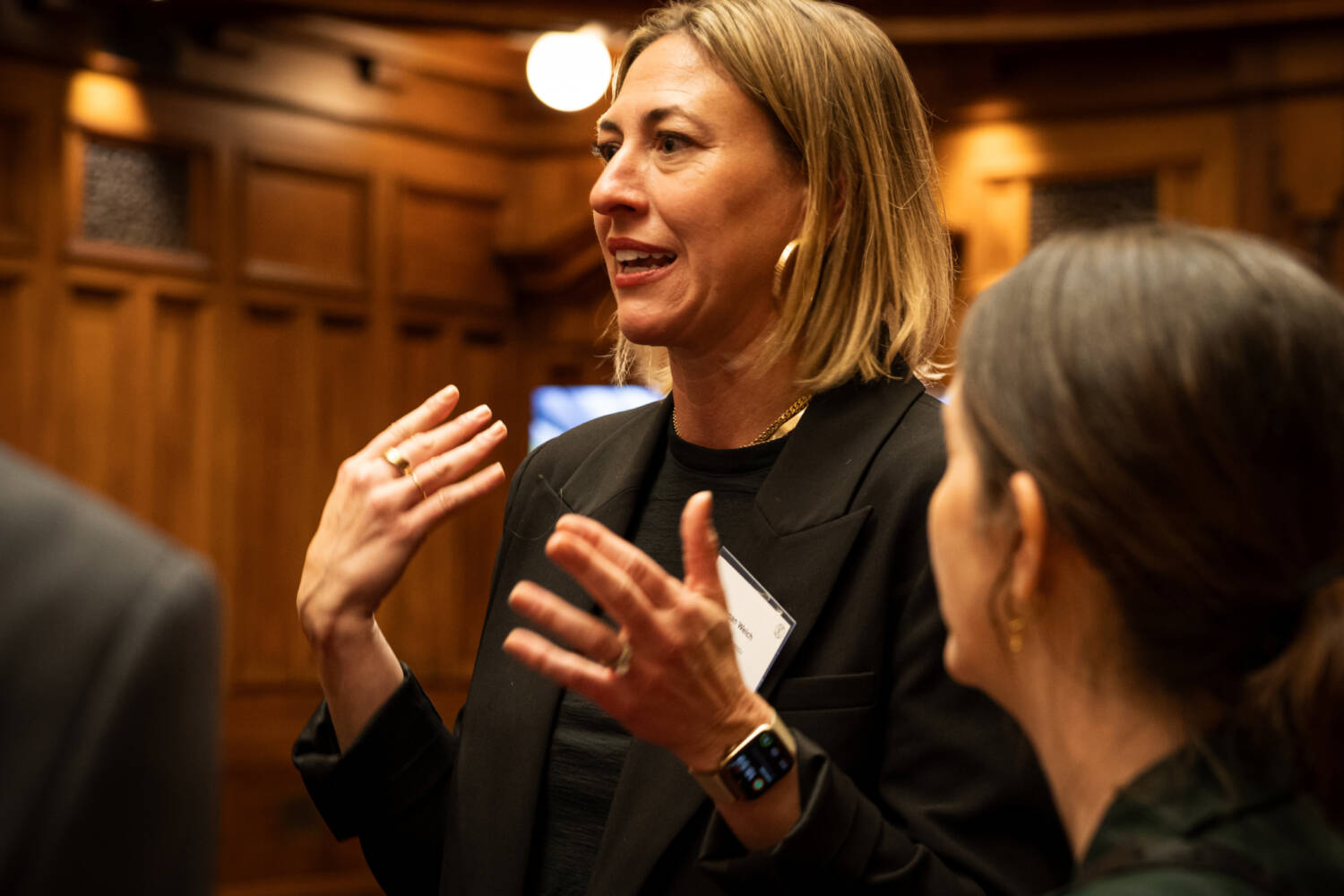
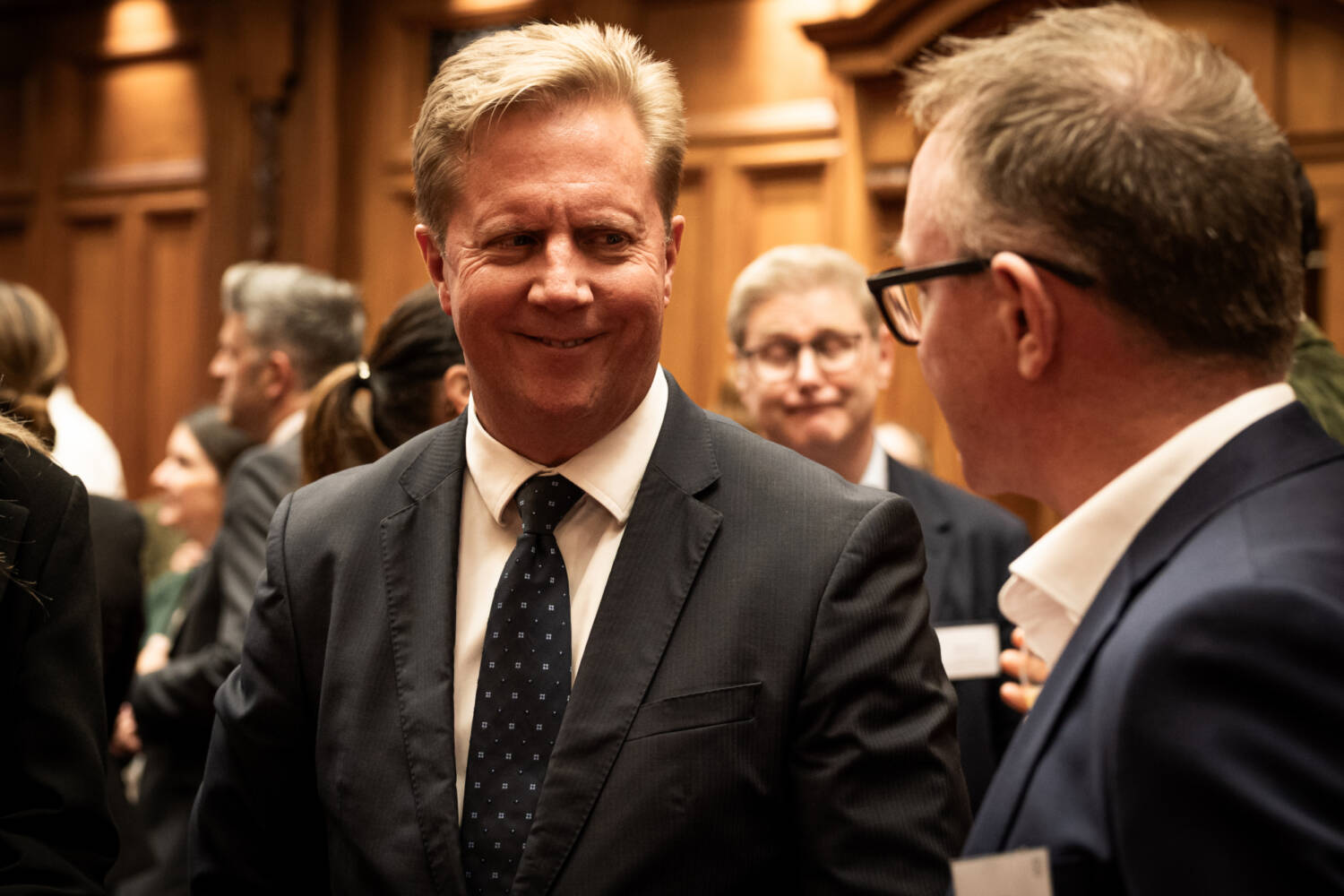
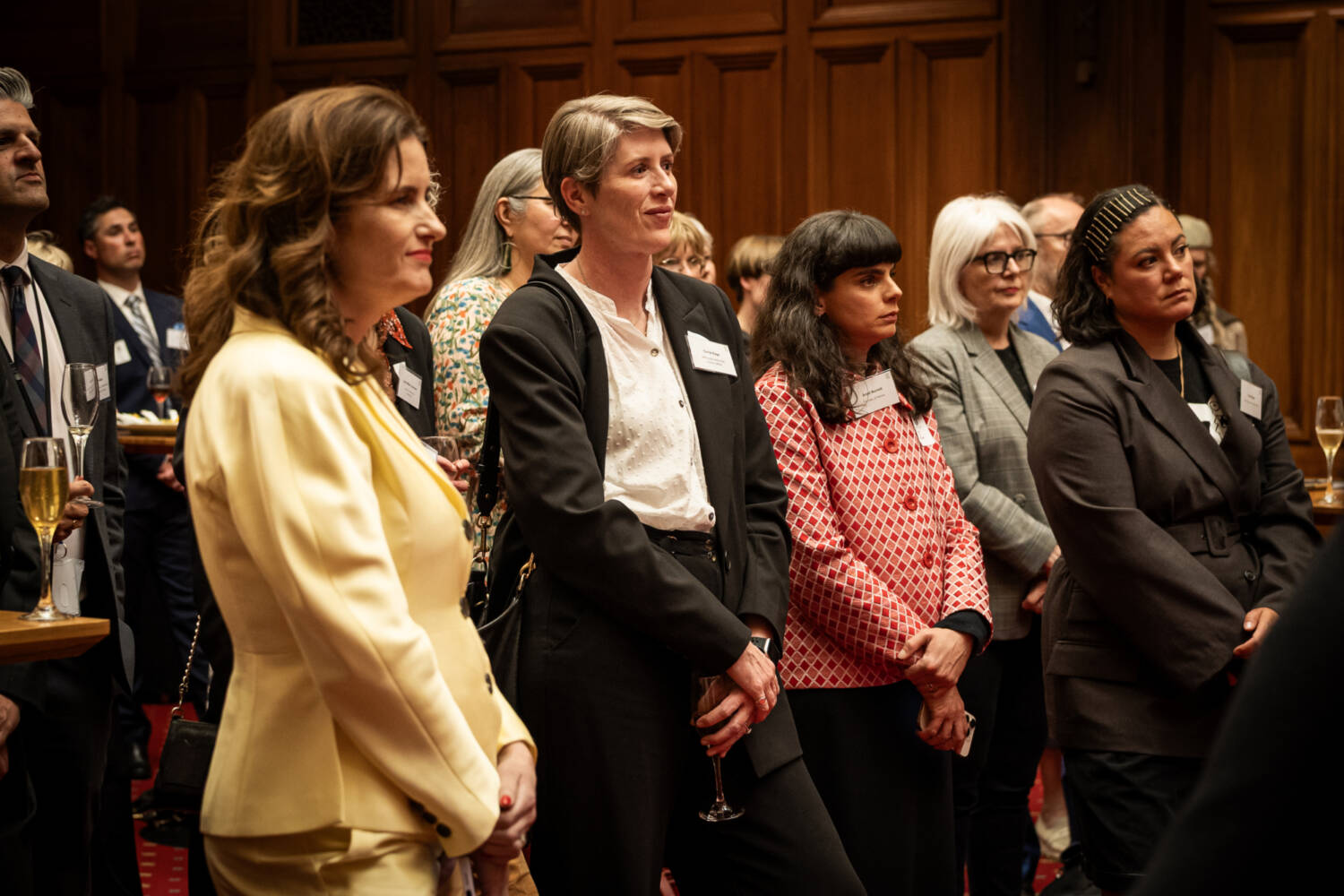
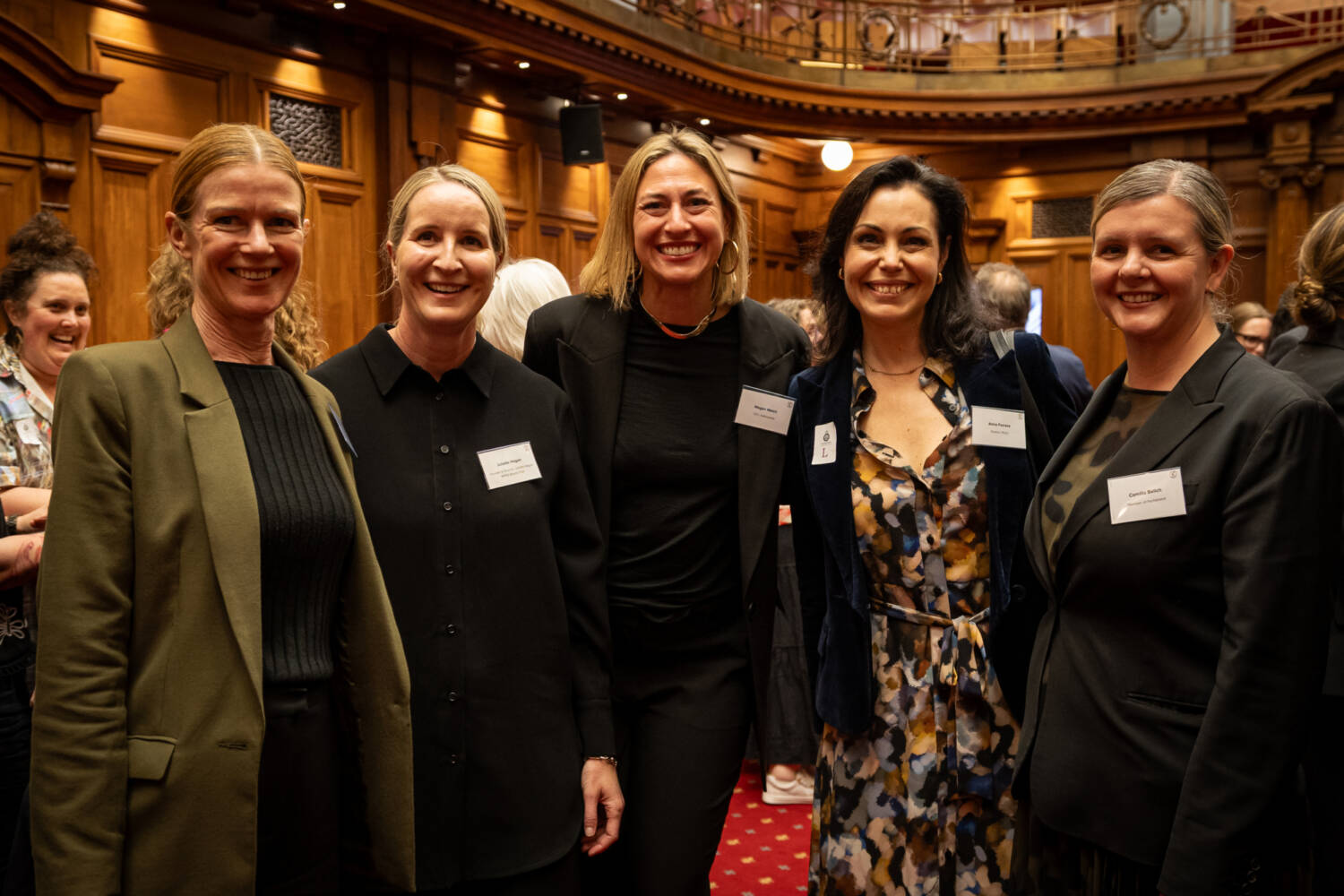
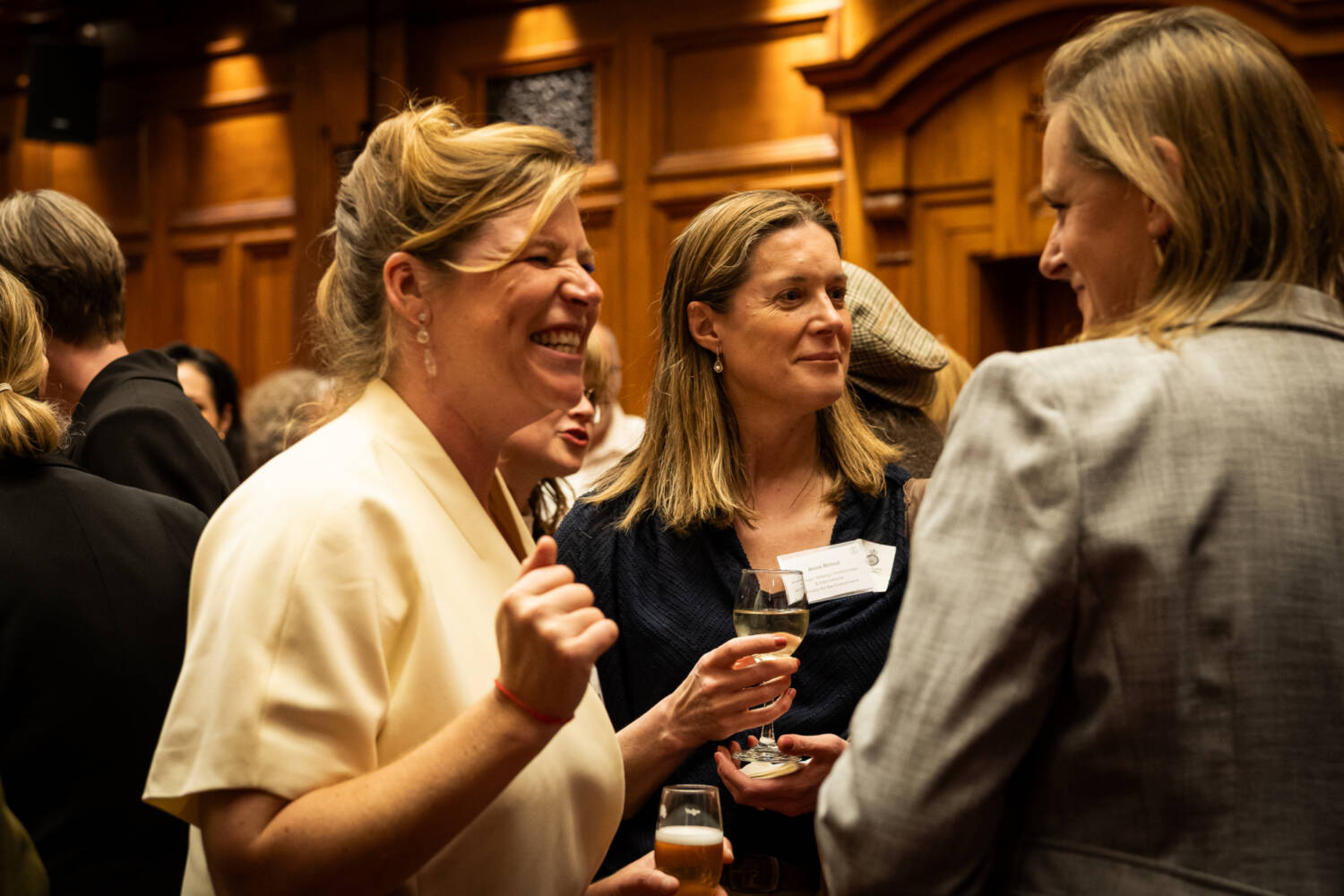
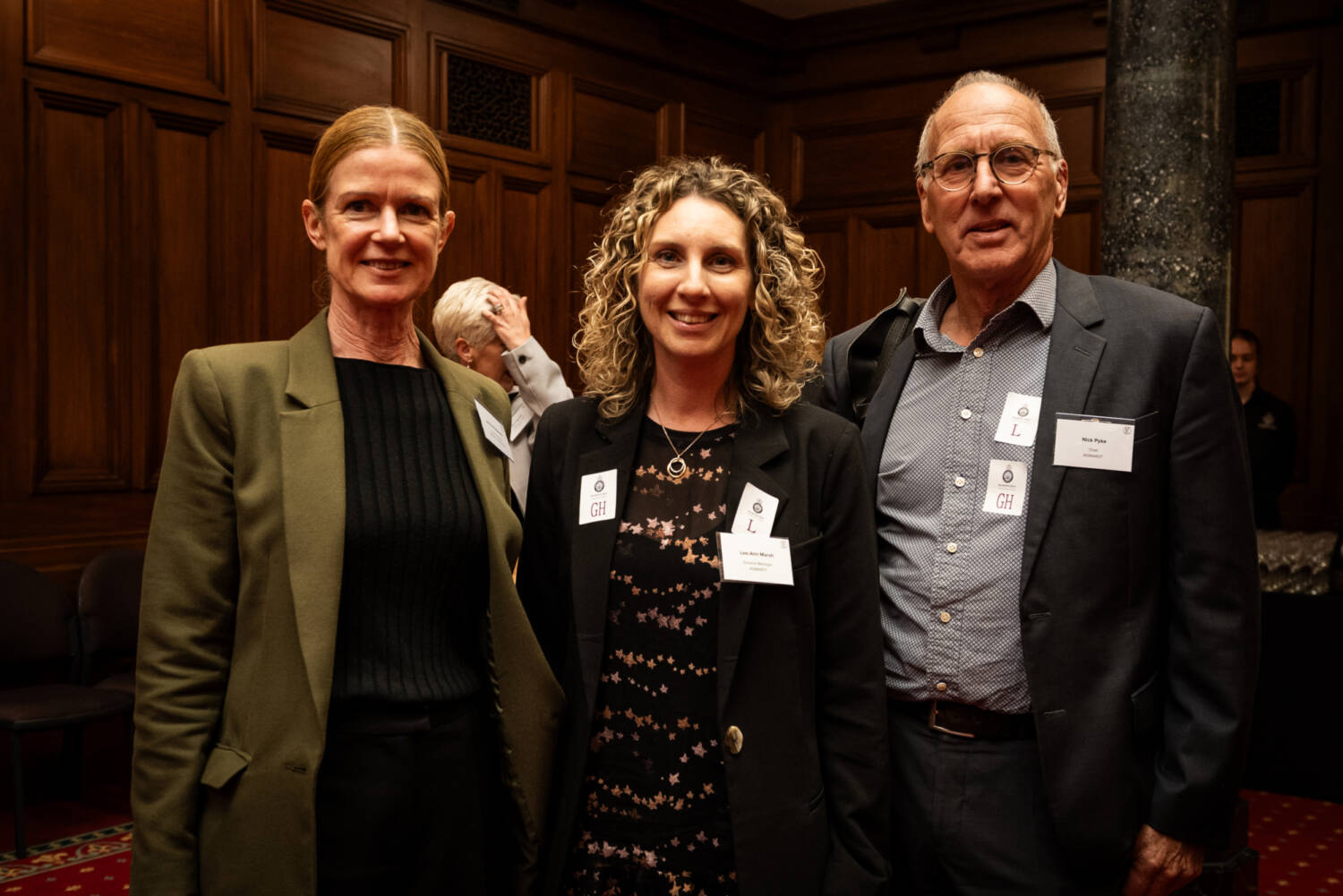
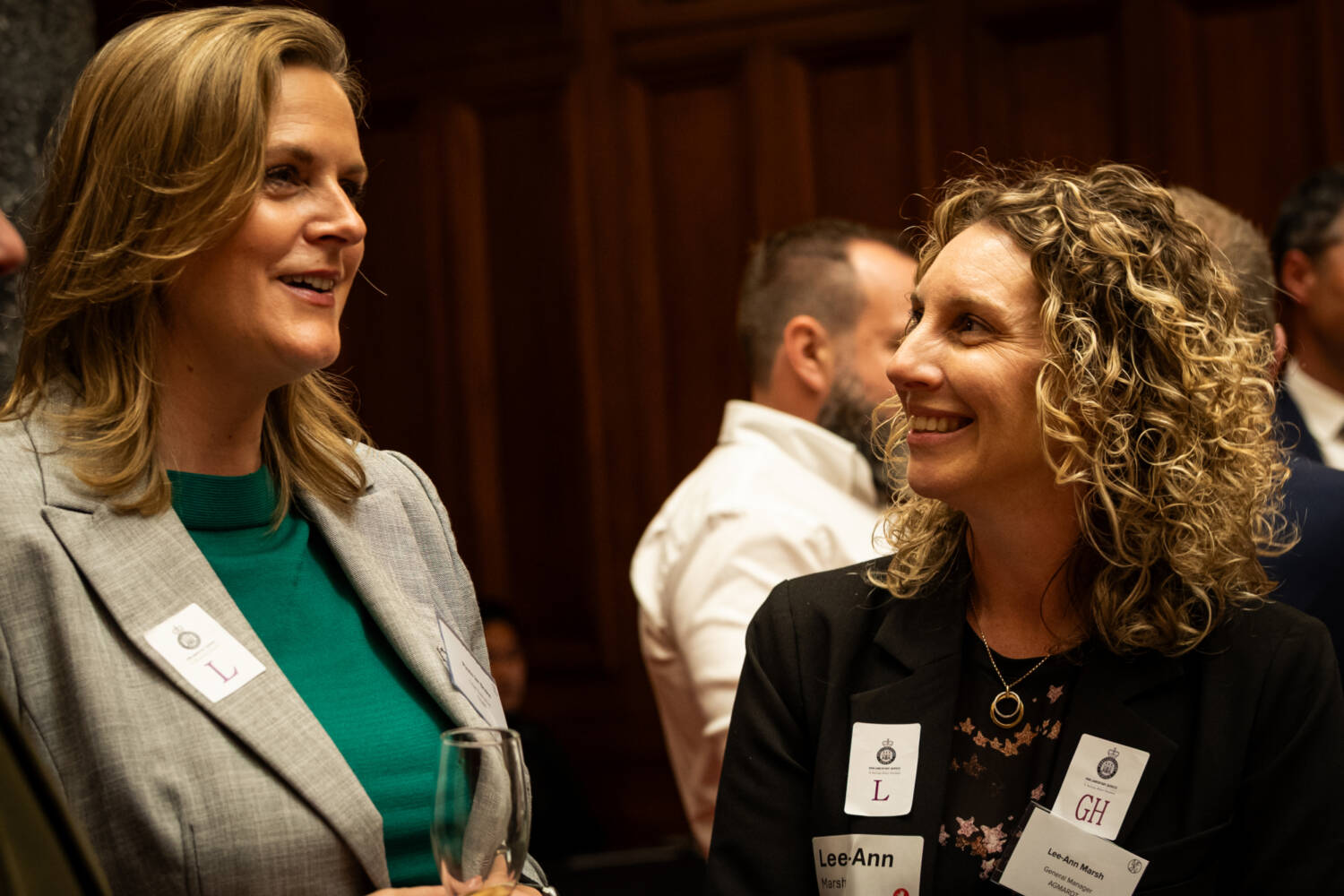
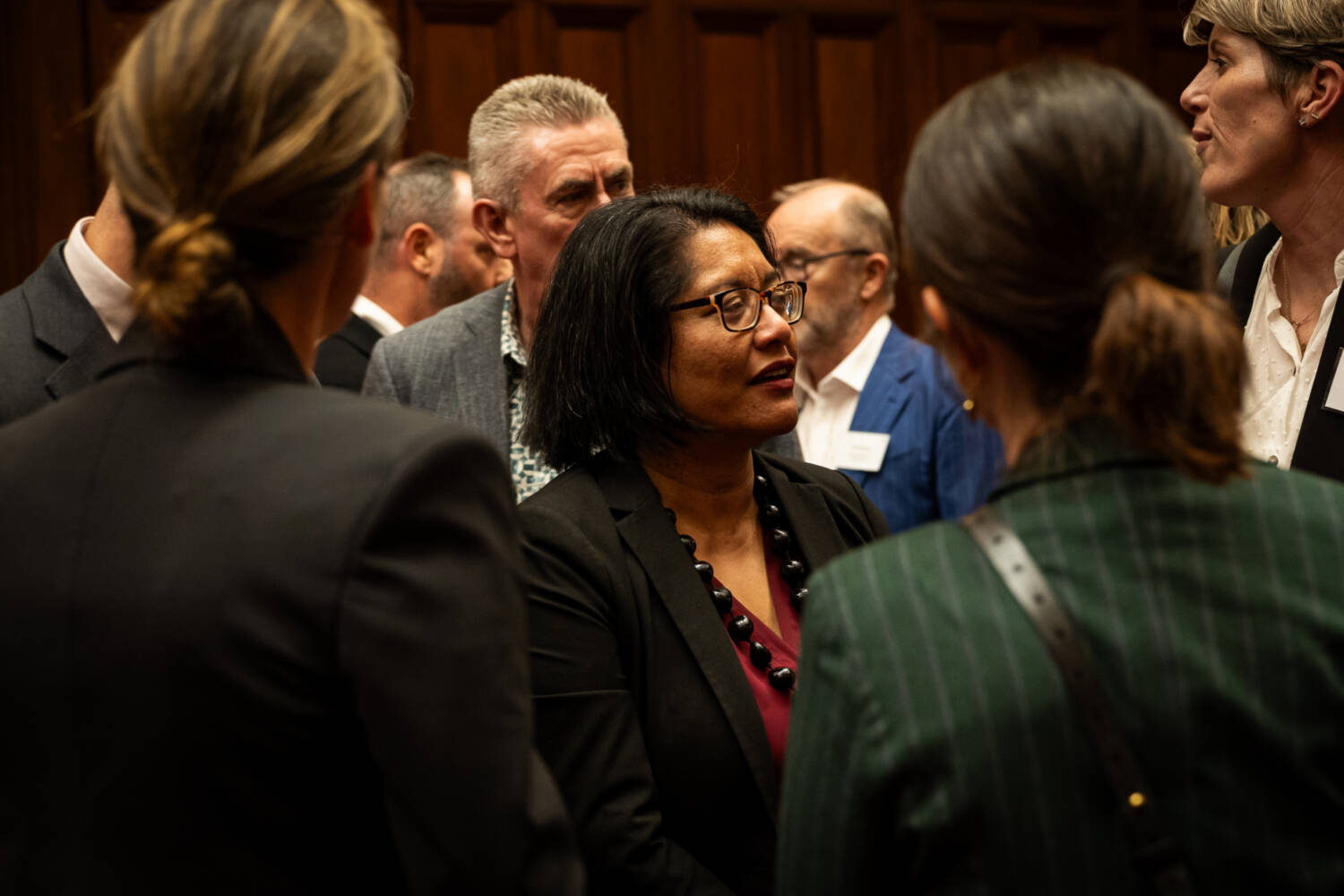
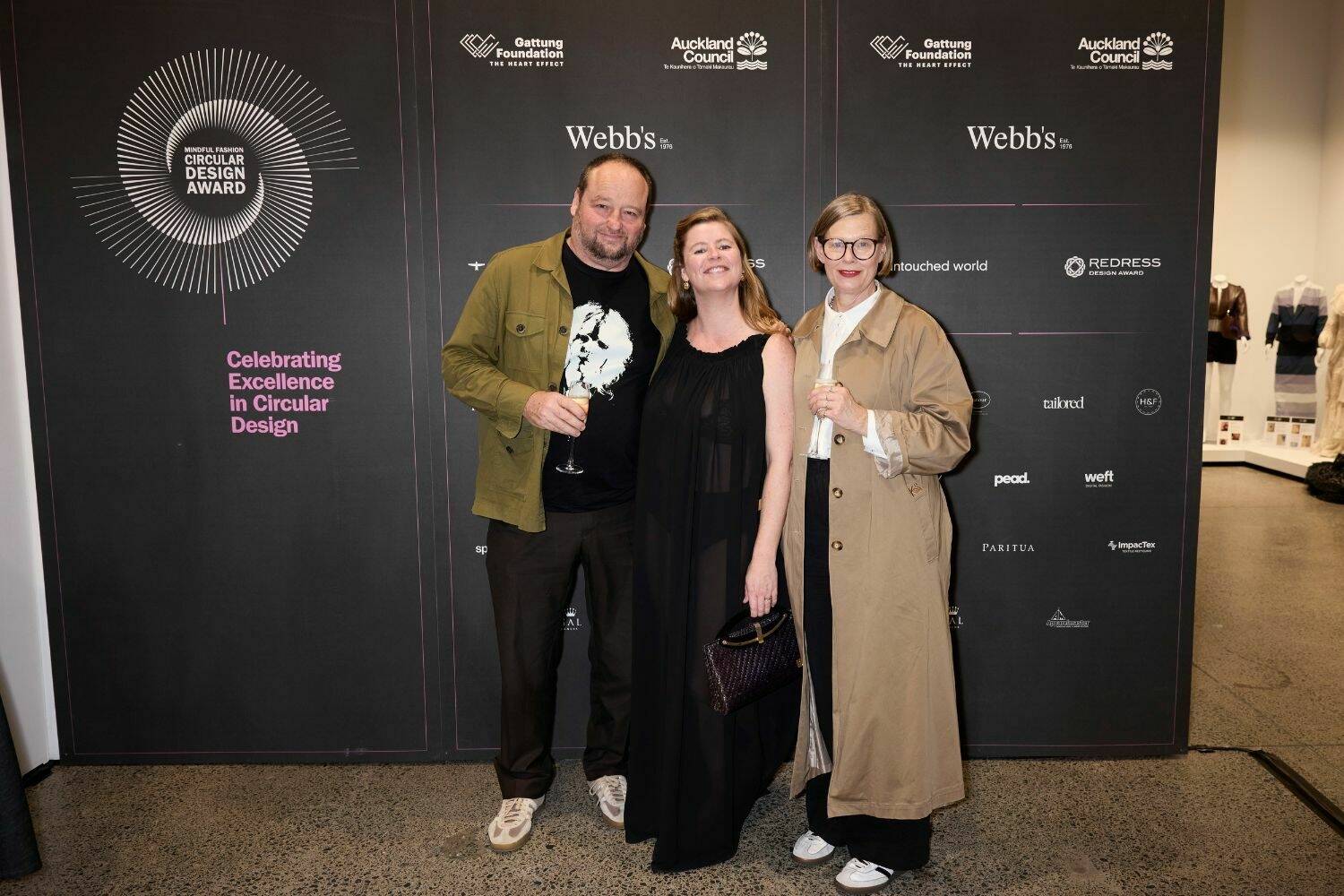
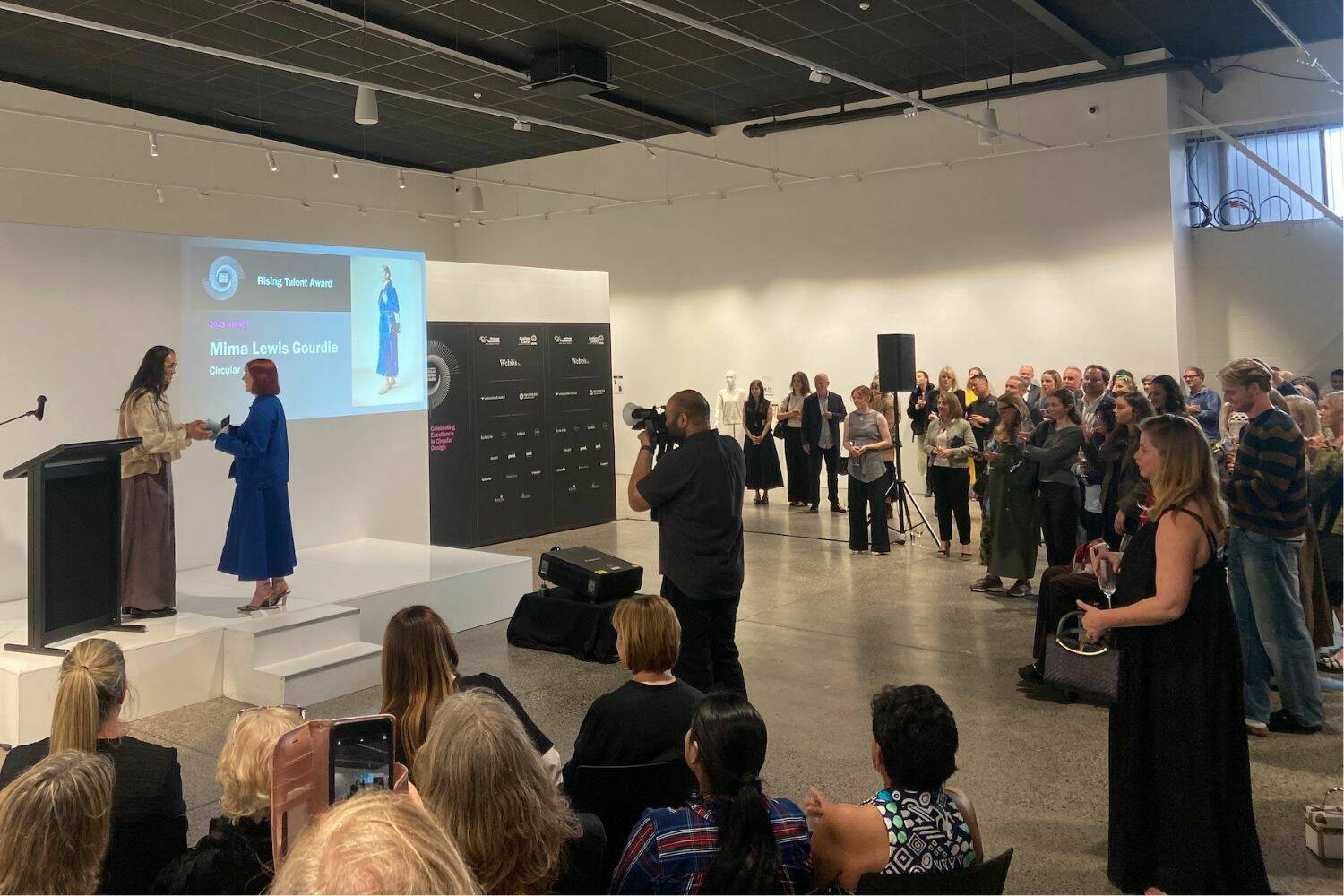
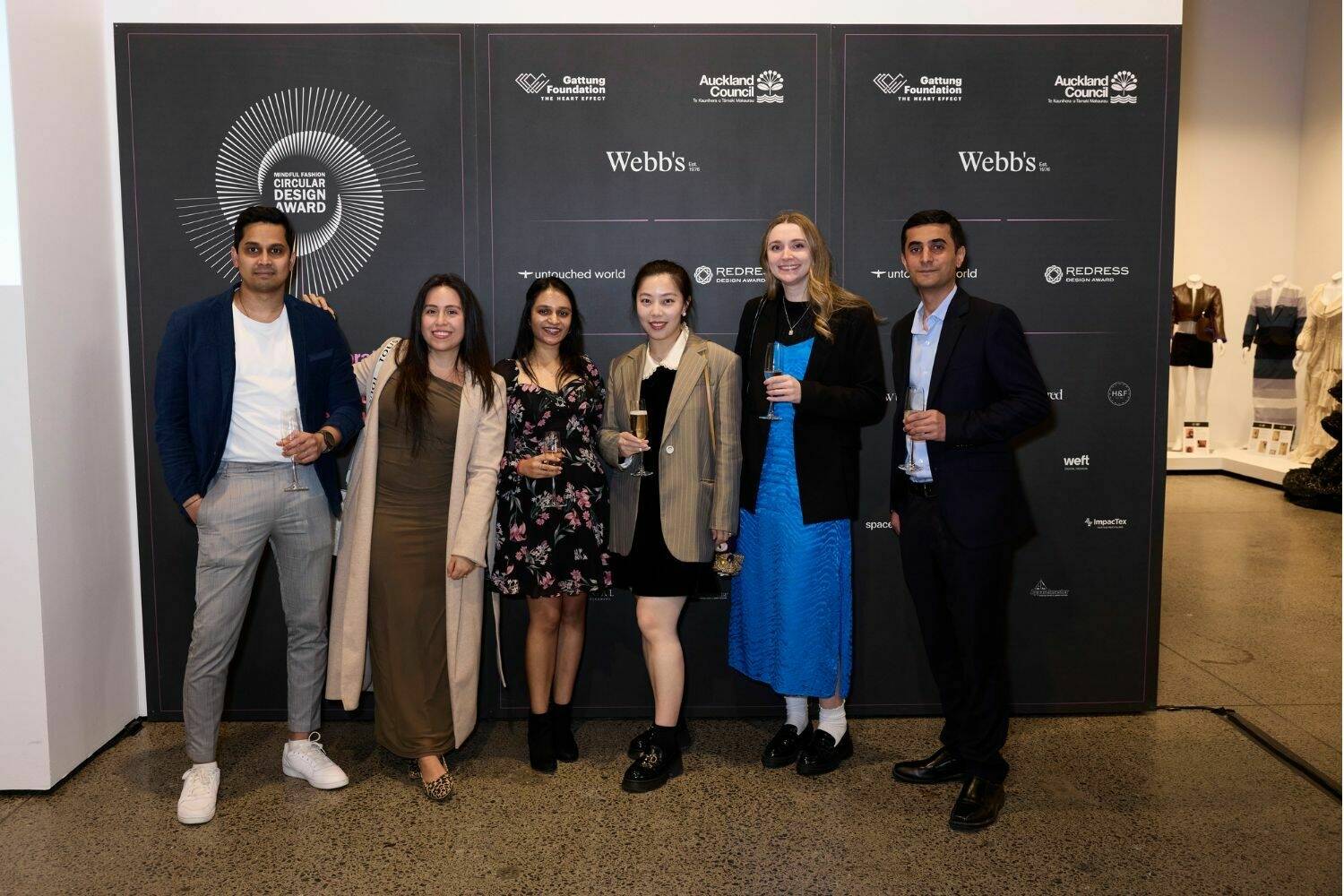
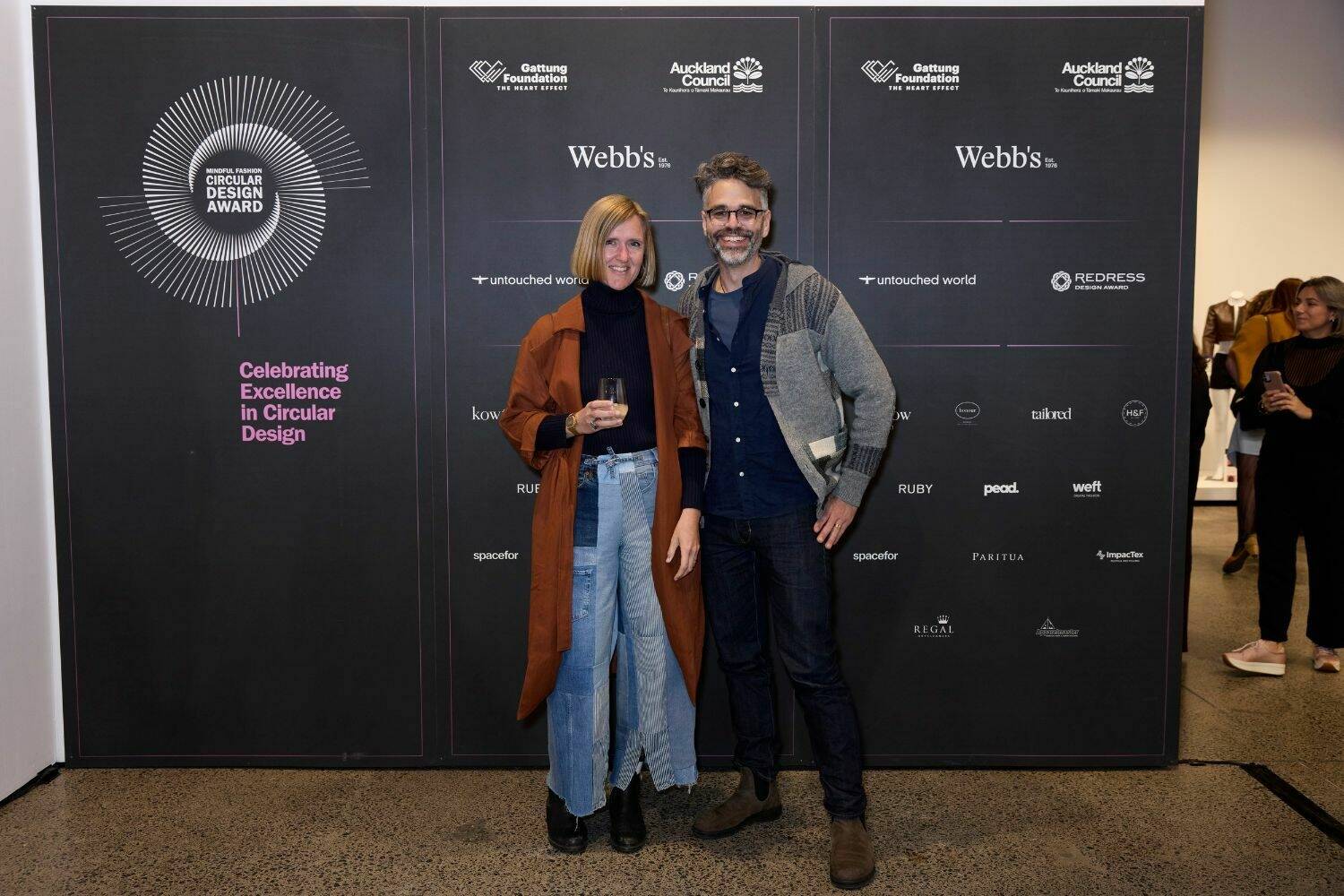
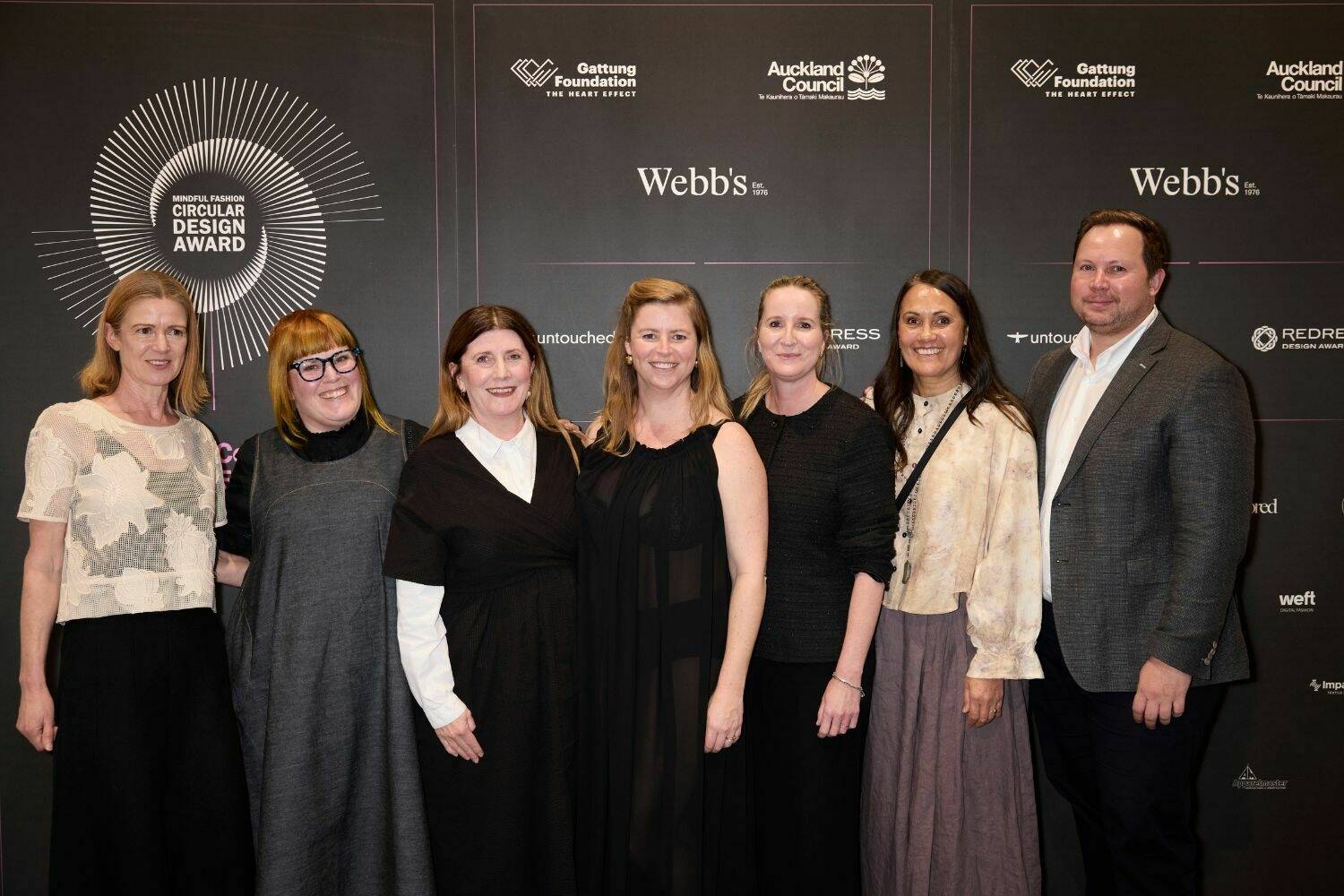
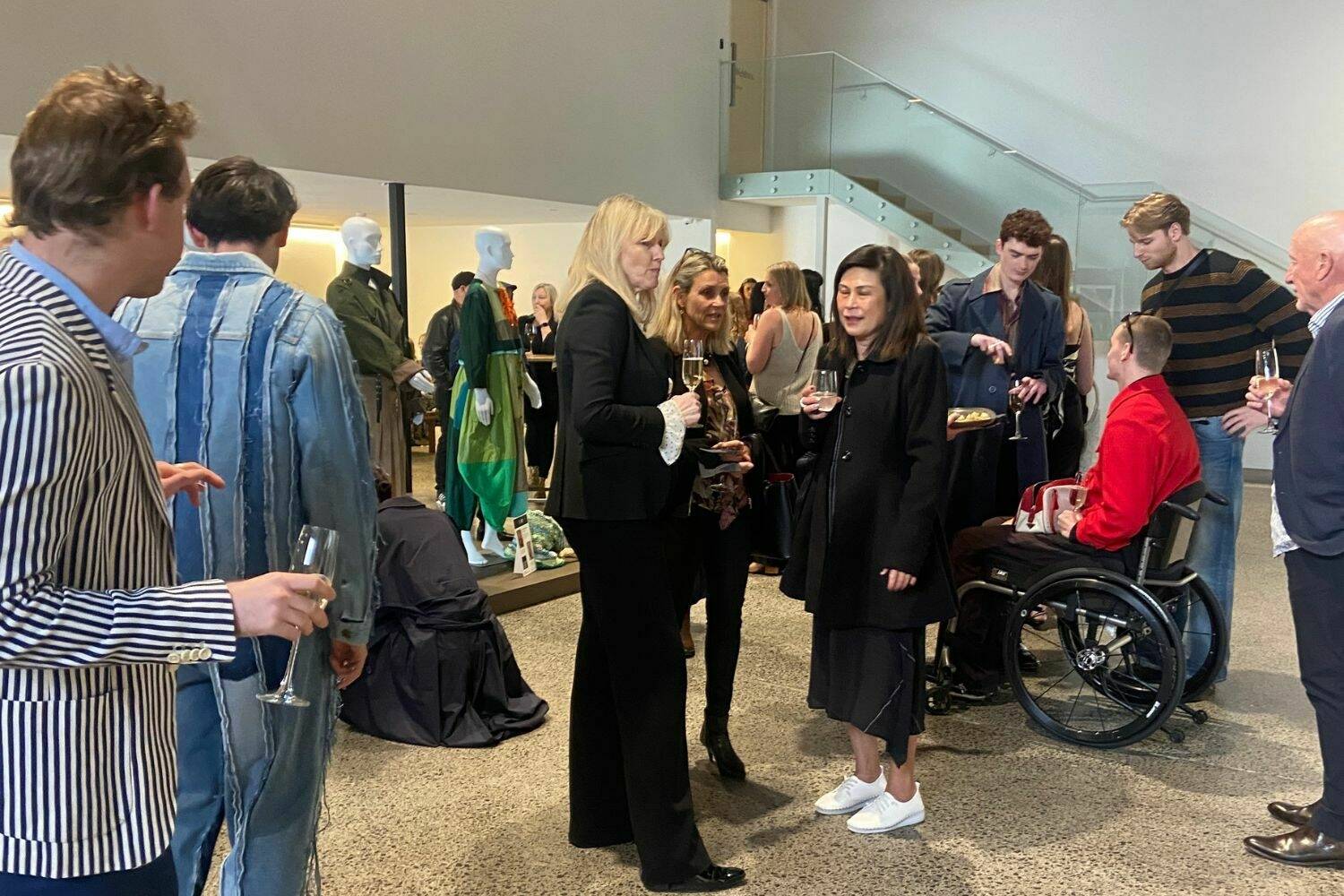
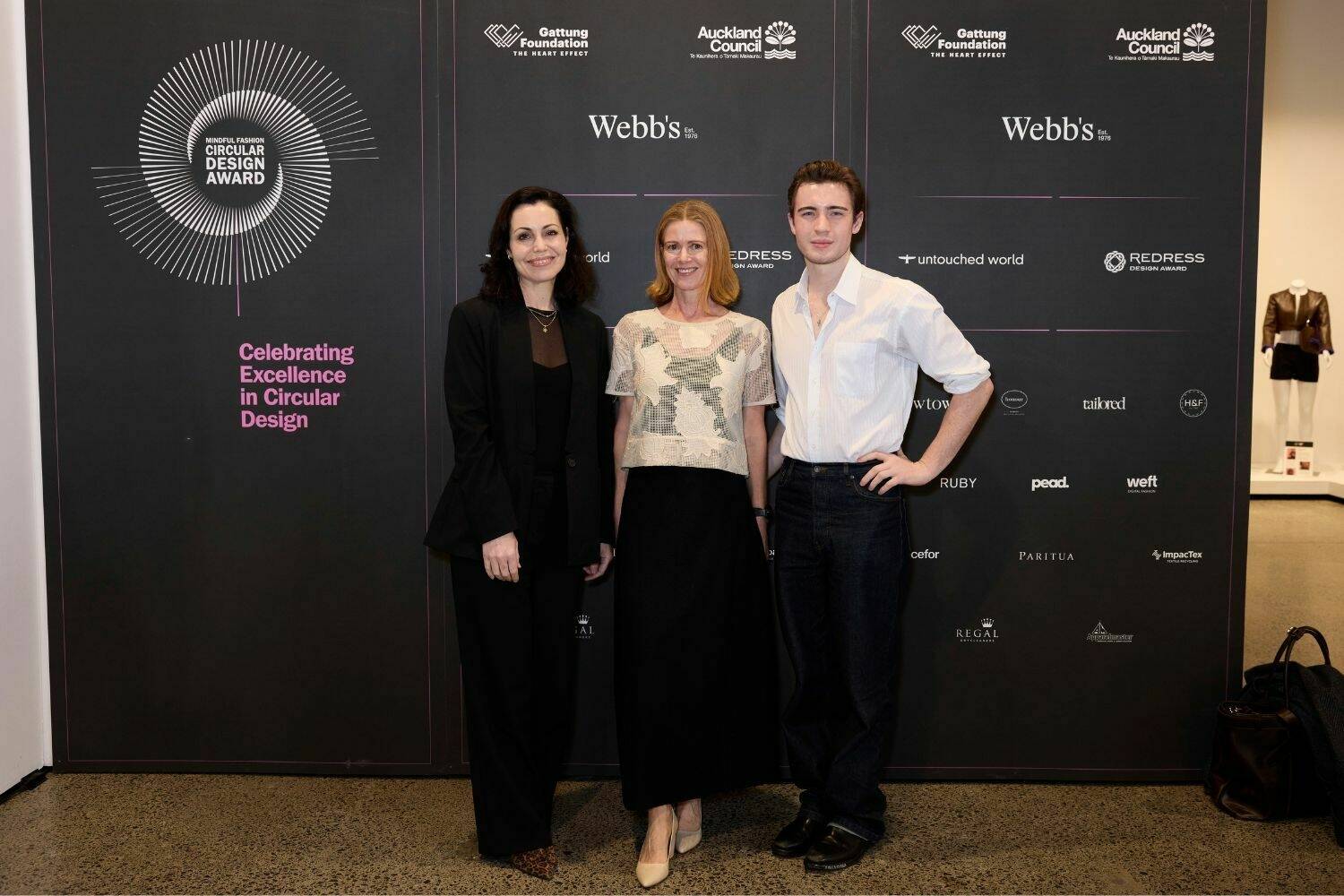
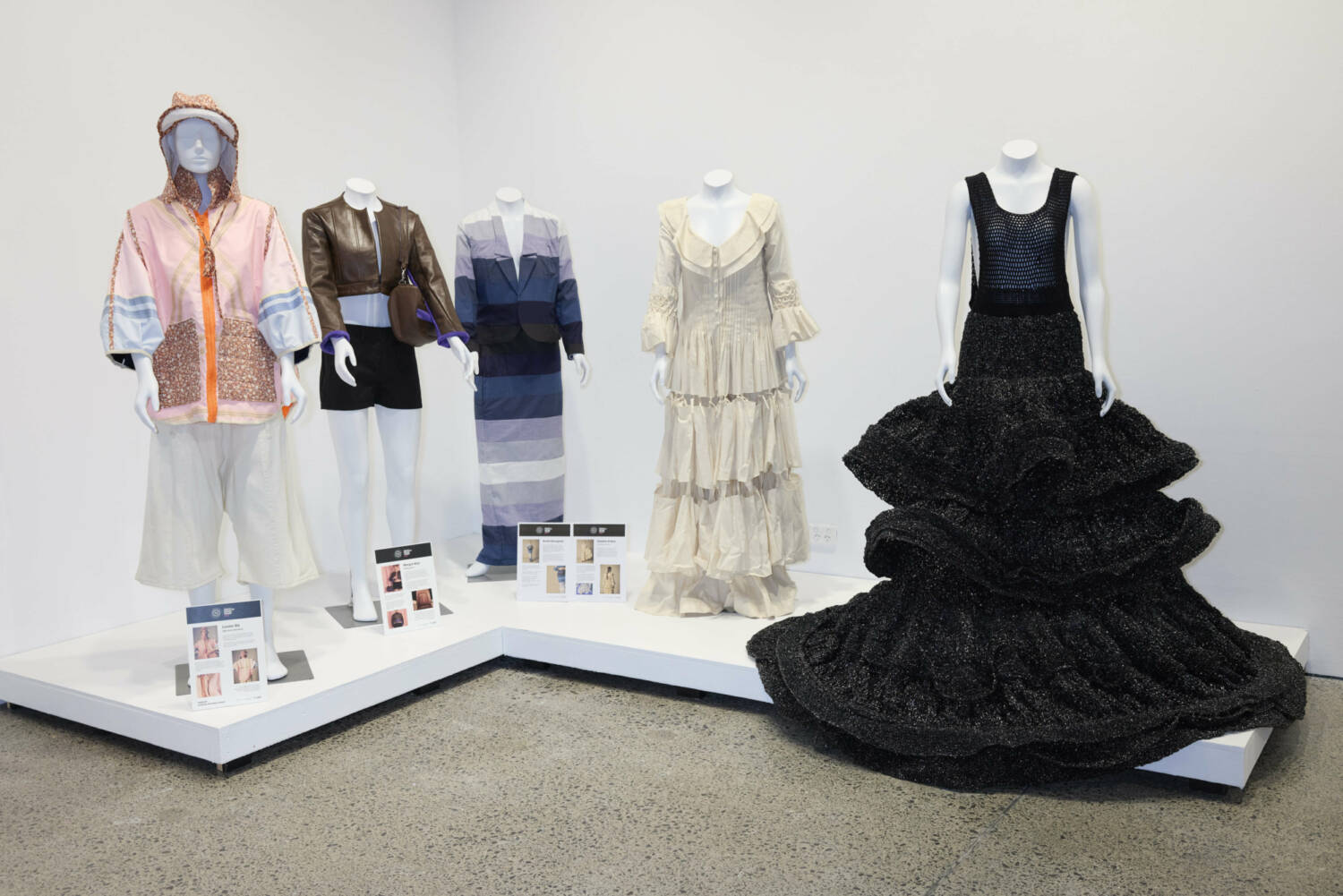
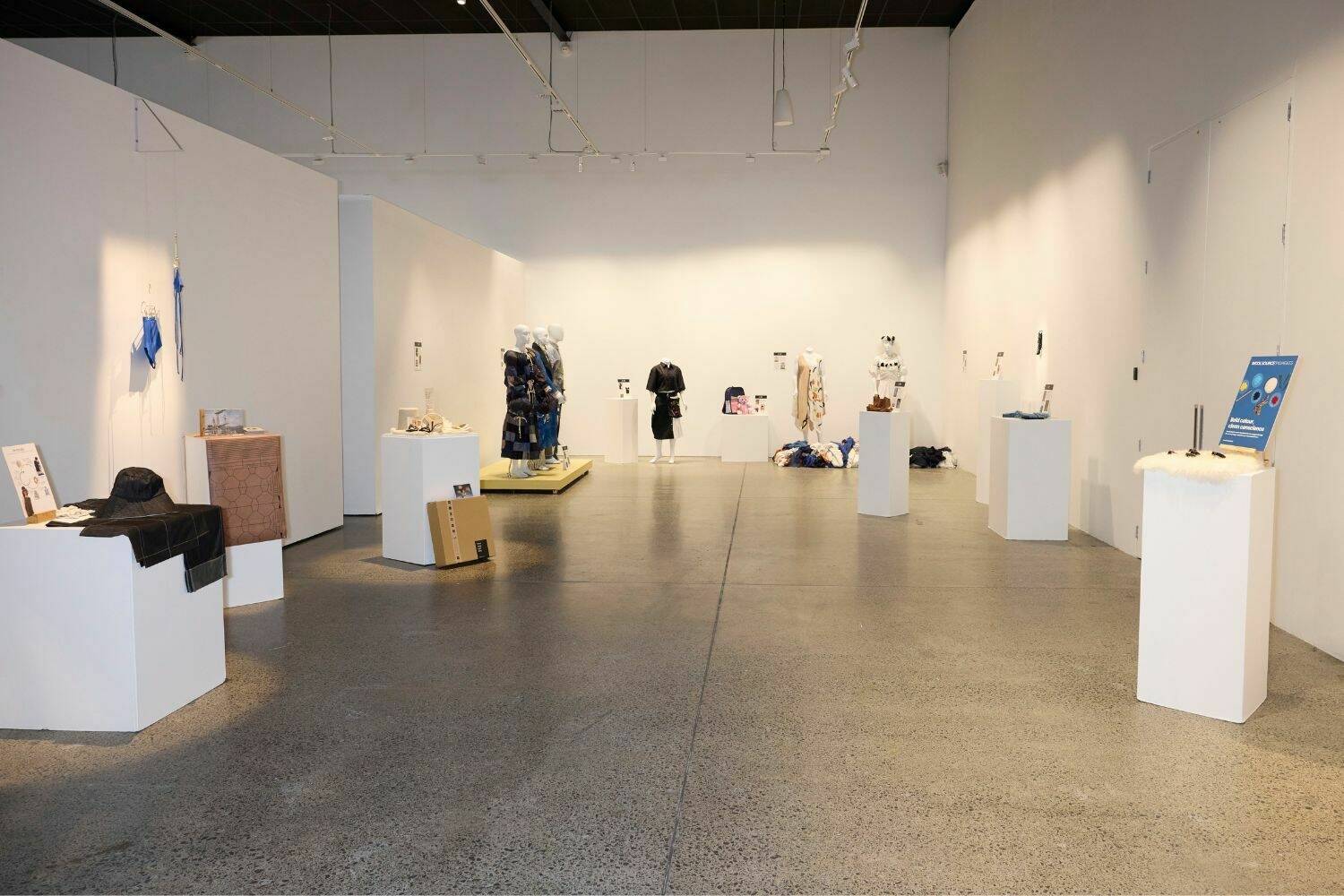
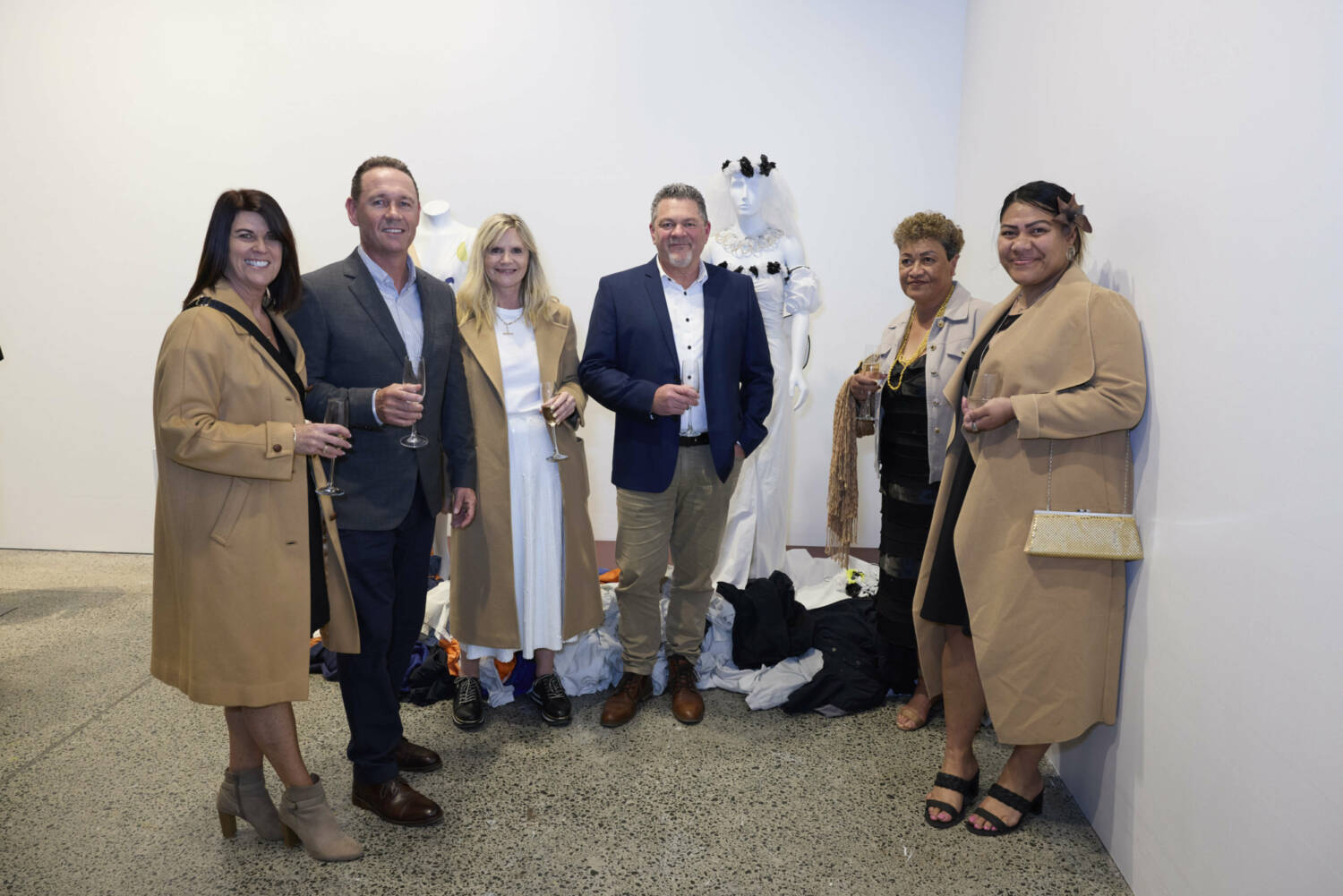
On October 7th 2025, we came together at the Fashion & Textiles NZ Circular Design Awards to celebrate the designers, business leaders, and sustainability advocates who are redefining fashion and leading the way toward a more circular, regenerative industry.
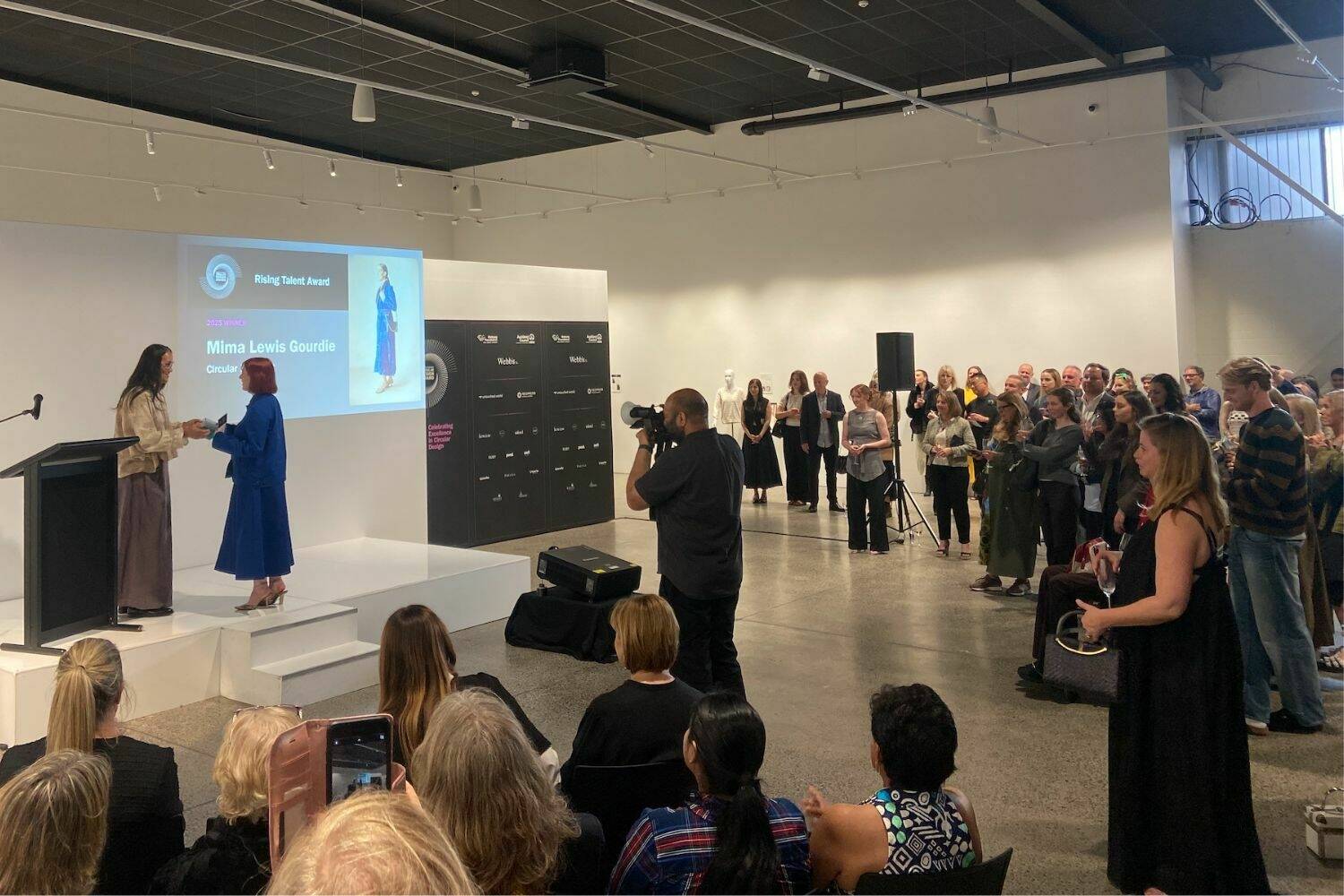

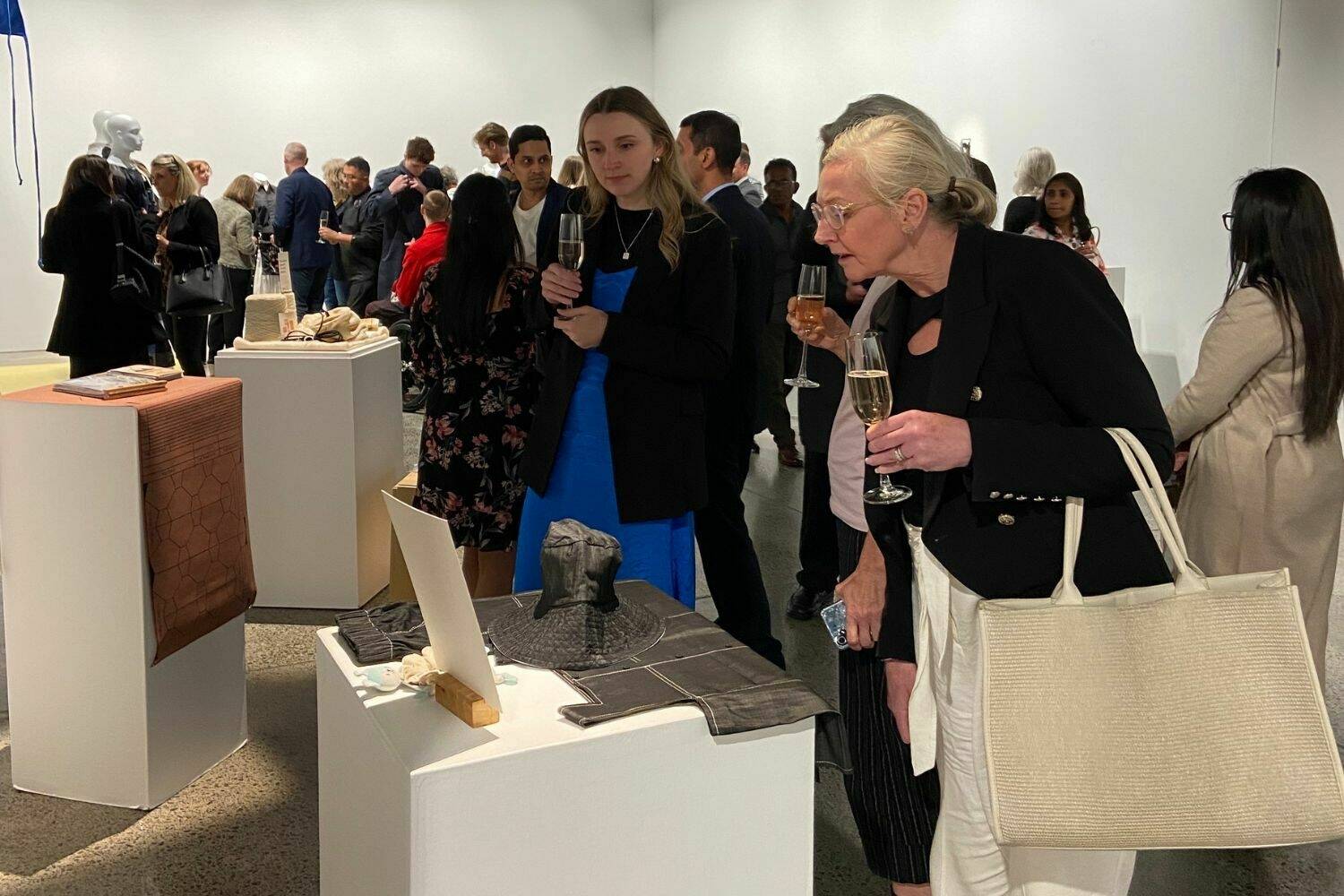
Now in its third year, the Awards continue to spotlight the creativity and innovation transforming Aotearoa’s fashion system. With more than 143 tonnes of clothing waste going to landfill every day, circular design is not just an aspiration — it’s essential. The evening showcased how circular thinking can turn waste into opportunity, and creativity into climate action.
Jacinta FitzGerald, Chief Executive of Fashion & Textiles NZ, said:
“These Awards are about sparking new ideas and collaborations to tackle our country’s textile waste challenges. This year’s winners prove that circular design is not only possible, but desirable, scalable, and commercially viable.”
Congratulations to our 2025 winners - Lof, Kensa Munroe, Deonne Schollum, and Maryna Lottering - and to all entrants whose vision is helping to shape a thriving, regenerative future for fashion in Aotearoa.
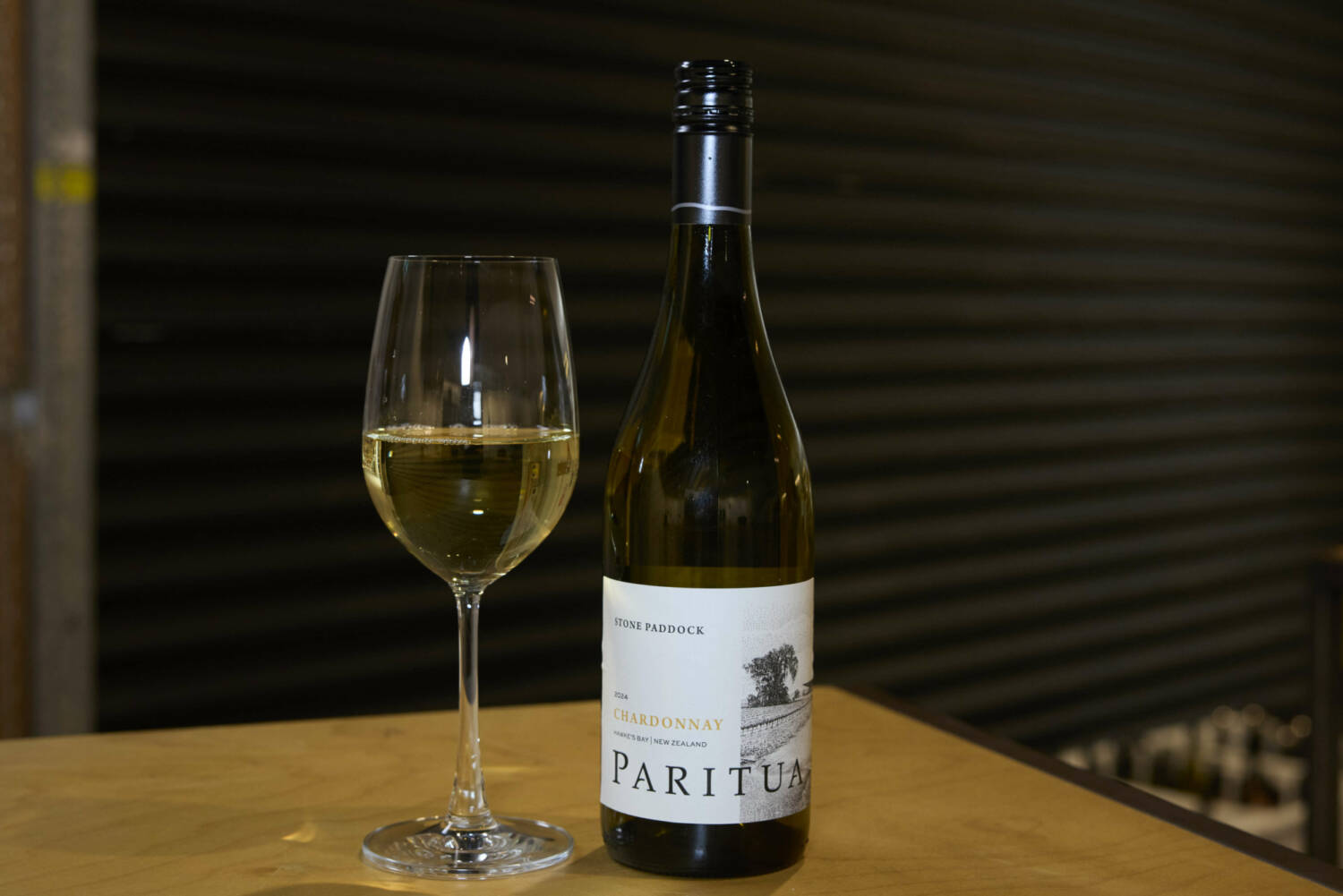
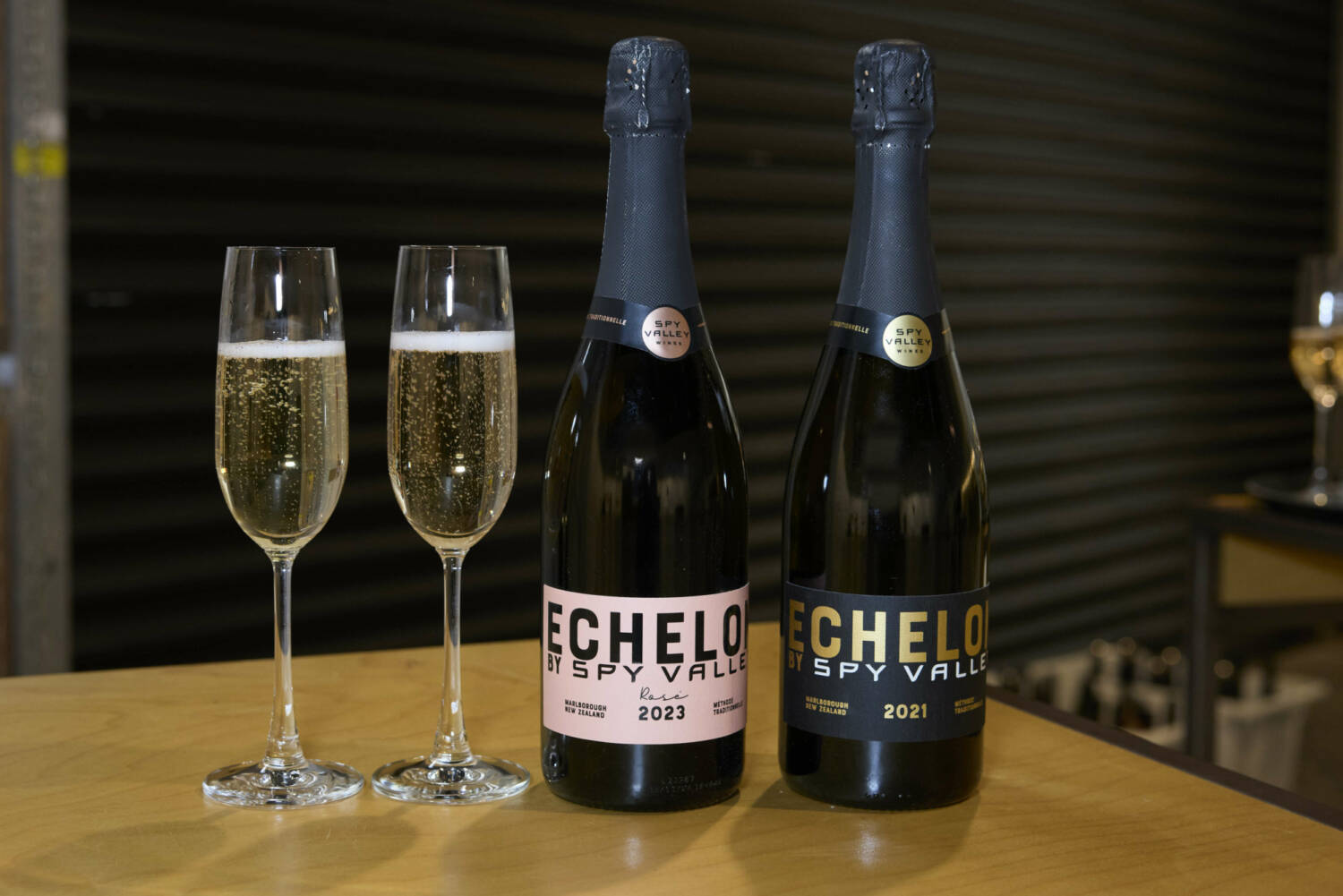
Special thanks to our partners Webb’s Auction House, Purform Mannequins, Paritua and Spy Valley Wines for making this celebration possible.
These award-winning designers are leaders in circular fashion
07 October, 2025
The winners of this year’s Circular Design Awards have been revealed, ranging from regenerative homeware to a craft-focused ensemble made from campsite materials, plus an adorable accessory that’s all about comfort.
Run by industry organisation Fashion & Textiles New Zealand, the 2025 winners were announced this evening at an event at Webb’s in Auckland with finalists, judges and other industry figures in attendance including Fashion & Textiles NZ chair Juliette Hogan who spoke about the importance of positive action, like the awards, and having hope for the future of the industry.
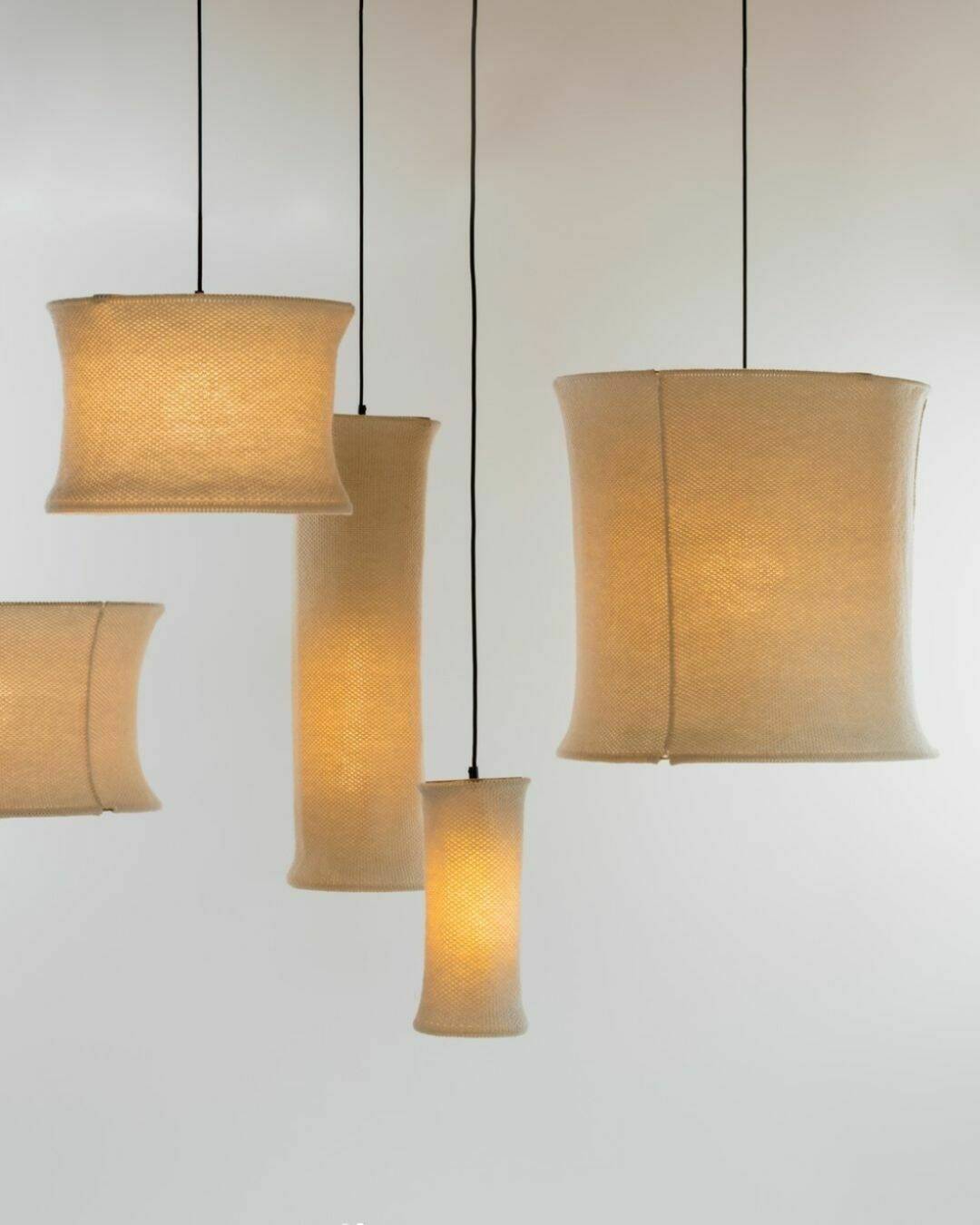
The winner of the Circular Business Innovation Award, sponsored by Untouched World, is Lof. The Waiheke Island-based business, launched in late 2024 by Sophie Poelman and Alain Brideson, transforms underutilised strong wool (coarse wool) into regenerative products including lighting.
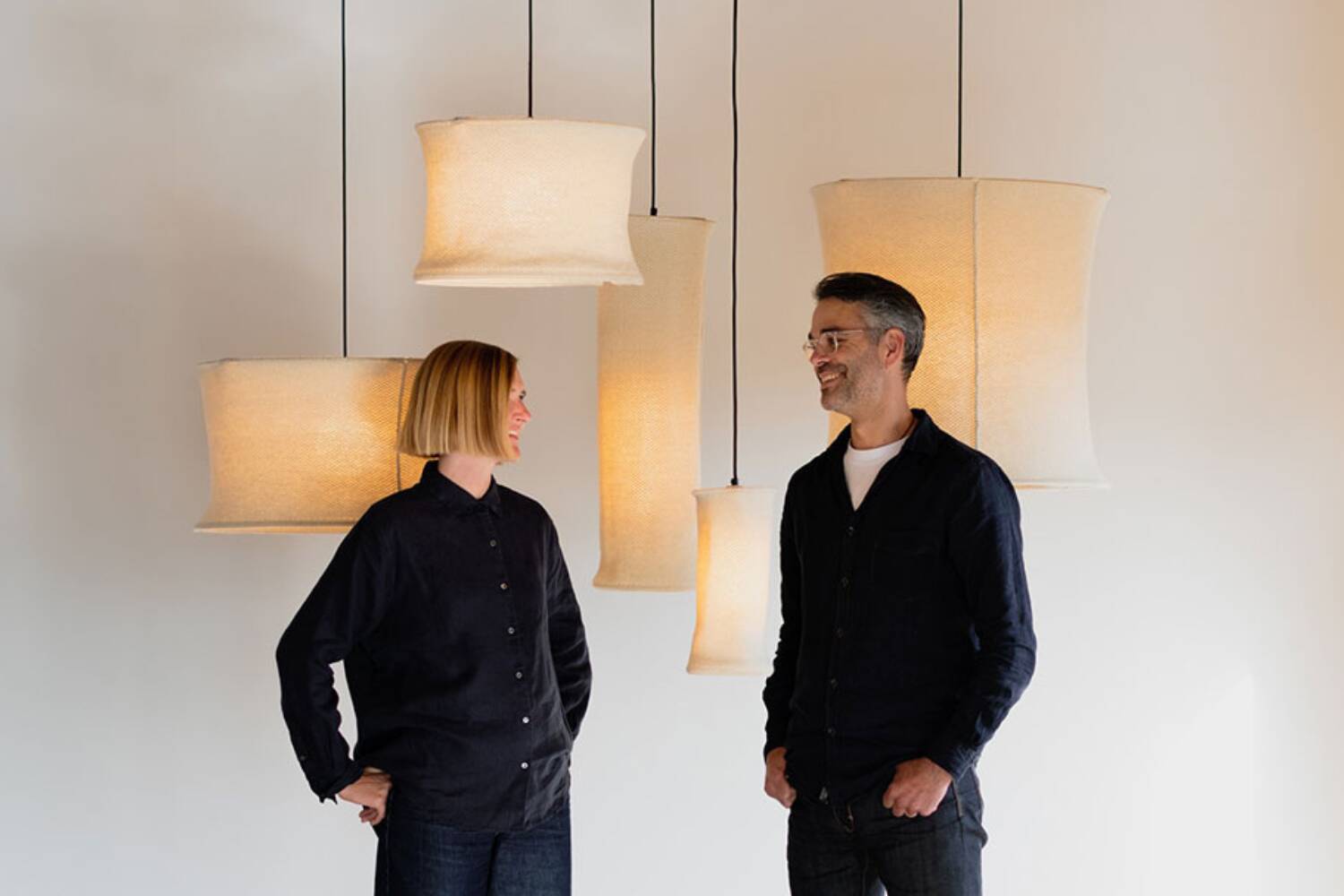
The judging panel, which included Untouched World founder Peri Drysdale and Seamless CEO Ainsley Simpson, was impressed by Lof’s tenacity and ability to embed circularity into products and the entire business model.
“By working with local producers to turn waste wool into a beautiful lamp, Lof embodies the kind of thoughtful elegance and excellence we need in circularity,” said judge Lucianne Tonti, respected Australian-based sustainability journalist and author of Sundressed: Natural Fabrics and the Future of Clothing. “Durability, simplicity and desirability with a practical plan for end-of-life and thoughtful material origins.”
The winner of the Circular Clothing Innovation Award is Kensa Munroe with her ensemble titled Deconstructed Heritage. Made with waste cotton household linen, an antique hemp mosquito net and salvaged canvas from a stretcher and tent, it uses plant-based fibres, botanical dyes, and near-zero-waste cutting techniques.
A critique of the turbulence of the global fashion industry through craft, the garments feature hardware that’s recoverable for reuse and fabrics that are compostable or recyclable at end-of-life.

Untouched World’s Peri Drysdale said that every year she has been inspired by the intention that goes into the Fashion & Textiles Award entries but this year the depth of thought raised the bar.
“The challenge we set is no small one: to take textile waste and reimagine it into something not only wearable and beautiful, but also responsible in every part of its life cycle,” she said of the Design Innovation Award, which she judged alongside the Business Innovation Award.
The judges were drawn to clever use of materials, creative flair but more importantly how thoughtfully each designer considered the bigger picture. “From where their materials came from to how long their piece would last, and what might happen to it after its first life, we saw a real commitment to design that honours the full life cycle of the piece,” says Drysdale.
Choosing a winner was not easy but Kensa Munroe’s beautifully made and considered design stood out for its cohesive story. “It gave us hope. Hope that circular design is not just a concept, but a creative force for good.”
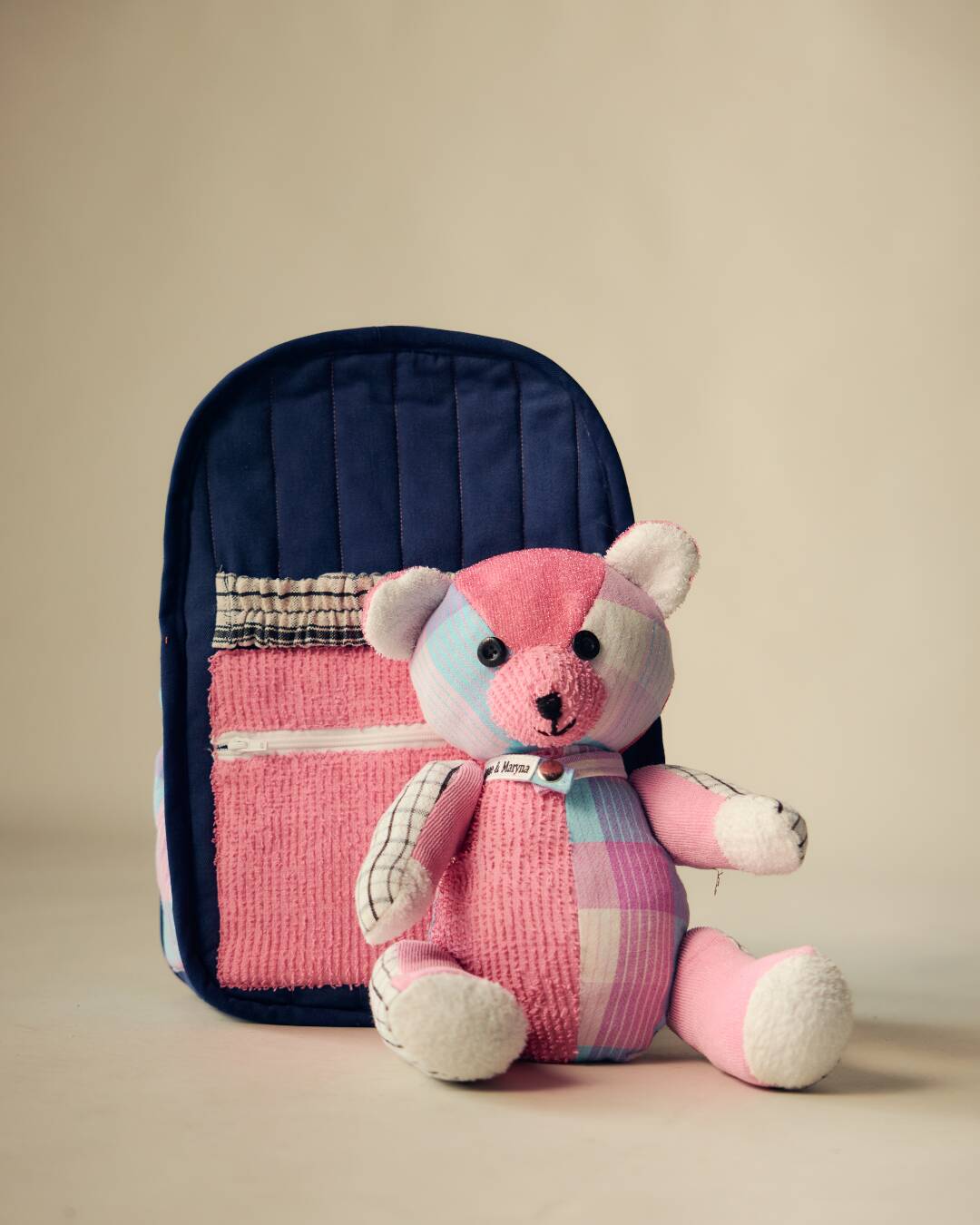
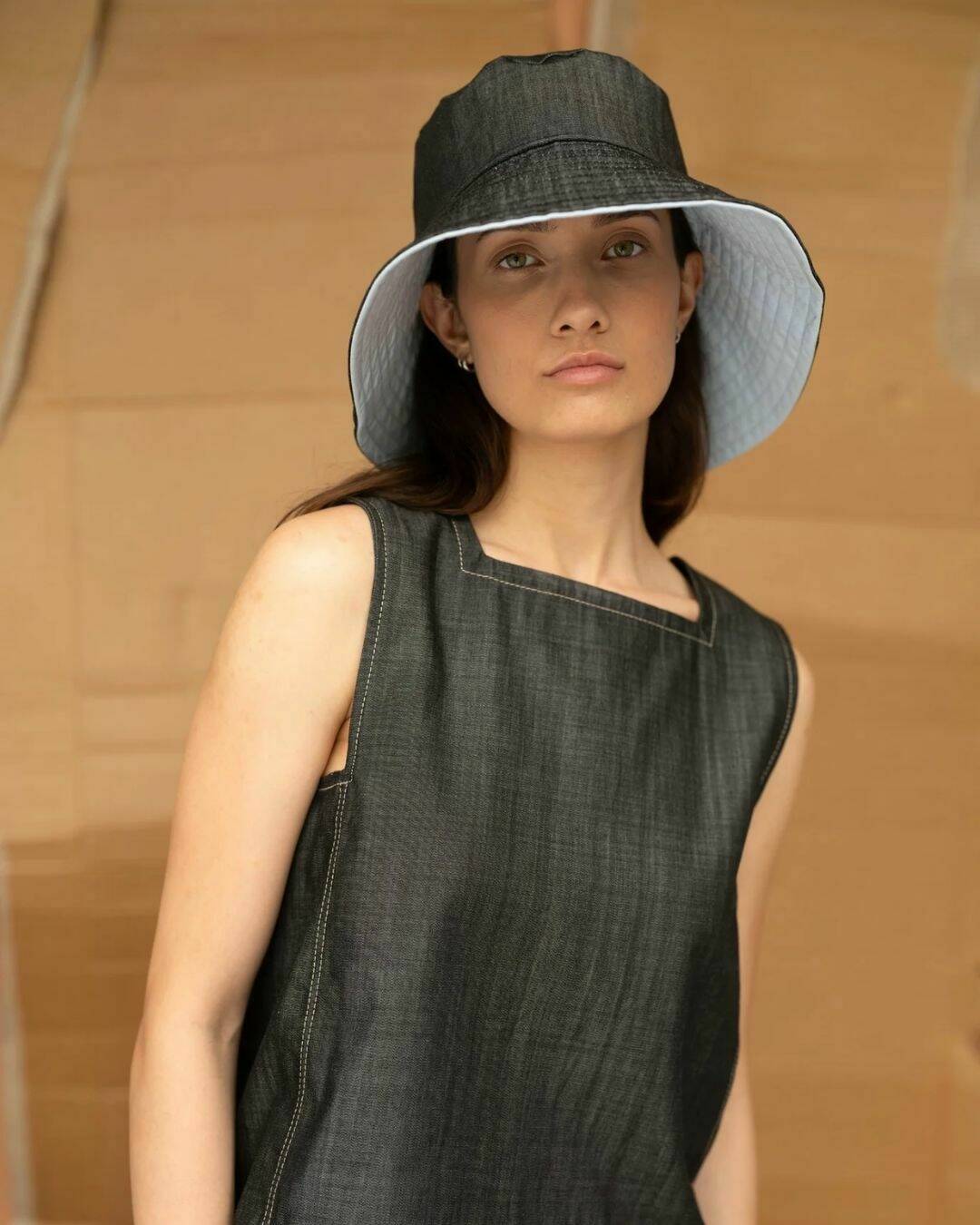
The winner of the Circular Accessory Innovation Award, sponsored by Webb’s, is Deonne Schollum & Maryna Lottering for their school backpack called Comfort Bear, made using waste textiles (uniforms, cloths and towels) through their work at a commercial laundry, for emotional comfort for children facing anxiety.
Fashion & Textiles NZ’s chief executive Jacinta FitzGerald said that the judges across all categories were impressed by entrants’ lateral thinking and emphasis on innovation. “We saw a growing maturity of circular initiatives balancing commercial viability with environmental and social impact,” she says.
“The winning entries stood out for their clear purpose, holistic approaches to design and material choices, and resolved execution, demonstrating that circular design can be both beautiful and practical. The importance of circularity’s social dimension came through strongly this year, showing circularity can be a mechanism to build stronger communities.”
Jacinta also acknowledged the importance of partners like Untouched World in using their experience and authority to support other businesses on a circularity journey. “Untouched World’s involvement in the Business Innovation Award is significant because they’ve been pioneers in embedding sustainability long before it was mainstream. Their work shows how a New Zealand business can scale globally while holding circular and sustainable values at the core of how they operate,” she says.
2025 Award Winner: LOF
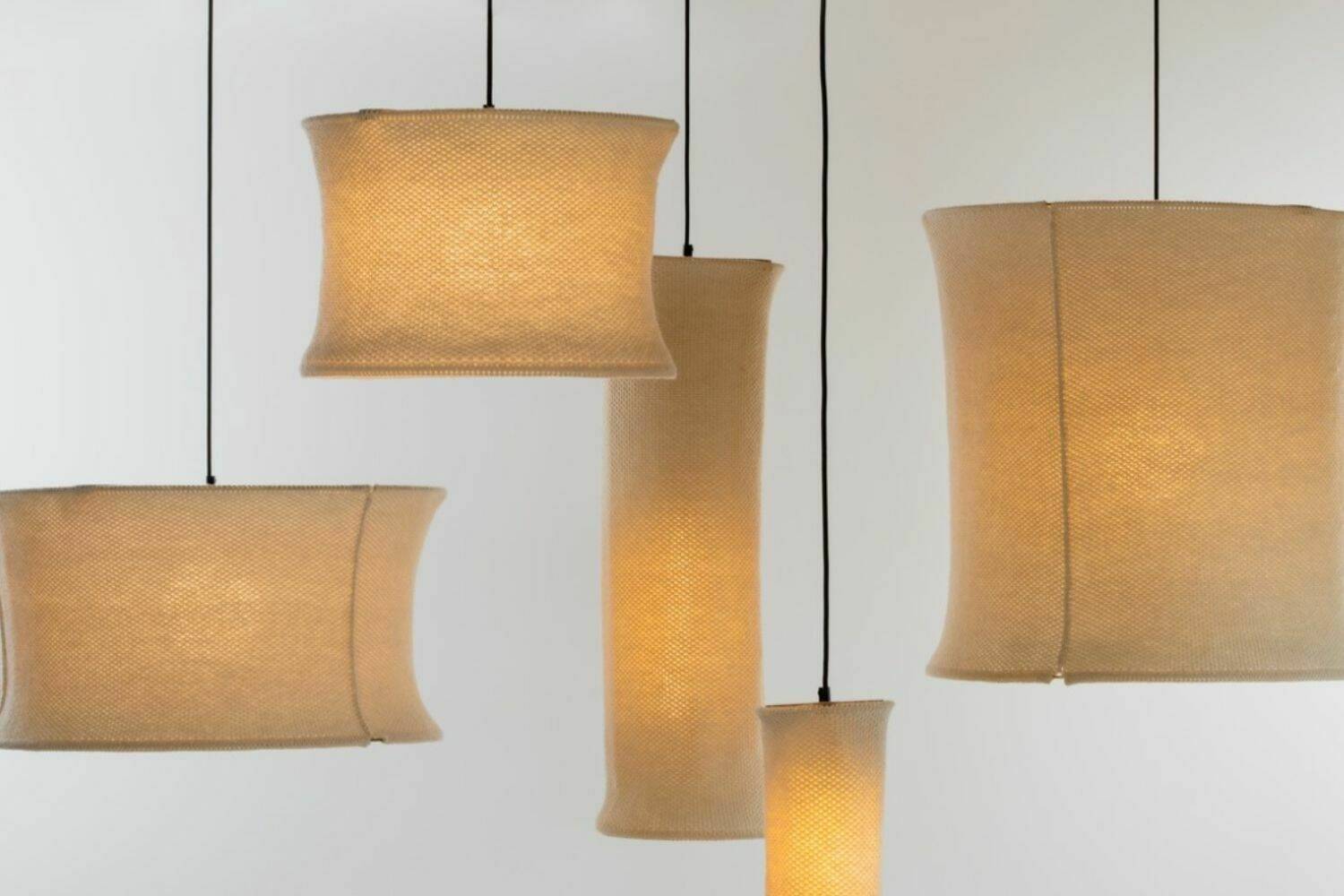
Winner of the Circular Business Innovation Award 2025, sponsored by Untouched World.
The Waiheke Island-based business, launched in late 2024 by Sophie Poelman and Alain Brideson, transforms underutilised strong wool (coarse wool) into regenerative products including lighting.
The judging panel, which included Untouched World founder Peri Drysdale and Seamless CEO Ainsley Simpson, was impressed by Lof’s tenacity and ability to embed circularity into products and the entire business model.
“By working with local producers to turn waste wool into a beautiful lamp, Lof embodies the kind of thoughtful elegance and excellence we need in circularity,” said judge Lucianne Tonti, respected Australian-based sustainability journalist and author of Sundressed: Natural Fabrics and the Future of Clothing.
“Durability, simplicity and desirability with a practical plan for end-of-life and thoughtful material origins.”
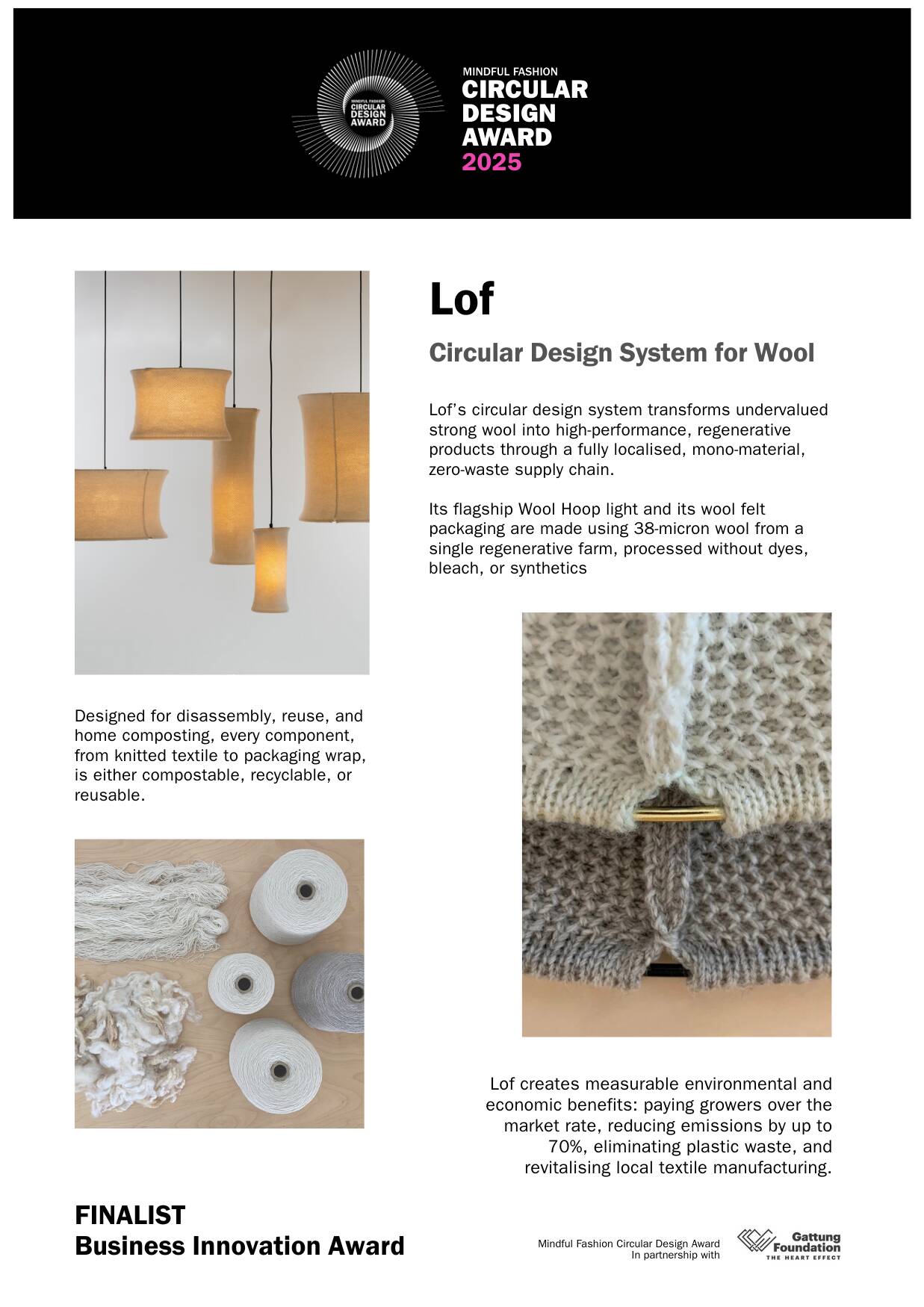
2025 Award Winner: KENSA MUNROE

Winner - Circular Clothing Design Innovation Award, and Cotton Innovation Award 2025
Kensa Munroe - Deconstructed Heritage. Made with waste cotton household linen, an antique hemp mosquito net and salvaged canvas from a stretcher and tent, this design uses plant-based fibres, botanical dyes, and near-zero-waste cutting techniques.
A critique of the turbulence of the global fashion industry through craft, the garments feature hardware that’s recoverable for reuse and fabrics that are compostable or recyclable at end-of-life.
The judges were drawn to clever use of materials, creative flair but more importantly how thoughtfully each designer considered the bigger picture. “From where their materials came from to how long their piece would last, and what might happen to it after its first life, we saw a real commitment to design that honours the full life cycle of the piece,” says Peri Drysdale, CEO of Untouched World and one of this years judges.
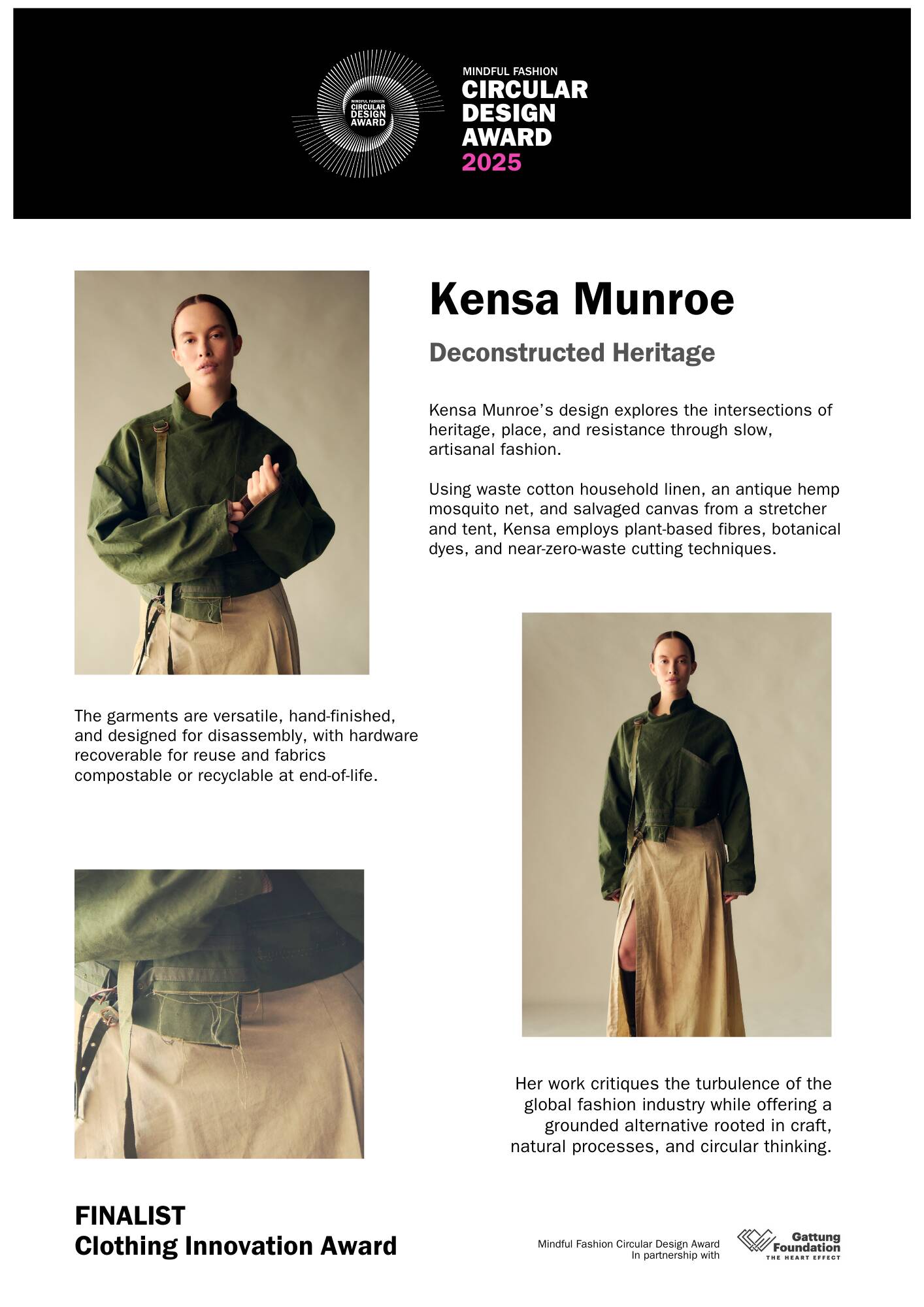
2025 Award Winner: DEONNE SCHOLLUM & MARYNA LOTTERING
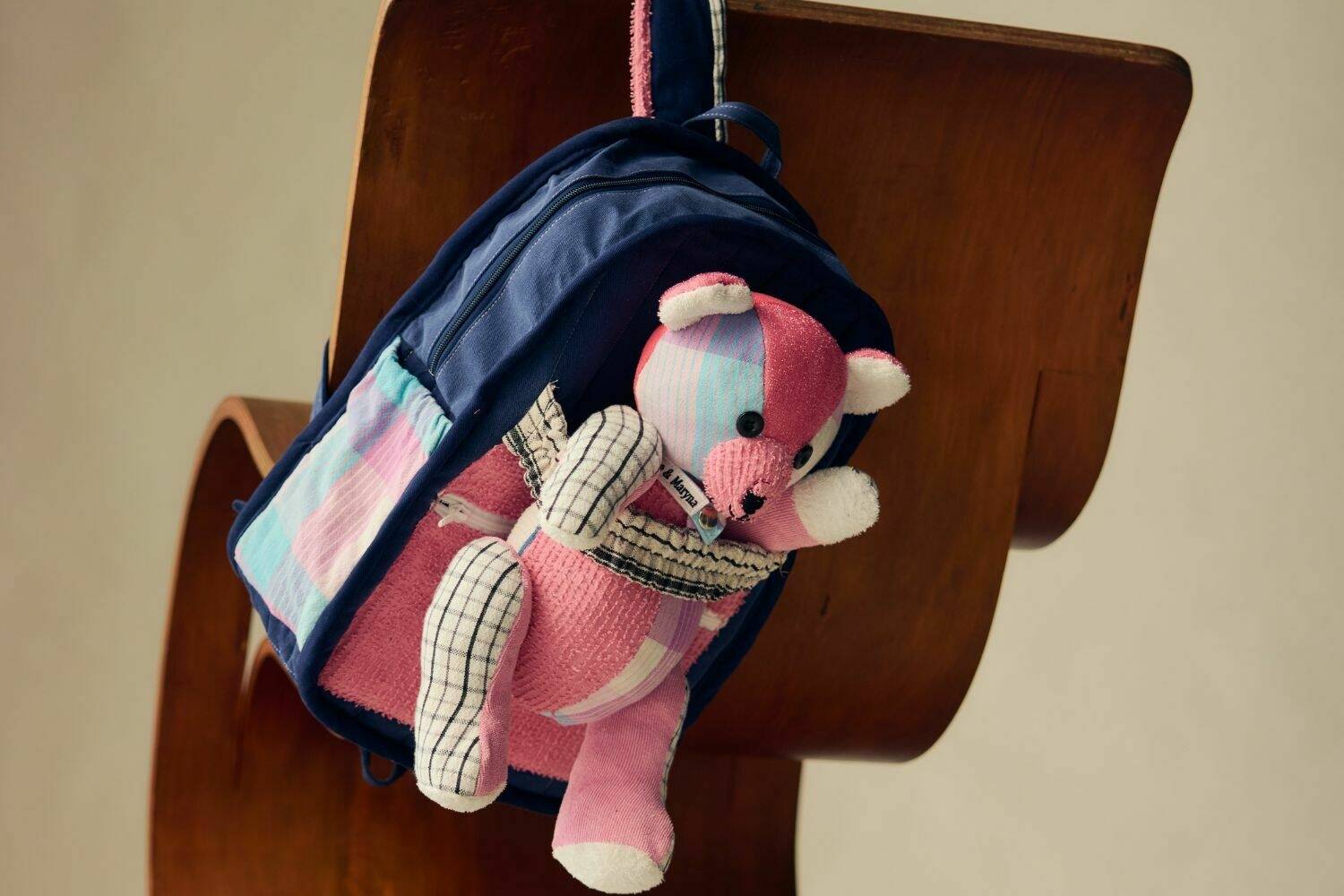
Winner - Circular Accessory Innovation Award 2025, sponsored by Webb’s; and Commercial Potential Award.
A school backpack called Comfort Bear, this design is made using waste textiles (uniforms, cloths and towels) through their work at a commercial laundry, for emotional comfort for children facing anxiety.
2025 Award Winner: MIMA LEWIS GOURDIE
2025 Award Finalist: RECREATE

2025 Award Finalist: EMROCE

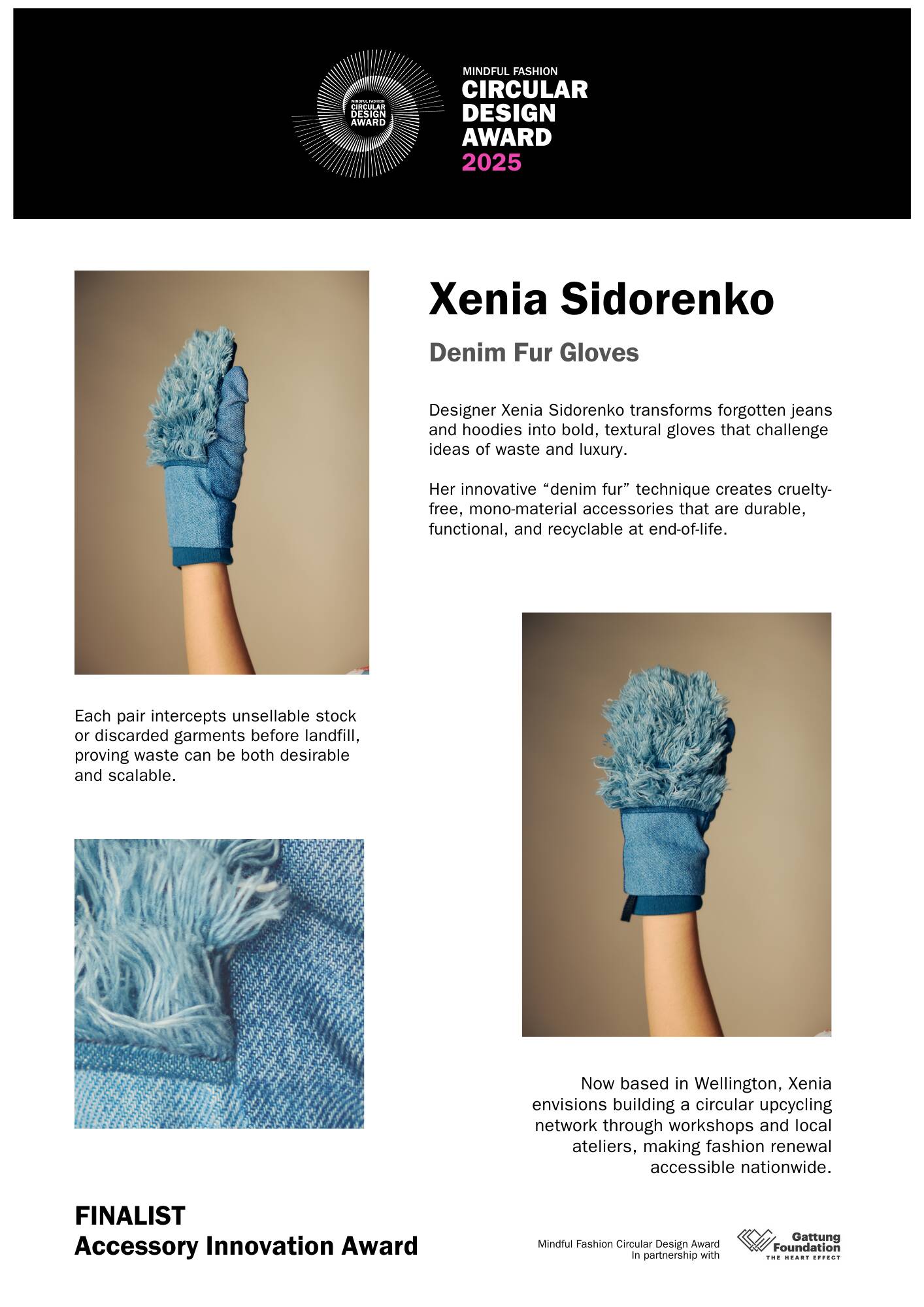
2025 Award Finalist: XENIA SIDORENKO

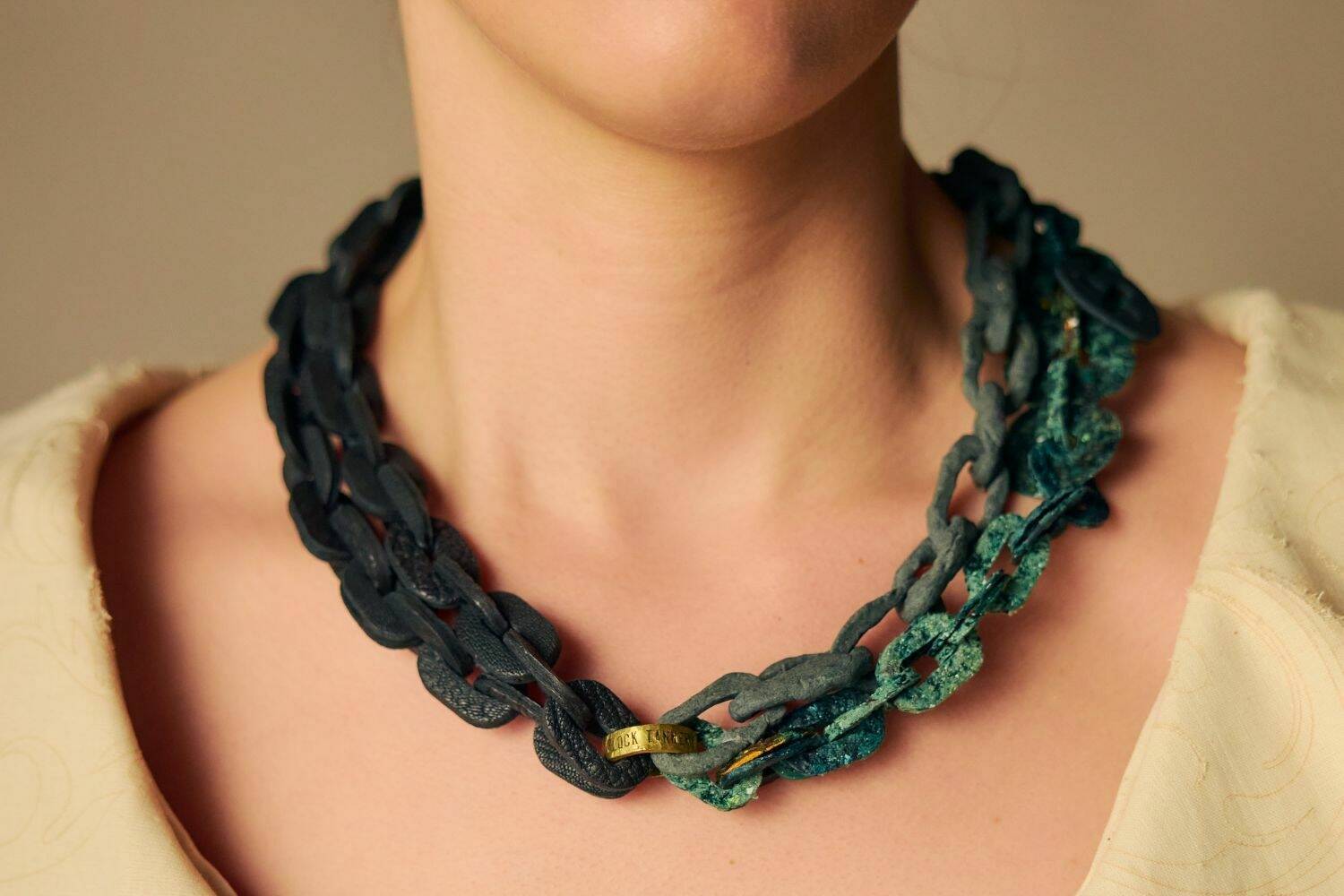
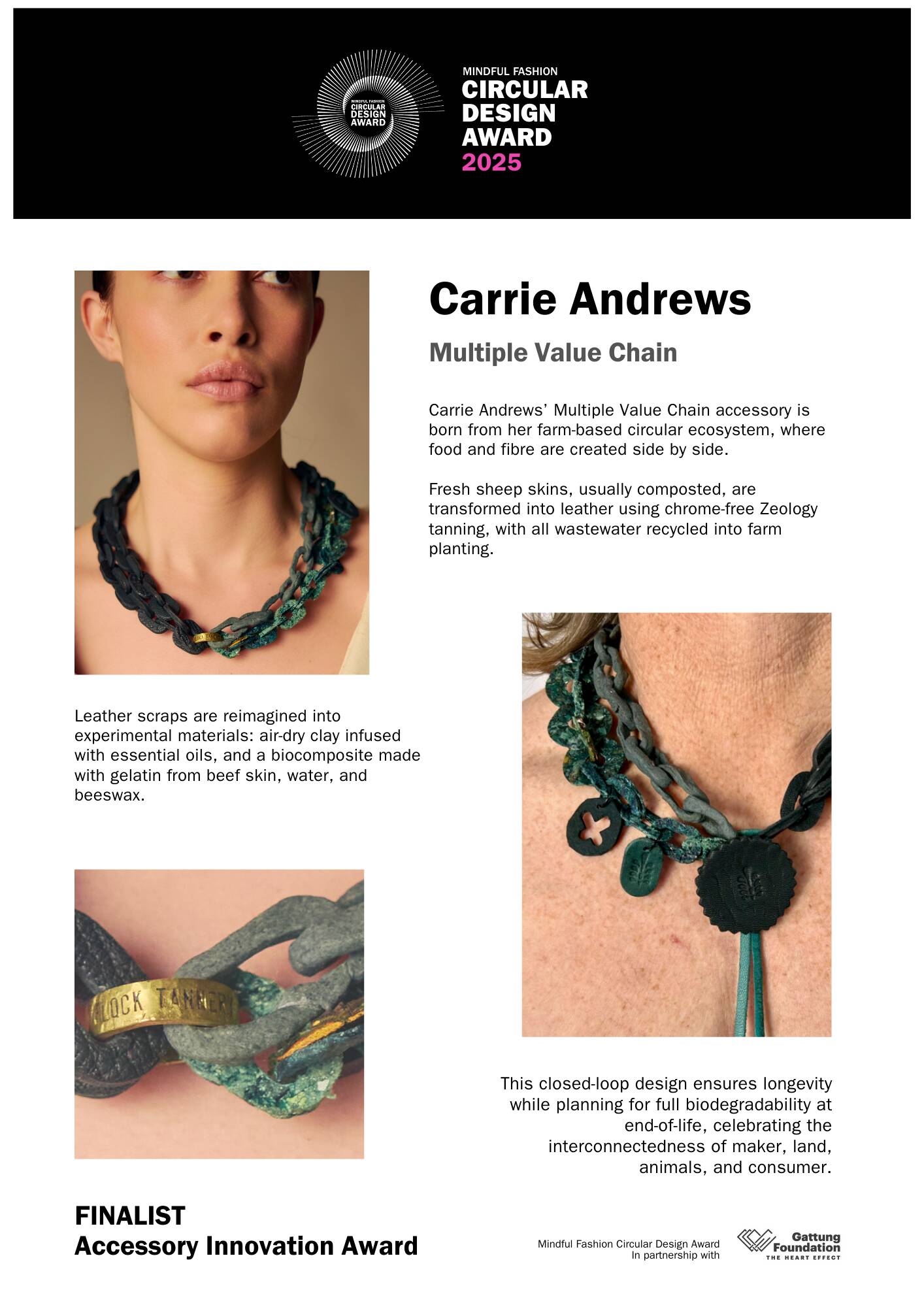
2025 Award Finalist: CARRIE ANDREWS
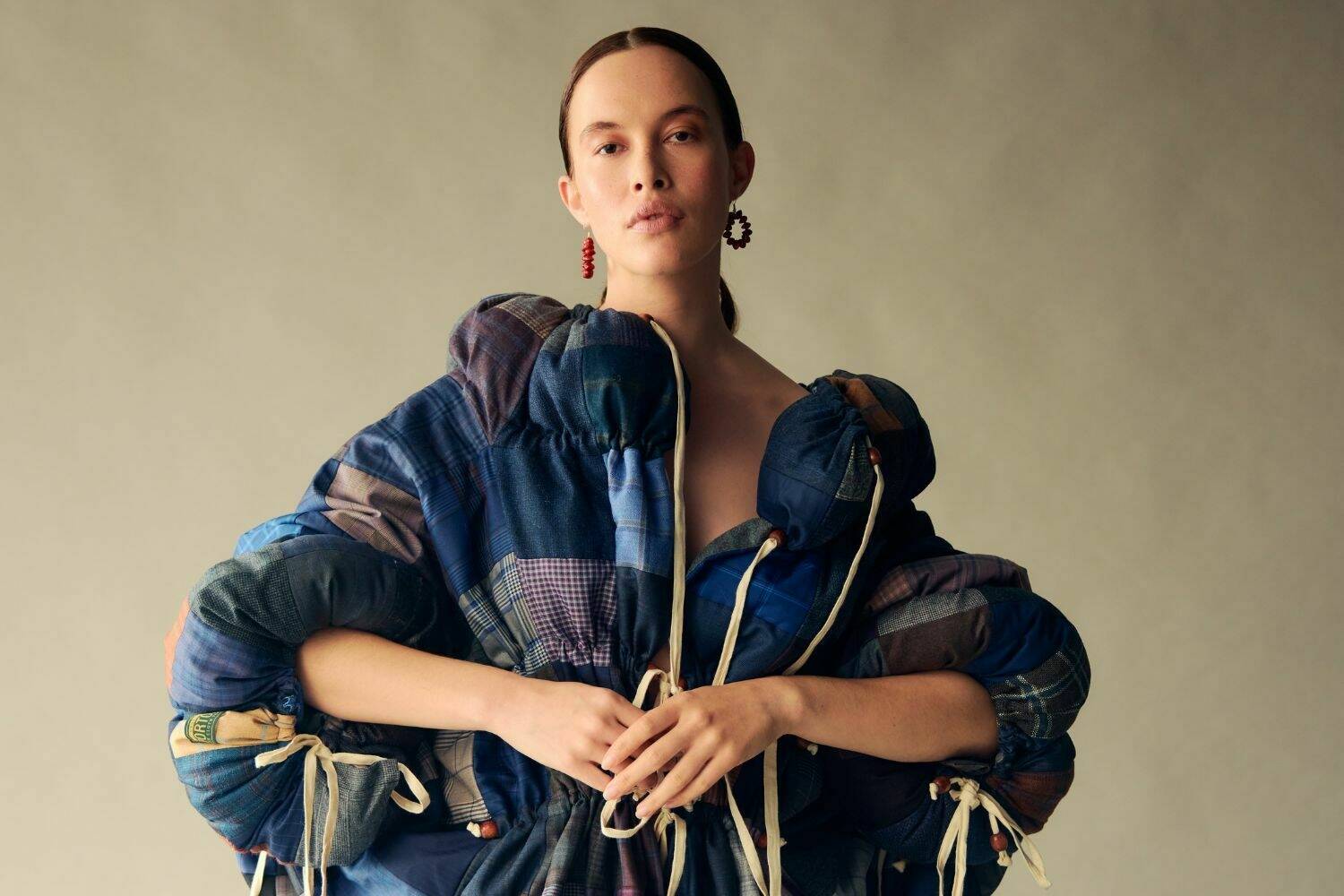
2025 Award Finalist: PIP STEVENSON
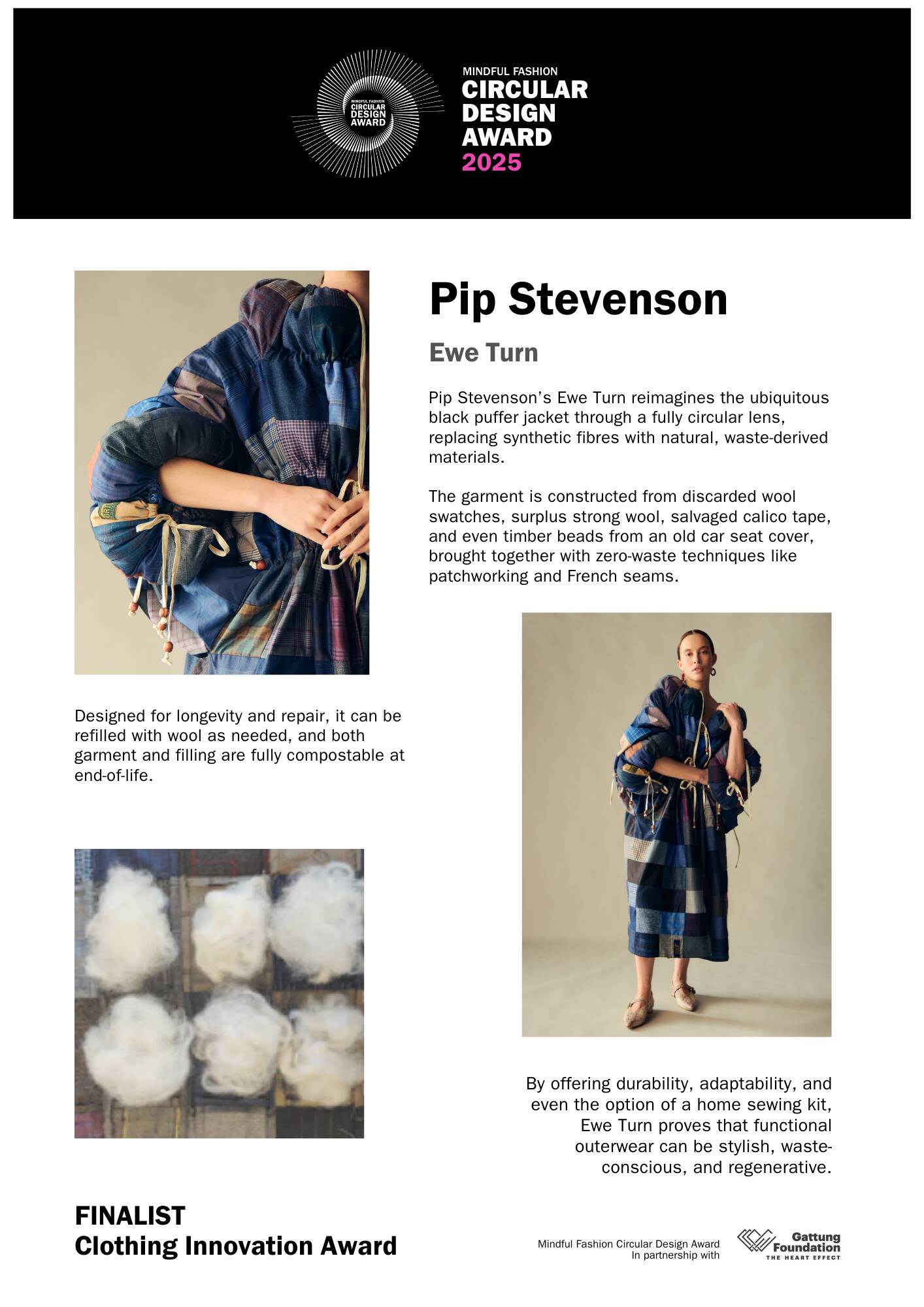
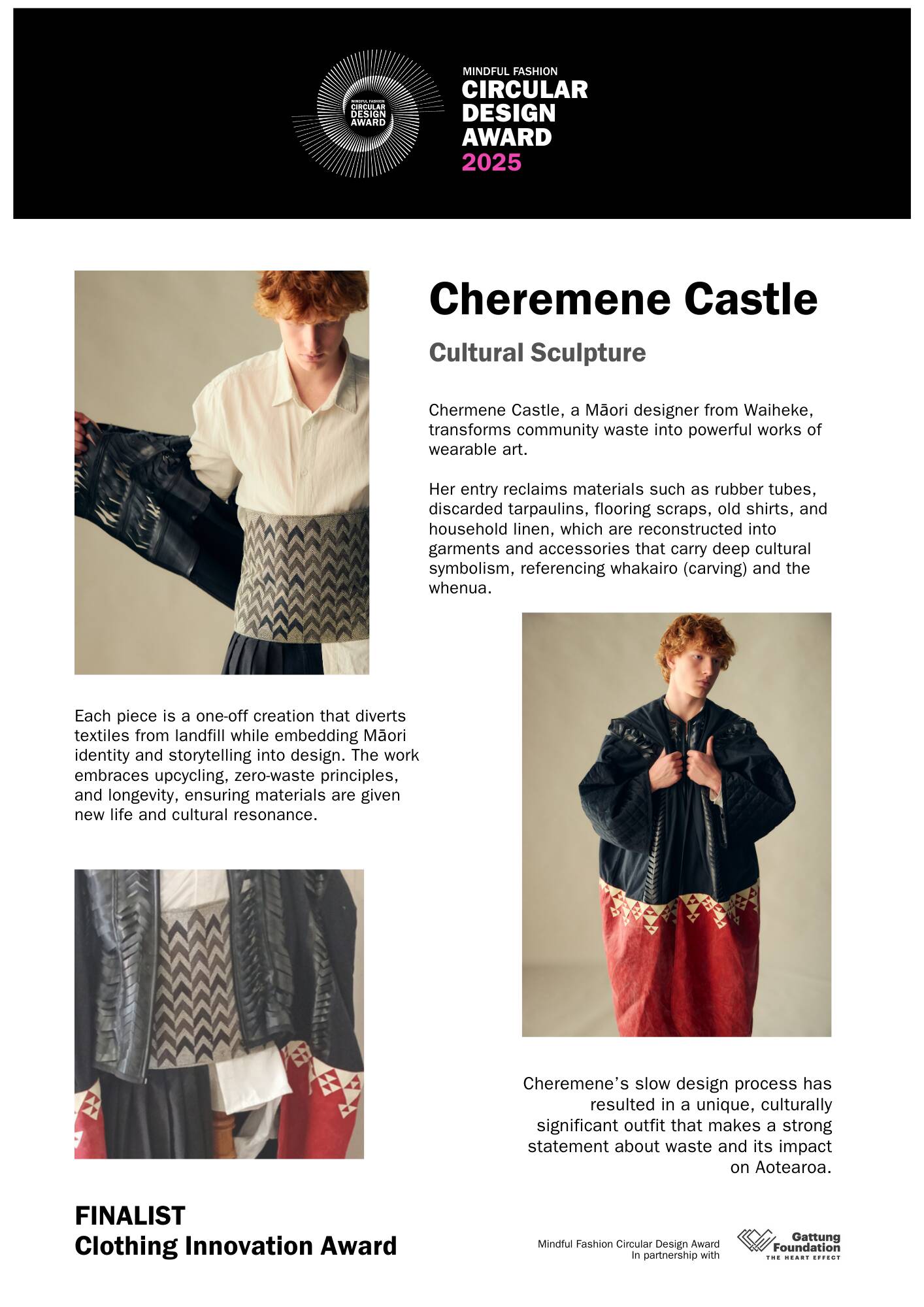
2025 Award Finalist: CHEREMENE CASTLE

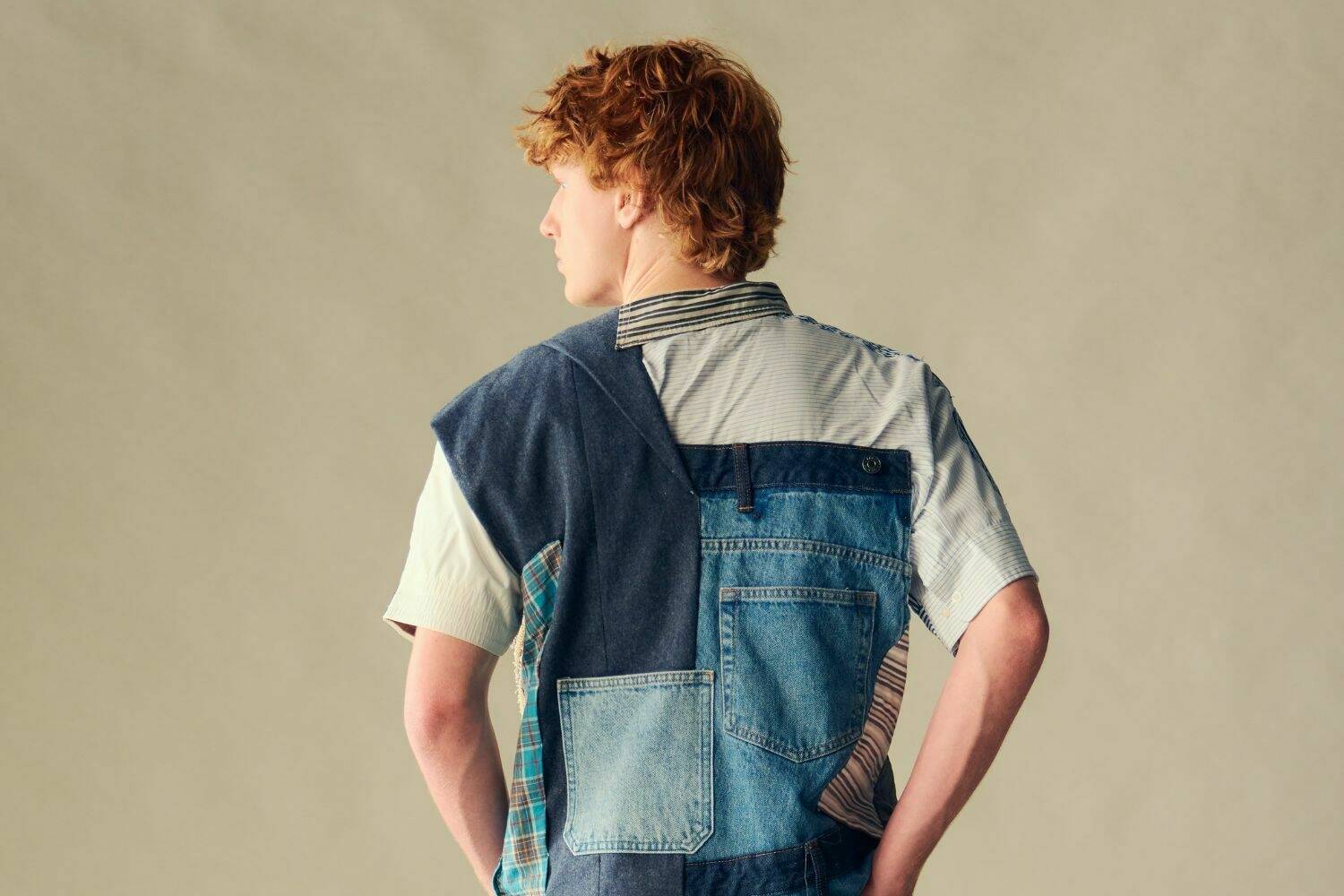
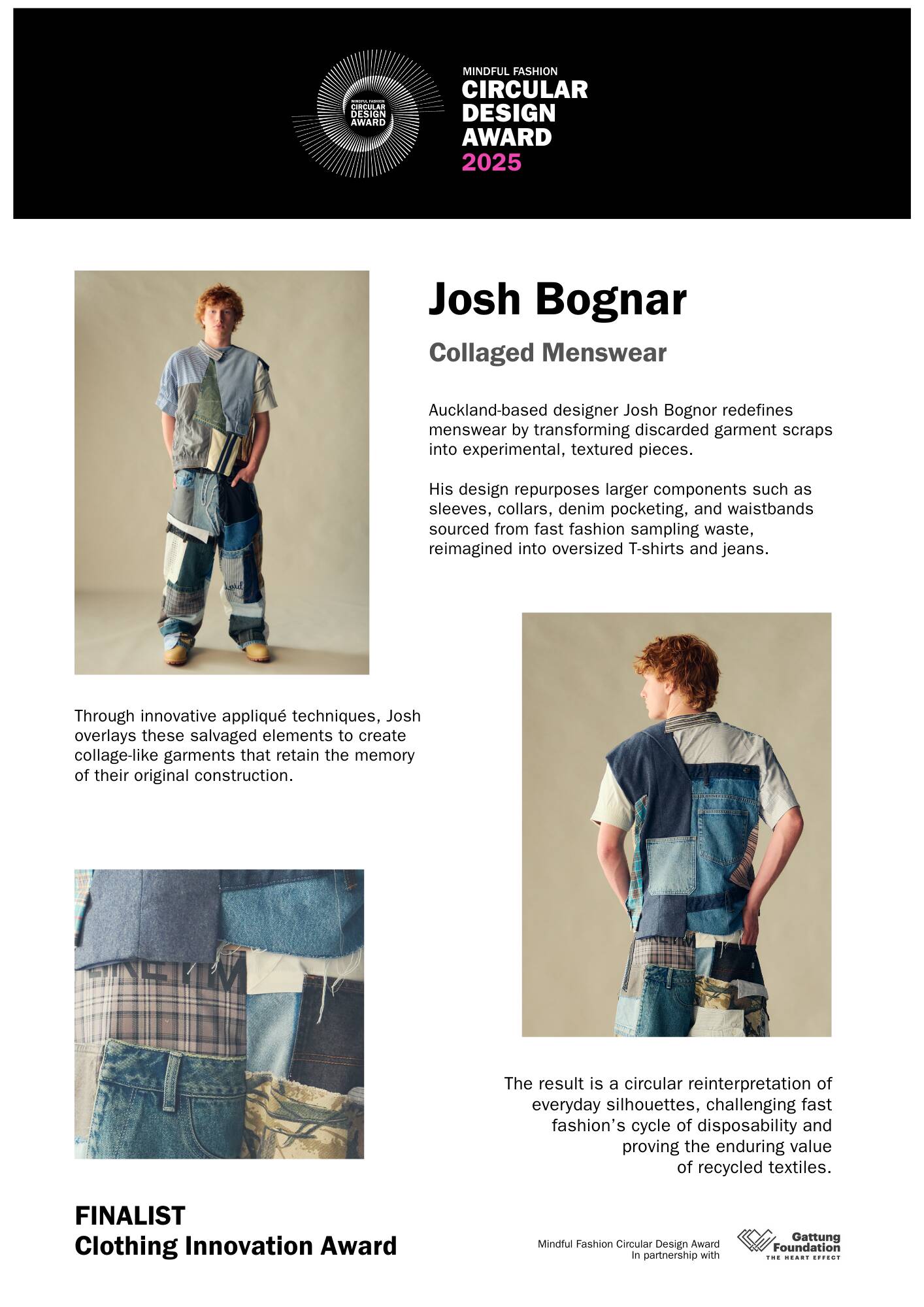
2025 Award Finalist: JOSH BOGNAR
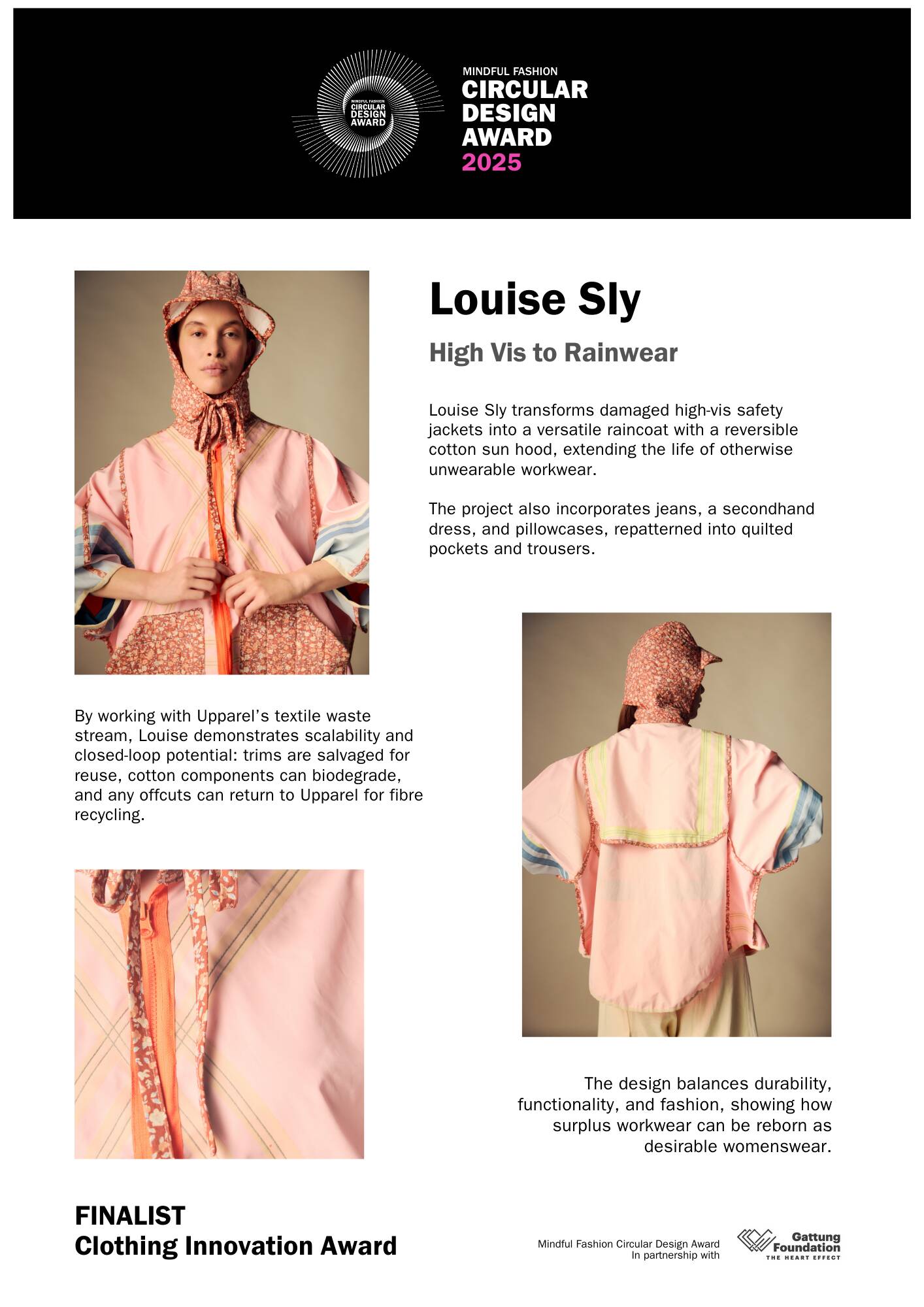
2025 Award Finalist: LOUISE SLY

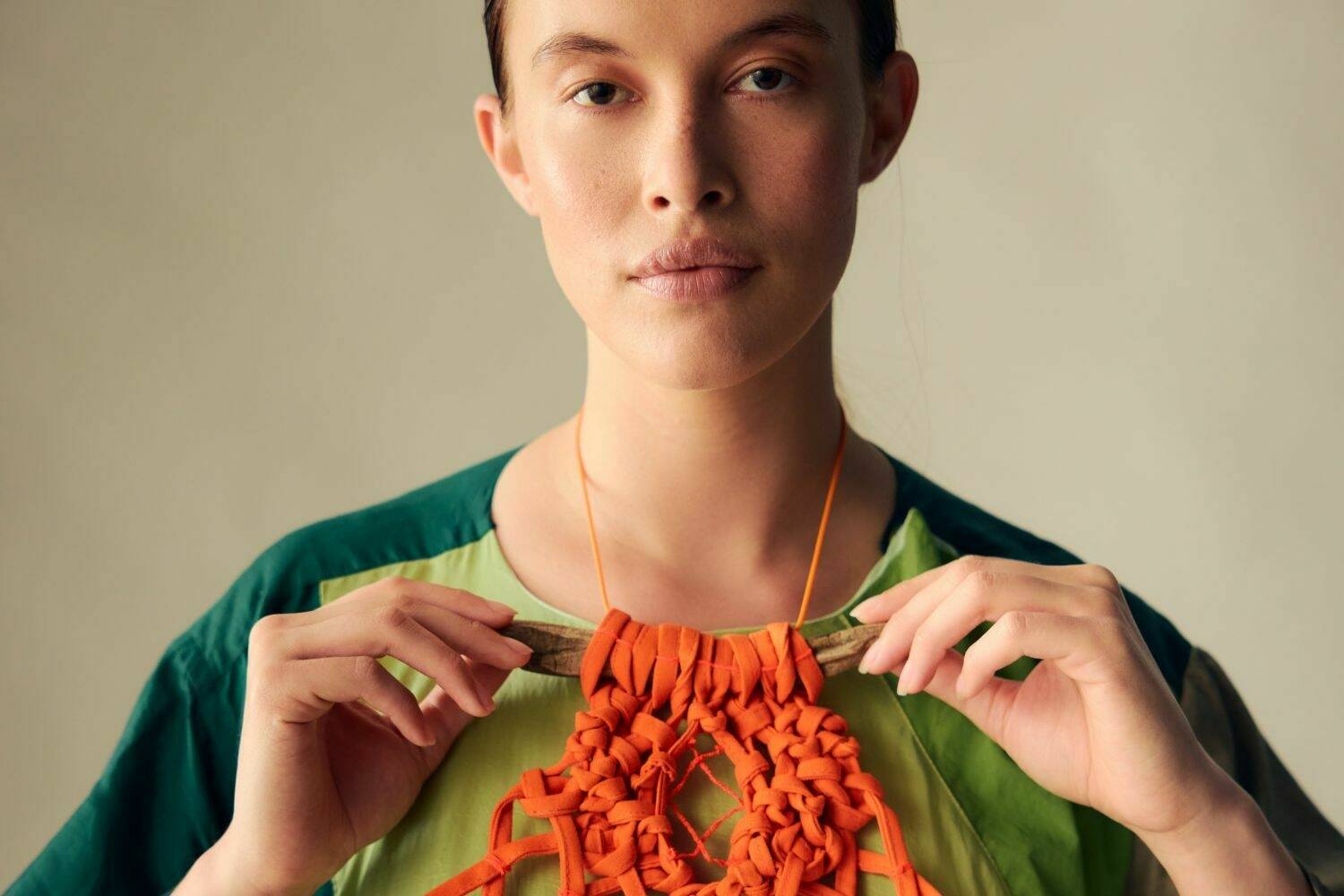
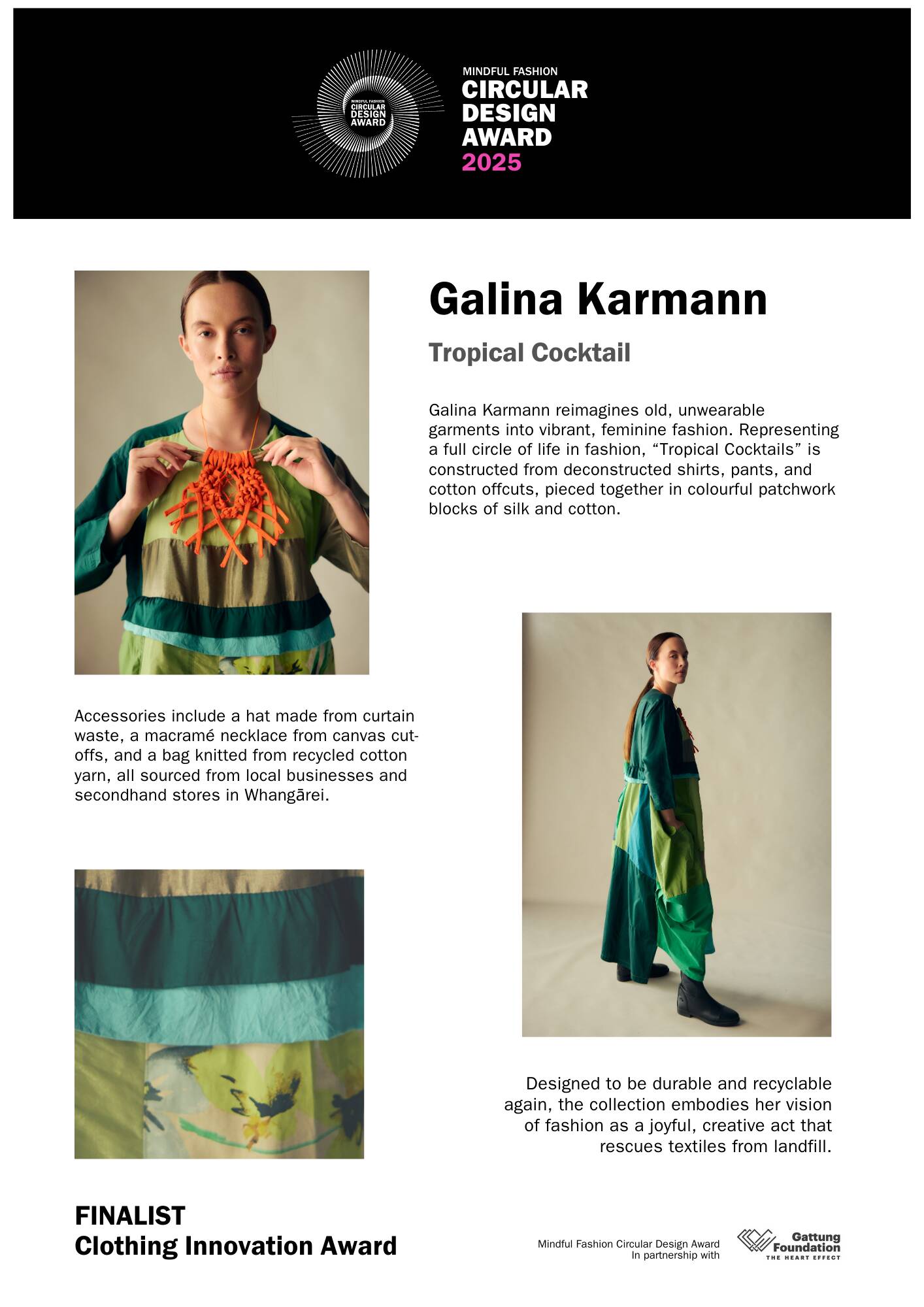
2025 Award Finalist: GALINA KARMANN
2025 Circular Design Award Finalists revealed!
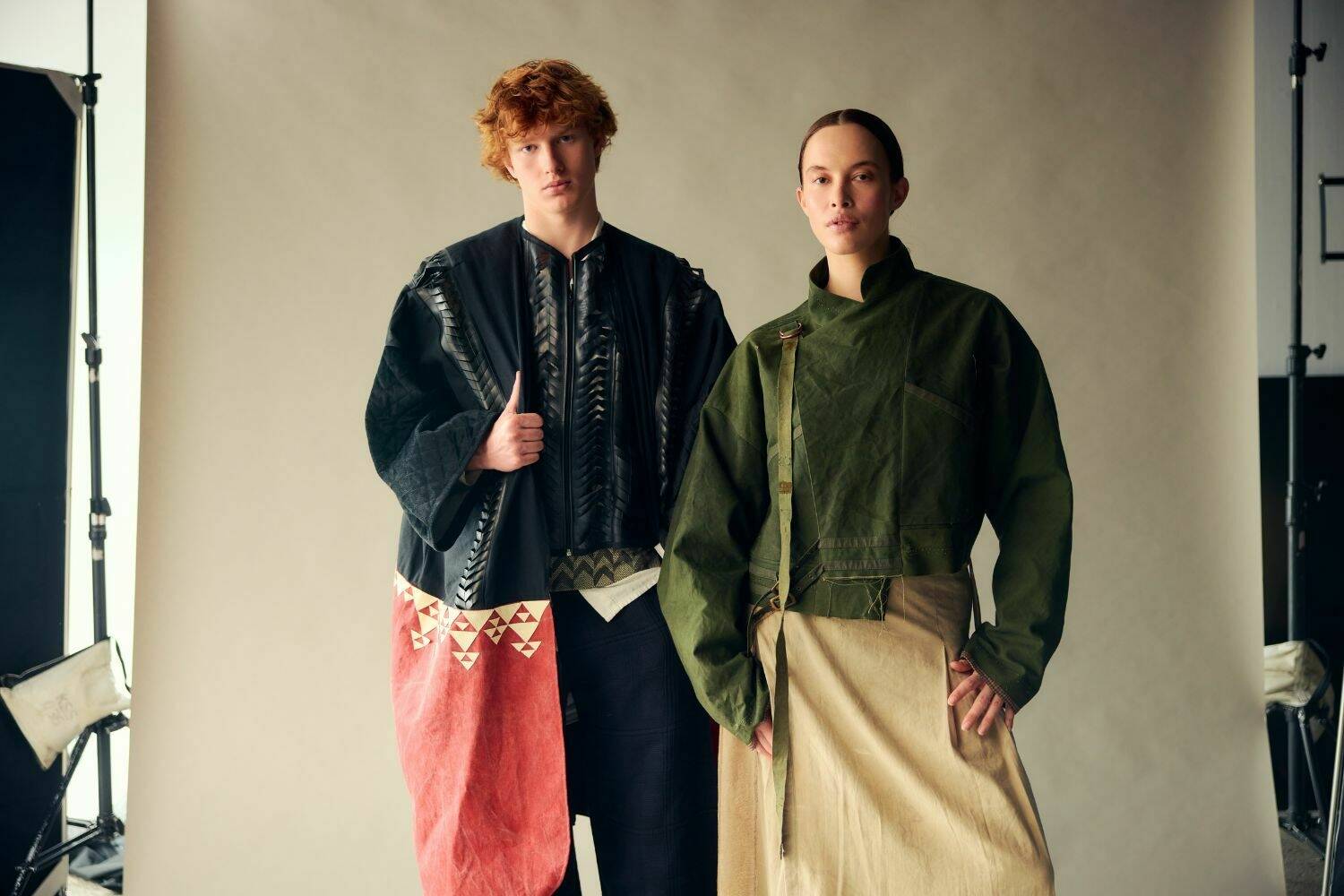
Fashion has long been measured in seasons; waste, in tonnes. In New Zealand alone, more than 52,000 tonnes of clothing are landfilled each year - 143 tonnes a day. Against that backdrop, the 2025 Circular Design Awards signal a different way forward.
Today, Fashion & Textiles New Zealand announces the 2025 finalists: three businesses and ten designers who refuse the logic of throwaway fashion and instead build garments, systems, and accessories that circle back - to soil, to community, to story.
Two categories frame the awards. The Circular Business Innovation Award, sponsored by Untouched World, recognises enterprises reengineering their models around waste-free systems. The Design Innovation Award celebrates creative practice, split between Clothing and Accessory categories. Together, they mark a moment for an industry intent on reshaping itself.
Judge Lucianne Tonti says "Now more than ever we need to be embracing smart innovation and redefining circularity so it is no longer a buzz word that allows business-as-usual to continue. This year's entries provided hope for this kind of future, with an emphasis on reduced, mindful consumption, innovative applications for waste and true community engagement."
Lucianne Tonti, Journalist and Author
Business Innovation Award (sponsored by Untouched World)
This award honours businesses that have rewired their models around circular systems - keeping resources in circulation, paying fairer returns to growers, and proving waste is not inevitable.
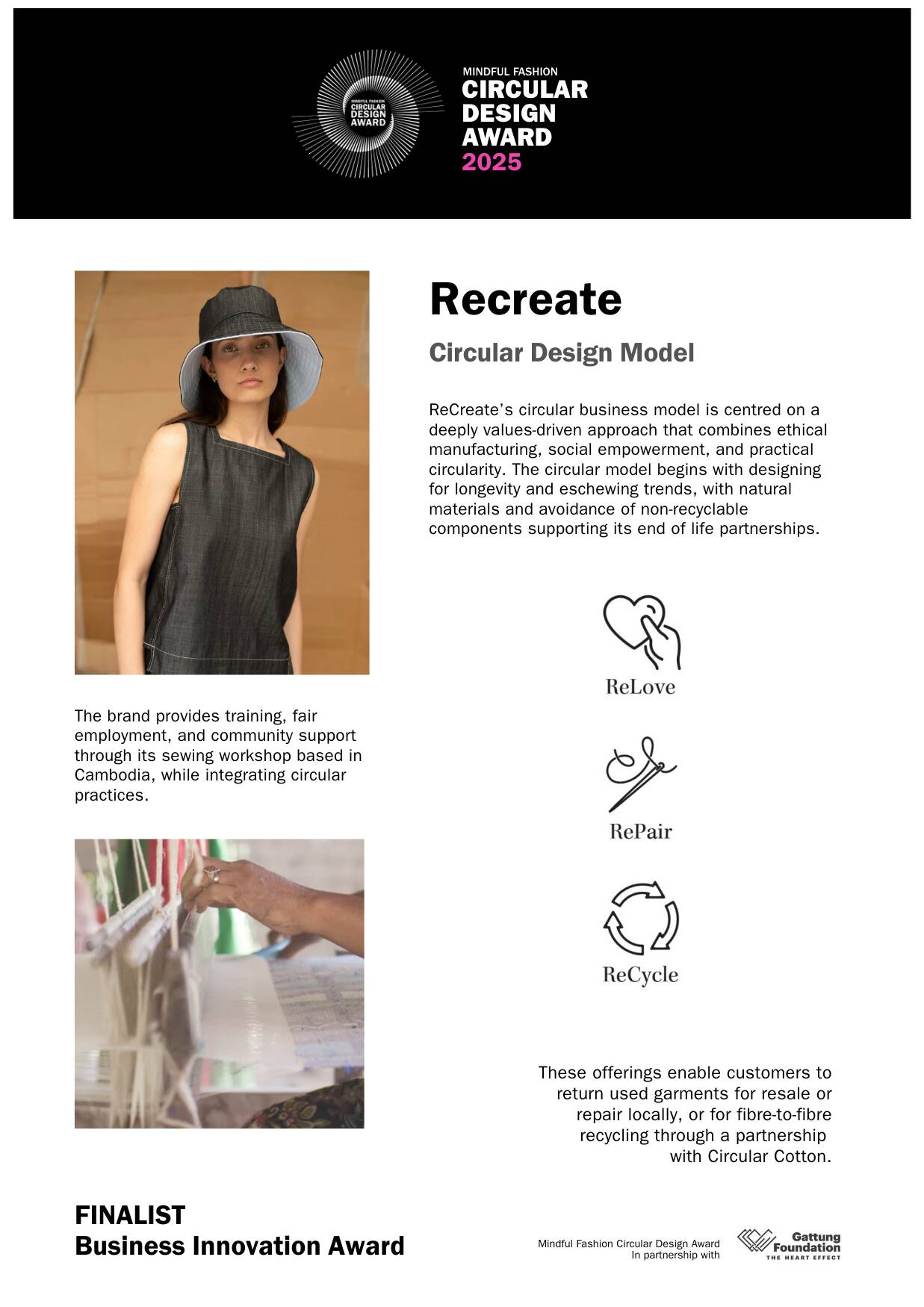
- Emroce: Emroce has pioneered a proven zero-waste fashion system, eliminating fabric waste for over eight years by repurposing every scrap, saving 367m² of material, and scaling its impact through workshops, internships, and partnerships that demonstrate the commercial viability of circular fashion.
- LOF: LOF transforms undervalued strong wool into regenerative, high-performance products through a fully localised zero-waste supply chain, with designs made for disassembly, reuse, or composting—proving circular design can be desirable, scalable, and commercially viable.
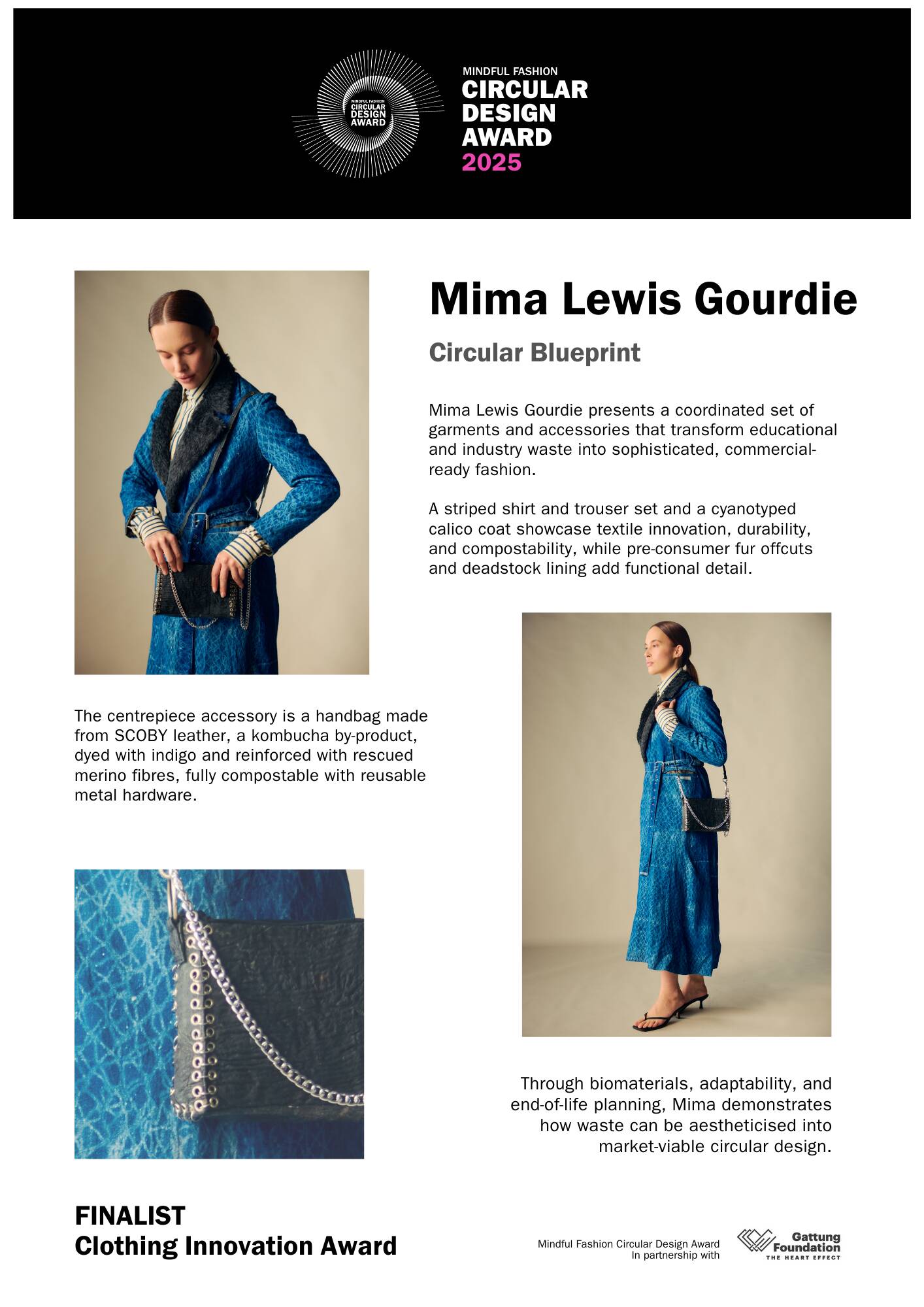
- ReCreate: ReCreate is a values-driven circular fashion brand that combines timeless design and natural fibres with ethical production in Cambodia, community empowerment, and a customer programme that extends garment lifecycles through resale, repair, and recycling.
Images below (L-R):
1. Emroce 2. Lof 3. ReCreate

Design Innovation Award
The award recognises creativity at the raw edge of fashion - where waste is reimagined, and form is stitched from the overlooked. Split into Clothing and Accessory categories, this award honours designers who show that circularity is not constraint but possibility: garments and objects that are inventive, functional, and made to endure.
Clothing Innovation Award Finalists
- Cheremene Castle | Reclaiming Waste
Māori designer Chermene Castle turns discarded textiles and waste into avant-garde, culturally rich garments and accessories, fusing upcycling with storytelling to embody circularity and care for the whenua. - Galina Karmann | Tropical Cocktail
Galina Karmann’s “Tropical Cocktails” dress and accessories give old garments and textile offcuts a vibrant second life, celebrating creativity and circularity. - Louise Sly | High Vis to Rainwear
Louise Sly reimagines damaged high-vis jackets into stylish, functional rainwear, tapping into scalable waste streams to create a closed-loop circular system. - Kensa Munroe – Deconstructed Heritage
Kensa Munroe fuses botanical dyes, reclaimed textiles, and zero-waste techniques to create plant-based, artisanal garments that honour heritage and place while offering a circular alternative to global fashion’s excess. - Josh Bognar | Collaged Menswear
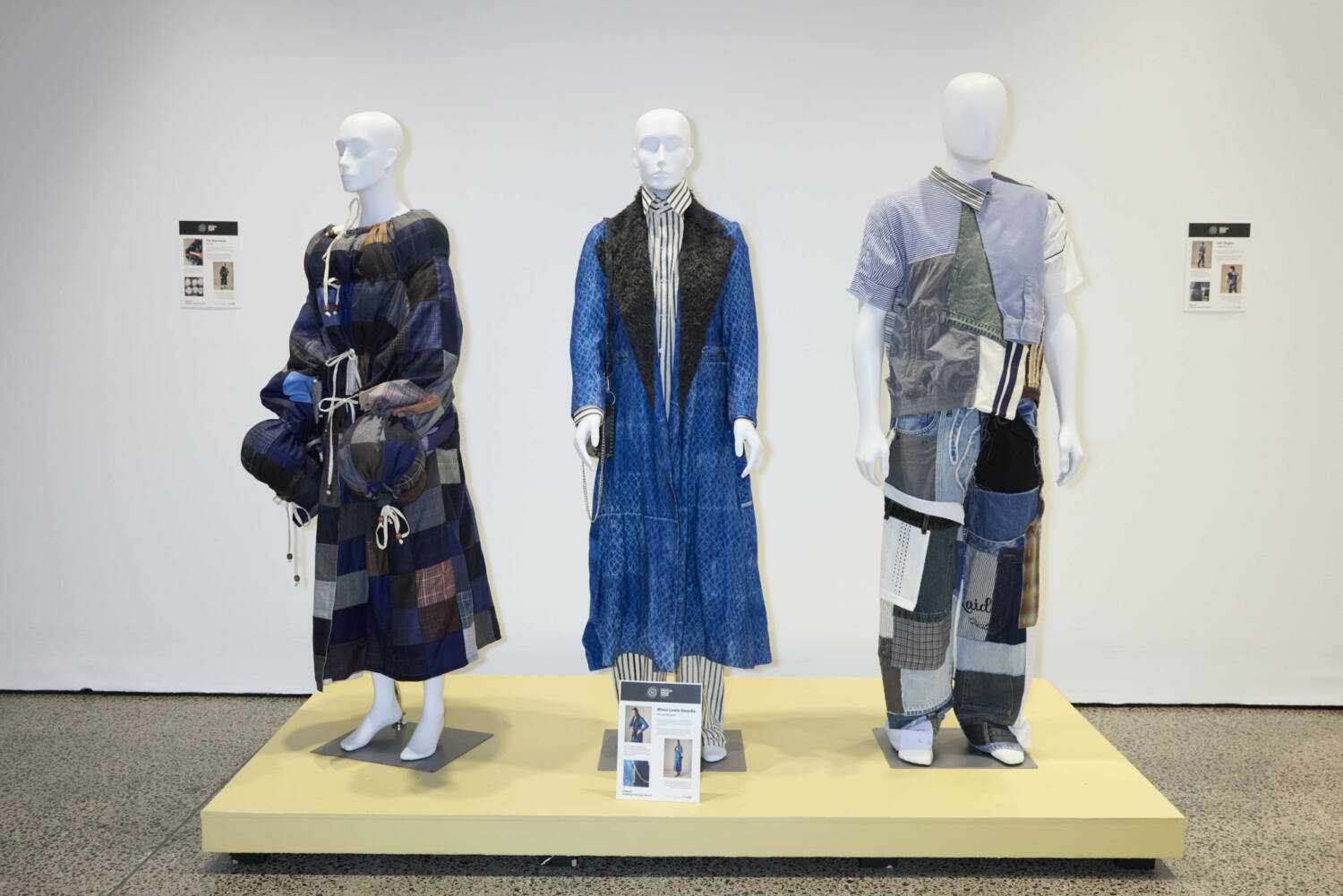
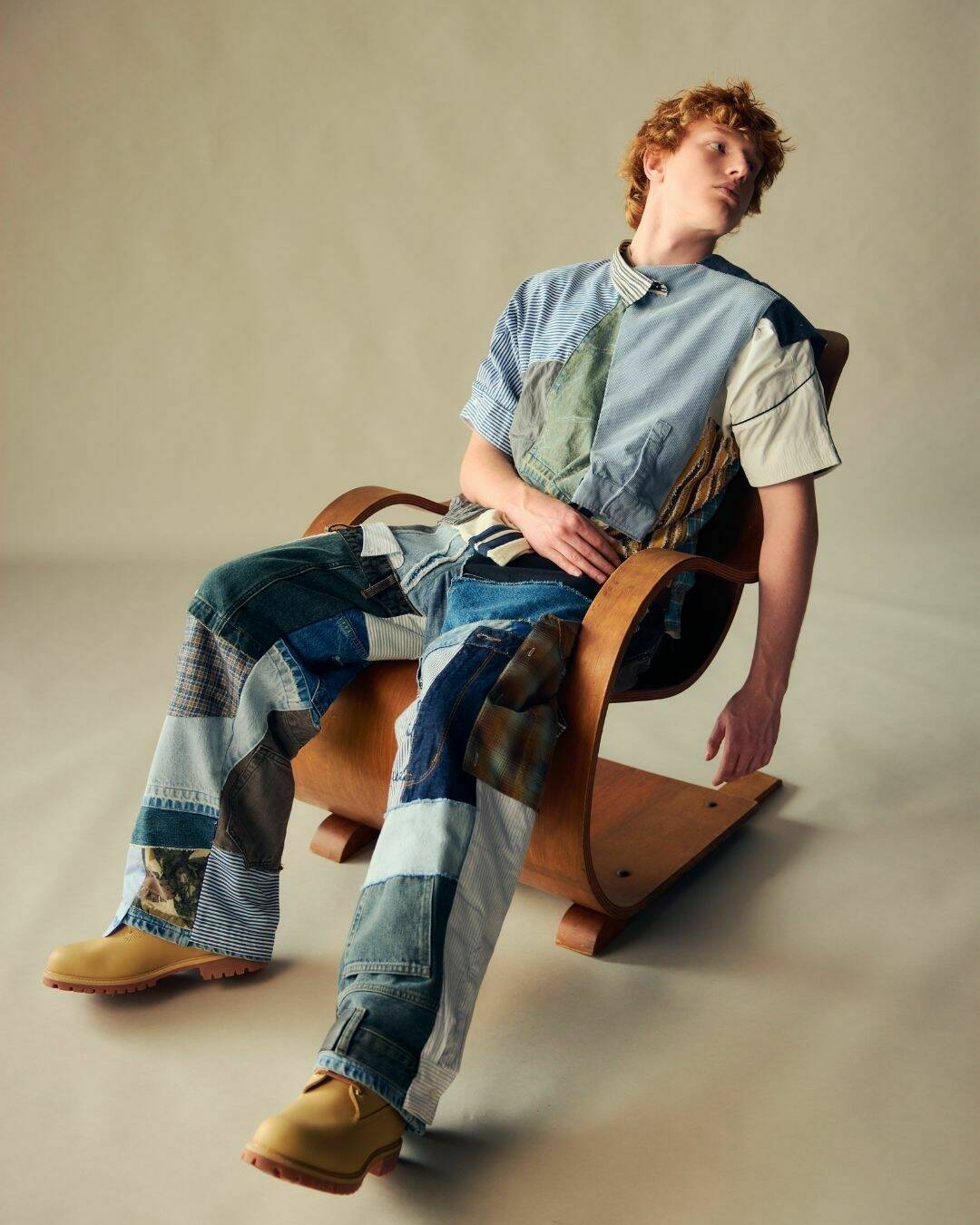
Josh Bognor reimagines menswear by appliquéing discarded post-industrial garment scraps into oversized T-shirts and jeans, turning fast fashion waste into textured, story-rich silhouettes. - Mima Lewis Gourdie | Circular Blueprint
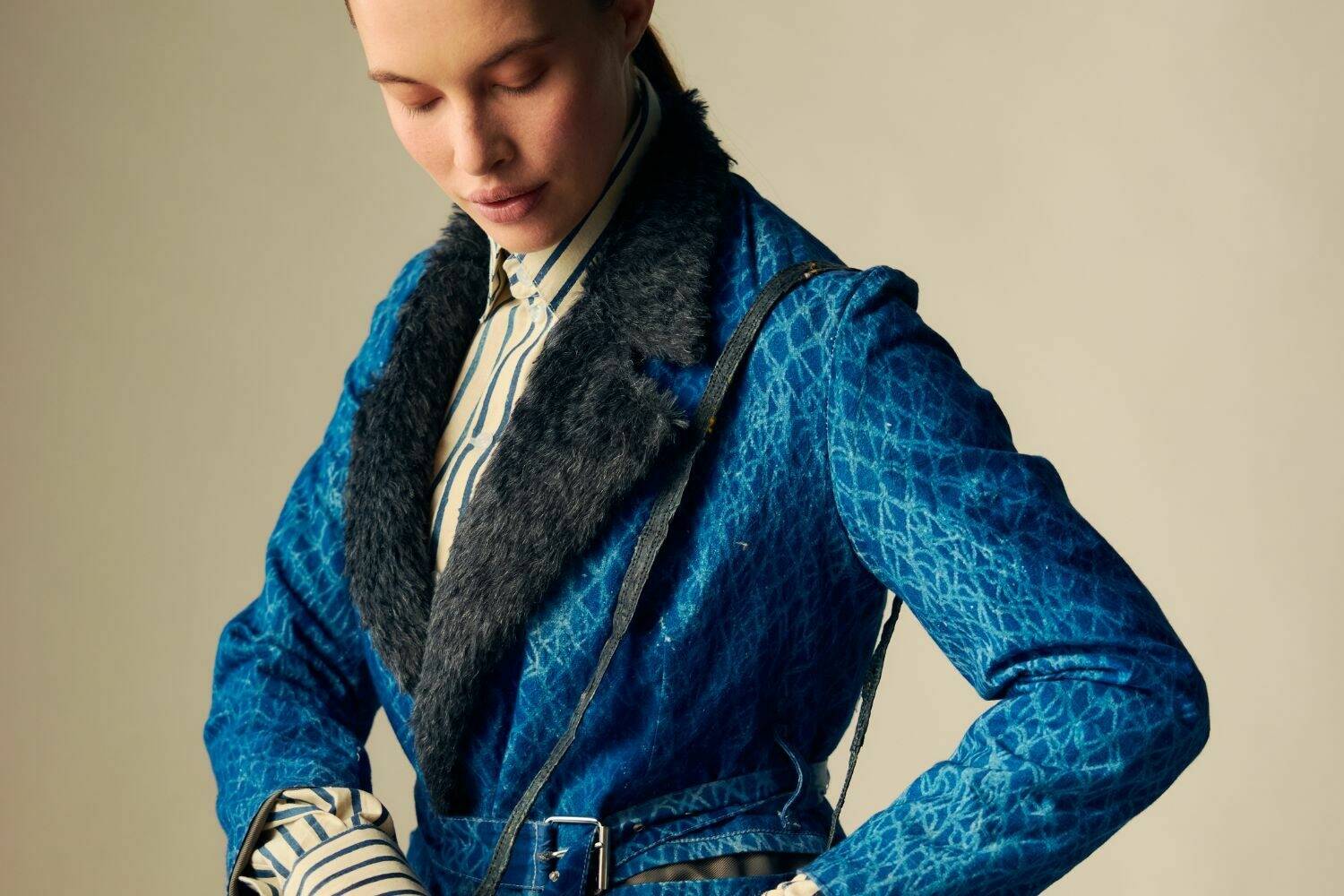
Mima Lewis Gourdie’s cyanotyped ensemble and SCOBY handbag turn educational waste and biomaterials into fashion that is both commercially viable and circular. - Pip Stevenson | Ewe Turn
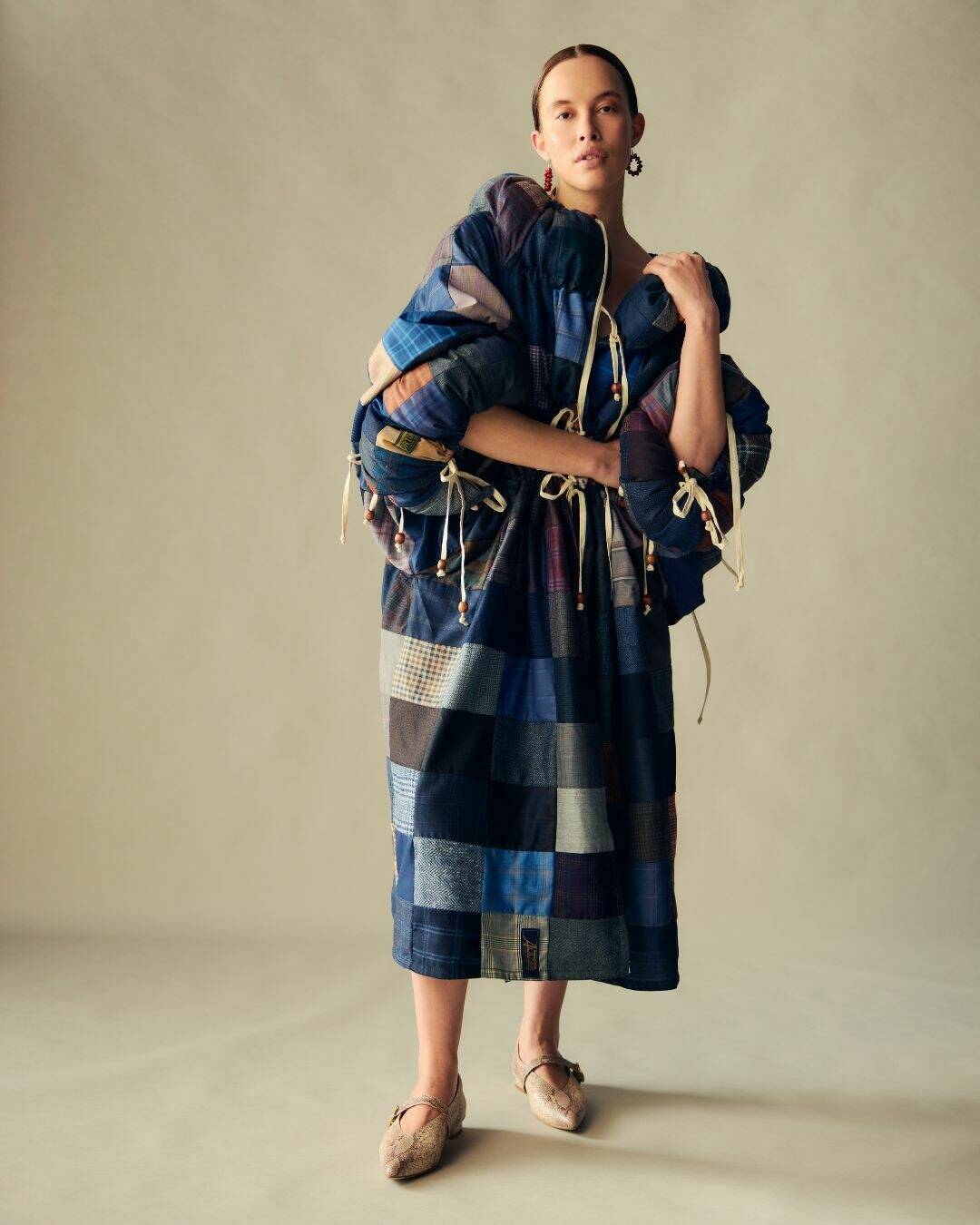
Pip Stevenson’s Ewe Turn transforms waste wool swatches, surplus fibre, and salvaged trims into a compostable puffer jacket, reimagining everyday outerwear as a fully circular, regenerative garment.
Images below (L-R):
1. Pip Stevenson | Ewe Turn. 2. Josh Bognar | Collaged Menswear.
Image credits:
Photographer - Matt Hurley. Stylist - Dan Ahwa. Hair + Make-up - Kiekie Stanners. Talent - Charlee @ Unique, Harper Curlew @ Red 11. Location - Webbs Auction House
Circular Accessory Innovation Award
- Carrie Andrews | Multiple Value Chain
Carrie Andrews’ Multiple Value Chain transforms farm by-products into innovative leather and biocomposite accessories, closing the loop from land to fashion with regenerative design. - Deonne Schollum & Maryna Lottering | Comfort on the Go
Deonne Schollum and Maryna Lottering’s school backpack with detachable comfort bear turns discarded commercial textiles into a functional, child-centred design that supports both wellbeing and circularity. - Xenia Sidorenko | Denim Fur Gloves
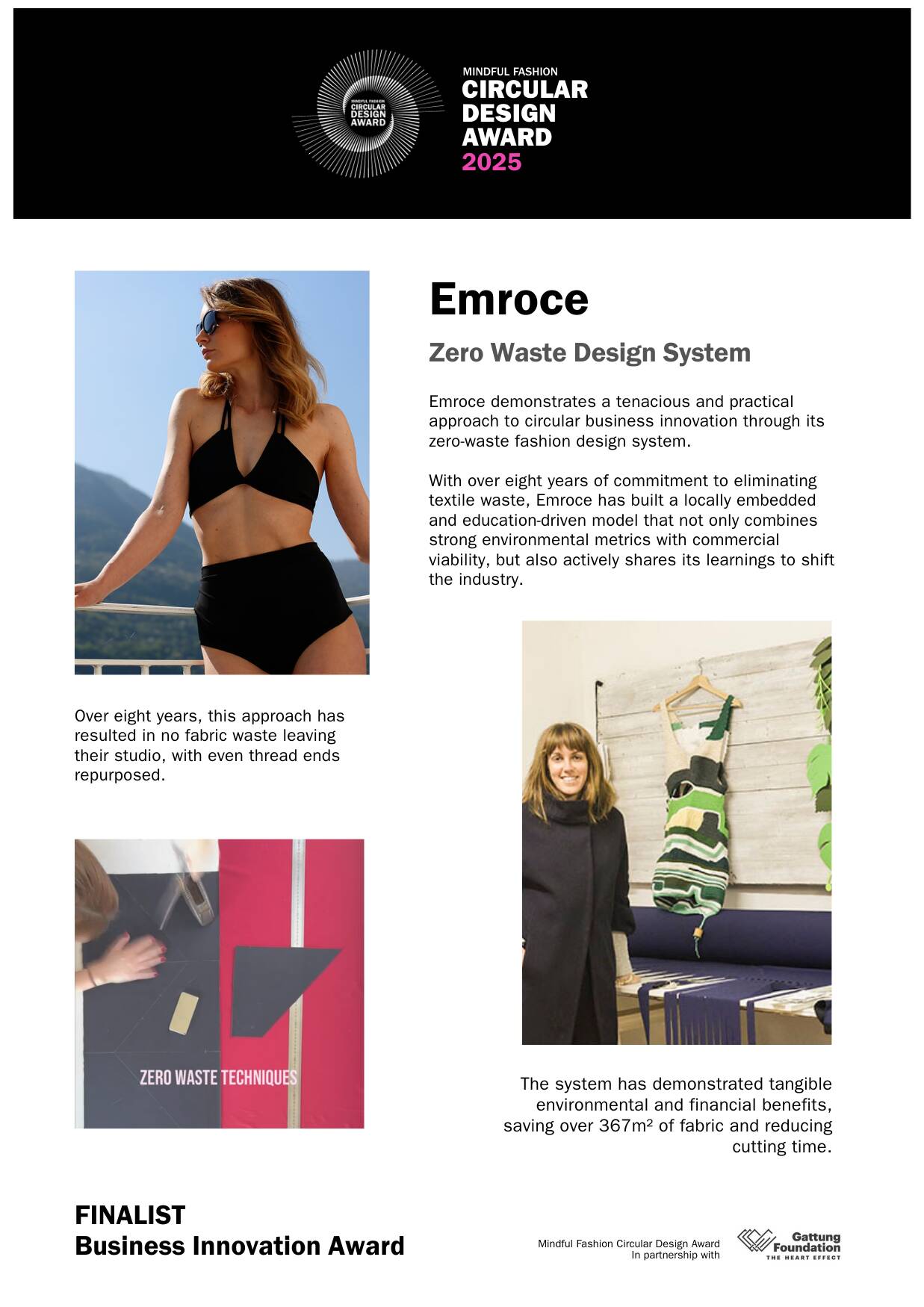
Xenia Sidorenko’s denim “fur” gloves reimagine waste jeans and hoodies as cruelty-free, recyclable accessories, combining bold design with circular innovation.
Winners Announced Soon
Join us at the Circular Design Award Gala, Tuesday 7th October, where the winners will be announced and the finalists will be on display. Tickets are available now.
Tickets Here
MFNZ Beyond the Runway | From Fast to Regenerative
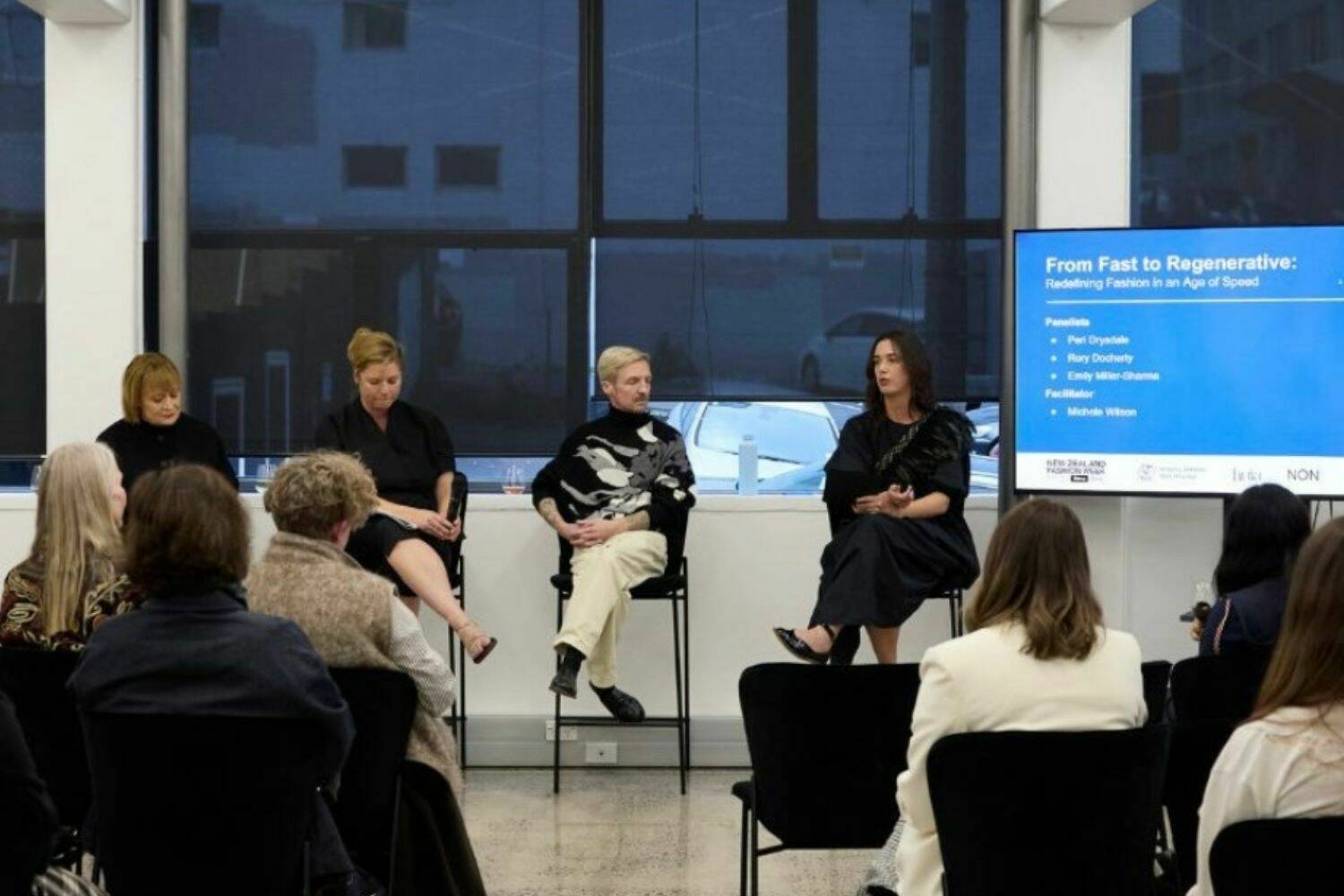
On the 27th of August, our NZFW Beyond the Runway panel posed a powerful question:
Can fashion slow down and still make an impact?
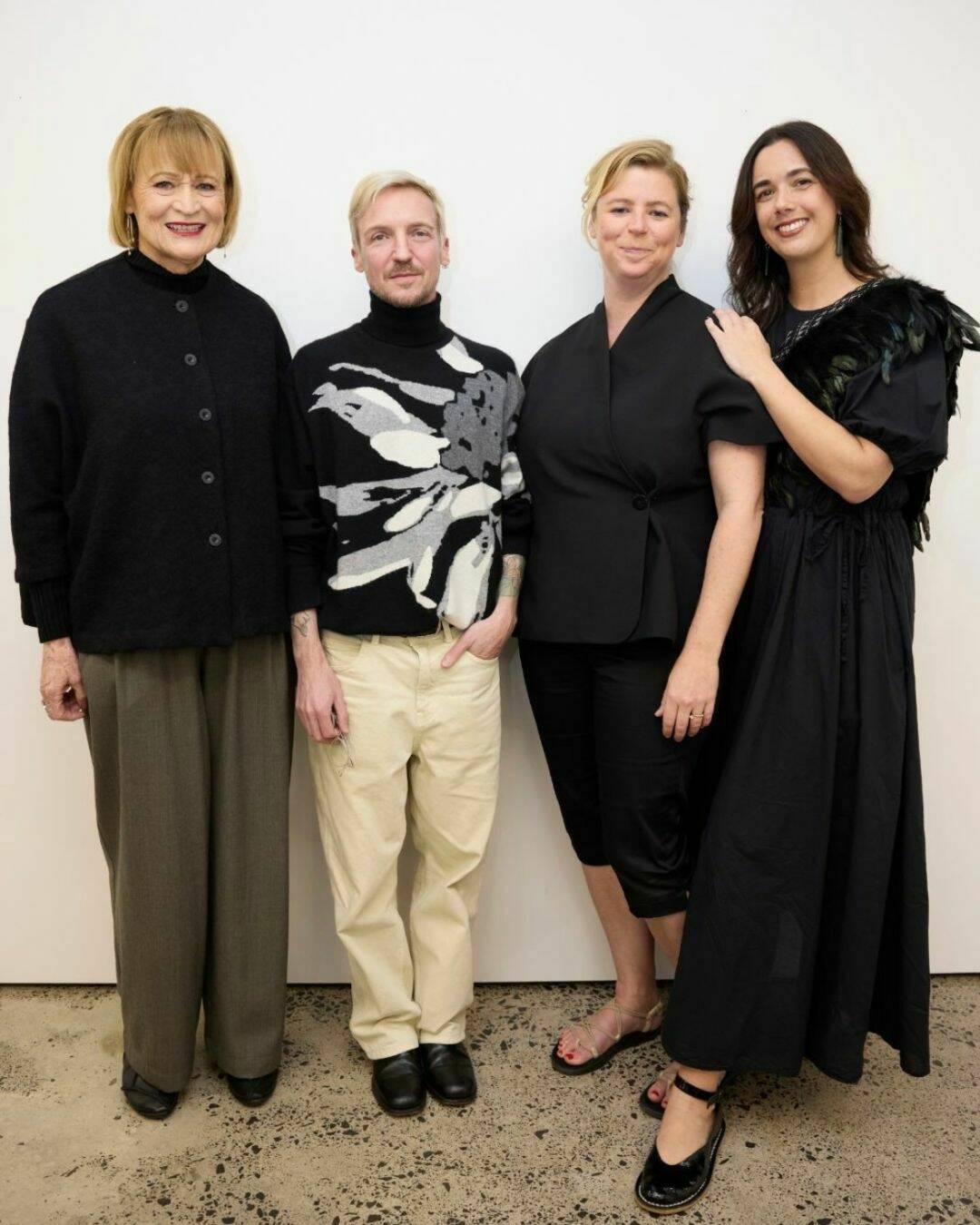
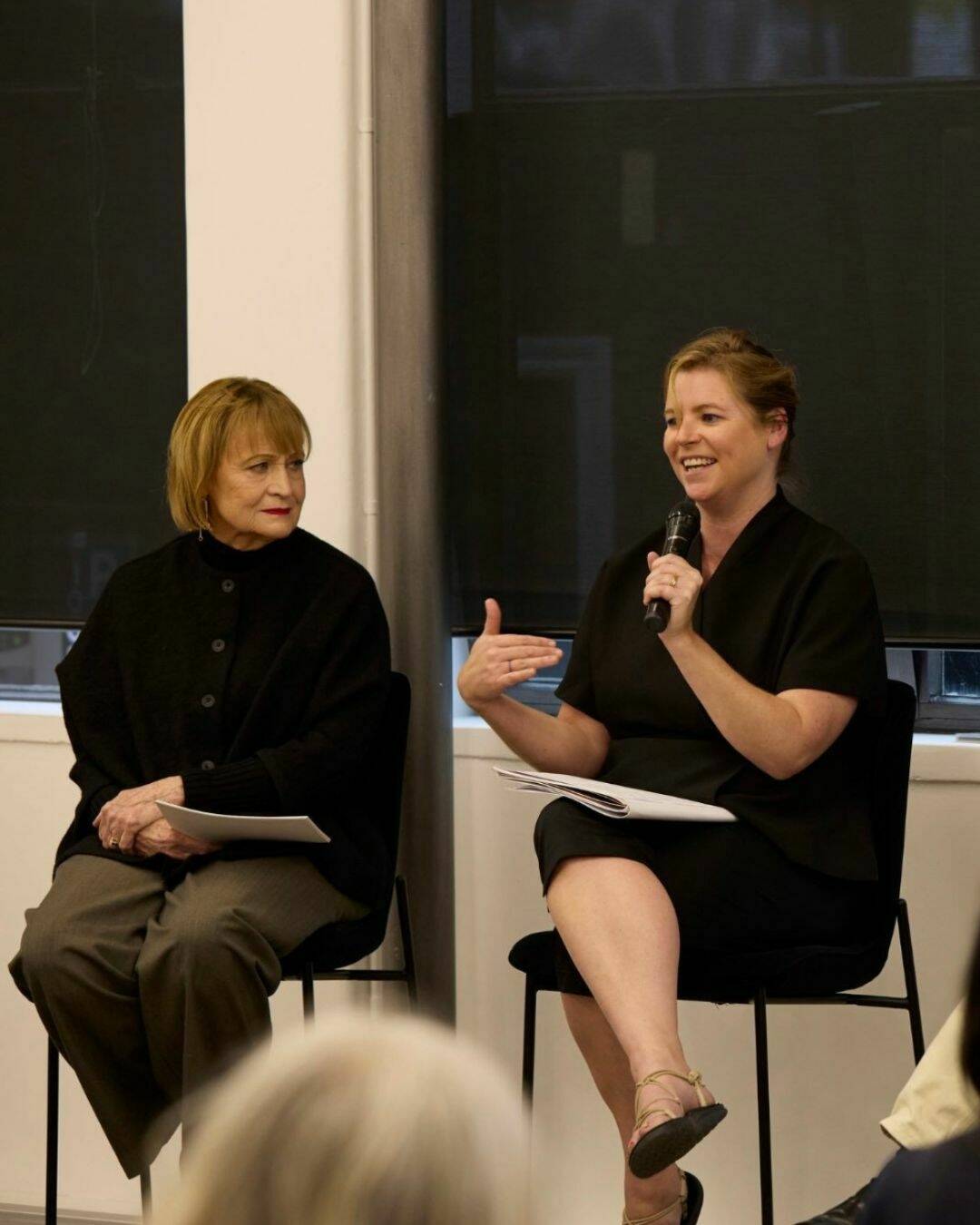
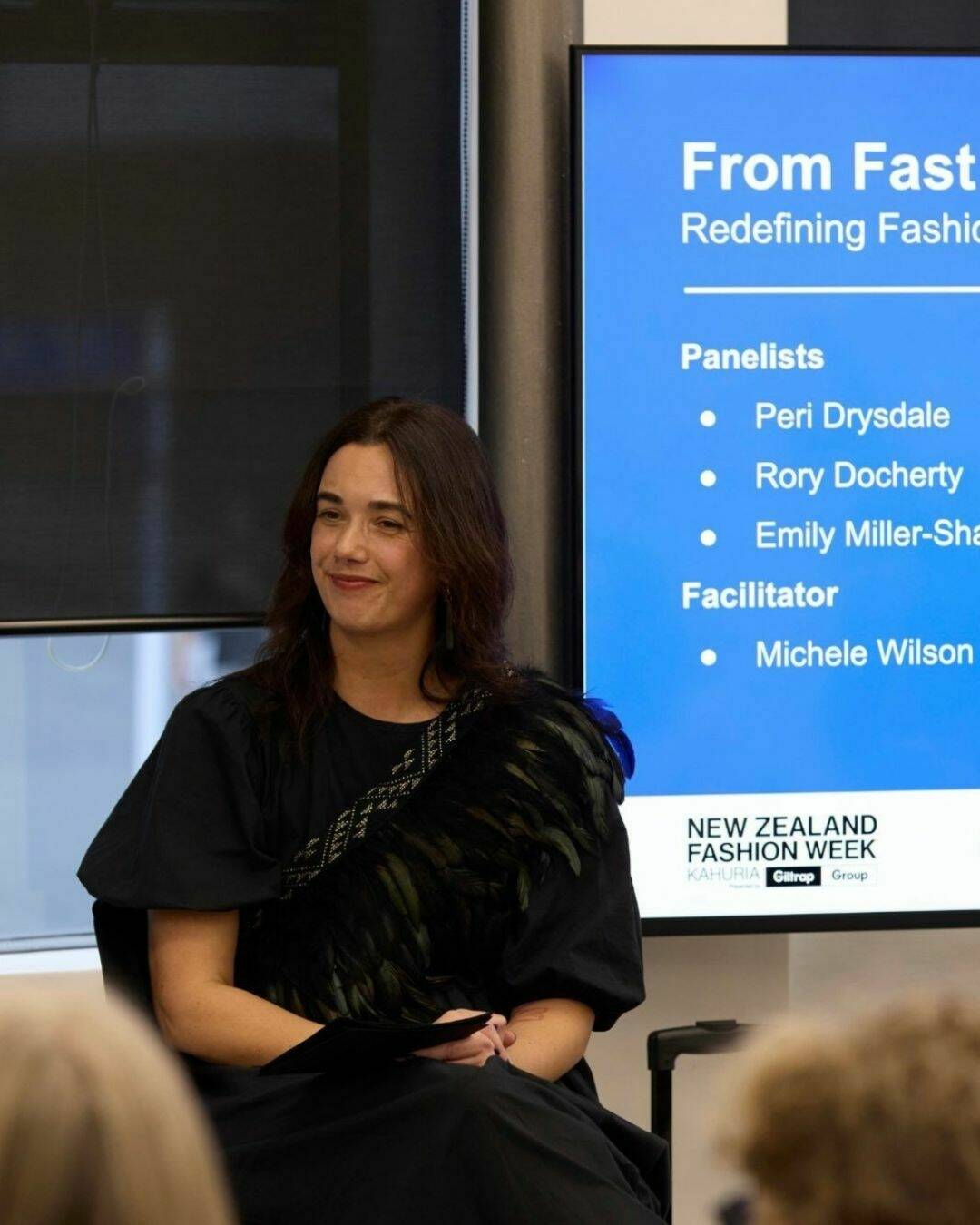
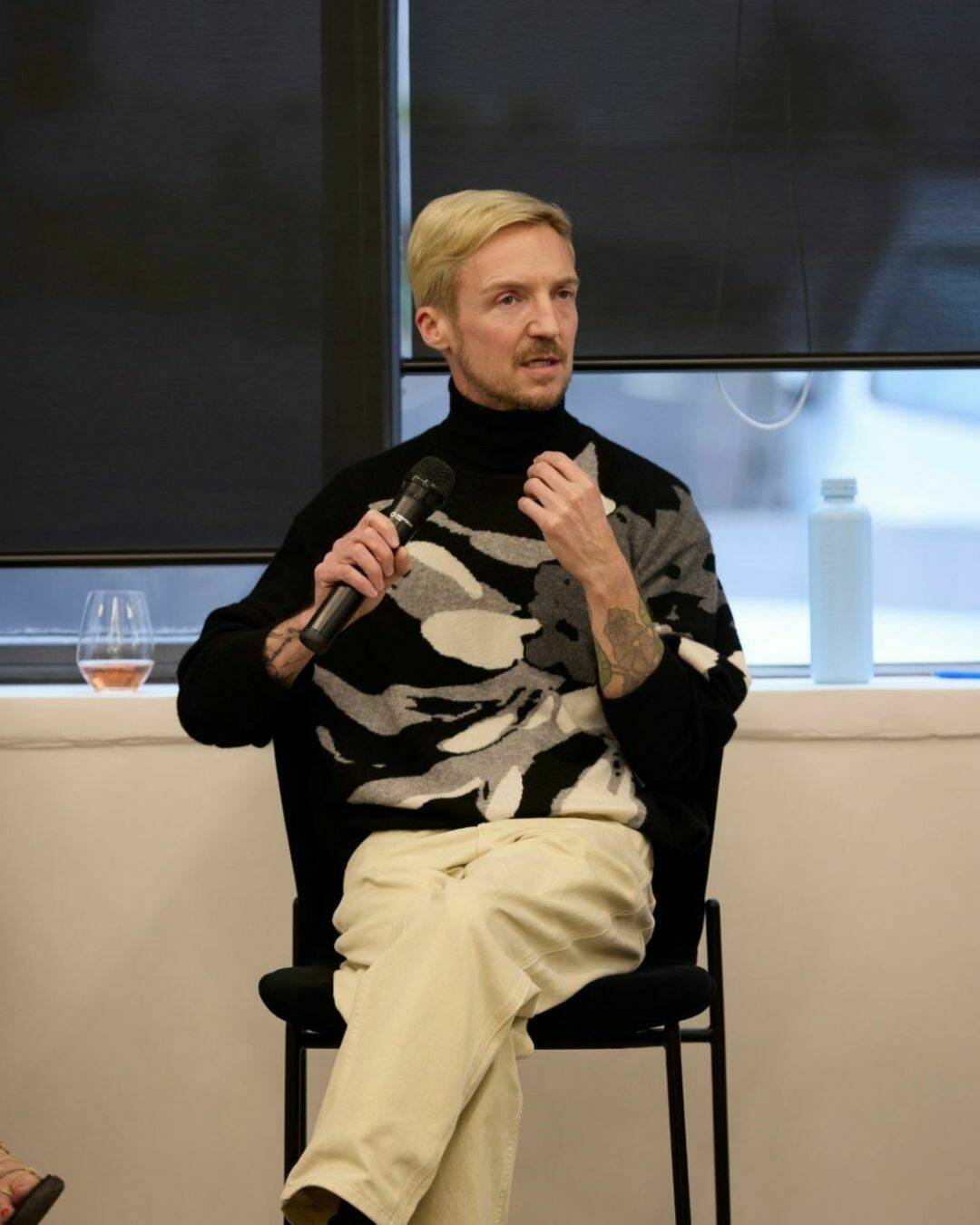
Guided by Michele Wilson (Tainui, Ngāti Pāoa), the kōrero featured insights from Peri Drysdale, Rory Docherty, and Emily Miller-Sharma, each illustrating how slowing down fashion can be transformative, reshaping both what we wear and how it's made.
🎤 Peri Drysdale (Untouched World) reminded us that true storytelling starts at the farm, connecting us to the land and the makers behind regenerative practices.
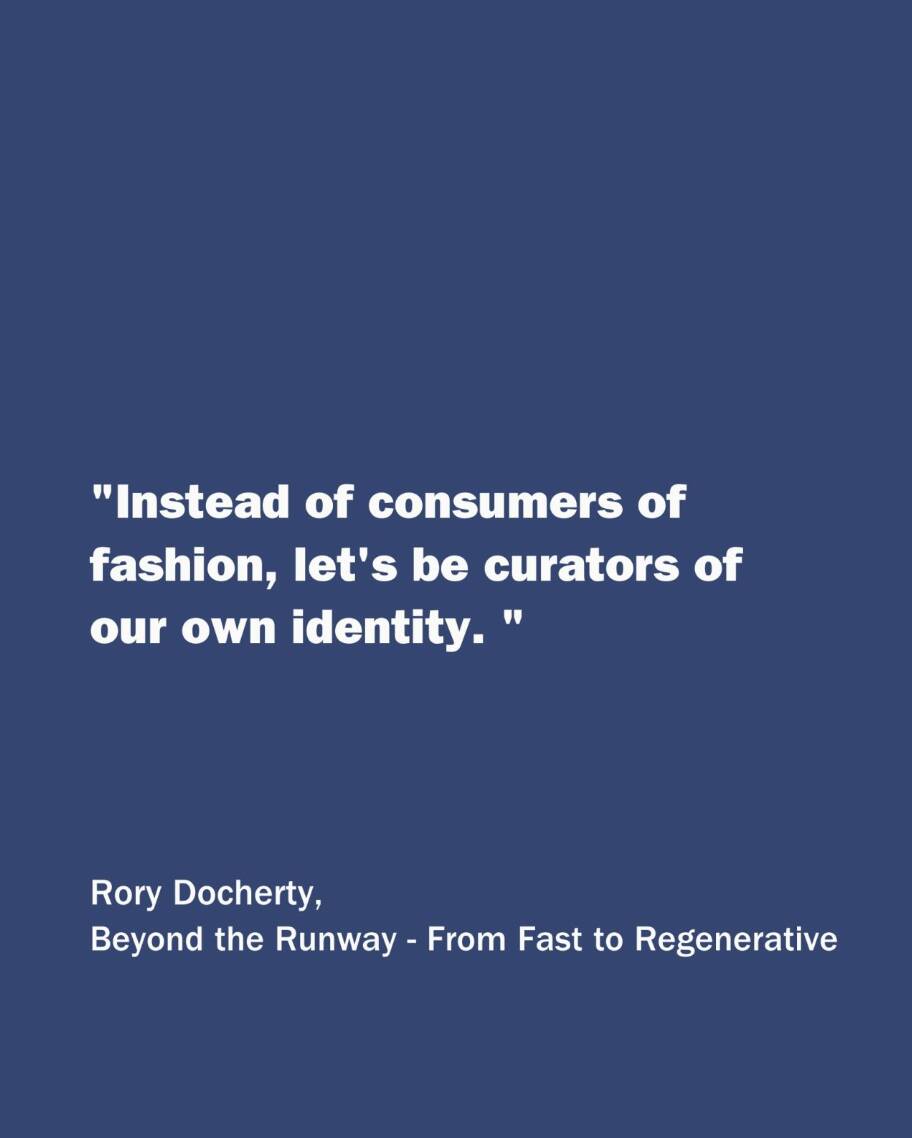
🎤 Rory Docherty challenged us to shift our mindset on purchasing, encouraging us to become curators of our own identity rather than mere consumers.
🎤 Emily Miller-Sharma (Ruby) emphasised the power of transparency, inviting customers into the process and showing them why it matters.
Together, they demonstrated that slowing down doesn’t mean compromise - it’s a path to true transformation.
At Fashion & Textiles NZ, this captures what it means to slow fashion down and be intentional. Every purchase is an opportunity to value craftsmanship and skill, understand the story behind a piece, and support designers, communities, and the environment. To build a connection with what we wear.
Wool Reimagined with NZ Merino
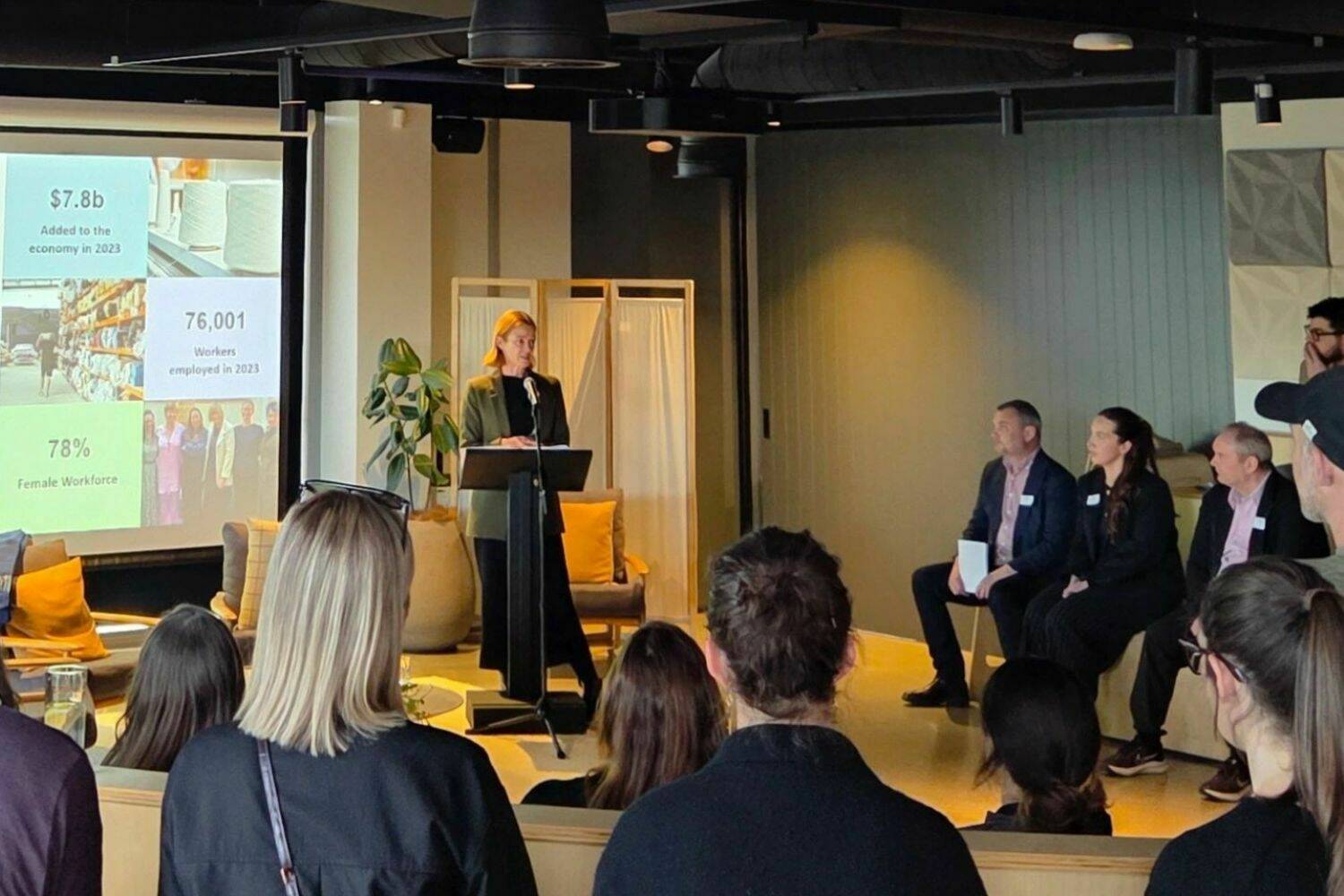
Last week, Jacinta FitzGerald, our CE, spoke at Wool Reimagined, hosted by The NZ Merino Company - a gathering dedicated to exploring the competitive advantage of wool and connecting growers, manufacturers, designers, and brands across Aotearoa.
Jacinta presented an overview of the value of New Zealand’s fashion and textile sector, and shared key insights on the challenges and opportunities it faces, highlighting how strategic approaches to sustainability and circularity can support industry transformation.
While there are challenges, with rising costs, softer retail activity, and gaps in infrastructure and capability locally, our most recent member pulse survey shows there is also a real sense of optimism. Product innovation and new investment is creating growth pathways, and businesses are seeing an increasing interest from New Zealanders in local, high-quality products with a strong provenance story.
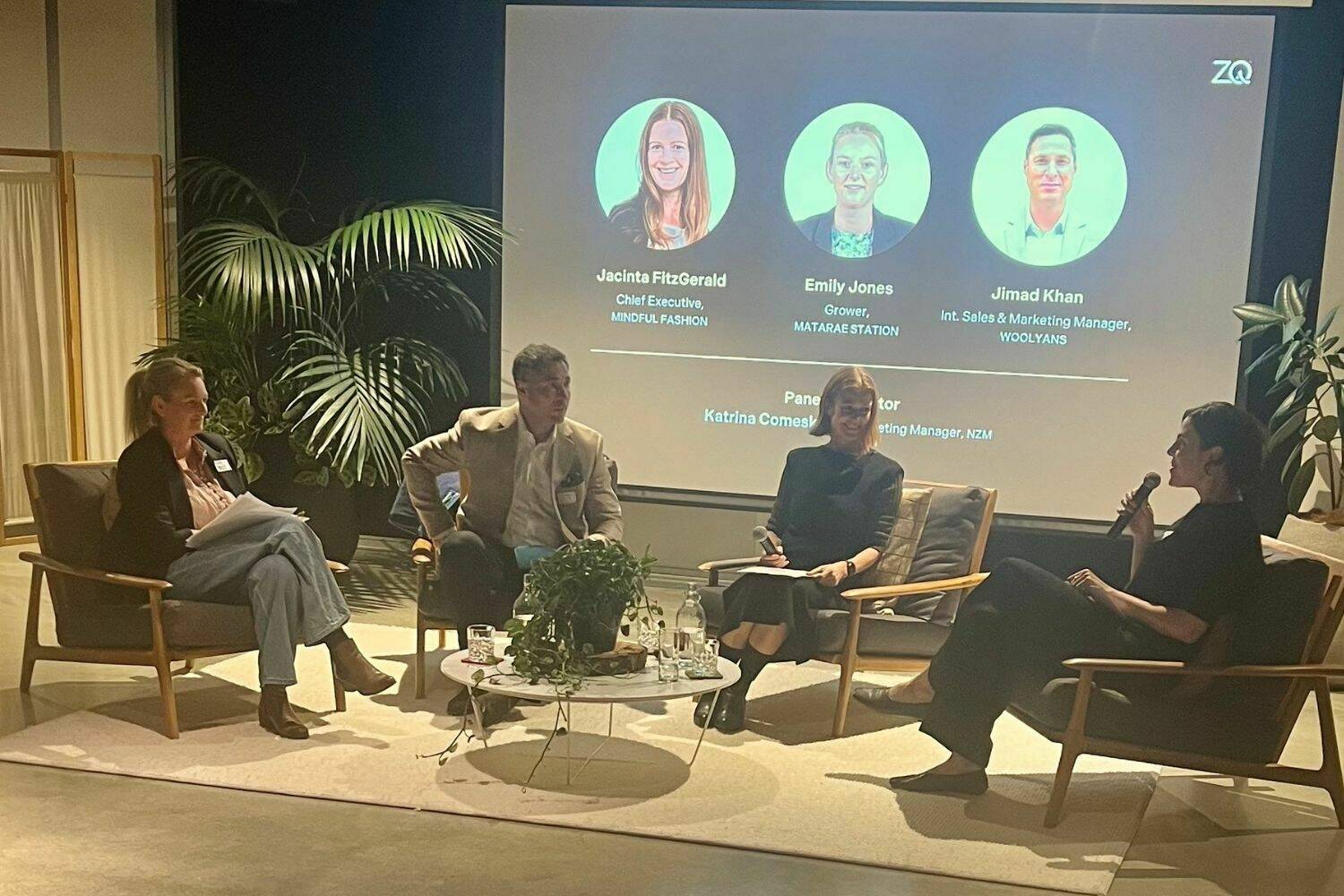
Later in the day, on the panel "From Farm to Wardrobe" Jacinta provided the brand perspective alongside grower Emily Jones from Matarae Station, and Jimad Khan from Wool Yarns.
The event gave us the opportunity to see firsthand the expertise and skill required to bring this fibre to our wardrobes, with Blair Davies and Cassidy Gray demonstrating the importance of fleece preparation and giving everyone in attendance an opportunity to connect to wool right back to its origins.
Our key takeaways included:
🔸 Craftsmanship exists at every level, from on-farm practices to garment production, and connecting these stories is essential.
🔸 Sustainability and craftsmanship are deeply linked through care and connection.
🔸 Demand for local, high-quality products with provenance is rising.
🔸 Investing in traceability, provenance and storytelling provides brands with a competitive advantage.
🔸 Educating consumers is an important, and businesses right across the value chain have an important role to play in this area
Events like this remind us of how interconnected the NZ fashion and textile ecosystem is, and the importance of understanding where your materials come from and how they are produced.
Understanding Demand for Industrial Knitting Training
Over the last six months an industry advisory group has been working with Hanga Aro Rau, the Manufacturing Workforce Development council to review knitting qualifications in New Zealand. The resulting report produced by Hanga Aro Rau outlines the current demand for industrial knitting skills, recruitment challenges, current training provisions, and what qualifications, if any, exist.
Key findings show:
Difficulty in recruiting industrial machine knitting staff: 71% of respondents reported ‘extremely difficult’ (57%) or ‘very difficult’ (14%) in recruiting industrial knitting roles.
Current approach to training: All respondents indicated that internal training is used to train skills required for industrial machine knitting. 36% also indicated they hire New Zealand based staff with existing skills (36%).
Engagement with education system: Over one third (36%) of respondents had not engaged with the education system before.
Demand for industrial knitting training: Half of respondents (50%) indicated that their workplace would enrol learners in a general manufacturing qualification that includes some specific industrial knitting skills. Based on these responses, an estimated total of 13 to 18 learners could be enrolled per year.
Access the Report here.
Understanding Demand for Industrial Knitting Training - Survey Report
Rachel Mills

Rachel Mills is a New Zealand fashion designer known for her eponymous label of elevated essentials and for her work in revitalising local garment manufacturing. Her brand works to break the cycle of over-production through a made-to-order model, and in 2019 Rachel expanded into owning and operating a garment manufacturing business called The Pattern Table which focuses on local production and provides training and employment opportunities in the industry.
Rachel is a judge in the Circular Design Innovation Award.
Circular Design Award 2025: Information Session for Designers
Join us to learn everything you need to know for the 2025 Circular Design Award 2025 including the following:
- An explanation of the design brief.
- Overview of circular design techniques and the judging criteria.
- Submission requirements.
- An opportunity to ask any questions
WATCH THE RECORDING ON YOU TUBE HERE
Friday 11th July, 2025 | Online
12pm - 12.30pm
Design Techniques to Reduce Waste
Designer and Educator Sandra Tupu is our guide for this in-person workshop.
Join us to experiment, interact and discuss some practical & innovative design ideas that will help you gain a deeper understanding of Circular Design Techniques including how to reduce waste at the design stage.
We will explore shape, scale and a zero-waste pattern method.
WELLINGTON WORKSHOP
- Wednesday 9th July | 1pm - 2pm
- Central City, Wellington.
AUCKLAND WORKSHOP
- Tuesday 15th July | 5pm - 6pm
- Auckland
- REGISTER HERE
Learn from Sandra's own mahi in this space, including ‘Harper’ a small artisanal capsule collection championing NZ wool & shown at iD Dunedin earlier this year.
Please bring : 1 or 2 second hand pillowcases, some scrap material/old toile, pins and scissors.
“We as designers delight in our stories we explore and express in a tangible form; we are also responsible to use innovative design ideas and practical solutions as we move towards creating less waste within our industry to help it thrive.”
Ainsley Simpson

Ainsley is the CEO of Seamless, the world’s first circular Product Stewardship Scheme, creating a circular clothing economy in Australia by 2030. With an MBA and post-graduate degree in science; sustainable planning and management has been central to her career in public and private sector roles.
Drawing on extensive infrastructure sustainability experience and policy-shaping, she champions cross sectoral collaboration, climate action, and has led multiple industry partnerships for a resilient, inclusive transition.
Ngahuia Williams

Ngahuia Williams is a documenter of people and places from Te Tai Tokerau. Currently based in Tāmaki Makaurau, Aotearoa, Ngahuia has worked in the fashion industry and creative direction for over 25 years. Having established a career defined by aesthetics, storytelling and visual composition, Ngahuia has expanded her work into nature photography, finding a balance between the natural and the curated. Her work captures the landscape and beauty of the natural world, with a deep interest in people and their wairua. Employing both film and digital mediums, she approaches her subjects thoughtfully, exploring all stories with care.
Image: Ngahuia Williams. Photo / Adam Custins
Dayne Johnston

Dayne Johnston is a highly respected New Zealand fashion designer known for his meticulous craftsmanship and innovative vision. With a career spanning over two decades, he has made a lasting impact on the country’s fashion landscape, seamlessly blending contemporary design with thoughtful, considered clothing.
Fashion Activism and the Environment
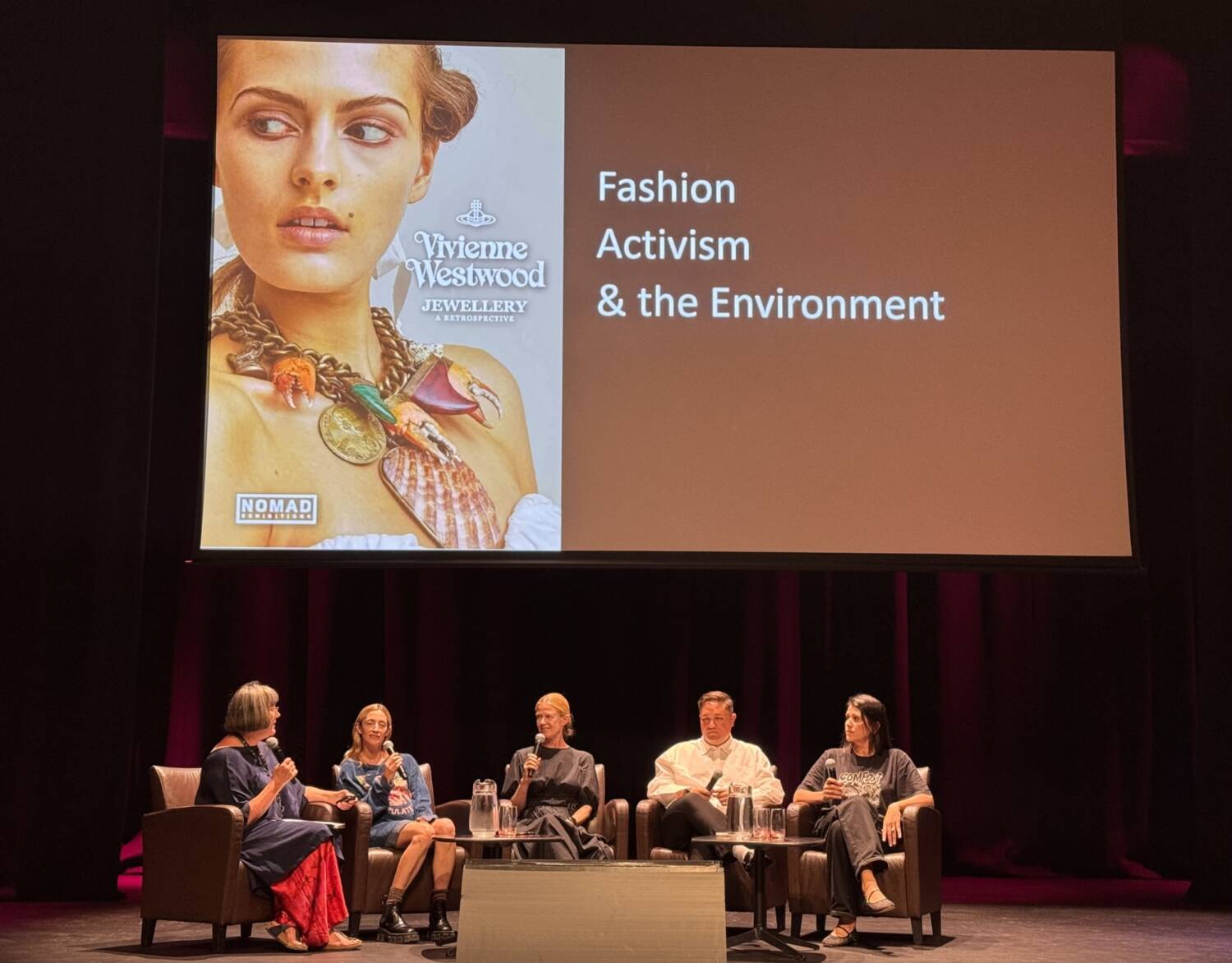
In February 2025 our Chief Executive Jacinta FitzGerald was honoured to be invited to speak at Te Papa in Wellington as part of the Vivienne Westwood exhibition programming.
Speaking alongside sustainable fashion leaders Gosia Piatek founder of Kowtow, Bobby Luke founder and designer at Campbell Luke, and writer Olivia Jordan who brought the inside stories from her time working with Vivienne, the panel discussed the important role of clothing in telling stories, the need for change and the role activism plays within business.
Jacinta highlighted the challenges and underestimated value and contribution of NZ's fashion clothing and textile industry to our economy and workforce, outlining the roadmap we have developed through Threads of Tomorrow, and calling on the Government to meet with us to work on some of these key projects to build a more resilient and thriving sector. The highly engaged audience was curious about the challenges facing the sector and it was a great opportunity to share some of the stories of Fashion & Textiles members who are leading the charge to a more circular fashion ecosystem in Aotearoa.
Zero Waste Design course
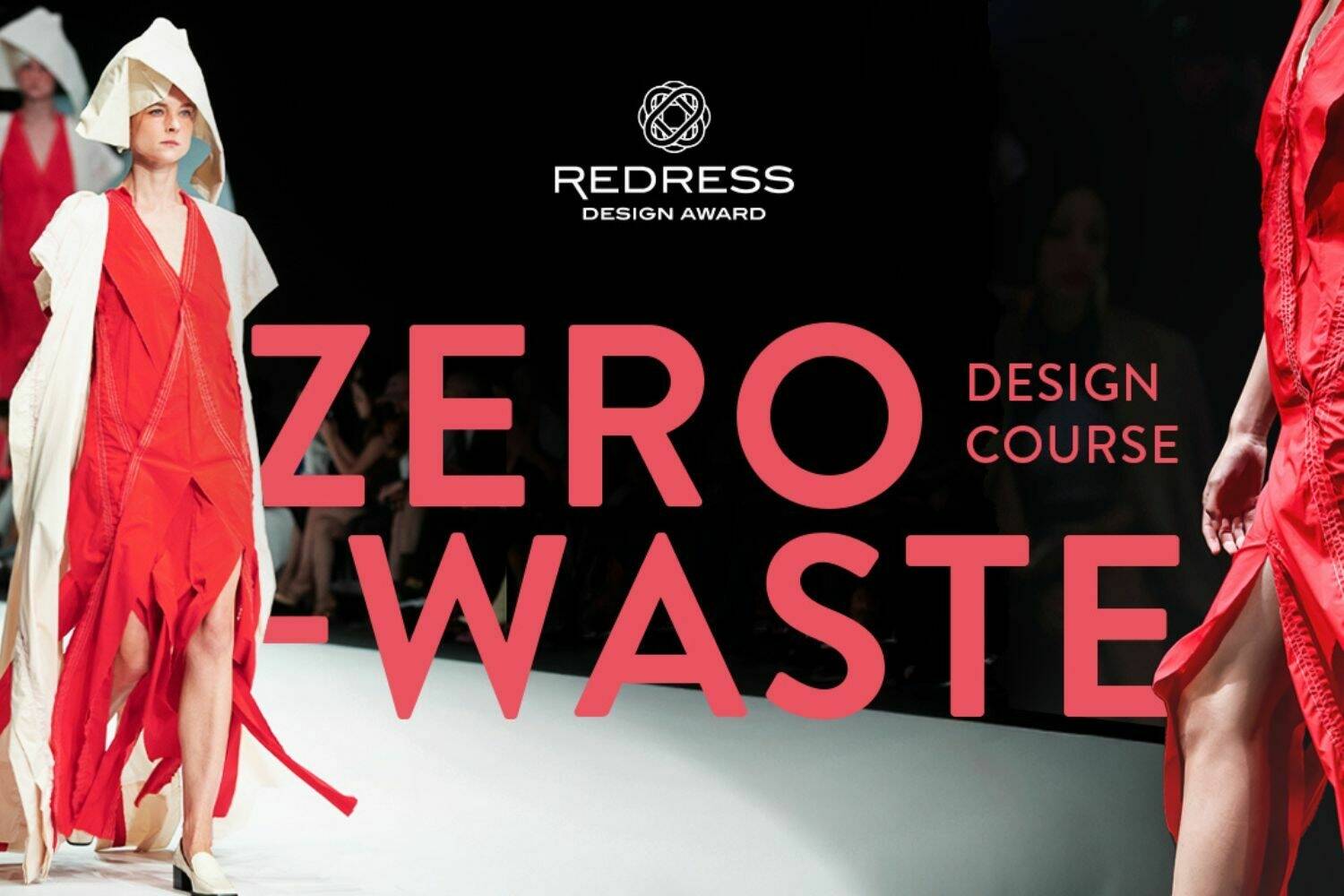
The Redress Zero Waste design course will teach you:
- Various methods to apply zero-waste design techniques
- Where the benefits can overcome the challenges
- What zero waste looks like in manufacturing
Through this course you will achieve:
- Guidance to apply zero-waste design methods
- Practical advice and tips on problem-solving
- Hands-on exploration and pattern-making
- Circular Fashion Design Course Certificate
Our Education partner Redress, who runs the global Redress Design Award, offers a wide range of short courses on circular design and manufacturing which are available to the Fashion & Textiles community through our partnership.
Why do we focus on Circular Design?
We send 496kgs of clothing waste to landfill in New Zealand, every 5 minutes.
This enormous waste of valuable resources is the driver behind our Circular Design Awards. It's the reason we focus on education designers and businesses on how to design for the circular economy and keep clothing and textiles in use.
Check out our short video explaining the textile waste challenges in NZ and globally, and why we focus on designing a new circular system for fashion, one where people, nature and business can all thrive.
Meet our 2024 Finalists!
Hear first hand from our 2024 finalists about their passion for designing out waste and how they approached our Circular Design Award challenge.
Our latest video also features interviews with some of the industry's business leaders in circular fashion design and business models illustrating circular fashion can be a commercially successful way to run a business in Aotearoa!
Get Inspired - Elvis & Kresse
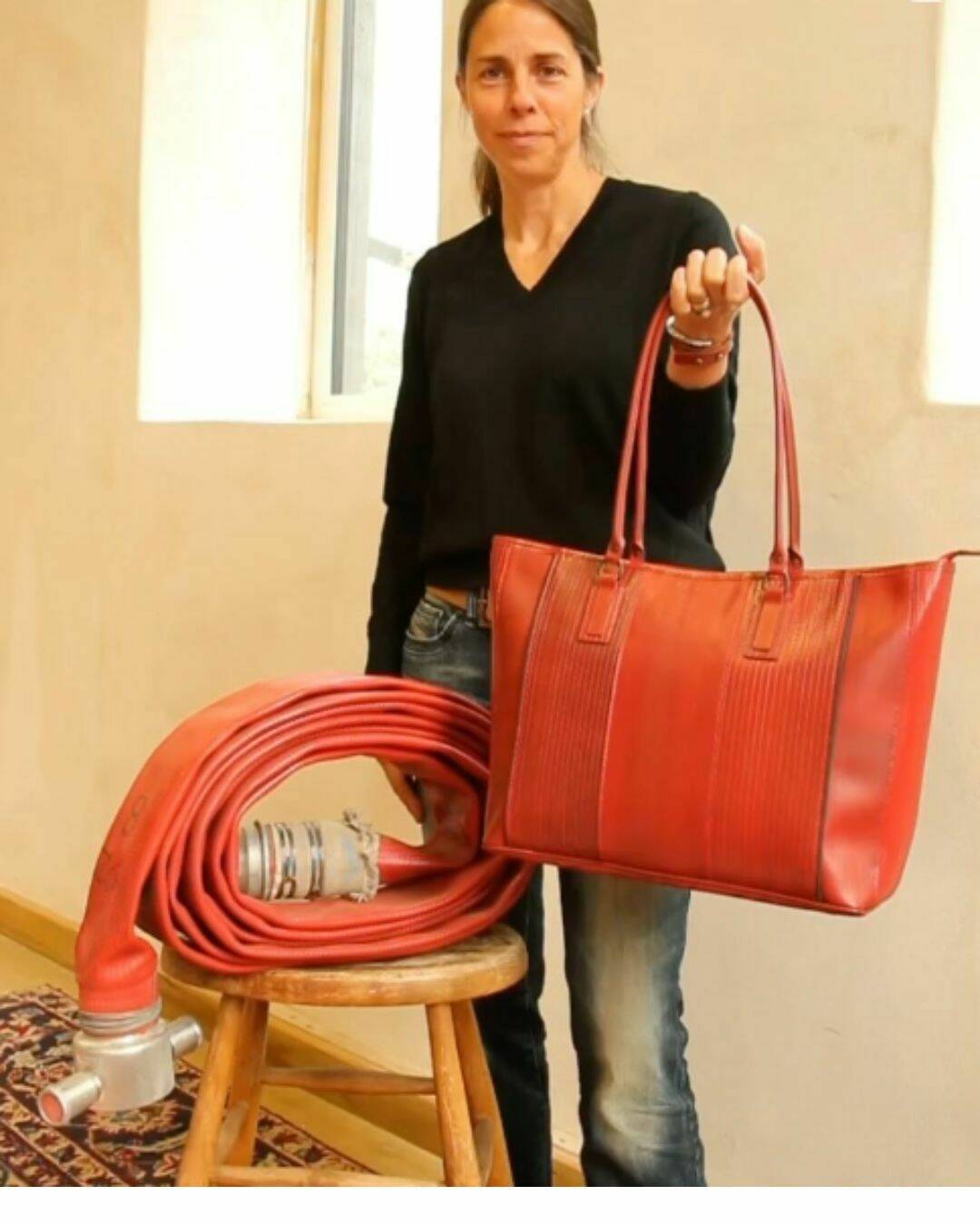
"Its incredible what you can do with materials that would otherwise languish in landfill."
Kresse Wessling, founder, Elvis and Kresse
Since 2005 Elvis & Kresse have been rescuing raw materials, transforming them into luxury lifestyle accessories and donating 50% of profits back to charities. The brands process emulates kintsugi, the Japanese art of repairing broken pottery with gold. The refurbished pieces are worth significantly more than their new, undamaged counterparts. The materials are shown this same level of care, they are cherished and extra value is created through the process.
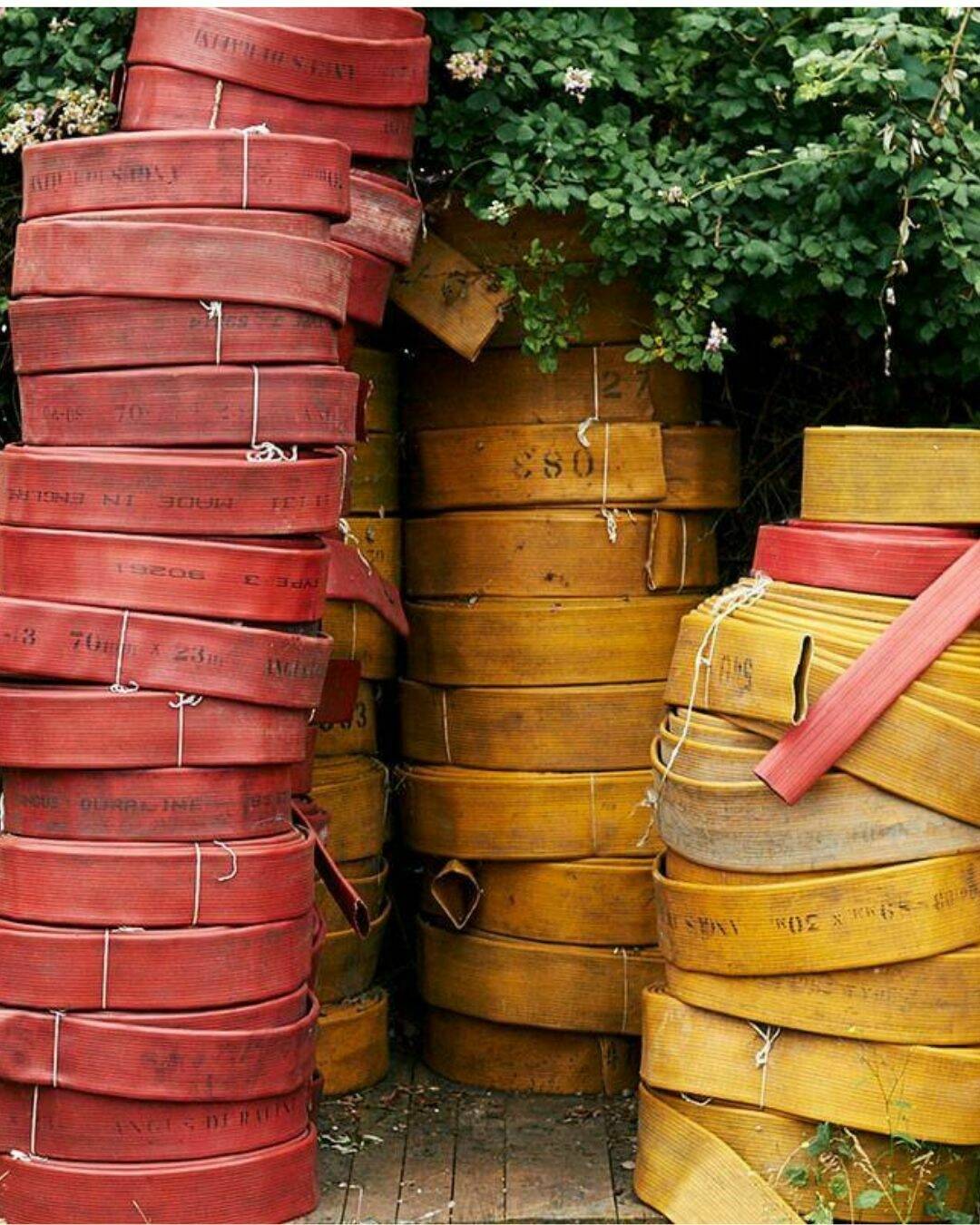
After learning that London's damaged decommissioned hoses were headed to landfill the brand recognised an opportunity and put a stop to this. For over a decade now none of London's firehoses have gone to landfill, allowing over 170 tons of material to be reclaimed.
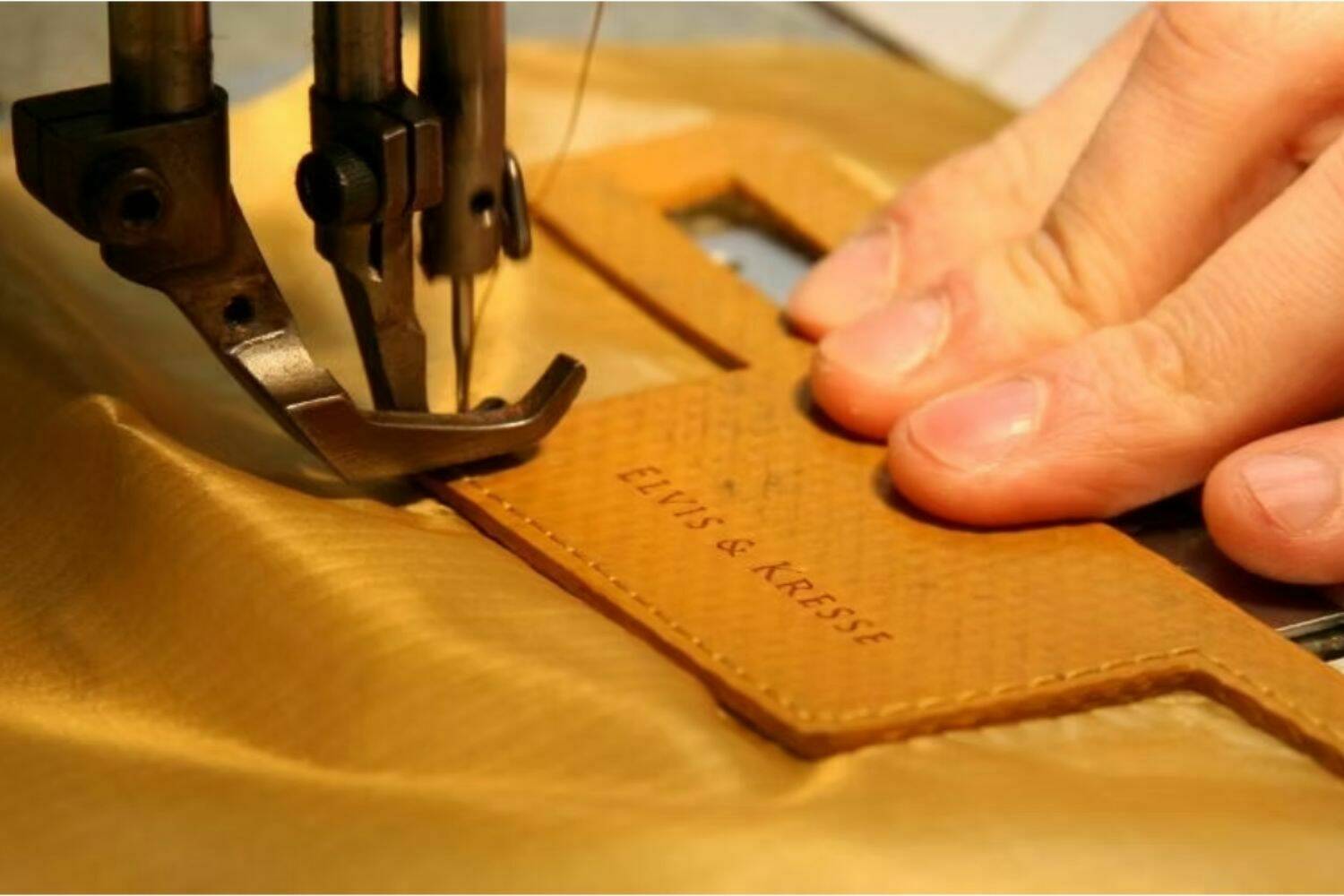
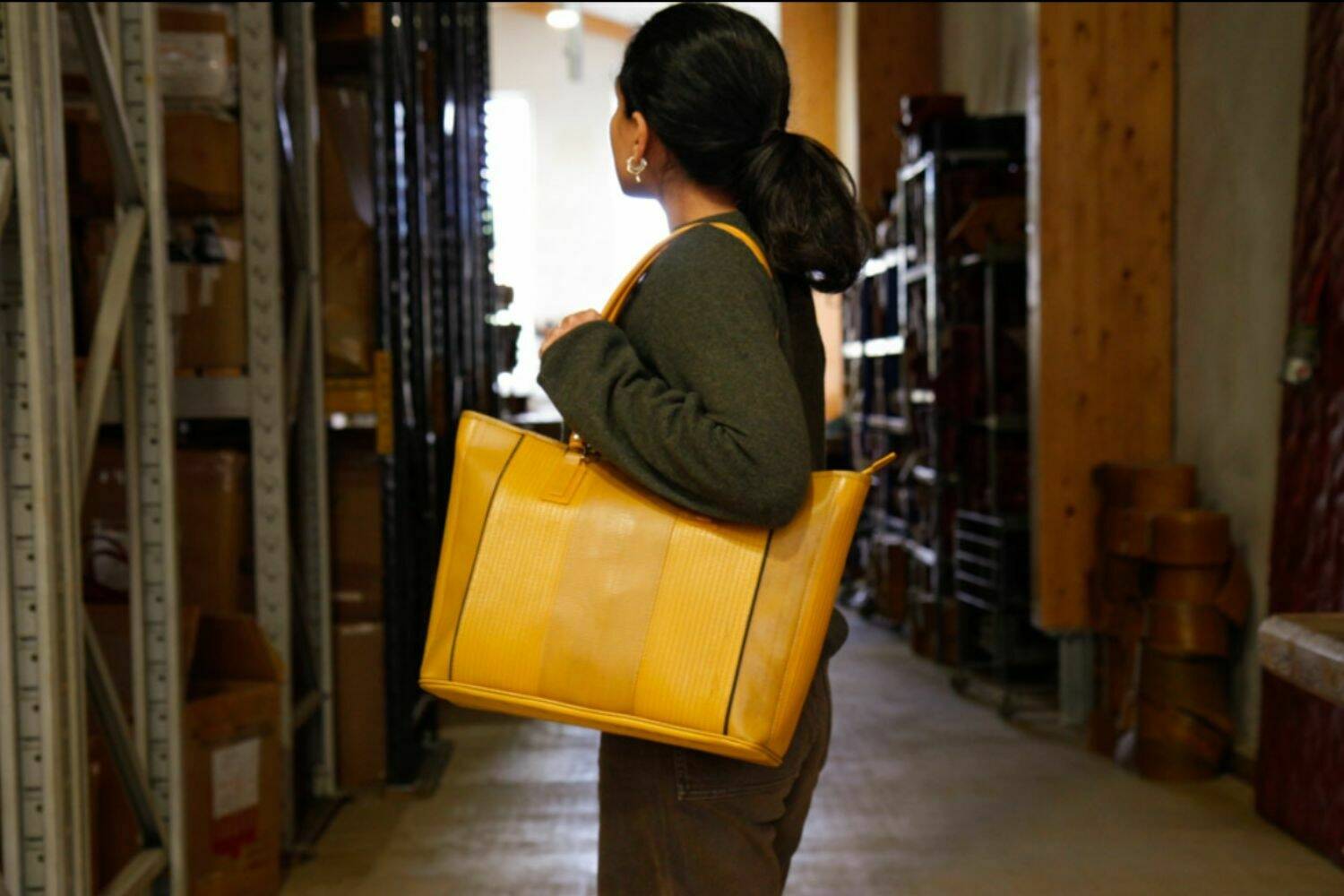
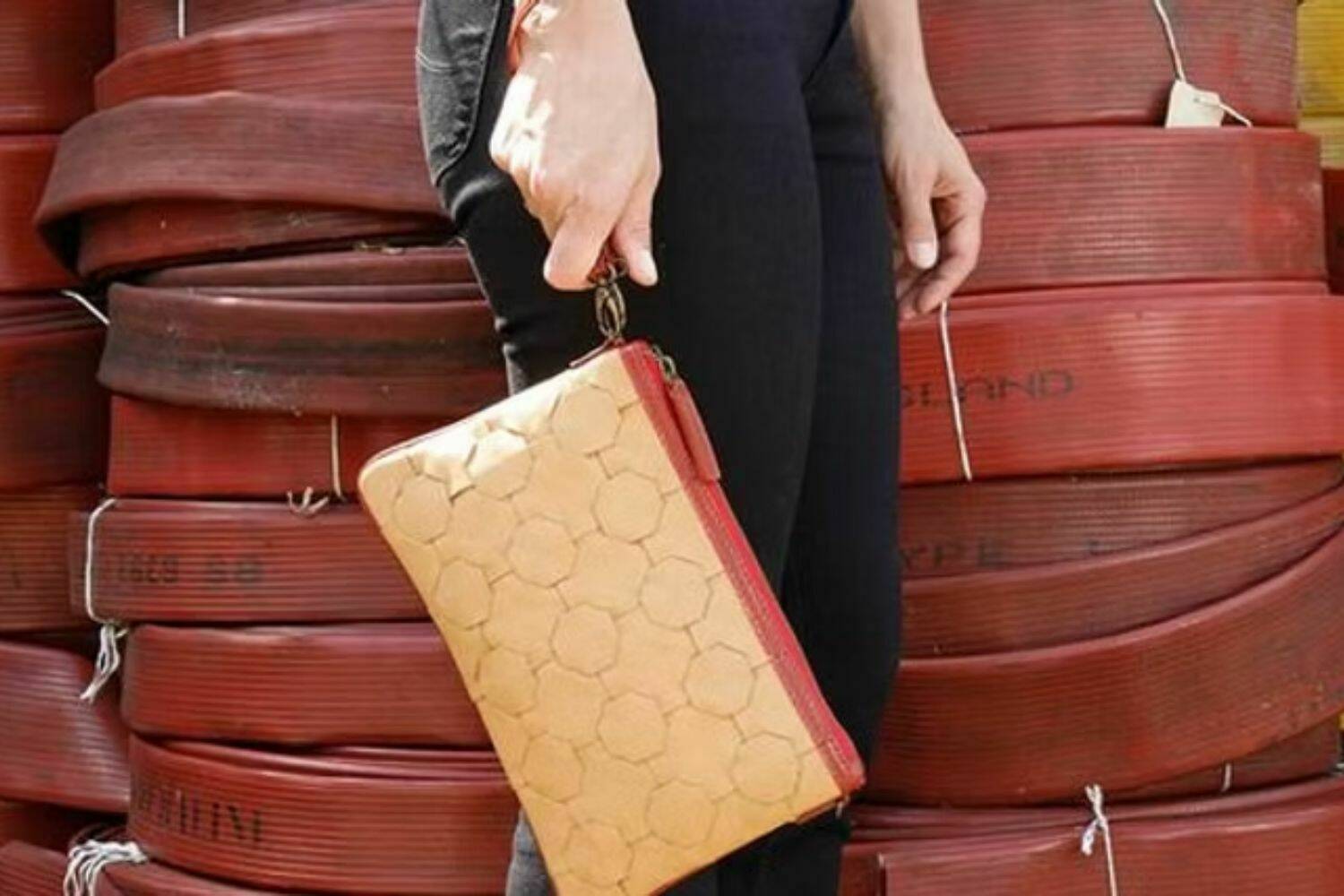
For Elvis & Kresse their design process begins with a problem. It is the material and the scale of the problem which dictate what the brand will make. In the case of the hose, the soot and grease that builds up after 25 years of active duty is scrubbed away, and a new item is crafted with a focus on quality craftsmanship and classic, timeless design. Styles range from wallets to totes, clutches, belts and coin purses, come with a reclaimed military-grade parachute silk dust bag and feature reclaimed materials such as auction banners for linings.
In 2017 the Burberry Foundation partnered with Elvis & Kresse to tackle the even greater global problem of leather waste. It is estimated that each year, at least 800,000 tonnes of leather waste are produced by the global leather industry. In the creation of leather goods, even when patterns are carefully planned to maximise the hide, the process inevitably creates small off cuts. These are high quality, unused, freshly tanned and dyed leather, but fall to the workshop floor as seemingly unusable pieces. Elvis & Kresse has designed a system that transforms these fragments into components, which are then hand woven into a new kind of hide that is unrestricted by size or shape.This Five-year partnership will see at least 120 tonnes of leather off-cuts from Burberry recrafted into new luxury items, designed and sold by Elvis & Kresse.
Elvis & Kresse | Making Bags
Dan Ahwa

Dan Ahwa is a respected New Zealand-based journalist, creative director and stylist with over 10 years of experience. His creative direction and styling experience includes print, digital and social campaigns, commercial projects, editorials, music videos and events. His written and styling work has been published in various local and international publications specialising in travel, culture, lifestyle, design and style.
MFNZ raises Industry profile with Minister Andrew Bayly
November 2024
Earlier this month Juliette Hogan (Business owner and MFNZ Chair), Kate Sylvester, Emma Ensor (CEO of McDonald Textiles), and Jacinta FitzGerald (CE of Fashion & Textiles) met with Minister Andrew Bayly to discuss the findings from MFNZ's Threads of Tomorrow report, the significant contribution our sector makes to New Zealand, and its challenges and opportunities.
We had two key action areas to raise with the Minister:
1. Advancing local materials and manufacturing through investment and value-add opportunities that leverage New Zealand's unique advantages and capabilities for sustainable local production.
2. Enabling circular manufacturing approaches that capitalise on business opportunities while solving textile waste challenges, through policy and investment.
The Minister was interested to learn more about the industry, in particular in his portfolio areas of Small Business and Manufacturing and is interested in visiting some of our industry facilities. As a result we have connected with MBIE about their work on barriers, enablers and approaches for a more circular economy for manufacturing. We are also facilitating further opportunities for the Minister to connect with and learn about the industry. It's fantastic to have broken through to Government and we will work hard to continue to build on these discussions.
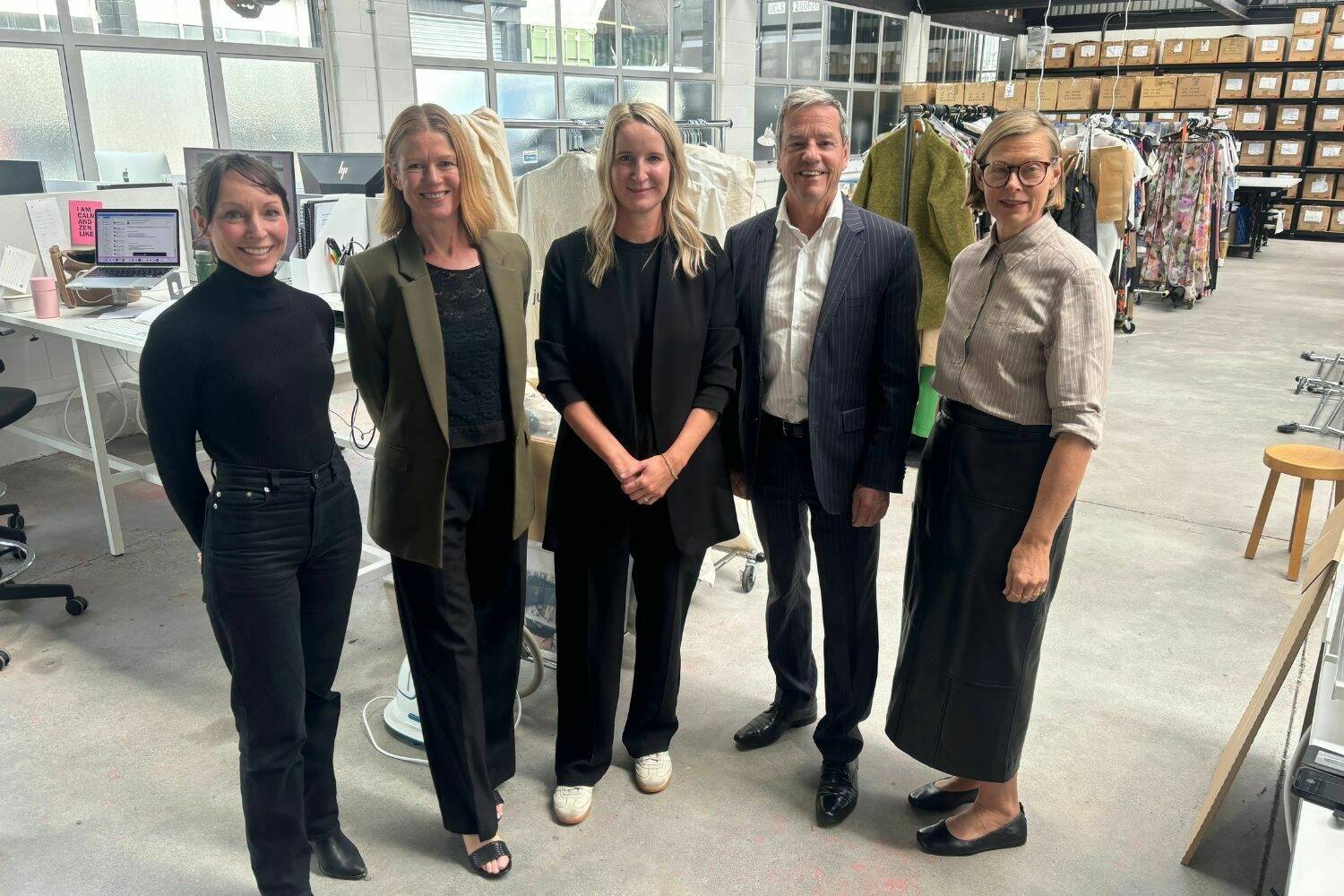
Fashion & Textiles members meeting with Minister Andrew Bayly, L-R: Emma Ensor (McDonald Textiles), Jacinta FitzGerald (Fashion & Textiles), Juliette Hogan, Minister Bayly, Kate Sylvester.
Going Circular
November 2024
M2 Woman reports on how the Fashion & Textiles Circular Design Award challenges designers and brands to rethink the way we design, make and consume our clothes.
An astonishing 52,000 tonnes of clothing waste is sent to landfill in Aotearoa every year, fueled by a fast fashion throw away culture.
Jacinta FitzGerald, CE of Fashion & Textiles says,
"Around the world, millions of tonnes of clothing are produced, worn and thrown away each year, with more than 85% ending up on landfill. We need to focus on collective solutions to do better.
As our industry report Threads of Tomorrow found, moving towards circular systems has the potential to reduce emissions by one third, and generate social, environmental and economic value for New Zealand, and the Circular Design Award is an avenue to explore tangible ways to do this."
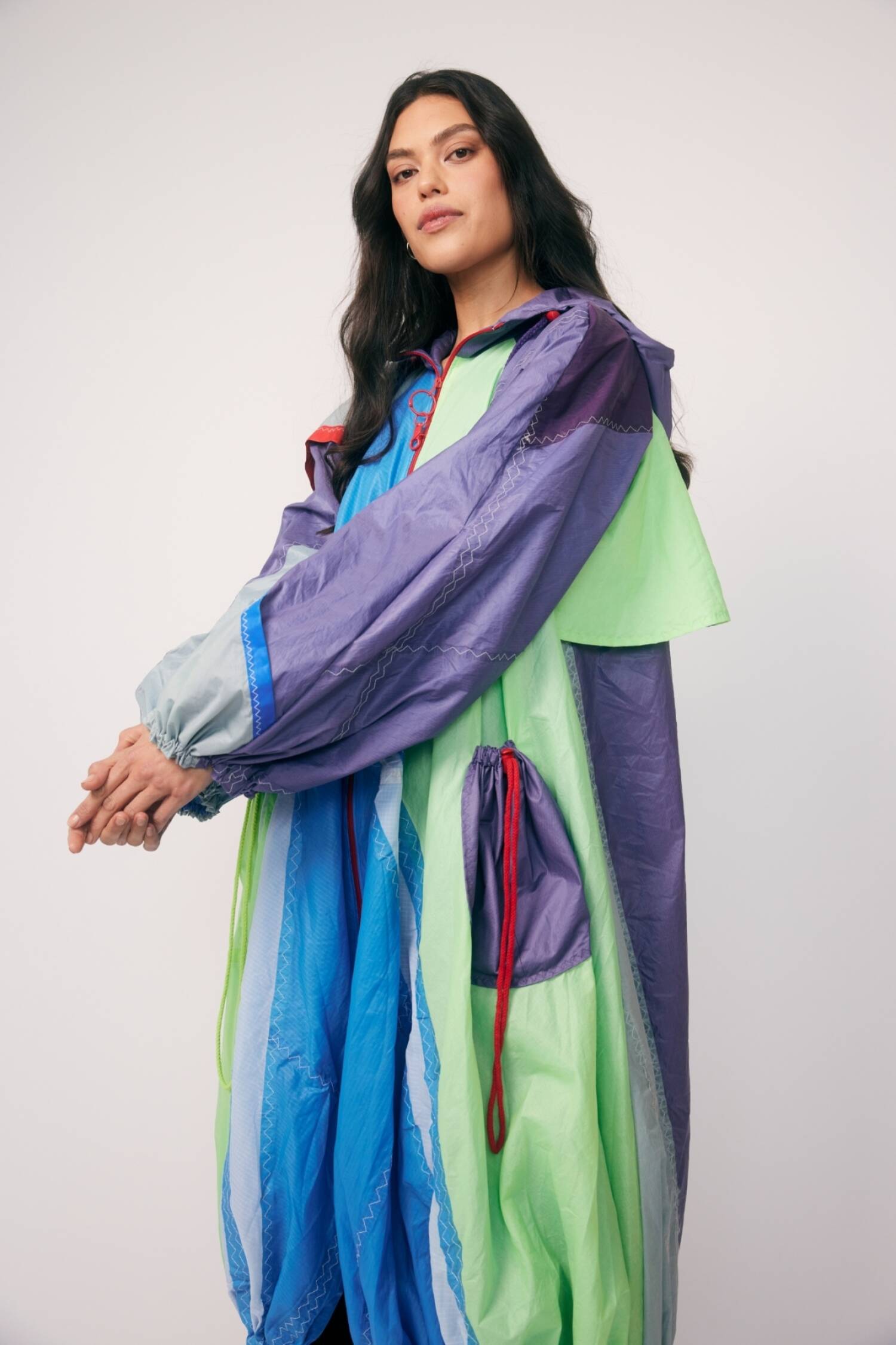
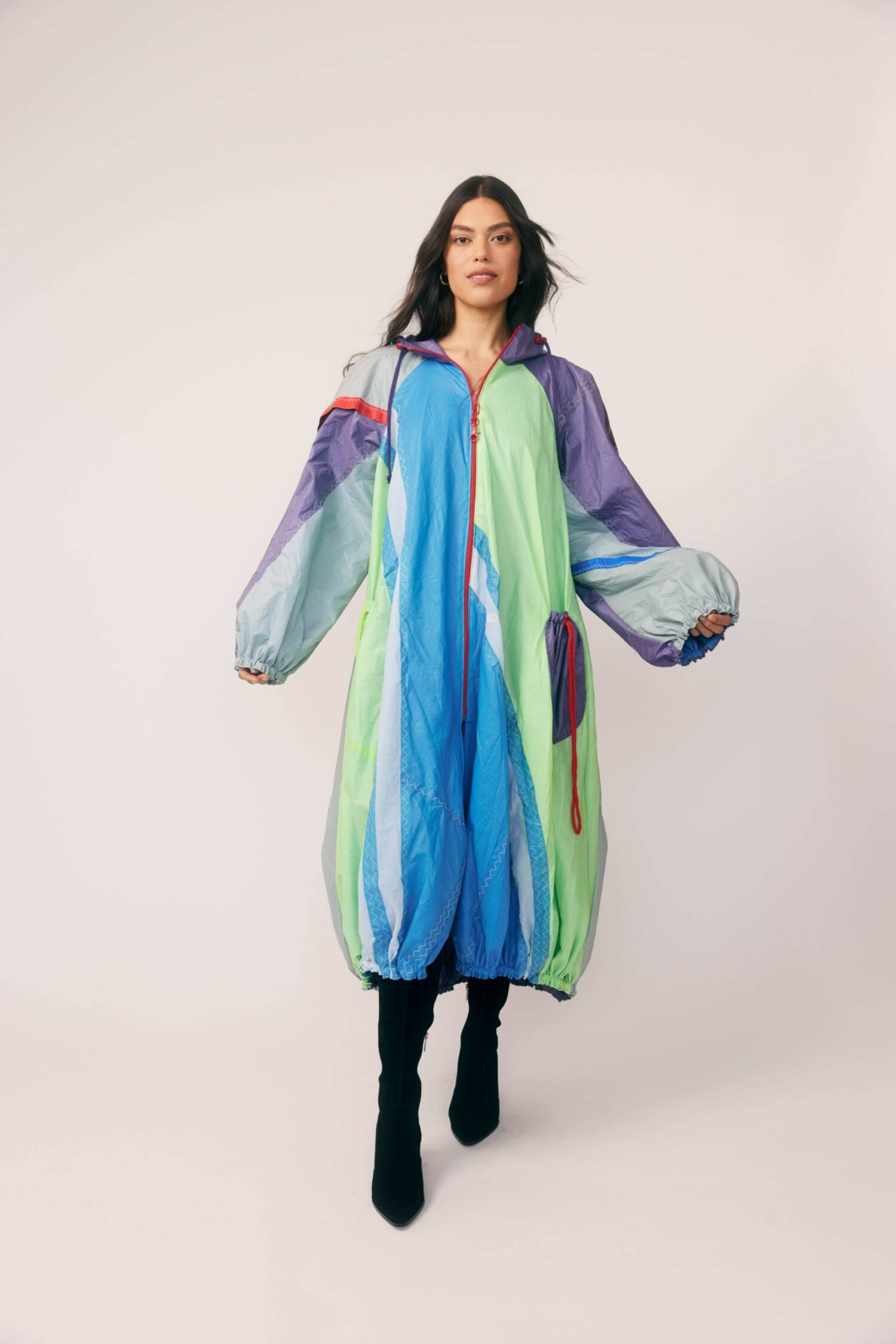
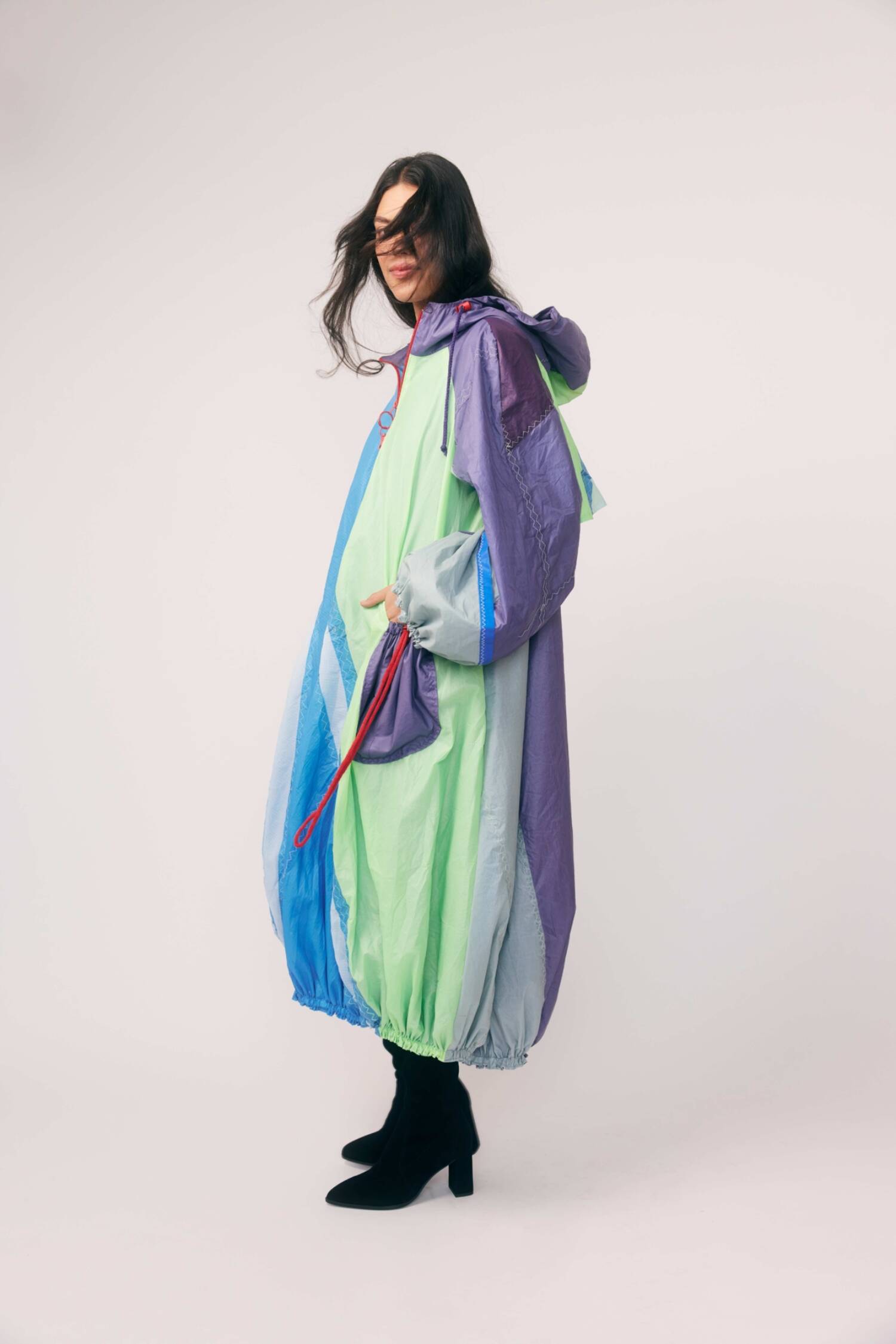
Southerly Change by Sue Prescott. Winner of the Award for Material Innovation 2024.
Photography: Apela Bell
4 Local Brands Changing Fashion for Good
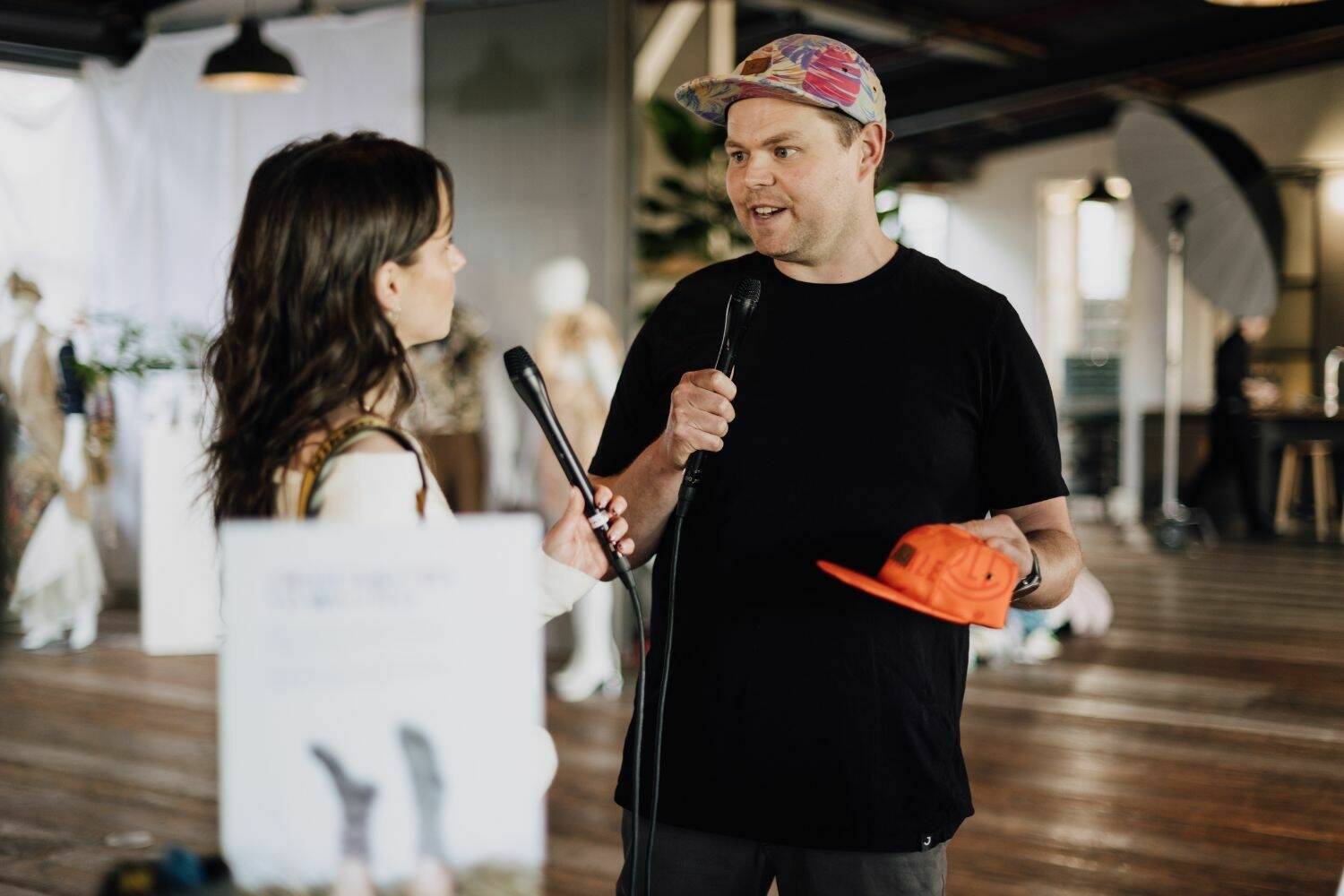
November 2024
Urban List editor Alice Rich reports that shopping need not trigger a doom spiral, and luckily there's a bunch of local brands and individuals putting in some serious mahi behind the scenes to change fashion, for good.
Earlier this year Urban List got a glimpse behind the curtain, slipping into the Fashion & Textiles Circular Design Awards where entrants were challenged to redesign the future of business, where enterprises work in tune with nature, not against it.
Of course, in quintessential Urban List style they wanted to know how these inspiring people fuel their days and where they feed up after a hard day on the grind. But they also got to talk to them about how they’re changing the threads of our local fashion industry and it was a massive relief.
The Good Life, Favourite Cafes and Designer crushes!
Peri Drysdale from Untouched World, Jeff Ward from Offcut, and Emma Ensor from Standard Issue, all finalists in this years Circular Business Innovation award, share what keeps them inspired.

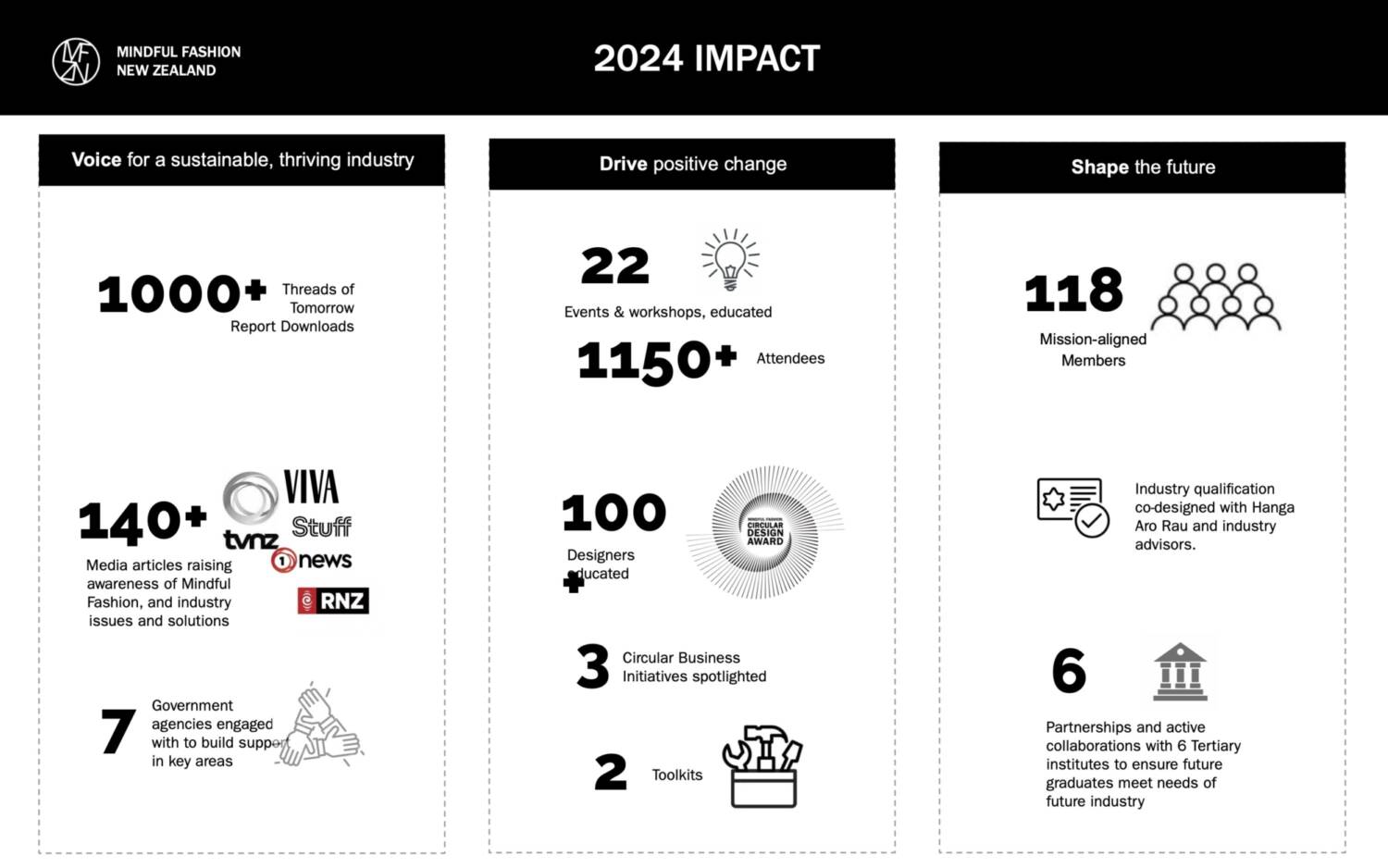
Our Impact 2024
November 2024
In 2024 we achieved some important milestones on our journey towards creating an innovative, full-circle and thriving future for the fashion and textiles industry in Aotearoa.
We're excited to share that as an organisation we've grown in size and impact!
We now have over 118 members, made up of businesses and organisations that are committed to a sustainable future for the industry in New Zealand, and want to collaborate to make that happen.
Through our seminars, workshops, resource development and programmes we've supported many businesses and individuals to advance on their sustainability journey.
Check out some of our highlights below!
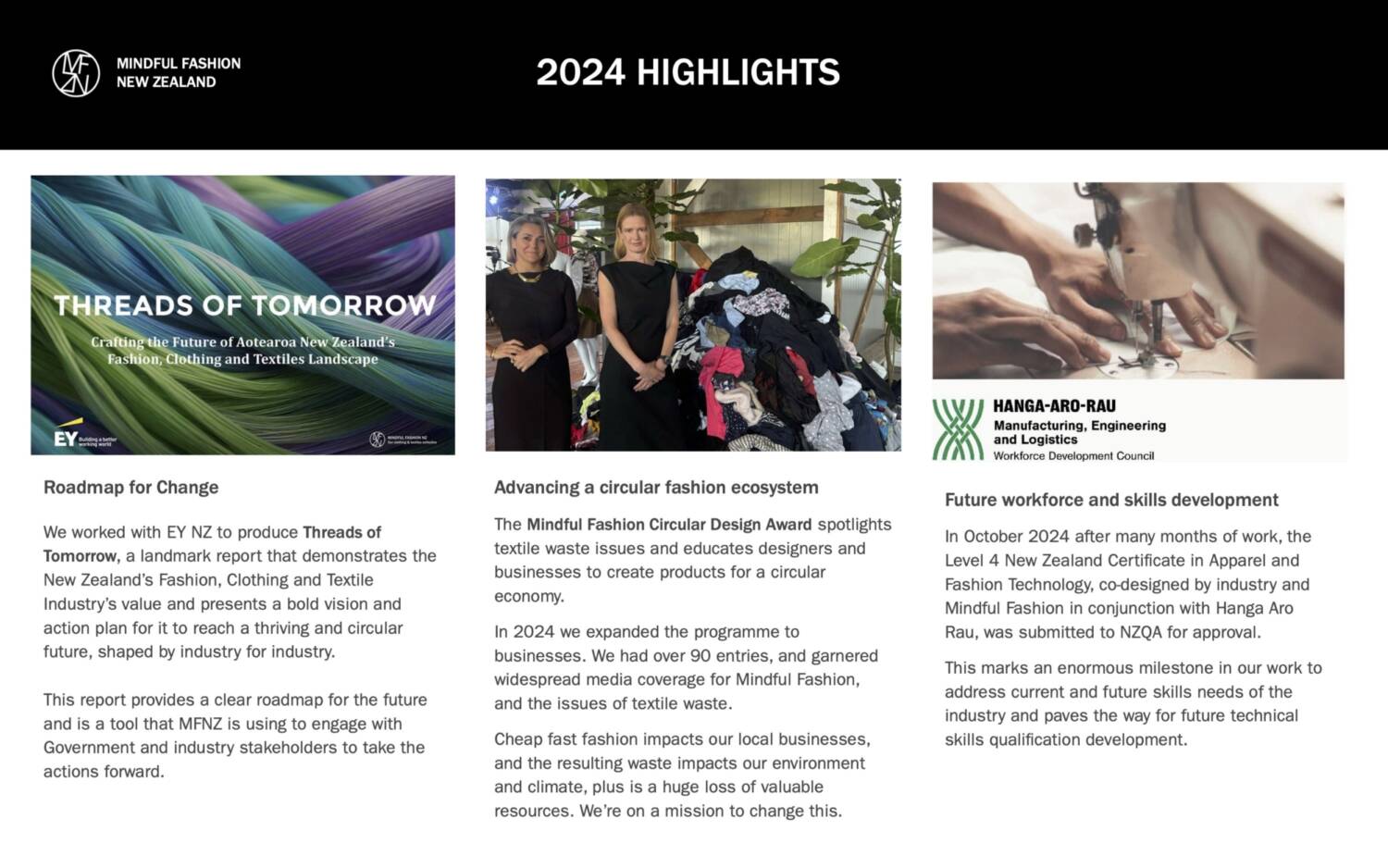
Fashion & Textiles Circular Design Award
October 2024
Celebrating Excellence in Circular Design
October 2024
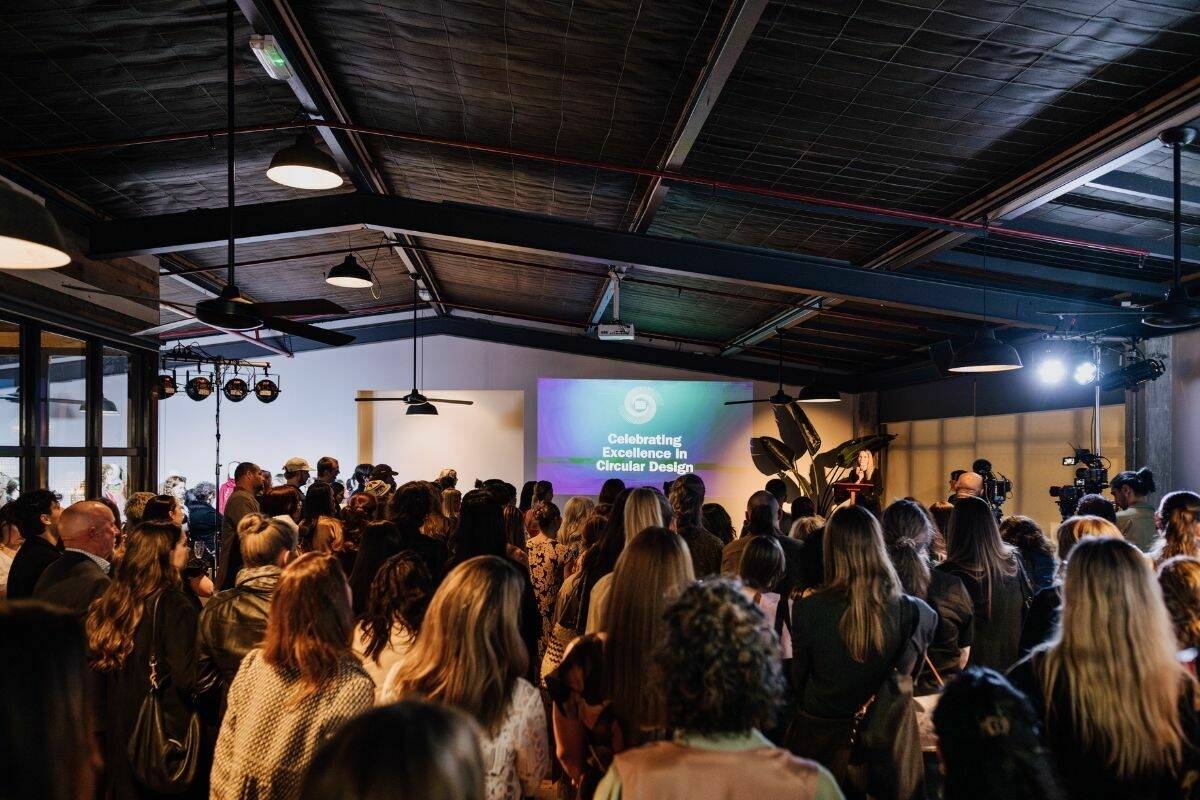
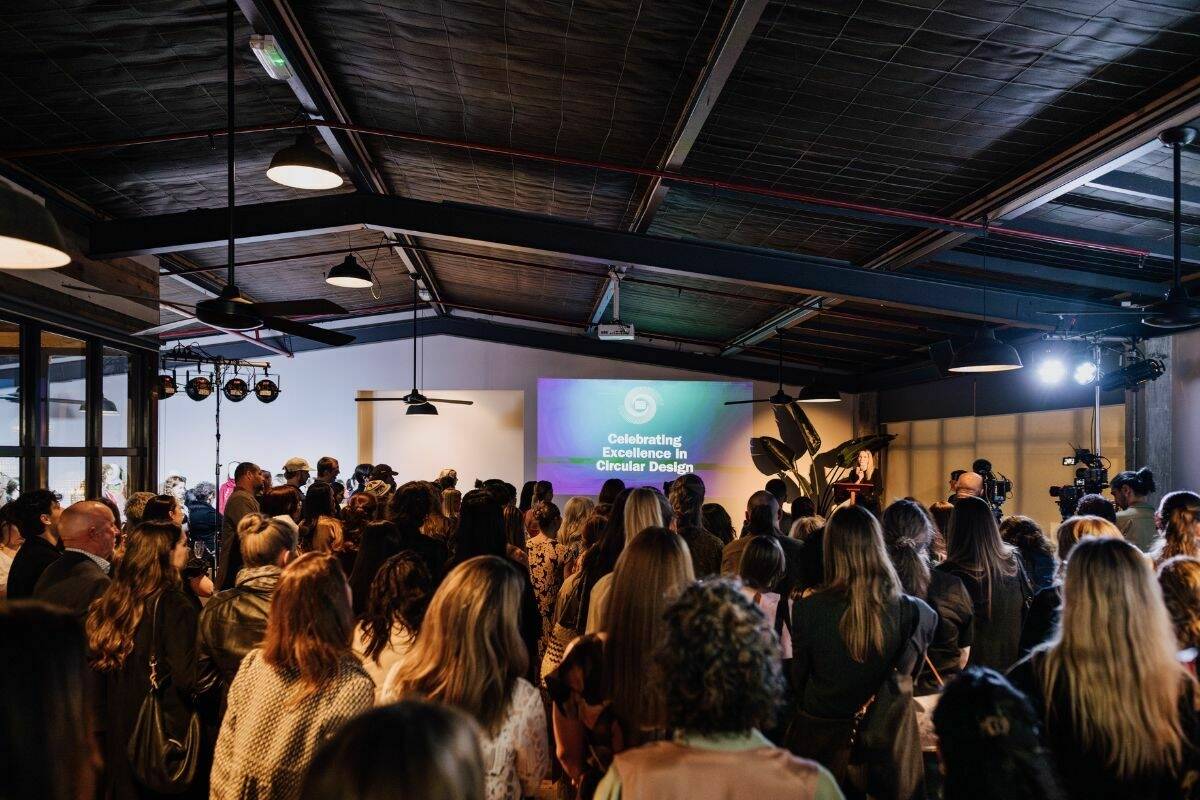
On the 25th of September, we held our second Circular Design Awards. It was an incredible night! The event celebrated the outstanding creativity and innovation of the finalists and Award Winners. On show were some of the many varied ways clothes can be designed for the circular economy.
Thank you to everyone who joined us, there were over 150 of you!
It was also a chance for industry leaders in both fashion and sustainability to get together around the shared goal of a circular economy in New Zealand and talk about fashions journey on this path.
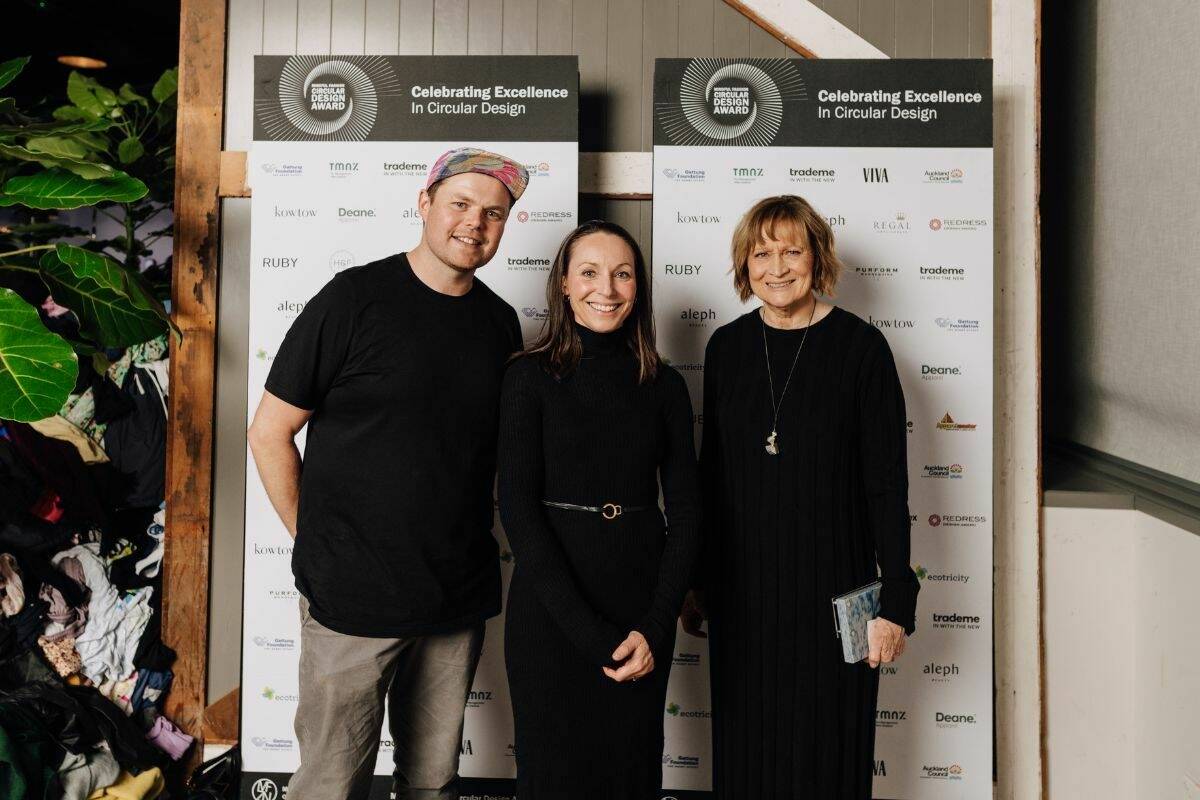
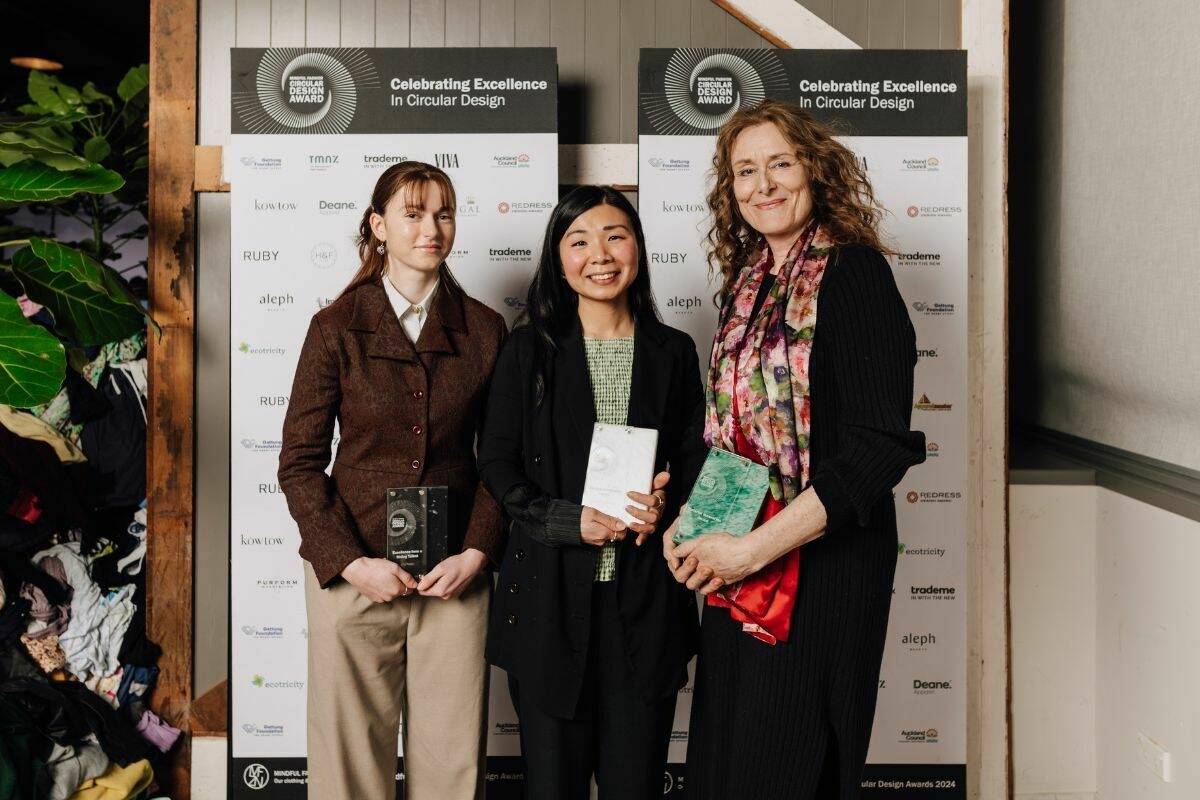
Congratulations to all the finalists and winners for entering the Fashion & Textiles Circular Design Awards 2024. The judges commented that overall the calibre of entries was extremely high this year.
What particularly resonated was how entrants looked to their local areas to solve a waste problem and treated the materials not as a limitation but as a starting point for innovation.
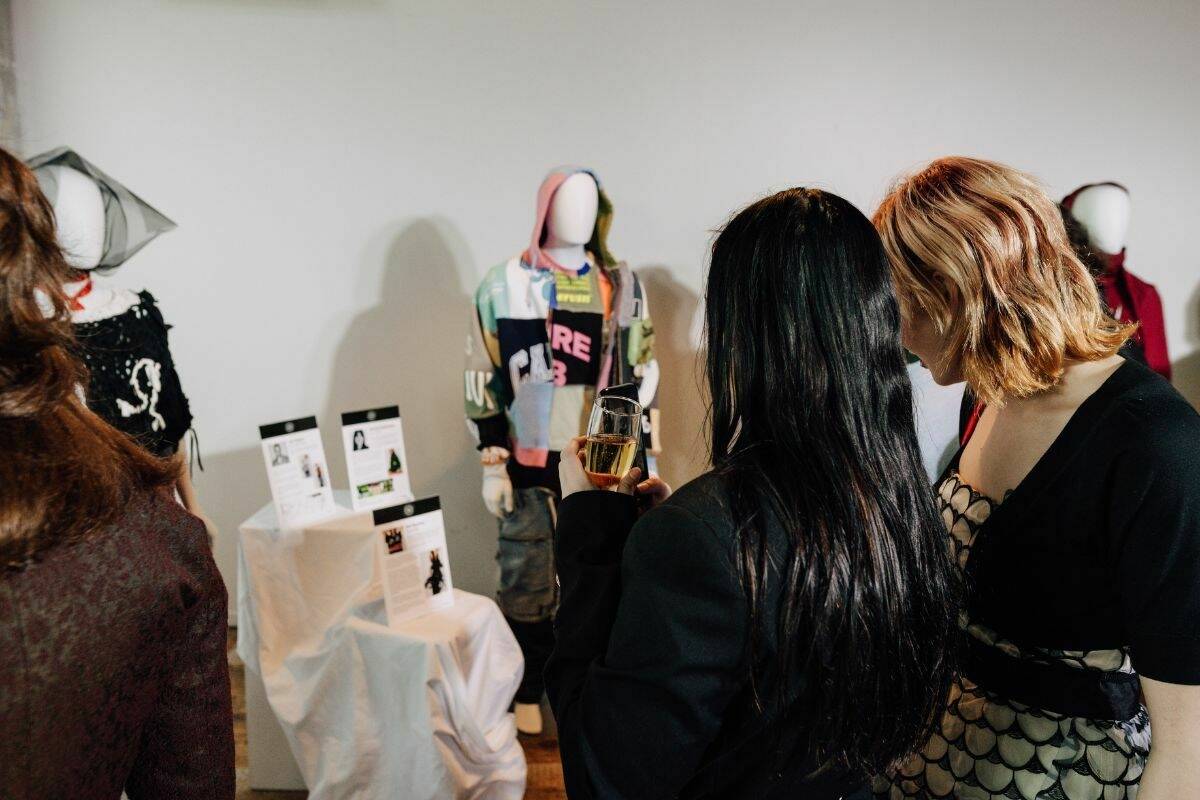
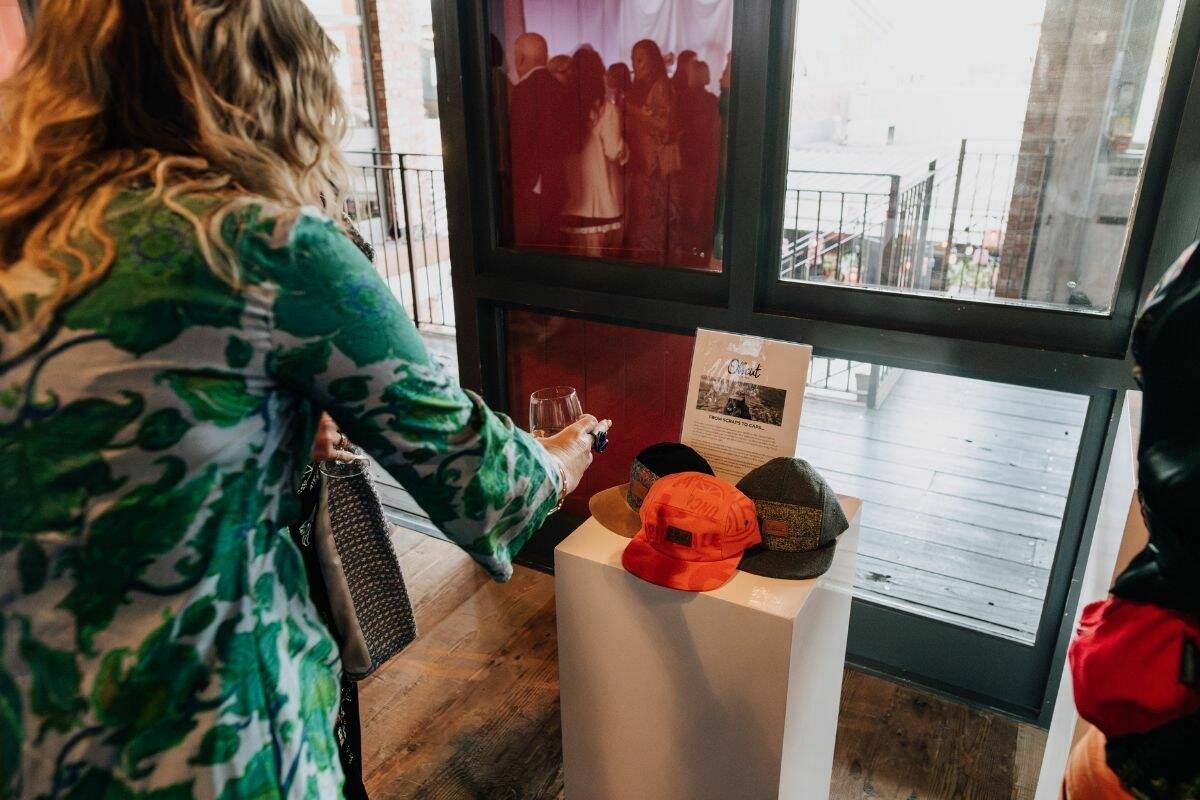
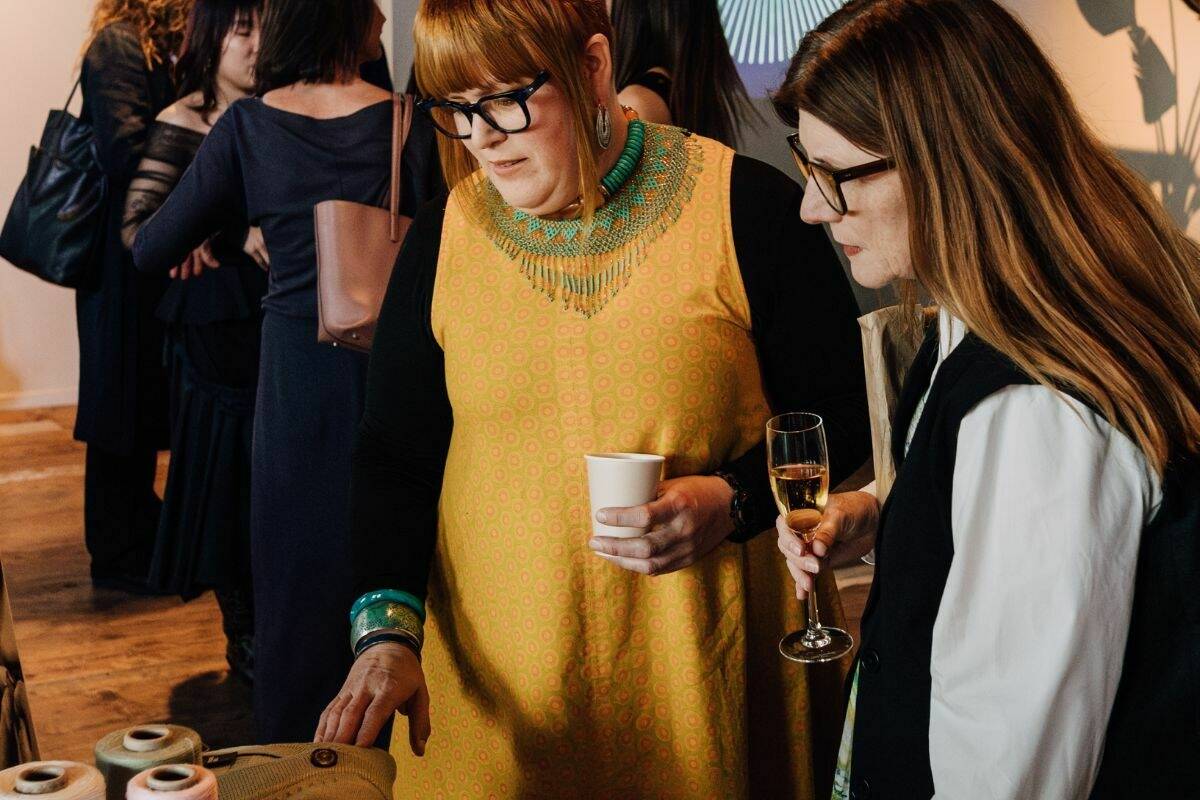
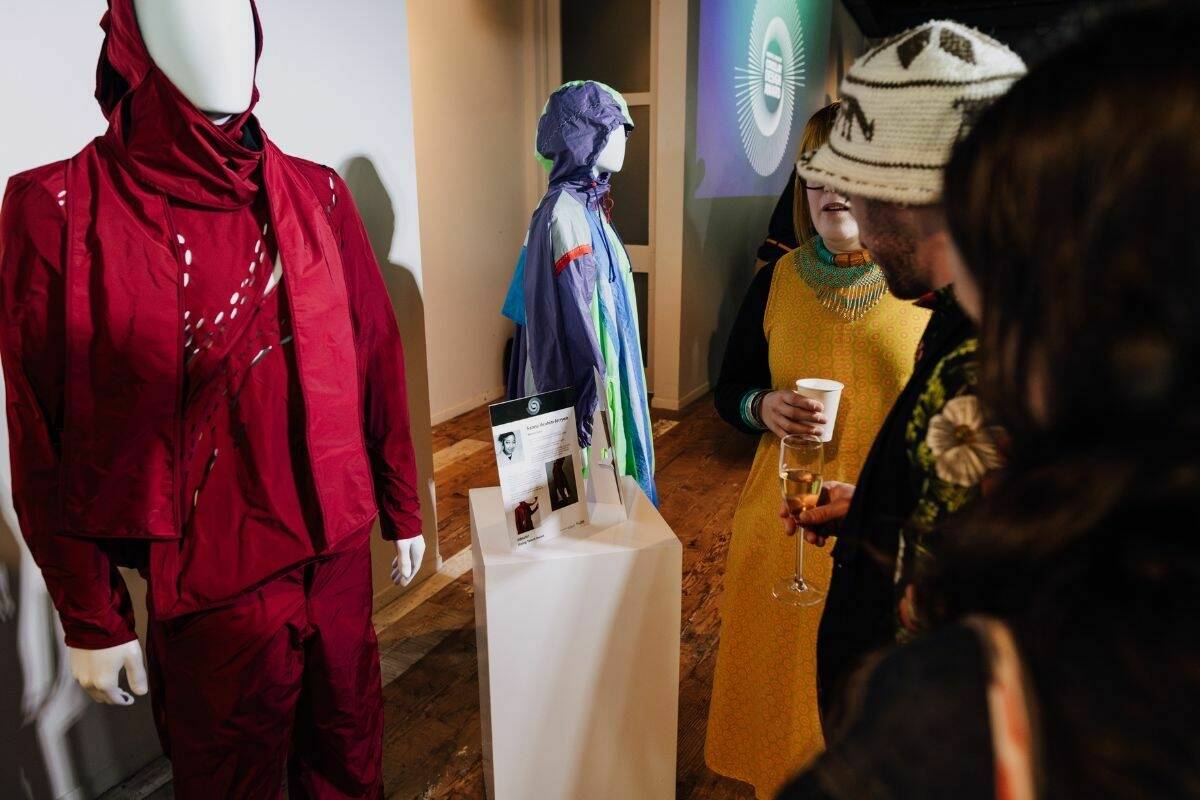
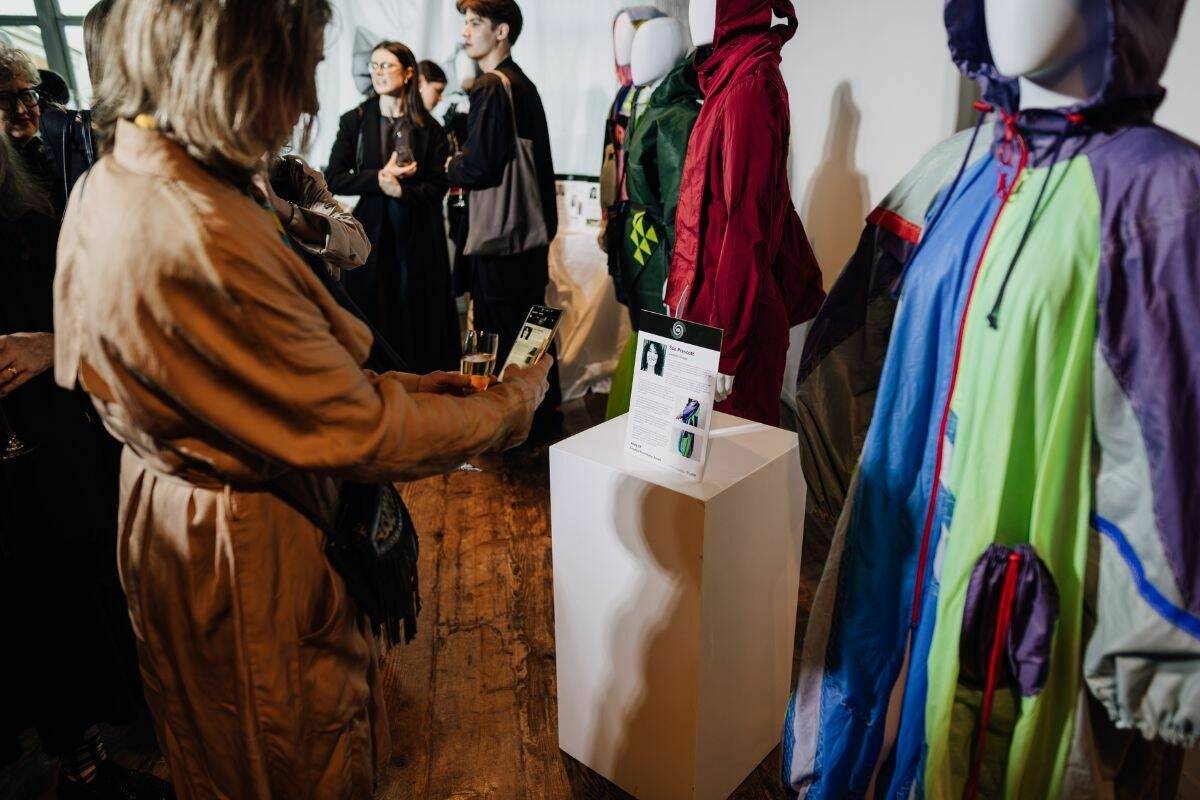
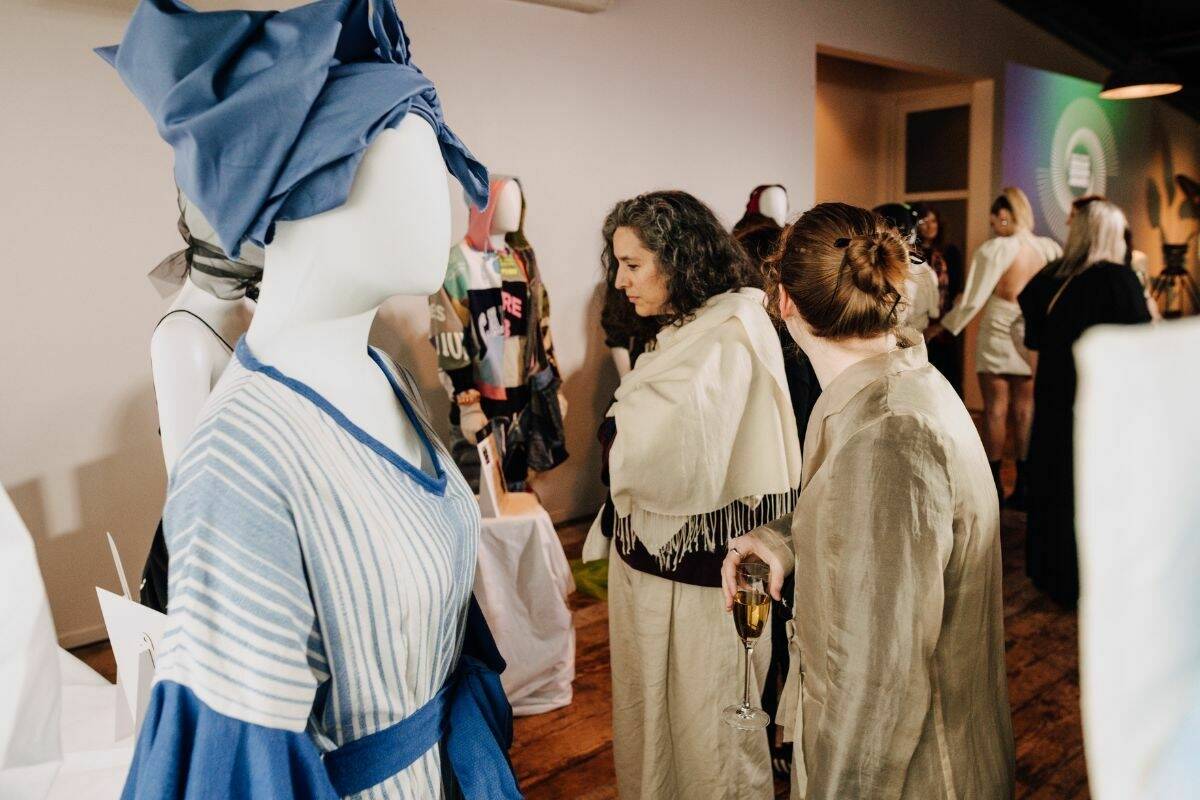
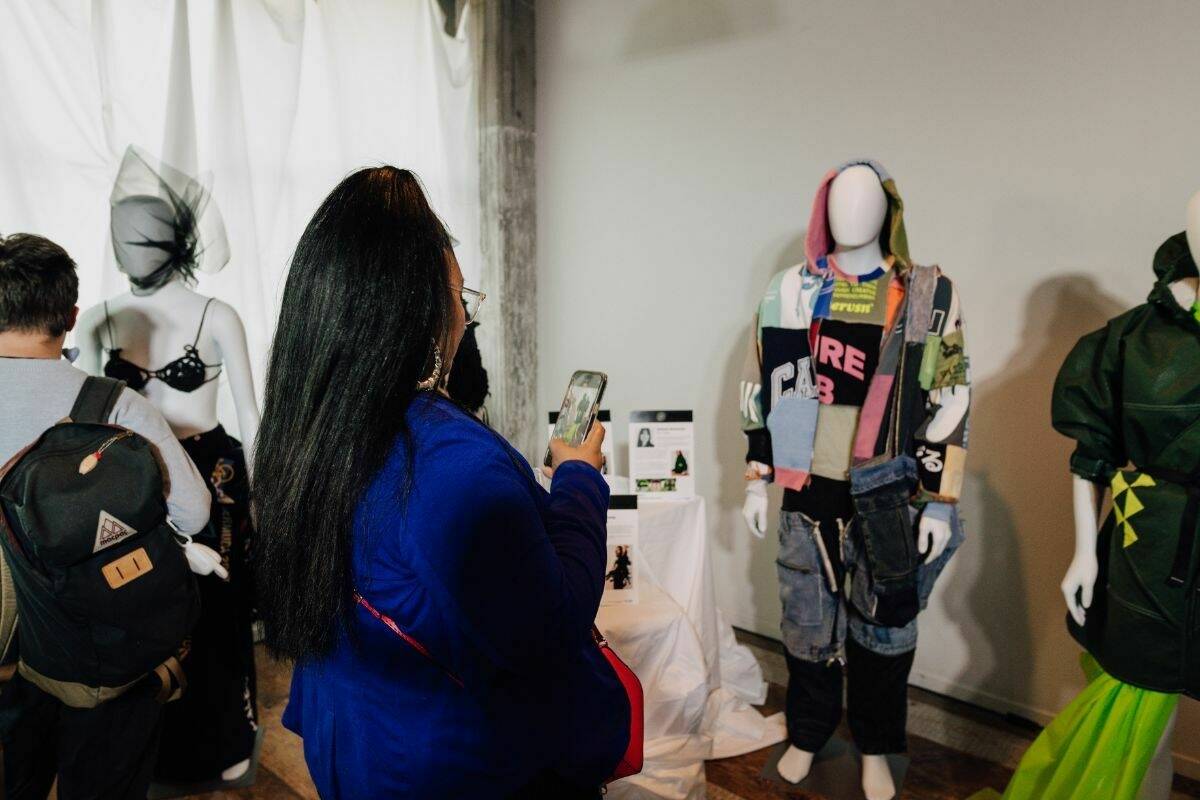
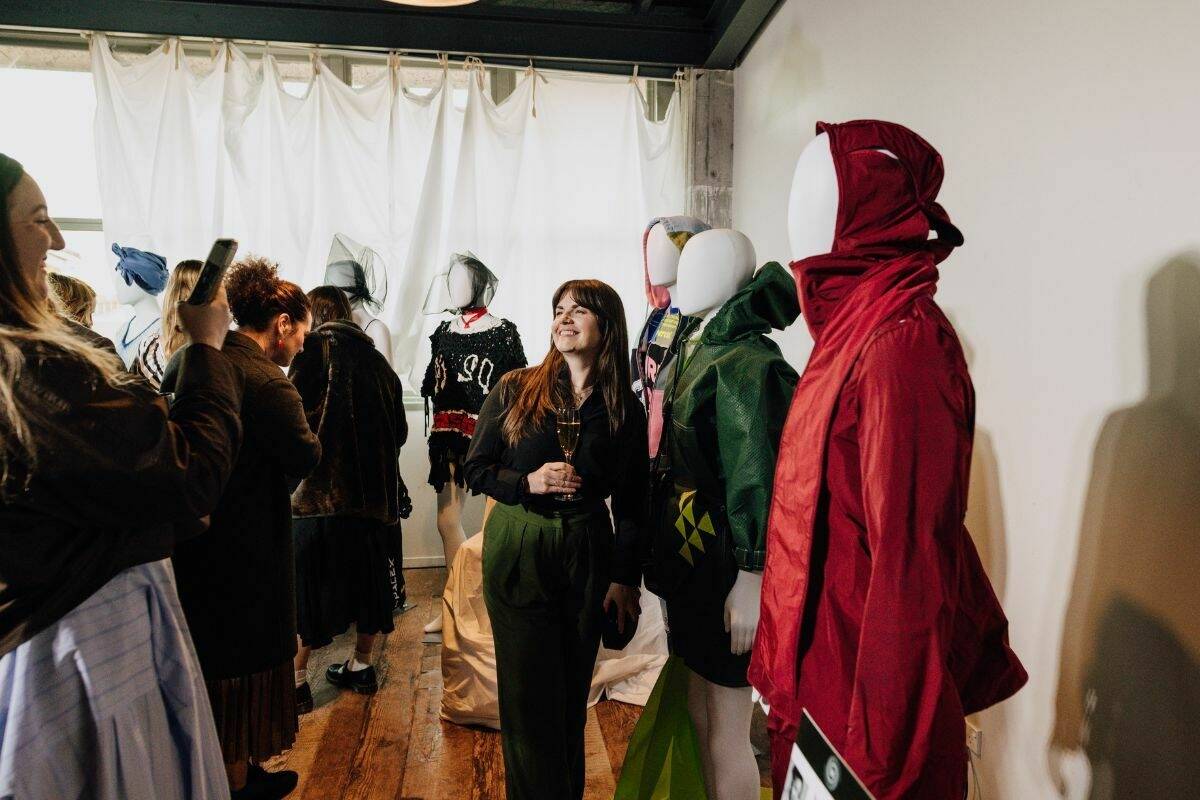
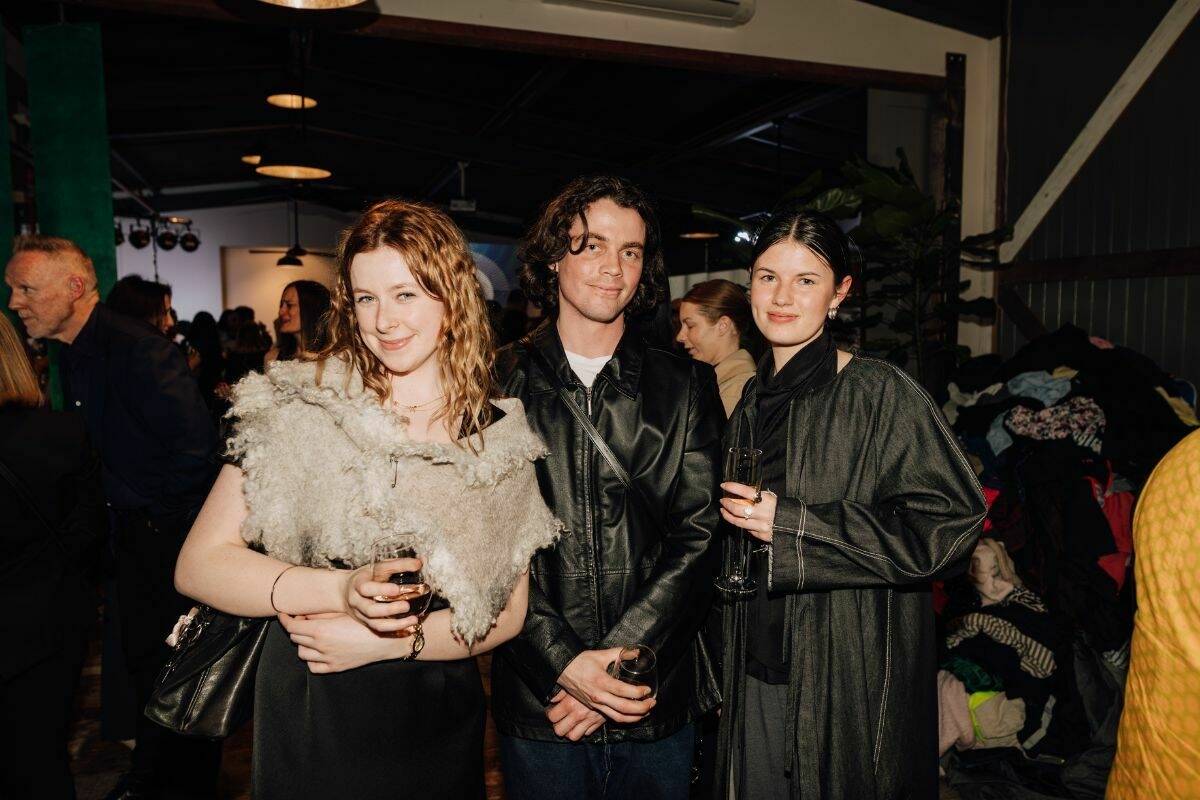
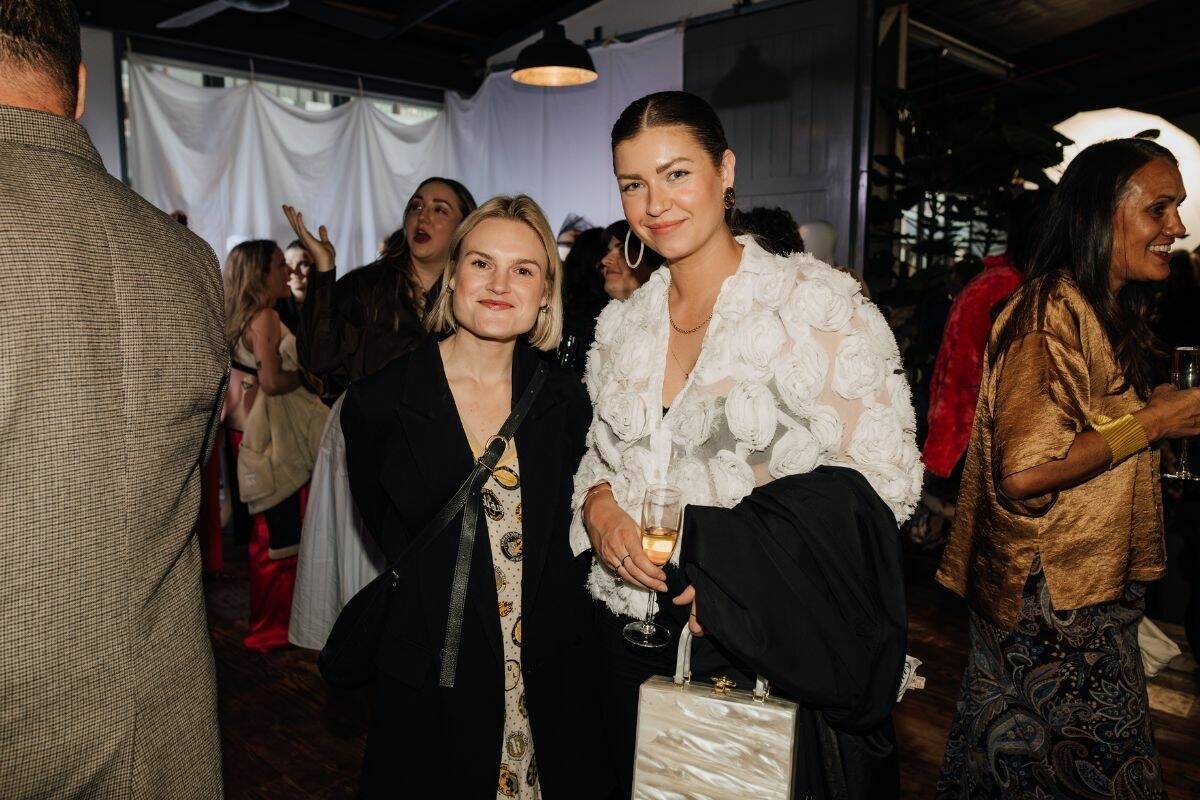
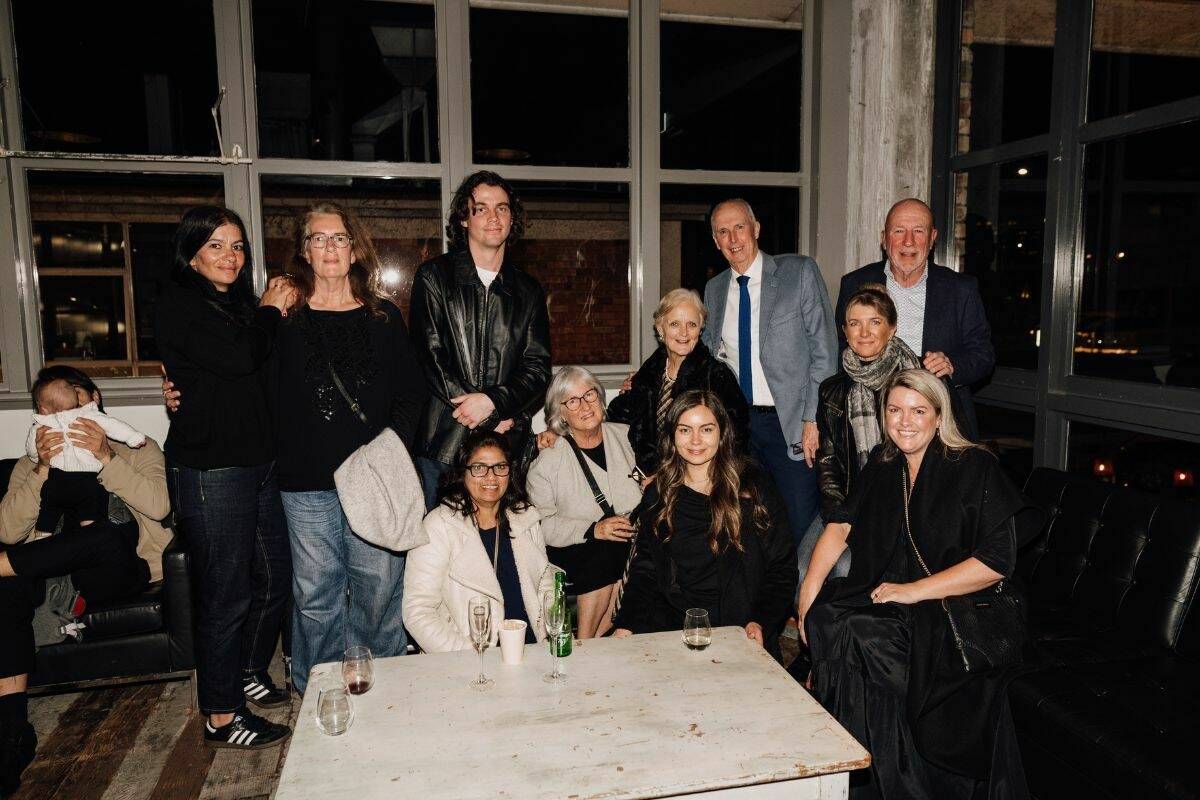
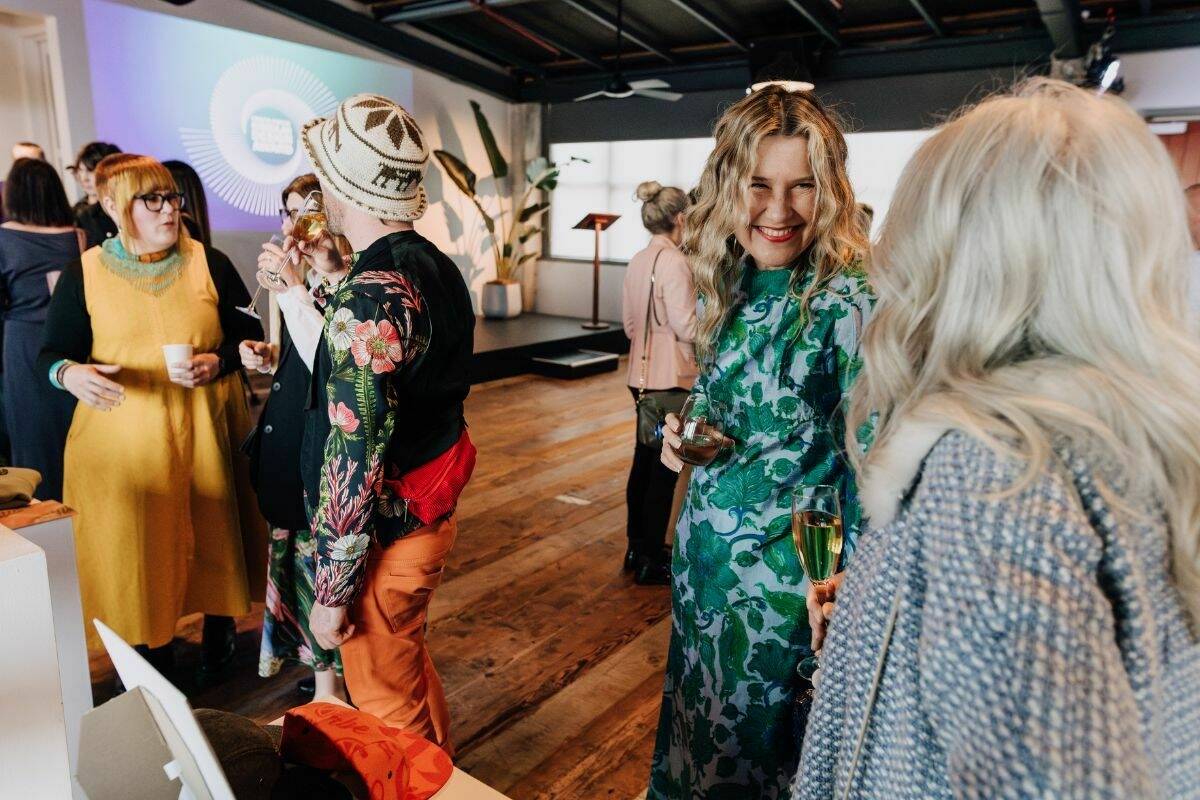
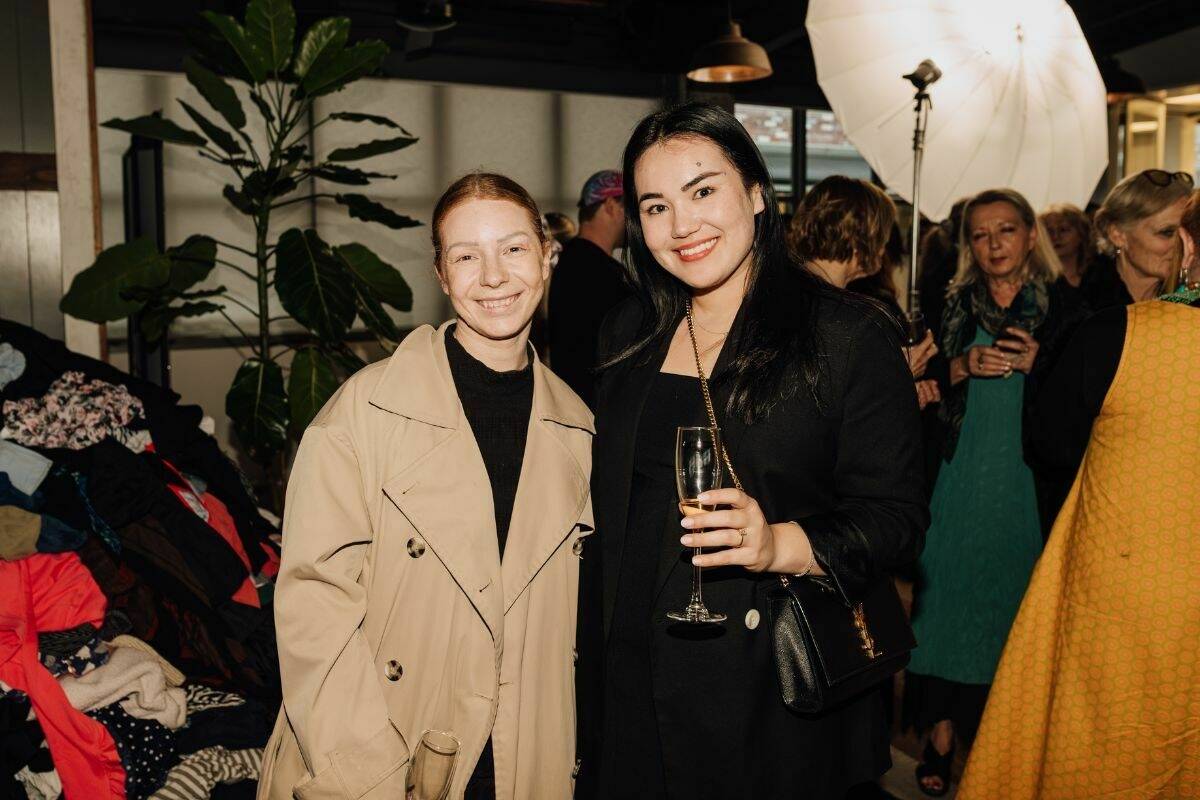

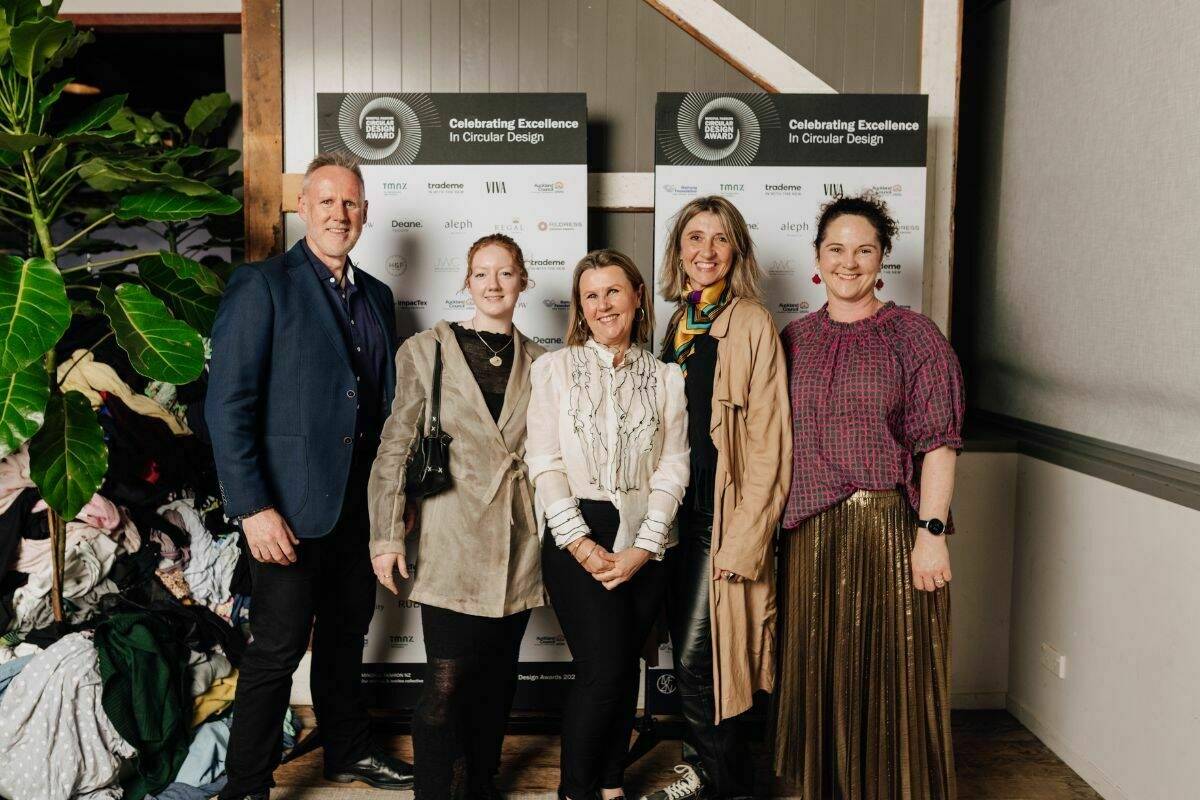
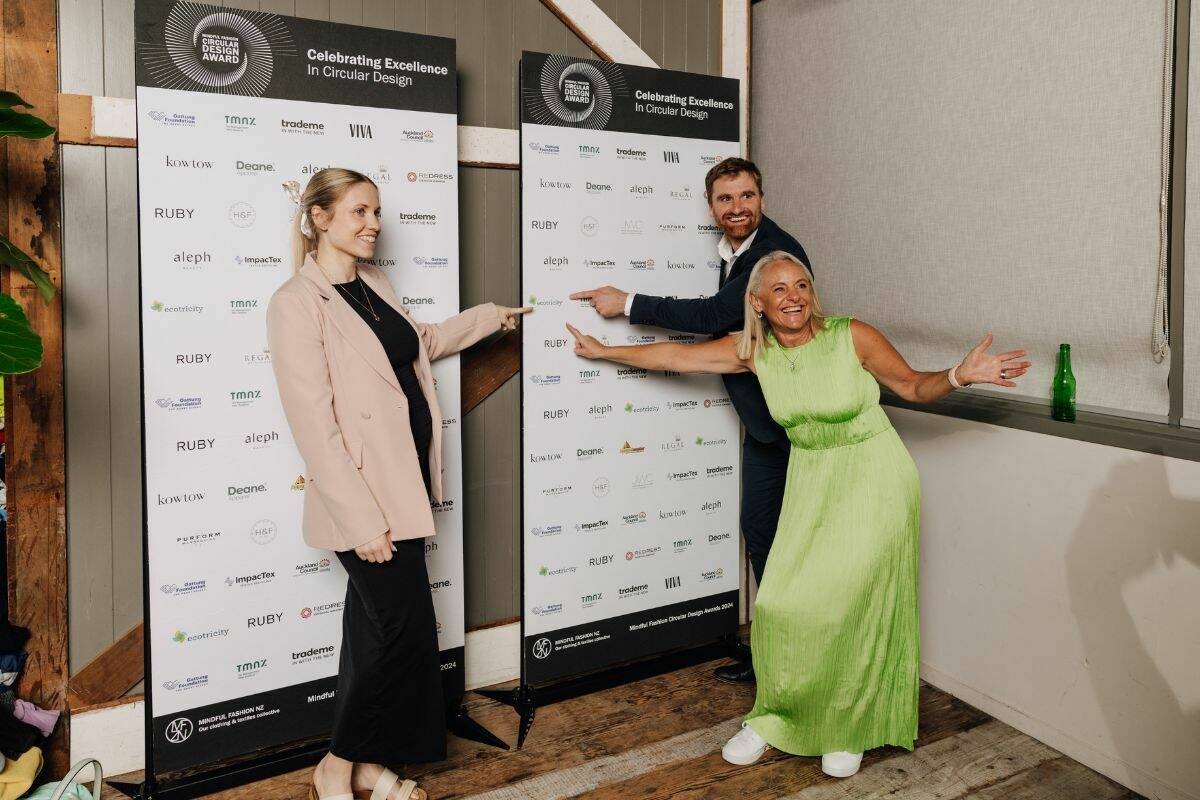

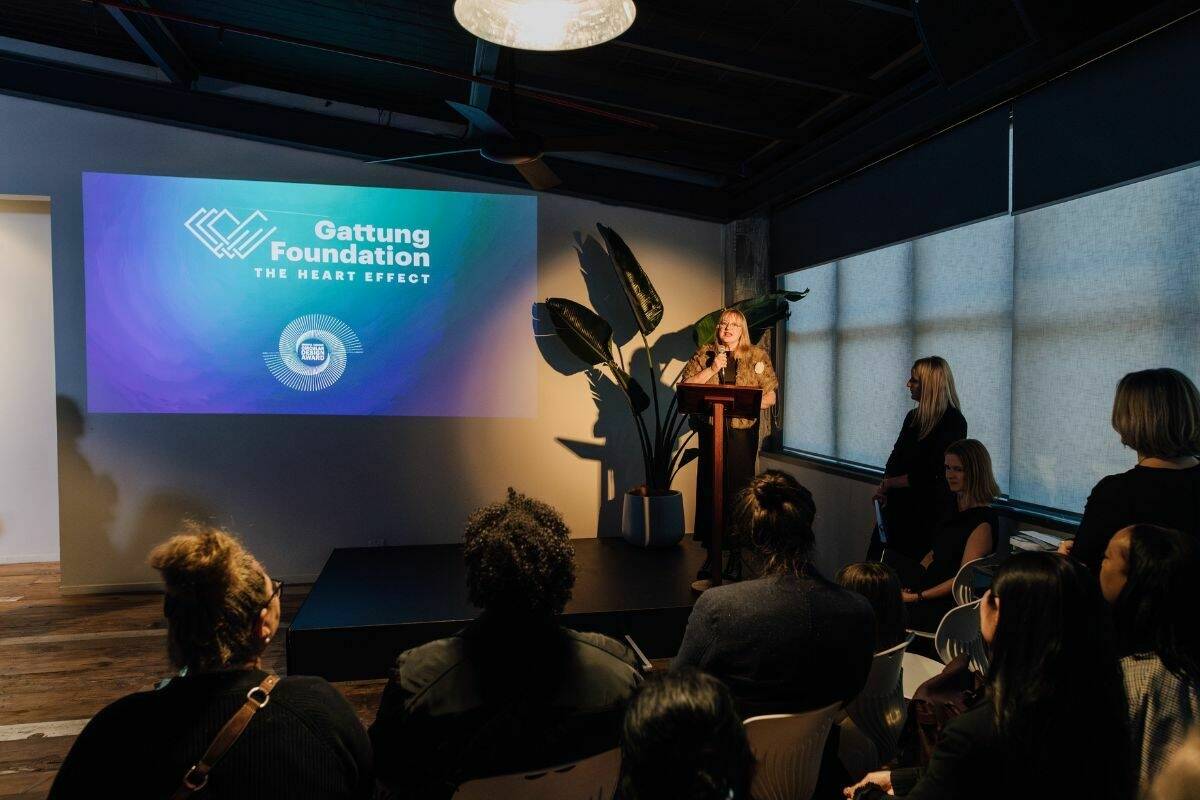
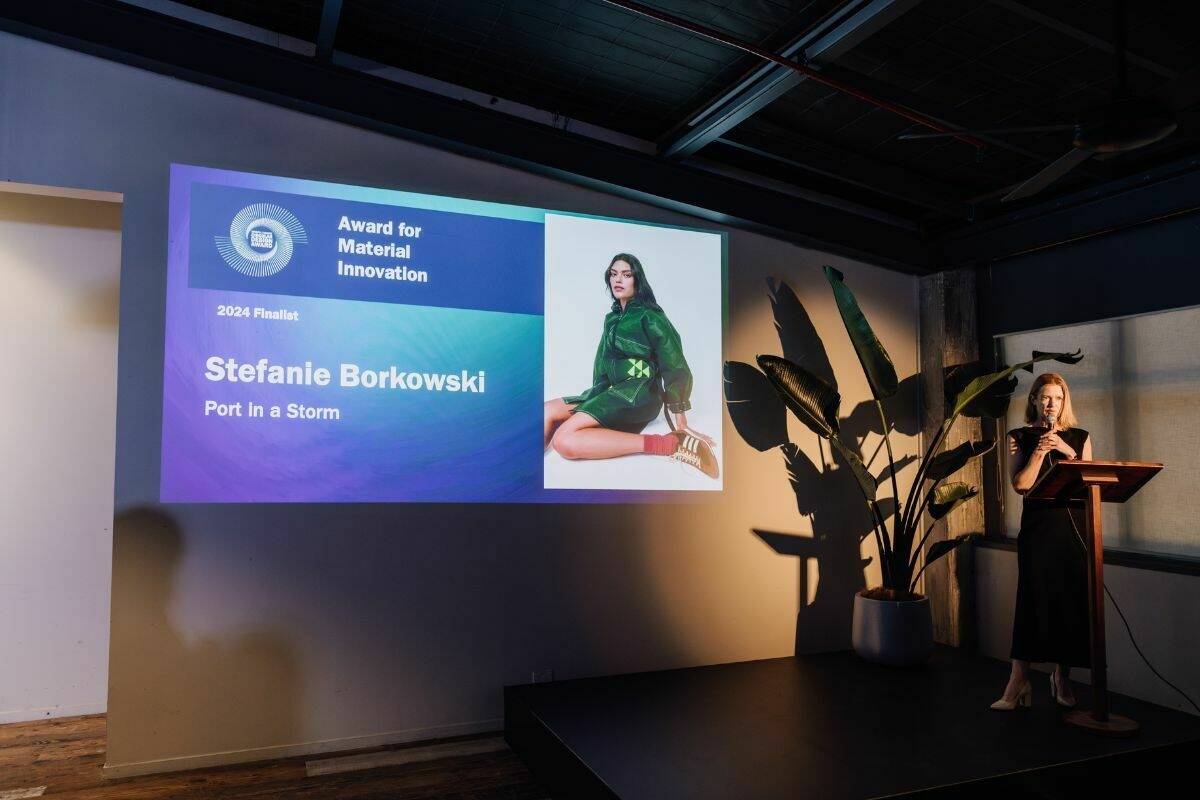
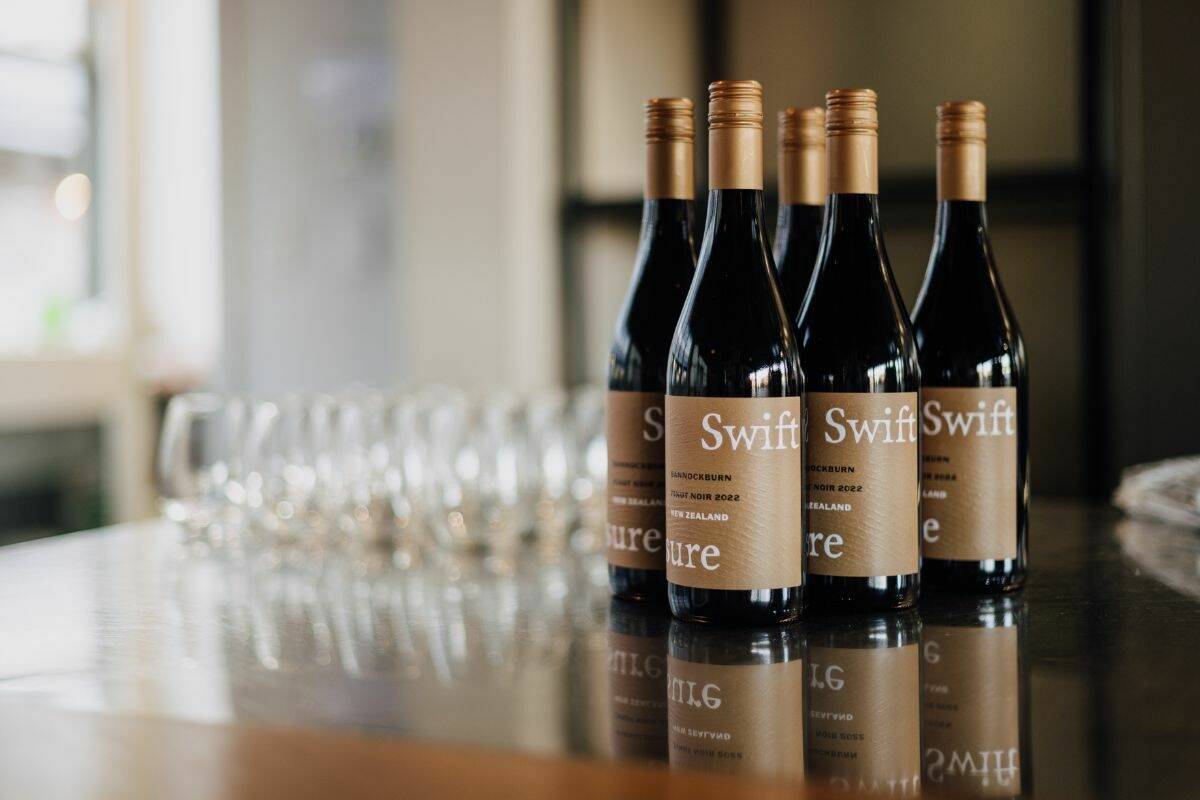
A sincere thank you to our Awards and Gala event partners who have been incredible in supporting the Award programme and gala event. And a special thanks to our Judges, a prestigious lineup of industry, design and innovation specialists who selected the finalists and winners!
Discover the Award winners of the Fashion & Textiles Circular Design Award 2024 here.



The Detail: Fashion Industry Facing Multiple Crises
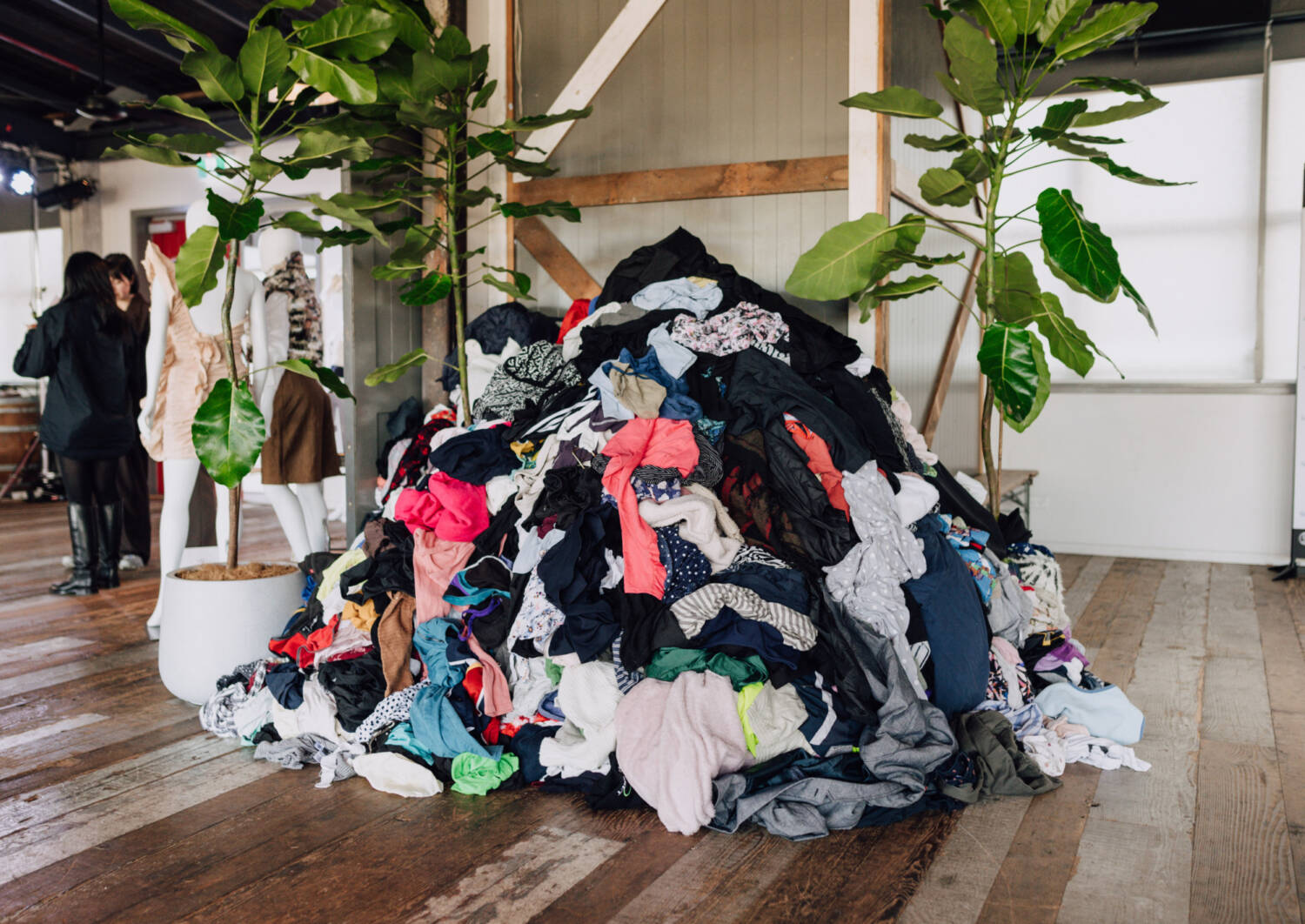
492 kgs clothing waste at the Circular Design Awards 2024, the amount we send to landfill every 5 minutes in New Zealand.
October 2024
The fashion industry says it cannot fix the massive problems it is facing alone, but getting the ear of the government is proving tricky.
Half a tonne of unwanted clothes dumped in the middle of a fashion event in Auckland this week is the brutal symbol of the crisis hanging over the industry.
More brutal is the fact that this half-tonne is sent to landfills in New Zealand every five minutes.
The pile was on display at the annual Circular Fashion Awards, run by the non-profit clothing and textiles collective Fashion & Textiles. It aims to highlight the environmental damage caused by fast fashion and show off the work of designers, newcomers and veterans, who have come up with ways to reuse materials that would otherwise end up in our landfills.
According to a Threads of Tomorrow report on the value of the local fashion industry, over the last 20 years clothing consumption has soared by 60 percent with items kept only half as long as they were two decades ago.
The awards night brings attention to the growing issue but Juliette Hogan, the chair of Fashion & Textiles and a leading designer, says government ministers have been slow or unwilling to respond.
"We want the government to sit down and have a conversation with us about how we might work together to ensure that the right decisions are being made and the right steps are put into place to caretake both this industry and the textile waste problem that we will be experiencing over the coming years.
We need legislation and policy put in place so that we can ensure that all businesses that contribute to this industry are taking responsibility for what needs to happen."
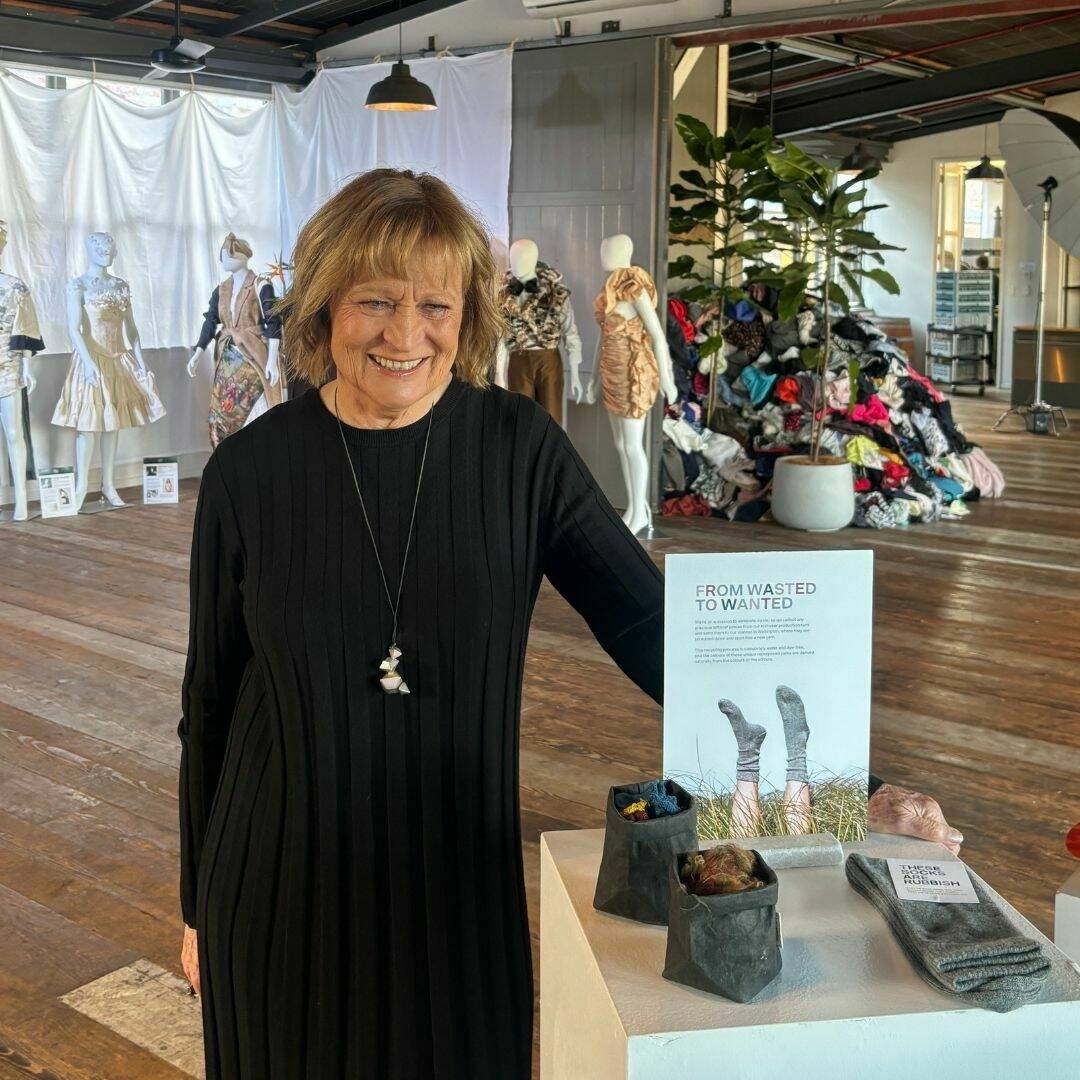
Peri Drysdale from Untouched World, which won the Circular Business Innovation award for its Rubbish Socks.
Supreme Winners announced at Fashion & Textiles Circular Design Awards 2024
The winners of the Fashion & Textiles Circular Design Awards have been announced at a Gala event this evening, showcasing Aotearoa New Zealand’s finest fashion innovations made from reimagined waste materials.
Designers and businesses from around the country were challenged to showcase innovative ways to keep materials in use, while using a dual lens of our unique place in the world and circular economy principles to guide their work. Four outstanding creations have taken out top honours with the Supreme Award winners sharing in a $50k prize pool.
Circular Business Innovation Award (new in 2024)
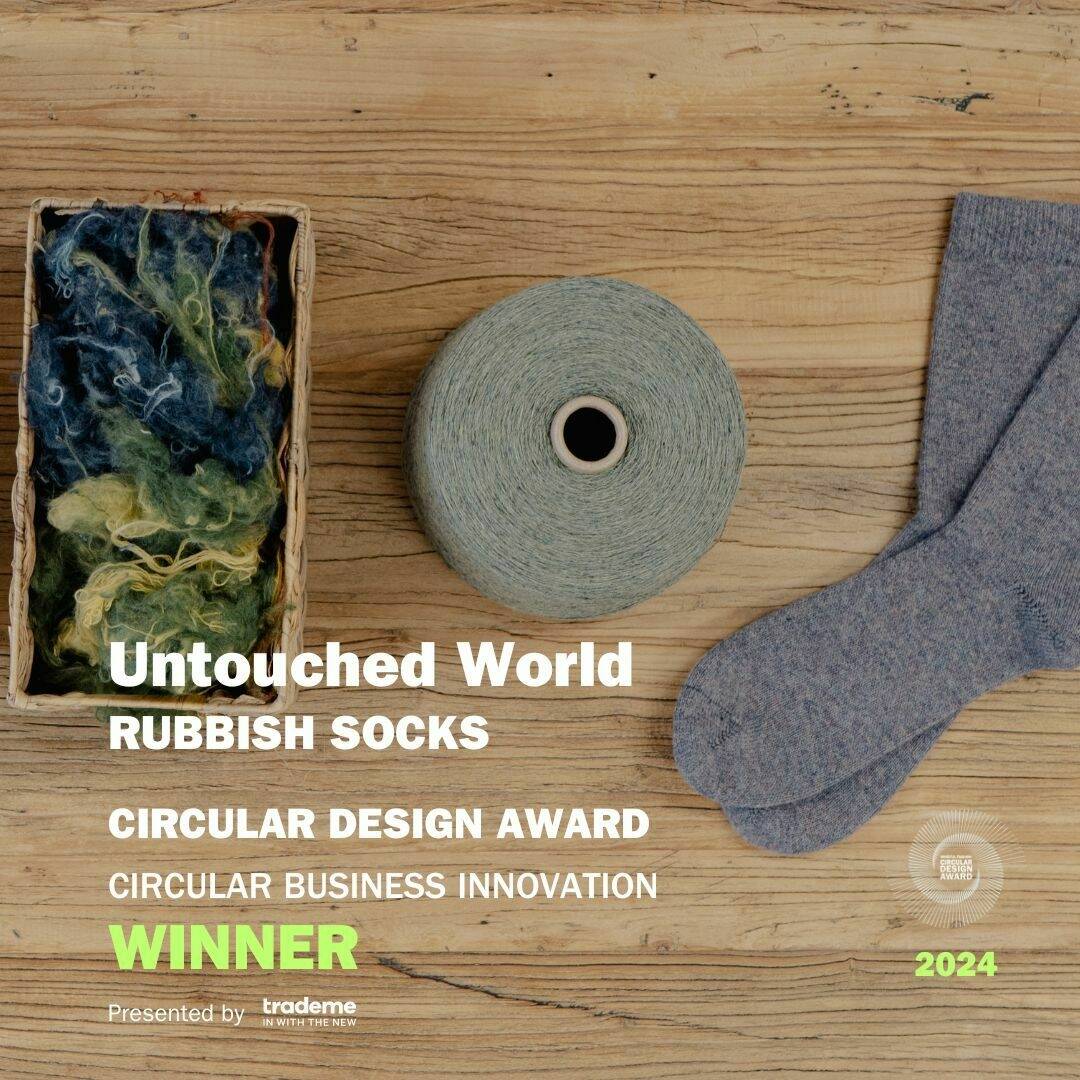
Untouched World, for their Rubbish Socks initiative. This stood out to judges for fully embodying the pillars of circularity. Data provided in the entry shows an outstanding 99% textile waste recycling rate. In the last year Untouched World has diverted over 1 tonne of textile waste and recycled through various streams, including Rubbish Socks.
Award for Creative Excellence in Circular Design
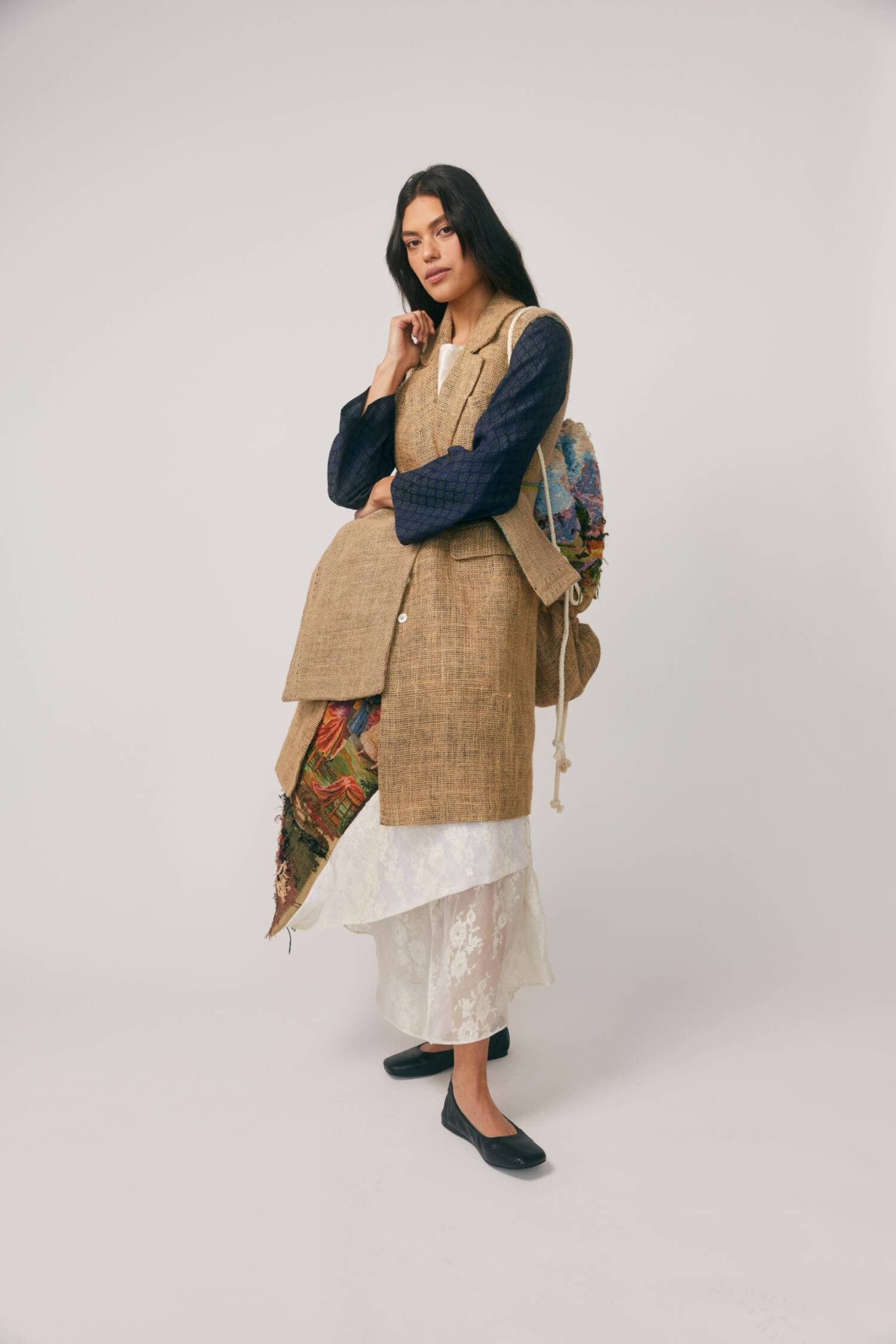
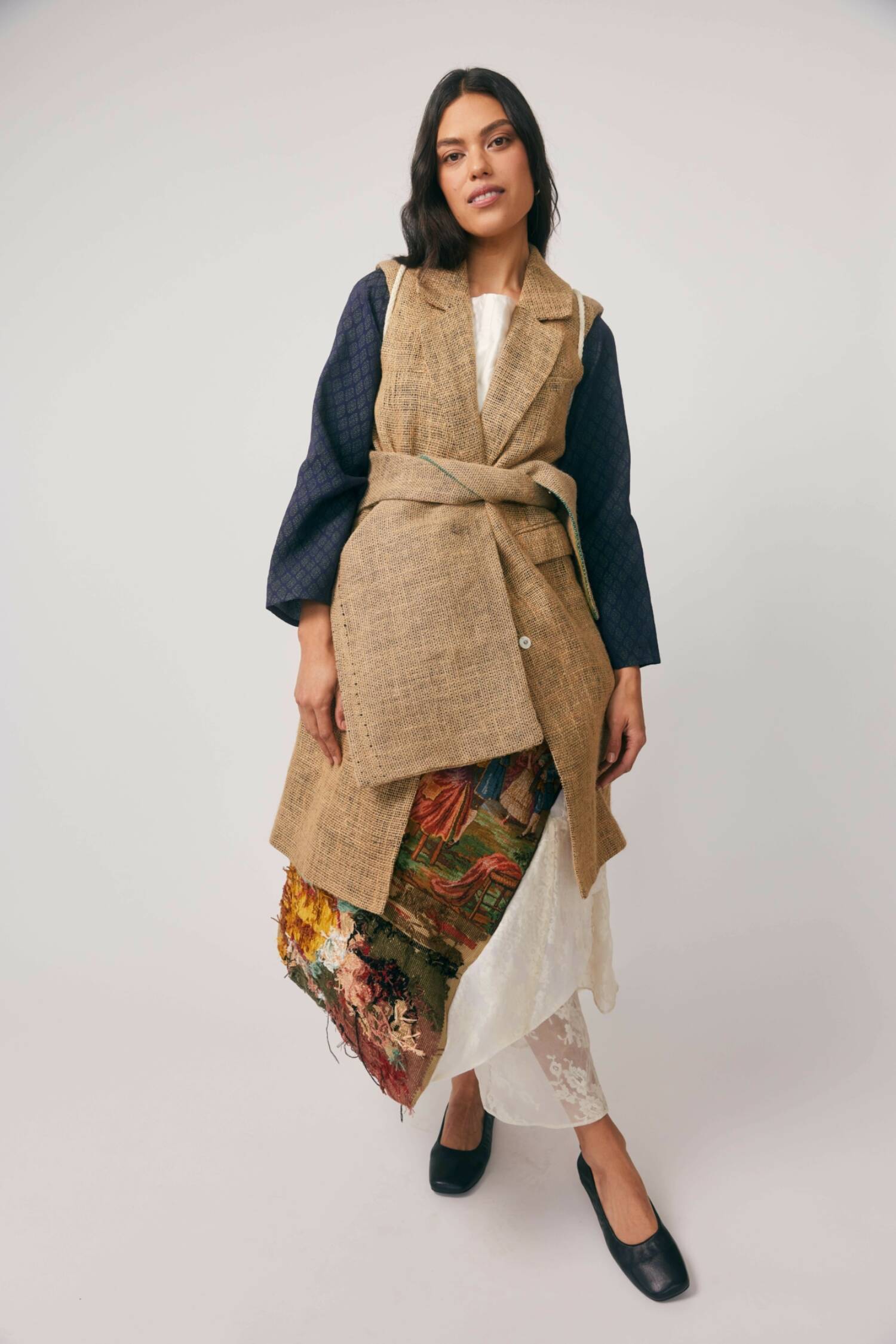
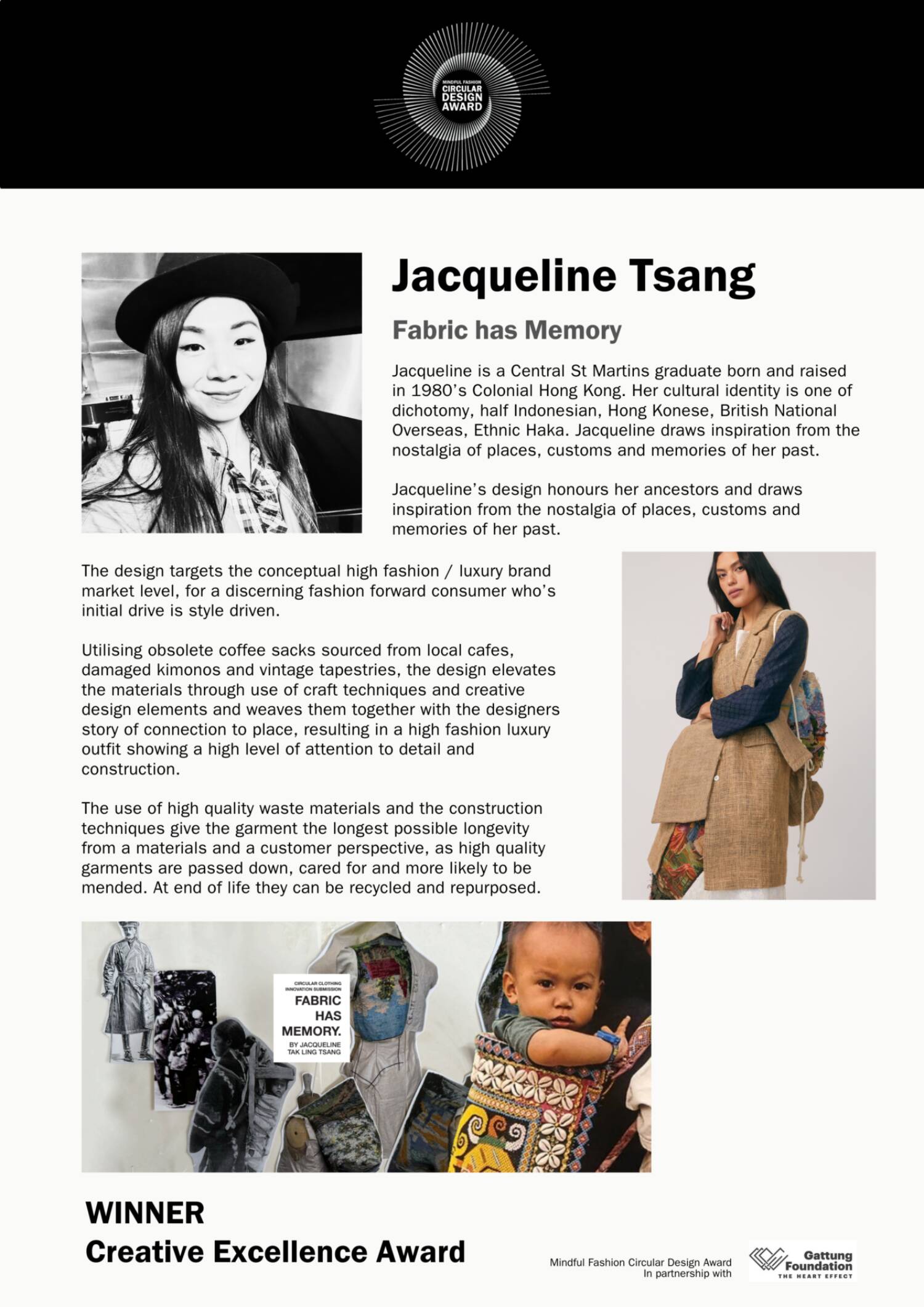
Awarded to Jacqueline Tsang. Her look, titled ‘Fabric has Memory’ redesigns obsolete coffee sacks sourced from local cafes, damaged kimonos and vintage tapestries, to create a high fashion luxury outfit.
Award for Material Innovation
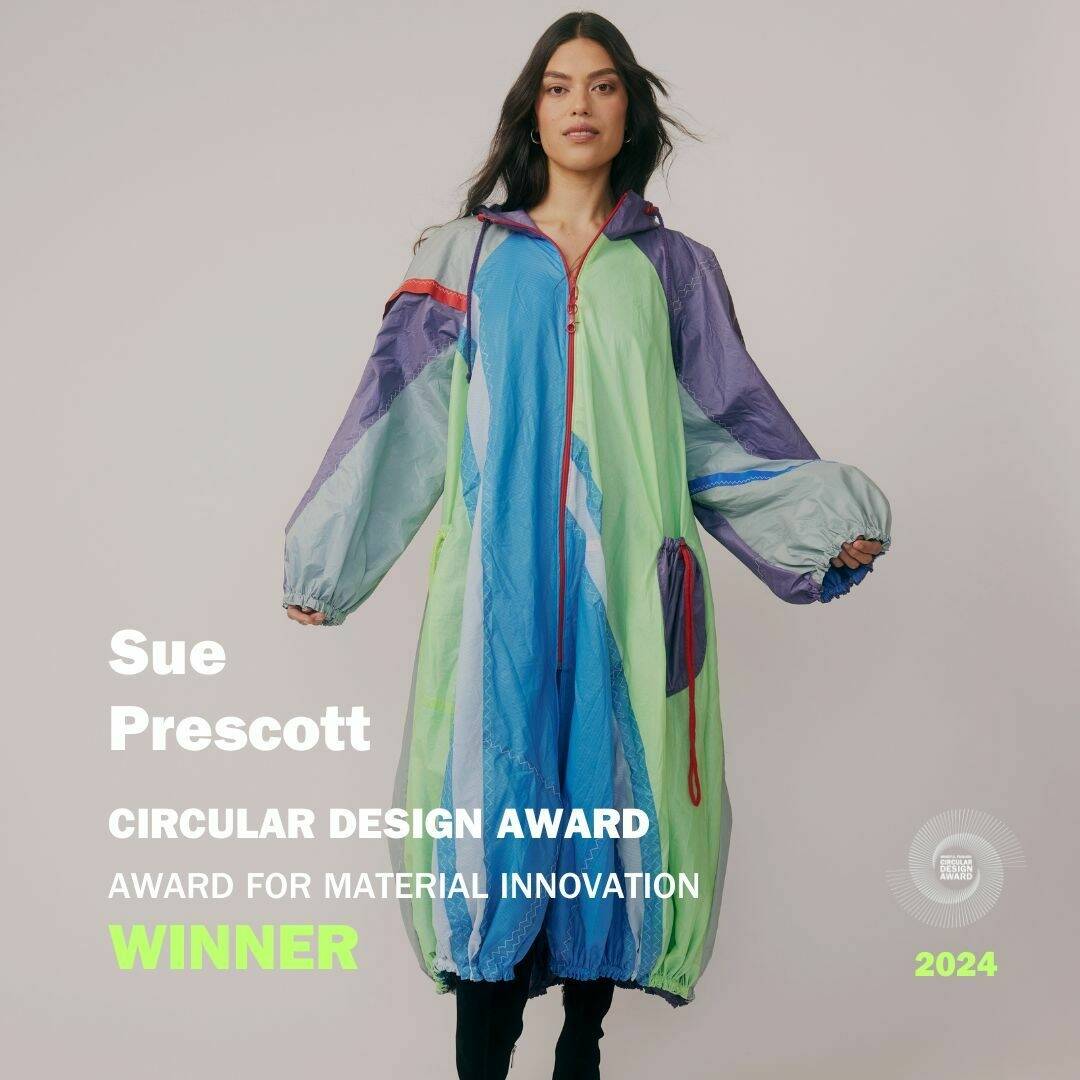
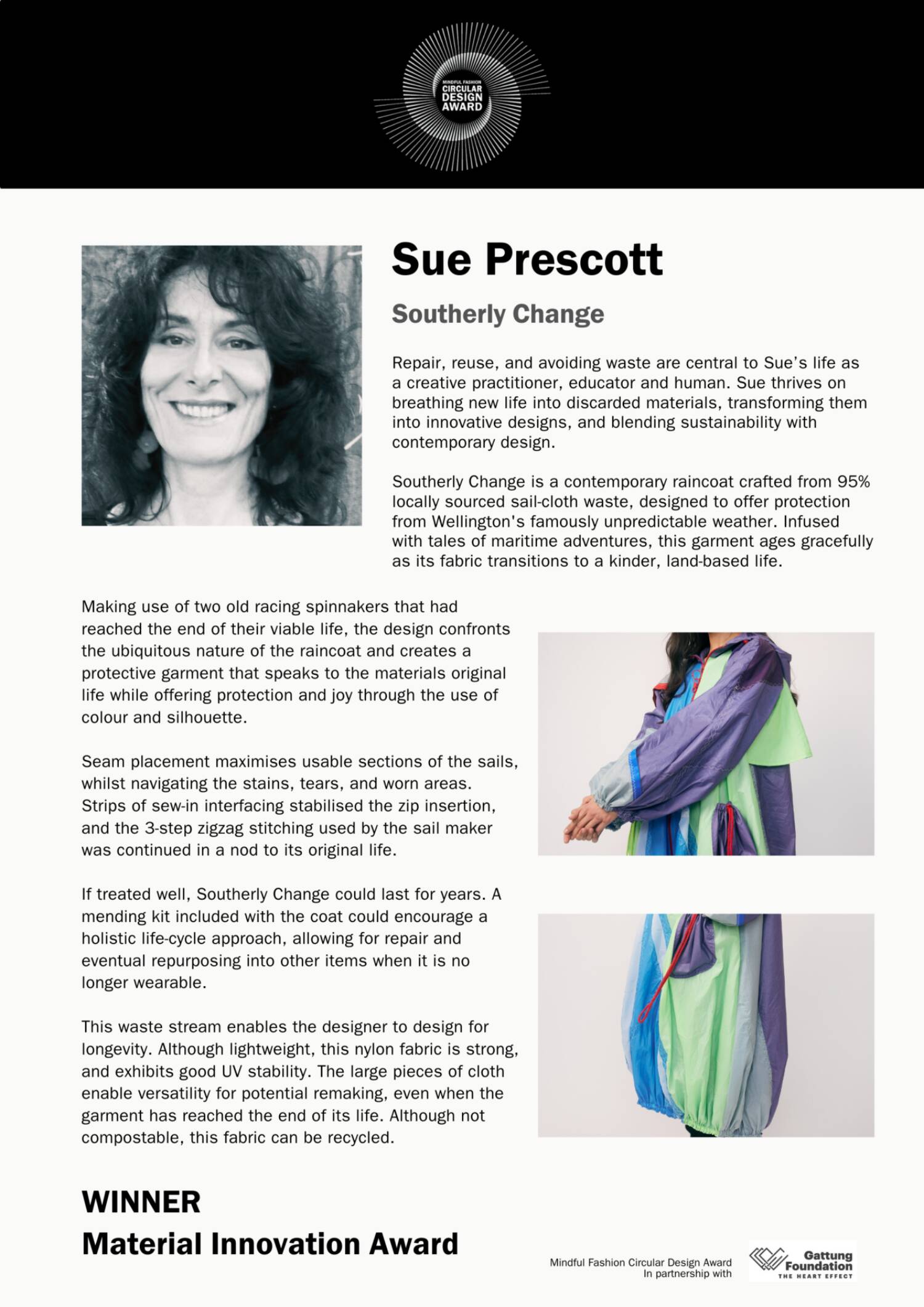
Awarded to Sue Prescott for her entry titled ‘Southerly Change’. Prescott’s design incorporated 95% sail-cloth waste, locally sourced from Wellington. The final look offers both protection and joy through use of colour and silhouette and shows that once a fabric reaches the end of its intended first life, it still has life to live.
Award for Excellence from a Rising Talent
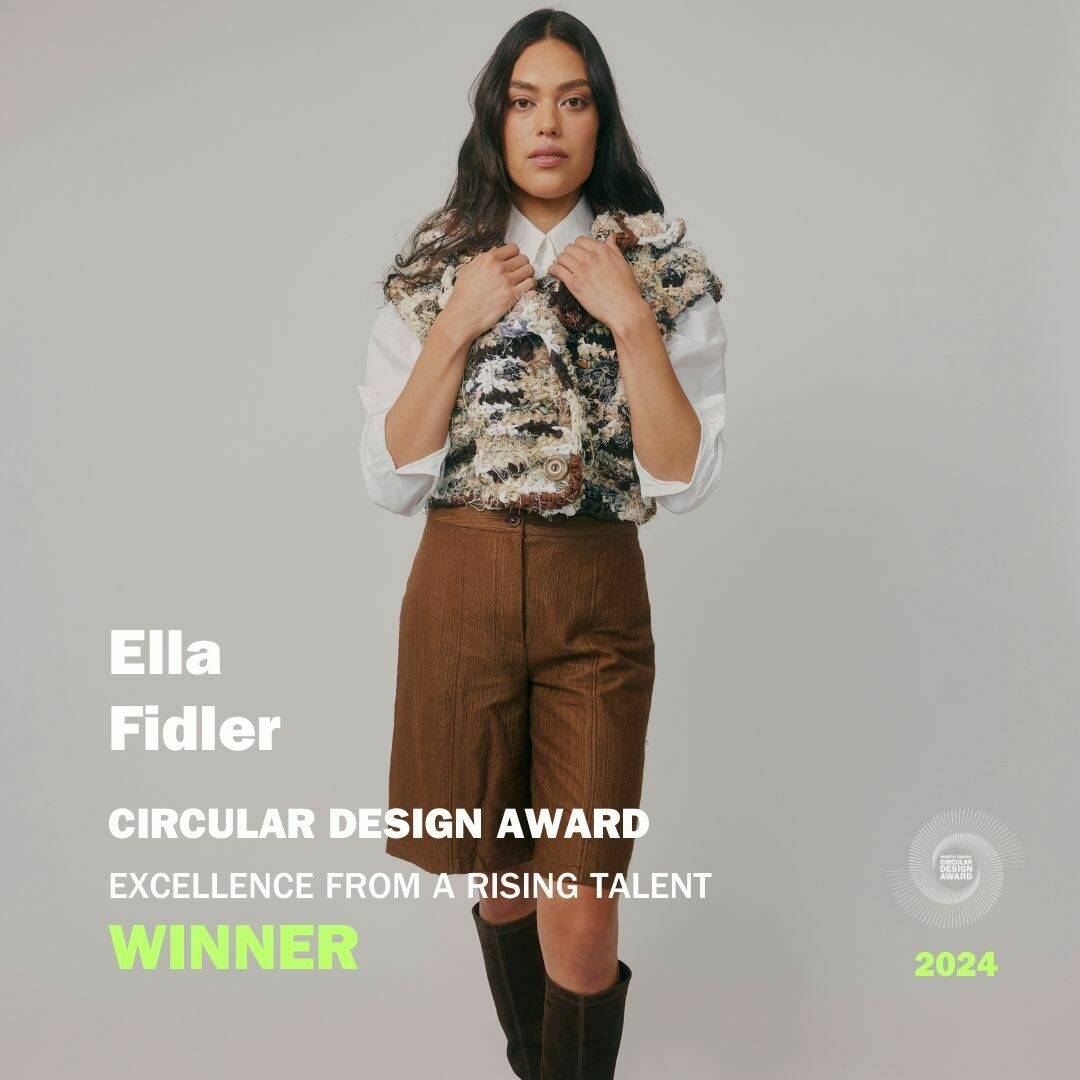
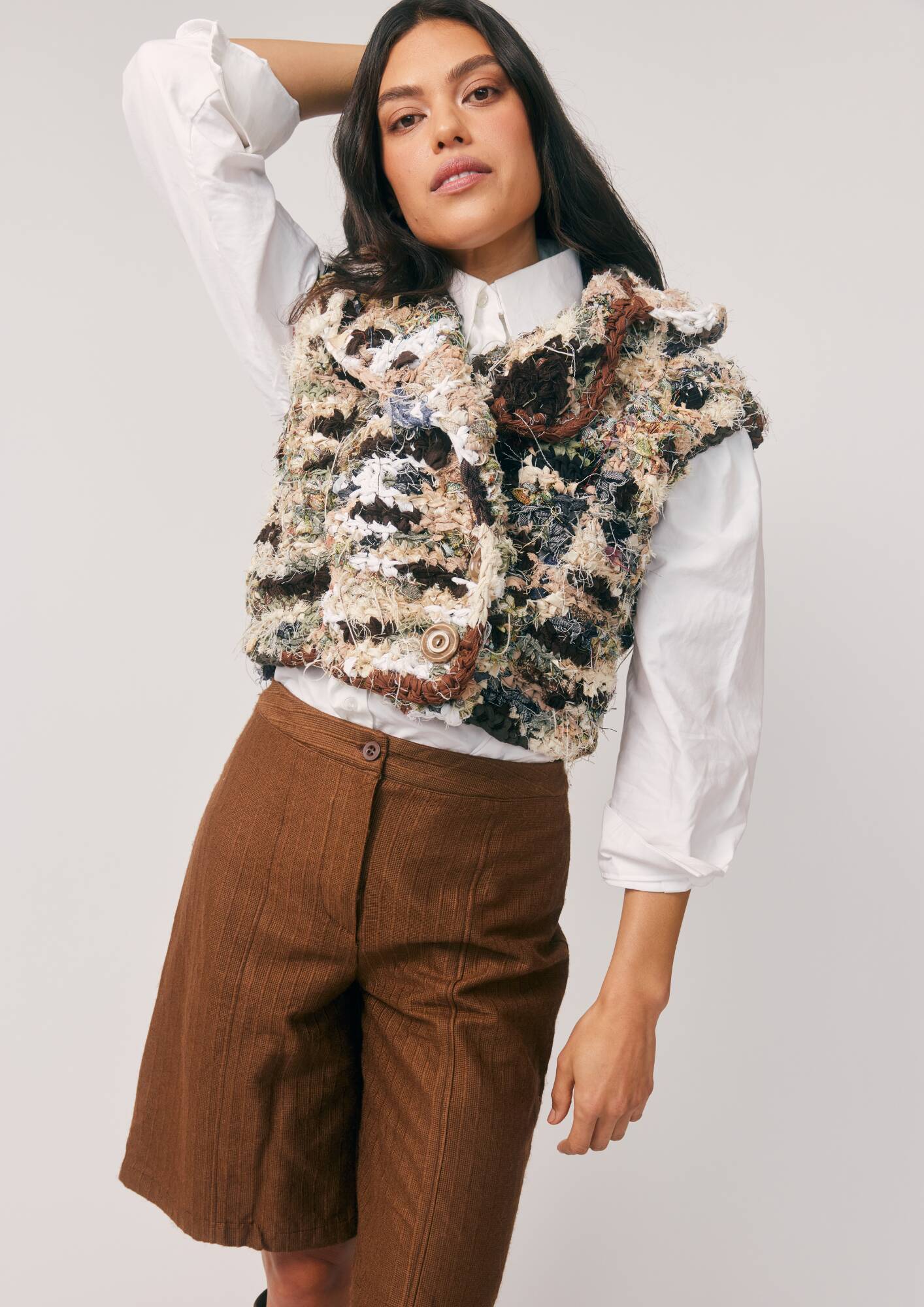
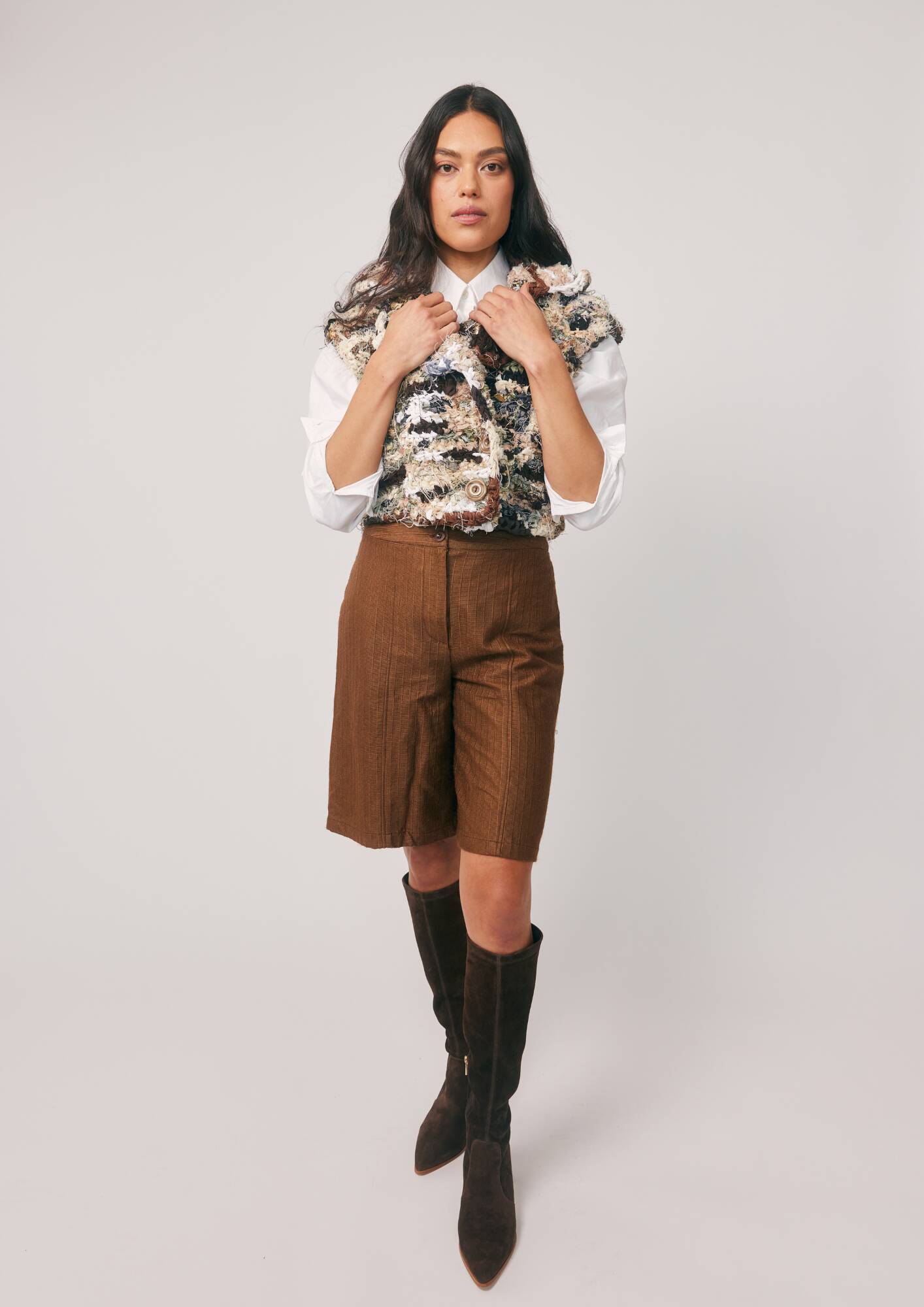
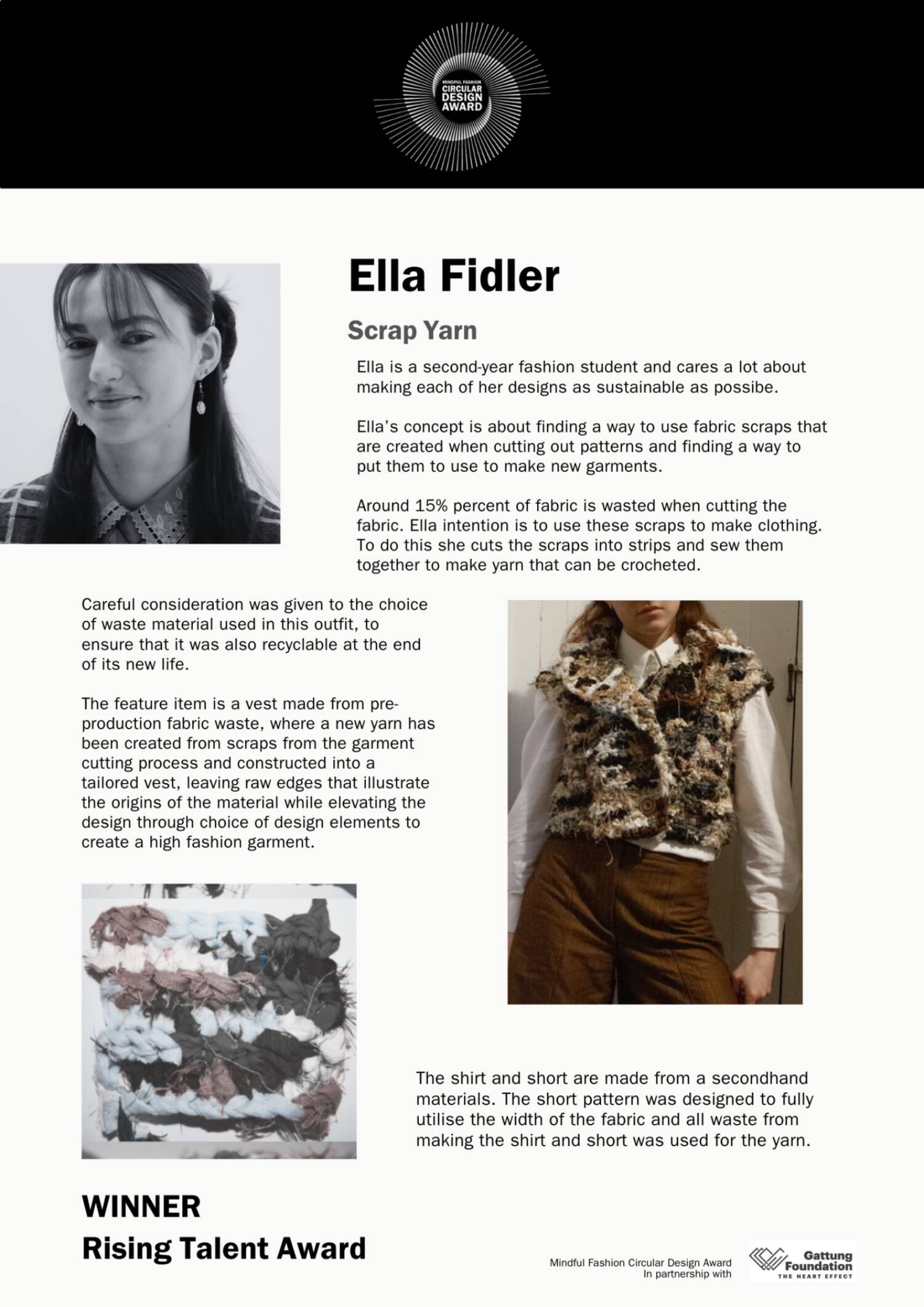
Awarded to Ella Fidler for her entry 'Scrap Yarn'. Fidler assessed the full life cycle of her fabric and chose waste from the production process that would be recyclable at the end of its new life.

Jacinta FitzGerald, Fashion & Textiles Chief Executive acknowledges the outstanding creativity and calibre of the finalists this year from design concepts through to craftsmanship.
“This year the judging panel was extremely impressed by the overall high quality of work from entrants. Our Supreme winners treated their chosen textiles as precious resources and used them to produce an outcome of greater value, treating them not as a limitation but as a starting point for innovation.”
“Encouragingly, we noticed an increased focus on tackling industry and business waste streams and thoroughly enjoyed understanding how each designer had chosen to take on the challenge.”
“One of our intentions of these awards is educate consumers and businesses on the importance of moving towards circular systems, which has the potential to reduce emissions by one-third. Textile waste starts at the design stage, so Fashion & Textiles NZ has devised the Circular Design Awards to inspire and educate the next generation of designers in Aotearoa to rethink their foundational practices and design towards a circular future. If the Supreme winners’ creations are anything to go by, there’s a positive future ahead,” says FitzGerald.
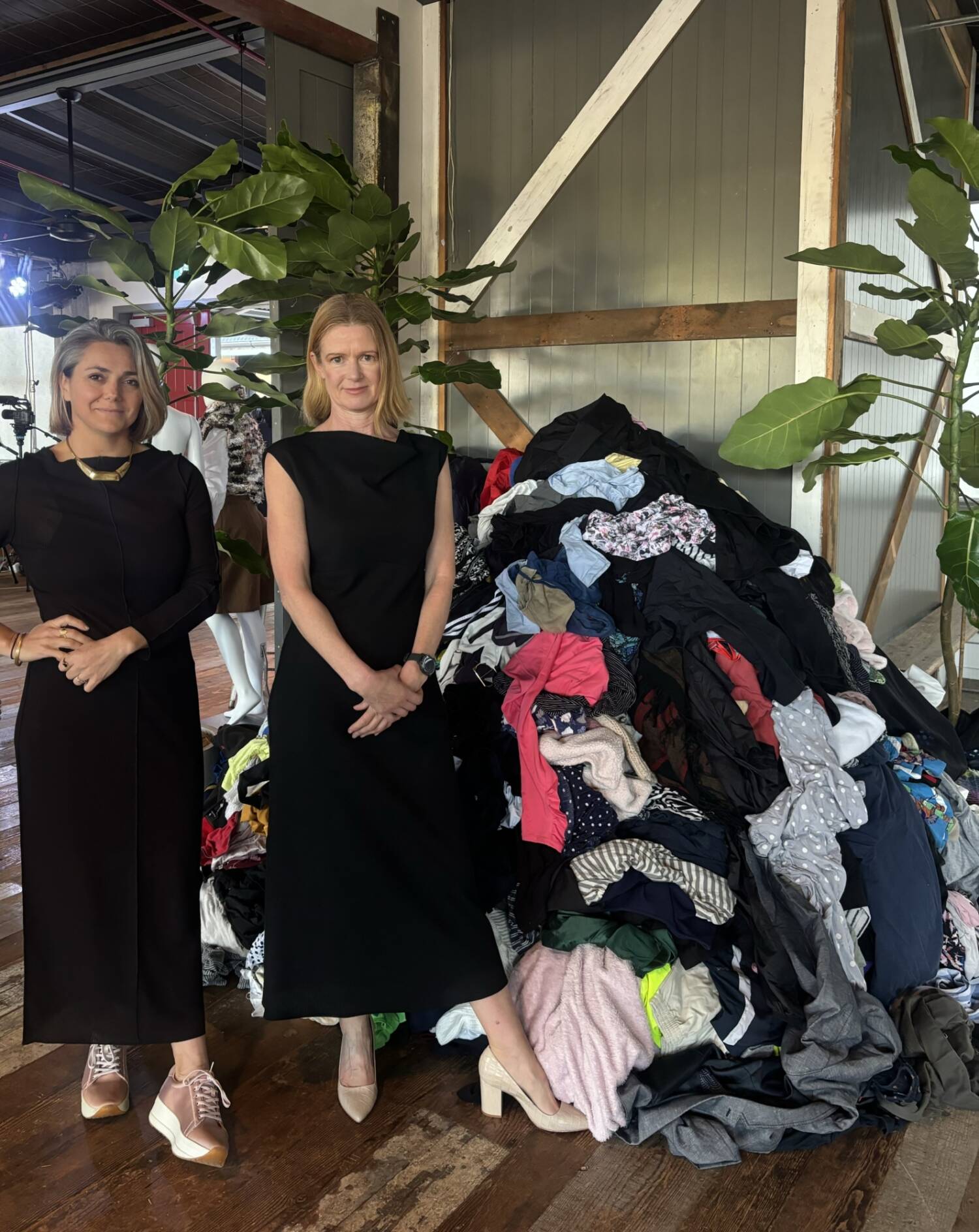
An installation at the event showed just how big a problem textile waste is in New Zealand with a 490kg pile of clothing waste illustrated the volume of clothes we send to landfill every 5 minutes in this country.
Fashion & Textiles is using initiatives like the Circular Design Awards to champion the local industry towards a circular future, by following the four action areas and fifteen corresponding recommendations identified in the Threads of Tomorrow report that provide a clear roadmap for the industry.
Delivered in partnership with the Gattung Foundation, the Awards celebrate the best innovation in sustainable design and sustainable business. The Awards educates the next generation of designers to design for circularity from the beginning, and reimagine fashion as waste-free. It showcases the best-practice initiatives from New Zealand businesses who are leading the charge.
2025 Awards
Fashion & Textiles Circular Design Awards 2025
2025 Awards
Fashion & Textiles Circular Design Awards 2025
2024 Award Winner: SUE PRESCOTT
2024 Award Winner: ELLA FIDLER
2024 Award Winner: JACQUELINE TSANG
2024 Award Finalist: STANDARD ISSUE
Care For Life
Finalist: Circular Business Innovation Award presented by Trade Me.
The Care for Life initiative by Standard Issue is a comprehensive programme dedicated to extending the life of garments and promoting a circular fashion economy. This initiative focuses on repairing, redistributing, and recycling garments to minimize waste and maximize product lifecycle. This commitment focuses on three fundamental principles:
Repair Services: Customers can return their Standard Issue garments for repair, with minor repairs (under 30 minutes) done free of charge. Complex repairs, which require more skill and time, are priced between $30 and $60. Each repair is carried out with exceptional care by their skilled craftspeople to ensure garments continue to serve customers for years.
Redistribution: For garments that are no longer needed or cherished by their customers, they encourage customers to gift them to those in need. Standard Issue collaborates with local organisations like Middlemore Foundation, Dress for Success, and Women's Refuge to redistribute clothing effectively.
Recycling and Fair Deal Commitment: Garments that are beyond repair are recycled through our partnership with Textile Products, a New Zealand-based company that repurposes raw textile waste into new products. Trims like buttons or zips are removed and repurposed within our workroom. Standard Issue offers a goodwill discount for customers to purchase a replacement item under their Fair Deal Commitment.

Alongside the dedication to using 100% renewable or recycled natural fibers, and innovative zero-waste production techniques, Standard Issue aims to minimise waste and extend the lifecycle of its products. Now in its fifth year, the Care for Life initiative highlights Standard Issue’s commitment to sustainability, quality craftsmanship, circular fashion, innovation, transparency and community collaboration
Positive Impact
The Care for Life initiative at Standard Issue fundamentally transforms the traditional take>make>waste model by integrating circular economy principles across all operations.
Material Sourcing and Production:
Standard Issue uses 100% renewable or recycled natural fibers, ensuring that the raw materials are sustainable from the start. Their innovative zero-waste whole garment knitting technology significantly minimizes production waste, exemplifying their commitment to efficient and sustainable manufacturing processes.
Lifecycle Extension and Waste Reduction:
Through the Care for Life programme, Standard Issue extends the lifespan of its garments, reducing waste by offering repair services for all products. Customers can return garments for repair, thus keeping them in use for longer periods. For garments that are beyond repair, Standard Issue has established partnerships with local community organisations to redistribute these items, ensuring they still serve a purpose.
Recycling and End-of-Life Management:
Garments that cannot be repaired or redistributed are recycled through a collaboration with a local textile recycling company. This ensures that even at the end of their lifecycle, the materials are kept in circulation and diverted from landfill.
Embedding Circular Economy Principles:
Standard Issue continuously refines its processes to enhance circular fashion design and zero-waste practices. The company’s dedication to sustainability is reflected in its core business operations and value propositions, driving them to innovate and improve continually. Their commitment is not only to sustainable production but also to educating consumers and embedding these principles into the broader community.
Impact:
Since the inception of the Care for Life initiative, Standard Issue has significantly reduced waste and maximized the lifecycle of its products, setting a benchmark for sustainable practices in the local fashion industry.
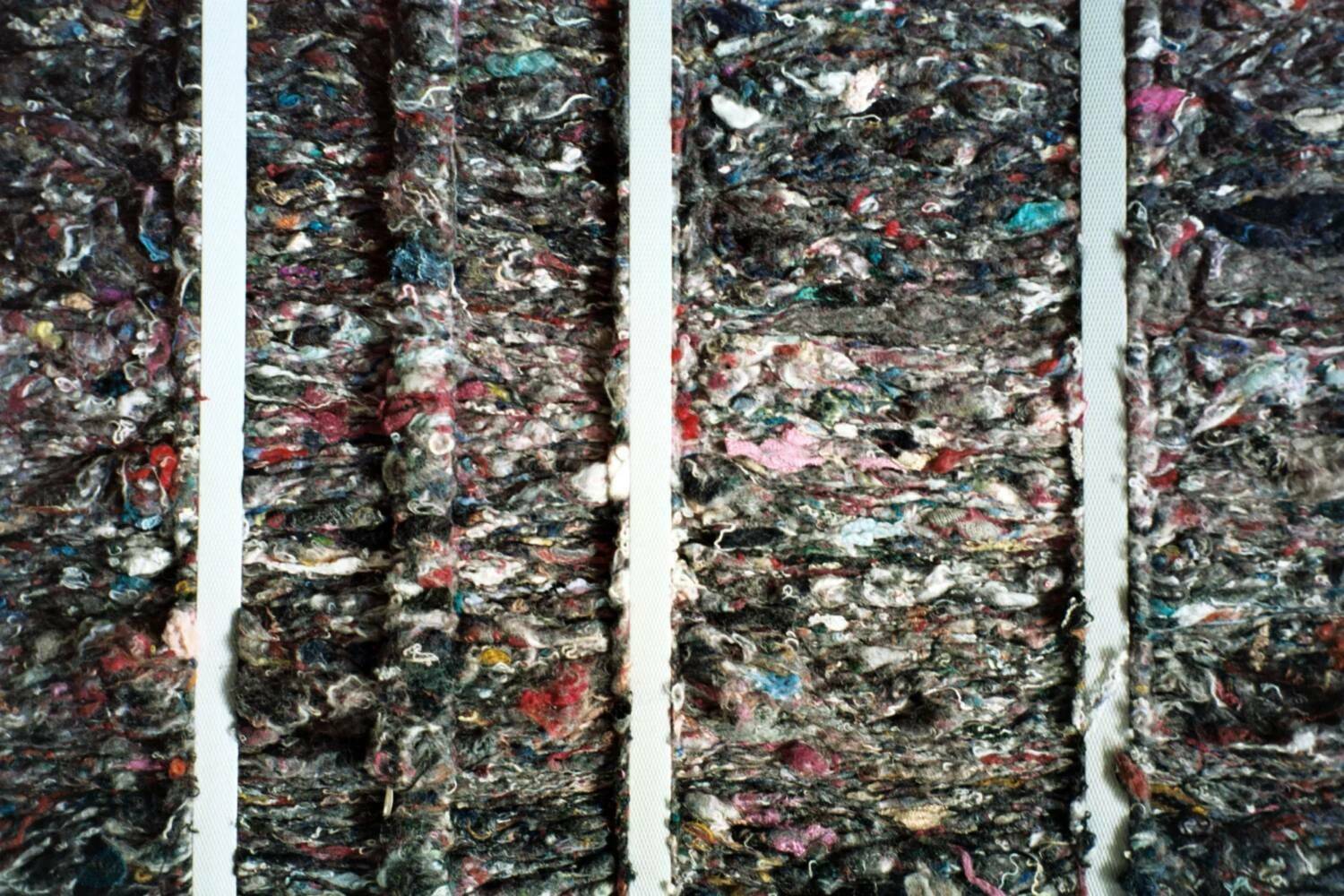
Positive Benefits
The Standard Issue Care for Life commitment has resulted in substantial positive benefits:
5 years of commitment to renew, reuse and repurposing of Standard Issue garments
- 396 garments repaired
2020: 18 repairs
2021: 62 repairs
2022: 52 repairs
2023: 76 repairs
2024: 188 repairs (to date)
396 customers working together with Standard Issue to extend the longevity of their garments and avoid sending them to landfill
1 partnership with local recycling organisation Textile Products
3 partnerships with local charitable organisations for redirection of preloved garments still in good condition
2024 Award Finalist: OFFCUT
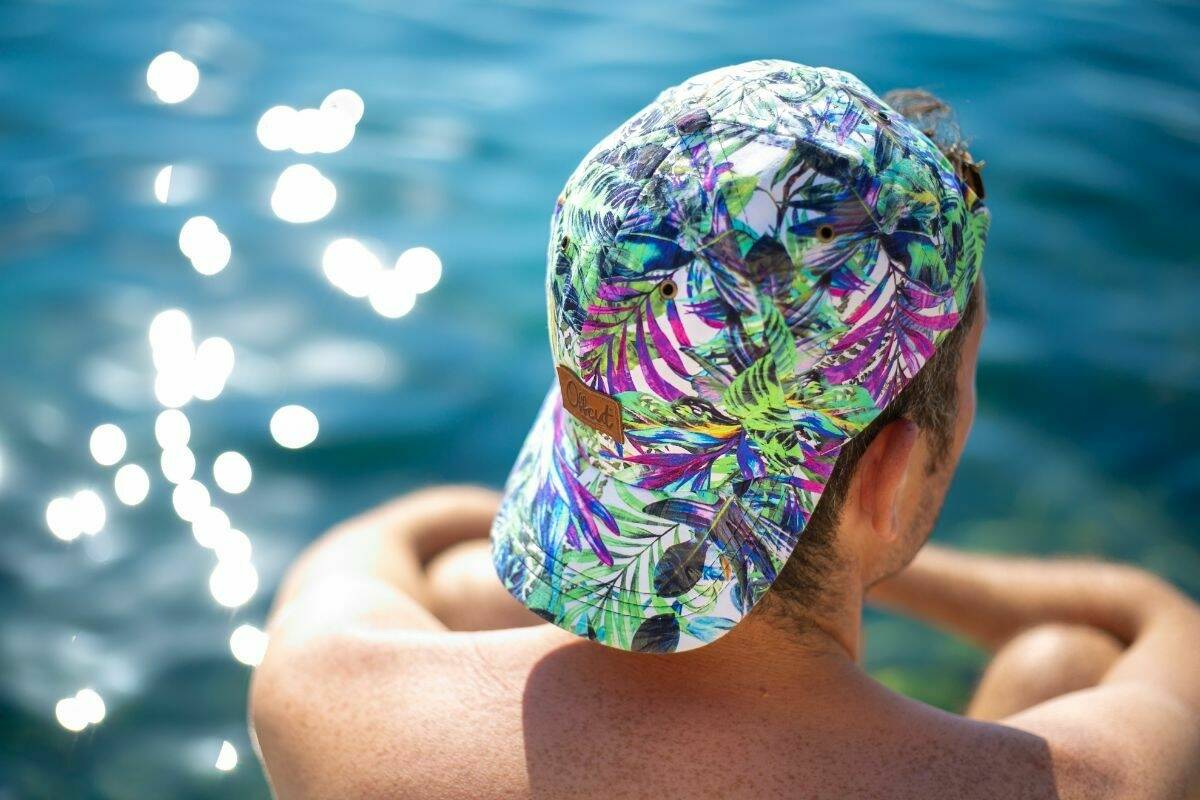
Offcut Caps
Finalist: Circular Business Innovation Award presented by Trade Me.
Offcut was founded on the idea of circularity. In 2015, the idea of Offcut caps was developed at a curtain warehouse in Christchurch where there was an array of remnant fabric. On finding out that a room full of scraps, samples, and offcut fabrics were destined for landfill, an idea was sparked to turn those scraps into caps. Since then, Offcut has continued to develop and refine this idea.
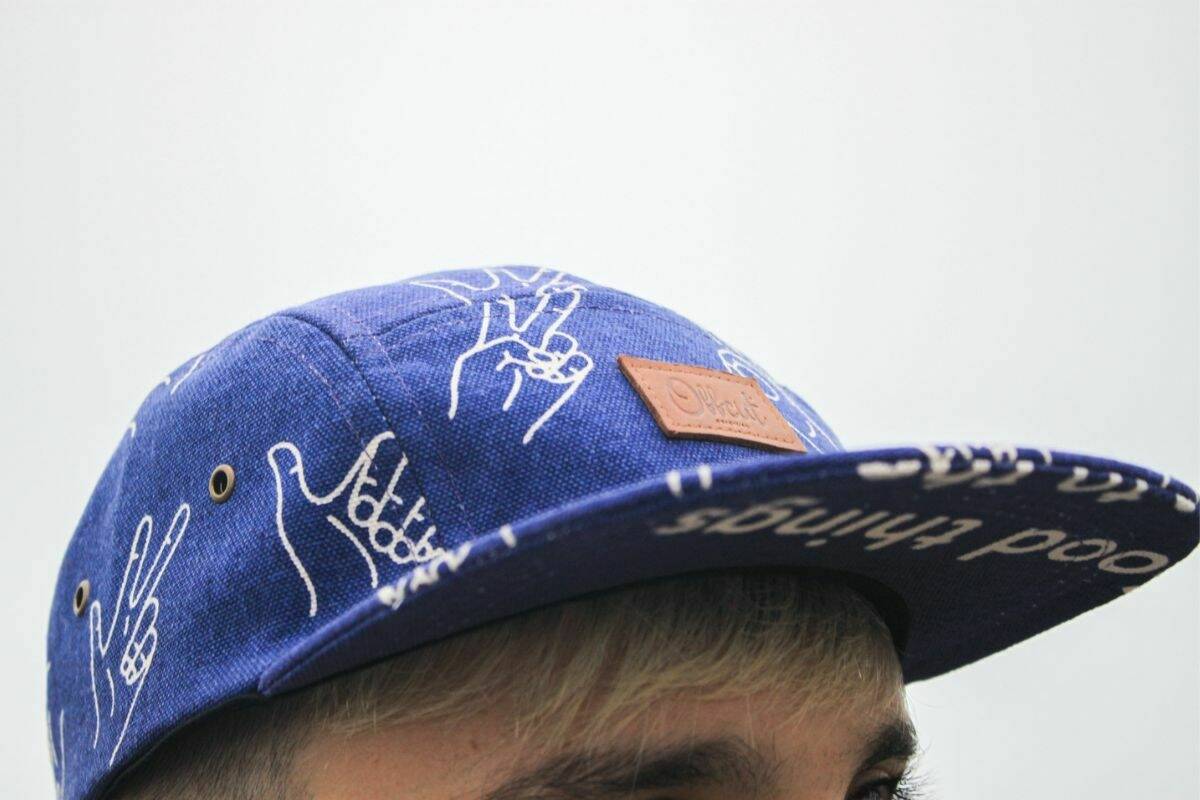
Positive Benefits
Offcut now uses a range of offcuts (deadstock fabric, damaged fabric, small offcut fabric, second-hand garments/linen) and turns this into limited edition 5 and 6-panel caps. It works with companies in New Zealand and around the world who have textile remnants destined for landfill. Offcut also scour second-hand stores for duvet covers, curtains, and clothing to give them an opportunity to be redesigned to create new value and extend the life of the textile. More recently it has been designing “mash-up” caps where we take the very small offcuts of our offcuts and turn them into one-off patchwork designs.
Offcut makes sure its hats are loved by its wearers and are of the highest quality so customers have them for life. By basing its entire business (and namesake) on offcuts, it tells a story through its products and aims to encourage people to rethink what we needlessly call “waste” and make the most of existing resources to keep them in the system for longer.
Offcut shares its process of making its caps here
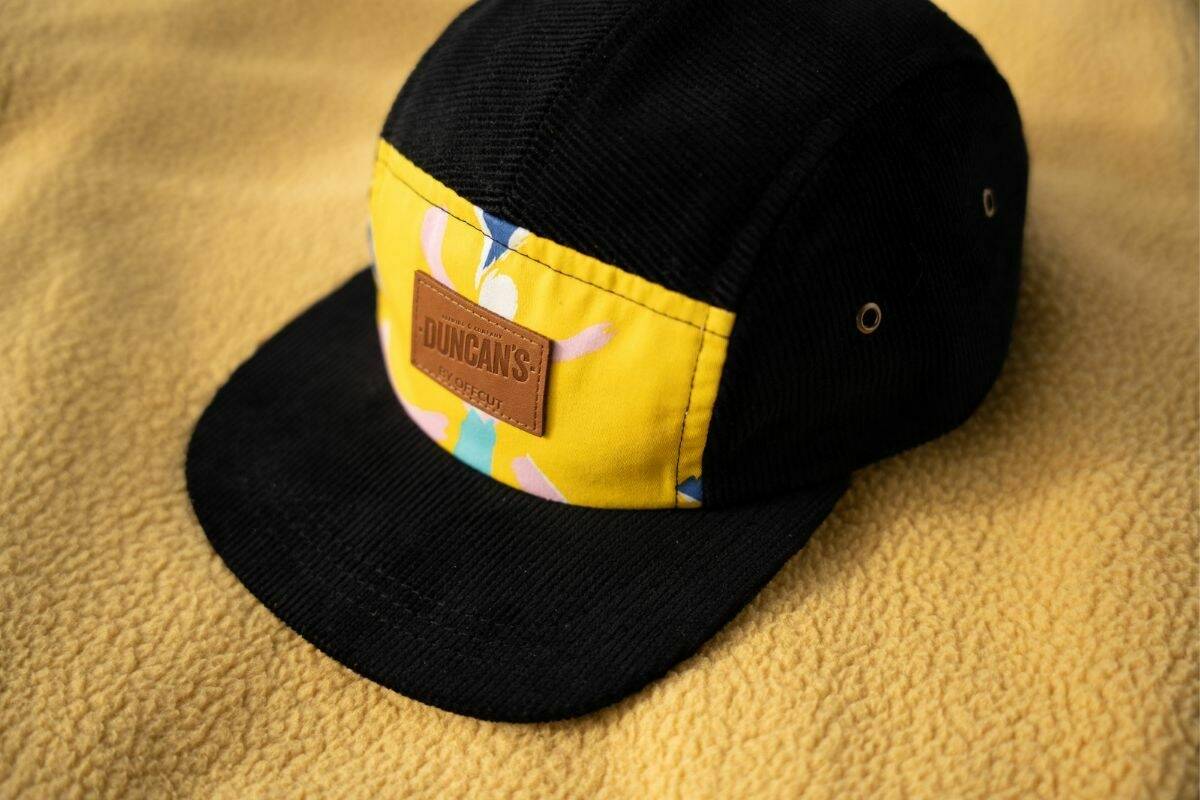
Positive Impact
It is moving towards a model where it doesn't need to use anything new so that making a new product does not only cost the planet but actually has a positive impact. In the last year, Offcut has saved approximately 30kgs of fabric waste from other businesses from going to landfill.
By using "waste" as its core materials and repurposing them by designing a product that can be made from very small pieces of fabric, it has very little of its own waste left over in the end.
Offcut is turning waste into a valuable and useful product that its customers love, not only because the caps look good and are functional, but because they tell a story.
2024 Award Winner: UNTOUCHED WORLD
Rubbish Socks
Winner: Circular Business Innovation Award presented by Trade Me.
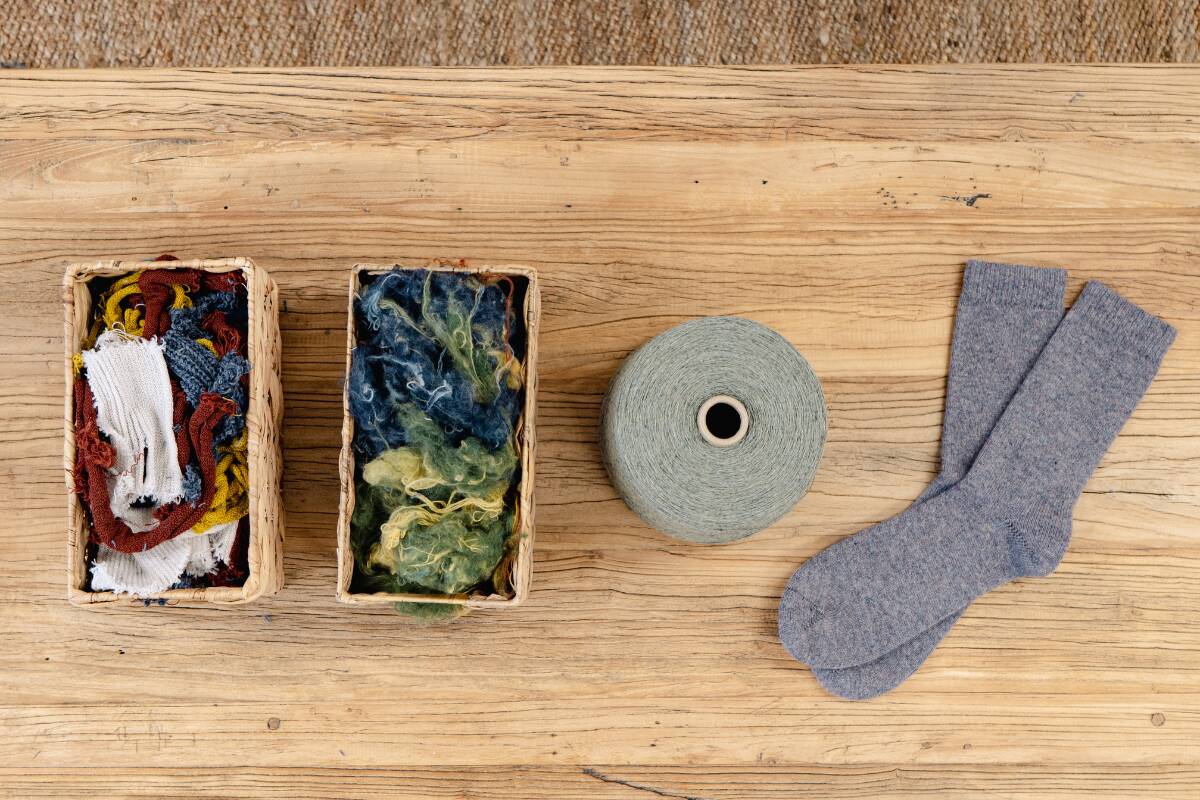
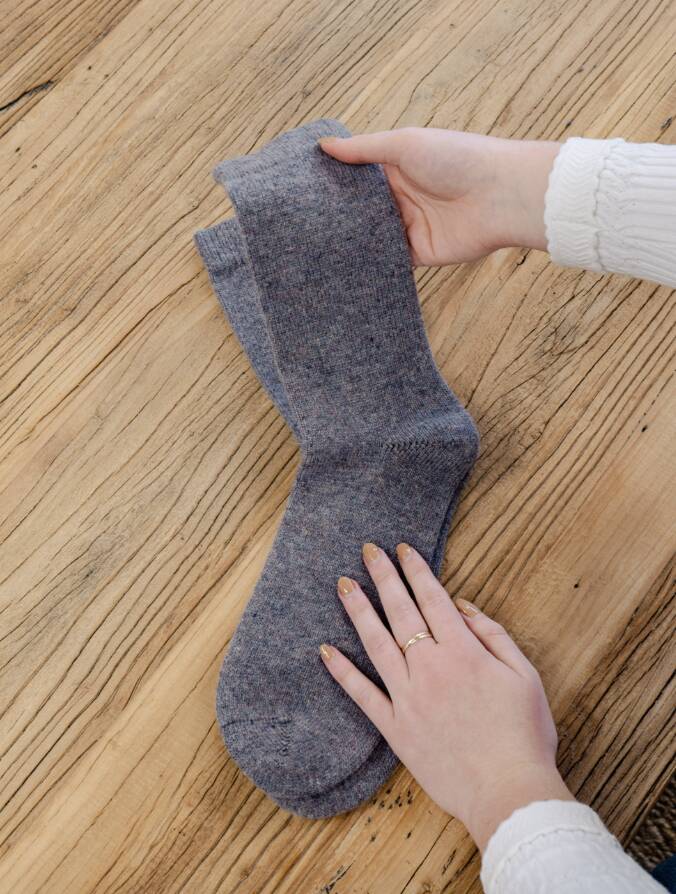
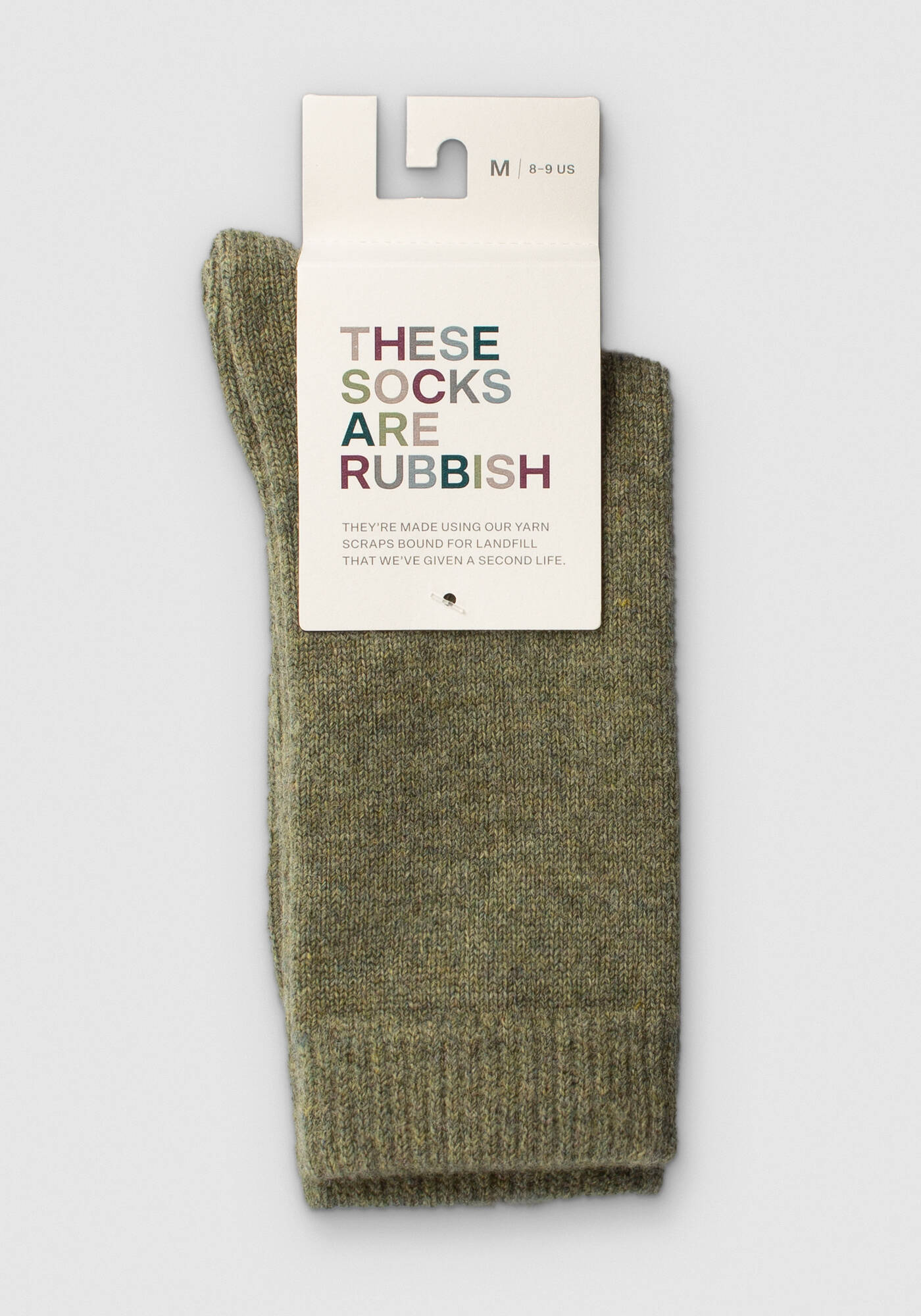
Rubbish Socks embodies the pillars of circularity: working with renewable fibres, minimising waste, and keeping materials in circulation at high value through recycling to produce a new material and desirable product that truly celebrates the unique beauty of recycled yarn.
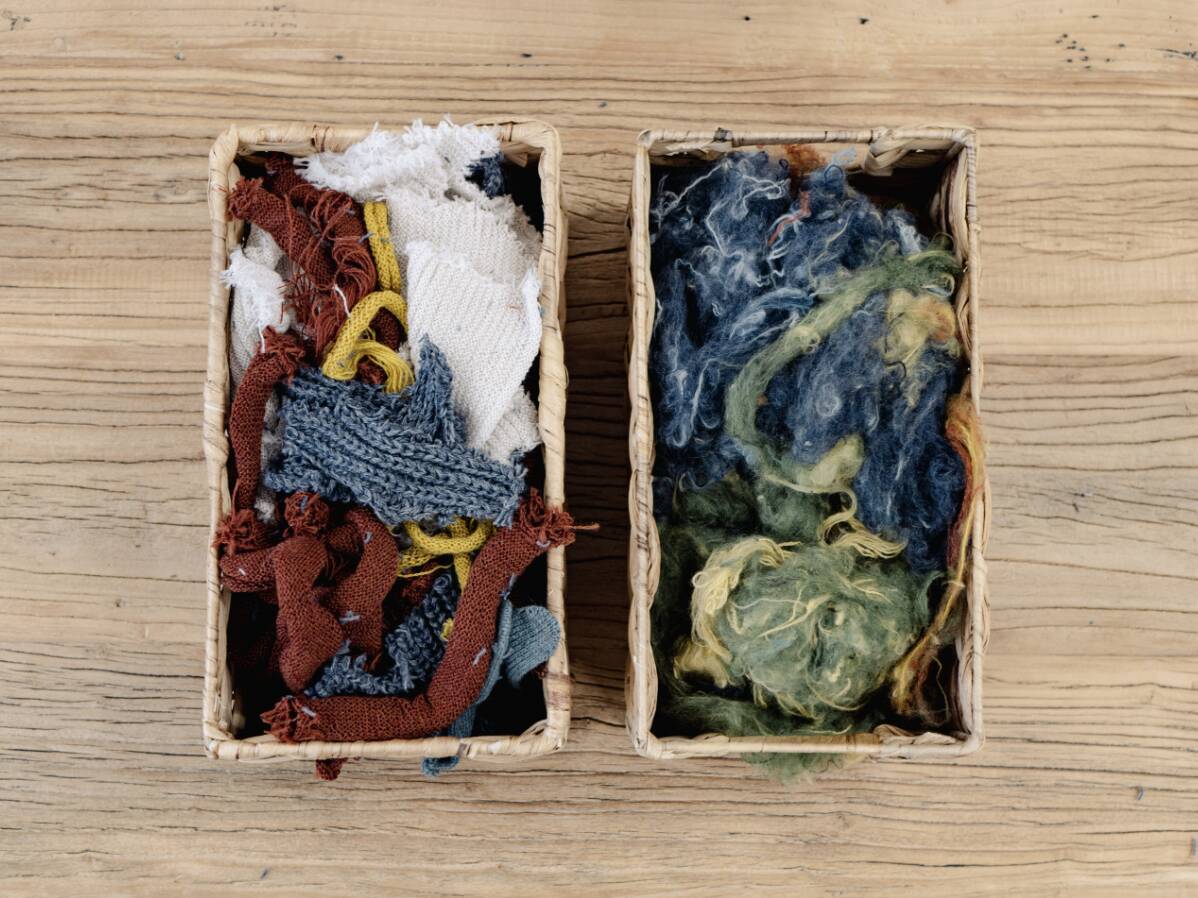
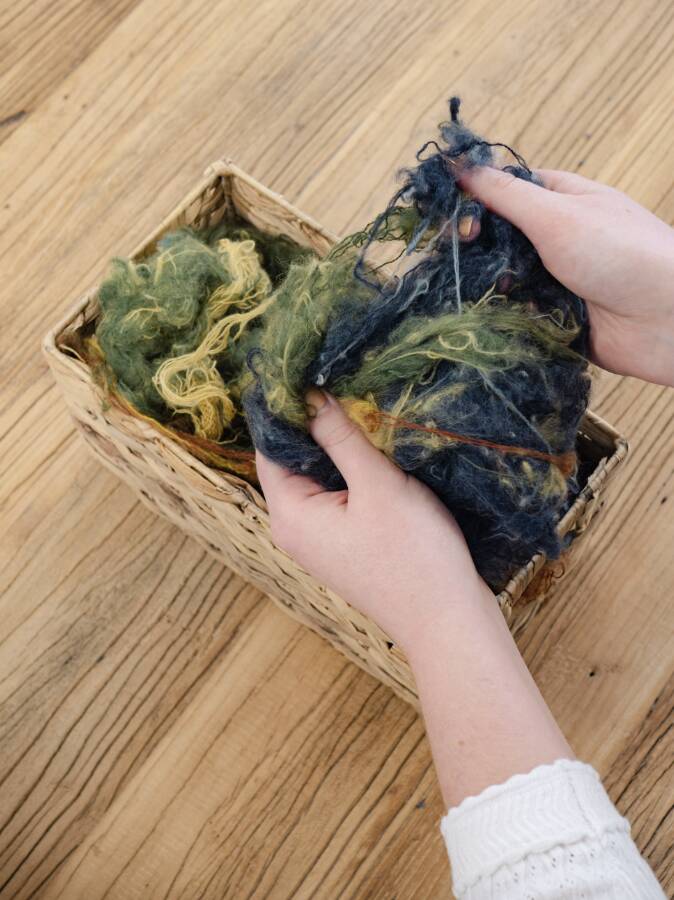
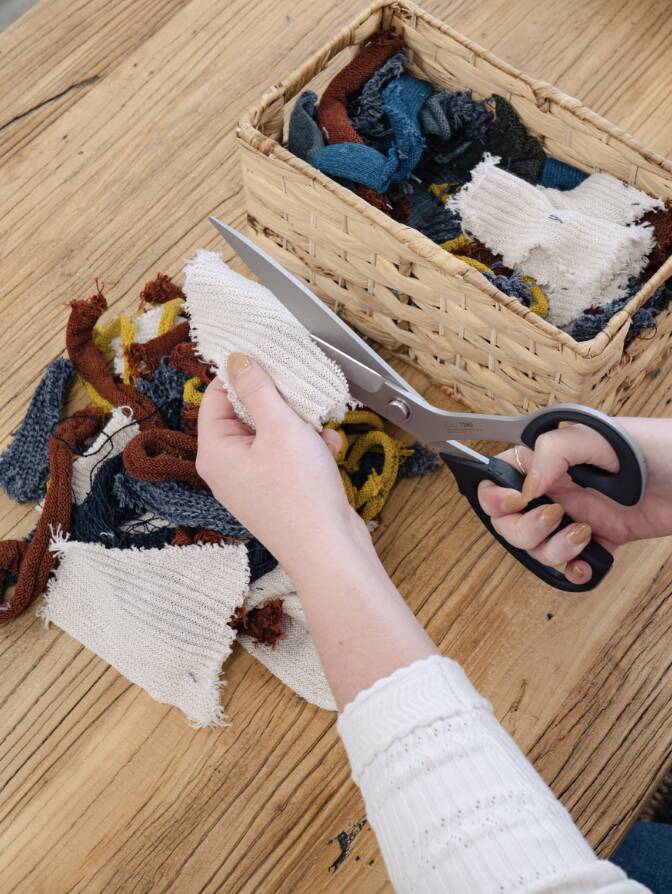
Rubbish socks are made from waste from the production process. The knit waste is shredded back down, blended with 50% virgin merino fibre and given a second life in the form of a new yarn. The recycling process is completely water and dye-free. This results in a unique batch of recycled yarn each time.
- In the last year Untouched World has diverted more than 1 tonne of textile waste which it has recycled through various streams, including to its Rubbish Socks.
- Untouched World now diverts 99% of all its textile waste into circular programs.
Meeting with New Zealand Labour Party MP's
July 2024
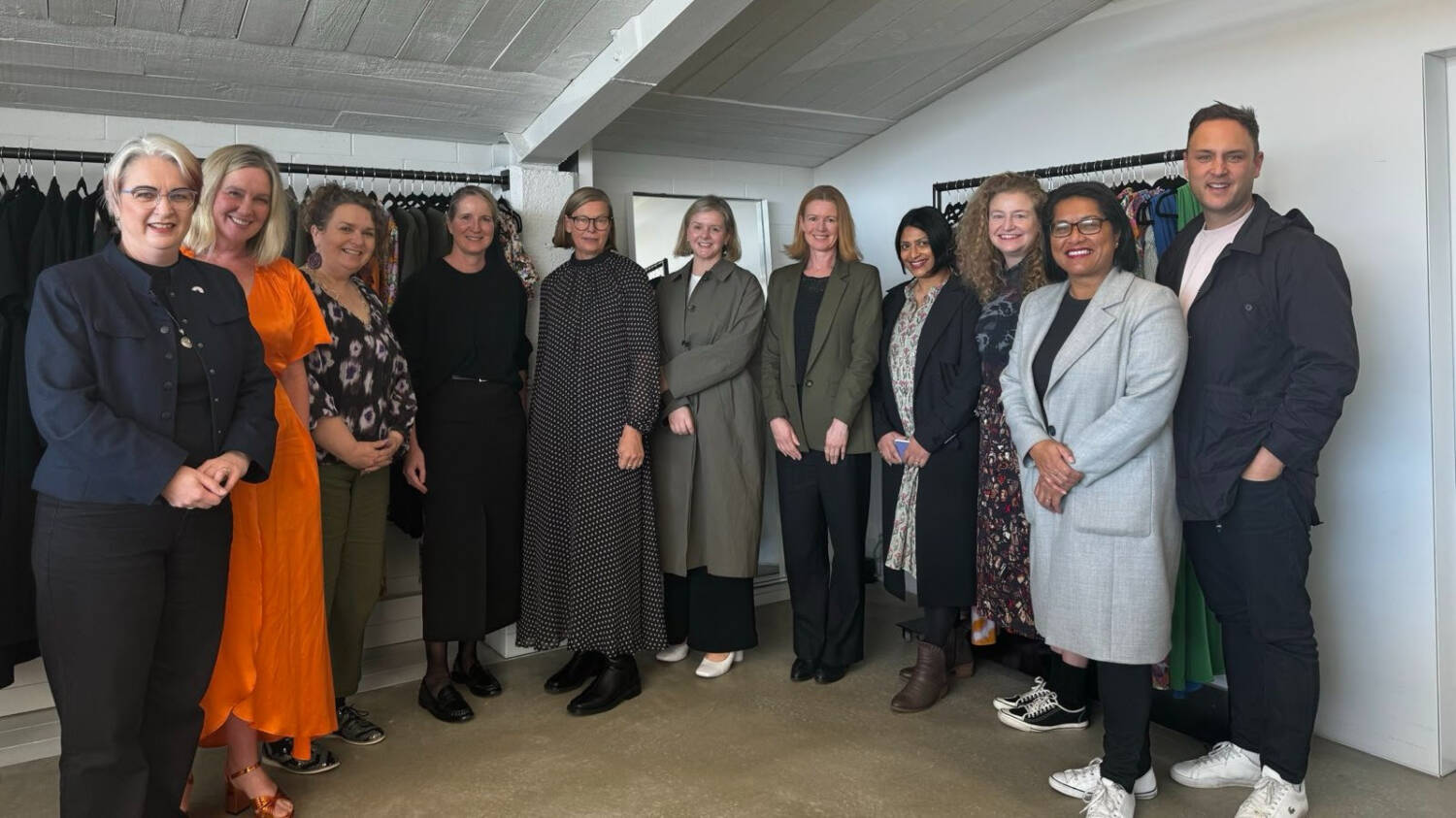
In July 2024 we sat down with Labour Party MPs at Juliette Hogan’s workroom to share the findings from our recent Threads of Tomorrow report and bring them up to speed on the importance of New Zealand's fashion, clothing and textile sector, and the significant contribution it makes to jobs and the economy.
The NZ fashion, textile and clothing industry contributes $7.8 billion to the economy (that’s 1.9% of GDP), employs 77k workers (2.4% of the workforce) and is intrinsically linked with women's economic advancement, with 78% of our workforce female.
It was a fantastic opportunity to provide insights to MPs across Aotearoa covering a wide range of portfolios from finance to environment to workforce development and manufacturing to help inform policy development.
We informed them about our work at Fashion & Textiles, our strong mandate with support from more than 110 business members and our mission to create a thriving future for the sector across 4 key action areas and 19 recommendations. We are at a critical turning point for the industry and the report sets out a pathway for industry transformation so that business, people and the environment can thrive.
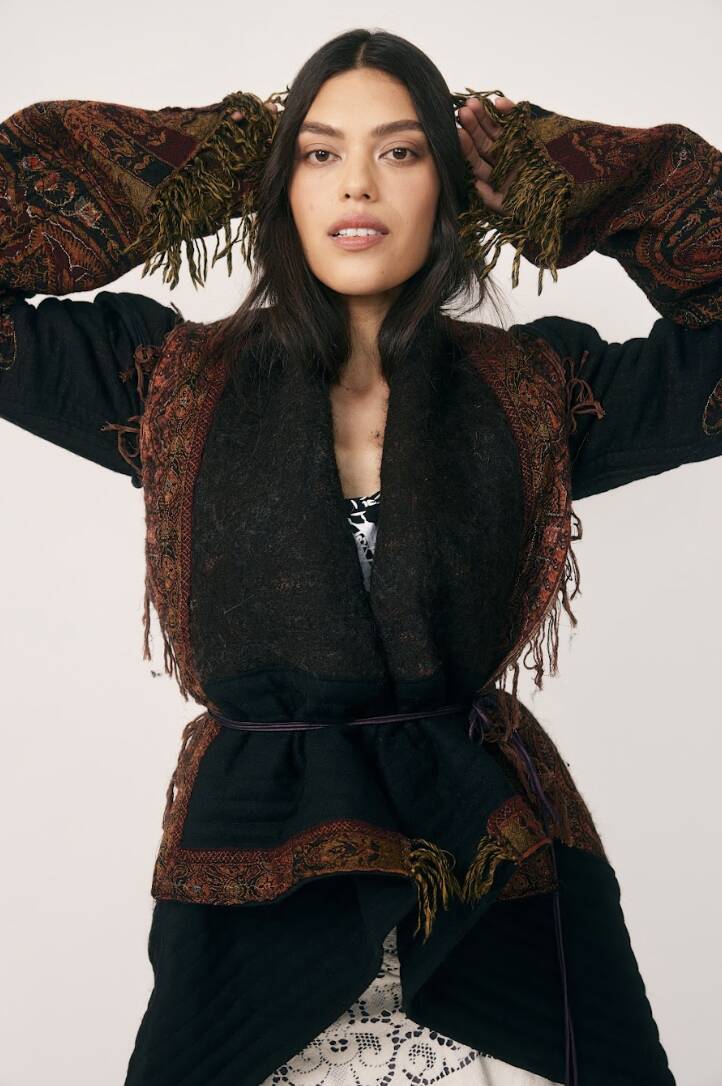
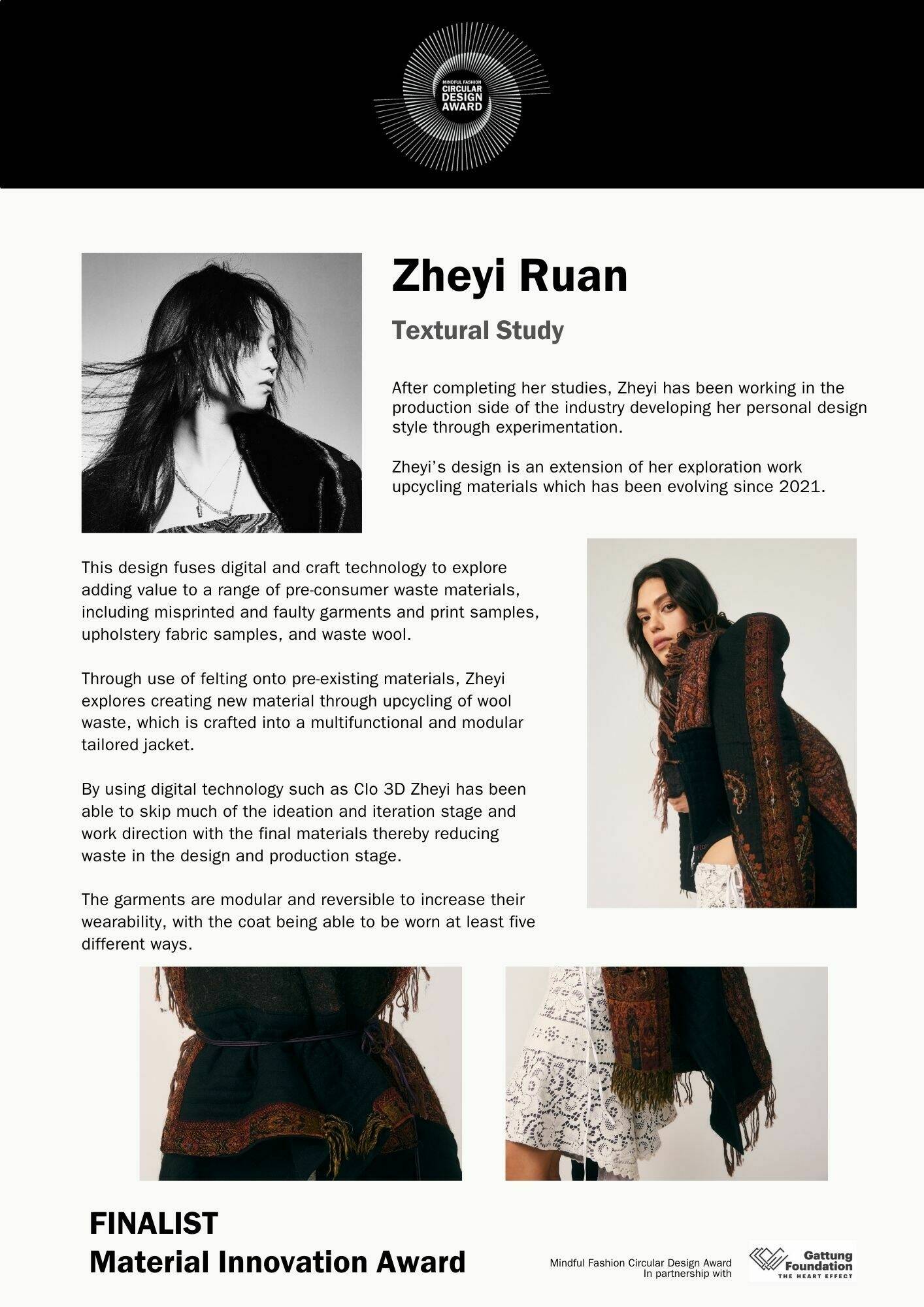
2024 Award Finalist: ZHEYI RUAN
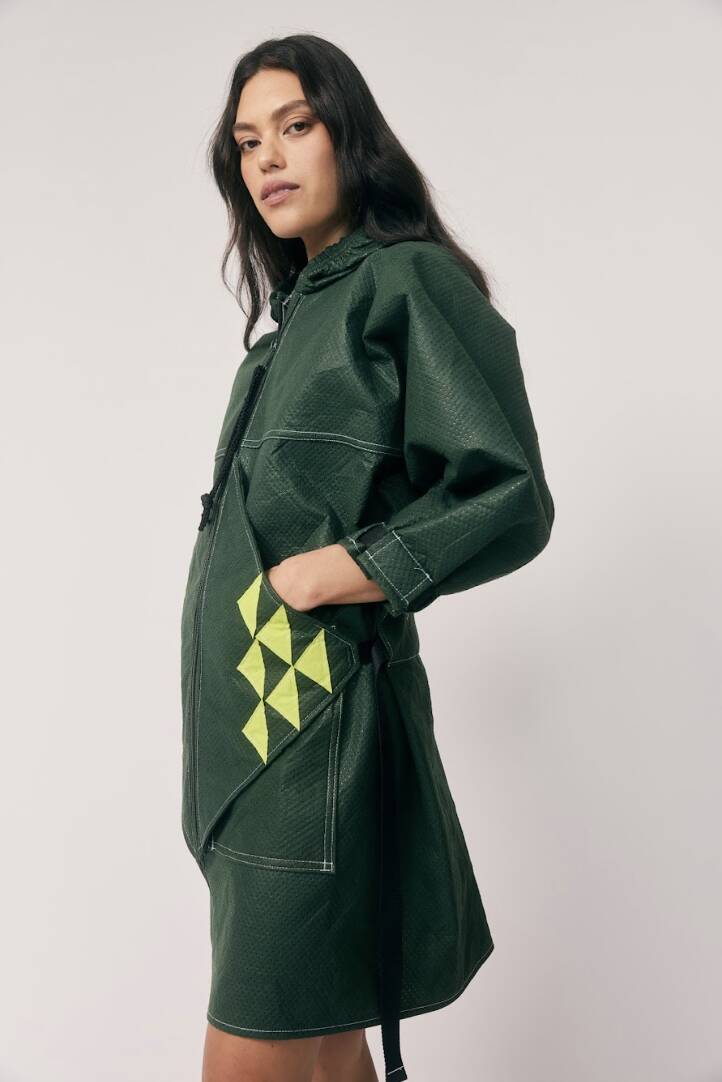
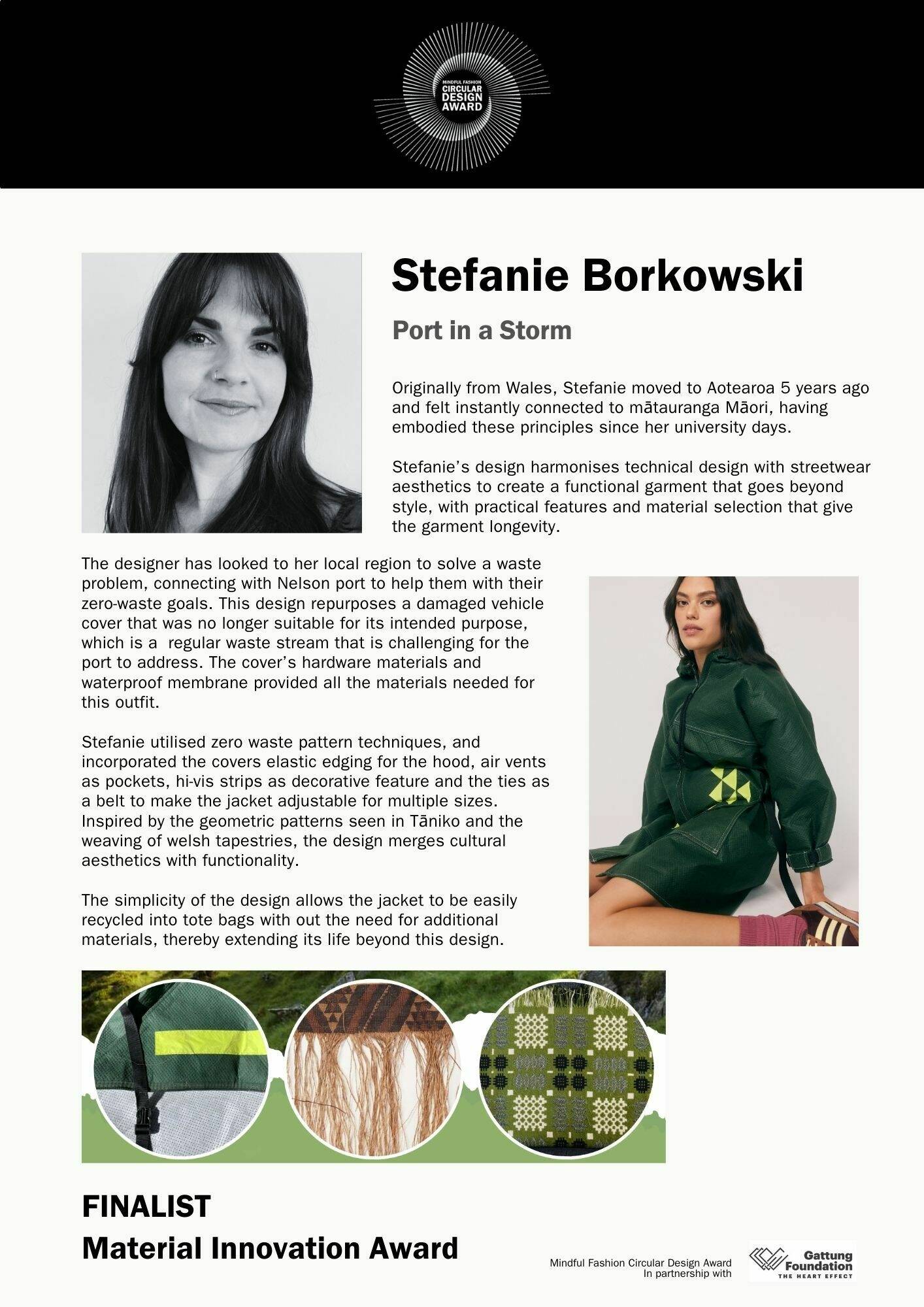
2024 Award Finalist: STEFANIE BORKOWSKI

2024 Award Finalist: NATALIA BERTOLO
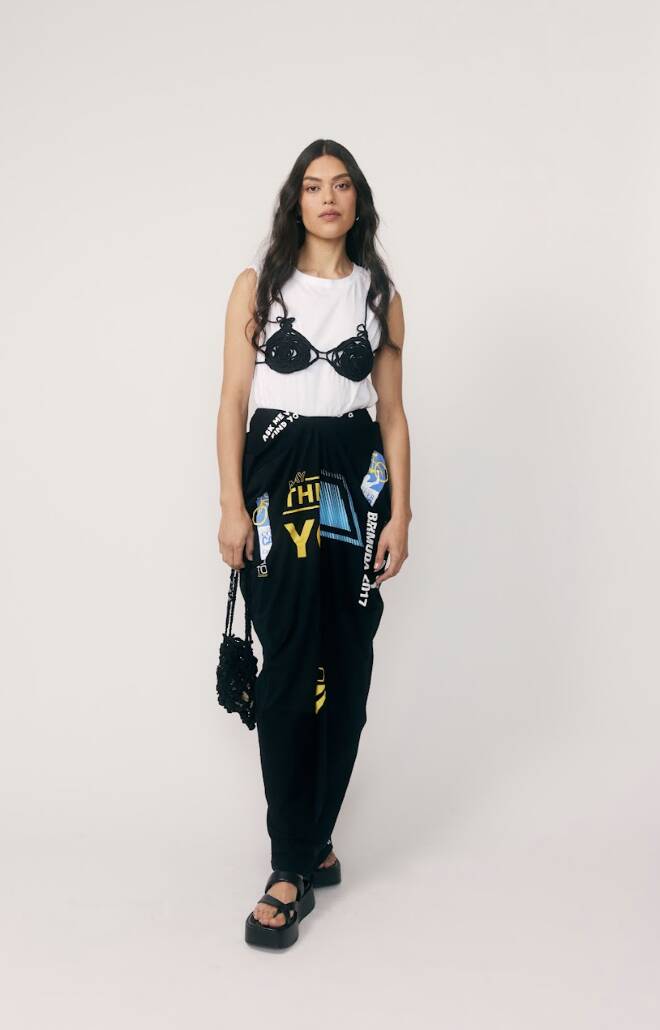
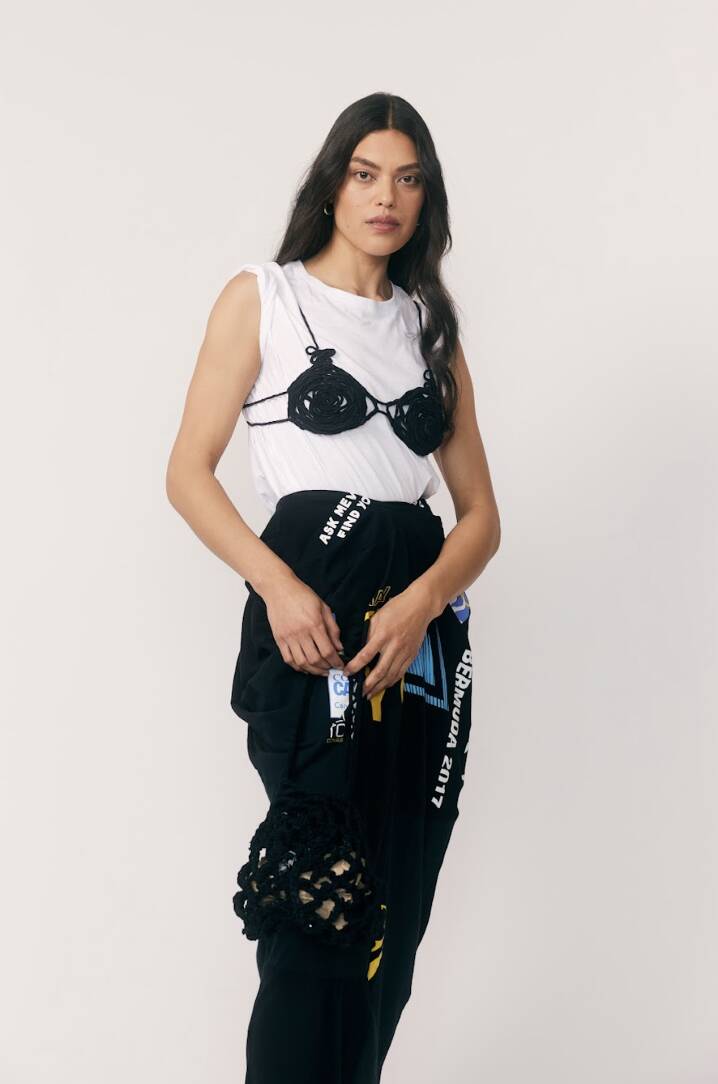
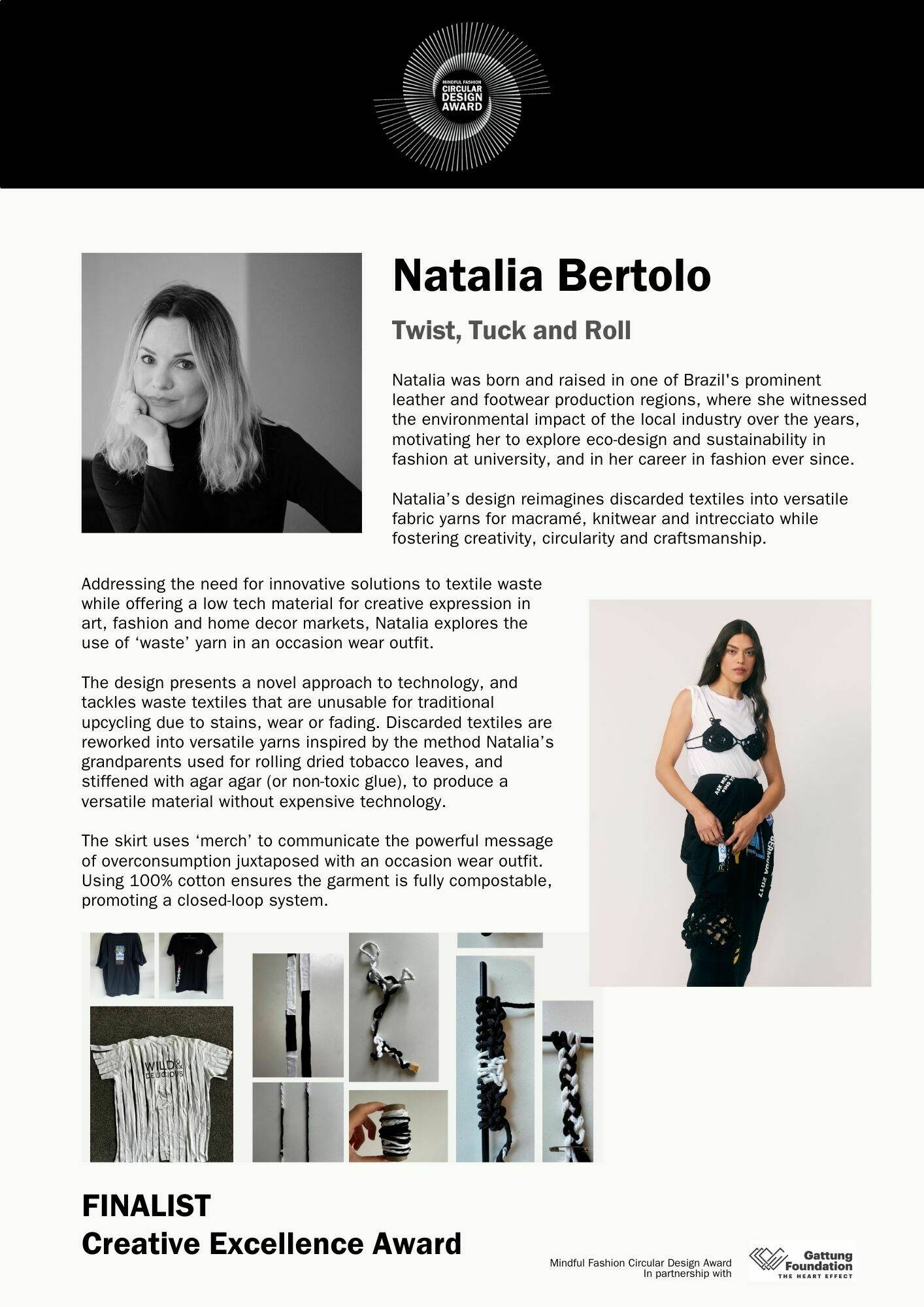
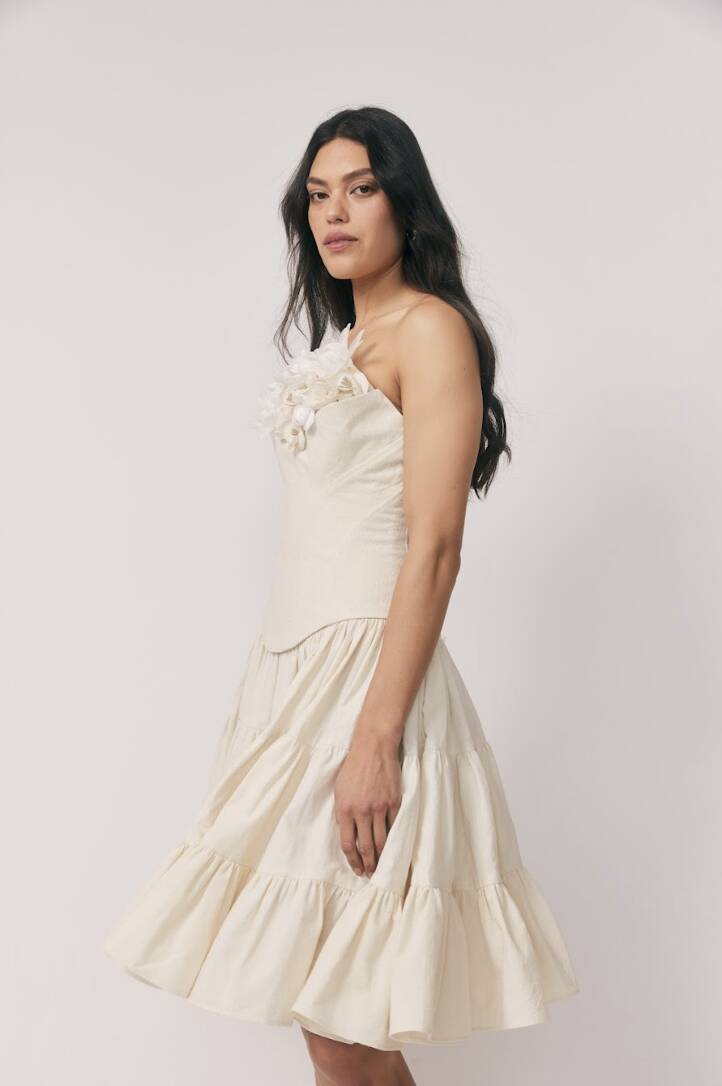
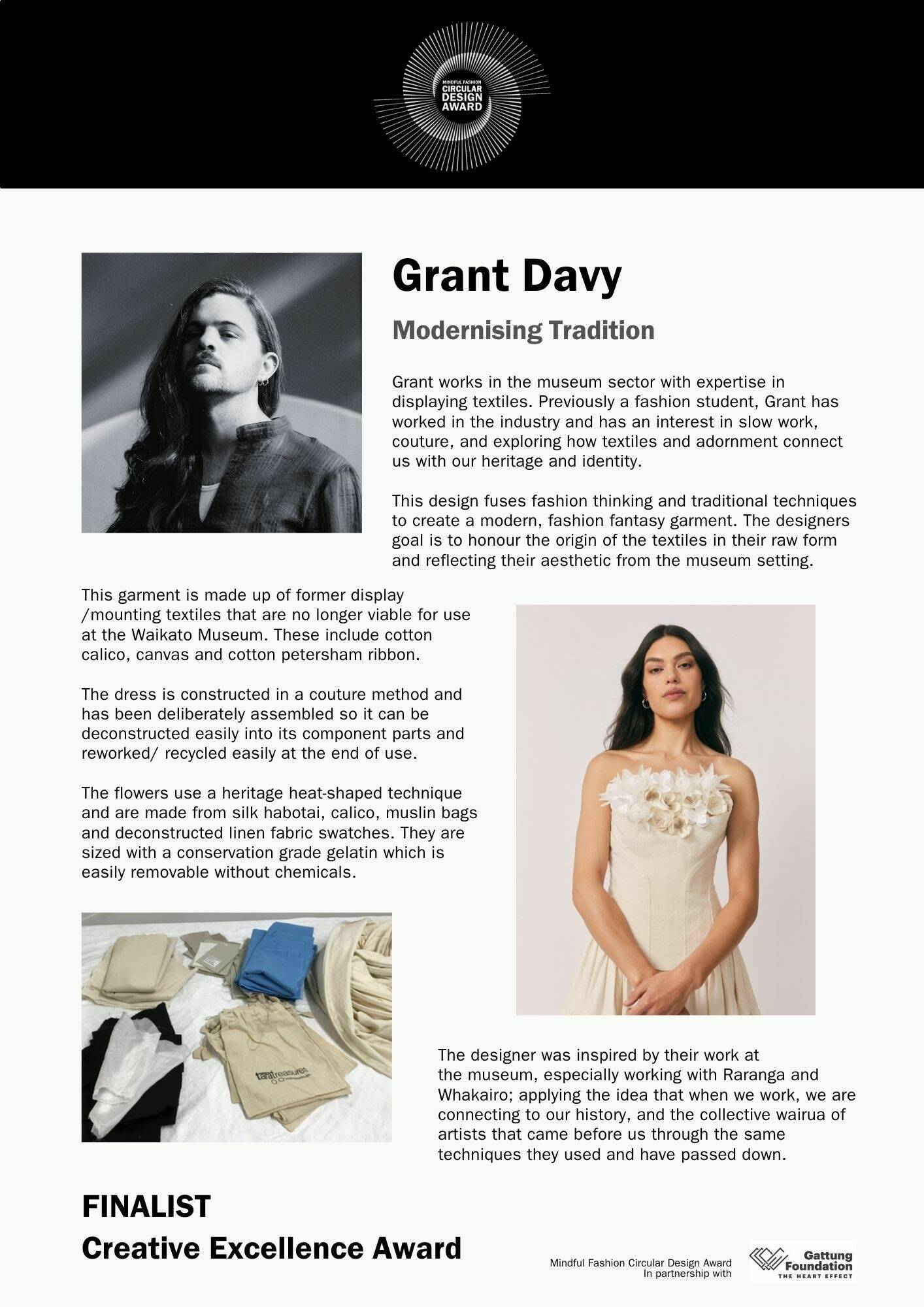
2024 Award Finalist: GRANT DAVY
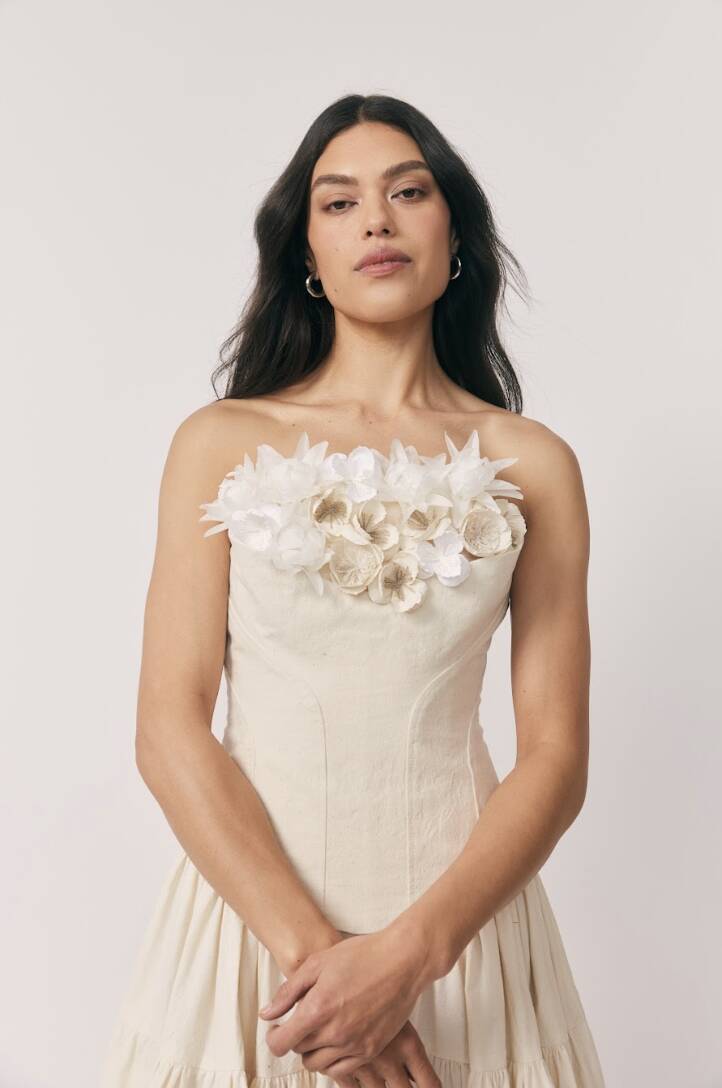
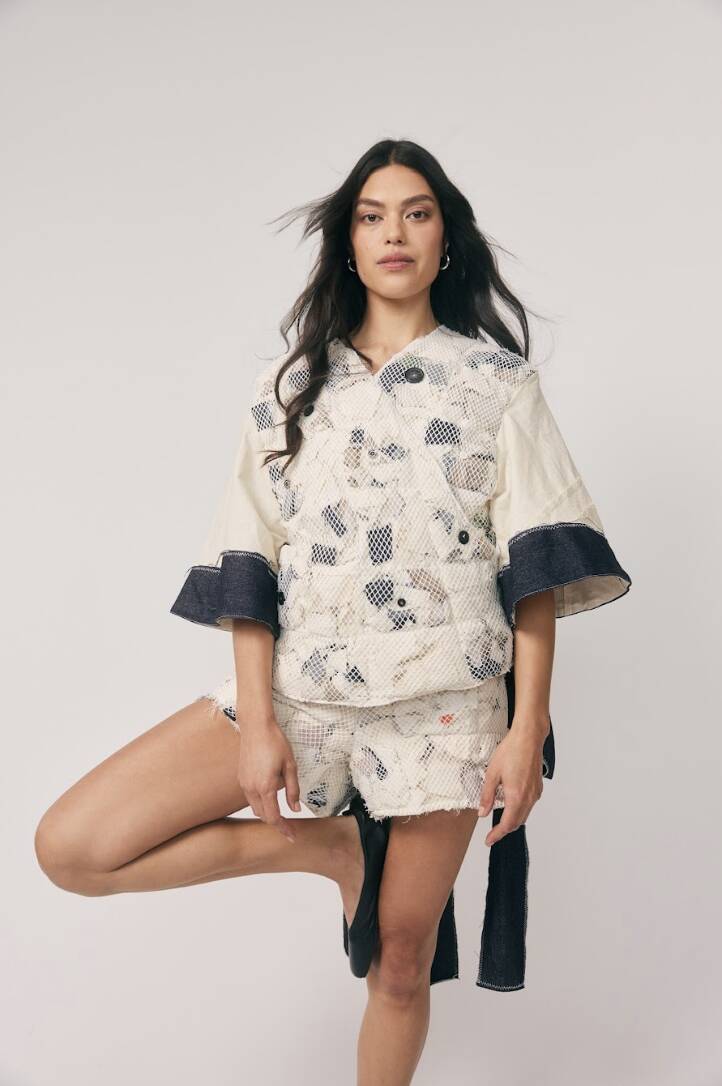
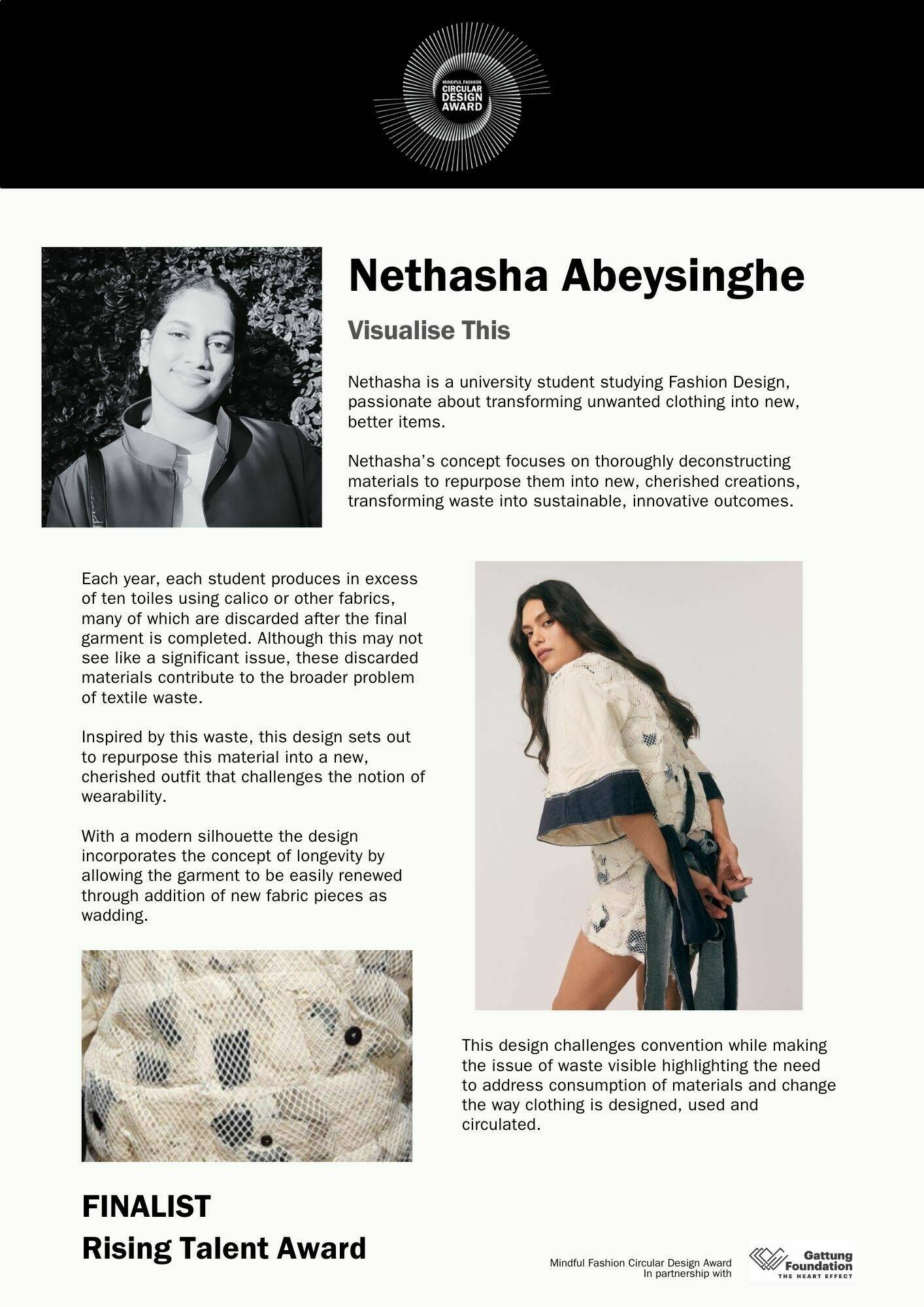
2024 Award Finalist: NETHASHA ABEYSINGHE

2024 Award Finalist: SALMA IBRAHIM-JERRYWO
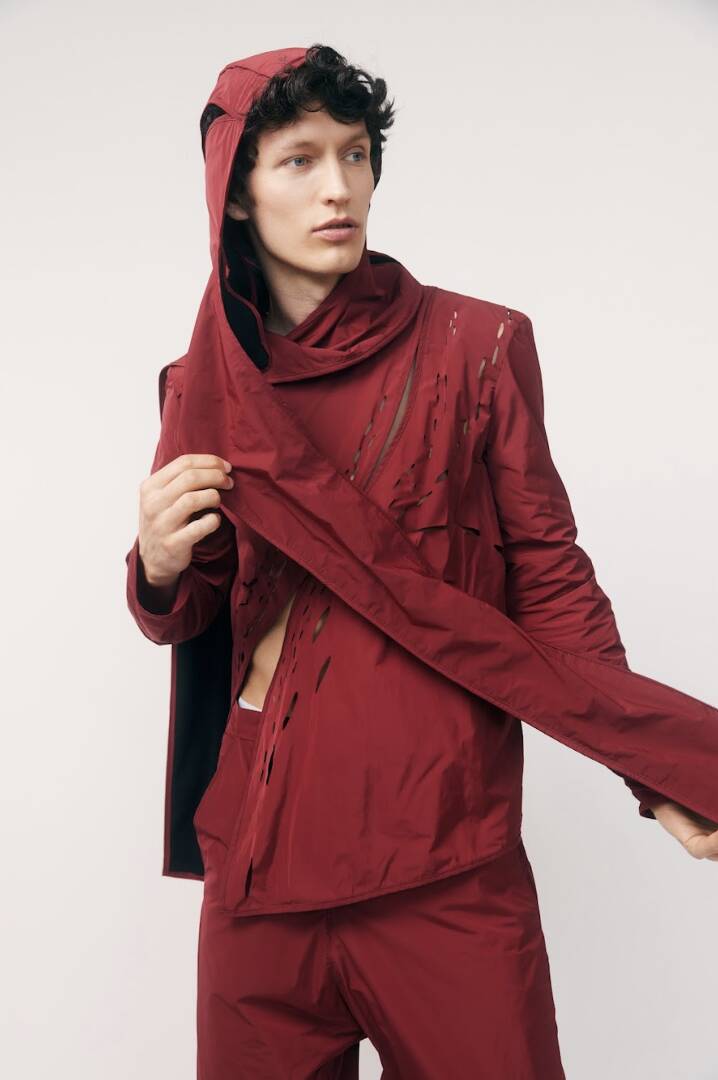
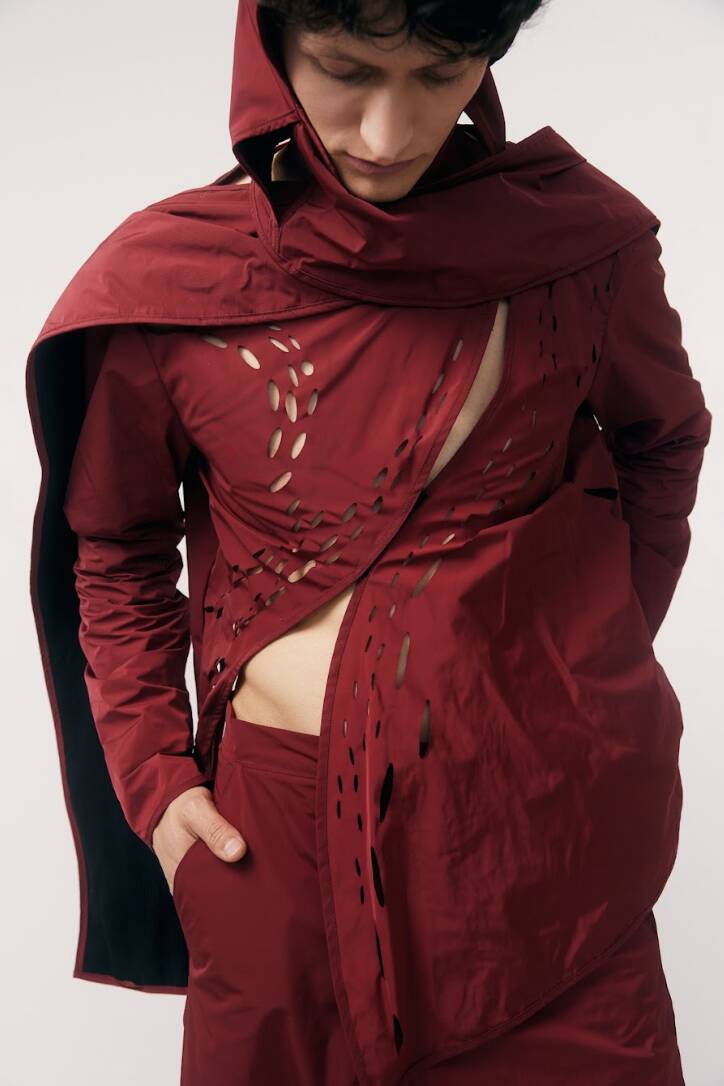
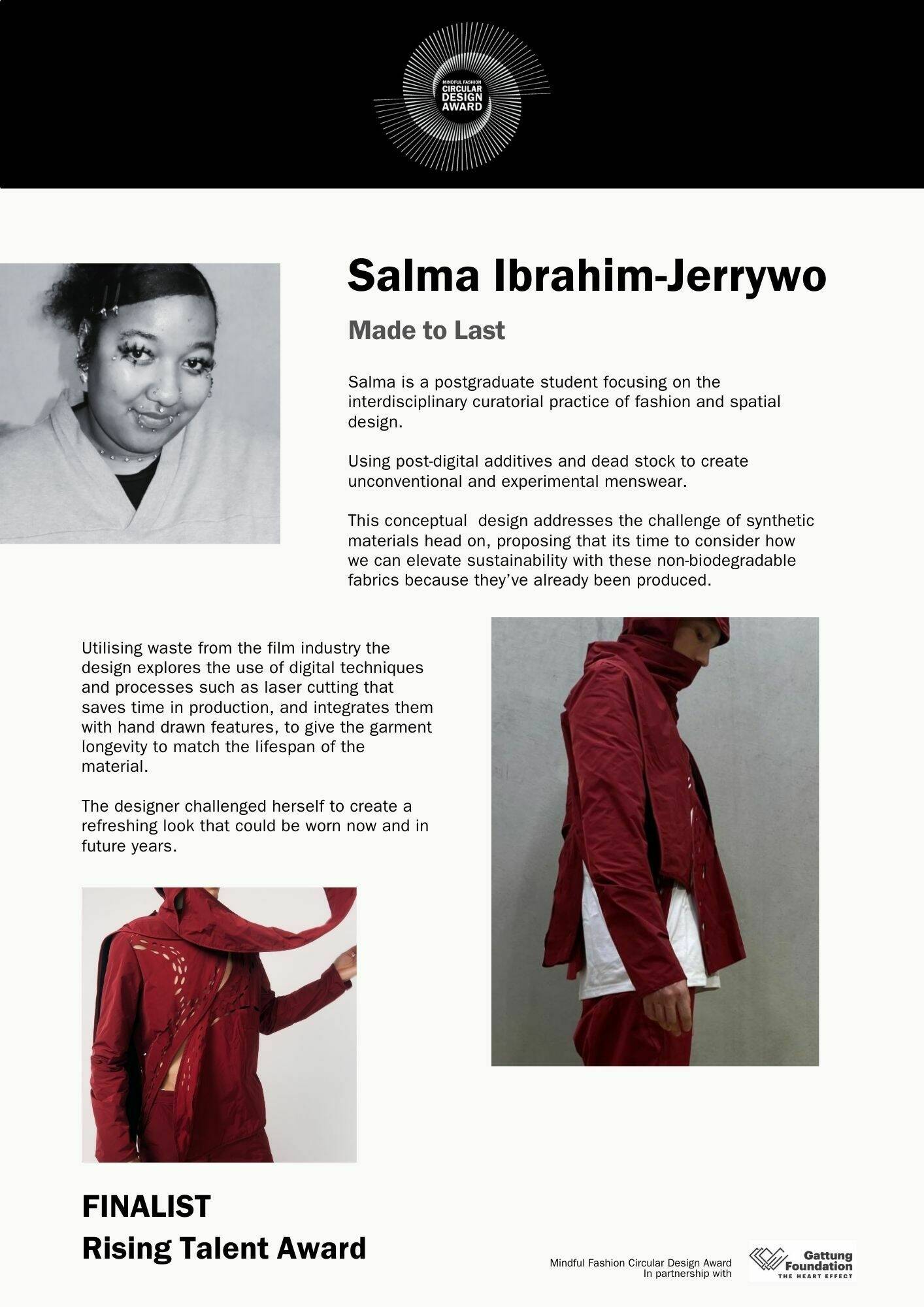
Lucianne Tonti

Lucianne Tonti is the fashion editor of The Saturday Paper, the sustainability editor at large for Elle Australia and a regular contributor to The Guardian where she writes the weekly series Closet Clinic.
Her award-winning book Sundressed: Natural Fibres and the Future of Fashion was published in 2022.
While living in Paris and London, she worked with some of the most talented creative directors in the world. In 2019 she founded a sustainable fashion agency in Paris, during the pandemic this transformed into Prelude, a website that was described by Vogue as “paving the way for a slower, gentler fashion industry.”
Lucianne is internationally recognised as an investigative fashion journalist and commentator. She has spoken about the future of the industry in New York, San Francisco, London, Paris,Stockholm, Oslo, Singapore, Sydney and Melbourne. Her work is focused on providing hopeful, nature-based solutions to complex problems while holding the industry to account. Her writing also appears in Australian Vogue and The Sydney Morning Herald and she is a regular guest onABC radio.
Dylan Mulder

Dylan is an award winning designer who operates at the forefront of innovative technologies, materials and processes. Passionate about costume design and industrial design, Dylan works with creative companies and established individuals to provide innovative design solutions through 3d modelling through his consultancy Mulder.
In 2024 Dylan alongside Juliette Thompson claimed second place in the WoW Aotearoa Section for their garment ‘WeAR History’ ! The entire piece was created using 100% traceable wool sourced from Tairāwhiti farms through Wisewool, beautifully showcasing the blend of strong wool and innovative sustainable fashion.
Pushing the boundaries of what wool can achieve, the design used cutting-edge Augmented Reality, to allow viewers to trace the wool from the stage right back to the farm, blending technology and tradition.
Dylan often prototypes new design thinking through the World of Wearable Art competition and loves pioneering applied innovation whenever possible. Dylan brings creative and innovative expertise and we are thrilled to have him join our judging panel!
Capturing the essence of our partnership with Whakatupu Aotearoa Foundation
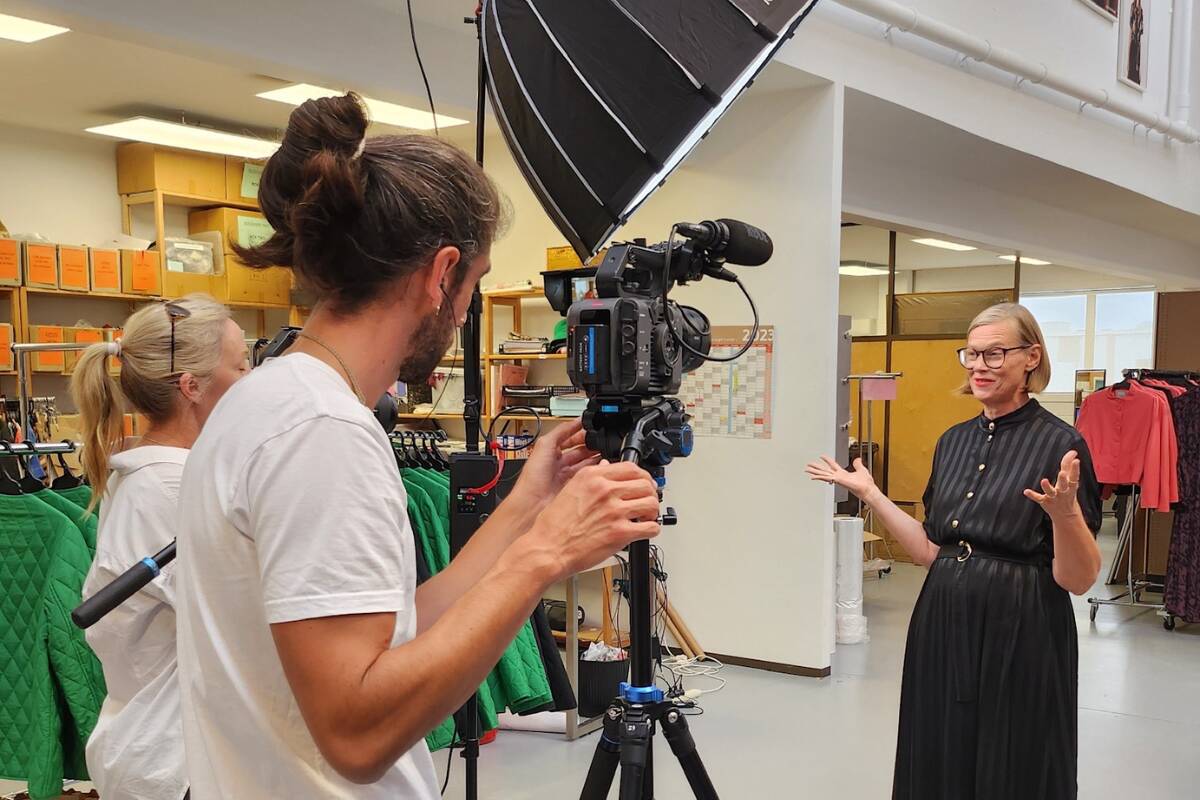
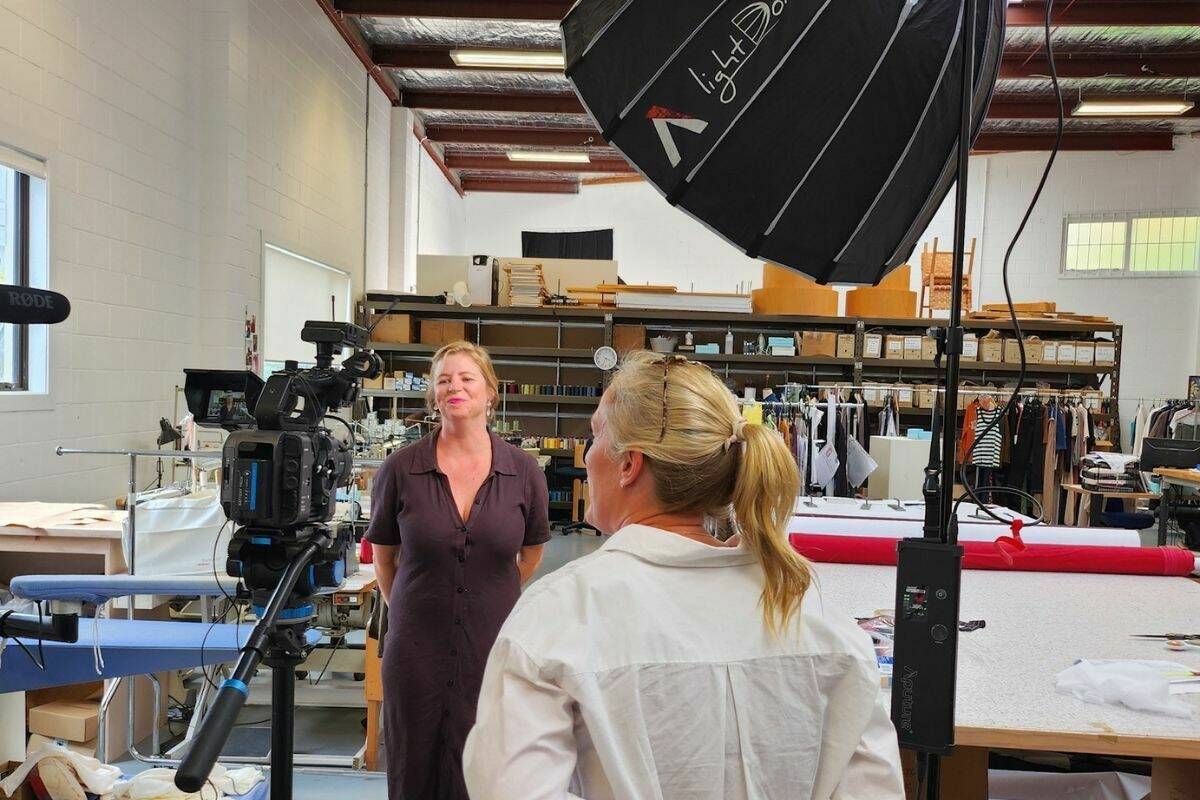
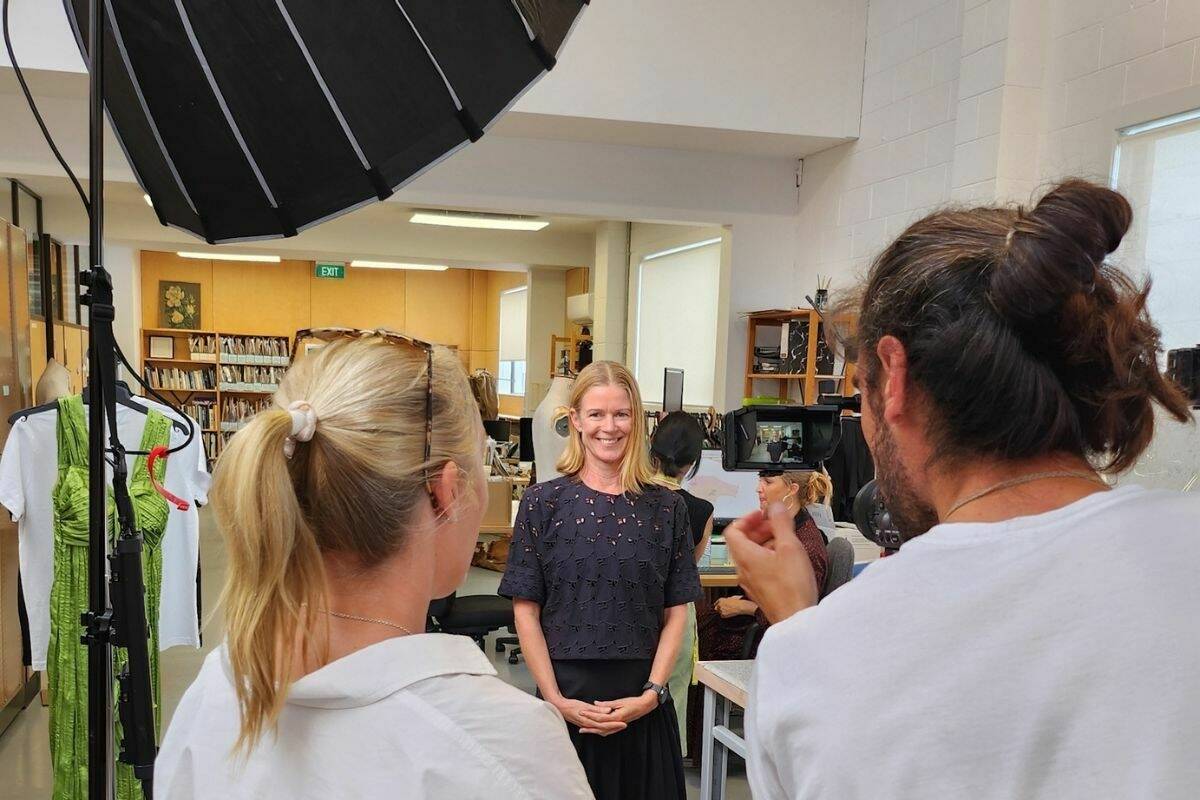
July 2024
Whakatupu Aotearoa Foundation has been an instrumental part of our journey at Fashion & Textiles - we wouldn't have been able to do what we've done without their support, and we are incredibly grateful they believed in our vision and purpose from the start.
Whakatupu shares our vision for a thriving Aotearoa for people, nature and business. Its commitment to fostering sustainable outcomes and regenerative practices in Aotearoa is well aligned with our mission at Fashion & Textiles to unite the New Zealand clothing and textile industry and create an innovative, full-circle and thriving future.
It was a pleasure to work alongside Beth and Yii from Whakatupu to tell our story, and be able to share this with the world. They have captured founders Emily Miller-Sharma and Kate Sylvester sharing why Fashion & Textiles began and Chief Executive Jacinta FitzGerald talking about our vision for the future of fashion in Aotearoa New Zealand.
Thank you Whakatupu Aotearoa Foundation for capturing our story, we are proud to walk alongside you to help bring our vision to life.
Find out more about the work Whakatupu does to restore a thriving Aotearoa here.
Watch the video clip here.
Sandra Tupu

Sandra is an award-winning fashion and costume designer. Her brand Flying Fox Clothing specialises in artisan pieces, small capsule collections and costume design, often utilising textile waste. Flying Fox showed at NZFW in 2023. Alongside her brand, Sandra works in tertiary fashion education at AUT - Auckland University of Technology.
Sandra is running a workshop for entrants on Cultural Connection & Working with the Indigenous Design Charter.
2024 | Creative & Commercial Design
Wednesday 17 July | 12.00 pm - 1.00 pm
Join our series of workshops guided by Fashion & Textiles alongside industry and knowledge partners to explore the principles of a circular and regenerative economy, with tools and strategies that can drive innovation.
What we will cover:
- Creating a resolved design
- Considerations to elevate your design, especially when working with waste material
- Designing for your wearer / intended market
- Commercial appeal and wearability considerations
- Creating the WOW factor
Guides:
Deanna Didovich - Creative Director RUBY Apparel
Dan Ahwa - Creative & Fashion Director VIVA

2024 | Cultural Connection & Indigenous Design Charter
Tuesday 23 July | 12.00 pm - 1.00 pm
Design curiosity comes from many spaces. When inspired by a culture other than your own, being respectful & authentic in how you incorporate this into your design practice is important.
Learn from Sandra's mahi in this space about a circular way of connecting and building authentic & meaningful relationships.
Through this session Sandra introduces you to the ‘International Indigenous Design Charter’, a best practice tool for responsibly sharing Indigenous peoples’ knowledge.
Guide:
Sandra Tupu - Founder, Designer and Educator, Flying Fox Clothing

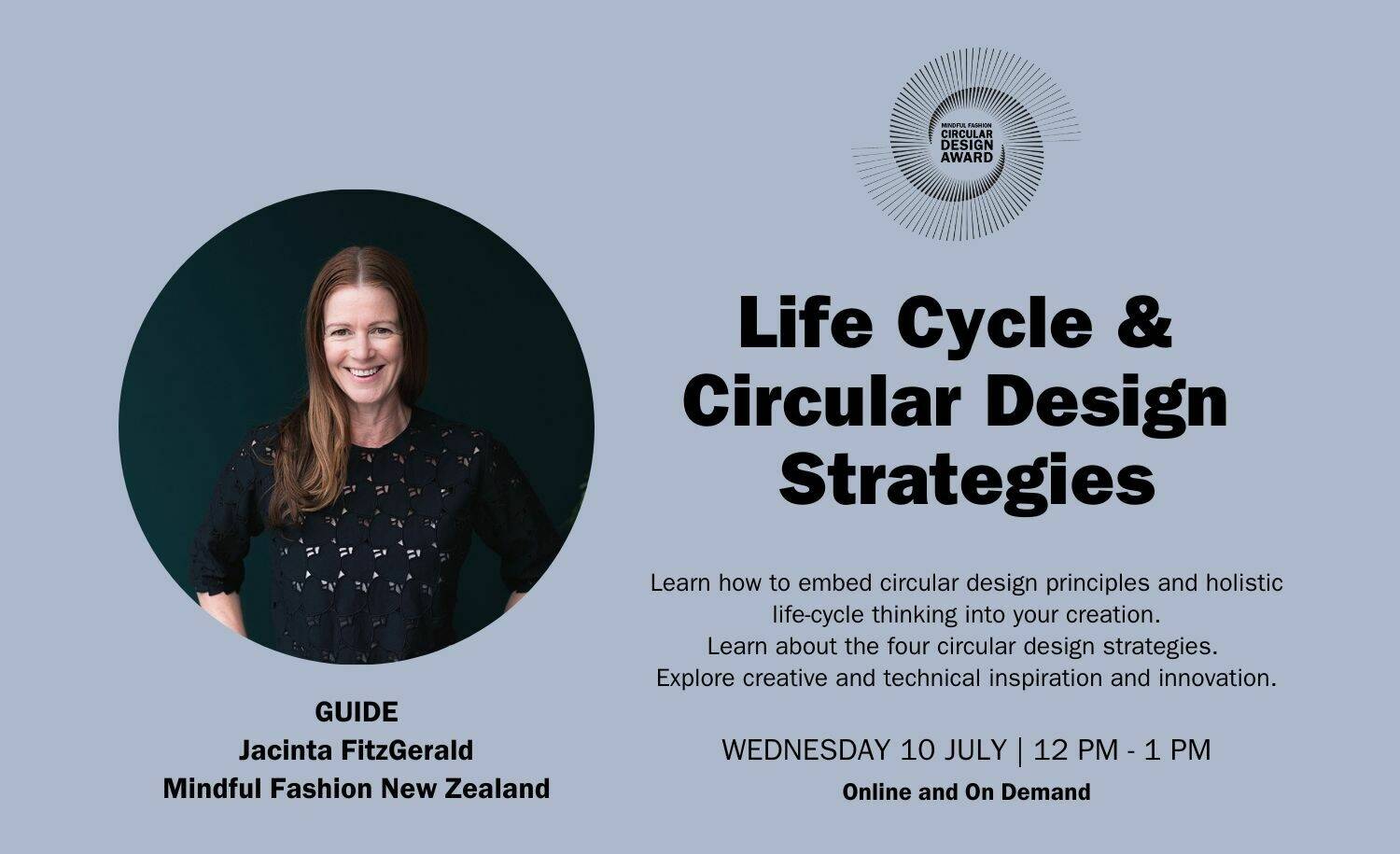
2024 | Life Cycle Design & Circular Design Strategies
Learn how to embed circular design principles and holistic life-cycle and systems thinking into your creation.
Watch on-demand
As part of the design process, entrants to the Circular Design Award are challenged to create a plan for the full life-cycle of their creation from cradle to cradle. We will explore ideas for how you might create benefits through your design, rather than further waste or pollution problems in the future. This way of thinking challenges you to consider your obligations and responsibilities as a good ancestor.
Learn about the four circular design strategies to incorporate across your outfit lifecycle:
Design for Low Waste
Design for Low-impact Materials and Processes
Design for Longevity
Design for Recyclability.
Explore creative and technical inspiration and innovation, and be inspired by others.
This stage of the learning journey will guide you to consider the full life cycle of your outfit from cradle to cradle.
Guide:
Jacinta FitzGerald, Fashion & Textiles
2023 | Workshop 1: Connection to Place
An introduction to the Circular Design Awards guiding principles of people, place and nature.
Friday 4 August | 11.30 am - 12.30 pm
At its core, the circular economy is about the interconnectedness of people and the natural world, linked by spirals of continuous regeneration. This holistic way of thinking is intrinsic to indigenous knowledge and has long been found in the Māori and Pasifika cultures of Aotearoa and the Pacific Islands.
Learn about the core concepts of circular and regenerative thinking from a place-based perspective. Explore concepts of mātauranga Māori and Te Ao Māori, and explore what local systems that circulate and regenerate could look like.
Build an understanding of how to anchor your entry in the Awards to place, how to approach creating your own circular ecosystem and start to navigate the provenance journey of your entry.
This stage of the learning journey will guide you to explore how to connect your entry to place. It will include both a presentation component and a discussion element to give attendees space to build a greater understanding of the theme.
Guide:
Johnnie Freeland, Ngaati Te Ata Waiohua, Ngai Tūhoe
Responsible Sourcing and Forest Stewardship with Forest Stewardship Council
June 2024
In June, our CE Jacinta FitzGerald was invited to speak at the FSC Fashion Roundtable in Auckland, about the NZ fashion and textiles industry and the work we are doing at Fashion & Textiles New Zealand advocating for a circular and thriving industry.
Forests and Fashion
Man-made cellulosic fibres (MMCFs - viscose, acetate, lyocell) are the fastest-growing segment in global fibre production. However, a significant portion of MMCFs is sourced from uncertified forests, exposing them to deforestation and illegal logging.
Moreover, while these fibres made up only 7.3% of global fibre consumption in 2022, we will need a further 15 million hectares globally to meet the increased demand for wood-based materials in the coming years.
Sustainable Sourcing
The importance of sourcing from sustainable forestry for wood-based products is clear.
The Forest Stewardship Council (FSC) ensures sustainable forestry, prioritising wildlife protection, community rights, and worker well-being in the supply chains of forest-based products.Sustainable sourcing begins at the forest level.
FSC certification also works to protect biodiversity and has the highest requirements for biodiversity protection currently available for commercial forestry. Forest managers must protect rare, threatened, or endangered species and critical ecosystem services.
A central aspect of FSC involves ensuring a regenerative supply, which is key to enabling a circular economy. Moreover, the FSC Recycled label signifies that a product is crafted from 100% recycled or reclaimed materials, actively contributing to the circular economy.
It's imperative that the fashion industry sources its wood based materials from certified sustainable sources. Fashion brands can sign up to the Fashion Forever Green Pact to start the journey to move to sustainably sourced wood-based products including MMCF's.
Image: © FSC / Bablu Singh
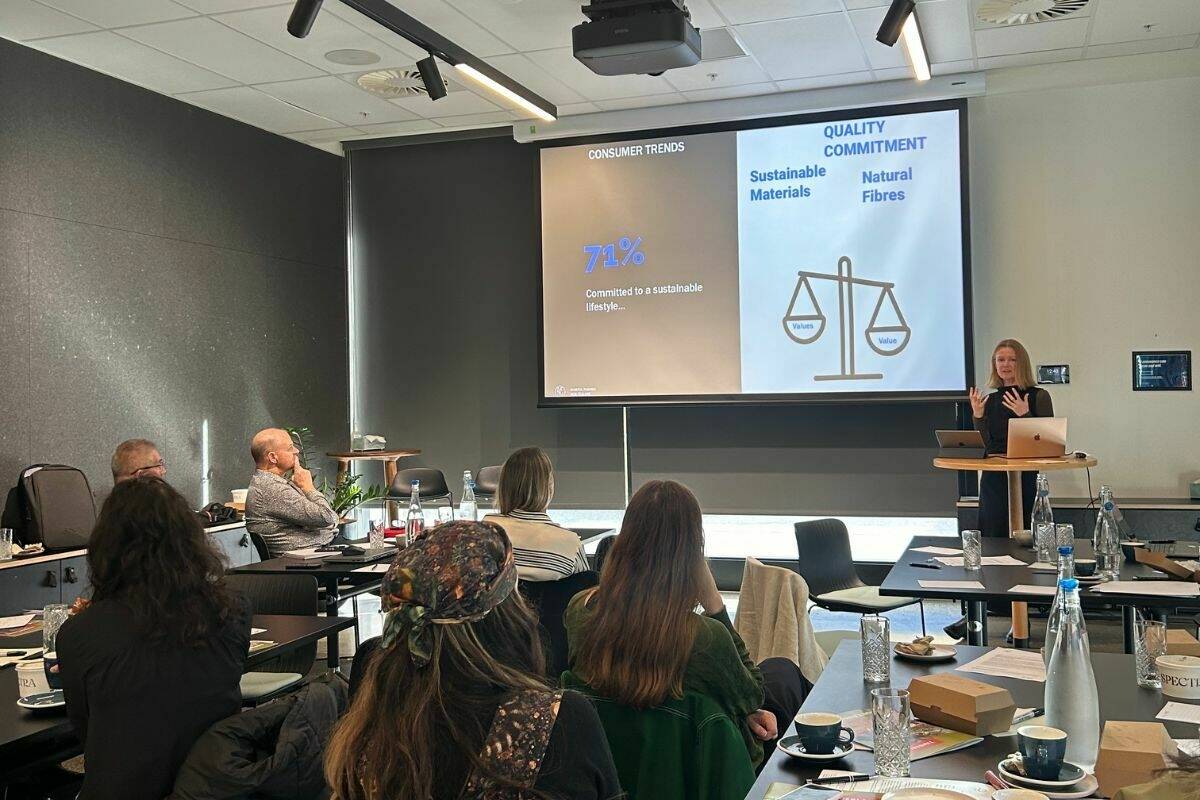
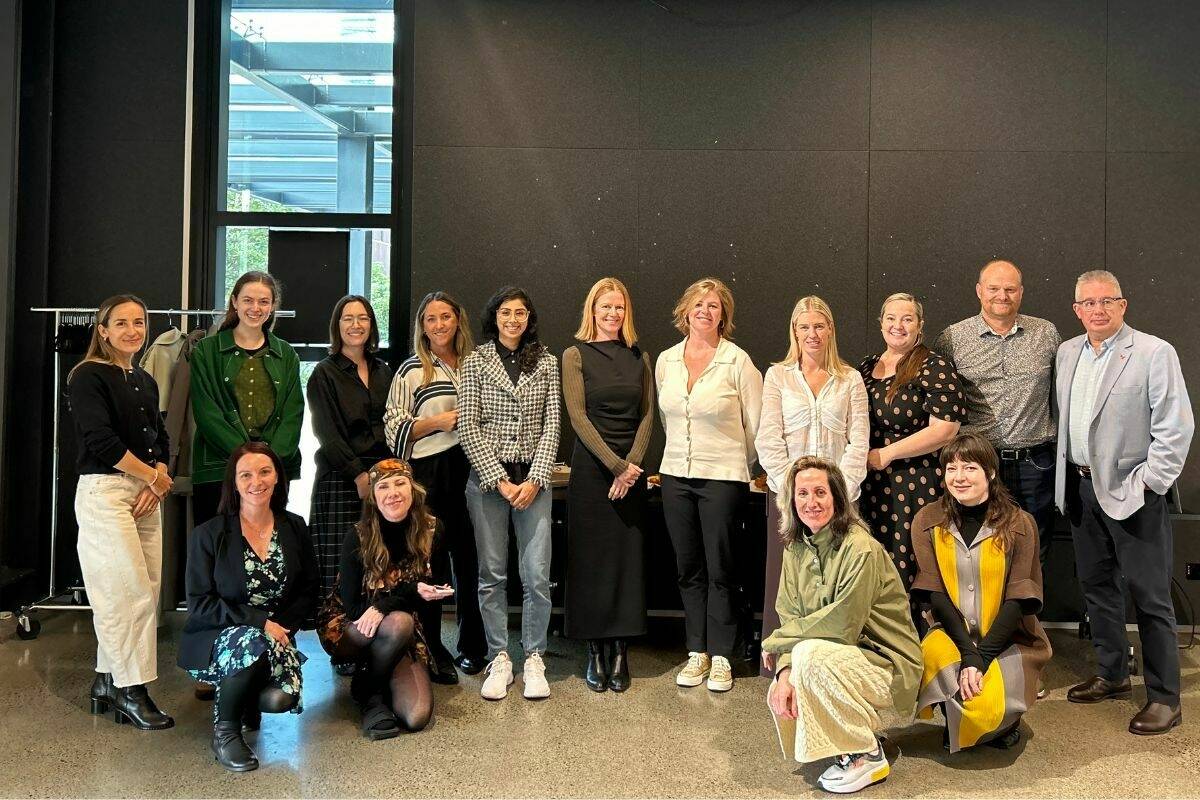
2023 | Workshop 2: Circular Design Strategies
Learn how to embed circular design principles and holistic life-cycle and systems thinking into your creation.
Friday 11 August | 11 am - 12 pm
As part of the design process, entrants to the Circular Design Award are challenged to create a plan for the full life-cycle of their creation from cradle to cradle. We will explore ideas for how you might create benefits through your design, rather than further waste or pollution problems in the future. This way of thinking challenges you to consider your obligations and responsibilities as a good ancestor.
Learn about the four circular design strategies to incorporate across your outfits lifecycle:
Design for Low Waste
Design for Low-impact Materials and Processes
Design for Longevity
Design for Recyclability.
Explore creative and technical inspiration and innovation, and be inspired by others.
This stage of the learning journey will guide you to consider the full life cycle of your outfit from cradle to cradle.
Guide:
Jacinta FitzGerald, Fashion & Textiles
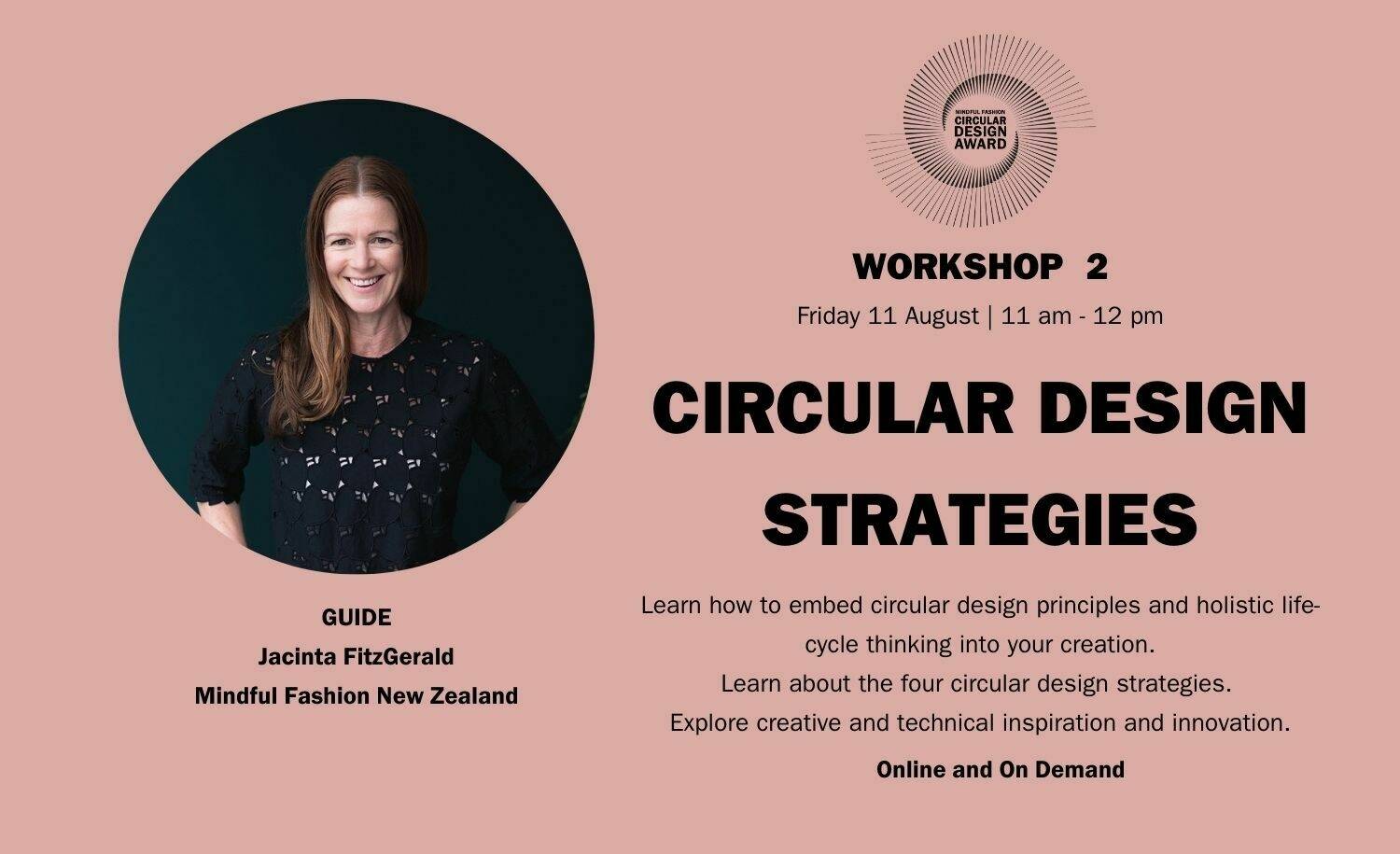
2023 | Workshop 3: Working with Waste
Learn from the experts how to work with waste textiles.
Monday 14 August | 11 am - 12 pm
Build your knowledge on accessing waste textiles, what to look for when sourcing, where to find useful supplies and how to identify waste streams.
Understand what techniques and processes work, what pitfalls to look out for, what the challenges are and where there are opportunities to add value.
This stage of the learning journey will guide you through the complexities of working with waste textiles.
Guide:
Samantha Jones, Little Yellow Bird
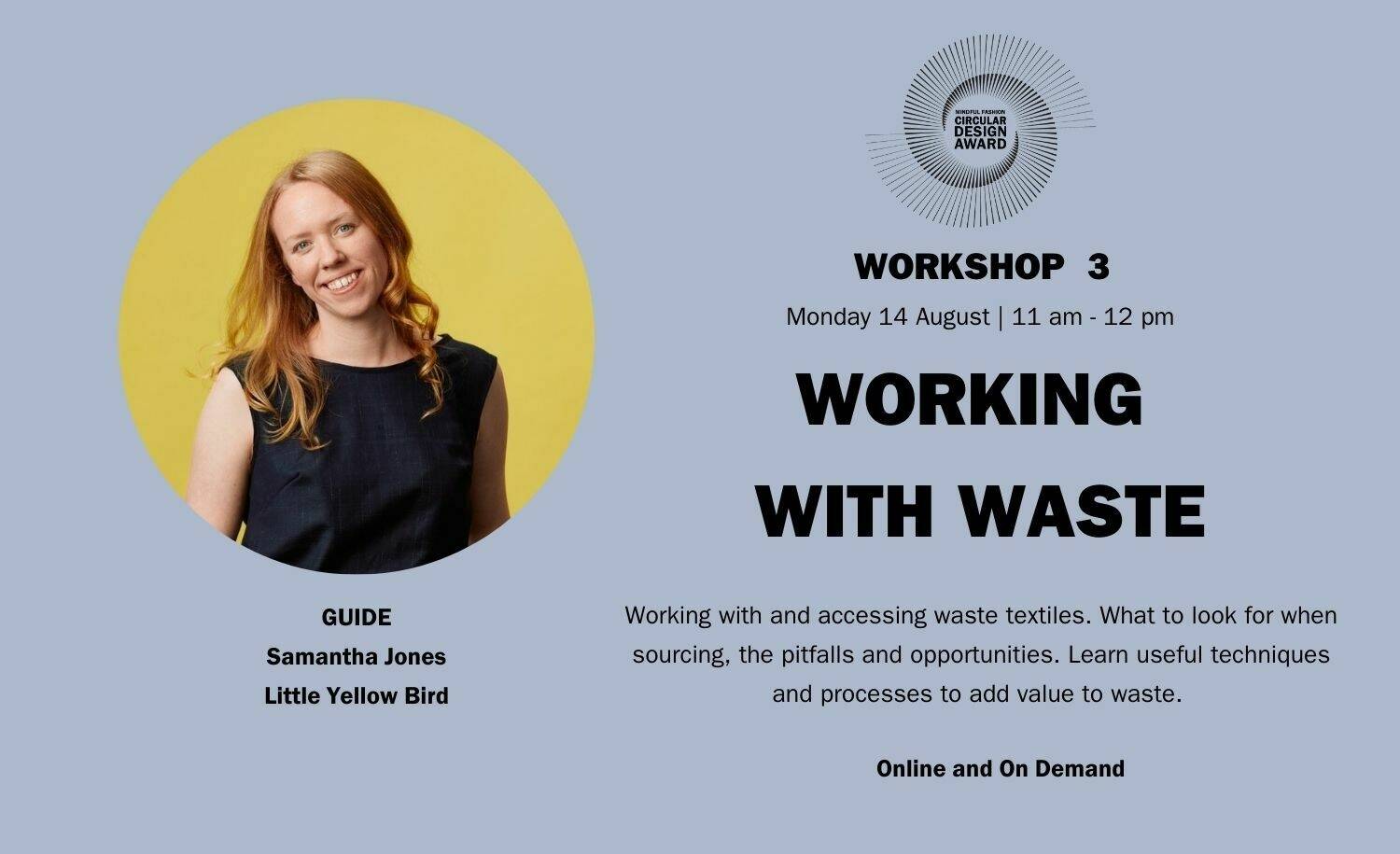
Fashion & Textiles AGM 2024
June 2024
The Fashion & Textiles team along with our community of members, partners and supporters from across the fashion and textiles ecosystem in Aotearoa New Zealand gathered together for our 5th AGM on the 11th of June 2024, hosted by Fashion & Textiles in Grey Lynn.
This is a huge milestone for our organisation and we are grateful for the support of all those who joined us in person and online. We shared what we've done over the last 12 months and our exciting plans for the future. With such great support from the industry and wider business community we are looking forward to working with our community to take the actions in Threads of Tomorrow Industry report forward and create an industry where business, people and nature all thrive.
Our Impact FY24
Our Chief Executive Jacinta FitzGerald reiterated that Fashion & Textiles is a platform for the NZ industry to come together and collaborate on some of its most pressing challenges, so that it can not only survive, but thrive. Jacinta shared 3 major achievements for Fashion & Textiles over the last twelve months:
- Roadmap for Change - Threads of Tomorrow Industry report on value and pathways to a thriving future.
- Advancing a Circular Fashion ecosystem - through launching the Fashion & Textiles Circular Design Awards and educating on designing for the circular economy.
- Future workforce and skills development - qualification development with Hanga Aro Rau.
Read more in our FY24 Impact report.
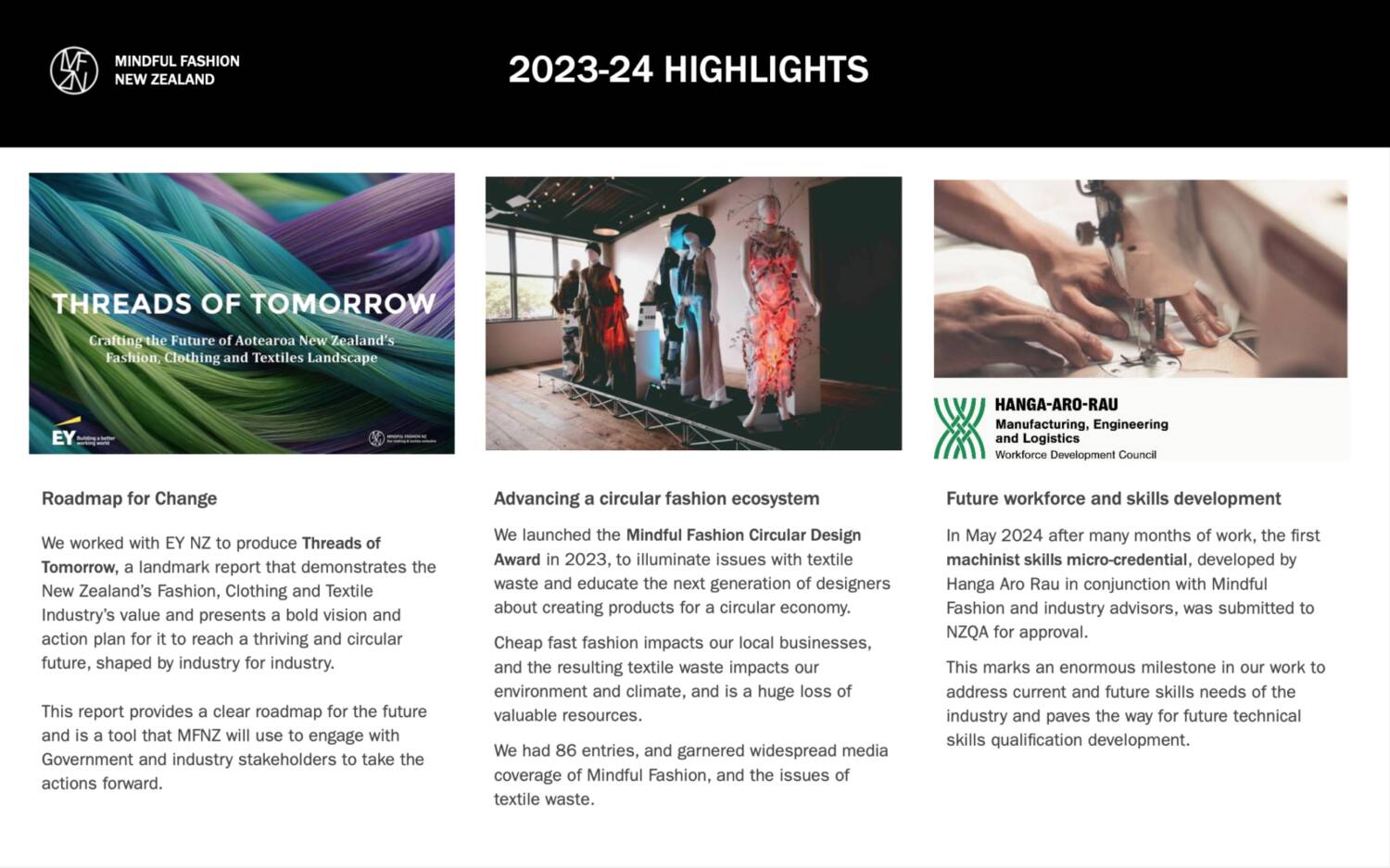
Welcome new Board members
- Juliette Hogan has been re-elected to the Board, and has been confirmed as Chair for the next 12 months.
- Sandra Tupu has been elected to the Board. Sandra is an award winning fashion designer, runs brand Flying Fox Clothing and works in tertiary fashion education at AUT - Auckland University of Technology.
- Paw Lowe has been elected to the Board. Pam is the CEO of Wellington based underwear brand Nisa.
In Conversation
Dan Ahwa and Zoe Walker Awha
The evening culminated in a fantastic conversation between respected NZ journalists Dan Ahwa, Creative and Fashion Editor at NZ Herald VIVA, and Zoe Walker Ahwa, editor and co-founder of Ensemble Magazine and Style Editor at Stuff, who shared their views on the role of media and the state of fashion in Aotearoa.
We came away buoyed by the energy in the room and the growing interest from businesses and organisations in NZ's fashion, clothing and textile industry to join our collective and work together to build a thriving future.
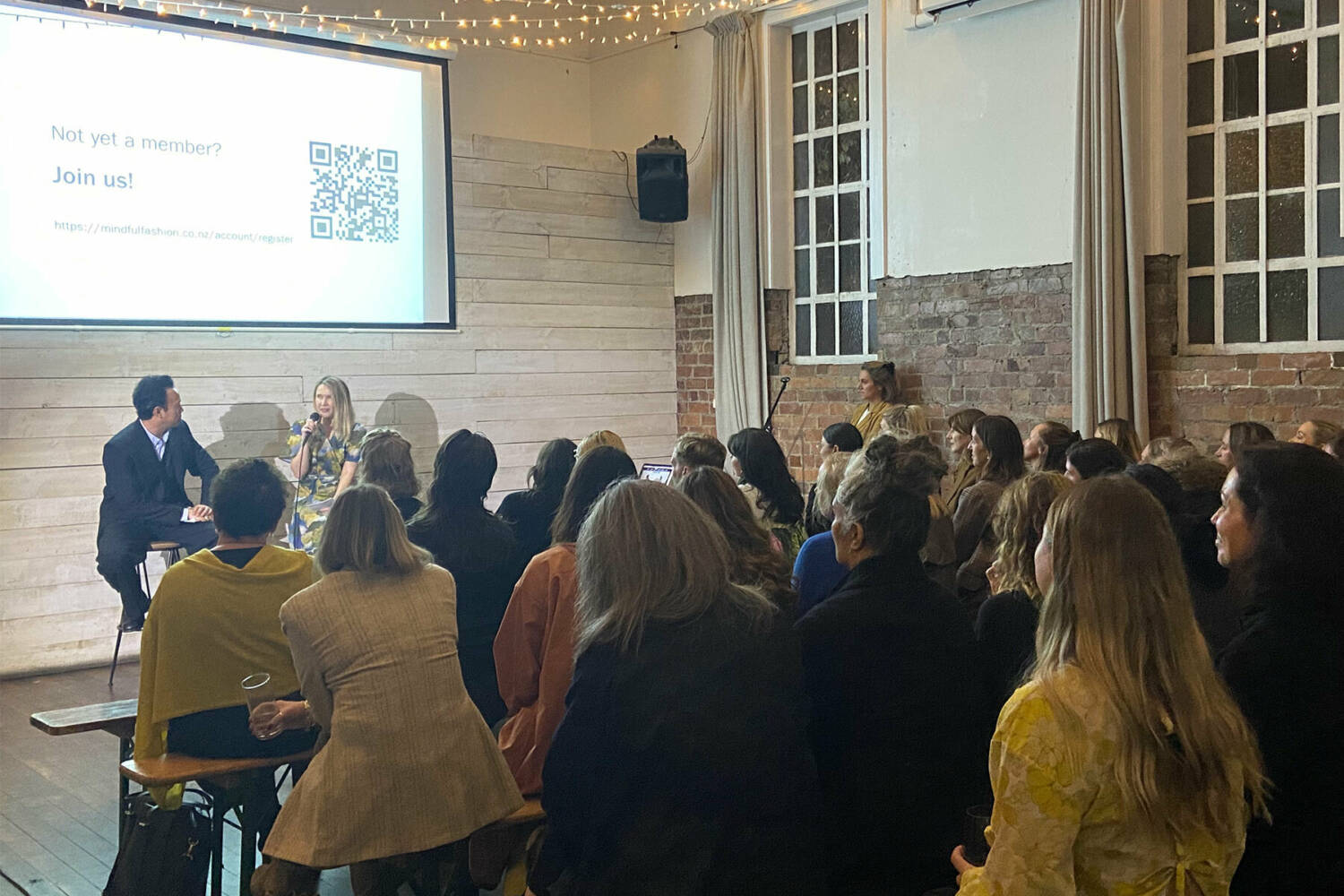


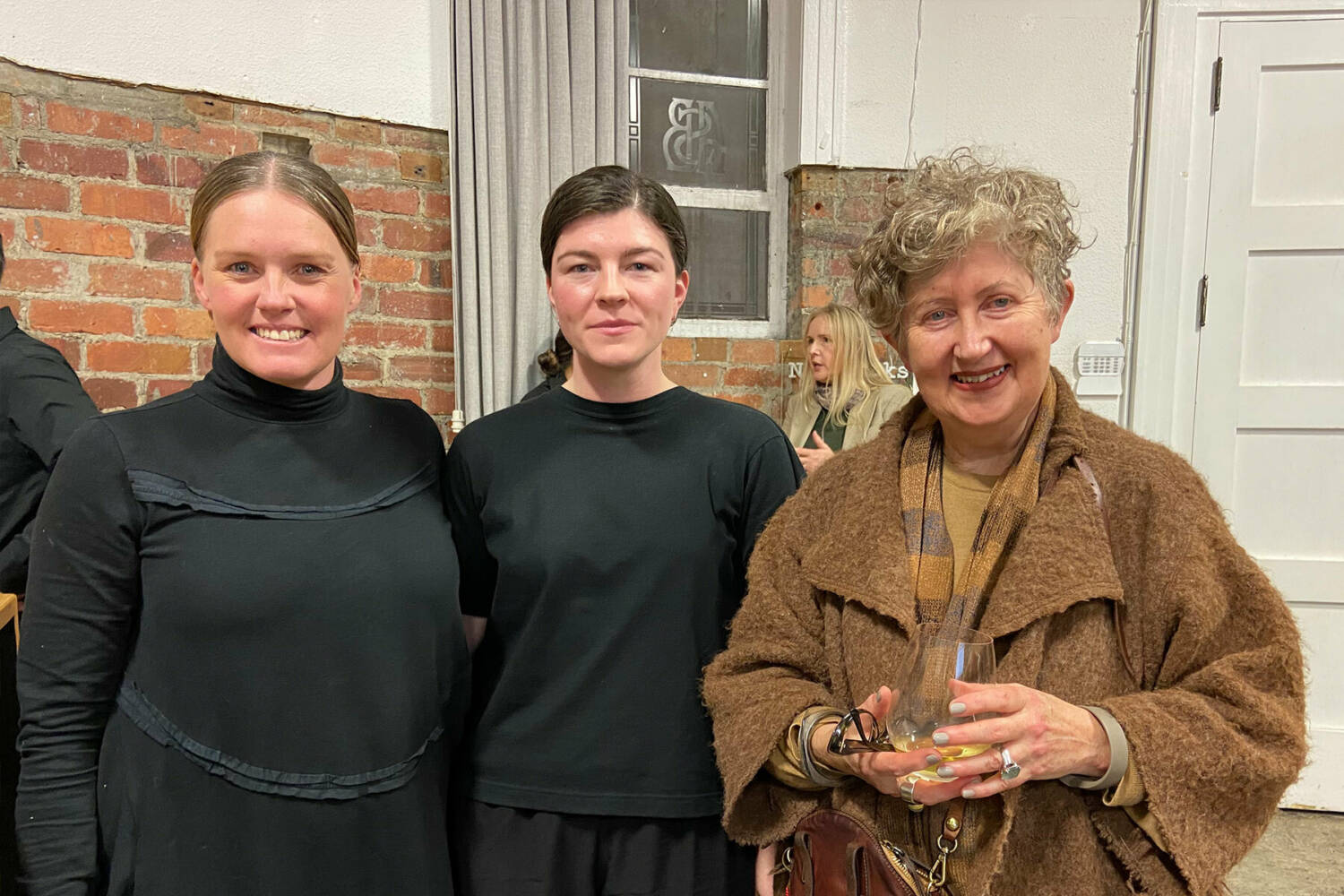
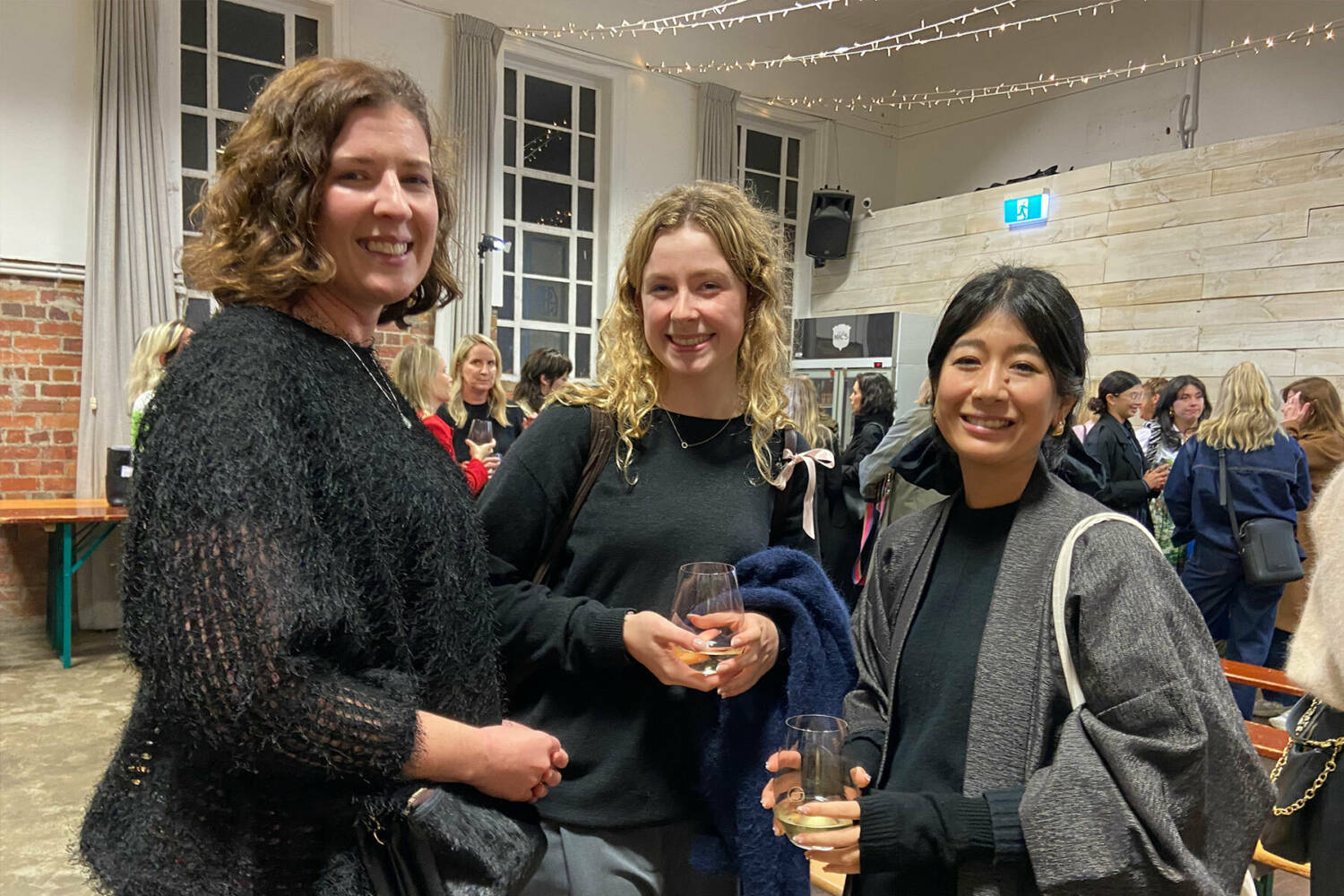
What the fashion and textiles industry is worth to the New Zealand economy
May 2024
Aimee Shaw from The Press reports on the significant value and contribution of Aotearoa's clothing and textile industry and speaks to industry leaders about the challenges and opportunities uncovered in Threads of Tomorrow.
Fashion & Textiles’s ‘Threads of Tomorrow’ report stated that, despite deregulation causing the closure of many local manufacturers over the last 40 years as it became cheaper to import finished product, the industry had adapted but was now at a place where it needed support from government and new policies to remain competitive.
Fast fashion and the mass waste it creates is a growing concern for those in the industry, according to the report and Fashion & Textiles is calling on the government to engage on its recommendations to address the issue, and endorse its efforts to stimulate significant economic activity and help fill critical skill shortages in production that enable designers to experiment.
“Fashion is notoriously known for the waste it contributes and there’s a huge amount of work that we can be doing in that space and I’d love to see New Zealand at the forefront of leading change,” said Hogan, whose garments are worn by the likes of former prime minister Jacinda Ardern.
“We want to want to work with the government on solutions for New Zealand because it needs to be addressed as textile waste is only getting bigger,” Fashion & Textiles Chief Executive Jacinta Fitzgerald said.
“We produce some of the best fibre in the world, produce really high-quality garments and have some of the most well-known and sustainable brands in the world. There’s a huge opportunity for this industry to contribute more to New Zealand with the right framework in place to grow jobs and economic contribution.”
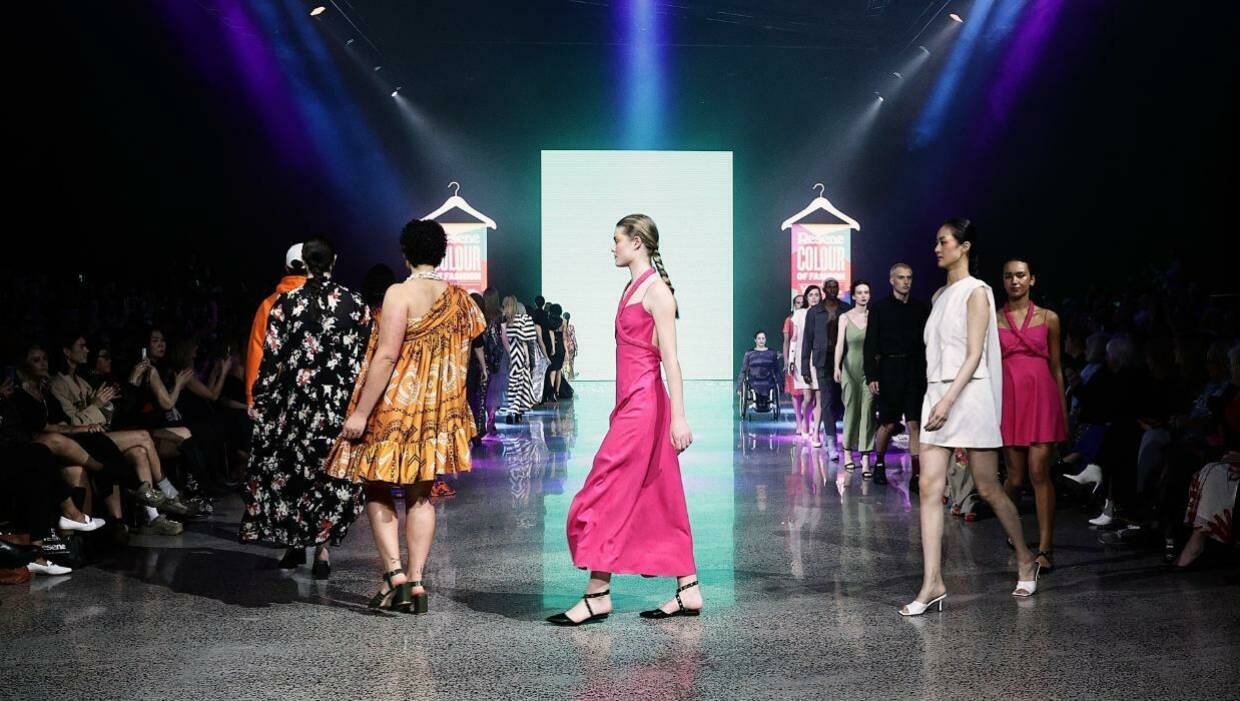
DAVE ROWLAND / GETTY IMAGES FOR NZFW
Fashion & Textiles report into state of NZ's fashion industry
"A lot of opportunity in trade": Fashion & Textiles reports on state of NZ's fashion industry
Fashion & Textiles Chief Executive Jacinta Fitzgerald tells Mike Hosking the industry spans a complex ecosystem of businesses from textiles through to design, manufacturing, retailing, education and media.
Threads of Tomorrow, a report commissioned by Fashion & Textiles looks into the economic and cultural contributions of the industry and found that last year, the sector added 7.8 billion to the economy, paid 4.4 billion in wages and contributed 1.9 percent to GDP.
There are calls for the Government to engage with the sector.
Listen here.
James Griffin

James has been leading SBN’s work to accelerate the circular economy in New Zealand since 2014. He has extensive commercial experience, having worked in large corporates in Europe and SME's in Aotearoa, and owned his own business. His passion for a circular economy can be traced back to his study of Economics at High School where he came across the concept of built-in obsolescence – which he views as a scandalous business strategy.
2023 Award Winner: KATHERINE CHOW

Transformation, renewal, connection
Winner: Award for Excellence from a Rising Talent
Transformation, renewal, connection breathes modernity and new life into obsolete parachutes.
Repurposed parachutes sourced from a local business offer a tangible example of sustainable innovation.
This parachute was considered waste due to wear and tear, fabric ageing, and environmental exposure, factors which affect the usability and safety of the parachute for its intended use. However the fabric is still strong and usable for other purposes.



Katherine’s outfit draws inspiration from the relentless athletes who redefine the limits of human potential, and the urgent need to repurpose and conserve. It seeks to celebrate and strengthen the bond between the land, the people, and the materials that have been given new life.
Through repurposing this technical material, the outfit aims to infuse a sense of the thrill experienced by extreme athletes into the garment.
It also serves as a reminder for those who wear and witness the pieces to be inspired to move towards responsible fashion practices and to respect and preserve the land.
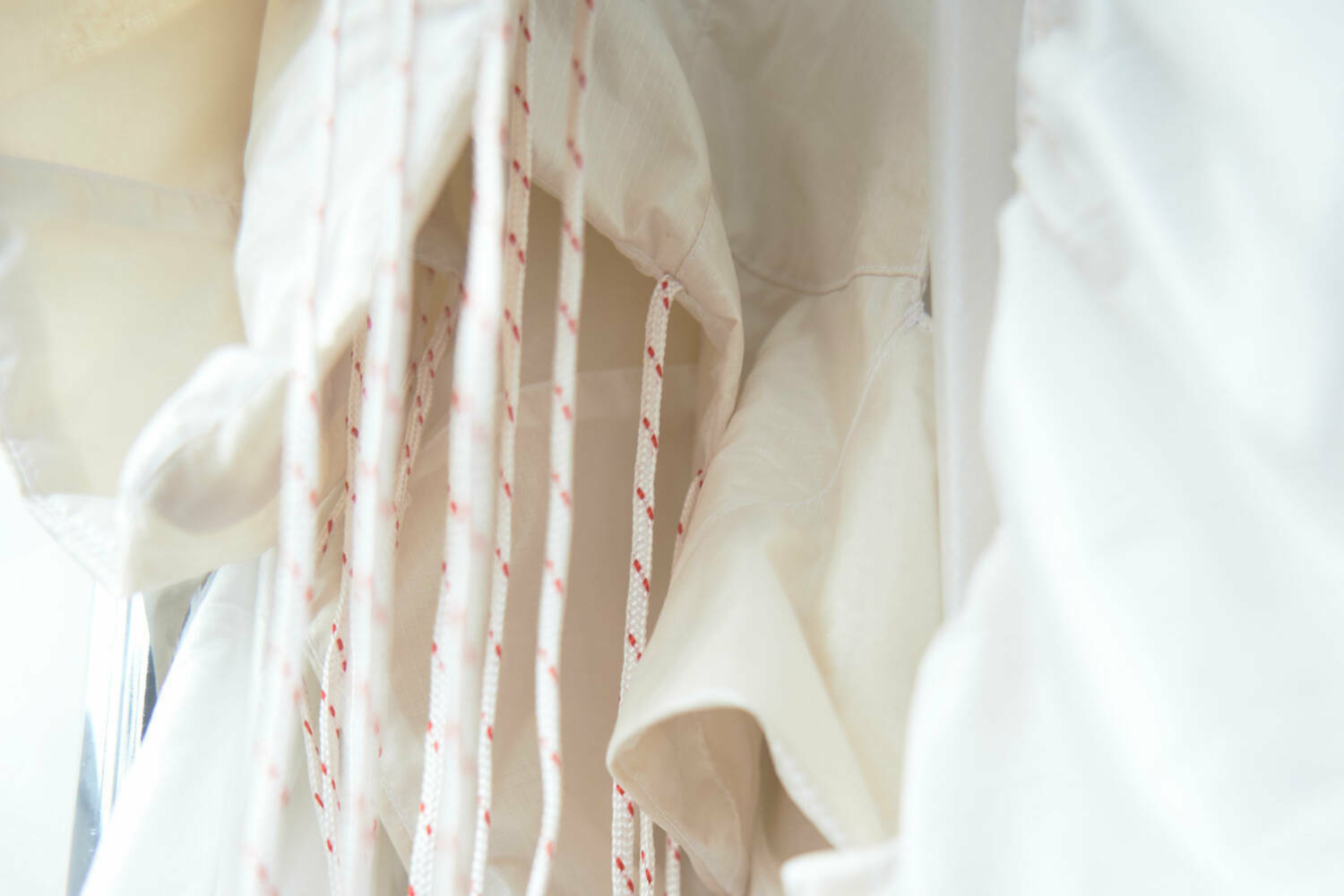
Designed for low waste during construction, the repurposed parachute materials can also be recycled into new textile products at the end of this stage of their life.
The outfit’s multifunctional details symbolise the ever changing elements in nature, capturing the essence of uniqueness and creativity. These features give the outfit longevity and help to form a closer personal connection with the wearer.
Creation of the outfit is a collaborative endeavour that involves not just the designer but also local businesses and the wearer, sharing in the vision of sustainability.
The judges loved the innovative choice of material, and highlighted the clever way the design referenced its first life. The versatility of the garment gave it strong appeal.
2023 Award Winner: WILLIAM FITZGERALD
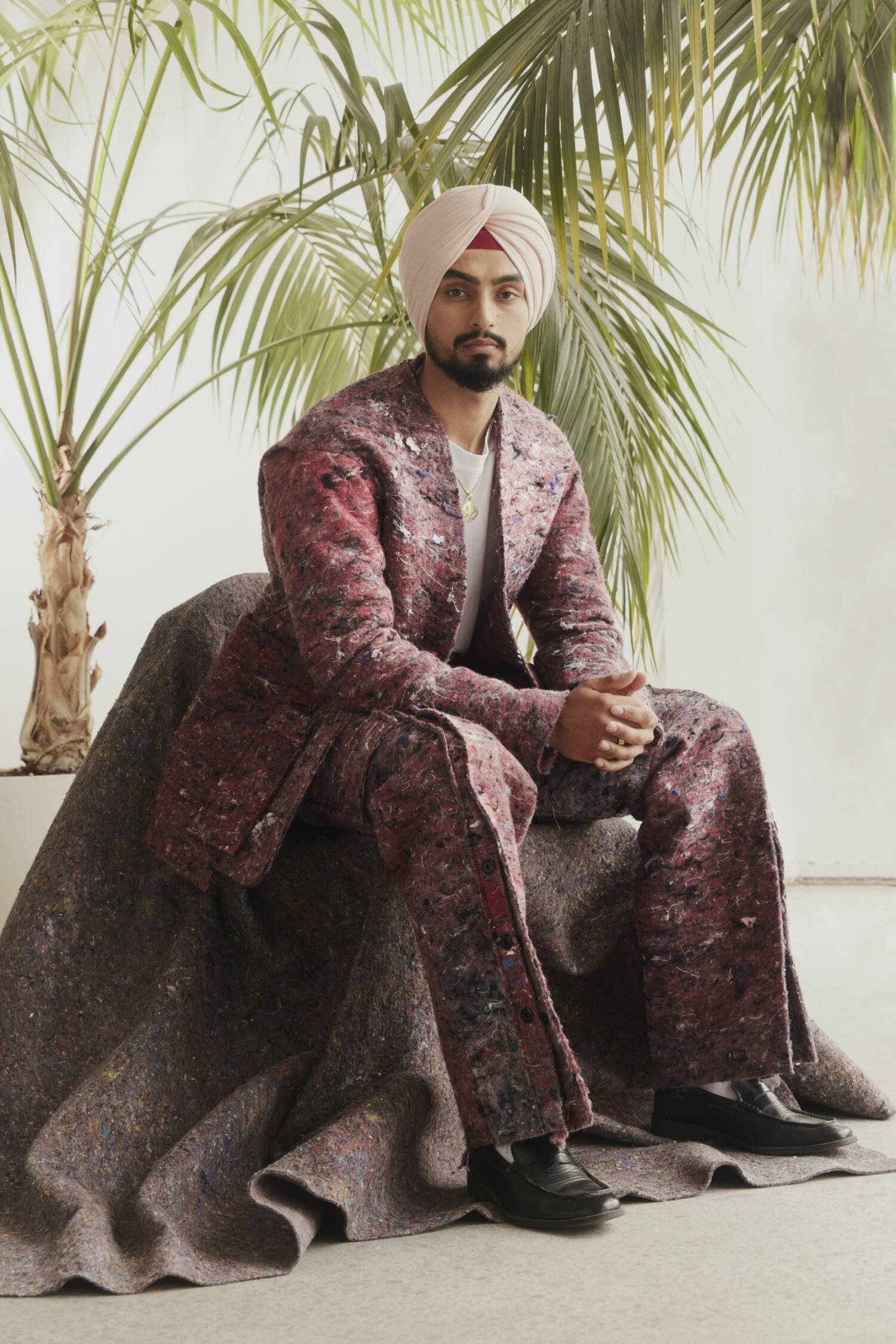
Cockroach
Winner: VIVA Editorial Award
The Cockroach outfit subverts furniture removal blankets with modern tailoring.
William’s design utilises three shoddy furniture removal blankets, made of waste wool and polyester, along with production remnants and scrap. These blankets were made in Onehunga from materials that were considered unusable waste.
The genesis of the design was thinking about the very end of life of fabrics. In this case shoddy. Developed in the early 1800’s, shoddy is cheap, utilitarian and was once widely used.
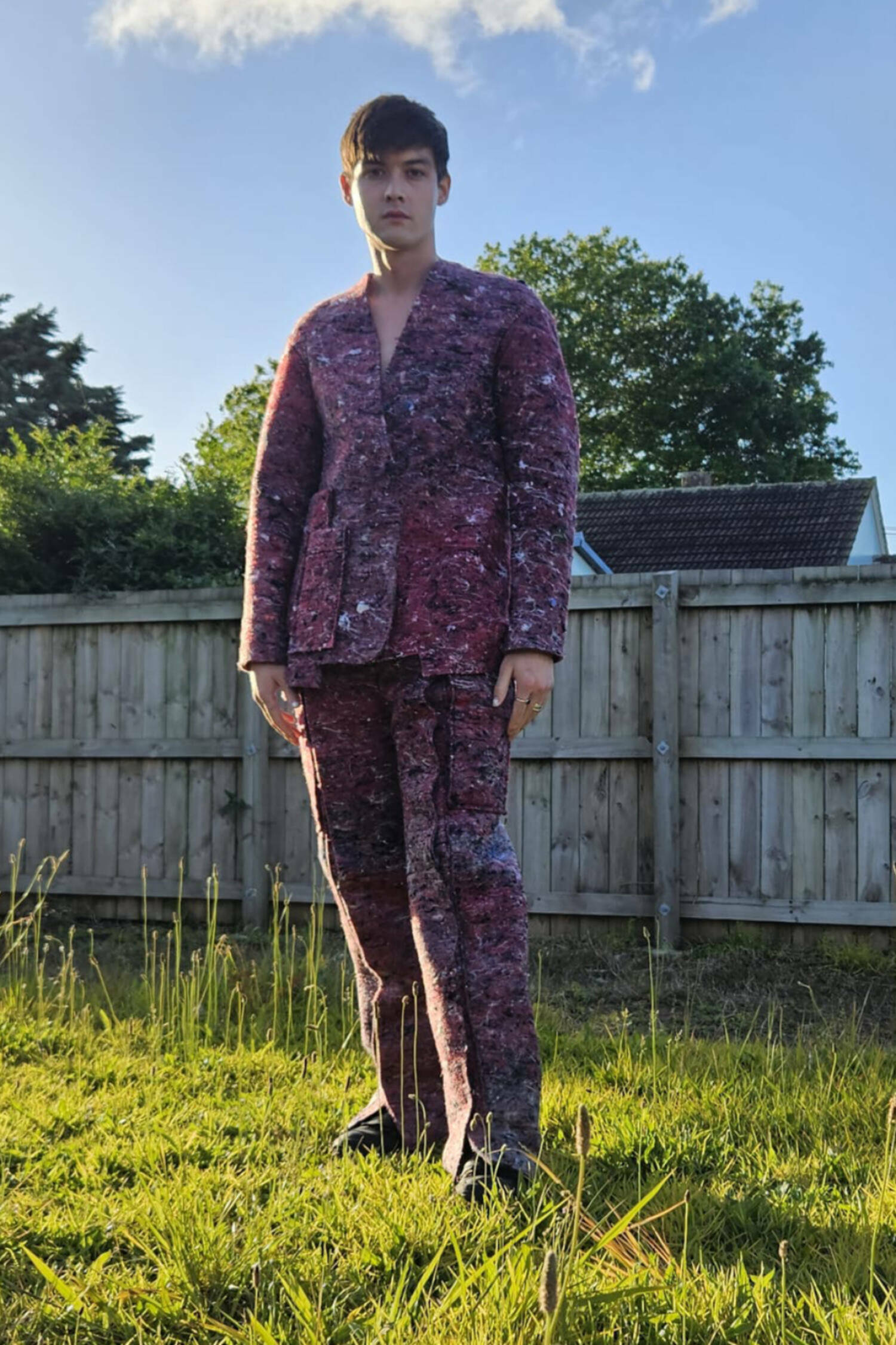
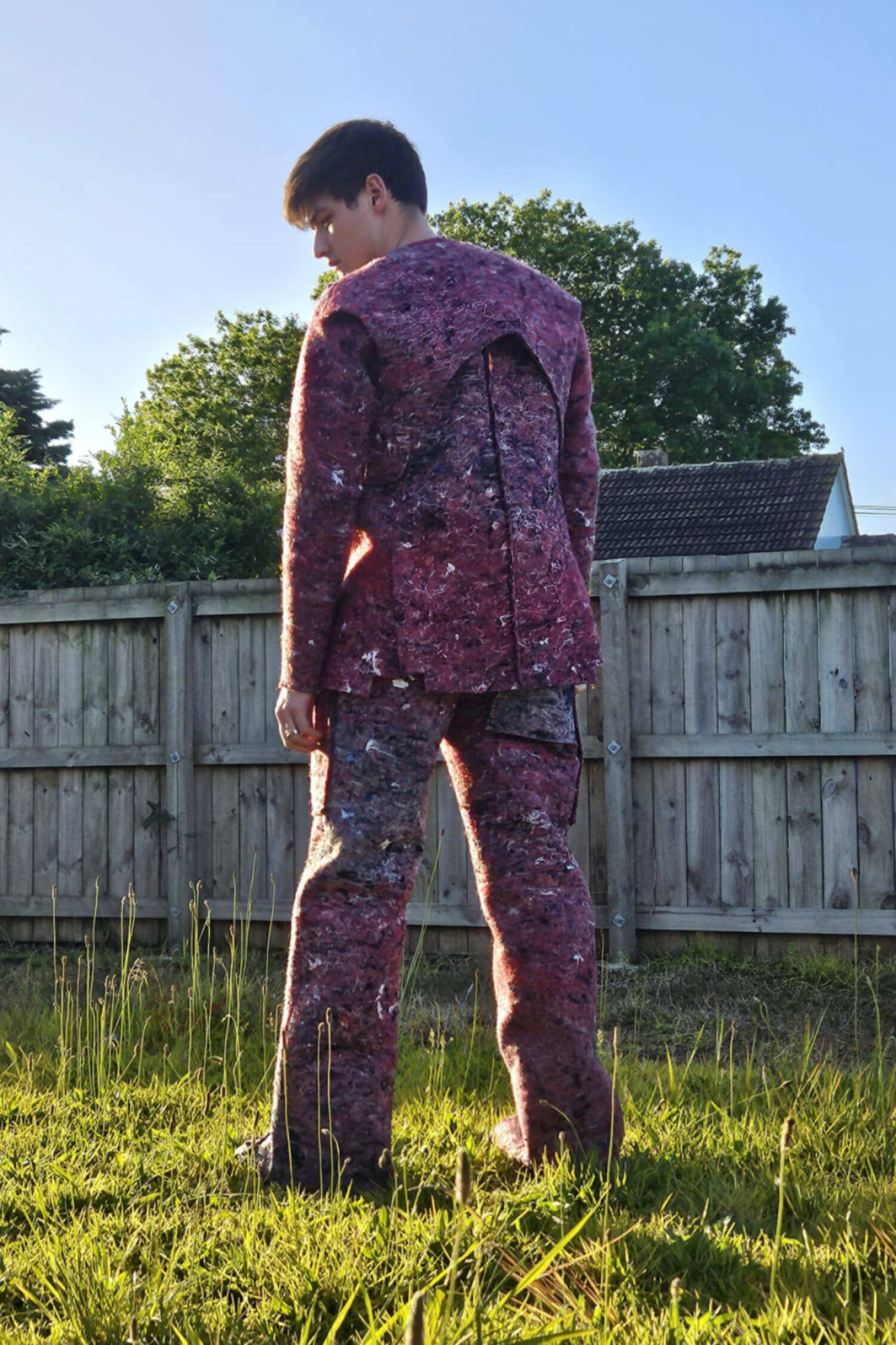
Reclaiming this once utilised material challenges the societal conventions around what a fashion fabric is. The Cockroach is the ultimate scavenger and survivalist which ties across to practices through the fashion industry.
The outfit is made entirely out of waste materials, and the material itself is infinitely recyclable. Being a high wool percentage, shoddy carries the beneficial properties of the fibre; water absorbent, antimicrobial, insulating, robust.
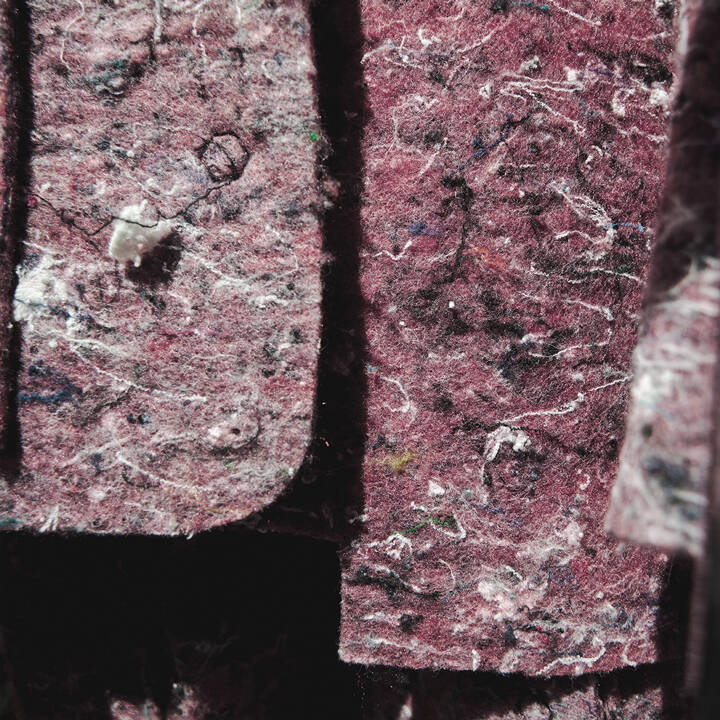
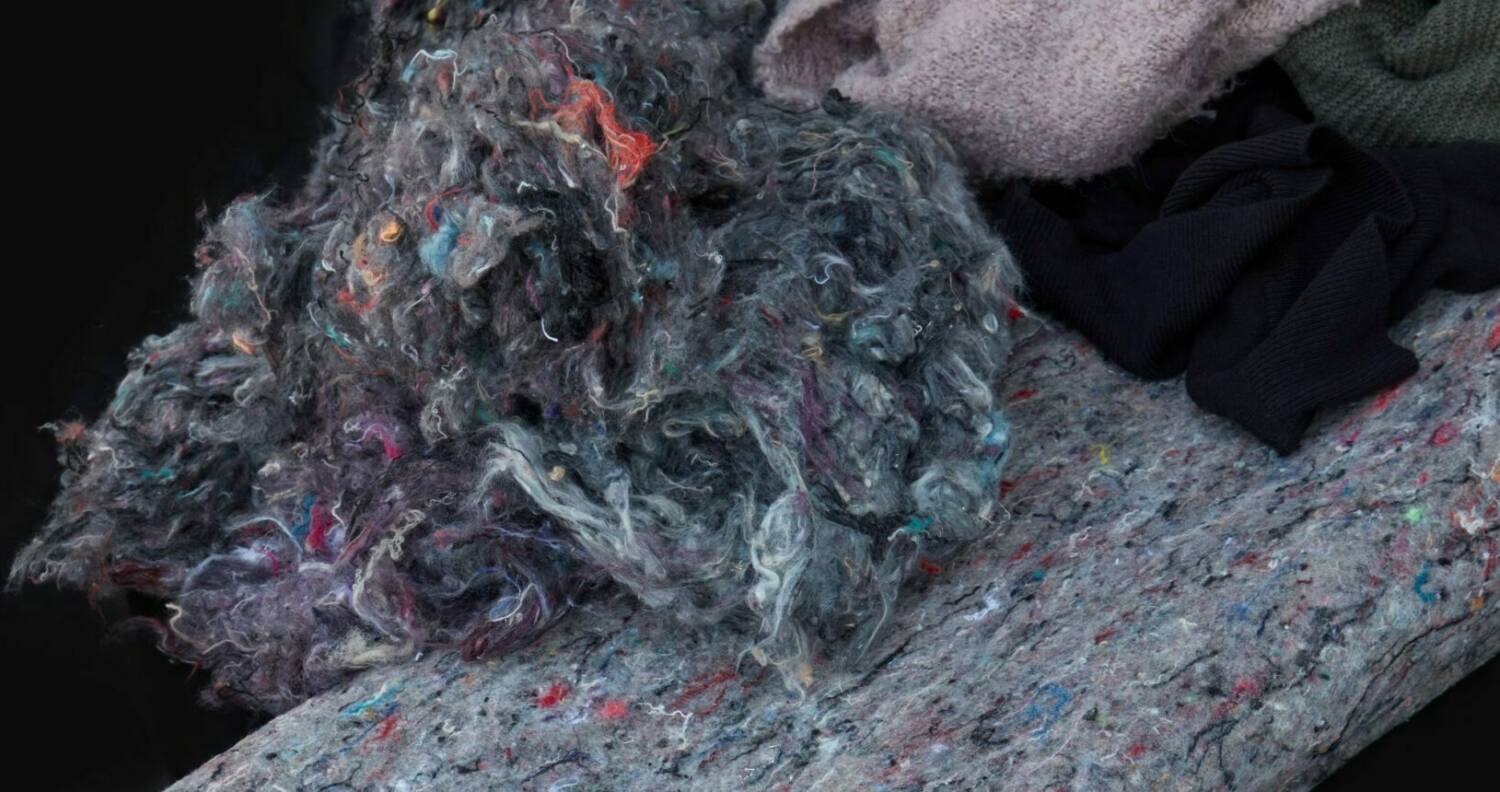
The multifunctional piece has longevity through aesthetic and, due to the felted nature and haphazard conglomeration of the fabric, it is easily and inconspicuously mended and maintained, adding great longevity to the garments.
In presenting a garment that is shamelessly and clearly a recycled product, the designer aims to showcase and embrace the sustainable work already in place around Auckland today.
The judges commended this outfit for challenging the norms, its beautiful craftsmanship and the consideration of wearability.
2023 Award Winner: OLIVIA SCHAW

The joy of the journey
Winner: Award for Innovation Showing Exciting Commercial Potential
A zero-waste design, shining a light on the beginning of a garment's life.
The design’s purpose is to pass responsibility to the consumer and shine a light on the beginning stages of a garment's lifecycle, a process often overlooked.
This garment was designed from a single-sized vintage bed sheet from a second-hand shop. Used household linens are a readily available waste stream, and provide a commercially viable option as they are relatively consistent in size.
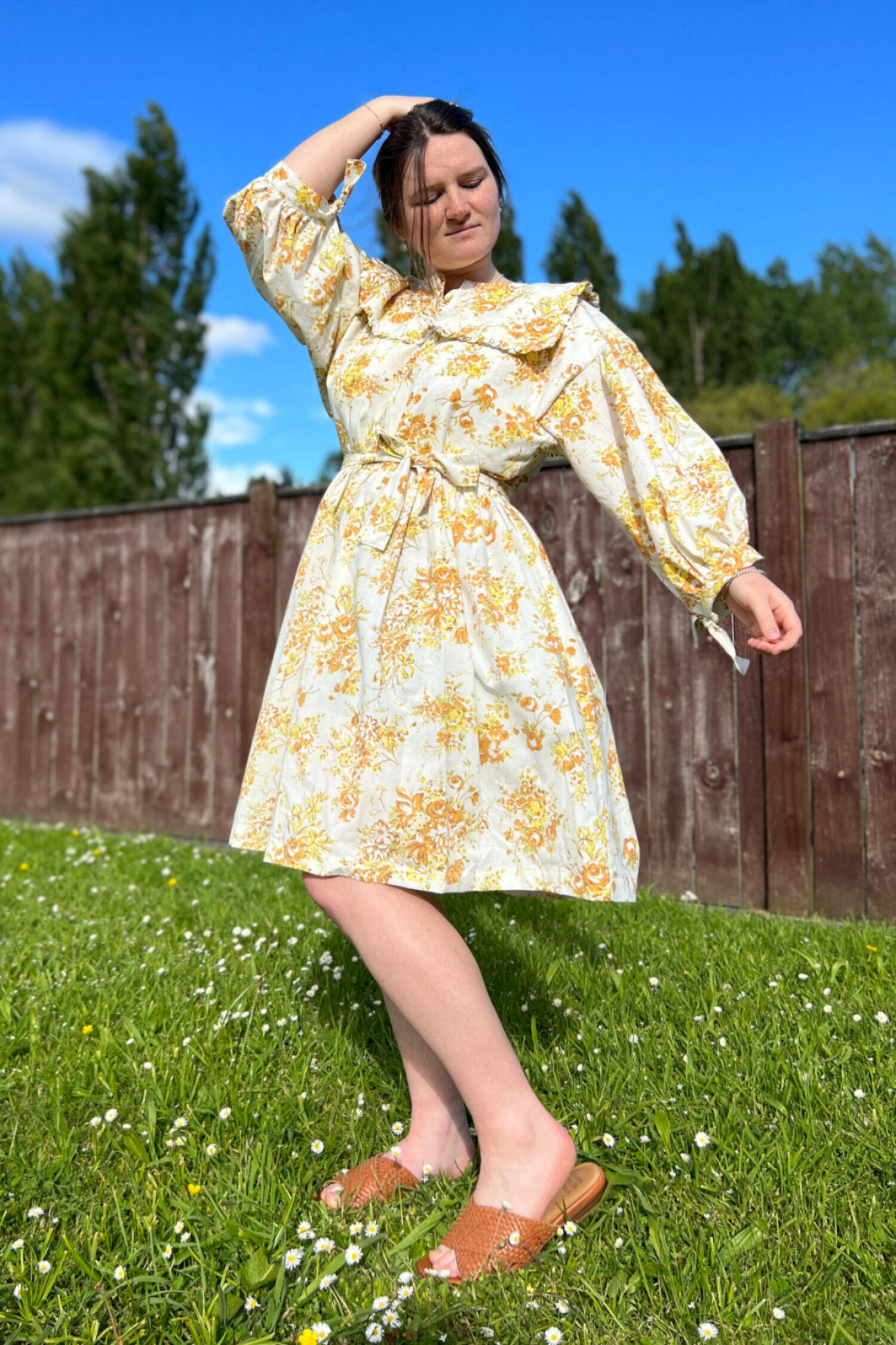
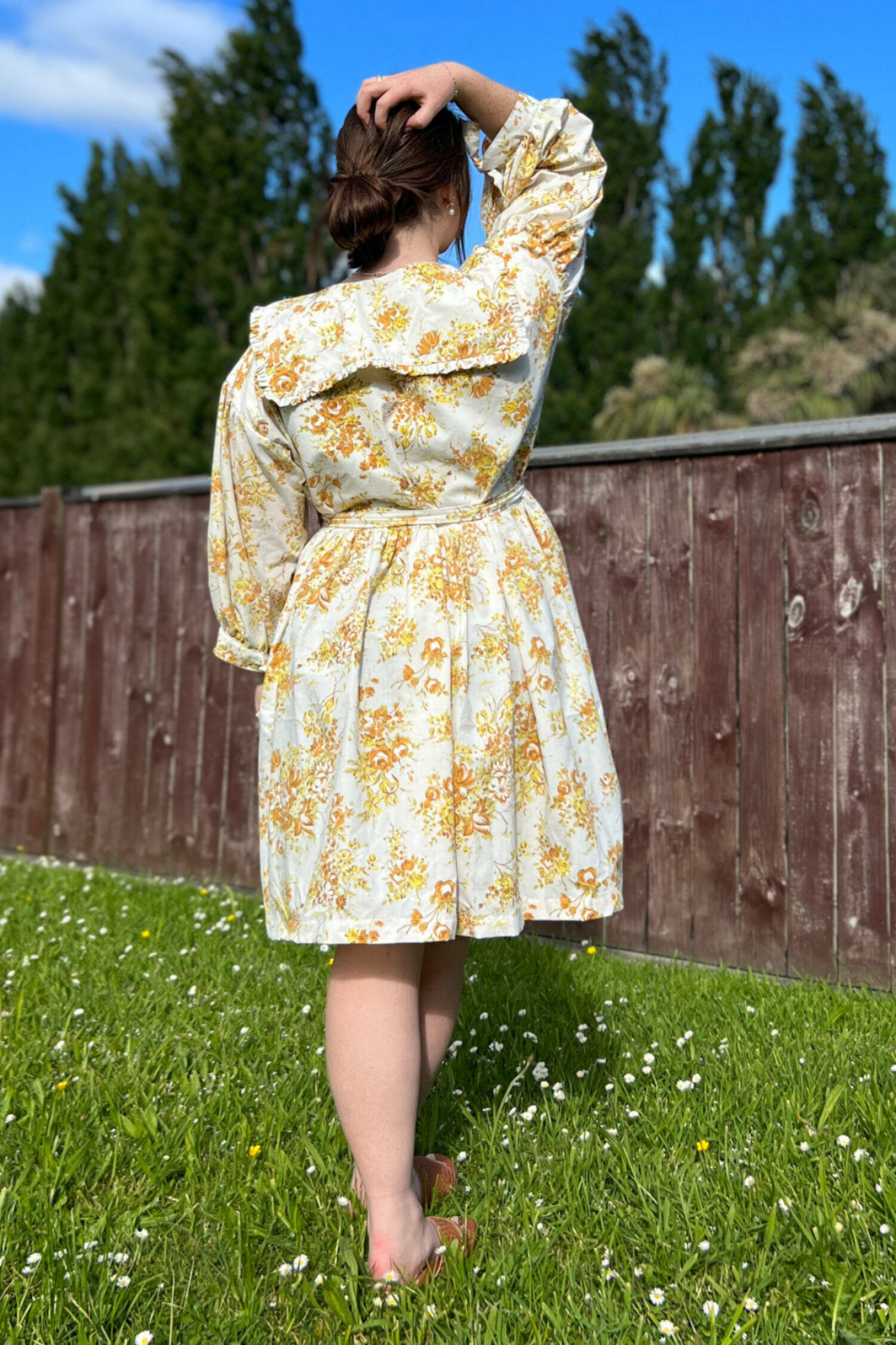
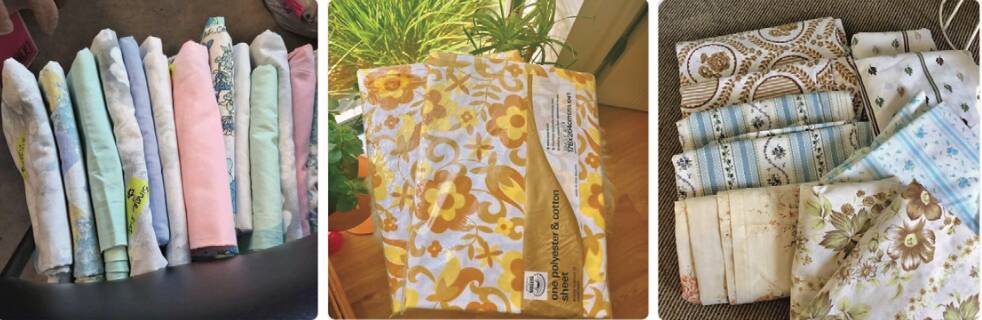
The garment is zero-waste, intentionally designed so every part of the vintage sheet is used. The pattern has been developed using simple shapes which can easily be adapted for different body and fabric sizes.
Second-hand materials are inconsistent and imperfect, and this character makes the design unique, opposing the mass-produced options currently available.
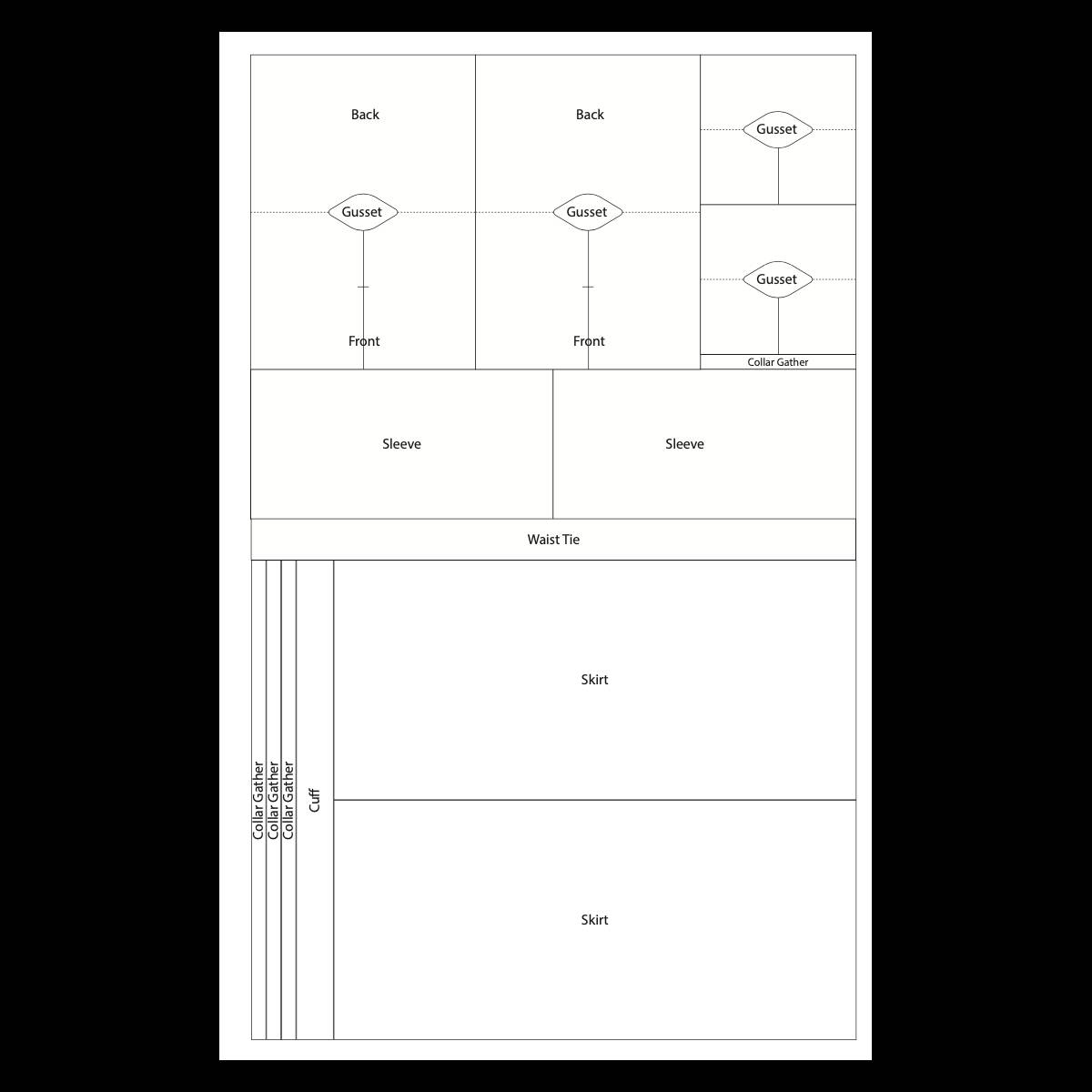
An important part of the design’s concept is sharing how to recreate it, so others can make one for themselves. This will be done through video tutorials and step-by-step guides.
Growing an understanding of the creation process is intended to grow a respect for why good quality, well made and thoughtful designs cost more.
The judges commended Olivia’s community-based educational approach, the easy to source waste stream it tackles and that it would be easy to scale. The simple shapes make it both easily adapted for multiple sizes, and for others to DIY.
CDA: Award - Index page
Threads of Tomorrow
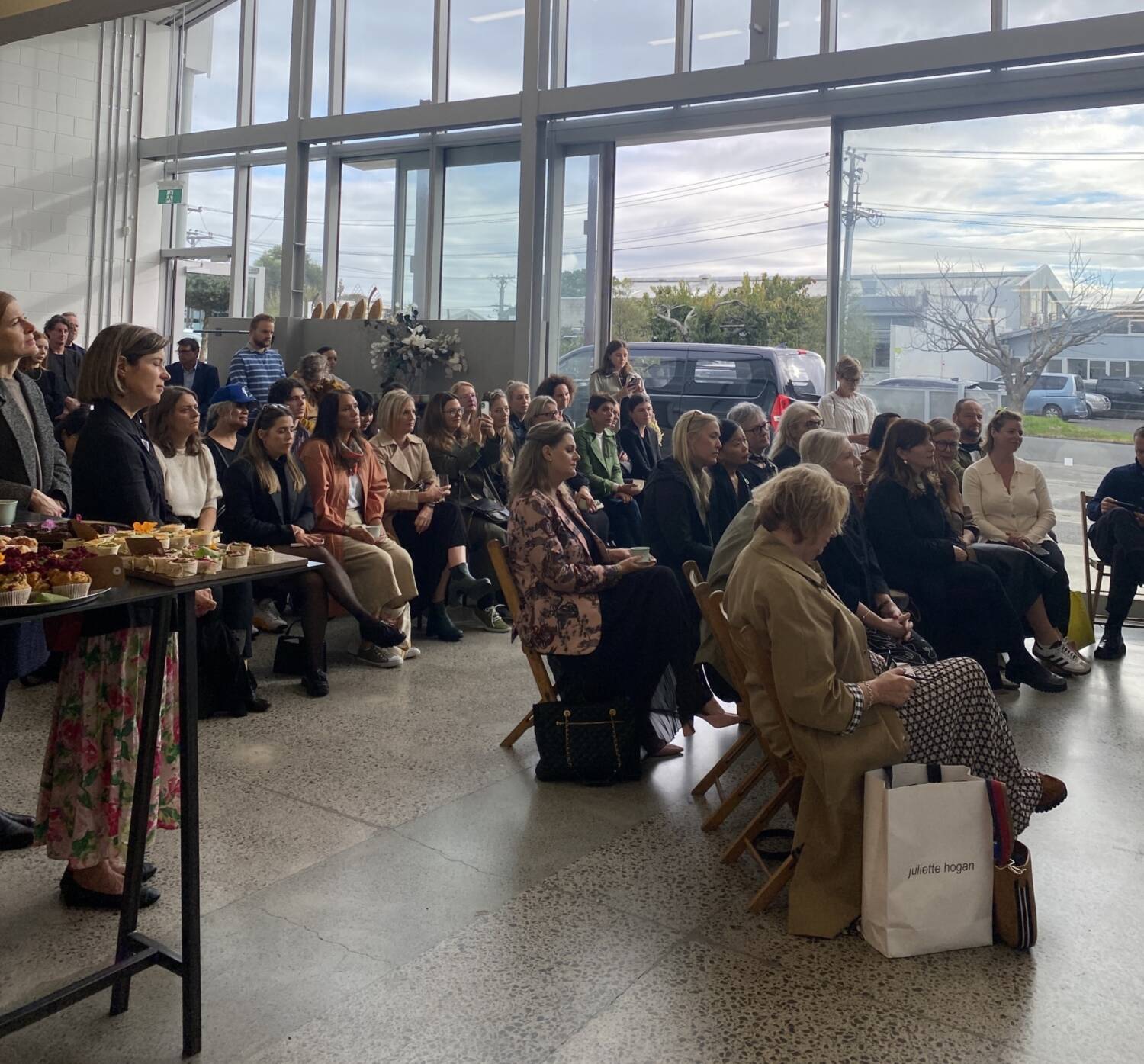
May 2024
On Monday May 6th 2024 Fashion & Textiles New Zealand launched its landmark Industry value report, Threads of Tomorrow - Crafting the future of Aotearoa's fashion, clothing and textile Industry, produced by EY New Zealand.
Over 120 members of the industry, alongside key stakeholders attended the launch, where guest speakers including Minister Nicola Grigg; Pip Best, Partner EY NZ; Juliette Hogan, MFNZ Board Chair; and Jacinta FitzGerald, MFNZ CE spoke.
The report highlights for the first time the industry's significant value and contribution to New Zealand, its great potential to contribute to the country's future prosperity and charts a course for the industry to reach a thriving and circular future.
- $7.8b to the economy in 2023
- 1.9% of GDP - contributing more to GDP than supermarkets and specialty foods, more than building construction
- 76,000 workers employed, and $4.4b paid in wages
- 78% female workforce shows women's economic advancement intrinsically linked to industry
Threads of Tomorrow tells a compelling story. More than fashion, it's a story about an industry, about businesses, about people.
It shows the industry is a core pillar of New Zealand's creative and commercial economy and is made up of a complex ecosystem of textiles, design, manufacturing, retailing, education and media. It is an industry that brings together creatives, makers, innovators, technicians and storytellers.
The report shows the industry has significant value, it recommends opportunities to address industry challenges and grow the industry's contribution to NZ, and it puts forward a bold vision for the industry to collectively work towards - a thriving and circular future.
15 recommendations across 4 action areas are proposed.
Economic Contribution
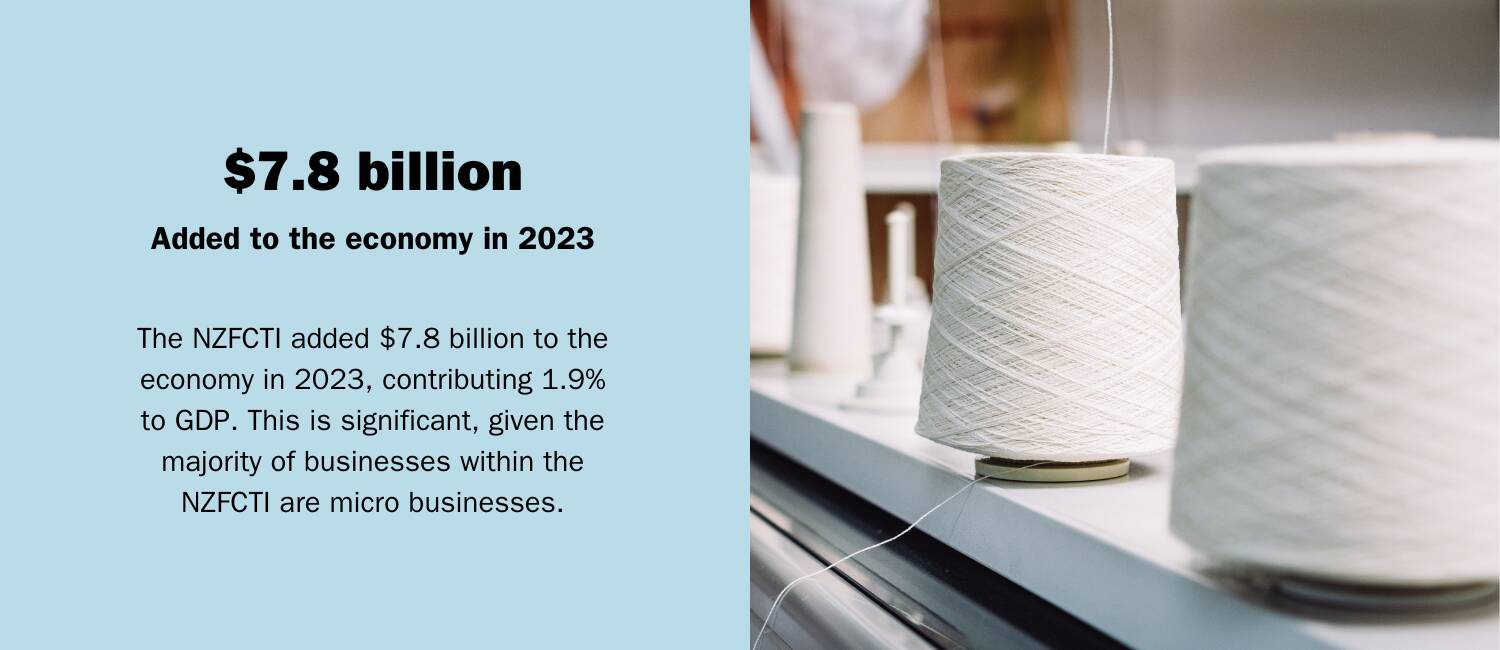
Employment Contribution
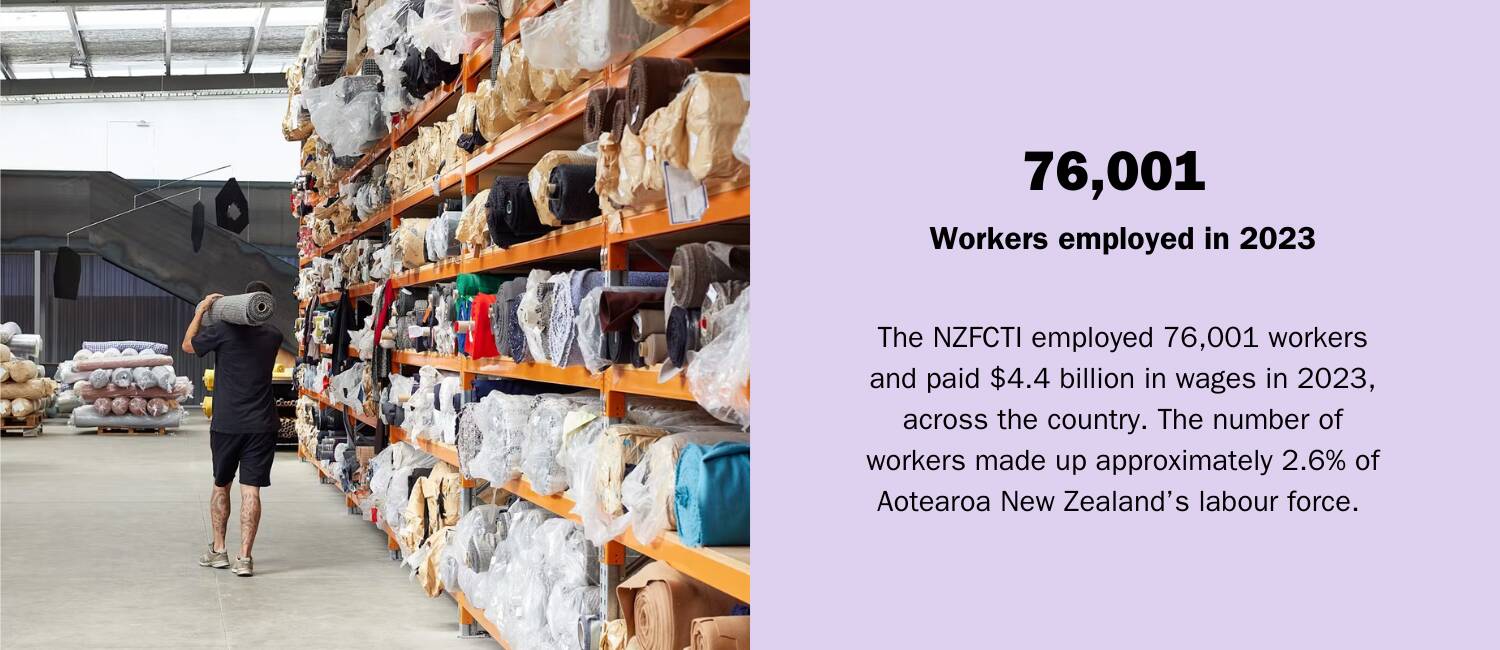
Women are integral to success
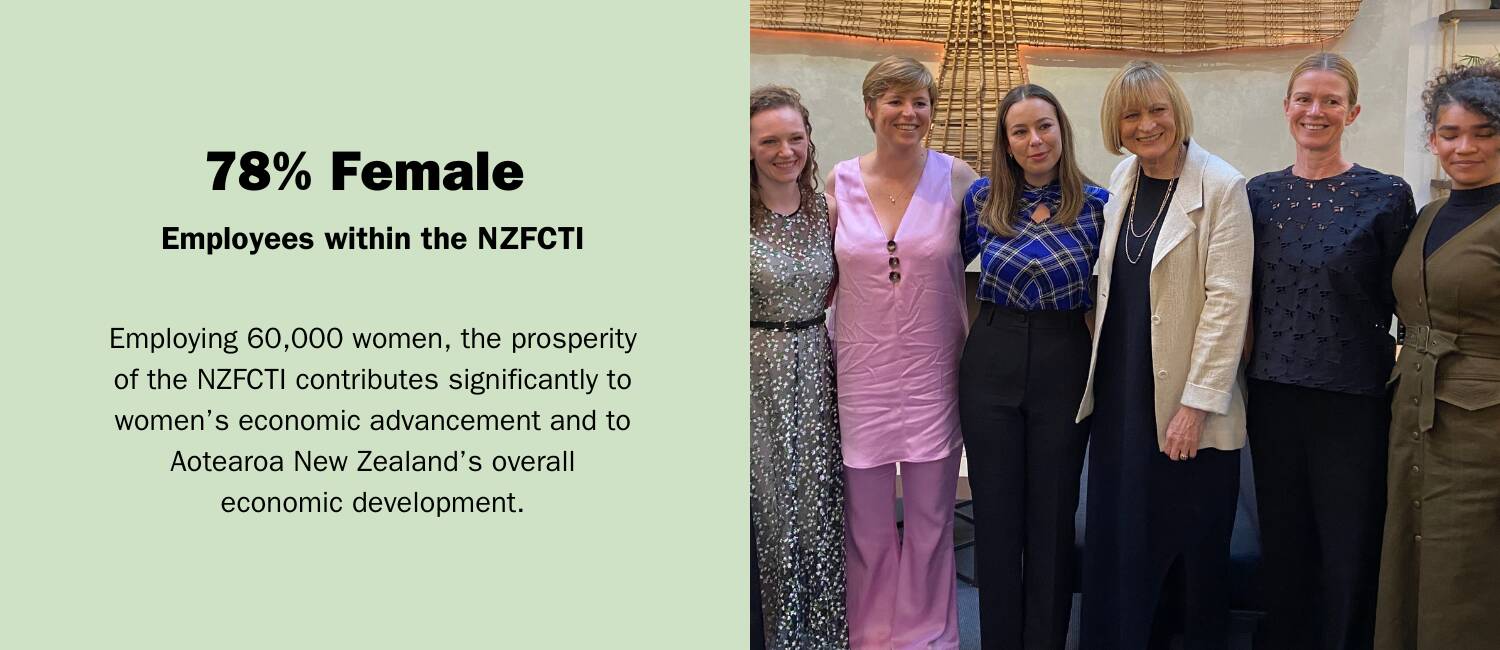
"With a clear roadmap for the future laid out in the report, Fashion & Textiles NZ is calling on the government to engage with the industry on the recommendations, which have significant potential to stimulate economic activity, boost the sector’s contribution to the country, and demonstrate the wider benefits a thriving industry can bring."
Jacinta FitzGerald | Chief Executive MFNZ
ACTION AREAS FOR NZ'S FASHION, CLOTHING AND TEXTILE INDUSTRY
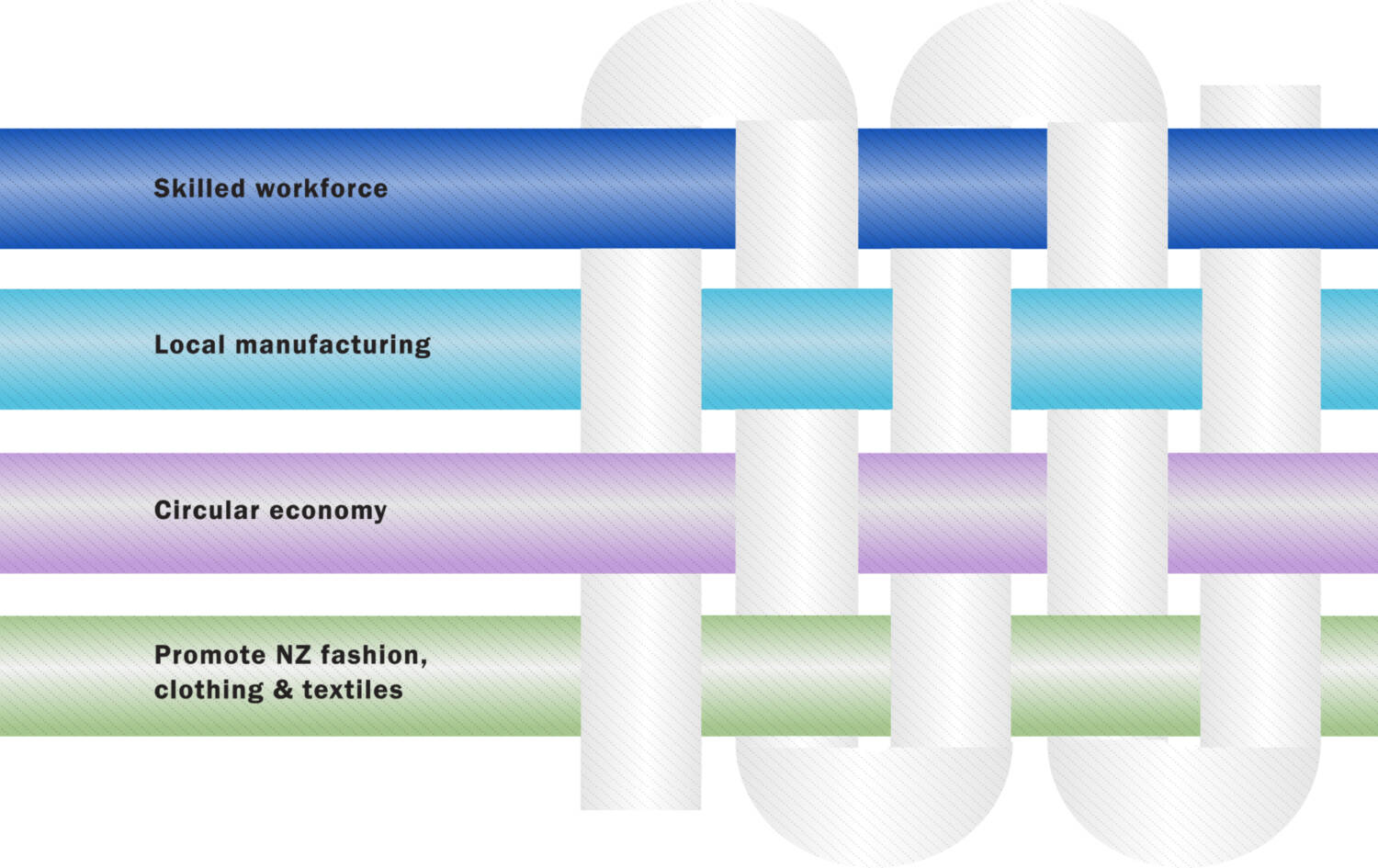
"The Industry in Aotearoa is at a critical turning point.What is clear is that to successfully transform the industry, we all need to work together. No organisation alone can change the system, but by working together we can create an industry that's future focused and that we're all proud to be part of."
Juliette Hogan | Business Owner and MFNZ Board Chair
Local industry calls for action to curb fashion's textile waste
Fashion & Textiles Chief Executive Jacinta FitzGerald say's fashion's textile waste impact in Aotearoa New Zealand must be addressed.
Speaking with Emma Ricketts at RNZ, Jacinta said local organisations are campaigning against fast fashion practices and want more done in New Zealand. It is a global problem and New Zealand is no exception, with at least half of the 380,000 tonnes of imported textiles each year estimated to end up in landfill.
Fashion & Textiles has been tracking progress internationally where governments are starting to take notice of the scale of the problem, and Jacinta said we would like to see policy from the government to limit waste her in New Zealand too.
In Australia, for example, the Seamless Clothing Stewardship Scheme recommends a 4 cents per garment levy to incentivise better design, foster circular business models, and expand clothing recycling.
Jacinta highlighted that New Zealand's clothing and textile supply chain is "a very complex system and very few stages of the supply chain happen here."
Imposing levies on imported goods was one thing, but dealing with the waste was a whole other issue.
"We don't have a lot of infrastructure left where we can manufacture textiles. So to actually recycle old clothes to make new textiles is something that we may not be able to do here."
Fashion & Textiles supports call for Modern Slavery Act
Fashion & Textiles has continued to support calls for Modern Slavery legislation in New Zealand, and has signed an open letter to the new NZ Government urging it to continue the push to introduce Modern Slavery legislation into NZ law.
The decision to delay modern slavery legislation affects everyone, from the beginning of the supply chain to the end consumer. Urgent action is needed. In July 2023, the Labour government announced its plan to draft a modern slavery disclosure law, requiring companies earning more than $20 million a year in revenue to publicly disclose and address the risks of modern slavery within their supply chains. This open letter asks once again that the National-led coalition government make urgent progress on this issue.
No matter how ambitious businesses are regarding Modern Slavery, without government support and substantial changes in legislation, the pace for all businesses and the industry overall will be too slow.
Despite the clear need for a Modern Slavery Act, the New Zealand government's response has been slow. This means our political leaders and industry champions need to get serious about their critical role in enabling the Modern Slavery Act.
The fight against modern slavery isn't just in the hands of our government leaders; it's also in the businesses and industries. We acknowledge that many people and organisations have worked hard together on this issue to date, to get us this far, but our industry must renew the pressure on our new government to make it happen.
Fair&Good have prepared the open letter urging the NZ Government to continue the push for introducing Modern Slavery Legislation into NZ law.
We encourage you to support this initiative and help reach the 10,000 signatures needed.
Waste Not, Want Not
Circular Design Editorial Award winner William Fitzgerald is interviewed by Madeleine Crutchley in this weeks Viva, sharing the inspiration and concept behind his Award winning entry.
William took up the challenge we put out to designers in 2023, to reimagine the current linear cycle of the fashion industry using the dual lens of Aotearoa's unique place in the world and the principles of a circular economy, and find innovative ways to keep textiles in use.
Every year millions of tonnes of clothes are produced, worn and thrown away with more than 85% not finding their way into any sort of recycling system. We developed the Fashion & Textiles Circular Design Award to tackle this, asking how might we redesign products, services and business models so there is no waste?
Inaugural Circular Design Award, Editorial Award winner William Fitzgerald explores this concept, and challenging the mindset of what we view as waste. William’s design utilises three shoddy furniture removal blankets which are made entirely of waste materials and infinitely recyclable. William worked with the properties of the fabric to create his design. Having a high wool percentage, shoddy carries the beneficial properties of the fibre; water absorbent, antimicrobial, insulating, robust. Read more about how William is challenging mindsets and uncover all the 2023 finalists in Viva Premium this week.
We are excited to be working on the evolution of the Awards for 2024! More details to be announced soon.
Read the full Viva article here.
Read more about William's design here.
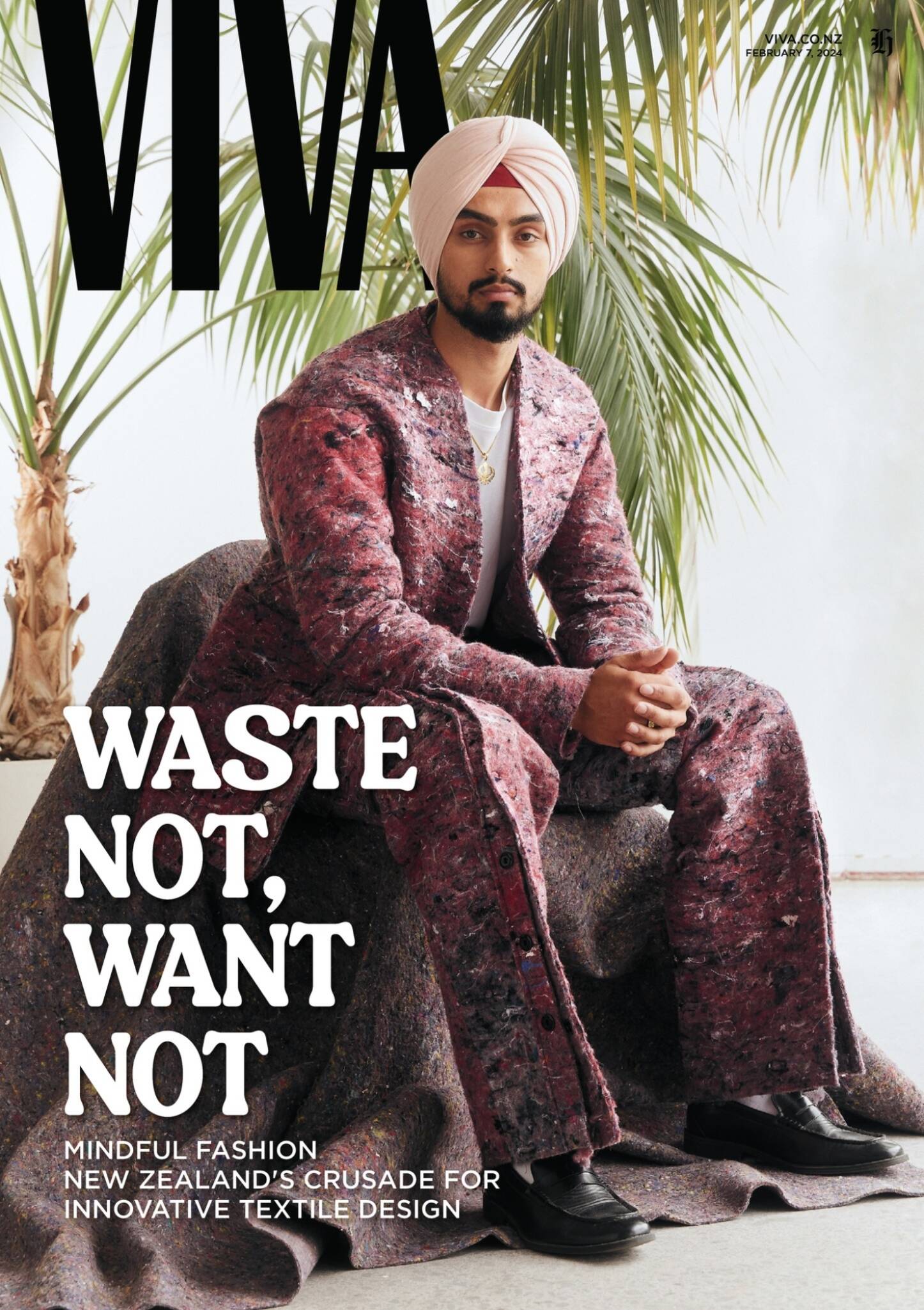
Journey to Excellence - M2 Woman
Thanks to M2woman Magazine and Craigs Investment Partners for inviting our CE Jacinta FitzGerald to speak on New Ways of Creating Sustainable Industries at the M2 Journey to Excellence forum last October.
Jacinta shared insights and challenges from the fashion industry and spoke about the work we are doing at Fashion & Textiles New Zealand to tackle some of the industry's biggest issues.
Jacinta spoke about the need for change and the steps that individuals, organisations, and governments must take to make it happen.
The fashion industry is at a turning point. It has long been criticised for its negative impact on the environment, but now there is hope for a more sustainable and regenerative future through collaboration.
"Everyone has a role to play in creating a sustainable fashion ecosystem. This future is no longer a distant utopian vision, but something that needs to be built now. It requires investing in traceable supply chains, renewable energy, and people".
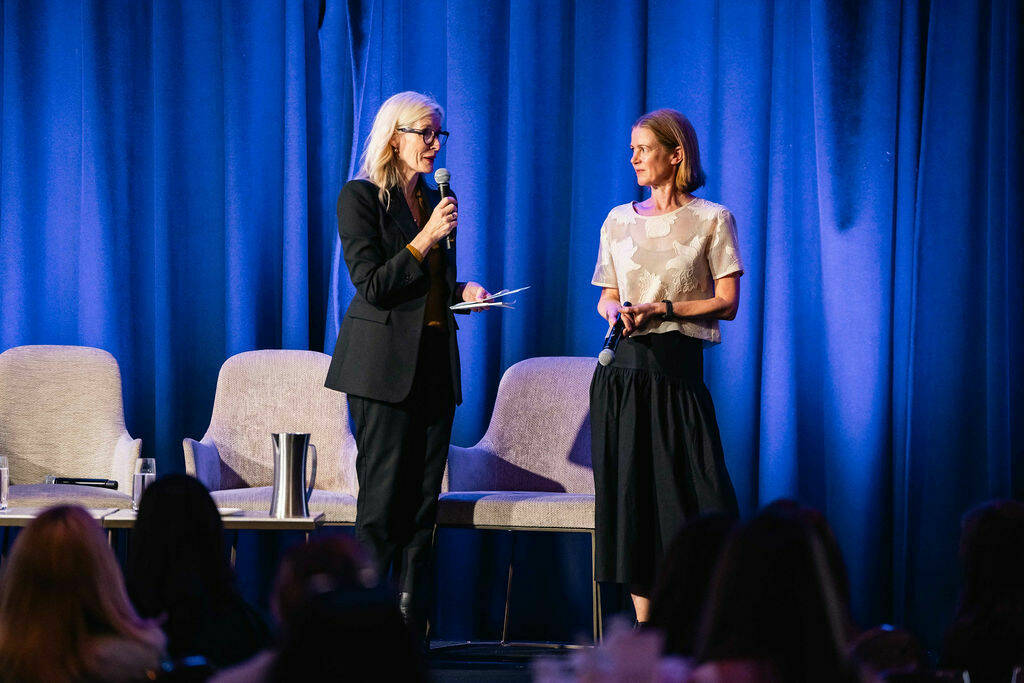
As the CEO of an organisation dedicated to promoting sustainability in the fashion industry, FitzGerald has witnessed firsthand the impact that can be made by addressing key areas of concern. However, she believes that the current status quo is not enough. There needs to be better communication and understanding of the value of sustainable practices.
One of the key messages from FitzGerald’s speech was the need to integrate sustainability into the core of a business strategy.
For leading businesses, sustainability is not an afterthought but a fundamental aspect of their operations. By making sustainability a priority, these businesses can drive change within their industry and set a clear direction for others to follow.
FitzGerald acknowledged that making sustainable choices is not always easy. It requires making hard decisions that may disrupt existing practices. However, she urged individuals and businesses to consider the wider impact of their actions. Even small actions can contribute to a groundswell of change that can transform an entire industry.
Awards Gala a night to remember!
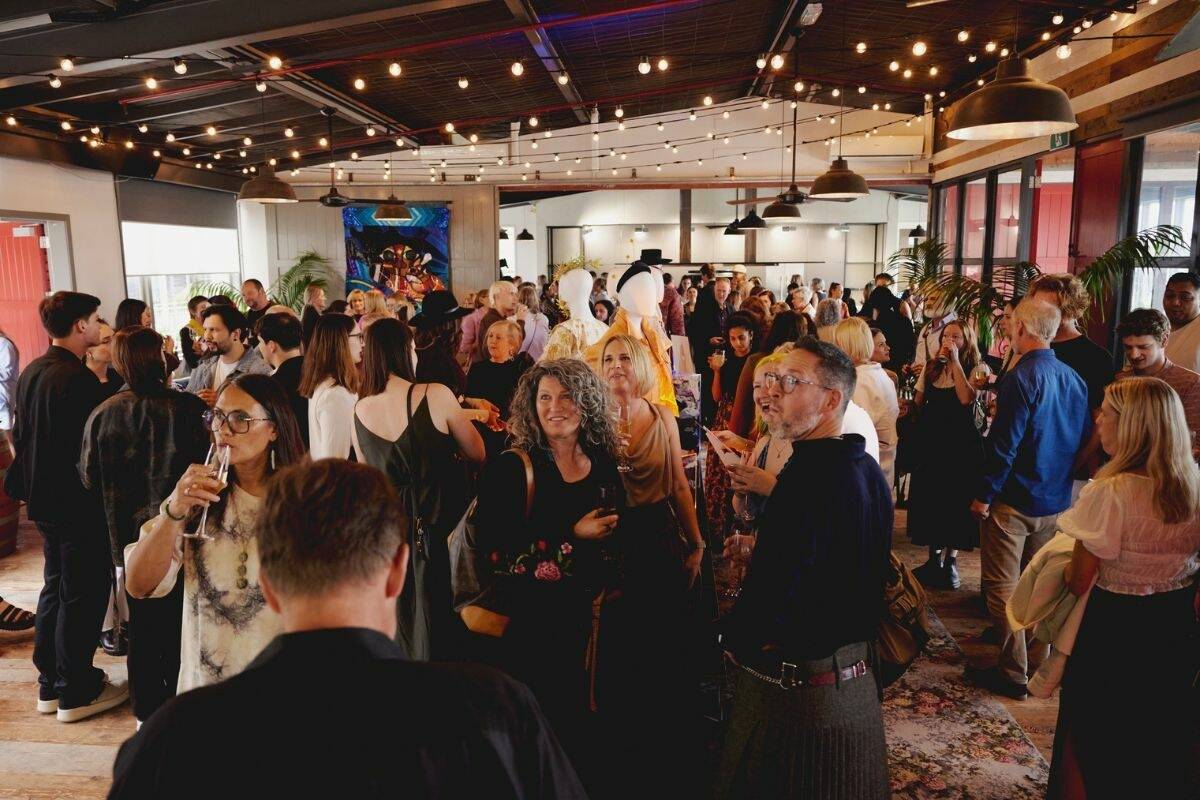
Last week we held our first Circular Design Awards, the culmination of a 6 month programme of education, inspiration and learning for designers.
What an incredible night! It gave us the opportunity to celebrate the best of emerging talent in sustainable fashion design, and to recognise the outstanding creativity and innovation from the Award Winners. On show were some of the many and varied ways that clothes can be designed for the circular economy.
Thank you to everyone who joined us, there were over 150 of you! and helped make our first Awards celebration a huge success.
It was also a chance for industry leaders in both fashion and sustainability to get together around the shared goal of a circular economy in New Zealand and talk about fashions journey on this path.
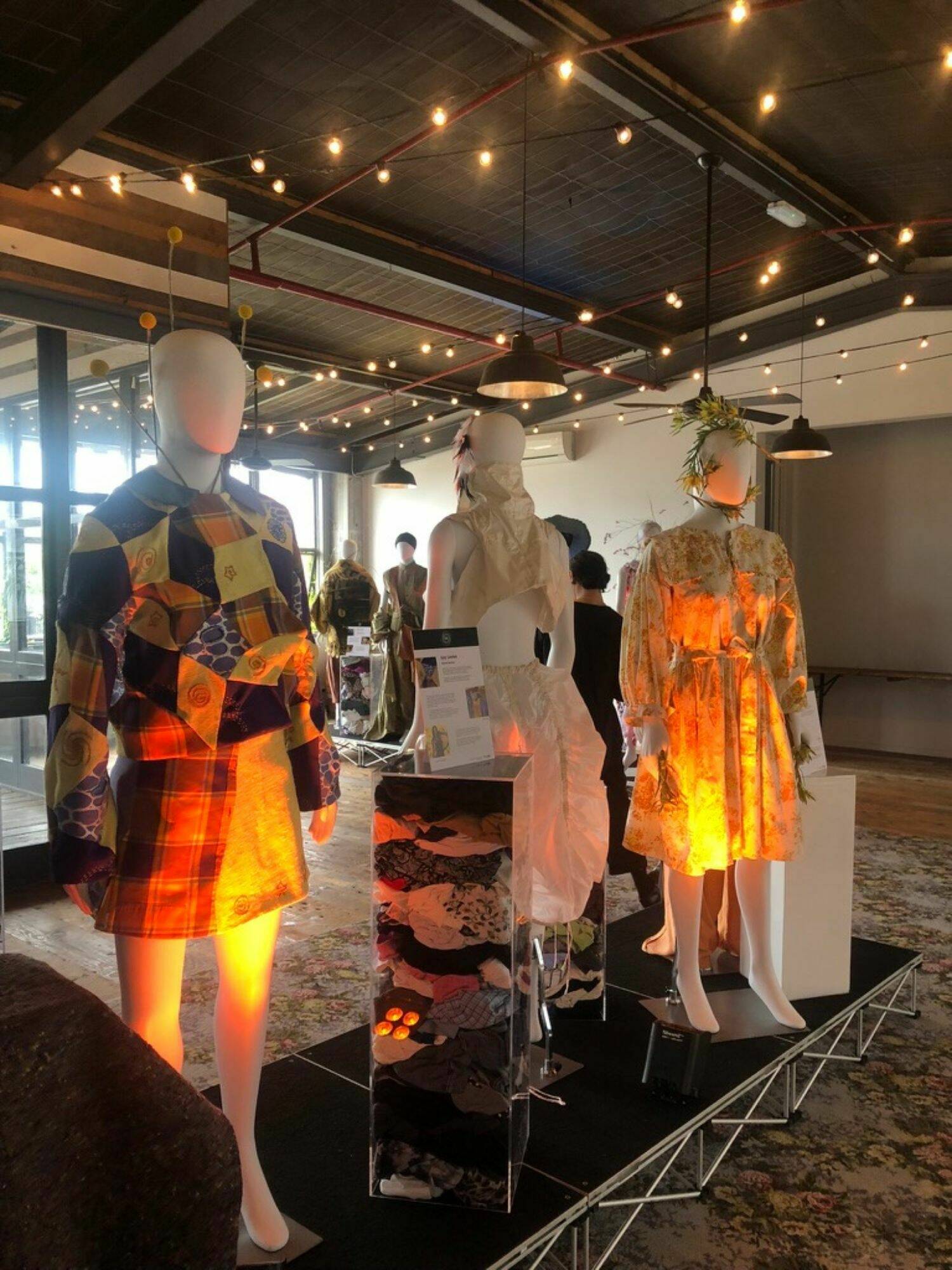
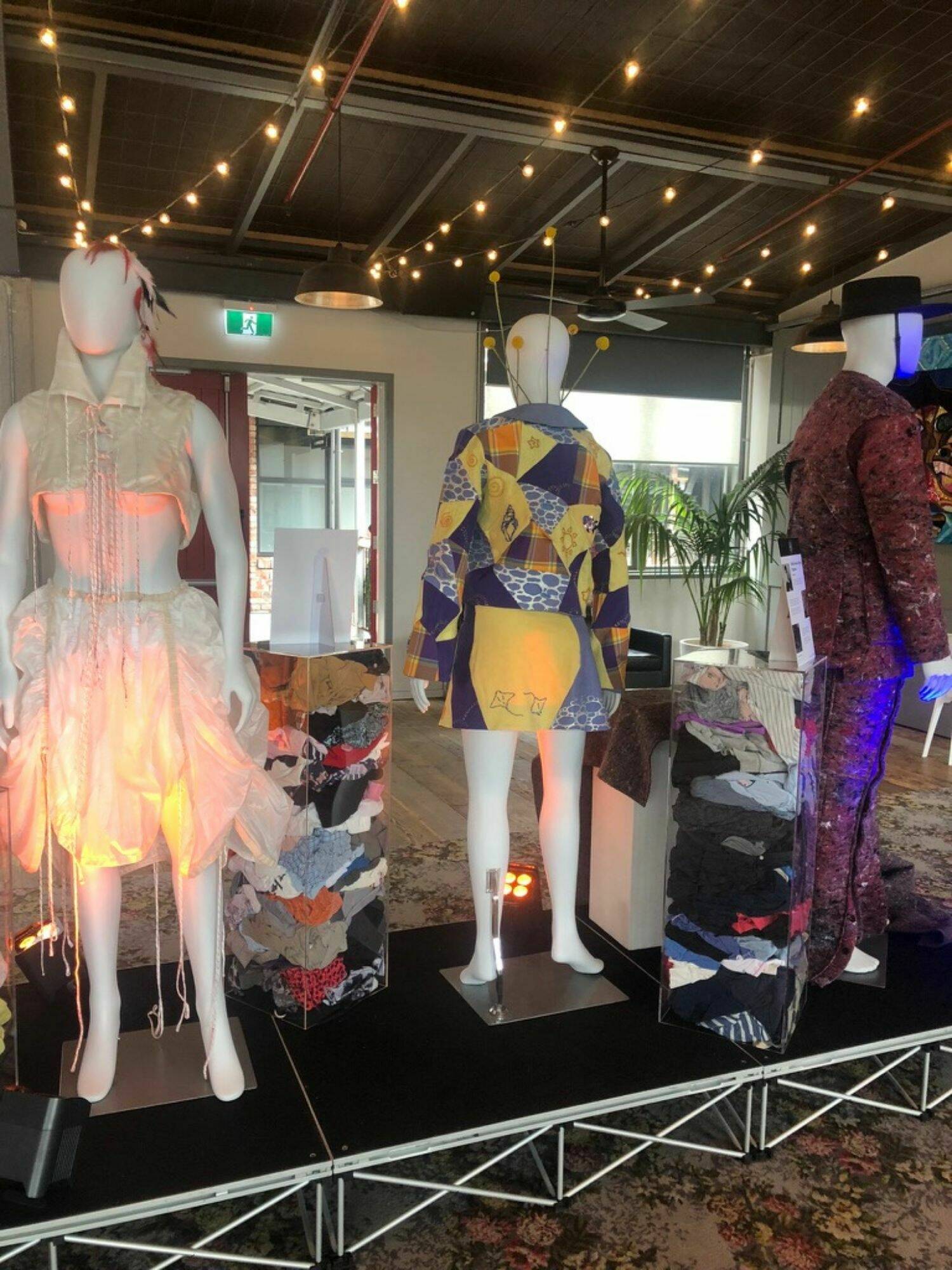
The Judges, including Peri Drysdale, Emily Miller-Sharma, Ron te Kawa and Dan Ahwa, commented that overall it was an incredible group of entries, very strong for the first year of the awards. What particularly resonated was the wide range of waste streams tackled, and the creativity and innovation shown in bringing new life to old textiles.
We celebrated the winners and finalists with a showcase exhibition of their creations expertly styled by Dan Ahwa from VIVA.
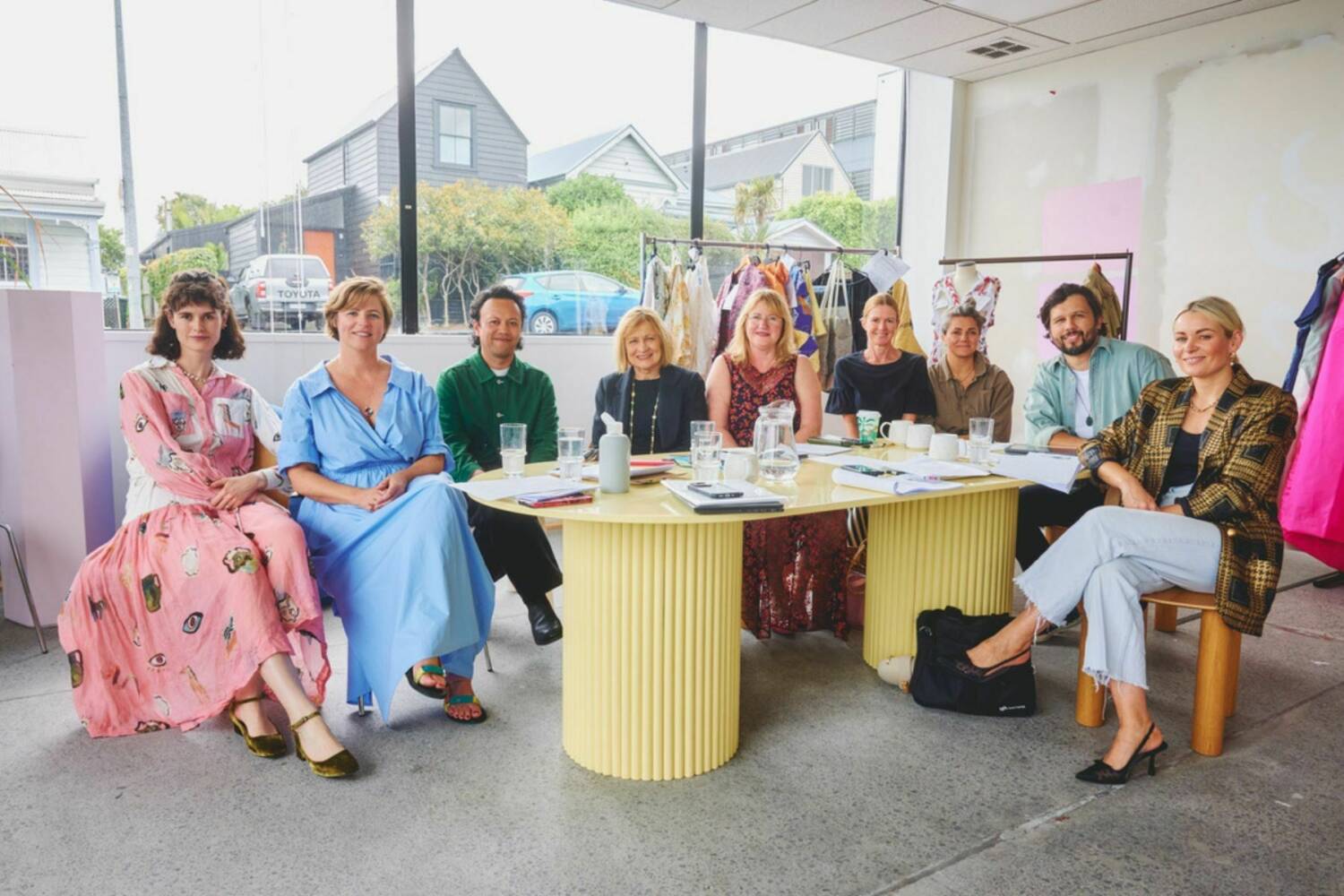
Theresa Gattung, co-founder of Awards partner the Gattung Foundation, reiterated the importance of our whakapapa in driving forward a more sustainable industry, and spoke of her love of, and connection to fashion and craft.
Fashion & Textiles Co-founder Kate Sylvester spoke of the importance of the industry getting behind future focussed initiatives such as these Awards and our Industry Study as we work to create an innovative, full-circle and thriving future for the industry in Aotearoa.
A sincere thank you to our Awards and Gala event partners who have been incredible in supporting the Award programme and gala event. And a special thanks to our Judges, a prestigious lineup of industry, design and innovation specialists who selected the finalists and winners!
Discover the inaugural Award winners of the Fashion & Textiles Circular Design Award 2023 here.

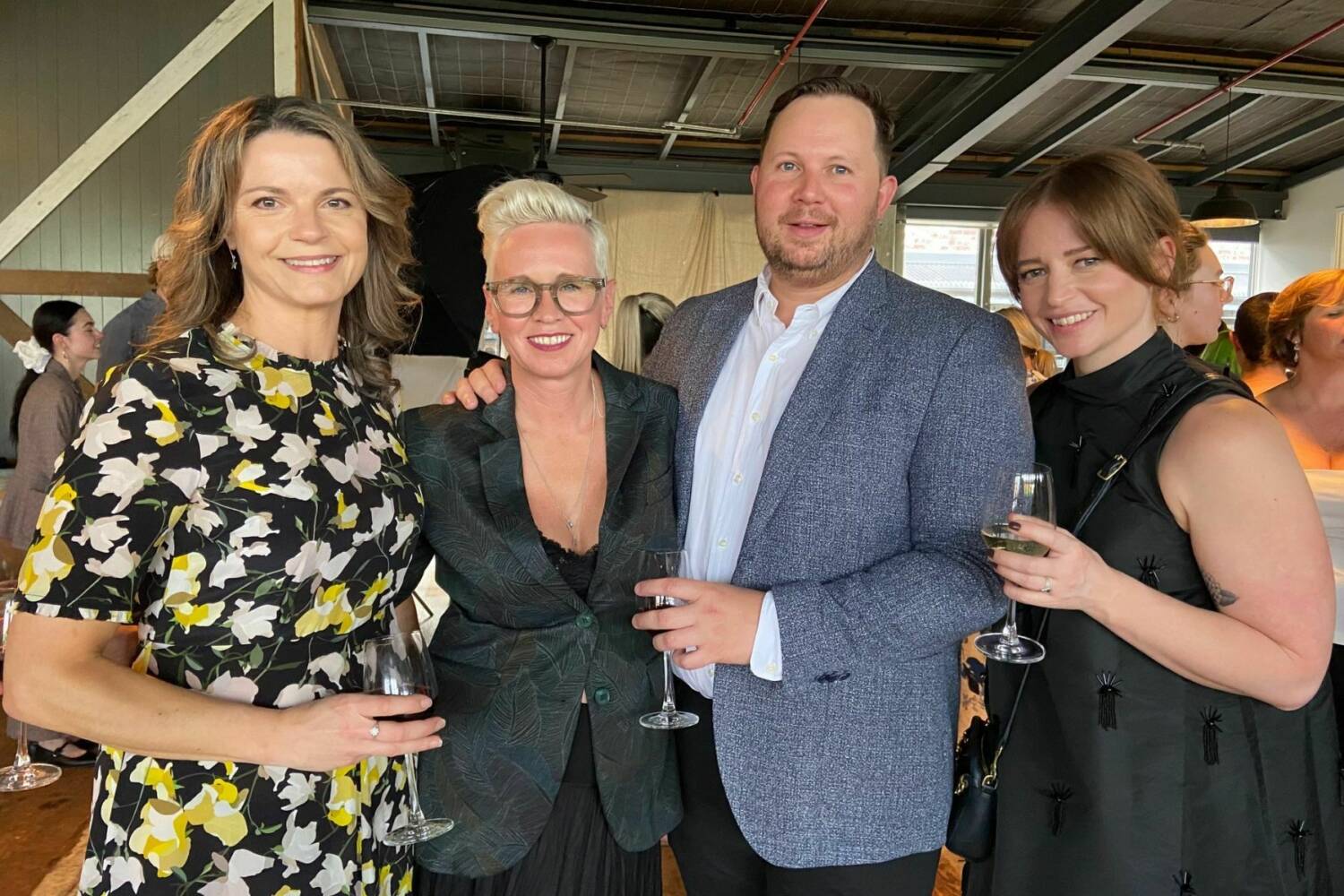
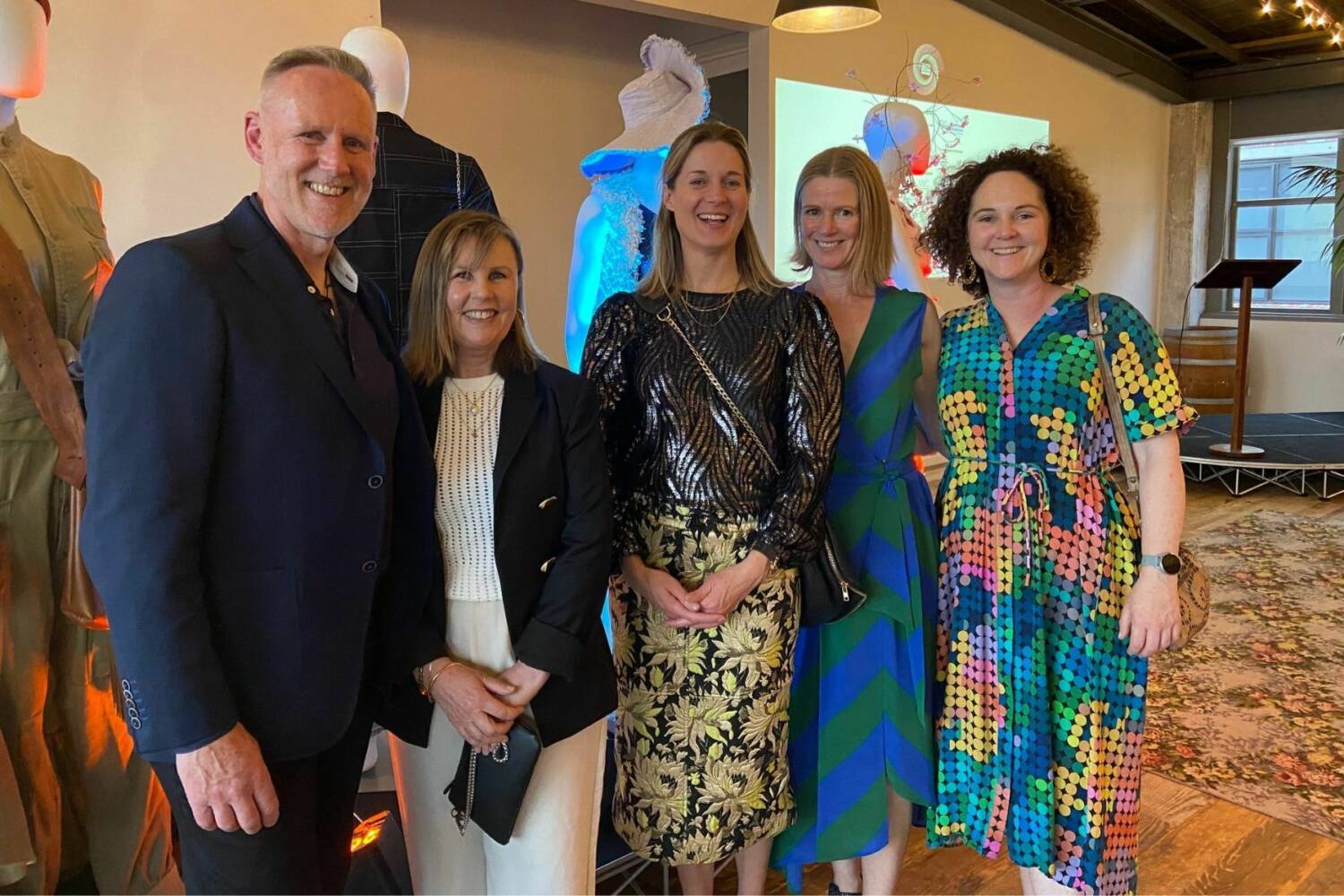
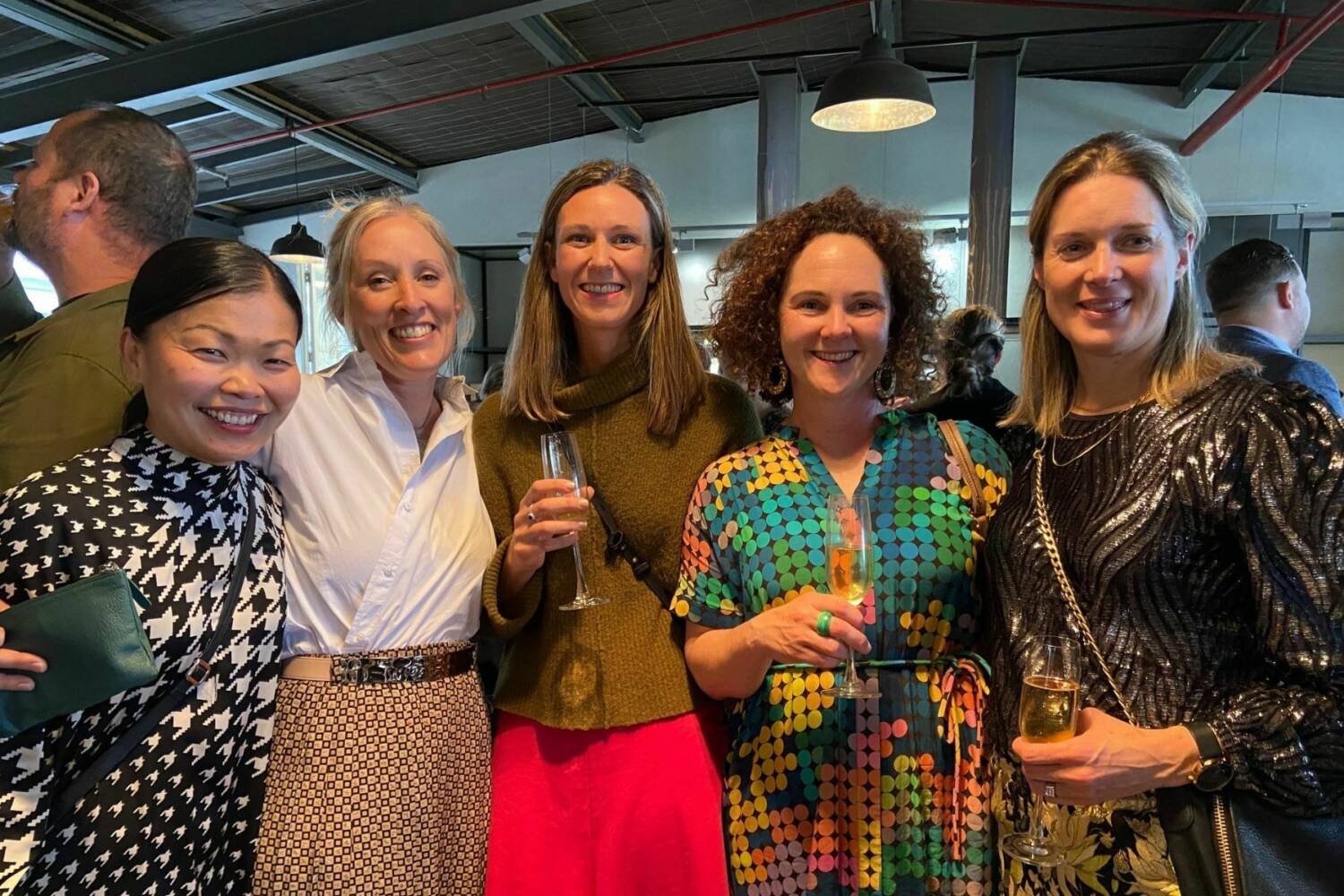
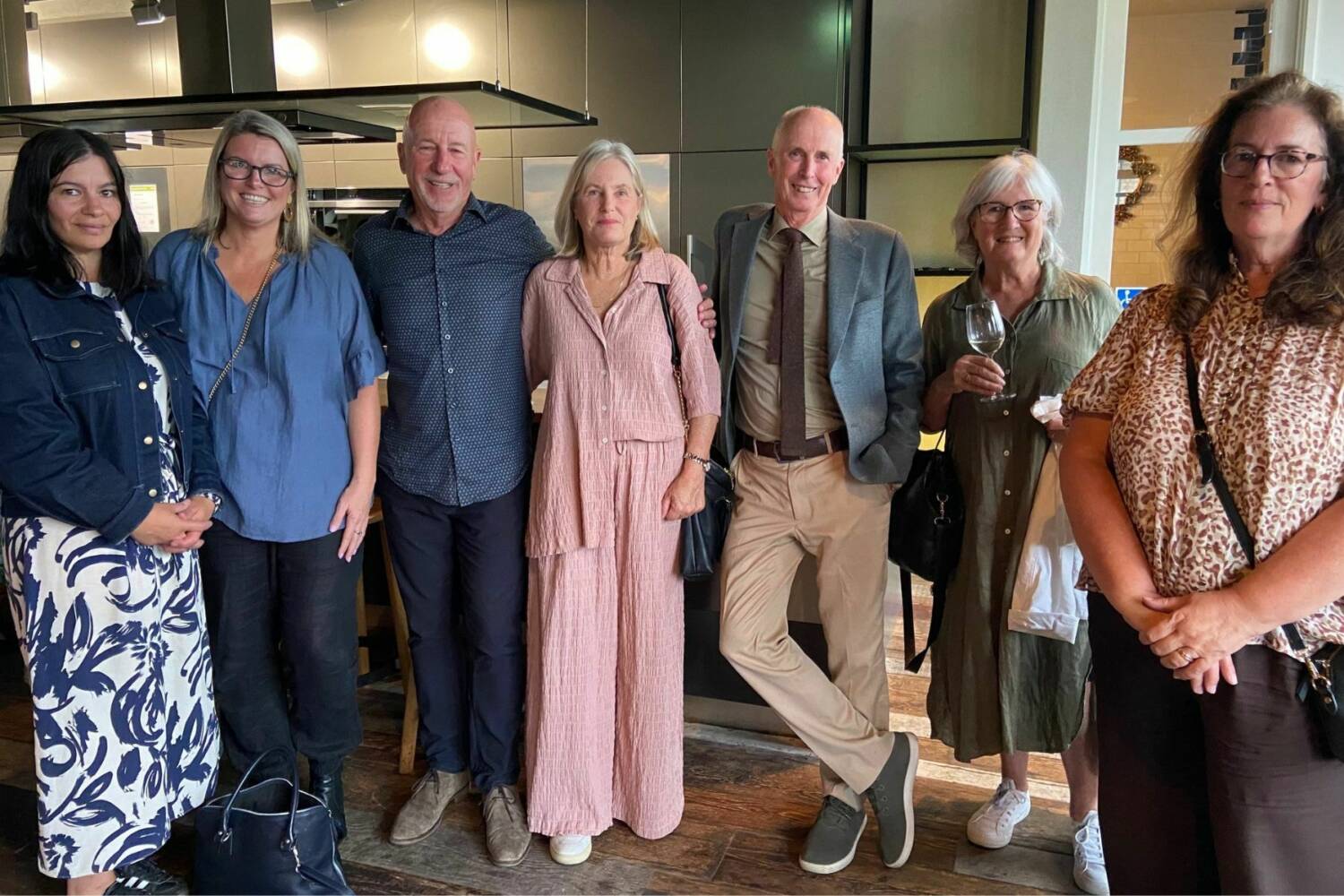
Finalists 2023
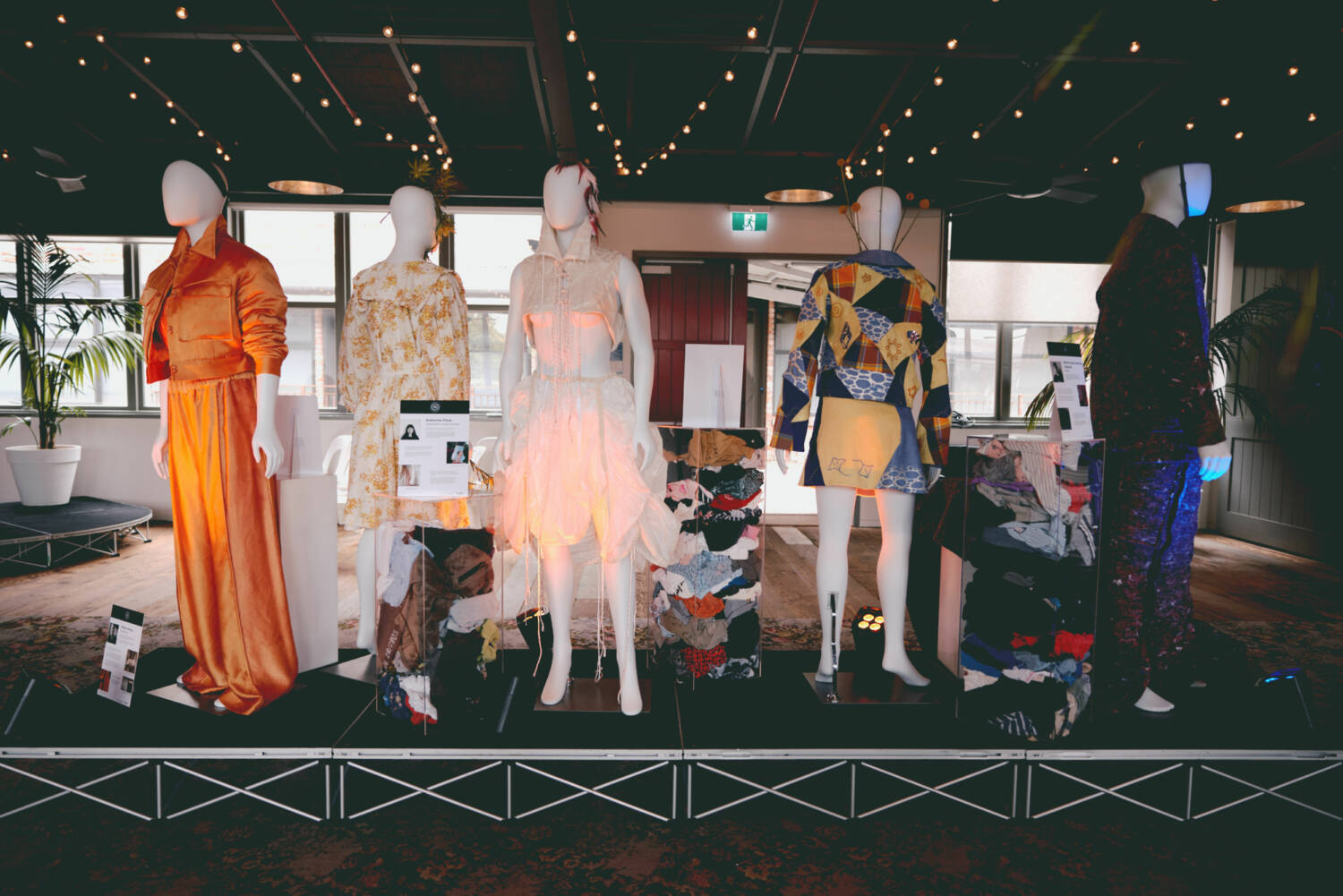
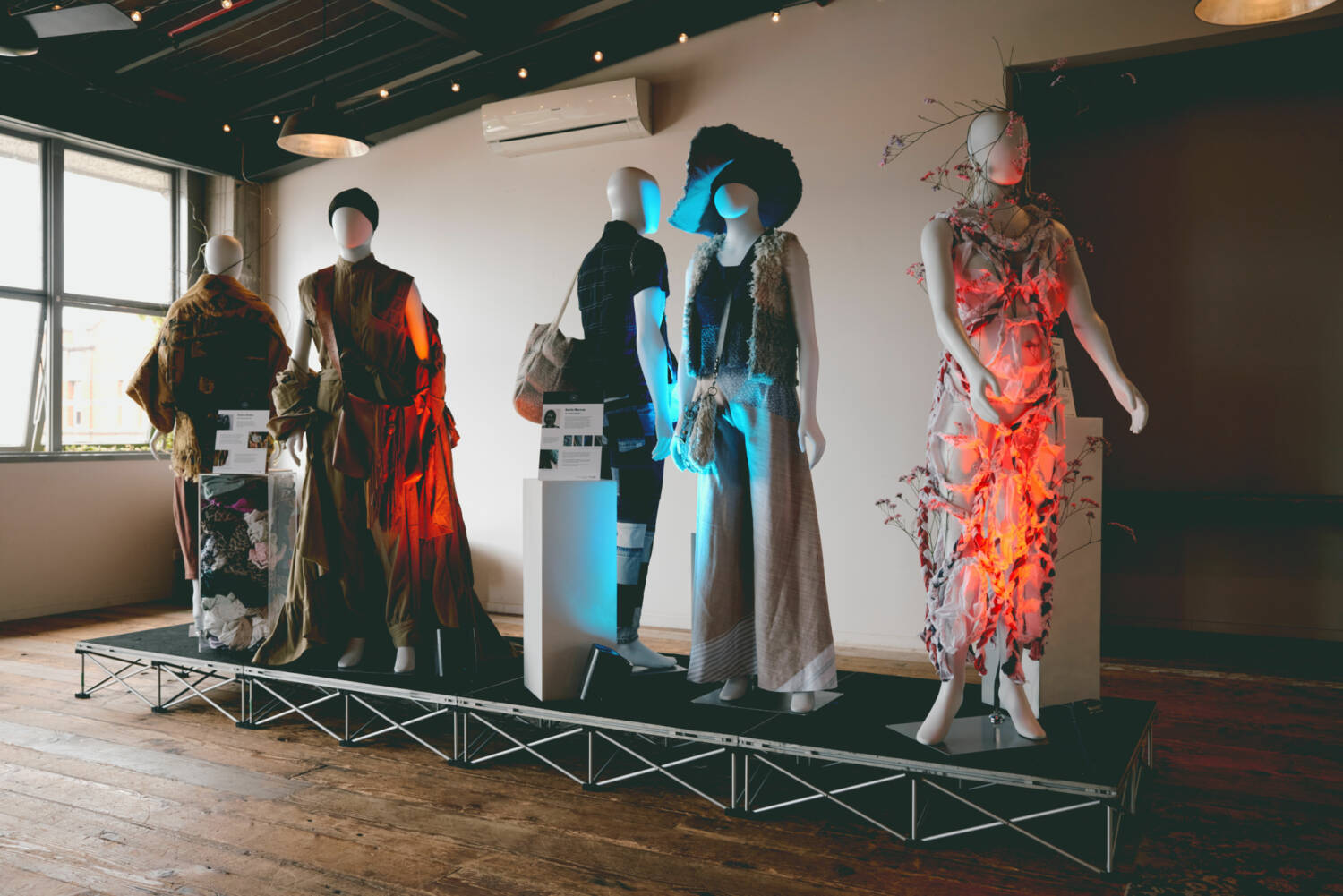
Circular Design Award Winners announced!
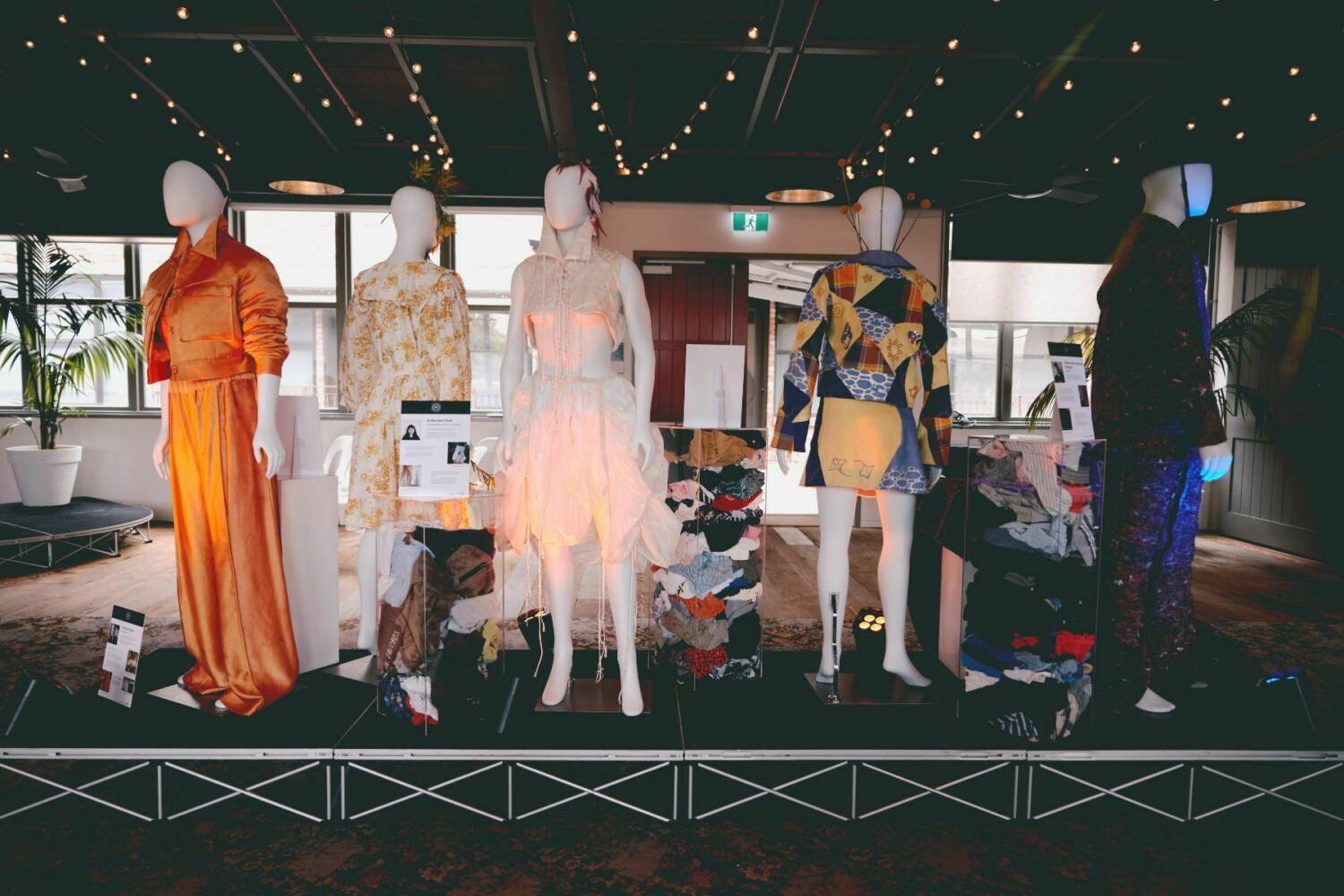
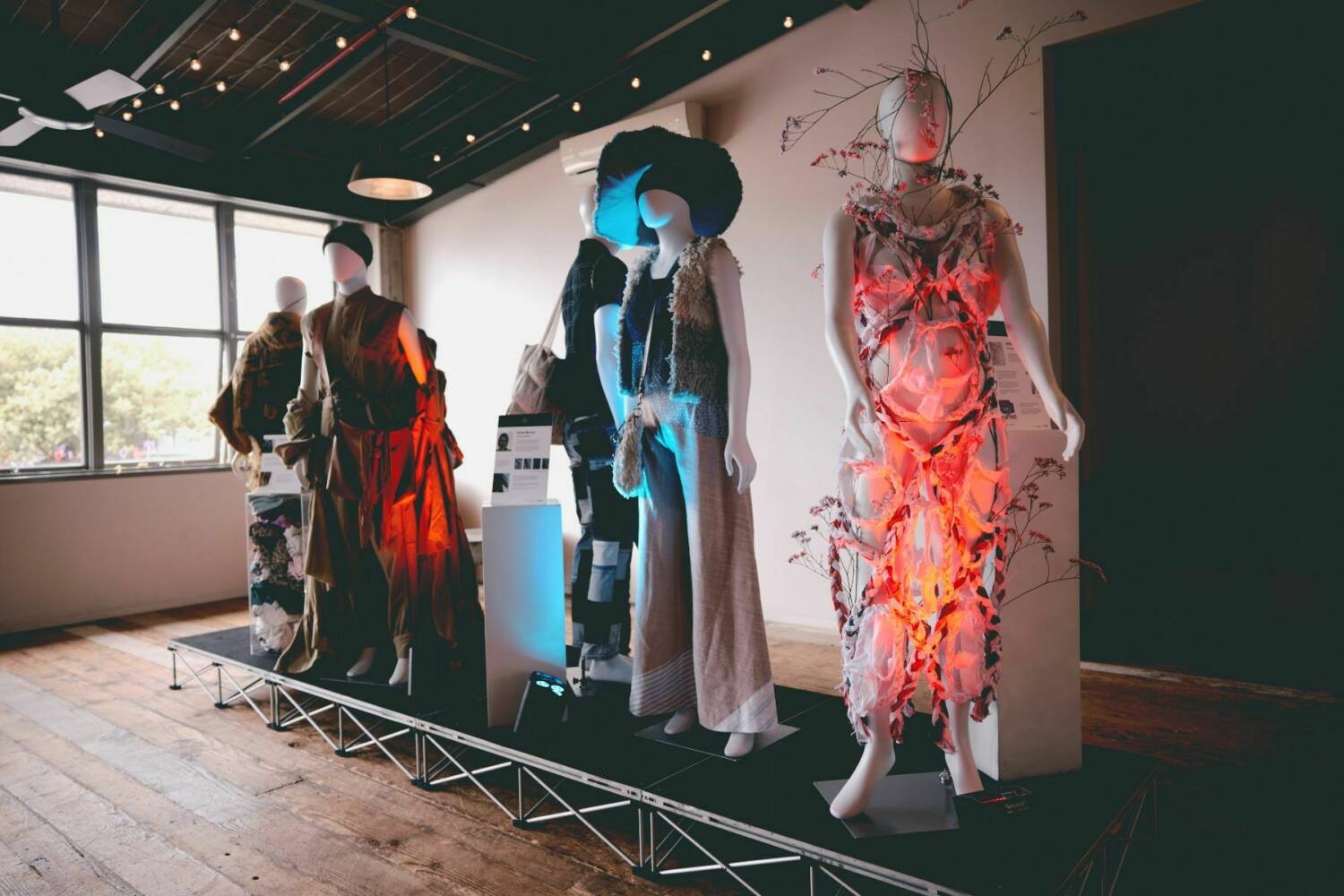
Celebrating Excellence in Circular Design
We had an incredible celebration of fashion and sustainability at the 2023 Fashion & Textiles Circular Design Awards held in Auckland in November!
We are excited to announce the inaugural Award winners of the Fashion & Textiles Circular Design Award 2023!
The Award celebrates the best of emerging talent in sustainable fashion design. On show were some of the many and varied ways that clothes can be designed for the circular economy.
Designers rose to the challenge, and pushed the boundaries in their design process and use of innovative production techniques.
The judges commented that overall it was an incredible group of entries, very strong for the first year of the awards. What particularly resonated was the wide range of waste streams tackled and solutions developed which illustrates the many different ways that circularity can show up. Well done for taking up the challenge!
Congratulations to all the Award Winners!
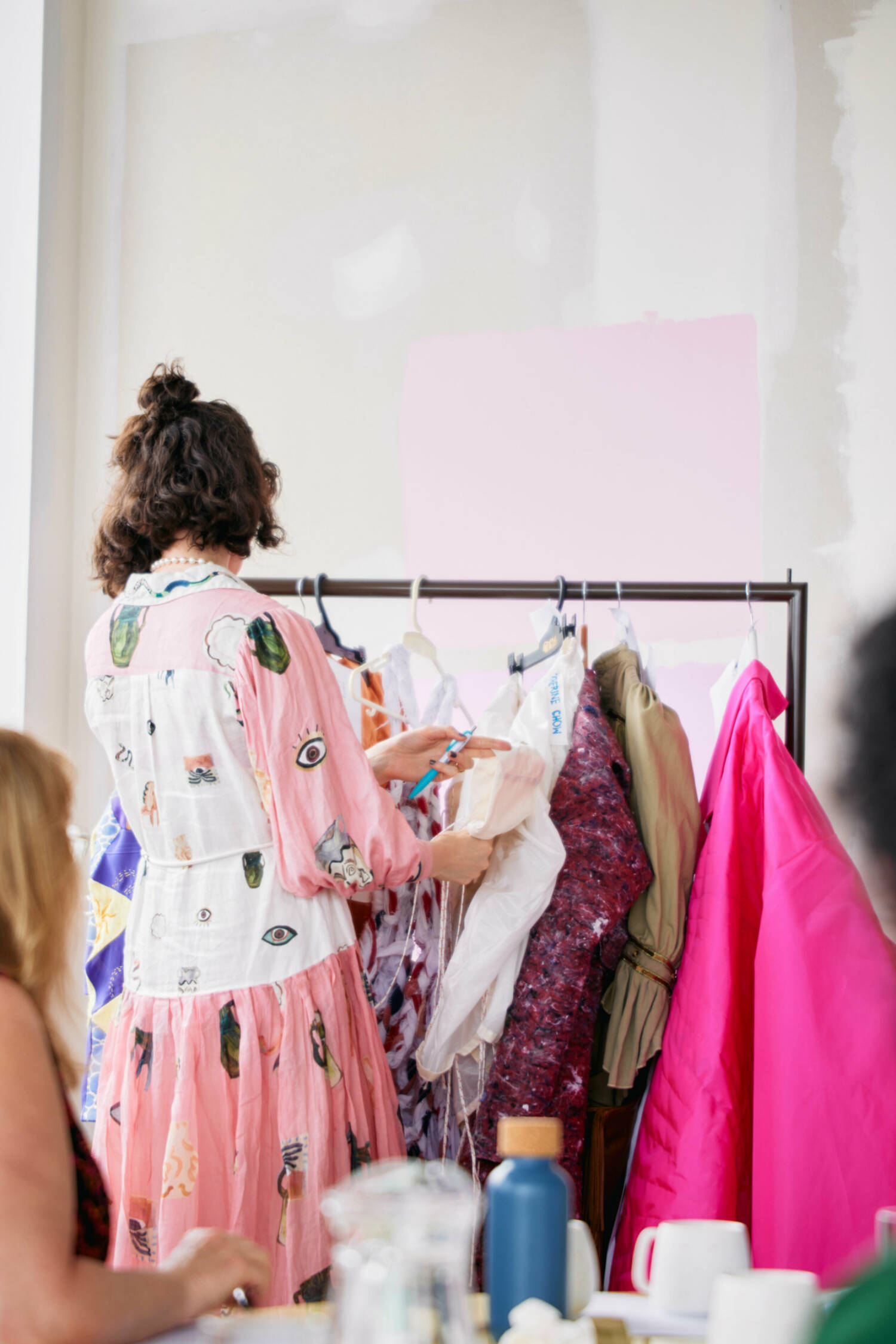
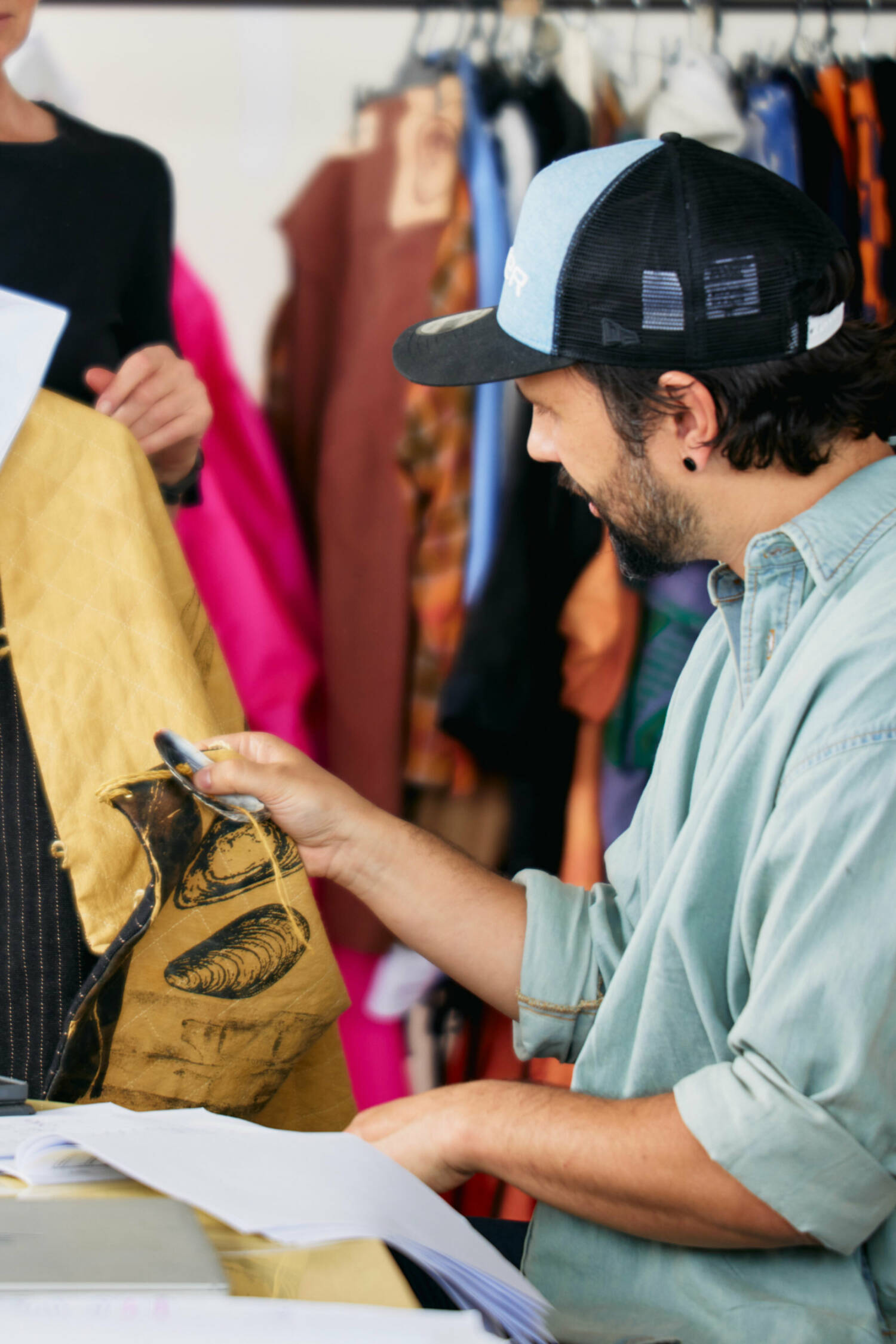
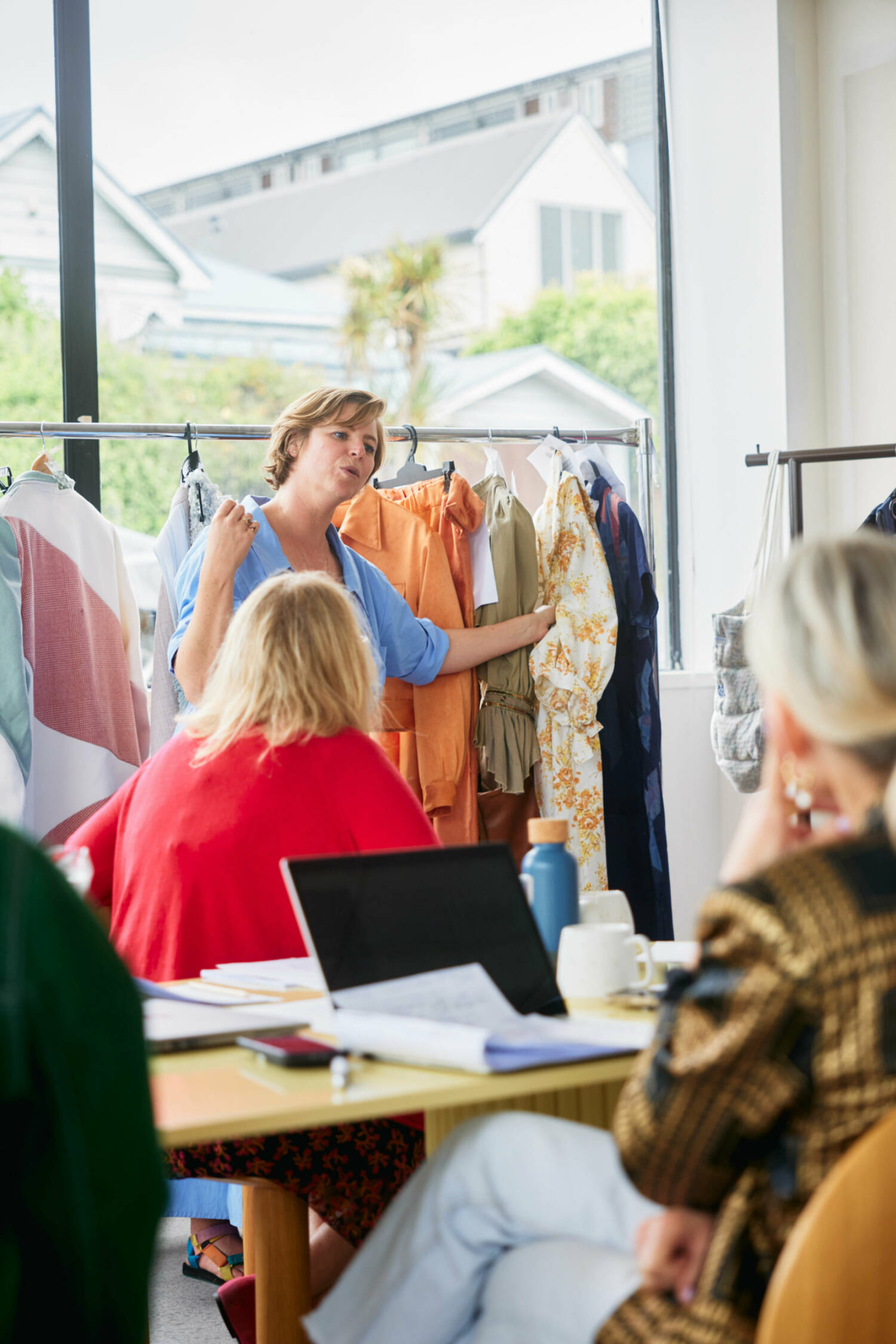
Circular Design Award Winners 2023!

VIVA Editorial Award
The Cockroach outfit subverts furniture removal blankets with modern tailoring.
The judges commended this outfit for challenging the norms, its beautiful craftsmanship and the consideration of wearability.

Award for Creative Excellence
No Virgins Allowed deconstructs and reconstructs end of life
denim.
The judges noted this outfit was fully resolved, showed original creativity in its innovative use of waste denim and showed an inclusive design function and aesthetic.

Award for Innovation showing Exciting Commercial Potential
The Joy of the Journey is a zero waste design, shining a light on the beginning of a garments life.
The judges commended Olivia’s community-based approach, the easy to source waste stream it tackles and that it would be easy to scale.

Award for Excellence from a Rising Talent
Transformation, renewal, connection breathes modernity and new life into obsolete parachutes.
The judges loved the innovative choice of material, and highlighted the clever way the design referenced its first life. The versatility of the garment gave it strong appeal.
Read more about the Award winners here.
Congratulations to all the Award winners, finalists, and entrants for taking up the challenge!
We were absolutely thrilled with the myriad of ways that creatives explored what designing for a circular fashion ecosystem could look like. The future is bright! We're looking forward to growing and evolving the awards for 2024 to continue to spark seeds of change.
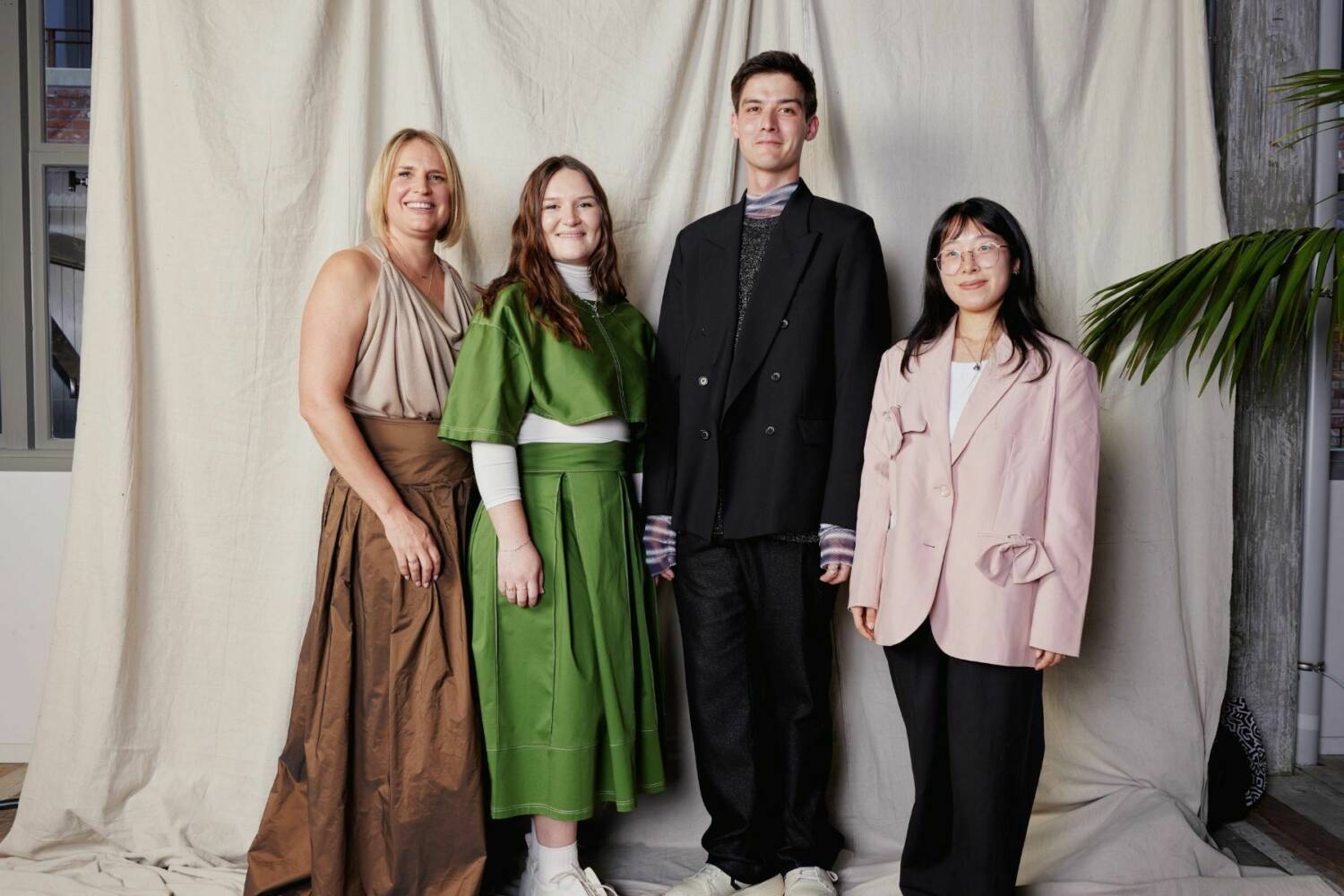
2023 Circular Design Award winners, from left: Karlie Morrow, Olivia Schaw, William Fitzgerald, Katherine Chow
Industry Value & Sustainable Pathways Report
We’re excited to announce the Economic and Sustainability Impact Report EY is producing on behalf of New Zealand's clothing and textile industry, and how you can get involved. This landmark report will represent the entire industry in Aotearoa from design to materials, manufacture and workwear through to retail and education
- Are you a member of NZ’s clothing and textile industry? If so, we need your help!
- We are working with EY NZ to produce an Industry Value and Sustainable Pathways report.
- We want to build a picture of the fashion and textile industry in New Zealand, measure its economic and employment value and chart a course for the future.
- Have your say. Your contribution is critical to ensure what's produced represents the voice of our industry.
- You can get involved by completing the survey that EY NZ is undertaking, and if you have any questions please contact jacinta@mindfulfashion.co.nz.
Have your say here
** Fashion & Textiles is circulating the survey on behalf of EY NZ, and has no access to any survey responses.
Our industry is significant in this country, worth billions and employing tens of thousands. We innovate, create, and contribute significantly to the value of Aotearoa. However, this contribution is not always understood.
This report will measure the economic and employment contribution of the industry, identify key challenges and opportunities, and lay out pathways for sustainable economic development. We want to create a platform that celebrates the social, cultural, environmental and economic value of the industry and identify areas to engage government and policymakers on our future.
Our Impact 2023
October 2023
We've been reflecting on our impact over 2023, on our journey to creating an innovative, full-circle and thriving future for the fashion and textiles industry in Aotearoa.
We're excited to share that as an organisation we've grown in size and impact! We now have over 100 members, businesses that are committed to a sustainable future for the industry here and want to collaborate to make that happen.
Through our seminars, workshops, resource development and programmes we've supported many businesses and individuals to advance on their sustainability journey.
Check our some of our highlights below!
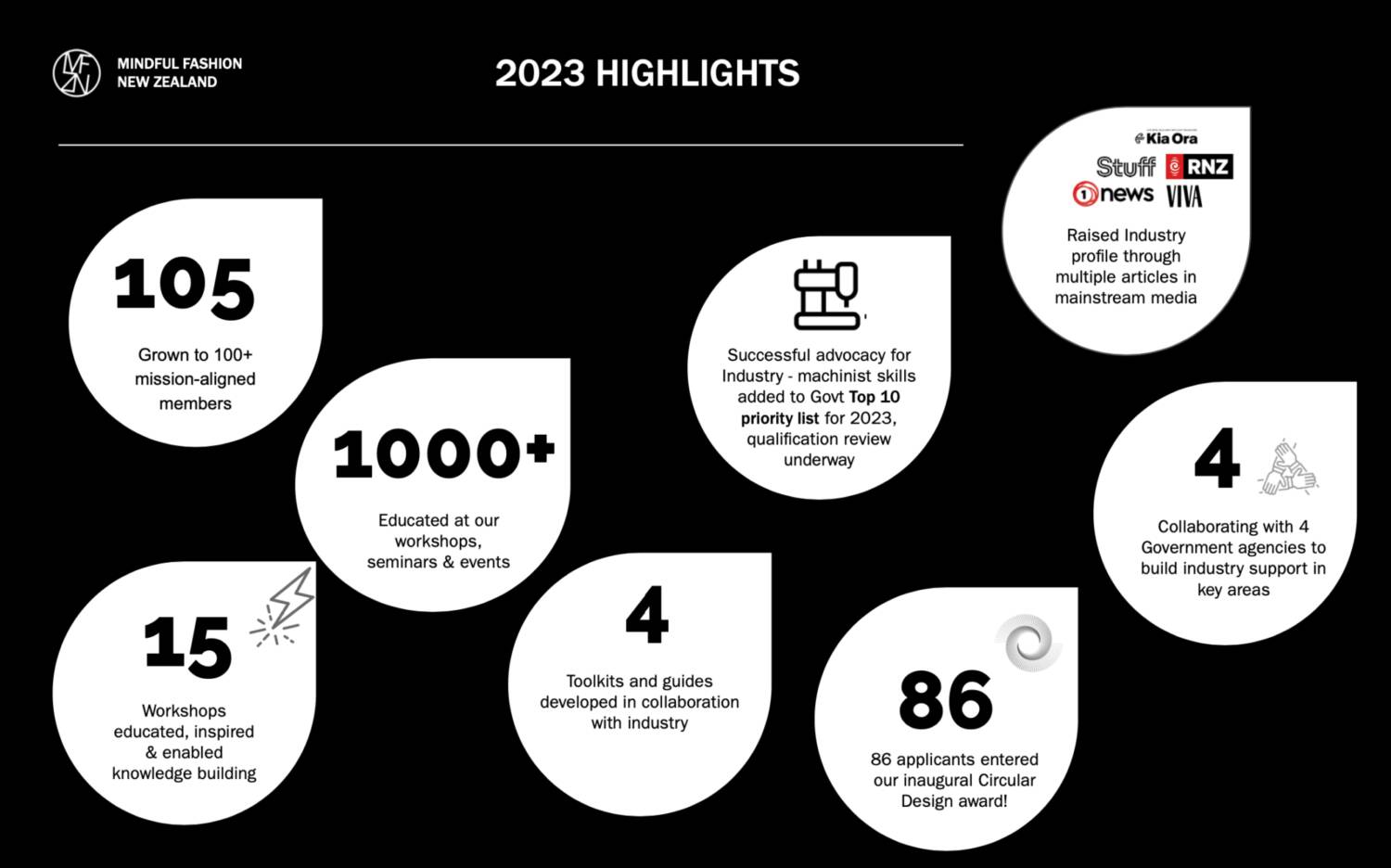
Our progress over the last four years.
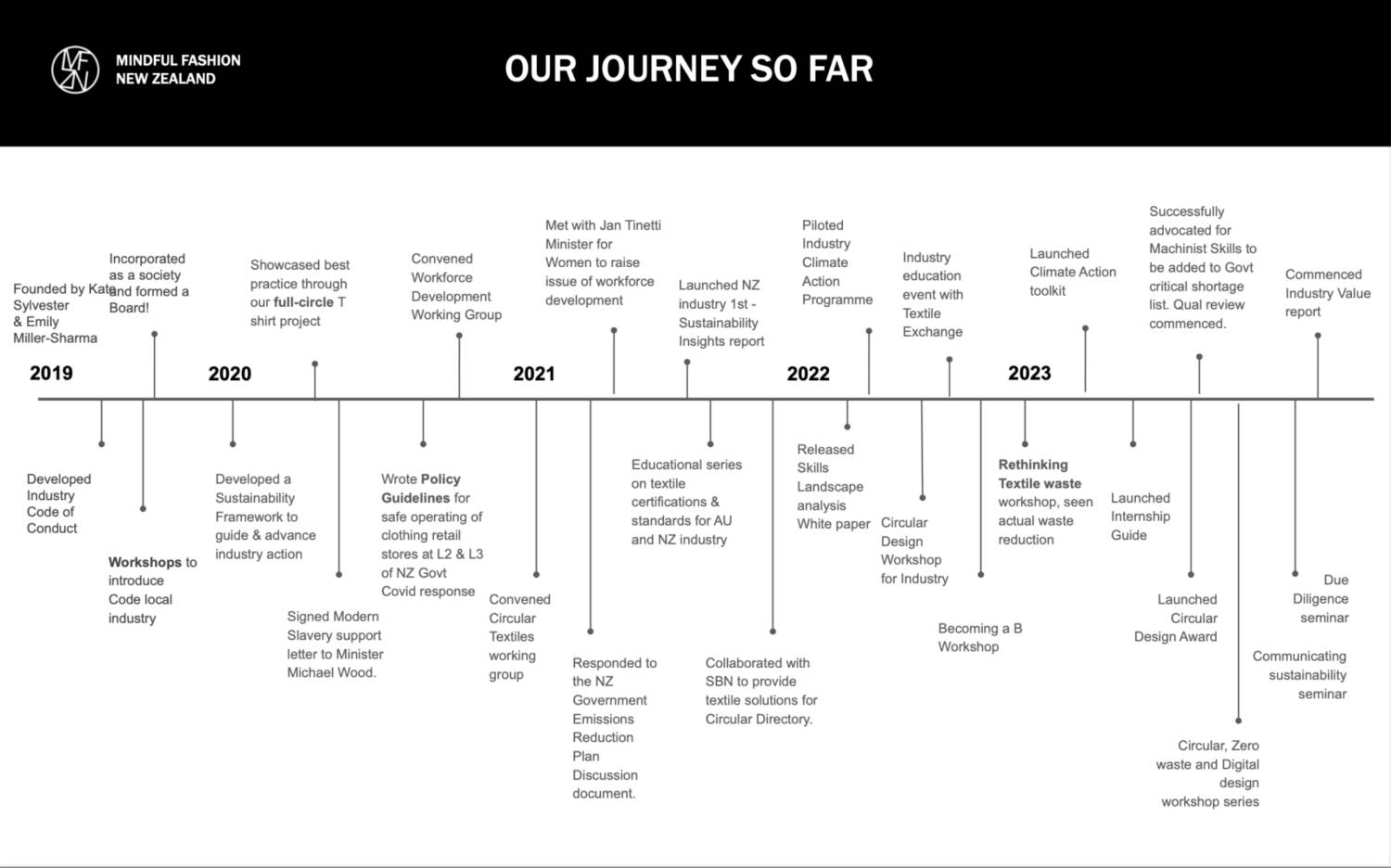
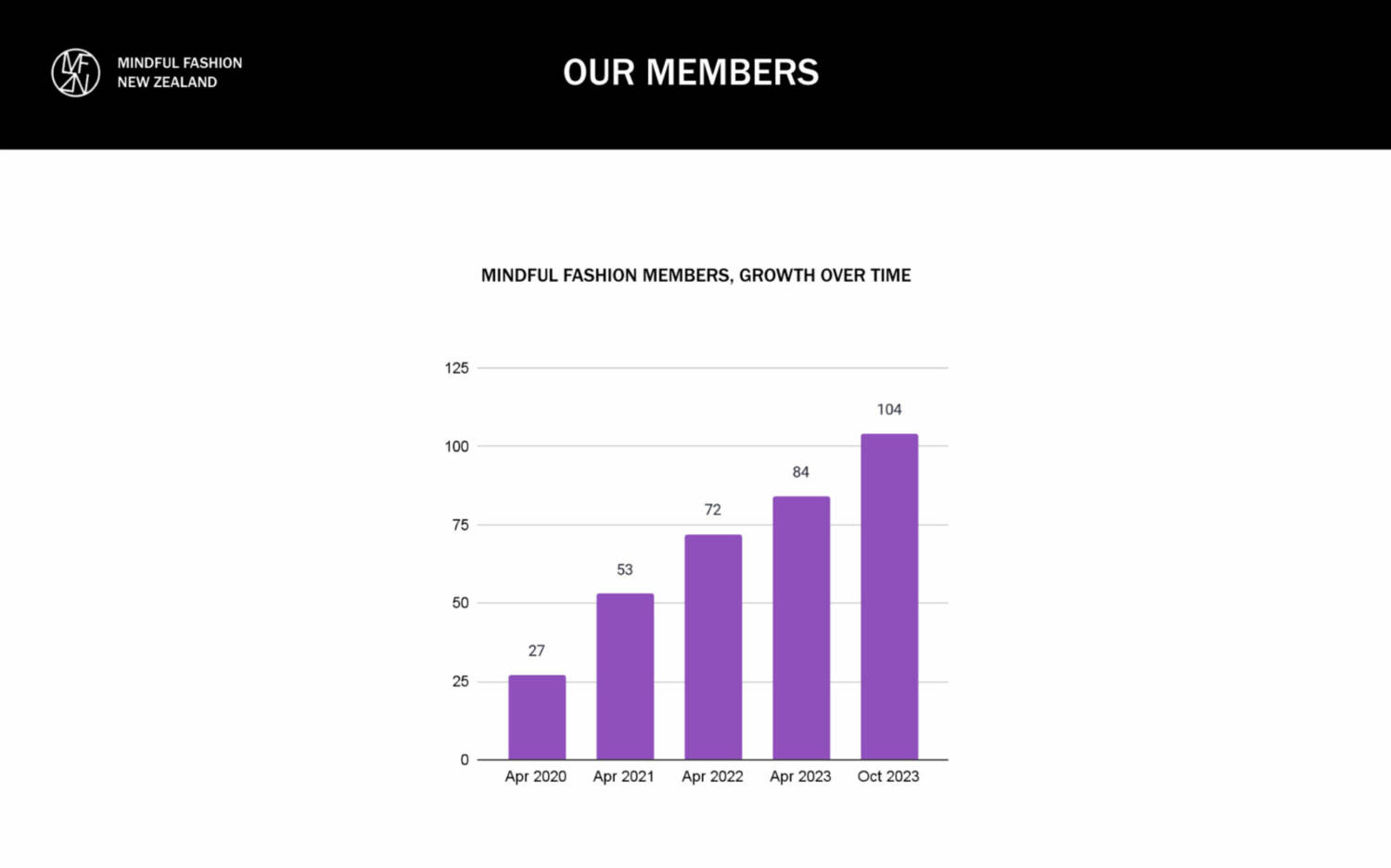
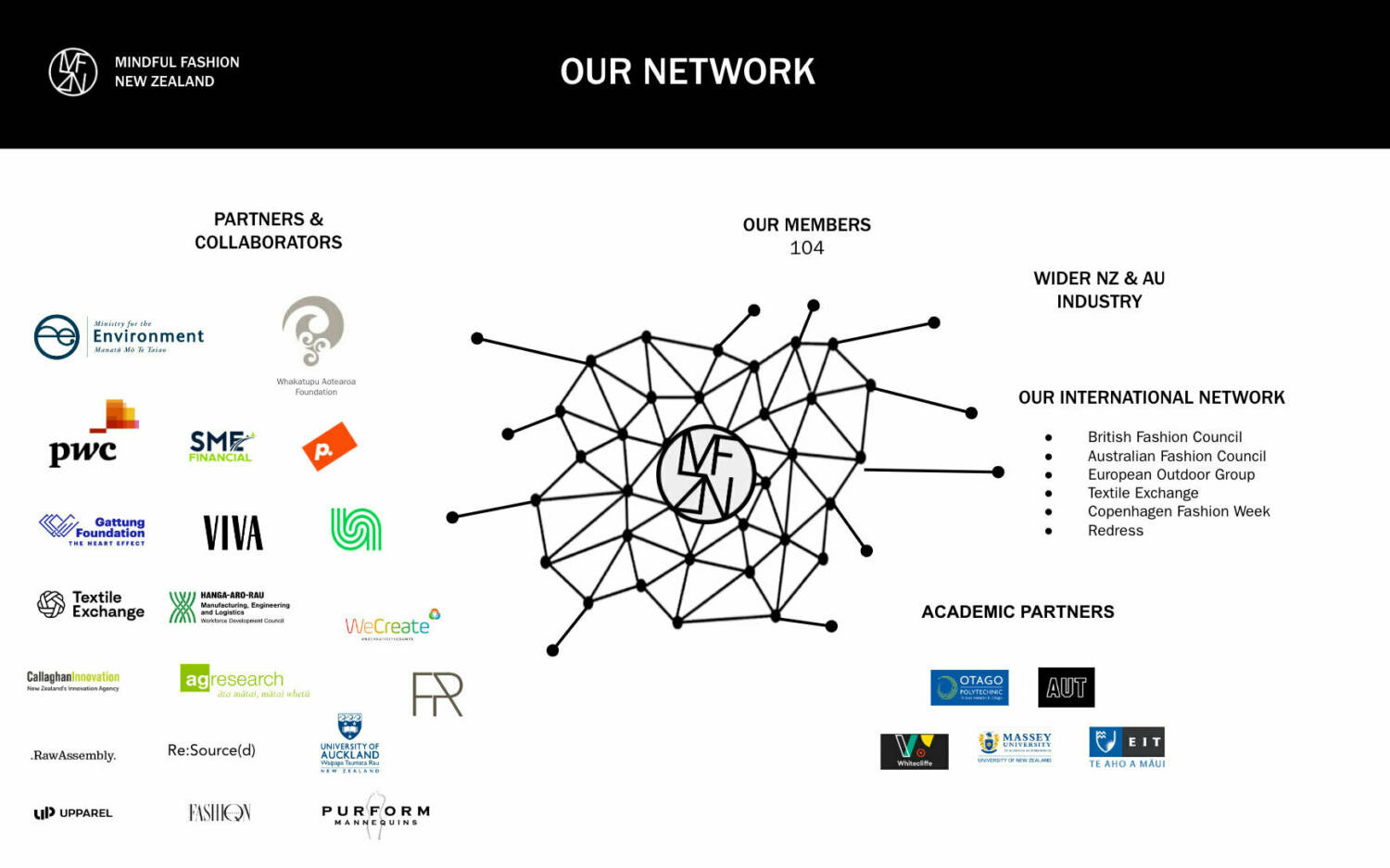
This is the Way! Climate Action in NZ's Fashion Industry
October 2023
Thanks Kia Ora Magazine for spotlighting our Climate Action Toolkit in your October issue! We developed the toolkit specifically for SMEs earlier this year after running a successful pilot programme that supported 10 of our members on the journey to measure their emissions and develop reduction strategies. The toolkit provides guidance and tools for businesses to build internal capacity and includes real world examples, targeted reduction strategies and tips from other businesses on how to get started.
This is the way
Fast fashion is routinely lambasted for its climate and environmental performance – and justifiably so. But the broader fashion and textile sector in this country is not sitting on its hands.
In May, industry organisation Fashion & Textiles New Zealand launched a Climate Action Toolkit that includes guides and tools to support local businesses on their decarbonisation journey. Informed by a 2022 pilot programme that included 10 New Zealand companies, the toolkit addresses the capability gap for what tend to be small firms with limited internal resources, and identifies obvious areas to target. (The pilot programme showed that freight accounts for more than 70 percent of emissions).
“We’ve developed step-by-step guidance about where they can go to get this piece of freight information, or this bit of data about business travel, or whatever it is they need,” says Fashion & Textiles chief executive Jacinta FitzGerald, who adds that there’s no shortage of willingness to tackle decarbonisation, with 91 percent of members identifying it as their biggest issue.
Check out our Toolkit here.

Expert tips: How to shop for clothes that last
September 2023
How to shop for clothes that last
In today's increasingly conscious consumer landscape, the concept of shopping responsibly has gained significant importance. This article by One News delves into the key principles and practices of responsible shopping, shedding light on how consumers can make informed choices that benefit their budget, the environment and the community.
Fashion & Textiles was honoured to be asked for comment on the important issue of how to mindfully shop for clothes. Our Chief Executive Jacinta FitzGerald highlights some key choices people can make in Aotearoa when looking for something new to wear.
- "Regardless of budget, investing in clothing that you see yourself putting on time and time again is important."
Jacinta also recommends shopping locally wherever possible, stressing the importance of supporting the local industry with your purchasing decisions.
- "We have some incredible local businesses with best-practice processes and an industry with provenance at its heart, and you are supporting local jobs and the local economy.”
Read the full article here.
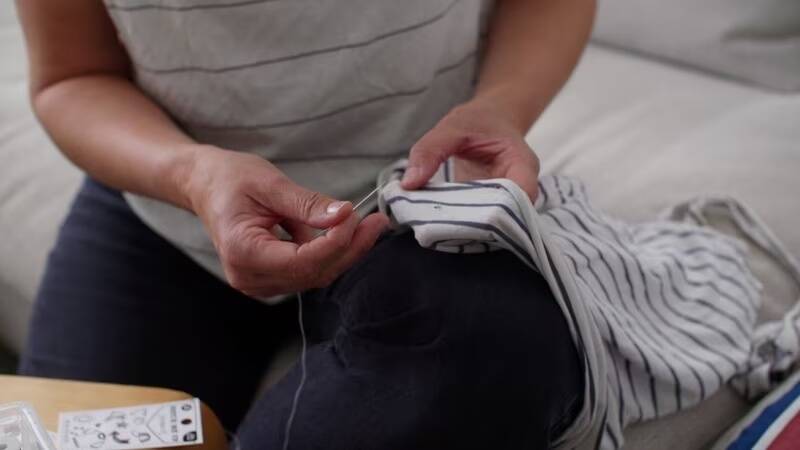
Image: Fair Go
How sustainable is Fashion Week, really?
The role of Fashion Week is evolving due to technology, the rise of fast fashion and the need for more sustainable approaches to production and consumption of clothing. Fashion & Textiles's Chief Executive Jacinta FitzGerald discusses the responsibility NZFW has to promote responsible engagement with fashion in this article exploring the changing nature of the event and expectations from consumers and industry.
This year NZFW 2023:Kahuria hosted a wide range of interactive events, runway shows, panel discussions and workshops, including a Makers Market and clothing repair sessions, to broaden the way its audience could participate, to start conversations and to inform audiences about sustainability and circularity.
Platforms such as Fashion & Textiles are important. Jacinta says “It’s about raising standards within the industry of the way garments are produced and brought to market, then also promoting responsible consumption.”
Fashion & Textiles's panel discussion on a Circular Future for Fashion - challenges and opportunities was on the schedule and explored what the industry is doing to to address circularity and sustainability, and where more work is needed.
Read the full article here.
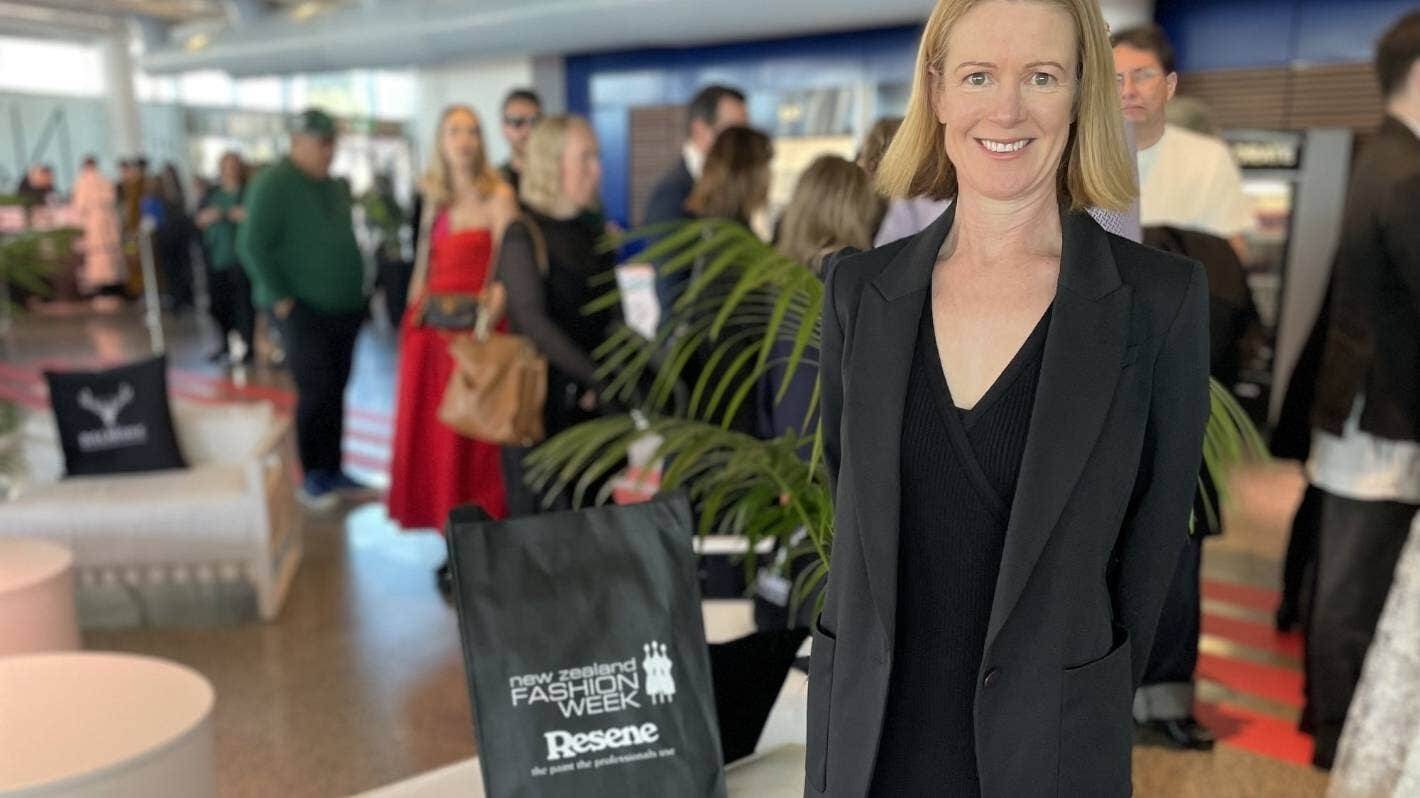
2023 Award Winner: KARLIE MORROW
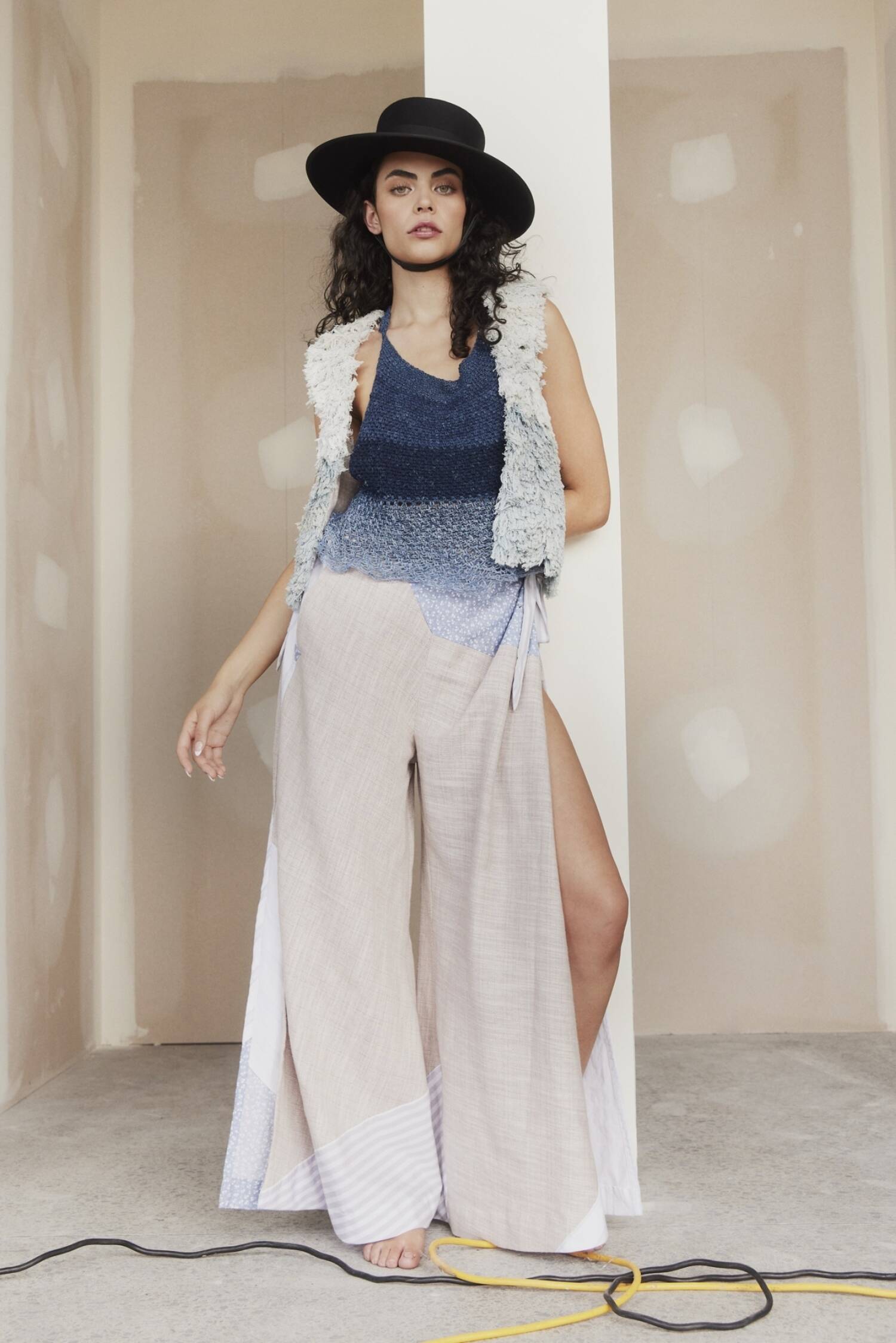
No Virgins Allowed
Winner: Award for Creative Excellence
This ensemble is a conversation starter masquerading as a free spirit.
Inspiration evolved from a single question regarding fake furs place in our world to re-visiting the optimism of youth. It references the subversiveness of punk, the free spirit of the flower power movement with a nod to the Māori feather cloak and the symbols for growth and togetherness. This ensemble represents a coming together of cultures, ideals and philosophies past and present to symbolise how we need to think about fashion’s future.
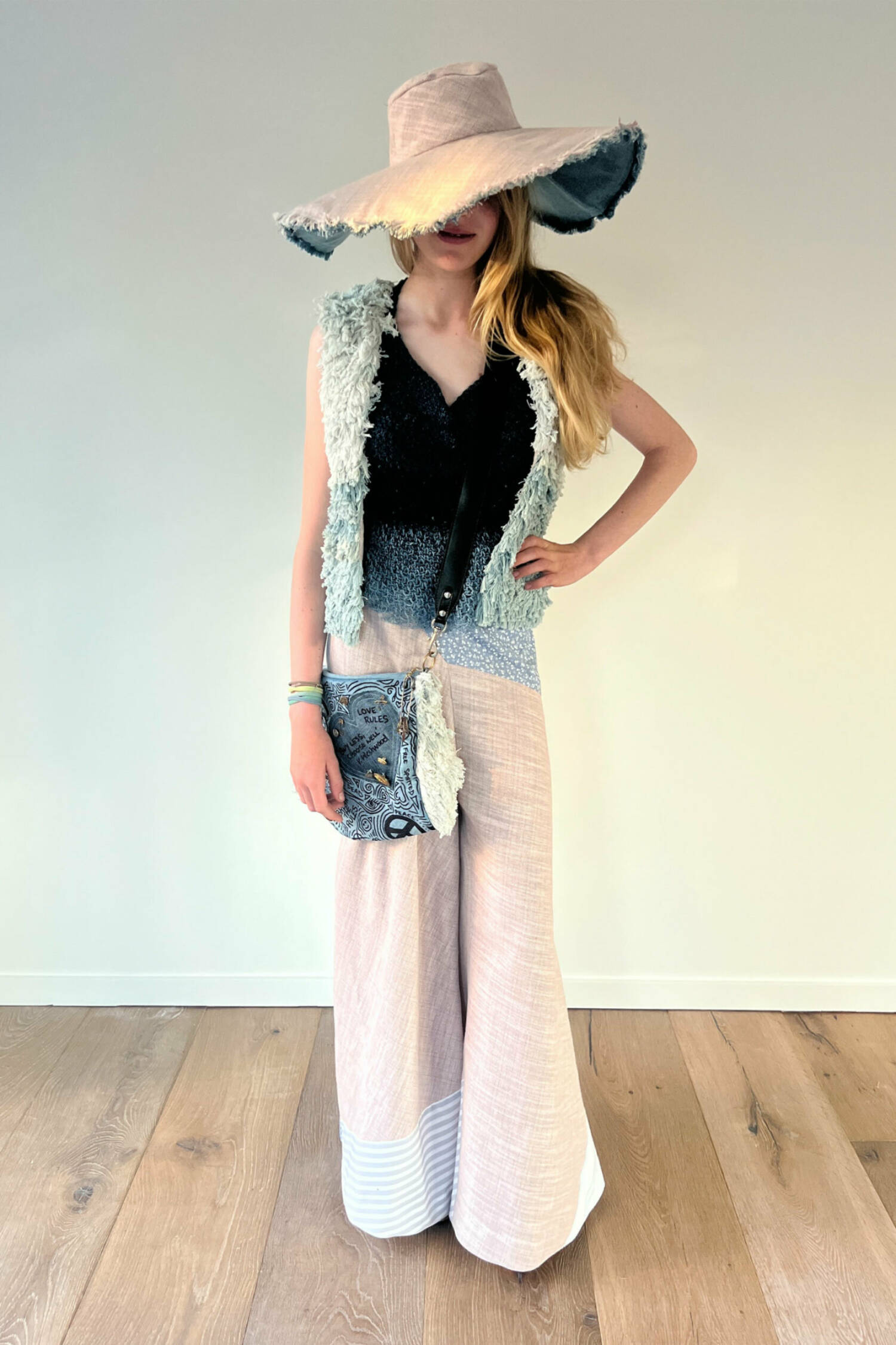
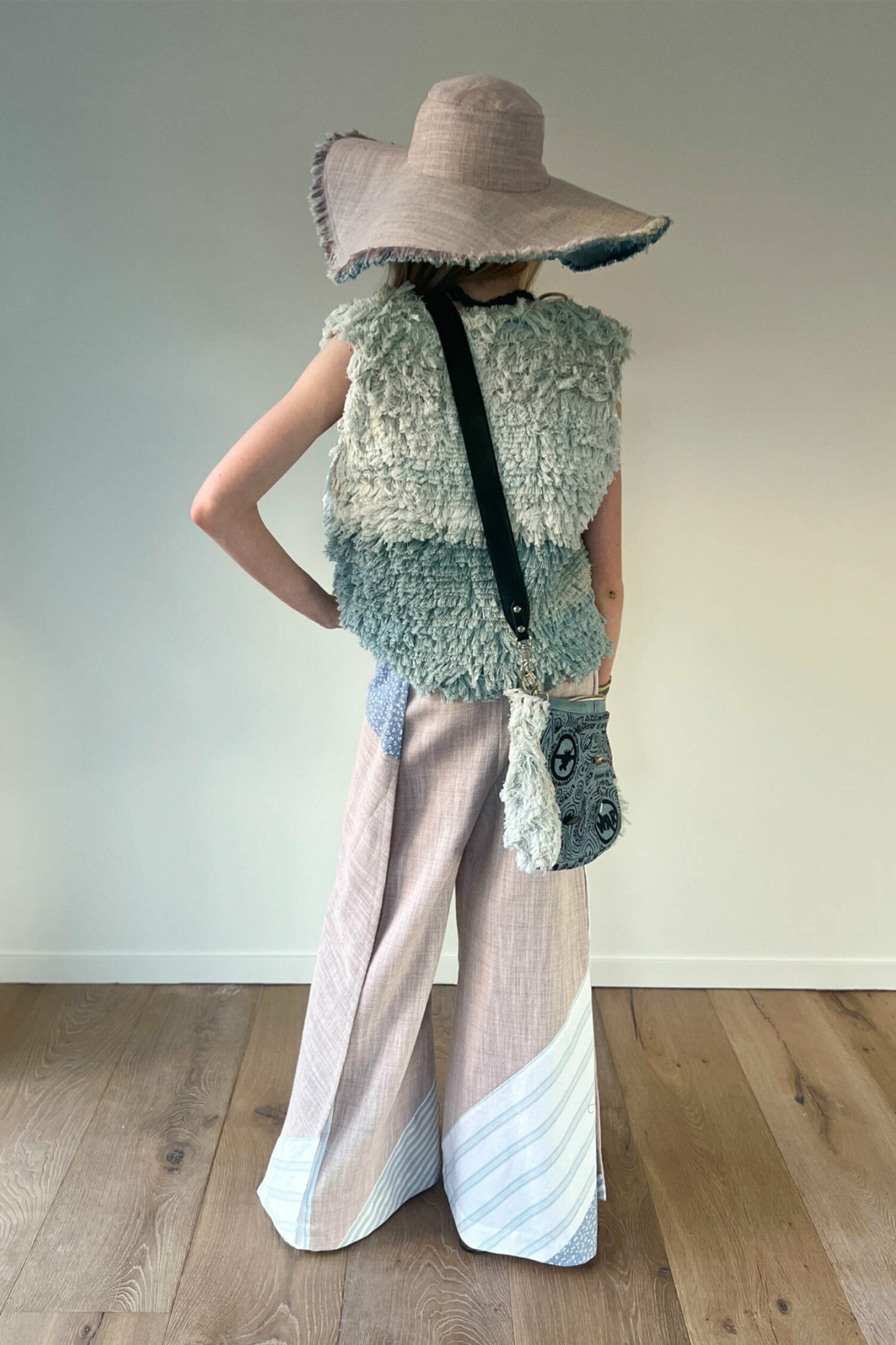
The designer sees fashion’s role in kaitiakitanga as utilising our existing resources and valuing what we already have.
The garment and accessories are made from 98% industry waste including unsaleable samples and household linen, and denim destined for landfill.
Rather than just cutting up old jeans, worn-out knees and ripped /stained denim has been deconstructed to create a yarn that can be knitted or crocheted, and used to create a faux fur/feather fabric with texture. Its 100% natural and fully circular.
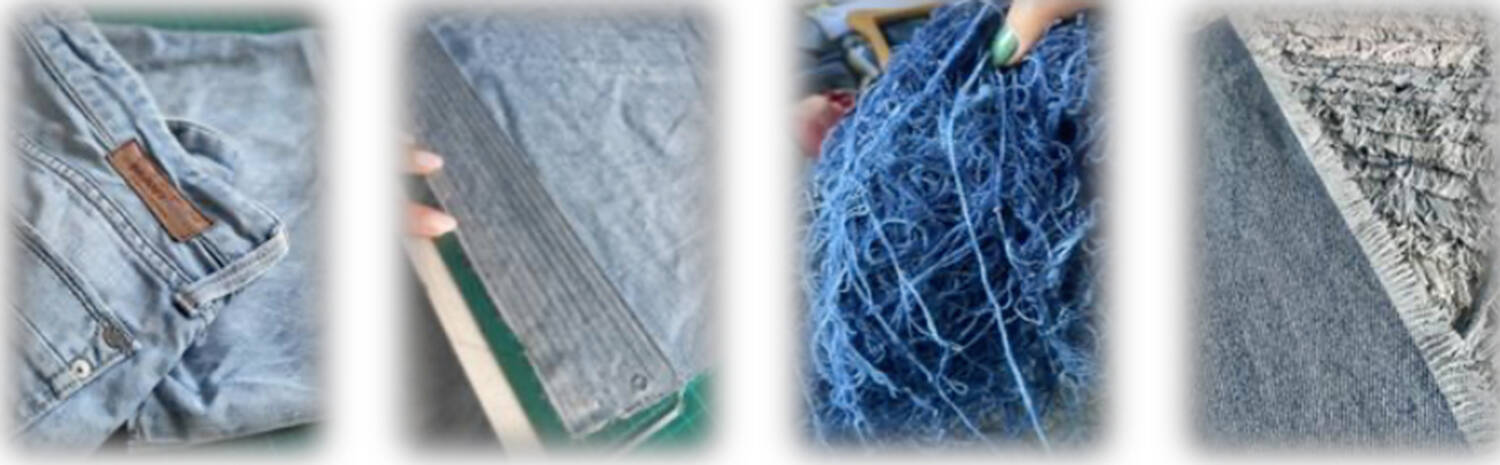
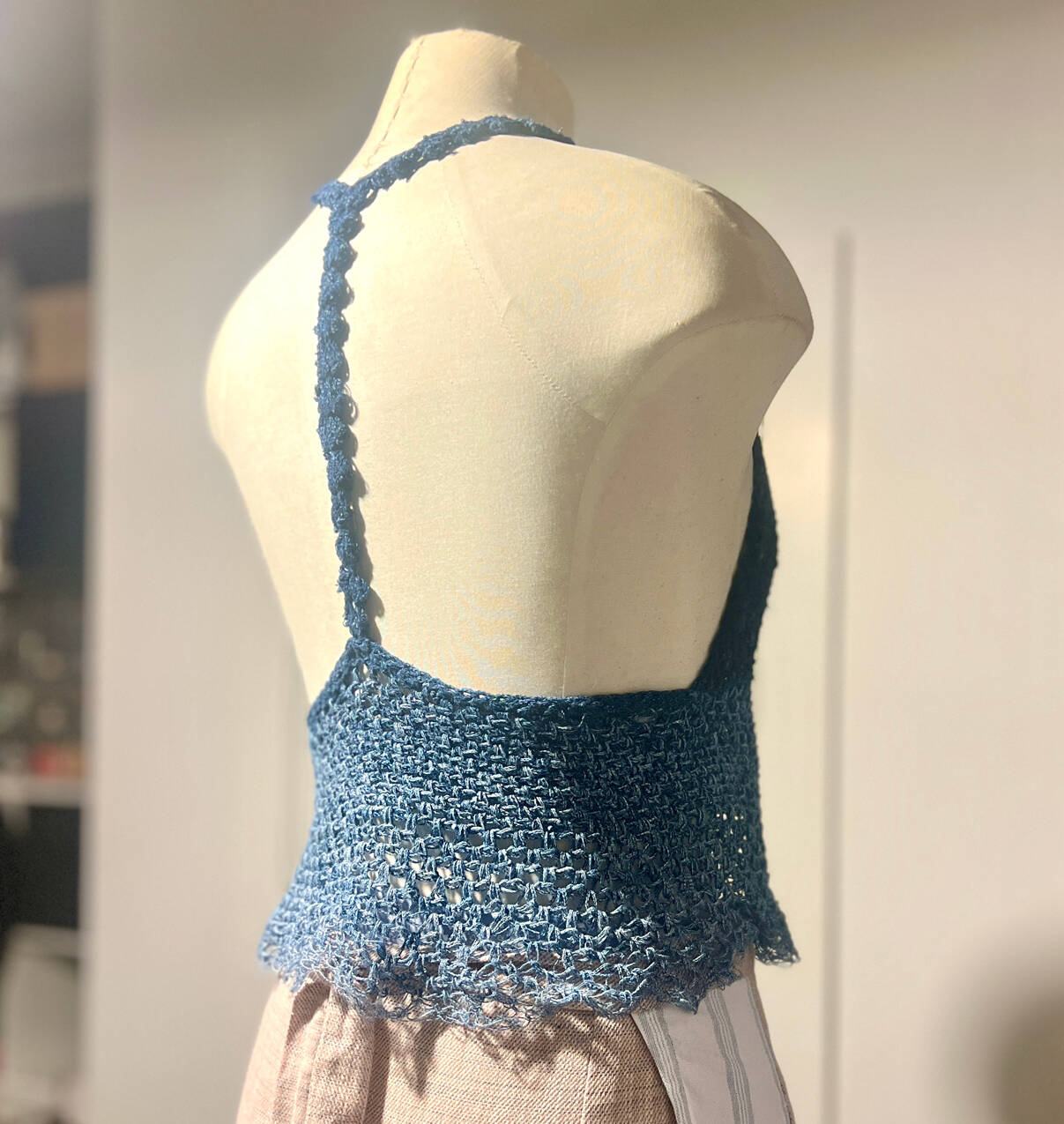
The bag is decorated with the slogans of now, no dinosaurs (oil), no virgin (materials), break the rules and go off grain in a nod to patternmaking techniques.
The judges noted this outfit was fully resolved, showed original creativity in its innovative use of waste denim and showed an inclusive design function and aesthetic.
2023 Finalist: WHITNEY HENTON

To honour the rich history of family
The outfit is made from her Grandmother's 62 year old silk wedding dress, a wool pillow inner, damaged scrap sheets, a broken bra and brown onion skin.
The aim of this design is to showcase how your loved ones' wedding dresses can be redesigned and upcycled to live on, rather than rotting away in a box or landfill.
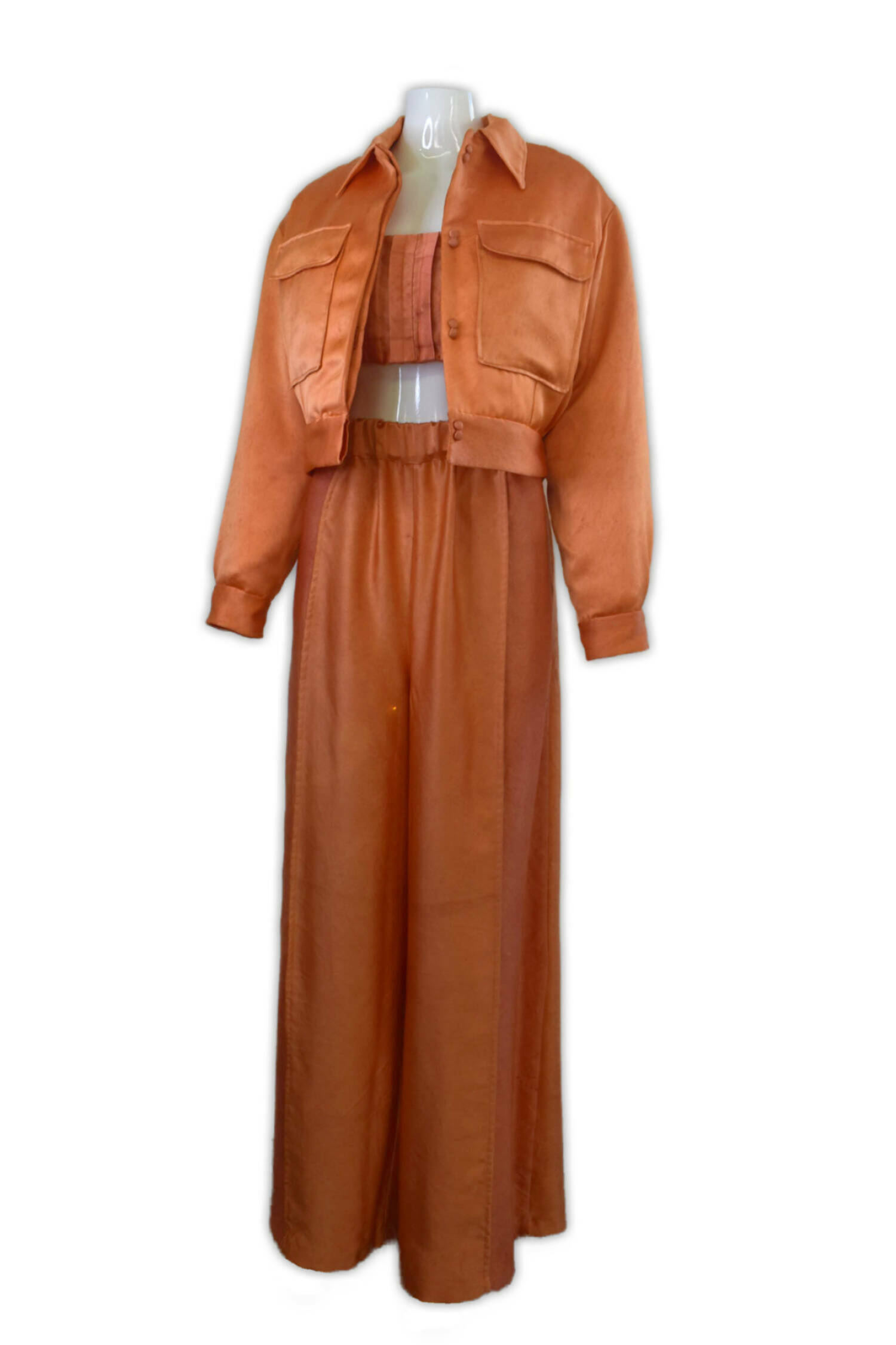
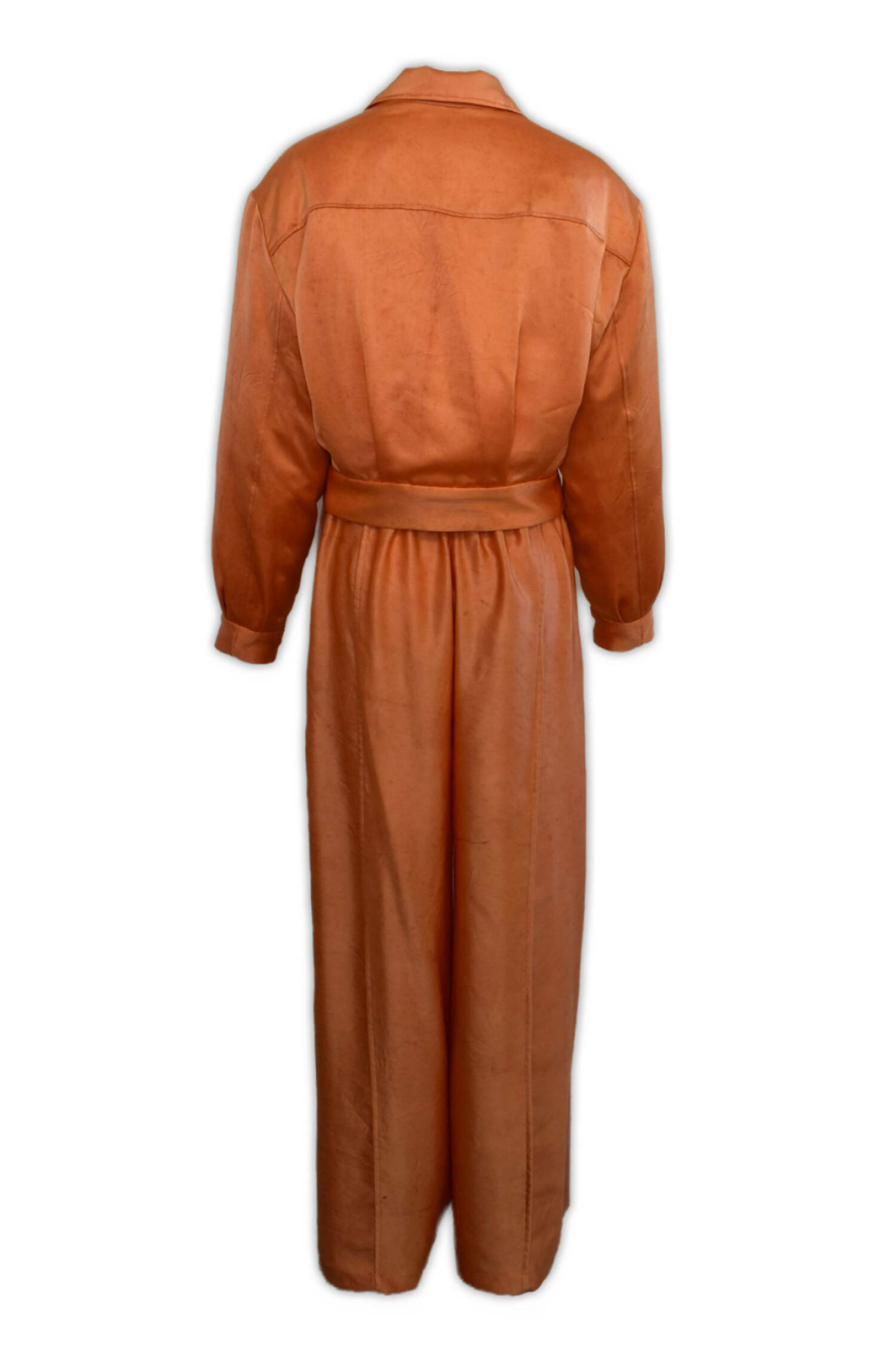
Working in the distribution centre at Dove Hospice, seeing thousands of items come through the door each week was the inspiration for Whitney’s design. The outfit is made from her Grandmother's 62 year old silk wedding dress, a wool pillow inner, damaged scrap sheets, a broken bra and brown onion skin. New materials include madder root for dyeing, organic cotton, and natural rubber elastic.
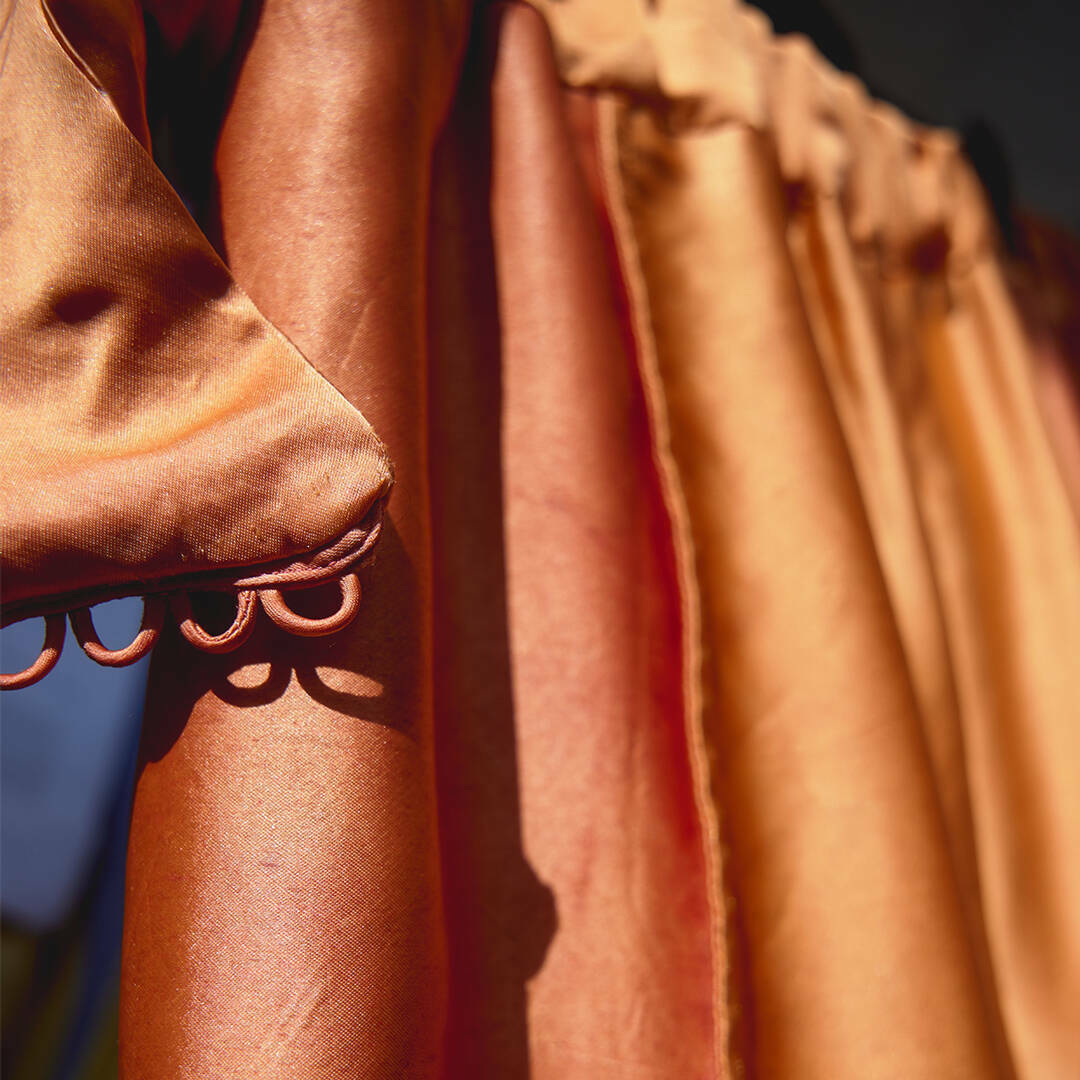
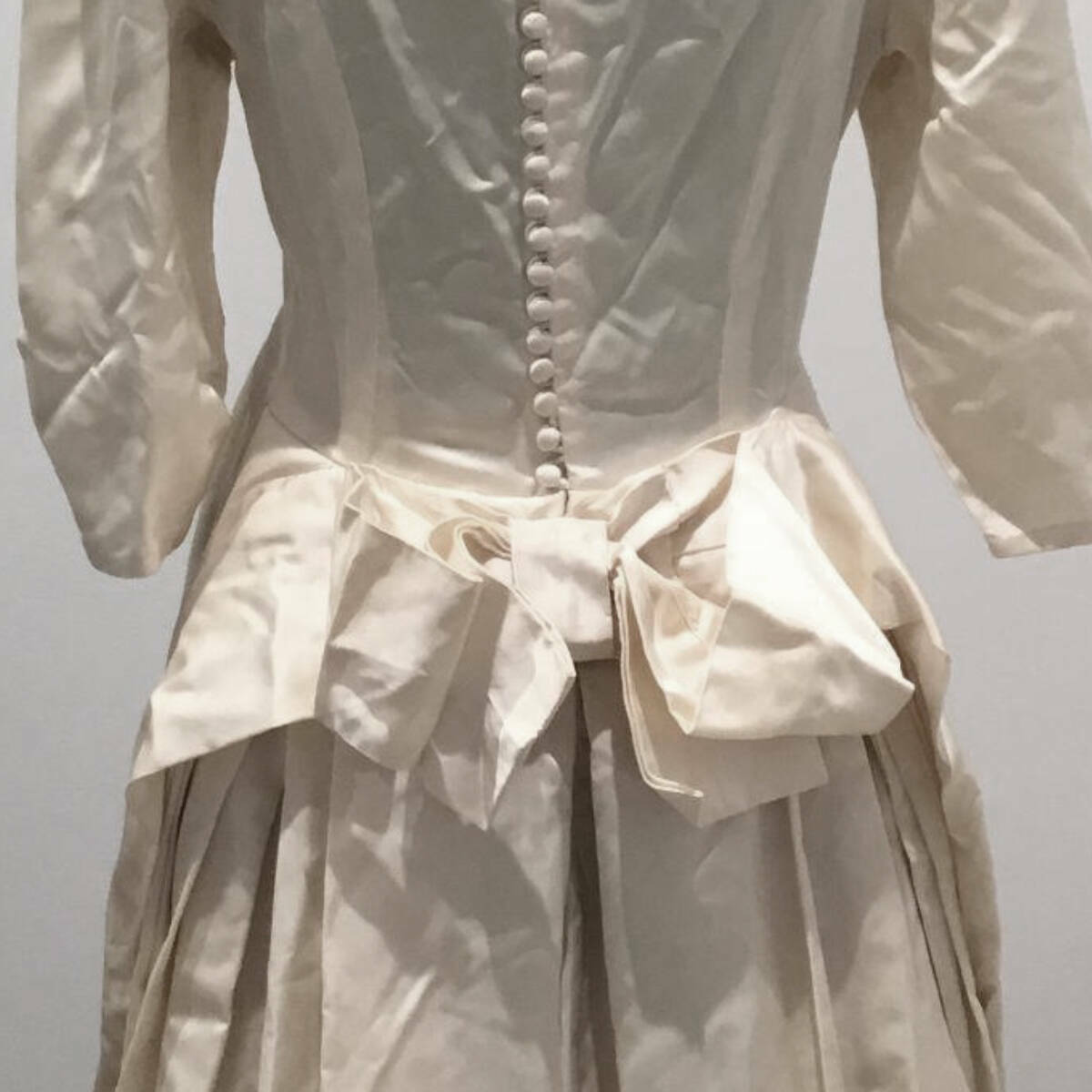
Brown onion skins were used to naturally dye the blemished fabric and breathe new life into it. The waste onion skins were sourced from Pak’n’save and fruit shops around the area, and were combined with madder root gifted from India where Whitney’s Grandad spent a large portion of his life, so she could honour the rich history of her family in this outfit.
The outfit can be easily repair, redyed, or recycled again at the end of its life due to the natural materials used.
2023 Finalist: IZZY LEVIEN
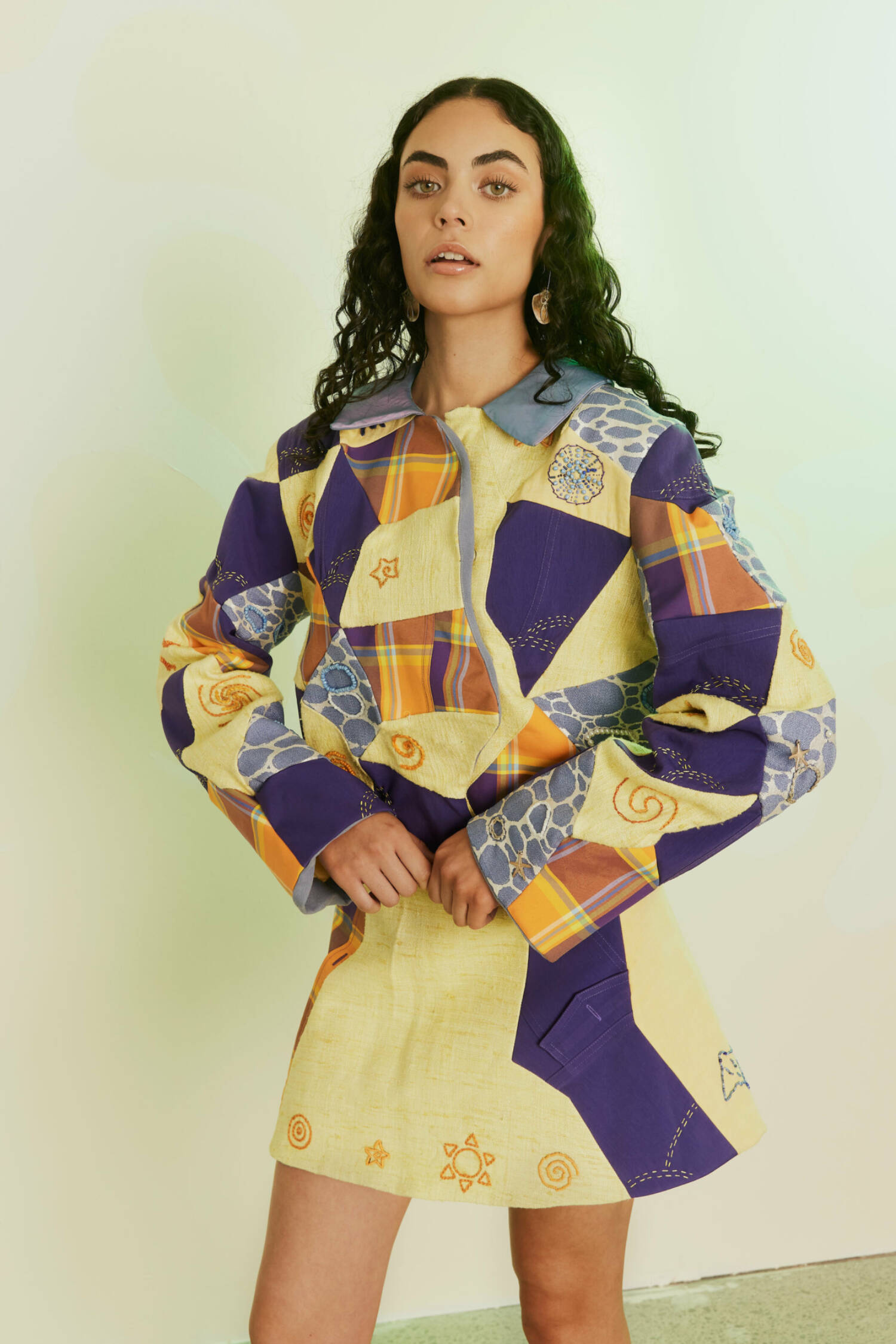
Sunset Sunrise
The design channels the garment's first lives and interprets and combines them as inspiration for the final design.
Golden Bay is the inspiration for this design. The concept of spiritual consumption as a response to economic challenges aligns with the project, which ties into the idea of reincarnation of repurposed second-hand materials.
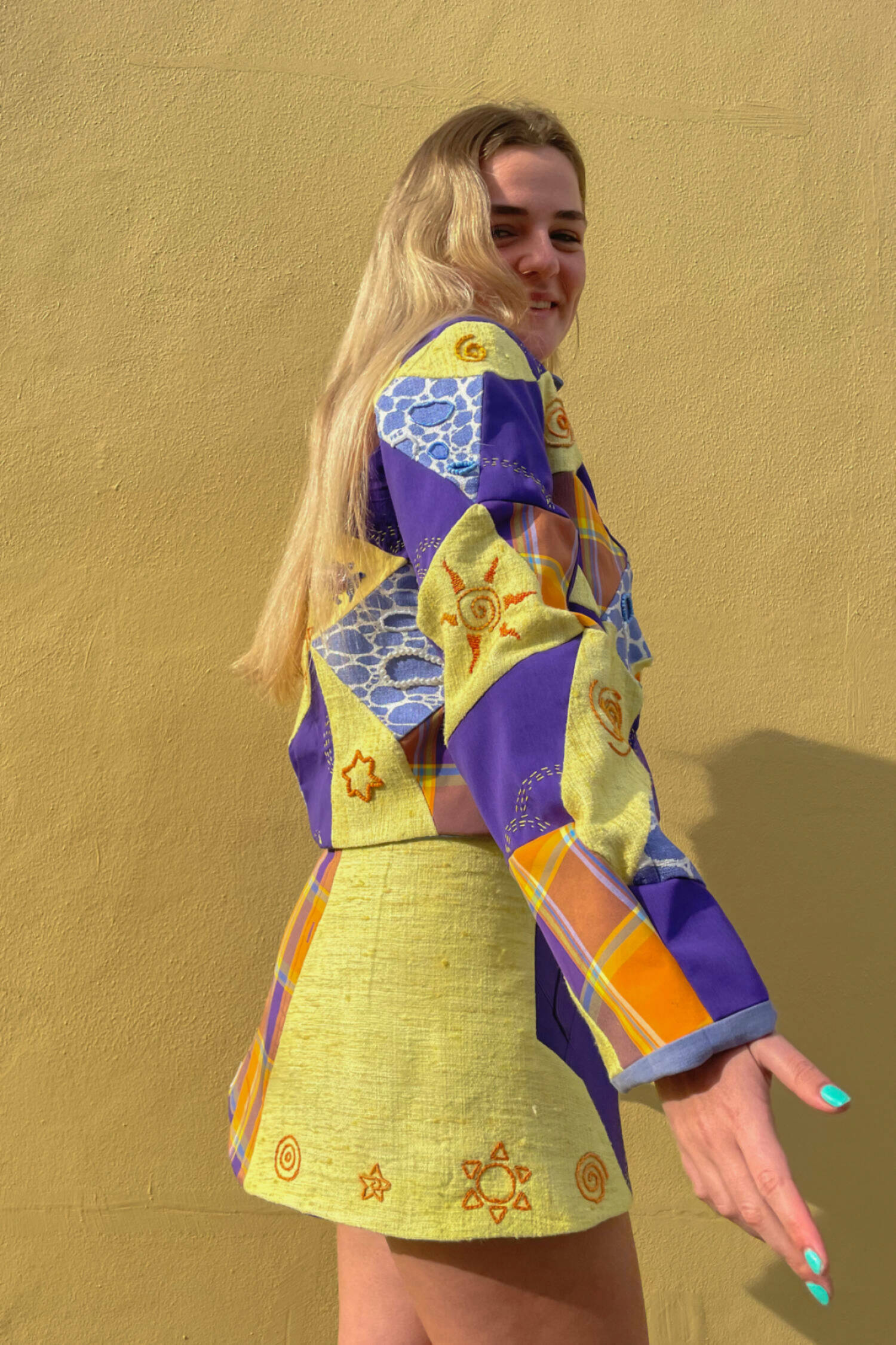
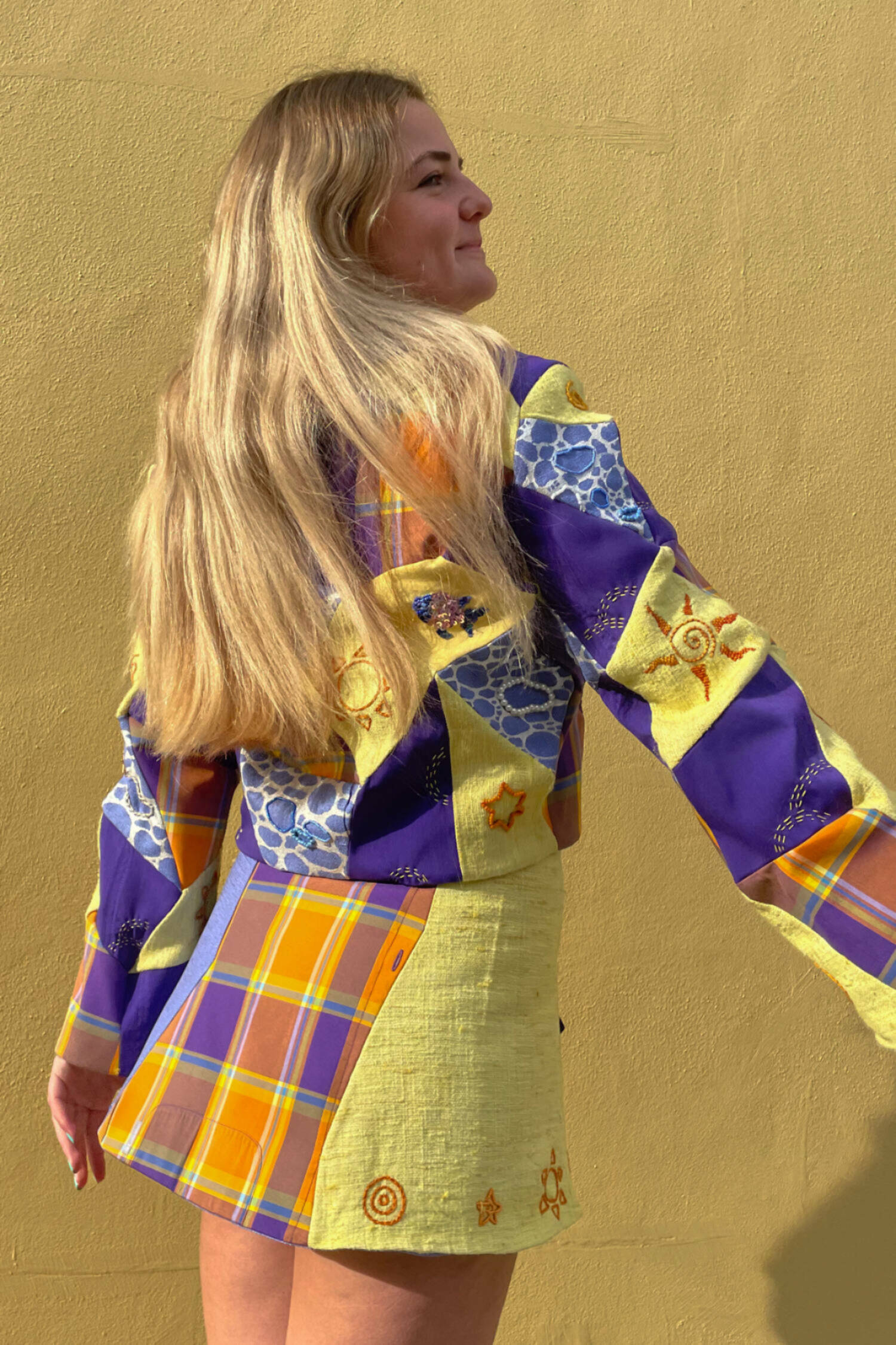
“Fill a bag for $1” waste fabrics that were due to be landfilled were sourced from Trash Place in Takaka, along with old household linens and waste from university projects.
The outfit is designed for the Golden Bay area; festivals, summery days, music performances. The shape of the skirt panels were determined by the jacket offcuts, with additional seams being used where needed to minimise waste in the design and construction stage.
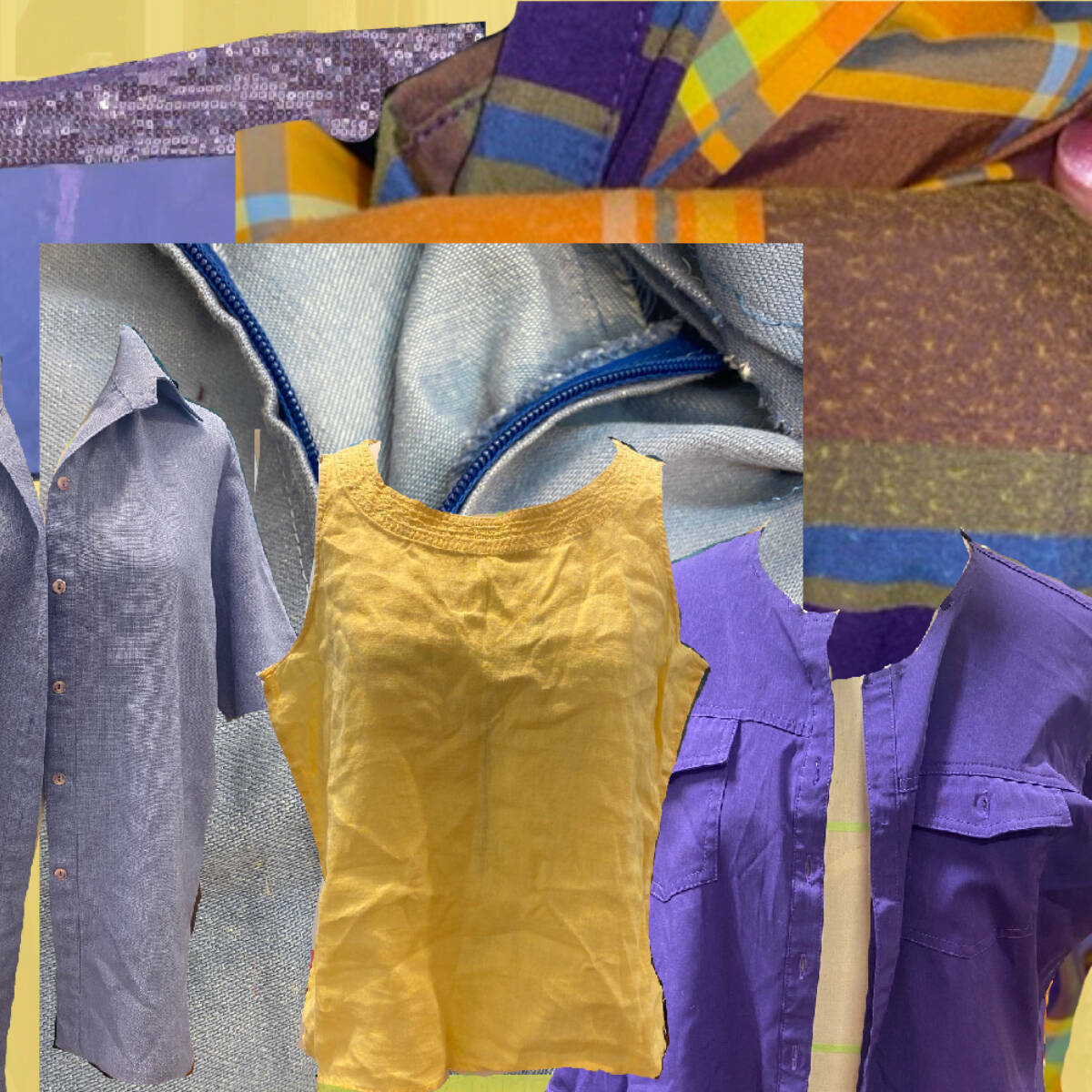
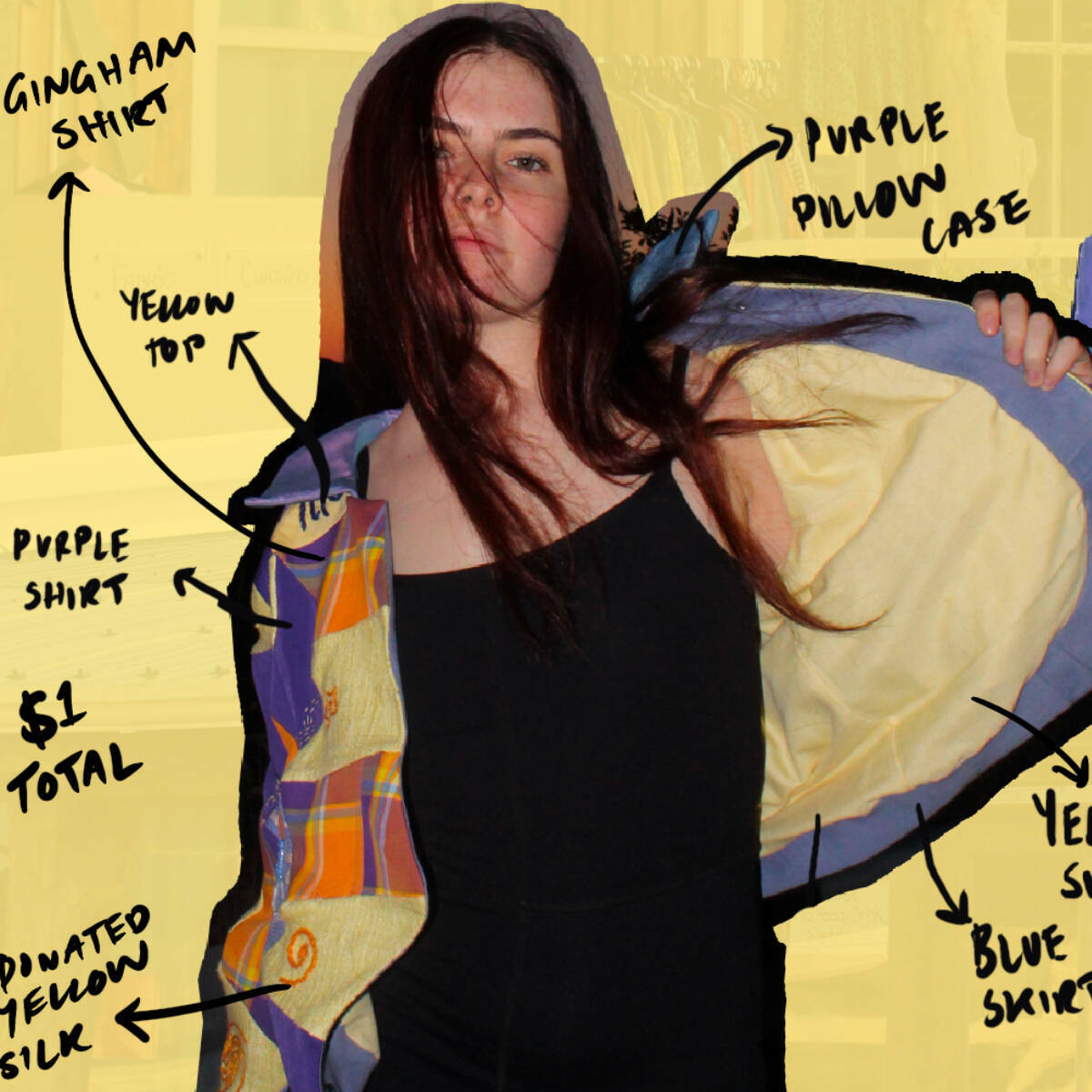
The hand embroidery process is a slow fashion methodology that encourages appreciation of the craft and doesn’t rely on electricity. To ensure durability the garment features doubled linings which also enhance comfort and shape retention - important for festival use!
The design channels the garment's first lives and interprets and combines them as inspiration for the final design. The embroidery links the different ‘old’ pieces together to make them one ‘new’ piece. Each panel reflects a different aspect of Takaka. Its sunny, hippy vibe, the ocean and how it sparkles with the golden sand and dunes, and the marine life the designer has collected over the years.
2023 Finalist: NETHASHA ABEYSINGHE
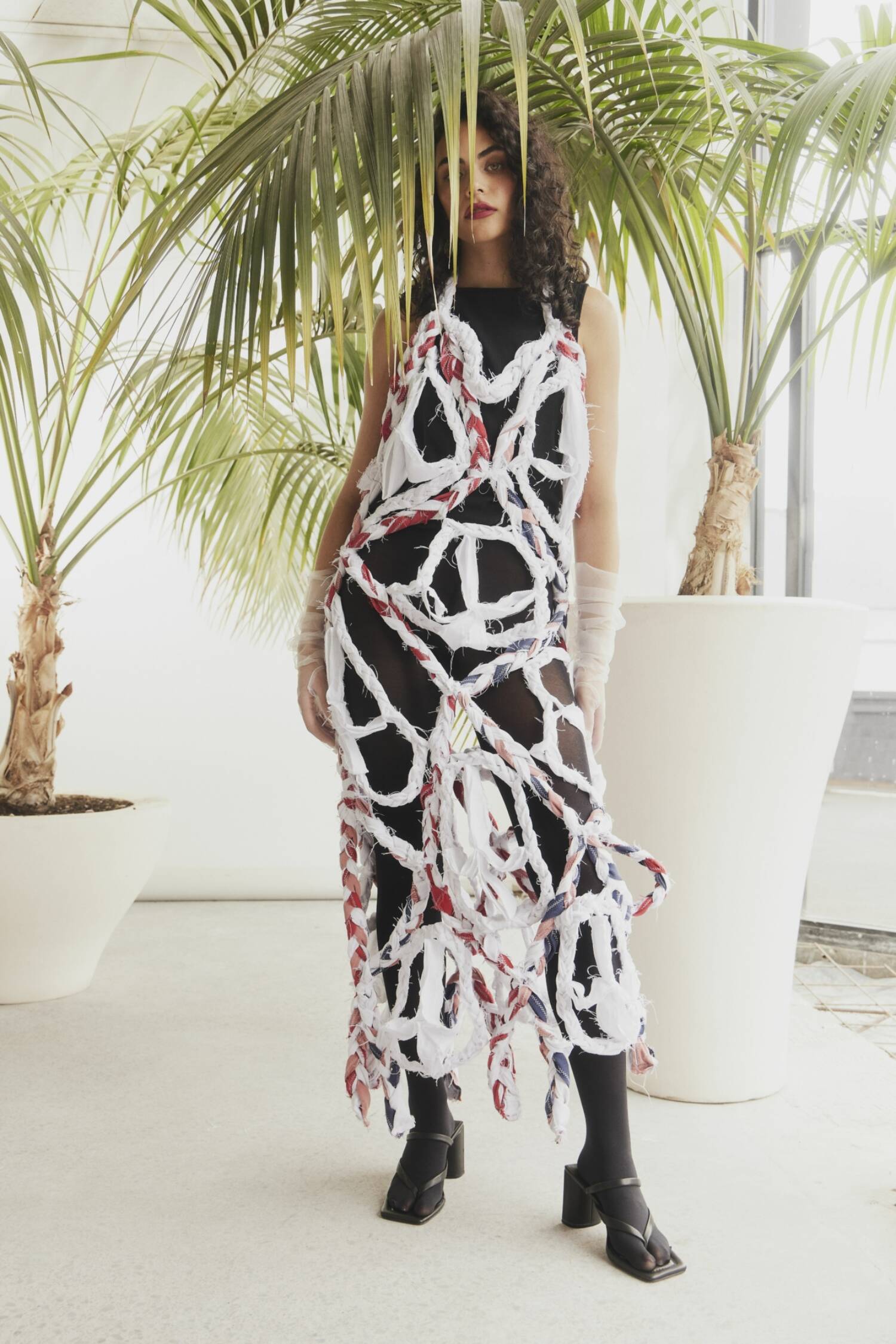
Weaving together
The design highlights the diverse cultures within New Zealand and illustrates how people bond together because of their different backgrounds.
The braided design symbolises the weaving together of the designer's upbringing in Sri Lanka and new home in New Zealand, with the two strands combining to form the person she is today. The design highlights the diverse cultures within New Zealand and illustrates how people bond together because of their different backgrounds.
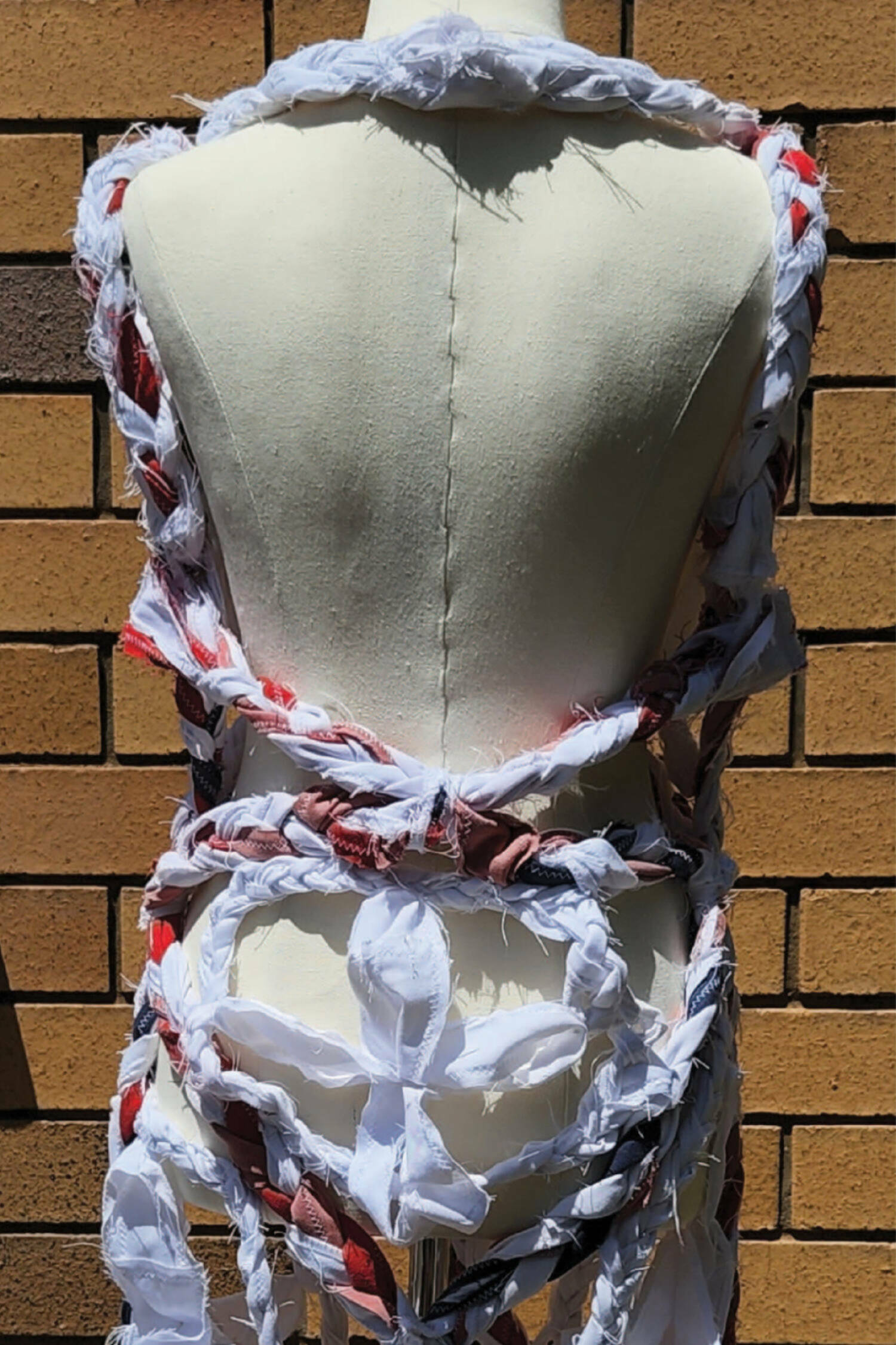
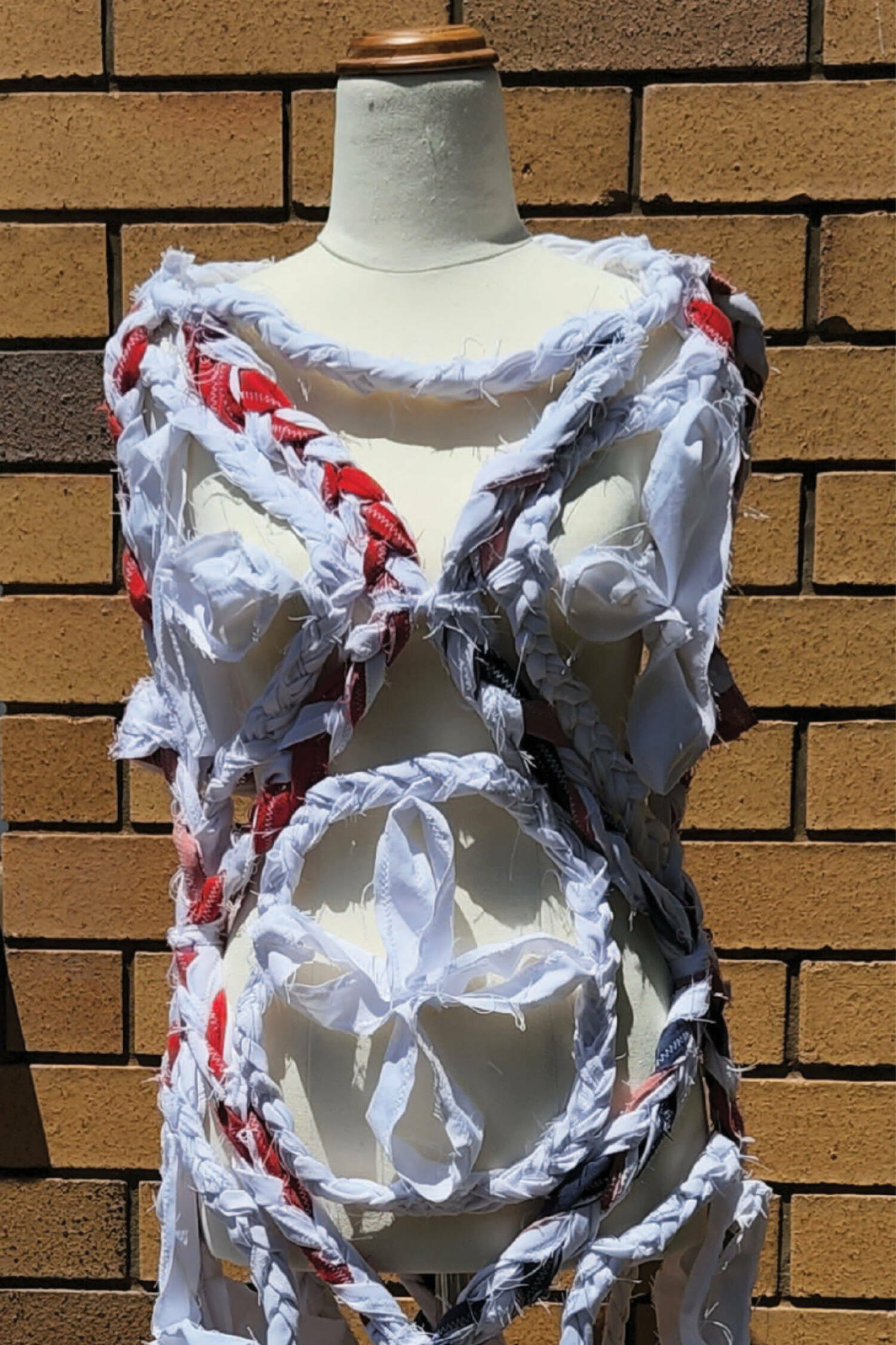
Branded uniforms that have reached the end of their life are the waste stream tackled in this design. Living in central Auckland Nethasha has sourced directly from local textile collector Upparel, and used 6 branded workwear over jackets that were no longer wearable.
Strips of fabric have been used to create the braid pattern based on spring flowers. The old garments were cut into strips to maximise the use of materials and stitched together to give durability. Components were removed and the side seams of the original garments were used to give strength to the flower design. The unique nature of the design means that any size waste materials can be used, and then stitched and braided together to form the pattern.
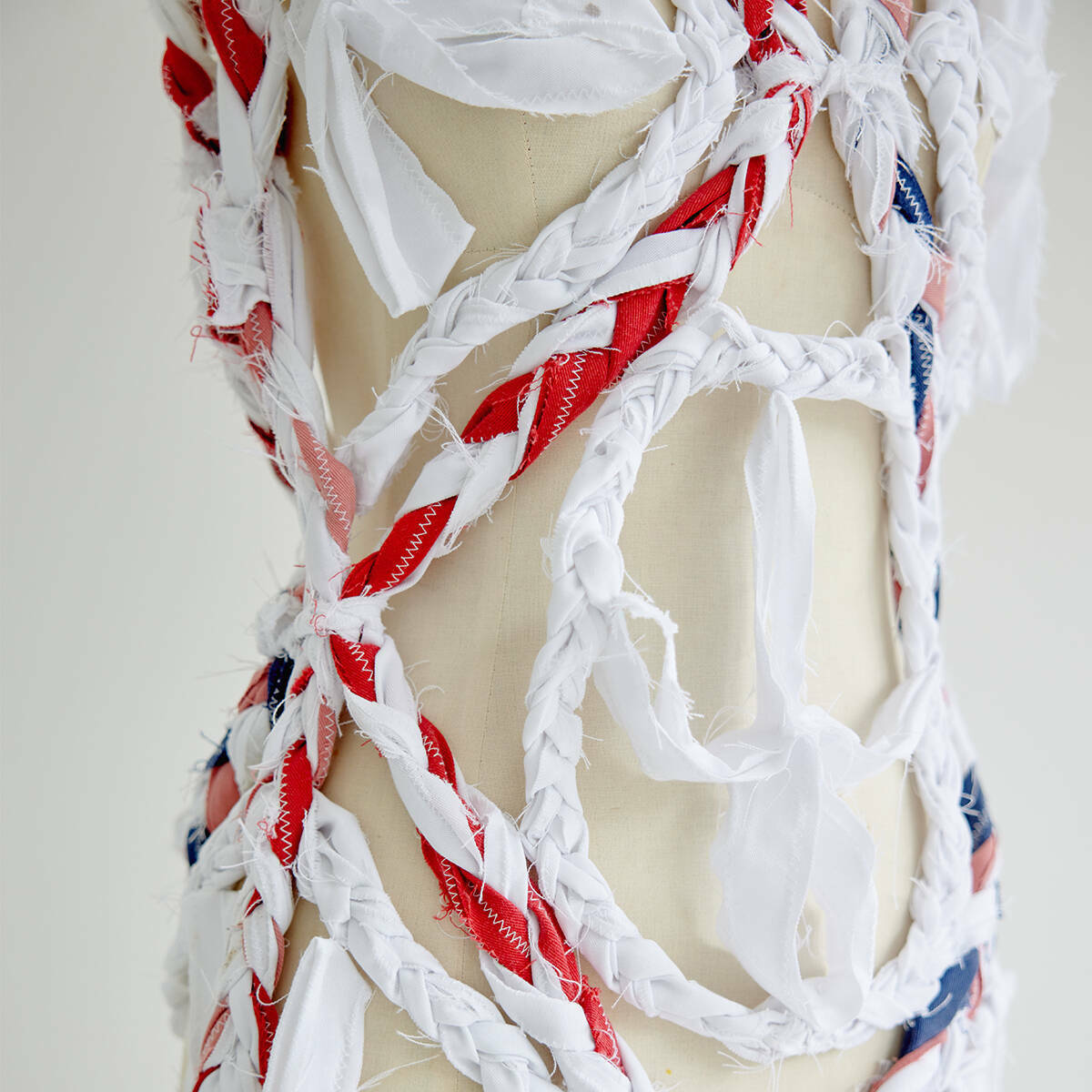
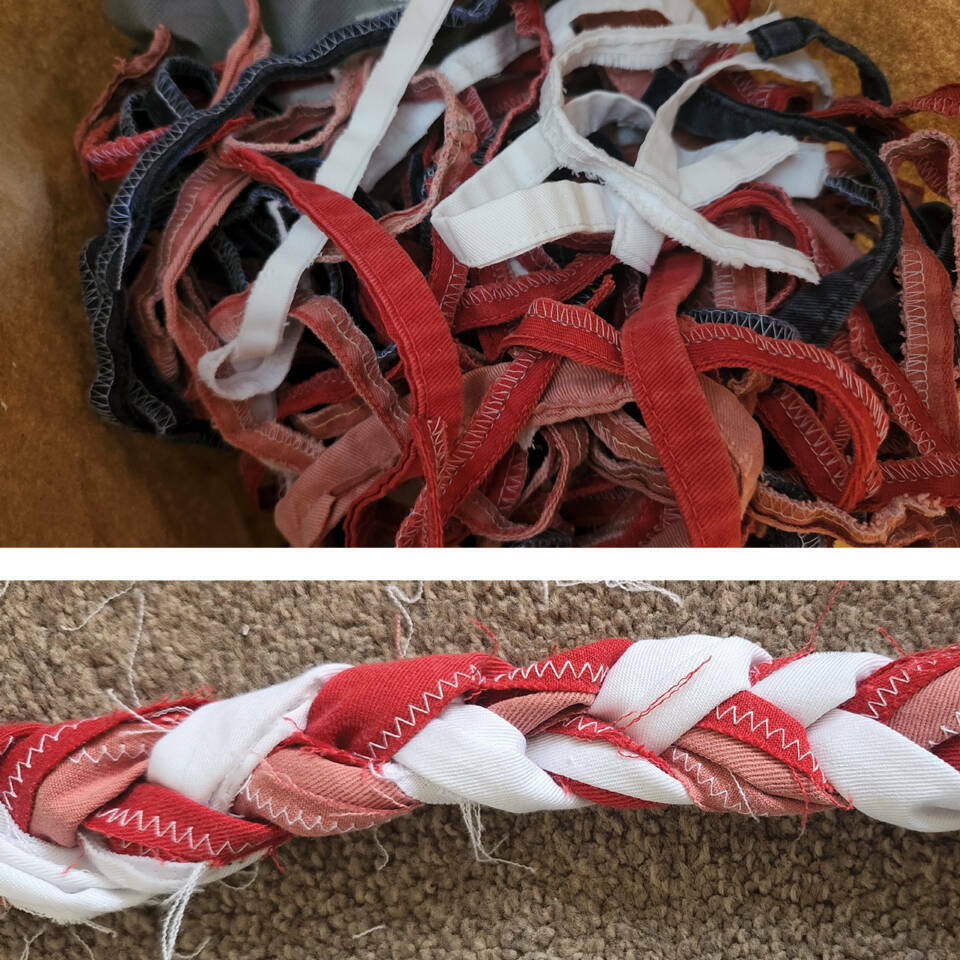
The garment can be worn in many ways because of its uniqueness. It is also easily repairable and because all the hardware has been removed, can easily be recycled through Upparel at the end of its wearable life.
The judges commented on the garment's unique creative approach, its appeal to Gen Z, and its ability to raise awareness of textile waste textile.
2023 Finalist: JOSH BOGNAR
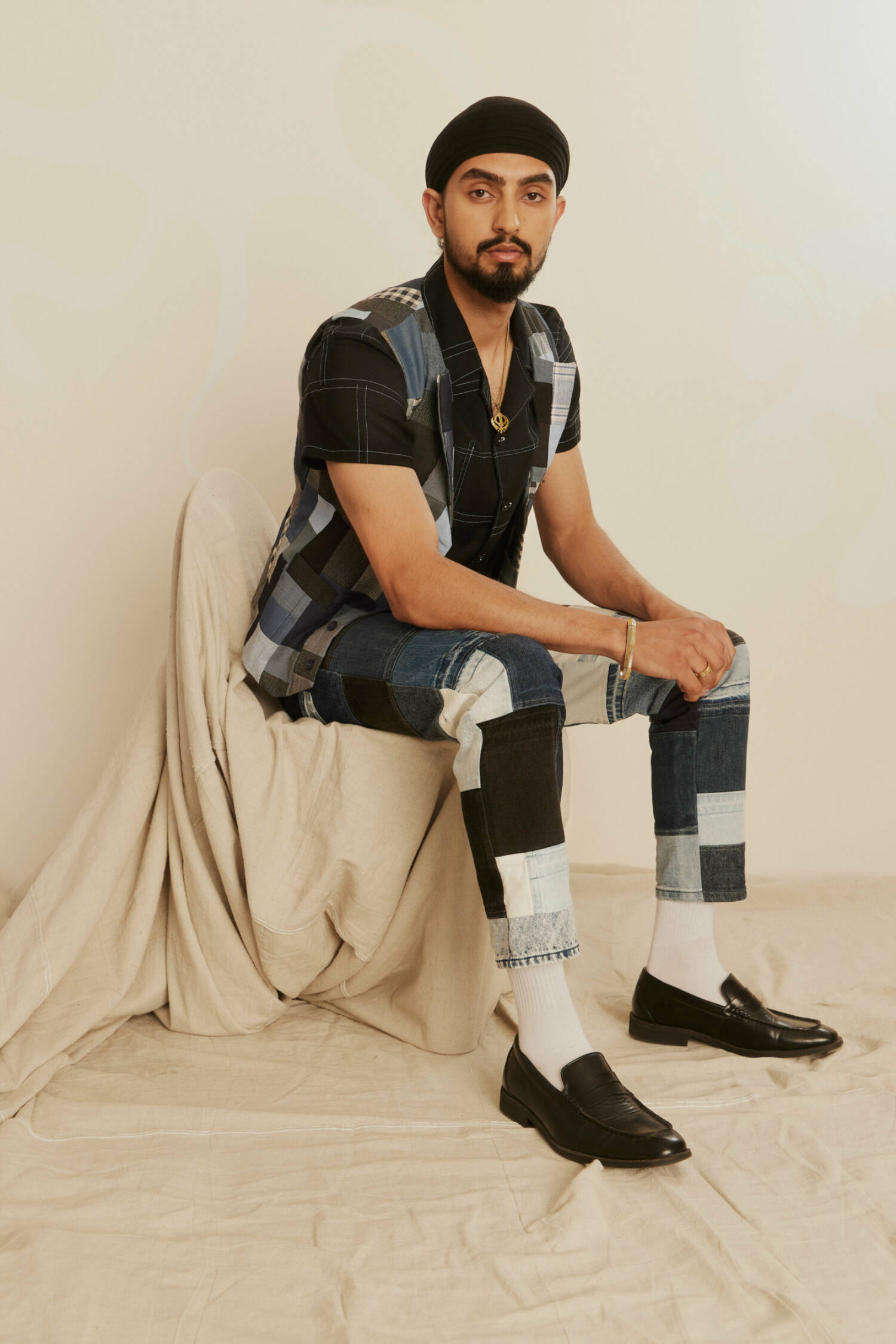
Nothing going to waste
An impulsive urge to see nothing go to waste is the genesis of this outfit.
Working in the industry has given the designer access to often unrecognised waste streams. These materials have been sourced through current and previous workplaces. Offcut trouser hems from the shortening process made from denim, wool and suiting fabrics; and offcuts from the clippings of thread which happens during the embroidery process.
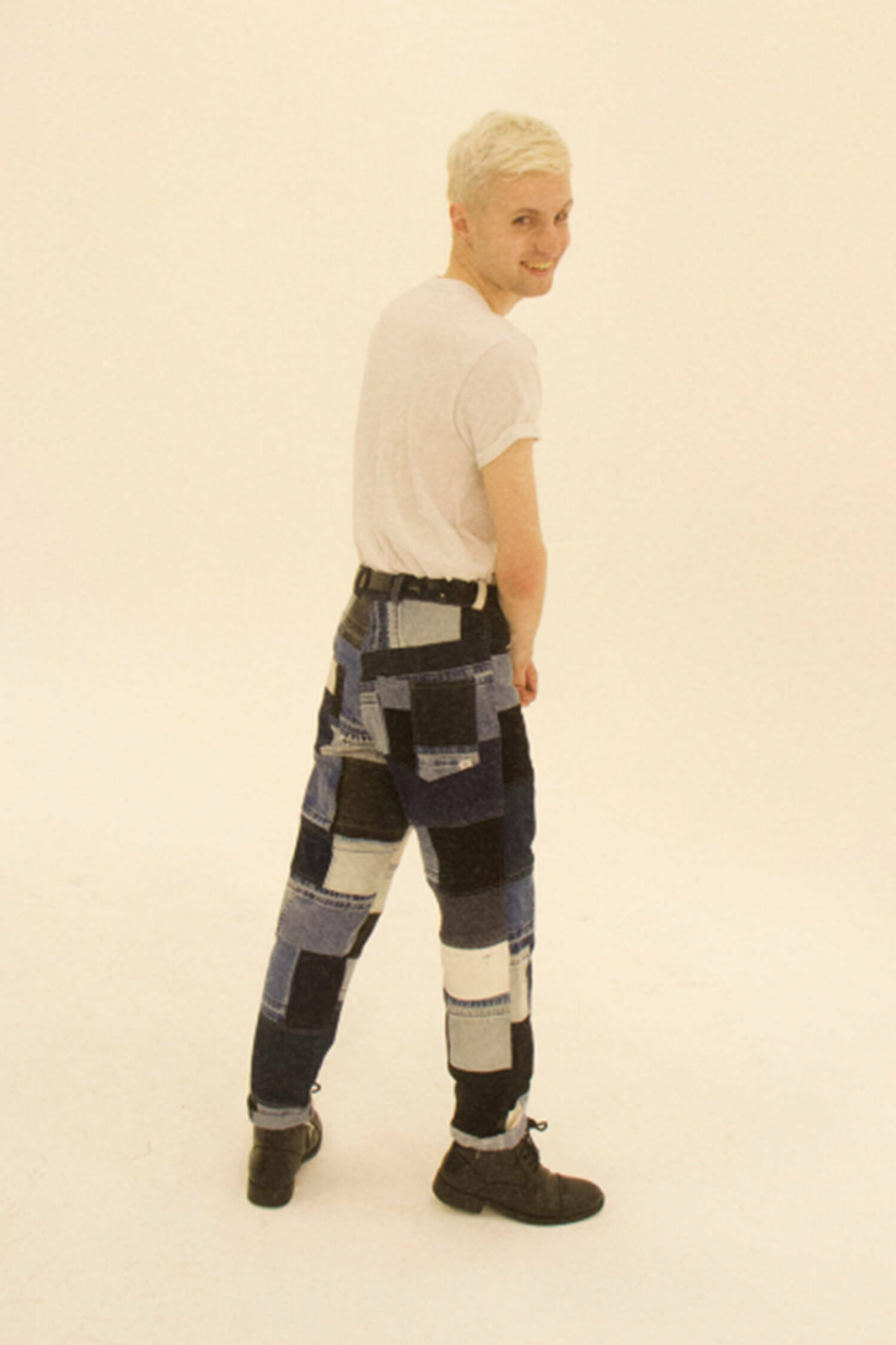
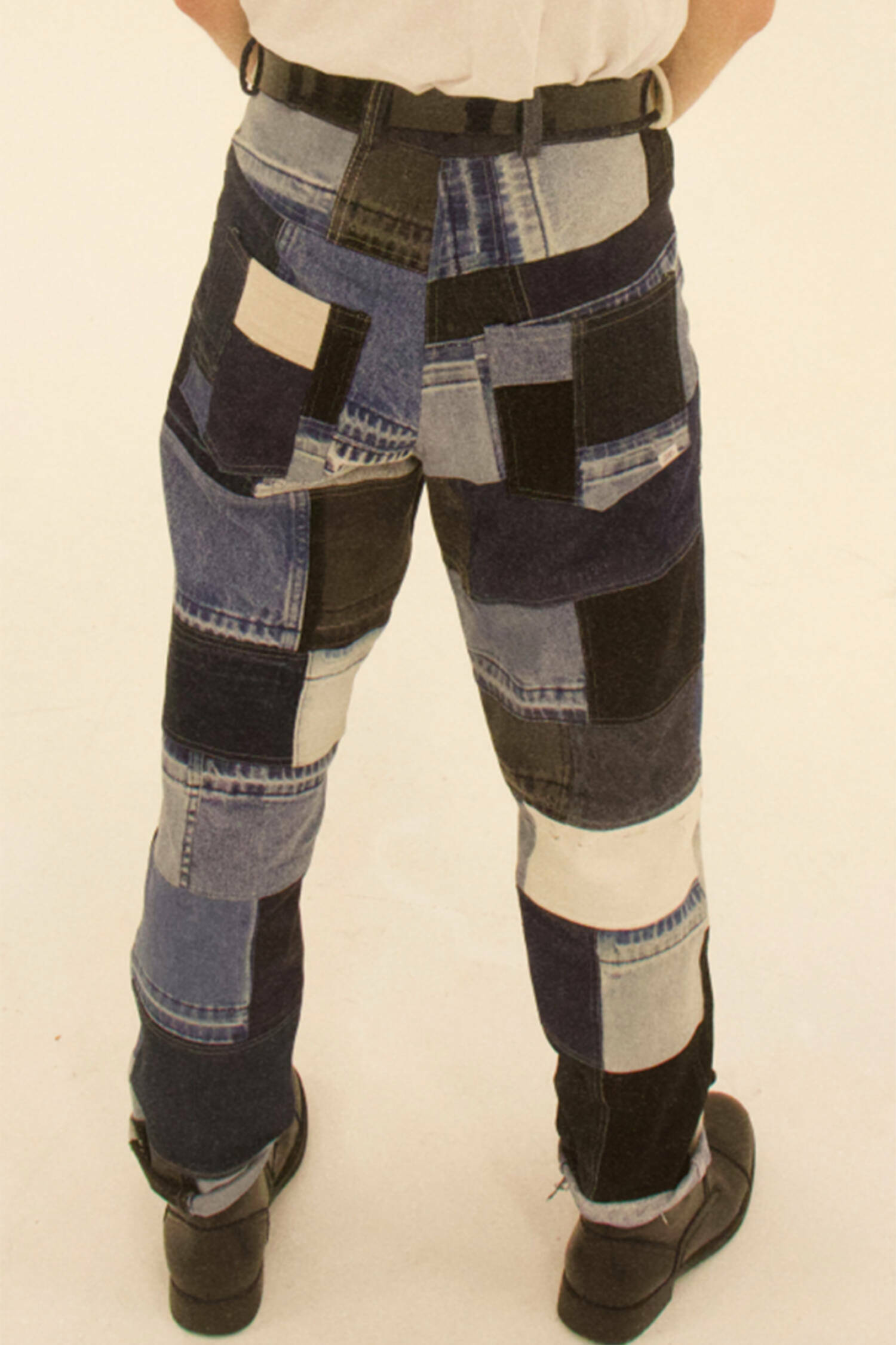
As little waste as possible has been created when constructing the garments, with pieces carefully placed together to avoid further waste. With the denim, the colour variation that occurs at the hem fold has been made into a feature to highlight that the garment is made from scraps with a past life. The merino cuttings have been transformed into a less conventional garment, but with commercial appeal, with the patchwork accentuated through contrast topstitching to highlight the process.
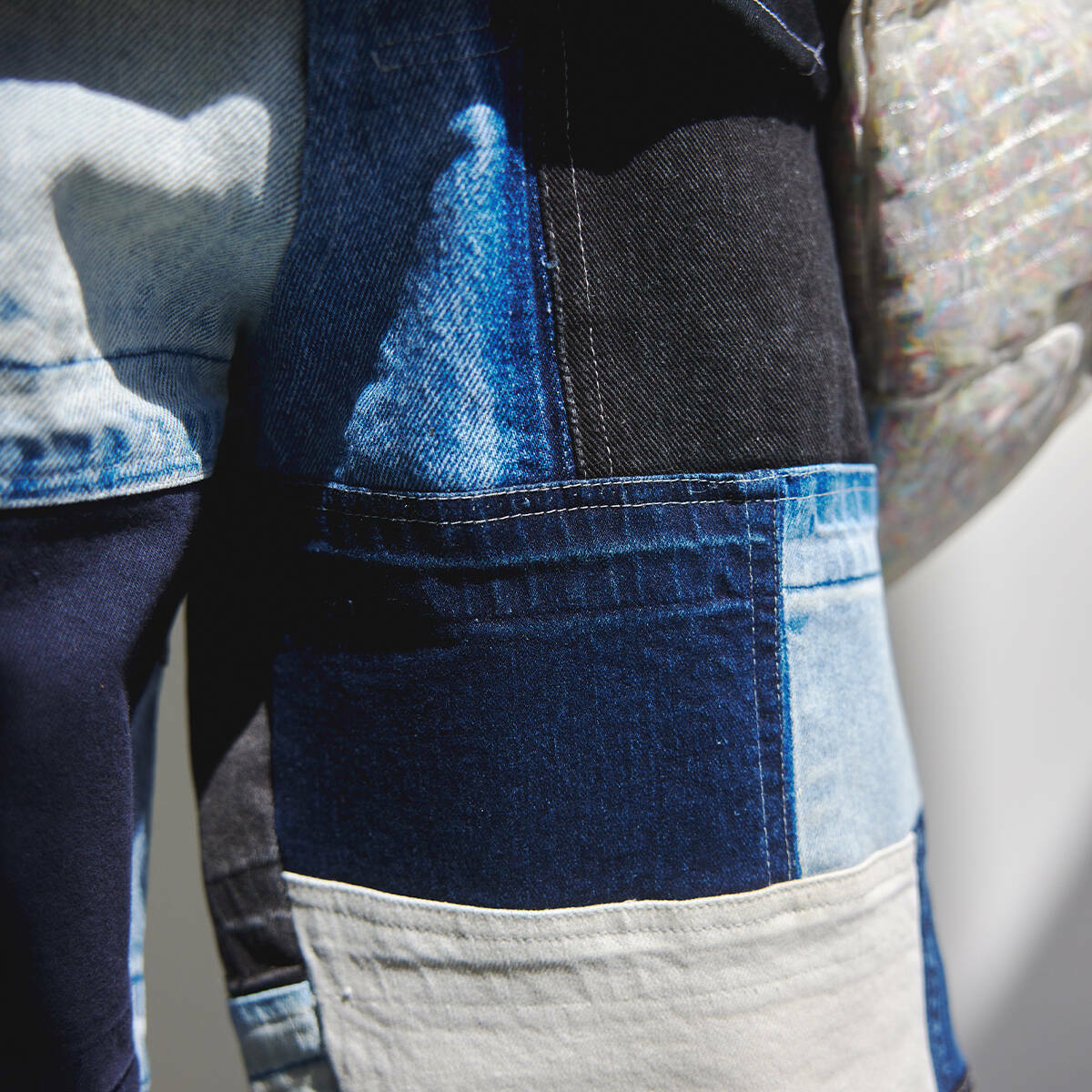
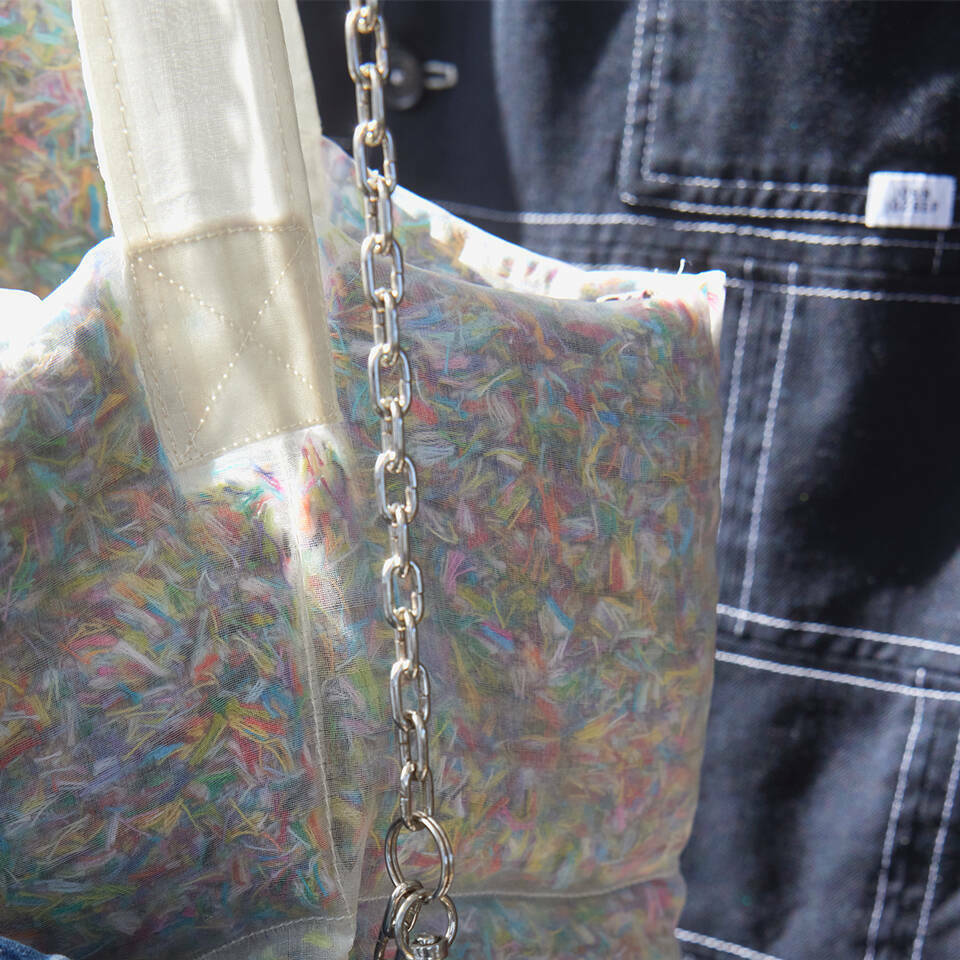
The padded bag uses mixed embroidery thread offcuts to create a down alternative, with the dimensions being defined by the organza fabric width to avoid any waste. While not as durable as desired the transparent nature highlights the offcut upcycling.
The pieces have been designed to be unique in nature, to allow the wearer to give it higher value and care. Natural materials have been chosen over synthetics to allow for easier recycling at end of life.
2023 Finalist: PHILIPPA HOOGSTEDEN CASEY
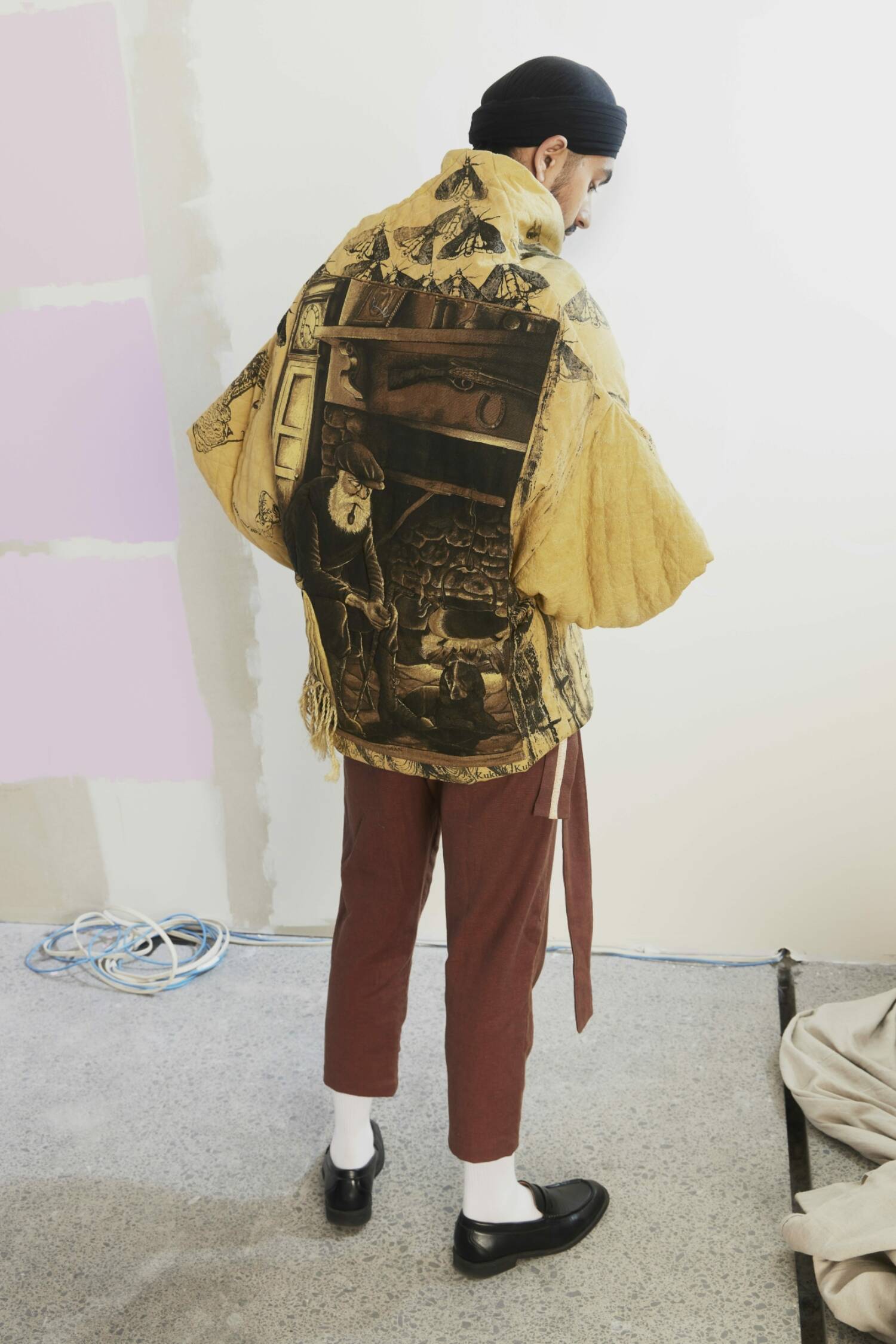
Old man overcoat
Integrating reclaimed textiles from the local Hospice shop, traditional Māori techniques, printing, stitching, and natural dyes.
This collection is about routines, rituals, and moments that litter the designer's world. Integrating reclaimed textiles from the local Hospice shop, traditional Māori techniques, printing, stitching, and natural dyes, waste is used to inspire the wearer and encourage them to appreciate, value and care for the unique beauty of textiles and our environment.
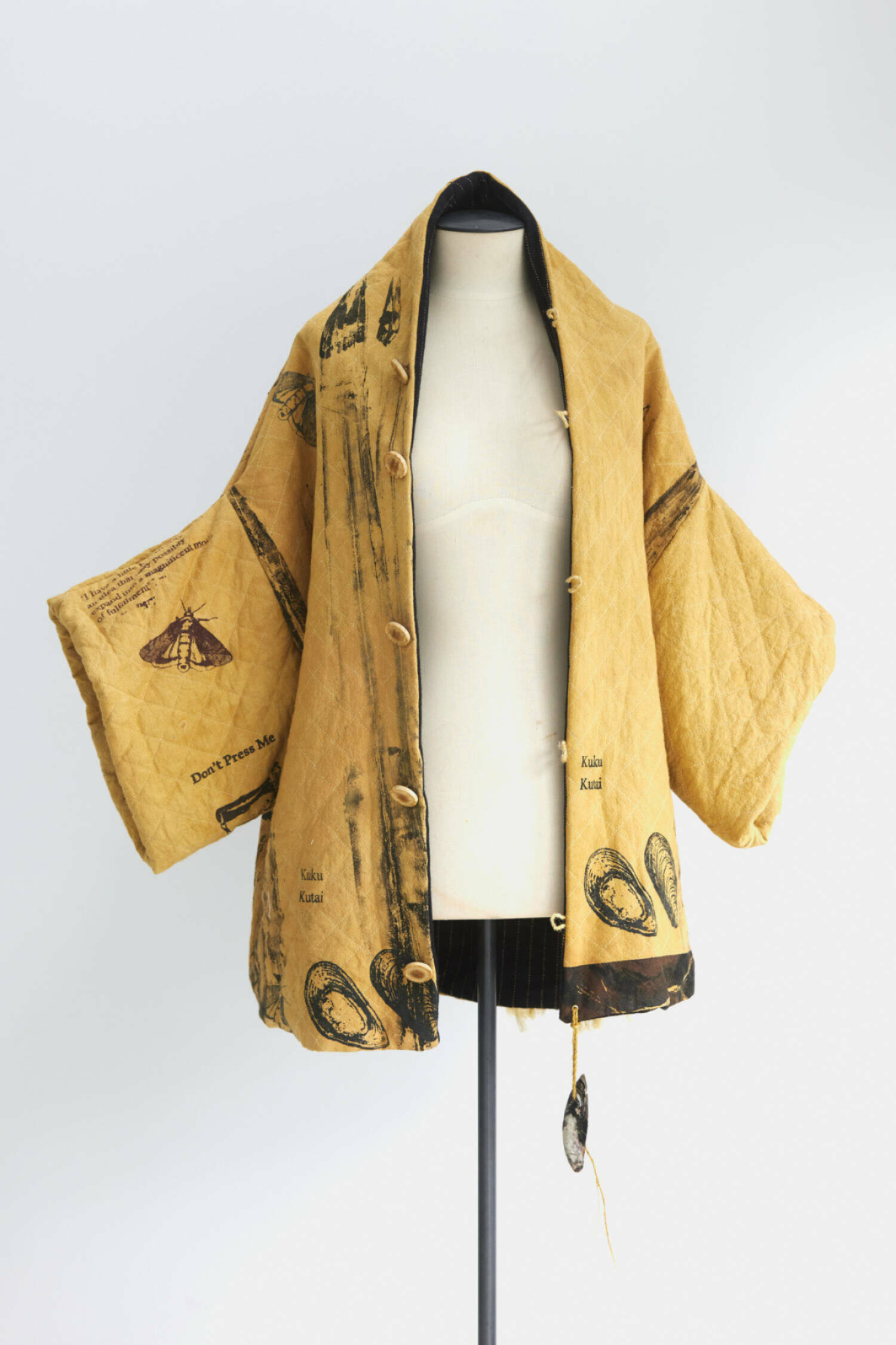
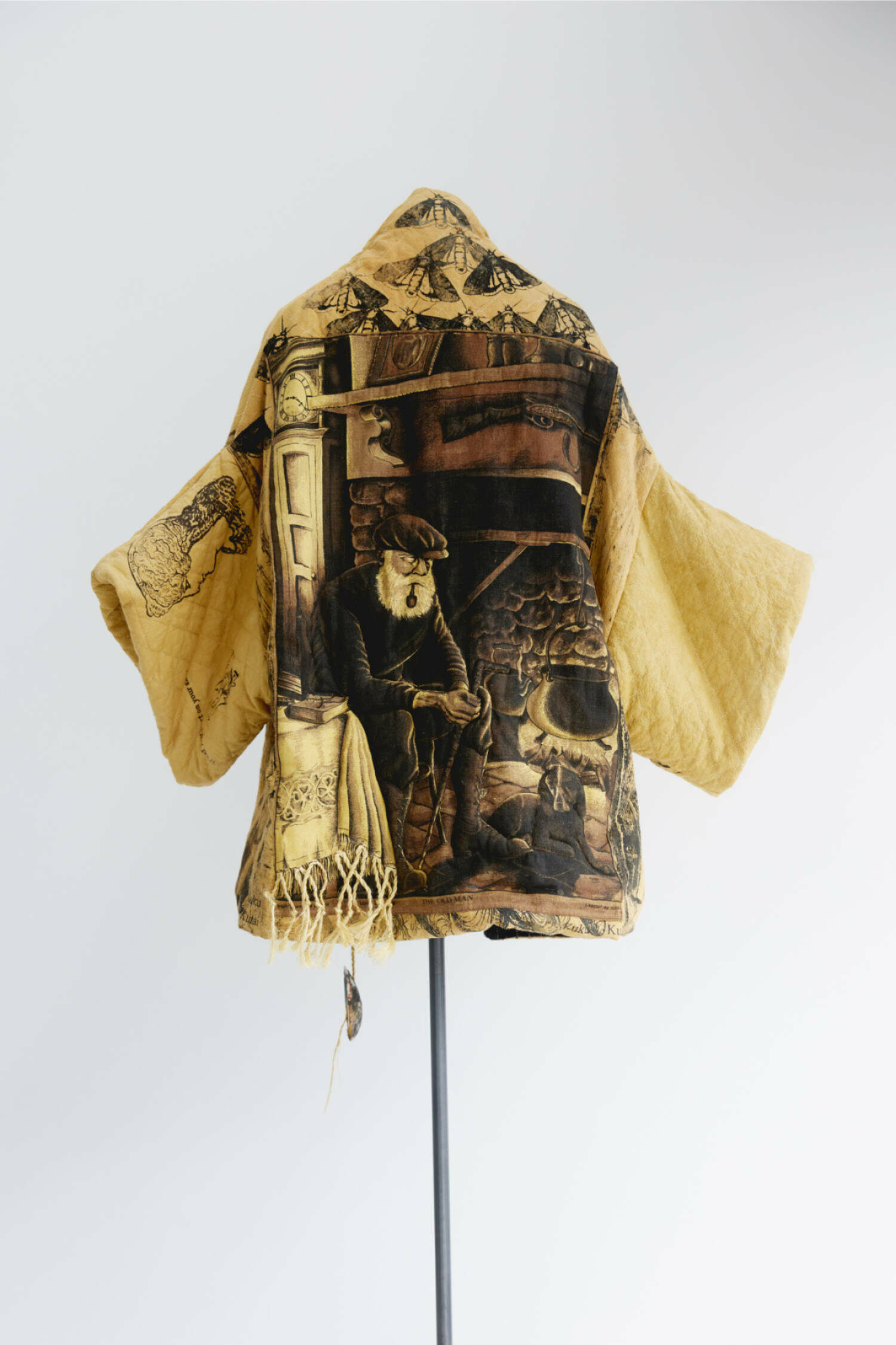
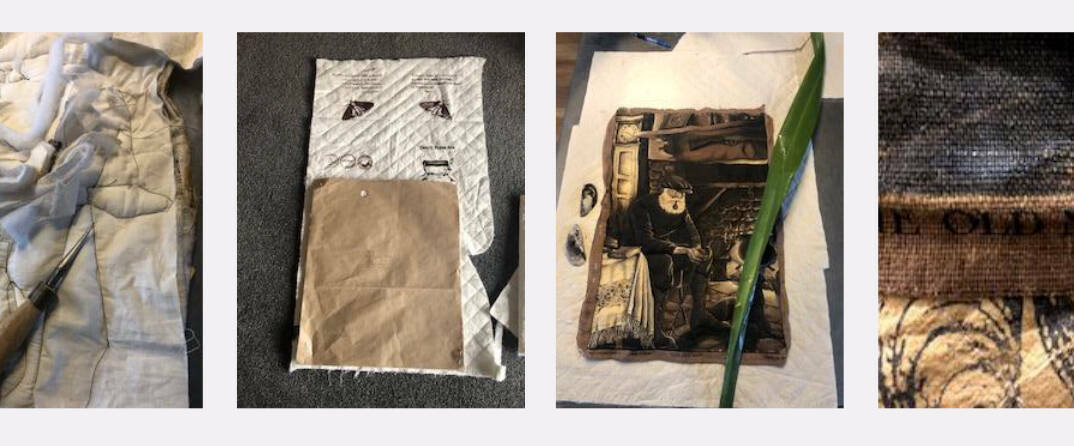
Harakeke is a feature, printed and stitched into the outfit, harvested from the designer's backyard. Using a gifted Kuku (mussel) shell the harakeke has been scraped and the fibres extracted, creating Muka for the tassels on the Old Man Overcoat and the button loops throughout these pieces. Any unused flax was returned to the earth.
An old Irish linen tea towel evokes memories of the designer's Dad, while wool and calico offcuts are pieced into a simple oversized reversible jacket to encompass the body, with the appliqued extracted Muka fibres woven in. Stitched to the design is the gifted tool, used to extract Muka.
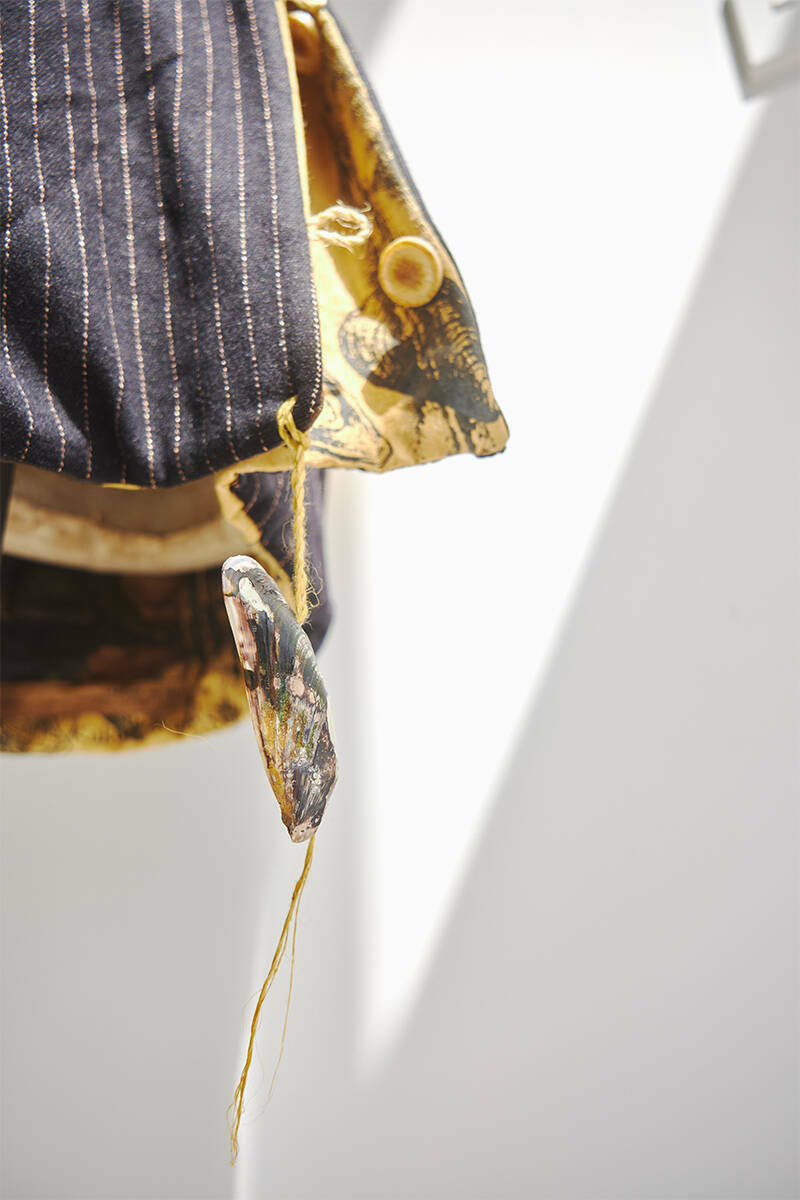
The garment's pattern shapes are simple, for comfort, and to preserve the fabric for future use, avoiding cutting where possible.
Water based non-toxic inks and waste coffee and tea were used for dyeing and printing and gold print paste was added to give depth.
Vintage fabric, Muka, buttons reclaimed from old garments, and care labels from vintage stamps found in a secondhand shop are all elements that tell a story, intended to endear them as precious garments to the owner.
Fashion & Textiles launches inaugural Circular Design Award!
We are excited to announce the Fashion & Textiles Circular Design Award, a sustainable design competition which launched on Monday June 26th!
The Award's media partner Viva announced the launch with a feature article outlining the challenges and opportunities that Fashion & Textiles is seeking to address with this programme, and how the award will further advance Fashion & Textiles New Zealand's mission to create an innovative, full-circle and thriving future for the clothing and textiles industry in Aotearoa New Zealand.
Brought to you by Fashion & Textiles in partnership with the Gattung Foundation, the Fashion & Textiles Circular Design Award challenges creatives to reimagine the fashion system in Aotearoa, using the dual lens of our unique place in the world and the circular economy, to find innovative ways to keep textiles in use.
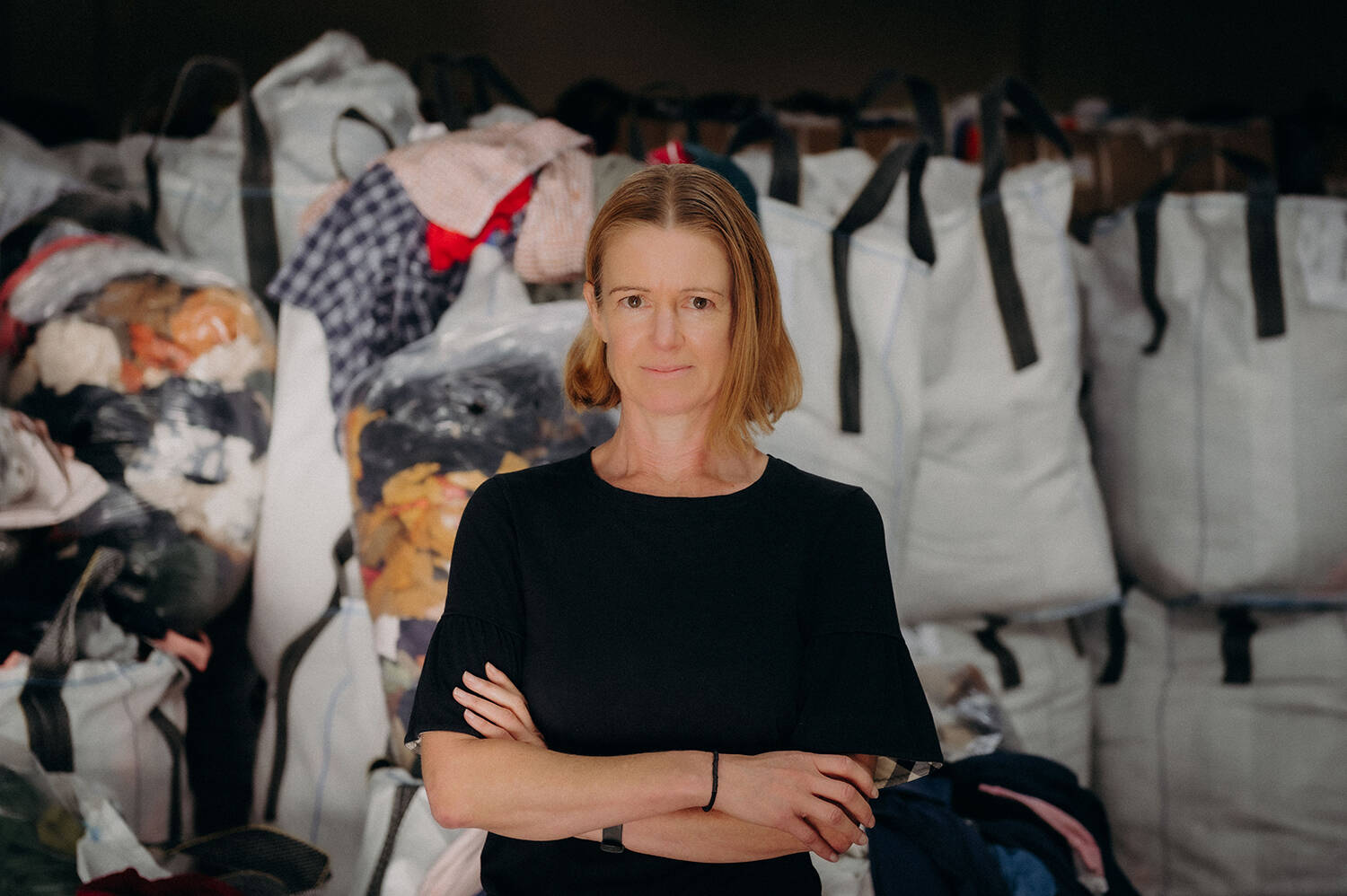
Viva reports on the collective desire for real, transformative change permeating the local fashion industry, and how circular solutions — innovations and systems that design out or repurpose potential waste — consider the future of fashion are gaining traction.
The ambitious initiative aims to inspire and support designers to reimagine how they approach and use textiles, and acknowledges exceptional work, underscored by both industry knowledge and mātauranga Māori and holistic and regenerative indigenous practices.
Notably, the awards are “place-based”, with entrants tasked with creating circular solutions to local and regional textile waste. The design brief (in full here) asks entrants to design and create a wearable outfit using textile waste alongside a plan for the garment’s life cycle.
The awards will be judged by respected industry figures: Business leader and philanthropist Theresa Gattung, Founder and CEO of Untouched World Peri Drysdale, Viva Creative and Fashion Director Dan Ahwa, Stylist and Viva contributor Chloe Hill, Textile Artist Maungarongo Ron Te Kawa and Emily Miller Sharma, co-founder of Fashion & Textiles and General Manager of Ruby and Liam.

Fashion & Textiles hopes the award programme will resource a cohort of design talent, while also inspiring wider change, shifting attitudes and, most importantly, sharing knowledge.
“The aim of our Circular Design Award is to inspire Kiwi creatives to reimagine how clothing is designed, made and circulated to keep these valuable resources in use,” says Jacinta FitzGerald, chief executive of Fashion & Textiles. “Each year, millions of tonnes of clothing is produced, worn and thrown away, with more than 85 per cent not finding its way into recycling or circular systems.”
We are proud to have Viva as the media partner for the Fashion & Textiles Circular Design Award who will be sharing more news about the initiative in the coming months.
You can read the full article here.
Applications for entry close July 21 - find out more about the Fashion & Textiles Circular Design Award and how to enter here.
MFNZ succeeds in advocacy for Machinist Skills training
After more than 21/2 years of meetings and stakeholder engagement we are pleased to finally share that Sewing Machinist skills have been recognised as a critical need in the NZ apparel and textile sector by Hanga-Aro-Rau, the Manufacturing Workforce Development Council. The development of a new fit-for-purpose qualification has been approved targeted at the needs of sewing machinists across industry.
Our 2022 Skills Landscape paper outlined the needs and challenges the sector faces in meeting local manufacturing demand, and the opportunity there is to develop something that the industry and wider stakeholder network can co-develop.
Thank you to all our members and the wider sector who have engaged in our process with Hanga Aro Rau. There is still much work to be done, but it’s a great start and gratifying to have this recognition from Government.
Work to have a machinist training qualification developed, being led by Hanga Aro Rau, is due to start in August. Now we have successfully achieved formal recognition of the skills shortage, we need industry feedback and input into the development so get in touch if you want to be part of this work. It’s critical your business engages to ensure what’s developed meets your needs.
Table 1 (below):
Hanga Aro Rau Advice for 2024 Investment showing the 9 new education products that require investment to develop, write and resource over the next two years.
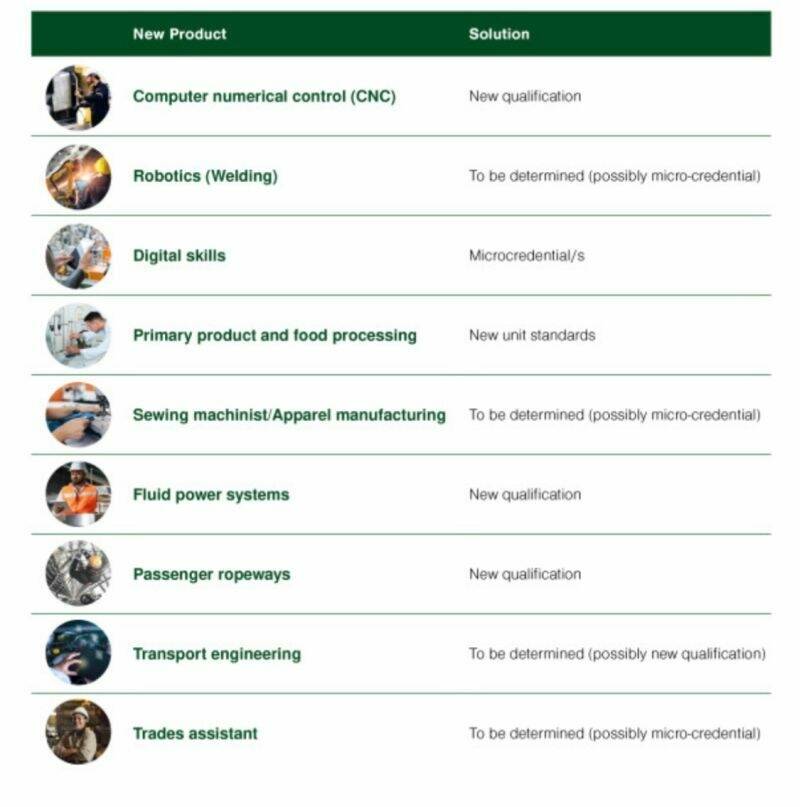
Circular Design Strategy 1 - Design for Low Waste
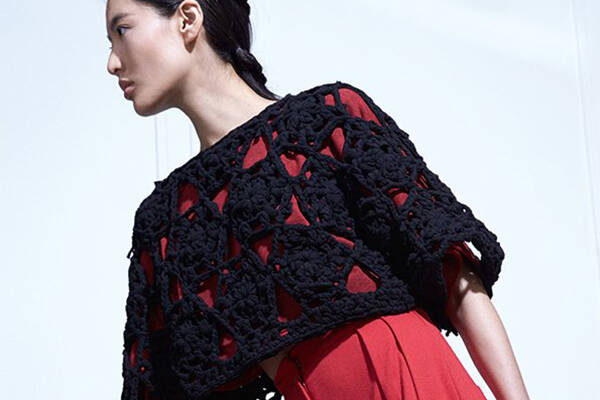
Image: Carman Chan, Redress Finalist 2014. Photo Credit Tim Wong.
Learn about the different techniques you can use to Design for Low Waste.
ZERO WASTE DESIGN
Zero-waste is a design technique that aims to eliminates textile waste at the design stage.
The Redress Zero Waste Guide provides an overview of the zero-waste design techniques and why it is important for you to adopt this technique in your design work to minimise the environmental impact. You will learn different methods and approaches to zero-waste design from planning the pattern to the final execution.
Learn from designers such as Ada Zanditon, Daniel Silverstein and Alex Law, and how they incorporate this technique in their design.
UP-CYCLING
Up-cycling is the transformation of materials into products of higher quality. It is a design technique that prolongs the life of textile waste through creativity.
Learn from fashion designers such as Orsola De Castro, Kevin Wan and Clémentine Sandner and how they up-cycle textile waste into fashion.
RECONSTRUCTION
Reconstruction is a form of up-cycling and is the process of making new clothes from previously worn garments or preformed finished products. It is a design technique that gives unwanted garment a second life.
Learn from fashion designers such as Gary Harvey, Phee Ng, Swee Yee and Milch to get inspiration from their approaches to reconstruction.
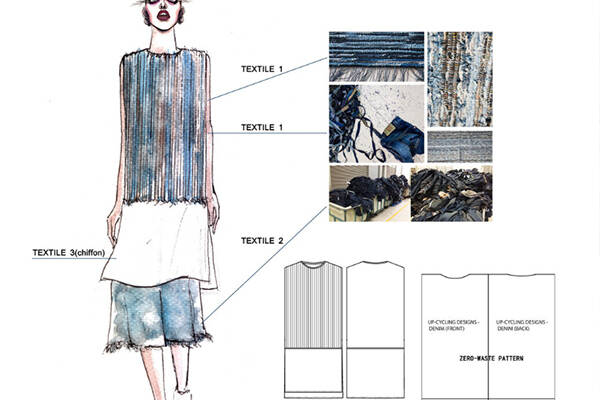
Circular Design Strategy 2 - Design for Low-impact Materials and Processes
Design for low Impact Materials
Up to 80% of a clothing item’s climate impact is determined at the design stage, so the sourcing decisions you make can be critical.
The fibres you choose are important. From fibre production to end of life, there is an environmental impact at each stage due to the energy, water, chemicals and other natural resources used, and the pollution generated including greenhouse gas emissions and the release of toxic chemicals into waterways.
There is no one ‘perfect’ fibre, but through the choices you make you have the power to select fibres that have a significantly reduced negative impact on the environment.
Fibres also play a key role in diverting textiles from disposal back into the system
through recycling, up-cycling and other innovative methods. The choice of fibre you make determines which pathways will be available for your garment at its end of life.
Understanding different fibres impacts and their circular potential is an important part of designing for the circular economy.
Some questions to consider:
- What fibres are used in your textile?
- What pathways are available in your area to circulate these fibres and materials at the end of their life?
- What design decisions do you need to make to be sure that your design can meet its circular potential?
Access the Redress Academy Design for Low Impact Materials resources
Access Fashion & Textiles's Fibres and Materials online webinars
Design for Low Impact Processes
Ensuring low environmental impact requires you to understand the value chain behind each product you create. What processes can you identify that lower the environmental impact from creation to production through to retail? What tools might help you understand and track your impact to make informed decisions about the products you will put on the market?
The processes you use to transform your textile can make a difference to the life cycle of your design.
Some things to consider:
- How can you minimise the environmental impact of the processes you use to transform your textile?
- What local skills and resources are available in your area that you can access?
- What choices do you need to make to ensure your garment is fit for a circular pathway at the end of its life?
Access the Redress Academy Design for Low Impact Processes
Explore more about the life cycle of clothing at the Redress Academy
Circular Design Strategy 3 - Design for Longevity
Image: Unspun Custom Denim
Design for Longevity
Designing for longevity is a strategy to extend the use phase of products.
The common linear model of production and consumption for fashion and textiles can be extremely wasteful and often results in numerous negative environmental impacts. To design garments that withstand the test of time, it is critical for you to consider the use phase of your garment, which often presents unique design challenges. Whilst you cannot control how long the owner keeps a garment, you can work backwards to understand the reasons why people discard garments and mitigate them.
Things to consider:
- How you can create long-lasting clothing, through use of good-quality materials and durable workmanship, ensuring good fit, and communicating clearly about the care instructions.
- How you can create value for the wearer, through facilitating an emotional bond between the wearer and garment, and exploring business models that extend the active life of clothes.
- What design decisions can you make so that repair and reuse options are available for your garment to keep them in use for longer?
Circular Design Strategy 4 - Design for Recyclability
Design for Recyclability
Recyclability is a critical aspect of creating a product for a circular system. This strategy challenges designers to look at what recycling solutions are available and consider how they will influence and impact certain product features.
Designing for recyclability is a strategy that ensures products never become “waste”, but instead allows for closed-loop material recovery.
When designers create with recyclability in mind, garments can be prepared for the eventual day when they no longer serve their initial purpose. Allowing materials to reincarnate in new forms diverts them away from the landfill.
Repairing, redistributing, redesigning and remanufacturing can minimise resource consumption by keeping garments in a smaller loop within the circular model. Only as a last resort at the end of a garment’s life should it rejoin the bigger loop via recycling, which uses more resources. Designing for recyclability from the beginning ensures this final step can be taken with minimal hassle.
Things for you to consider when designing your garment:
- What recycling options are available in your town, region, country?
- What features does your product need to have, or not have, to enter these recycling streams?
- How will you communicate to the user of your garment the recycling pathways that you have designed your garment for?
- What decisions can you make now that will enable the wearer to be part of the recycling solution?
The ultimate goal is a closed loop system that infinitely maintains the value and quality of all materials. It is all the better if garment fibres can be reused as yarn for garments, as opposed to recovering the material for lesser value products such as wipes or insulation, a process known as downcycling. To achieve a closed-loop system, creators need to be intentional in their design choices, from fibre selection, to material processing, garment construction, and labelling.
The recycling process is not as straightforward as it might sound. Collecting and sorting textiles is a major issue in the process, as waste textiles need to meet the quantitative and qualitative requirements of raw materials for industrial recycling.
Recycling holds great potential in environmental benefits, but only if high recovery rates and quality products are achieved. It can be laborious and complicated, but with the right design decisions, clothing recyclability can be achieved. To understand this, we need to look into the different recycling methods.
Get Inspired - Raeburn
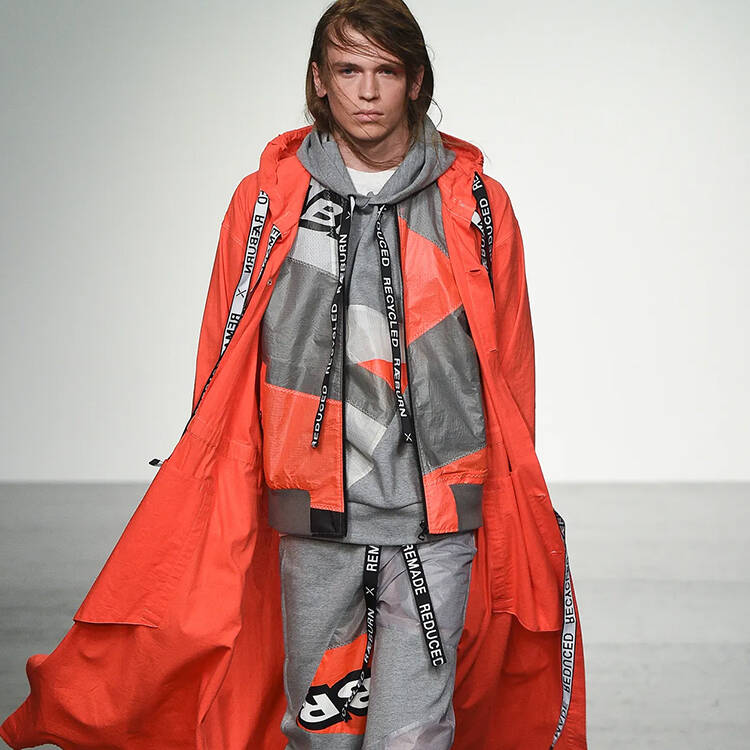
RÆBURN is a collaborative, creative fashion studio where design meets responsible production, alongside monthly events, discussions and workshops.
Christopher Raeburn established his eponymous brand with responsible and intelligent fashion design at its core. The RÆMADE ethos in particular has pioneered the reworking of surplus fabrics and garments to create distinctive and functional pieces.
The RÆBURN RÆMADE philosophy has its origins in his fascination with military materials and utilitarian clothing. Established in 2009, Christopher’s never-ending ‘archaeological’ discoveries led to his first full collection (AW10 PREPARE) using de-commissioned military stock to create limited edition outerwear for both men and women. From wool field jackets to nylon parachute canopies, each RÆMADE style is produced by meticulously deconstructing the original and reworking the materials into unique and ethical garments.
Get inspired by Christopher Raeburn's approach to circular design and the three pillars of the sustainable brands ethos: ReMADE, ReDUCED, and ReCYCLED.
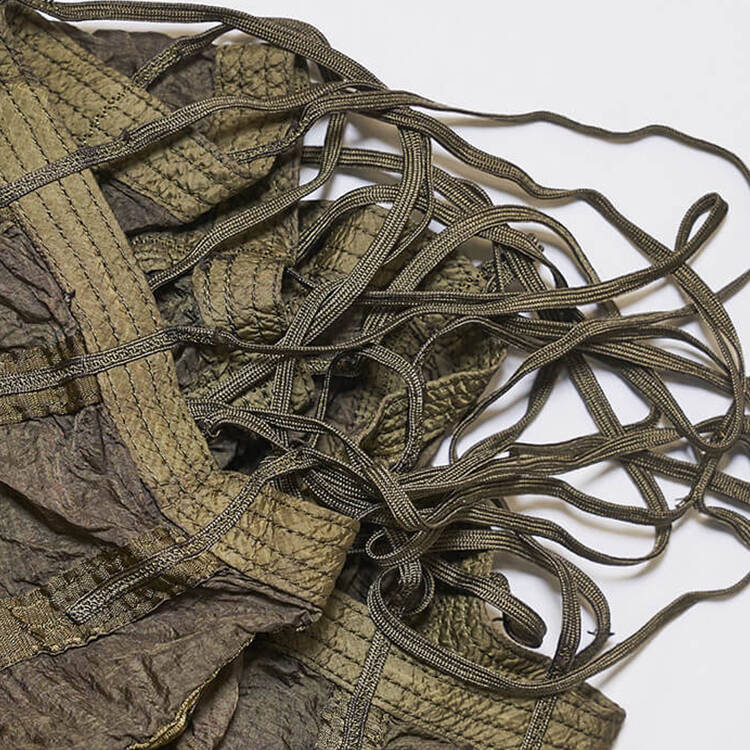
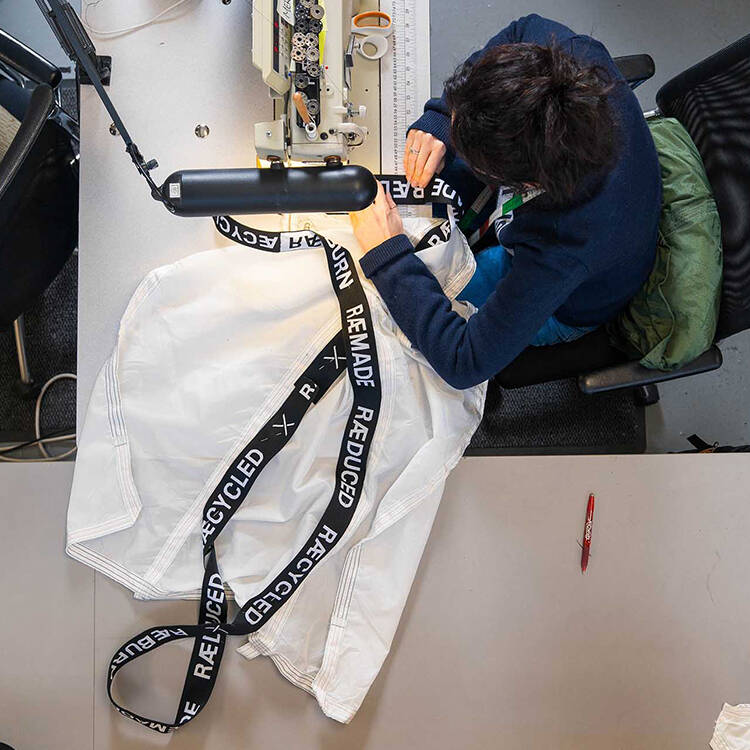
Get Inspired - Bethany Williams

Bethany Williams
Bethany Williams is a London-based designer from the Isle of Man. Bethany believes that social and environmental issues go hand in hand and that through exploring the connection between these issues, we can find innovative design solutions to sustainability.
Each item produced by Bethany Williams is made from recycled, deadstock, or organic materials, made in the UK and Italy. The brand works with social projects and local manufacturers to produce its collections. It is building an alternative system for fashion production, believing fashion has the power to create positive change.
Awarded for her efforts, Bethany won the Queen Elizabeth II Award in 2019, has been supported by the British Fashion Council’s NEWGEN programme and was a LVMH Prize finalist in 2019. She won Emerging Menswear Designer of the year at The Fashion Awards in 2019, and was included in the Business of Fashion 500 in 2020, noted as one of the people shaping the Global Fashion Industry.
Be inspired by the way Bethany Williams solves textile waste challenges through innovative design techniques, while creating value for local communities.

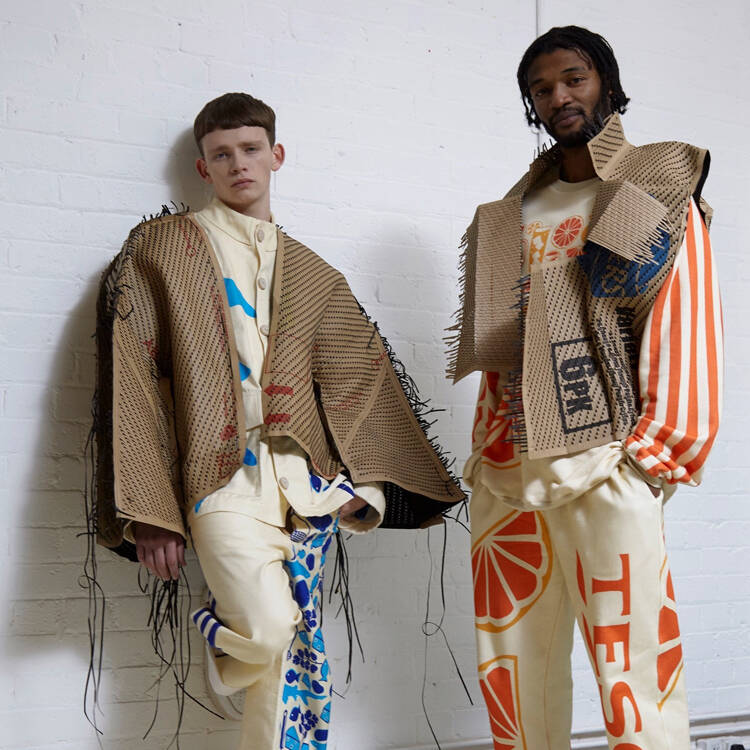

Get Inspired - Mara Hoffman
Mara Hoffman is an American designer brand that produces clothing made from organic fibres, recycled textiles, other eco-friendly materials and pieces made from pre and post-consumer waste. The brand focusses on sustainable materials, processes, and production in order to improve and extend each garment's life.
Mara Hoffman is well-known for its commitment to reducing its footprint on the planet by extending the life of each garment, contributing to the regeneration of the environment, and advocating for the communities least responsible for, yet most impacted by, climate change.
Be inspired by the way Mara Hoffman is incorporating circular design strategies and circular systems into its business.
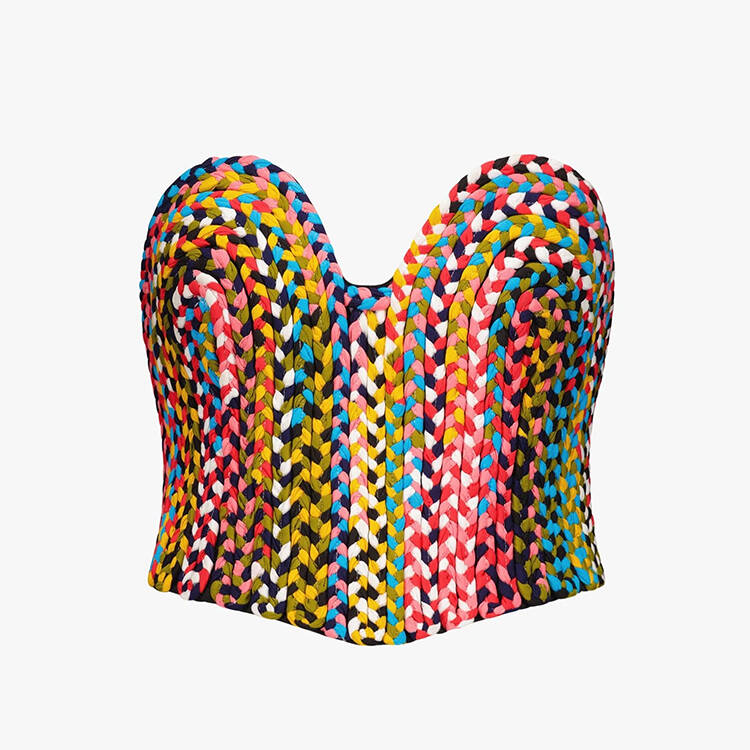
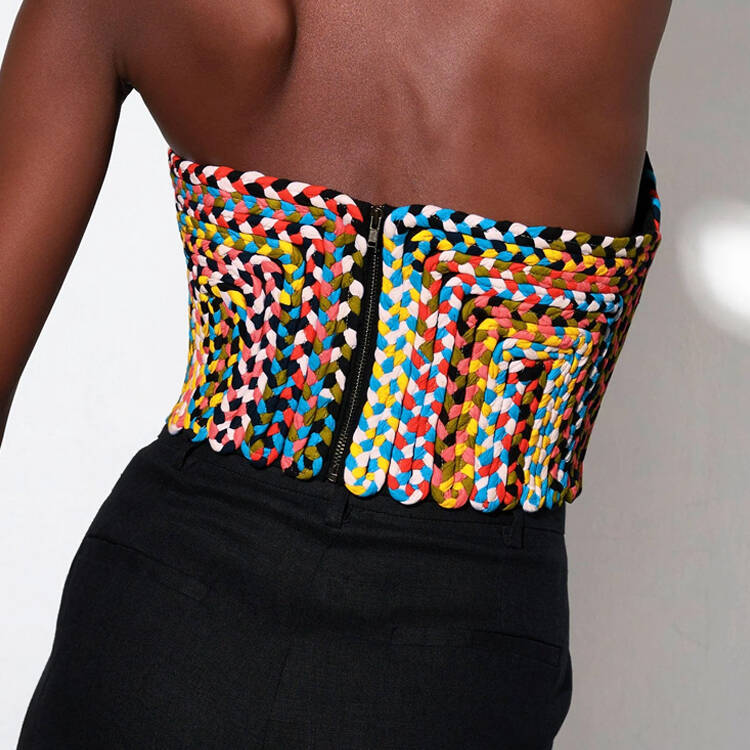
Peri Drysdale

Peri Drysdale is the founder and CEO of sustainable lifestyle fashion brand Untouched World and Chair of the Untouched World Foundation.
Untouched World is the first fashion company in the world to be recognized by the UN for sustainability. The Untouched World Foundation which provides groundbreaking ‘Leadership for a Sustainable Future’ programmes for young adults, is recognized by UNESCO as one of three global exemplars in that space.
Over the years, Peri and Untouched World Ltd have received numerous awards, including recognition in 1999 as one of 100 New Zealanders who made the most significant contribution to New Zealand. In 1992 Peri was made a Member of the Order of the British Empire, and was North and South New Zealander of the Year in 2006. In 2007 Peri was awarded an Honorary Doctorate in Commerce from Lincoln University and in 2008 she was Supreme Award Winner at the World Class New Zealander Awards.
Peri was awarded with Exceptional Services to Entrepreneurship at the EY Entrepreneur of the Year awards in 2018, and the following year in 2019, Untouched World was awarded a UK Common Objective Brand Leader award for setting a new standard in best practice within the global fashion industry.
In March 2021 Peri was inducted into the New Zealand Business Hall of Fame. In February 2022 Untouched World was named in the top 10 global sustainable fashion brands in the world, ahead of finalists Kering,( Gucci owner) and Stella McCartney who won last time, and in 2022 was awarded global runner up most ethical brand, by Marie Claire UK. In 2023 Untouched World was shortlisted for the Drapers sustainable fashion Brand of the Year.
Theresa Gattung
Perhaps best known for her role as CEO of Telecom New Zealand, Theresa was the first female CEO of an NZX listed company. Since leaving Telecom, she divides her time between professional governance, entrepreneurial projects, and philanthropic work.
As co-founder of My Food Bag, alongside Cecilia Robinson and Nadia Lim, she helped take the start-up to a nationwide company with a turnover of over $130m.
She is currently Chair AIA New Zealand, Chair Tend, Chair Global Women, a member of the National Advisory Board on the Employment of Women.
In 2021 she funded the Theresa Gattung Chair of Women in Entrepreneurship within the University of Auckland Business School and also launched the Gattung Foundation whose main charitable purposes are to support the relief of poverty, the education and advancement of women, Māori and Pasifika to reduce inequality and the care, support and protection of animals.
In the 2015 New Year’s Honours List, Theresa was made a Companion of the New Zealand Order of Merit for services to business and philanthropy.
In 2024 Theresa was made a Dame Companion of the New Zealand Order of Merit for services to women, governance and philanthropy.
Clothing waste: Does NZ need a tax on fast fashion?
Last week the Australian Fashion Council launched Seamless, a voluntary product stewardship scheme which imposes a 4 cent levy on each garment. Funds raised from the levy will be used to tackle the hundreds of thousands of tonnes of textile waste sent to landfill every year. Six major retailers have signed up to Seamless, and Environment Minister Tanya Pilbersek has given the industry 12 months to sign up or face regulation.
Here in Aotearoa, textile waste is a huge – and fast-growing – problem too, with an estimated 220,000 tonnes ending up in landfill each year. Jacinta FitzGerald, Chief Executive of Fashion & Textiles, told Checkpoint that New Zealander's throw out about 8kg of clothing waste per person each year – equivalent to one coat, five pairs of pants, five T-shirts, a pair of shoes and a bag of socks.
So does Aotearoa need a levy to deal with clothing waste? Jacinta FitzGerald spoke to Lisa Owen.
Listen here.

CDA: Learn - Index page
CDA: Alumni - Index page
CDA: Judges - Index page
CDA: Partners - Index page
CDA: About - Index page
Get inspired - Biosphere Circulation
Biosphere circulation is a project pioneered by Japanese biotechnology firm Spiber Inc. named after “spider” and “fibre” and is inspired by the unique protein composition of spider silk, and has evolved to include a range of fibres imitating diverse natural properties beyond those initially inspired by spider silk.
Since 2007, Spiber has led the development of Brewed Protein™ materials, a new class of textiles underpinned by lab-grown and plant-based fibres, resins, films and other types of materials achieved through microbial fermentation (brewing). Brands using Spiber’s textile solutions include outerwear brands The North Face in Japan, Pangaia and Goldwin.
It’s a one-of-a-kind venture that sees brands and technologists unite to create a textile ecosystem that not only rethinks how biobased and biodegradable textiles are developed but also considers the opportunity for regenerating fibres at the end of a product’s lifecycle.
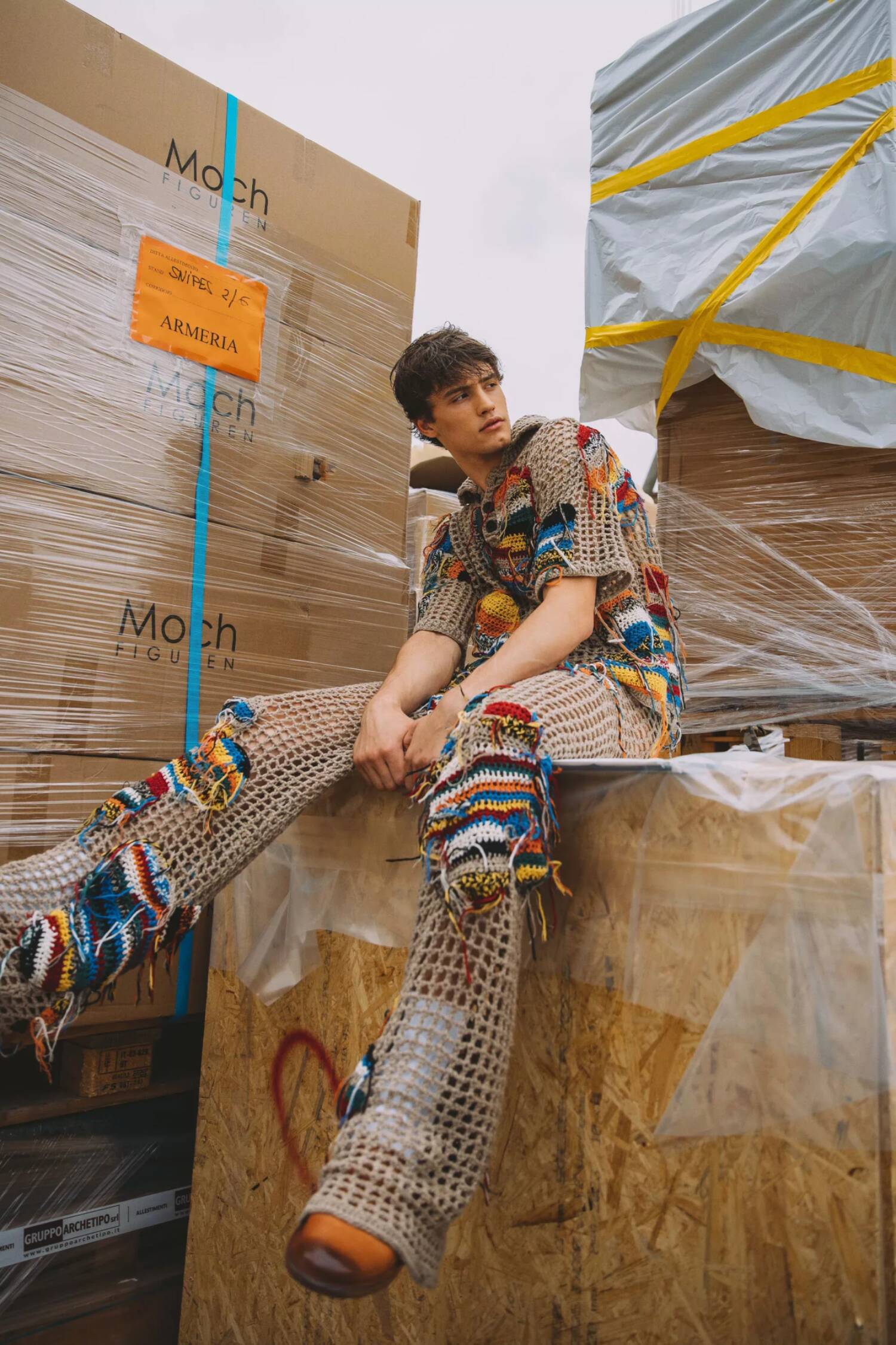
Get Inspired - Recycled Wool
To boost recycling, designers and brands need to communicate how to increase circularity of materials.
Historically, the global recycling of wool has been driven by economic opportunity and necessity, such as during disruptions in the fleece trade.
In Prato, making new fabric from used wool generally follows this process:
- The garments are manually stripped, and the scraps are mechanically shredded.
- Next, those fibres are blended by colour to get the desired hue.
- After a carding machine untangles and aligns the fibres in one direction, the material is spun into yarn and undergoes quality tests before being woven on a loom into a textile.
Be inspired and explore textile waste challenges through traditional and innovative wool recycling techniques, while creating value for local communities.
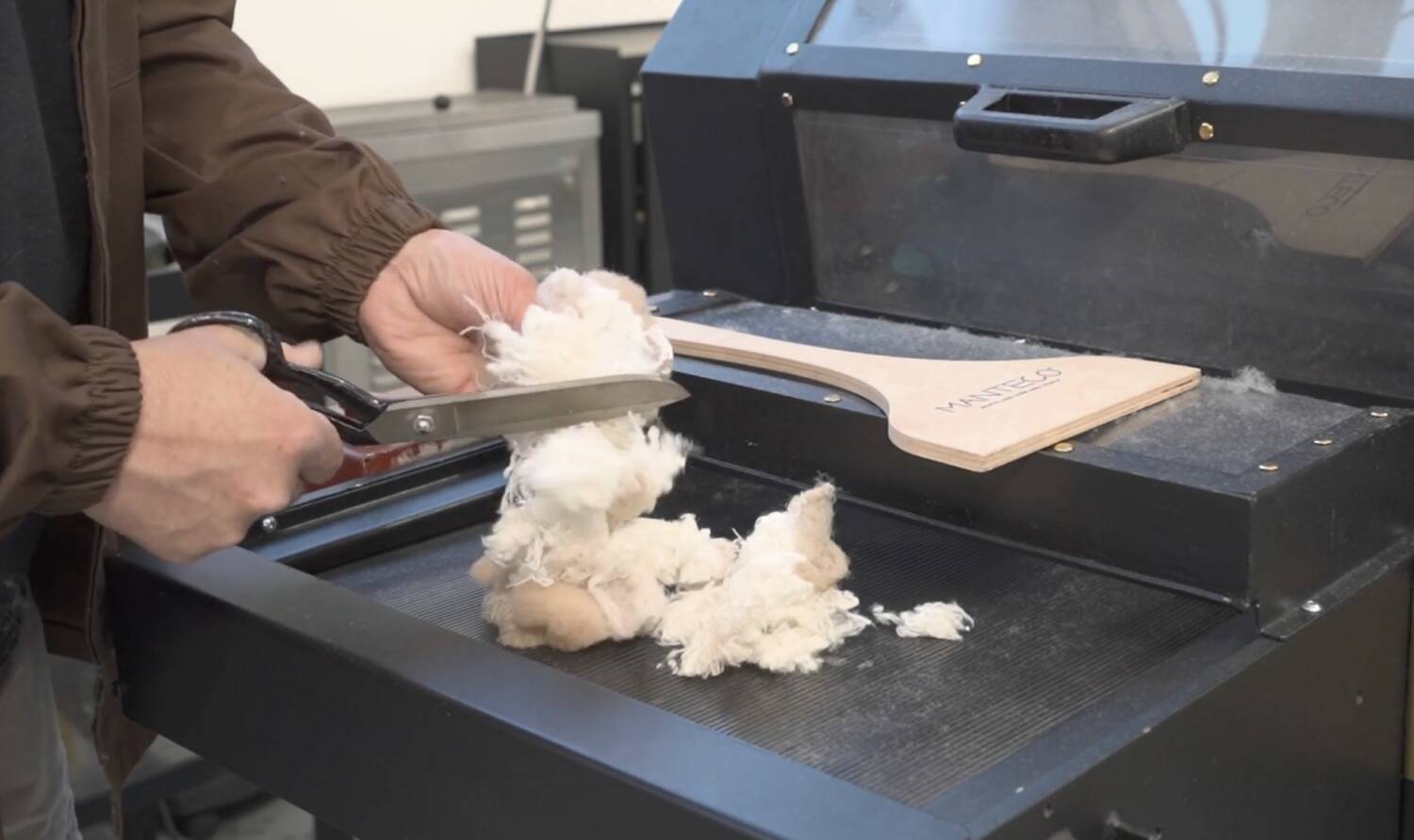
TMNZ’s Position as a For-Purpose Business
In 2019, Tax Management New Zealand (TMNZ) founders Ian and Wendy Kuperus made the decision to commit all profits from TMNZ to philanthropic initiatives through its foundation Whakatupu Aotearoa, well ahead of other more well-known examples. M2 Women talks to TMNZ about its role as an industry leader and pioneer in corporate social responsibility.

Whakatupu Aotearoa Programme Director Yi Petrus works closely with Fashion & Textiles’s Chief Executive Jacinta FitzGerald, providing catalytic funding to support Fashion & Textiles’s initiatives to advance a low emissions and circular future for fashion in Aotearoa.
“They approached us with their vision, and together we discussed what success would look like. The result was a roadmap that would help businesses understand climate change and utilise existing tools to address the issue. We provided seed funding for their operational costs, and they managed to attract funding from the Ministry for the Environment to implement their project. This is an example of how we support great ideas, providing not only financial assistance but also guidance on business plans, board decisions and more. The outcome is a solid roadmap for the fashion industry, and the Ministry for the Environment recognises the initiative as a valuable part of their climate emissions plan.”
Speaking about the challenges in obtaining funding for environmental charities in NZ, Yii says,
"It is harder to get funding for environmental charities. In New Zealand, around 2% of philanthropic funding goes towards environmental and conservation efforts, while most of the 98% goes into social issues. This funding gap became even more pronounced when COVID-19 hit. (Source: JBWere New Zealand Cause Report 2021.)
This appreciation has motivated us to initially focus more on climate change-related initiatives. We believe that a healthy environment leads to healthy people and communities, so we have taken a catalytic approach to propel ideas, help demonstrate their success and transition to other funding sources such as industry or government.”
About TMNZ:
TMNZ are the tax pooling originators, here for all New Zealand businesses (and their accountants), making tax payments easier and saving clients' money. Now, after 20 years they’re reimagining what it means to be truly purpose-driven, by investing 100% of their profits back into a restored and thriving Aotearoa, through their philanthropic partner, Whakatupu Aotearoa Foundation.
Fashion & Textiles unveils Fashion Industry Climate Action Toolkit
In direct response to industry need, Fashion & Textiles has today launched the Fashion & Textiles New Zealand Climate Action Toolkit – a series of guides and tools to support the local industry on its decarbonisation journey.
With the New Zealand clothing and textile industry predominantly made up of SMEs, Fashion & Textiles has designed its toolkit to address common barriers to action these businesses typically face.
Developed using insight gained from its pilot Climate Action programme run in 2022 with ten New Zealand clothing and textile industry businesses, Fashion & Textiles’s Toolkit provides industry specific guidance and tools to educate and enable businesses to measure their organisational emissions and develop reduction strategies.
A key takeaway from the pilot programme was the need for accessible education and useful resources to kickstart action. Jacinta FitzGerald, Fashion & Textiles Chief Executive says, “There is huge desire from the industry to address emissions, the challenge is building internal capability within businesses so that climate impact can be factored into decision making."
“Our pilot programme proved the case when we saw businesses taking immediate action to change policy and behaviour once they understood where their emissions were being generated. The Toolkit we’ve developed will be useful for businesses across the entire fashion and textiles industry to kick start their carbon reduction journey. It's no longer a nice to have, it's a necessity.”
Emissions from the pilot programme businesses were aggregated and benchmarked to provide a snapshot of the most significant emissions-generating activities in the local industry, and is a useful tool for any business to use to identify areas for improvement.
The benchmark shows that freight emissions are by far the most significant at over 70%, followed by company vehicles and electricity. The findings from this pilot have motivated Fashion & Textiles to establish a working group to collectively address challenges around common impact areas like freight and waste emissions.
Ruby was one business that took part. Emily Miller-Sharma, General Manager of Ruby says, "Going through this process with Fashion & Textiles has helped us find great clarity about where we need to focus our attention, both as a company and an industry. We now have clear goals for the year ahead and know we are holding what matters most front and centre as opposed to getting lost in the micro."
Jacinta adds, “Knowledge is definitely power when it comes to climate action, we've seen this first hand with our pilot programme. Now is the time for all businesses to step up their action to address climate change, and we urge all members of the industry to join us on this mission. It's imperative the industry starts to tackle this challenge.”
Find out more
- Pilot Programme Report
- Learn about the Toolkit here.
- Members can access the full Toolkit here.
- Non-members can view the Toolkit here.
Check out our case studies and more about the toolkit here.
Participant Emissions Benchmark
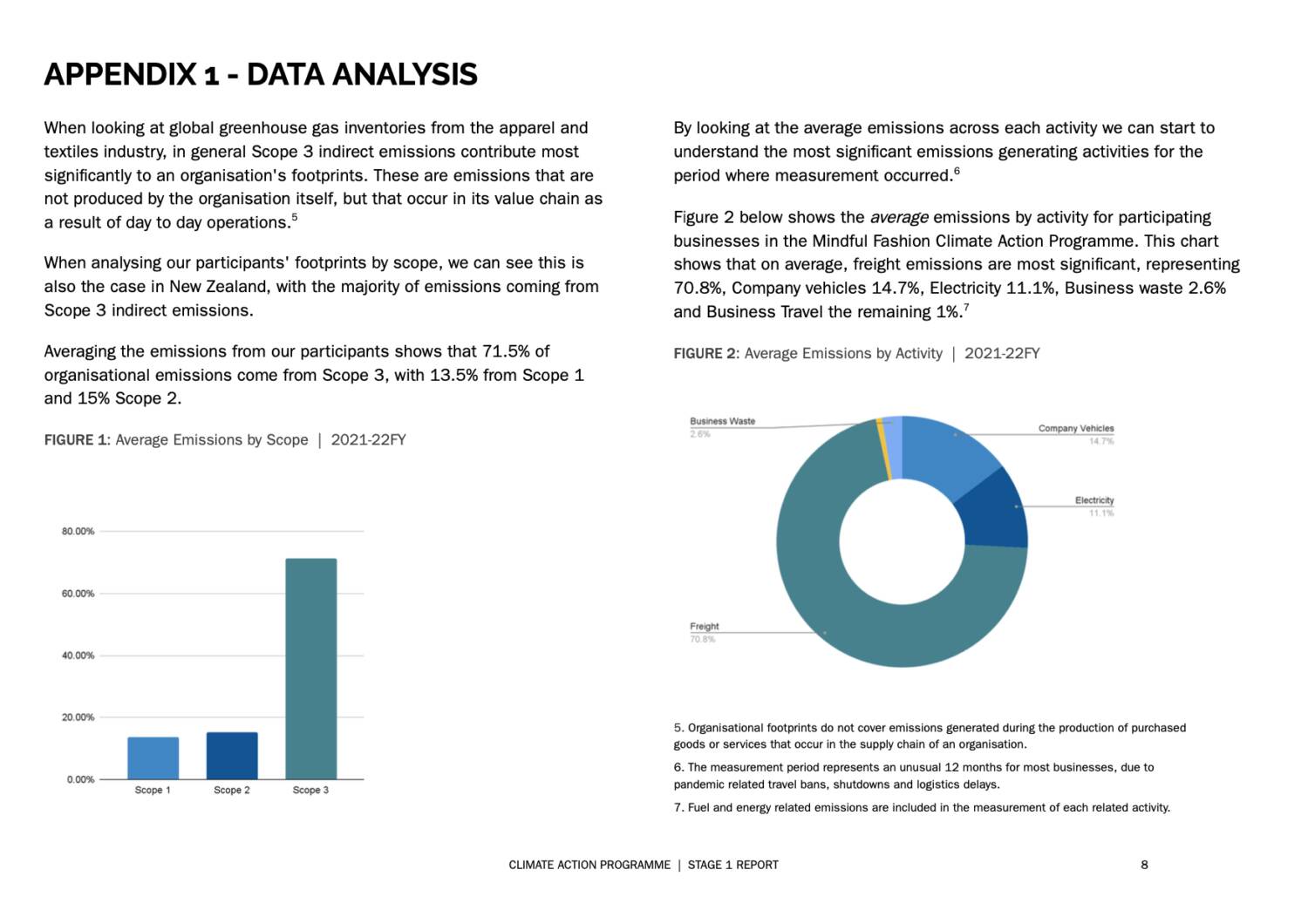
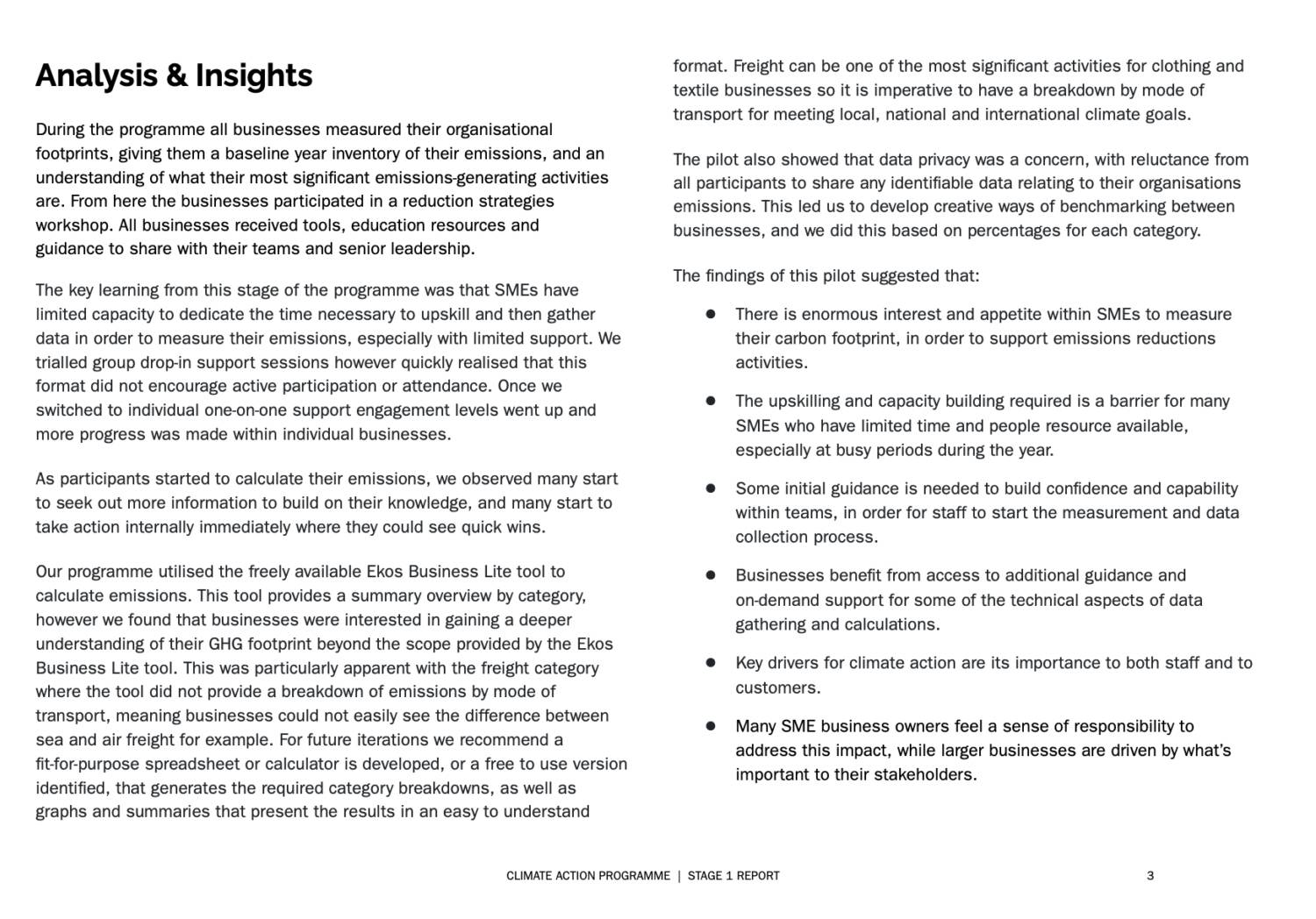
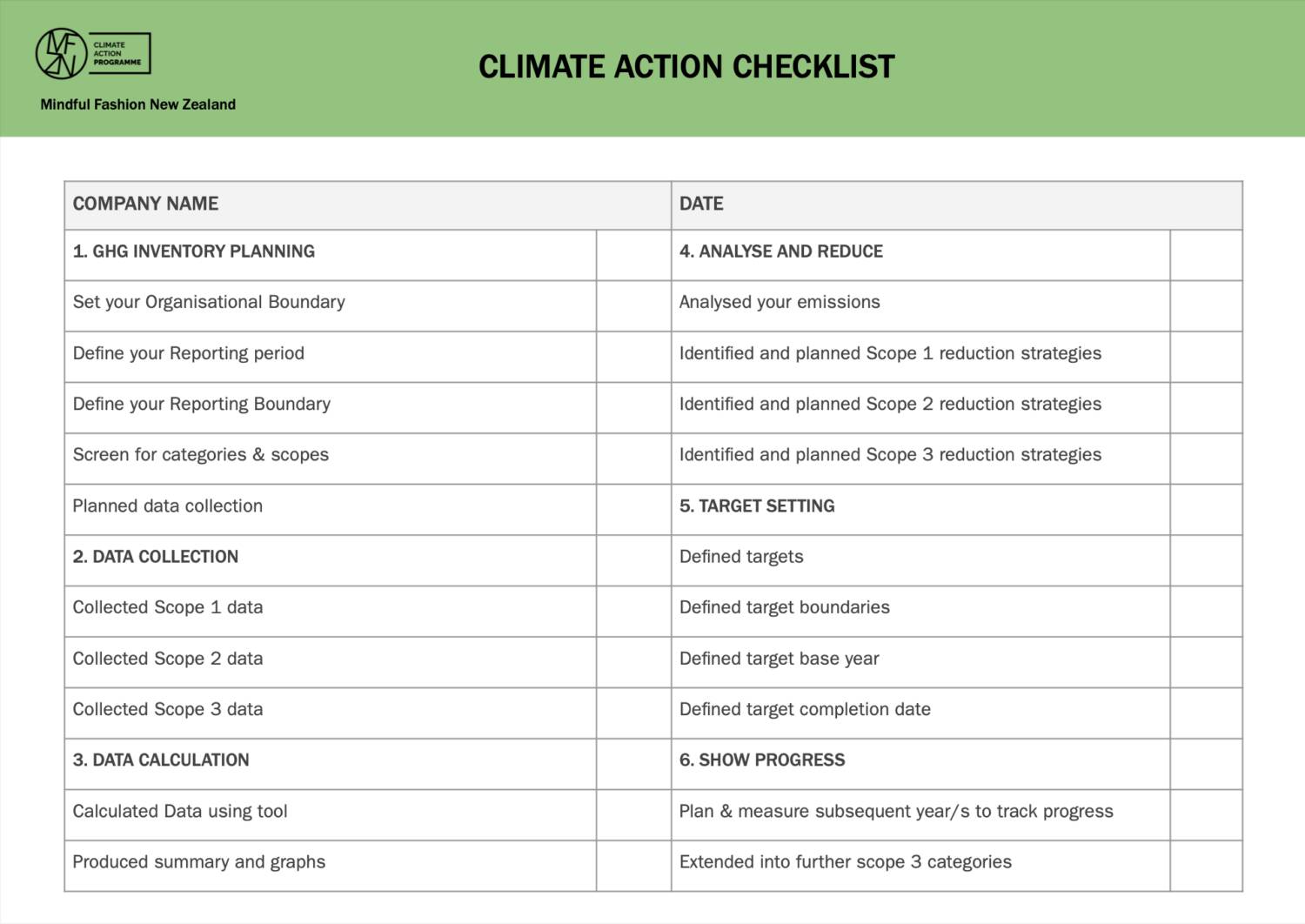
Fashion is making some progress on sustainability, this is what needs to come next
Reflecting on the 10 year anniversary of the Rana plaza factory collapse in Bangladesh, where more than 1100 garment workers lost their lives in one of the worst industrial accidents in the history of the apparel industry, our CE Jacinta FitzGerald looks at what progress the industry has made on its social and environmental impacts, and explores where we need to see more ambitious action to address the industries challenges.
Read the full article on Stuff.
While the industry is making progress on sustainability, the need to accelerate action grows stronger. We all have an important role to play. Industry must innovate and strive ambitiously to meet best practice for its people, meet emissions targets and move towards a circular economy, Government needs to support best practice through policy, and all of us who wear clothes engage with fashion in a considered way. It’s a shared responsibility.
At Fashion & Textiles we've created a platform for the industry to work together on some of these complex challenges. We are collectively shaping a full circle, thriving future and we are supporting industry members to step up their ambition and unite behind a common sustainability agenda, particularly around climate action and circular economy.
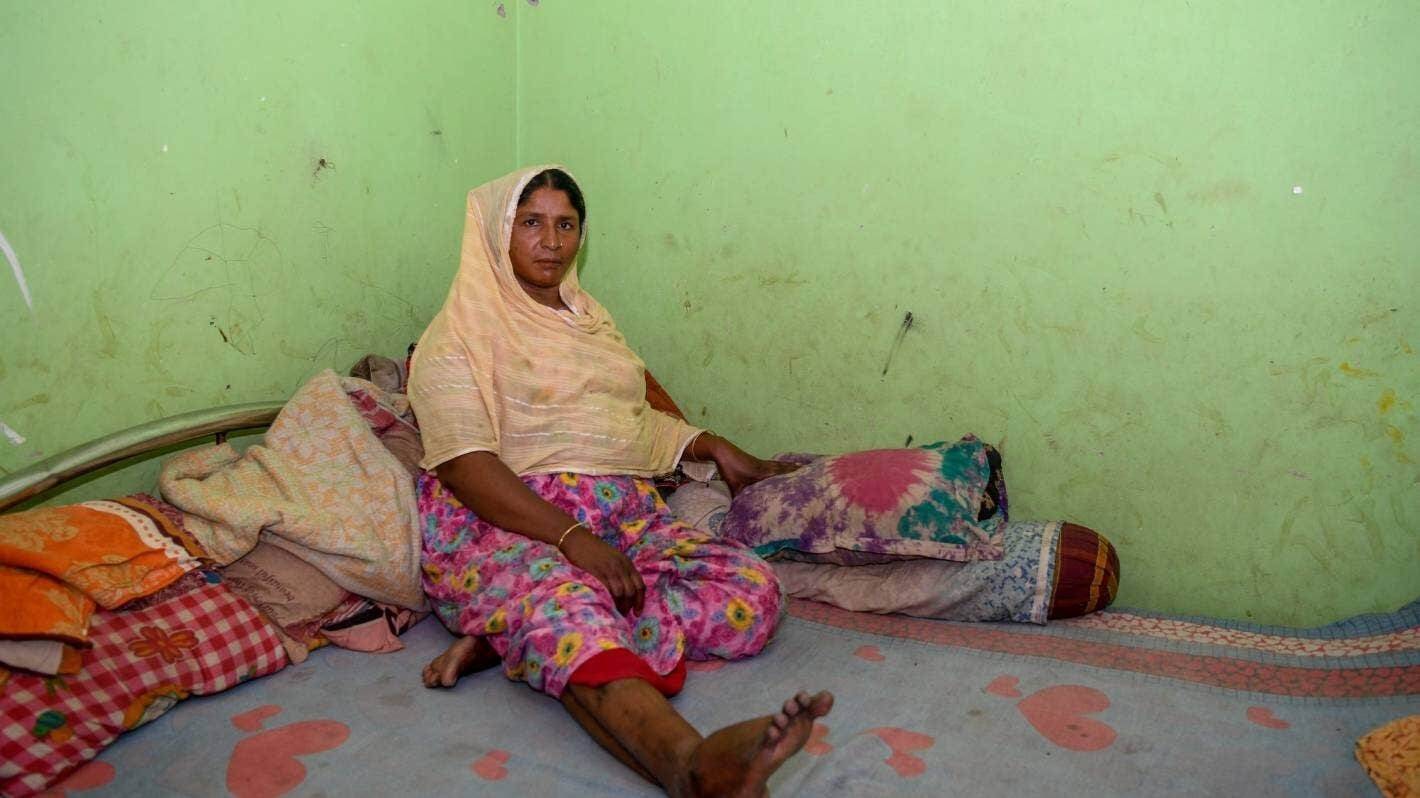
Rana Plaza collapse survivor Nilufa Begum poses for a portrait at her home in Dhaka, Bangladesh. She sustained a leg injury when Rana Plaza collapsed in 2013. Photo / Piyas Biswas, Getty Images.
Fashion & Textiles AGM 2023
The Fashion & Textiles team along with our community of members, partners and supporters from across the fashion and textiles industry In New Zealand gathered together for our AGM on the 16th of April 2023, hosted by Fashion & Textiles member Wall Fabrics in its Morningside HQ.
You can watch the full AGM recording here.
More than 50 stakeholders of the local industry attended the Auckland in-person event including current members, interested business owners, partners and industry supporters keen to find out more about us. Alongside this, many of our members and industry stakeholders from around New Zealand attended via Zoom. Attendees included industry and fashion educational institute representatives from AUT, Massey University, PwC Legal, Ministry for the Environment, Upparel and Koha to name a few.
Together we celebrated our successes over the last year, launched our new revised strategy, and welcomed our new Board Members. Read more on our new Board members and strategy below.
Highlights
Our outgoing Chair James Walker gave his final presidential address, reflecting on his time as Chair since MFNZ began in 2019. He talked about the importance of the work we are doing in the climate action space, and shared highlights of what we have achieved over the last 12 months as we work to create an innovative, full-circle and thriving future for the industry in NZ.
Jacinta FitzGerald, Chief Executive of Fashion & Textiles shared insights and learnings from key projects over last year - getting Machinist skills on Hanga Aro Rau priority list for 2023, the Fashion & Textiles Climate Action programme and the Rethinking Textile Waste seminar resulting in real impact reduction by reducing waste to landfill and catalysing partnerships.
Jacinta also talked about our plans for 2023 including a full programme of educational seminars, toolkits and programmes to inspire, educate and catalyse change towards our vision of a thriving industry for people, nature and business.
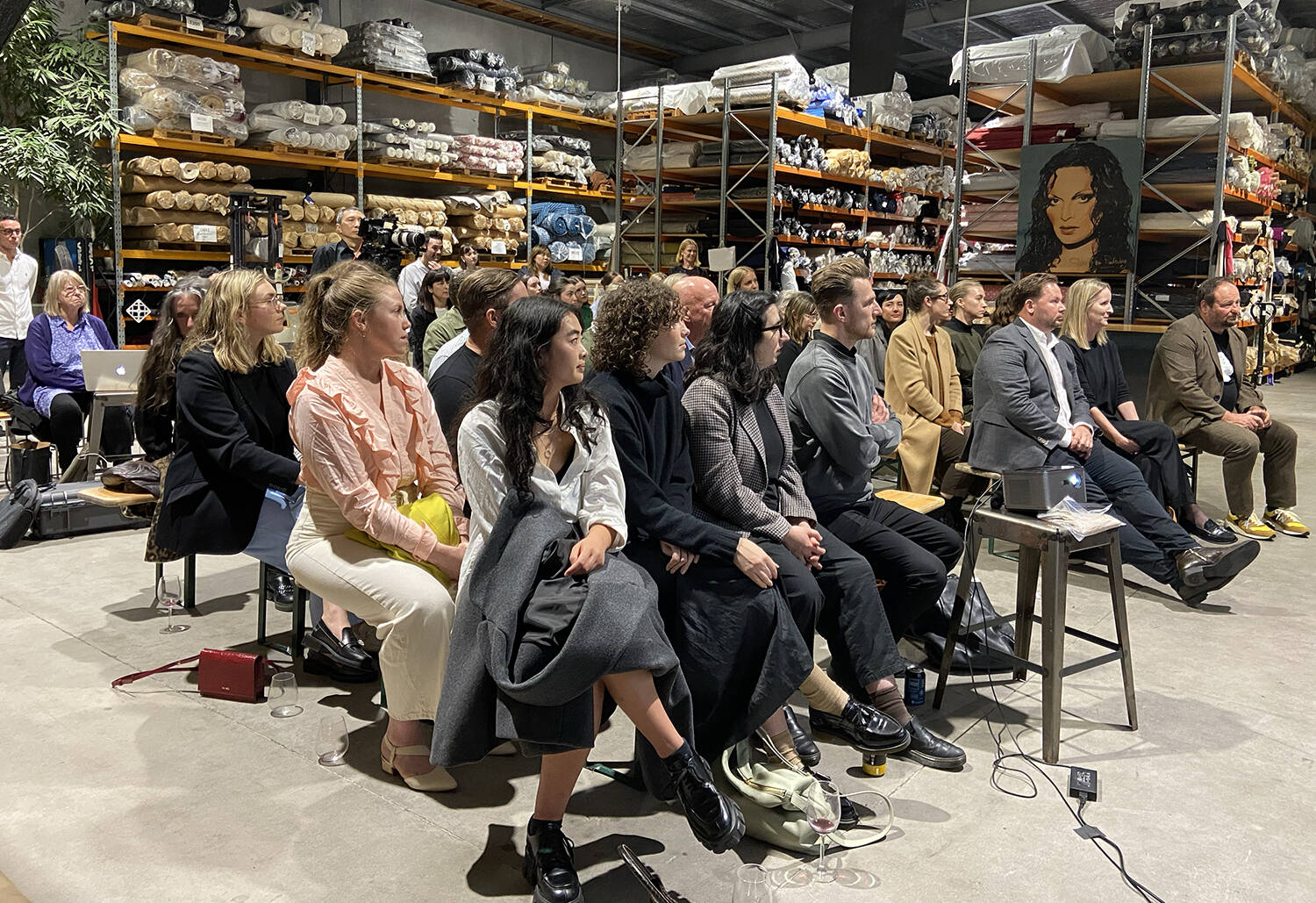
Welcome to our new Chair and Board Members
We are delighted to announce our new Chair, Juliette Hogan. Juliette is the founder and owner of New Zealand clothing label Juliette Hogan.
We are also delighted to welcome new board members, Emma Wallace from Kowtow Clothing and Mat Junge from Albion Clothing and Cactus Outdoor.
Board Election results
Juliette Hogan - MFNZ Chair, Founder and Owner, Juliette Hogan.
Emma Wallace - Managing Director Kowtow.
Matt Junge - General Manager Albion Clothing & Cactus Outdoor.
Trevor Hookway - Director Hawes & Freer, confirmed for the second term.
One of the highlights of the evening was the announcement of the Fashion & Textiles new Chair Juliette Hogan. Juliette thanked members and spoke of her passion for the industry and her desire to give back, to convey why she wanted to take on the role of chair.
The night concluded with closing remarks from Fashion & Textiles co-founders Kate Sylvester and Emily Miller-Sharma who welcomed the new Board members and thanked James for his contribution as the inaugural Chair of the organisation.
Read about our new Strategy below.
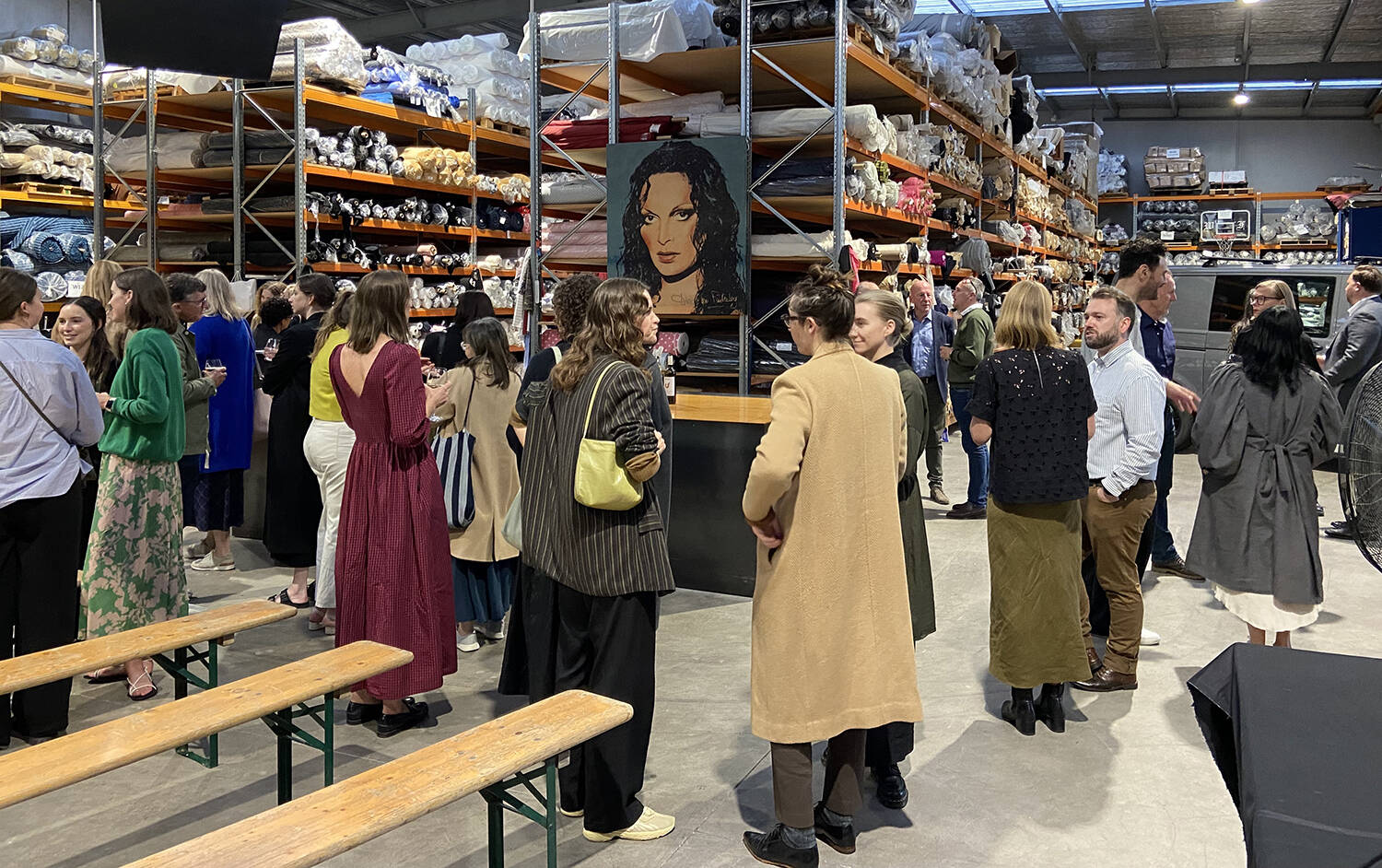
2023-25 Strategy
At the end of 2022 we reviewed our strategy, updating our vision and pillars to reflect our ambitions for the industry. We reflected on what's worked, what hasn't, what we are trying to achieve and how we fund our work. We also scanned the global and local landscapes for context, risks and opportunities.
Our new strategy is an evolution, continuing our focus on working with our members to accelerate critical sustainability work, and catalysing action through impact programmes that influence wider industry change.
At Fashion & Textiles our mission continues to be to unite the industry to create an innovative, full-circle and thriving future.
We envision a clothing and textiles ecosystem in Aotearoa NZ where business, people and nature all thrive.
Our strategy has three pillars:
- Voice - be the voice for a sustainable and thriving fashion and textiles industry through strategic advocacy and communications.
- Drive positive change, by inspiring, educating and catalysing action to address impacts.
- Shape - work with industry to shape the future by facilitating industry innovation and collaborative impact.
Our role is to support the industry on its future proofing mission, so that our businesses and our people can thrive in a way the planet can support.
For this to happen we need to change the way our clothes are designed, produced, used and valued. Through new business models, growing local skills, innovations, and partnerships.
This is at the very heart of why we exist as an organisation, bringing Aotearoa NZ’s fashion and textiles industry together to shape a better future.
Read the full MFNZ 2023-25 strategy here.
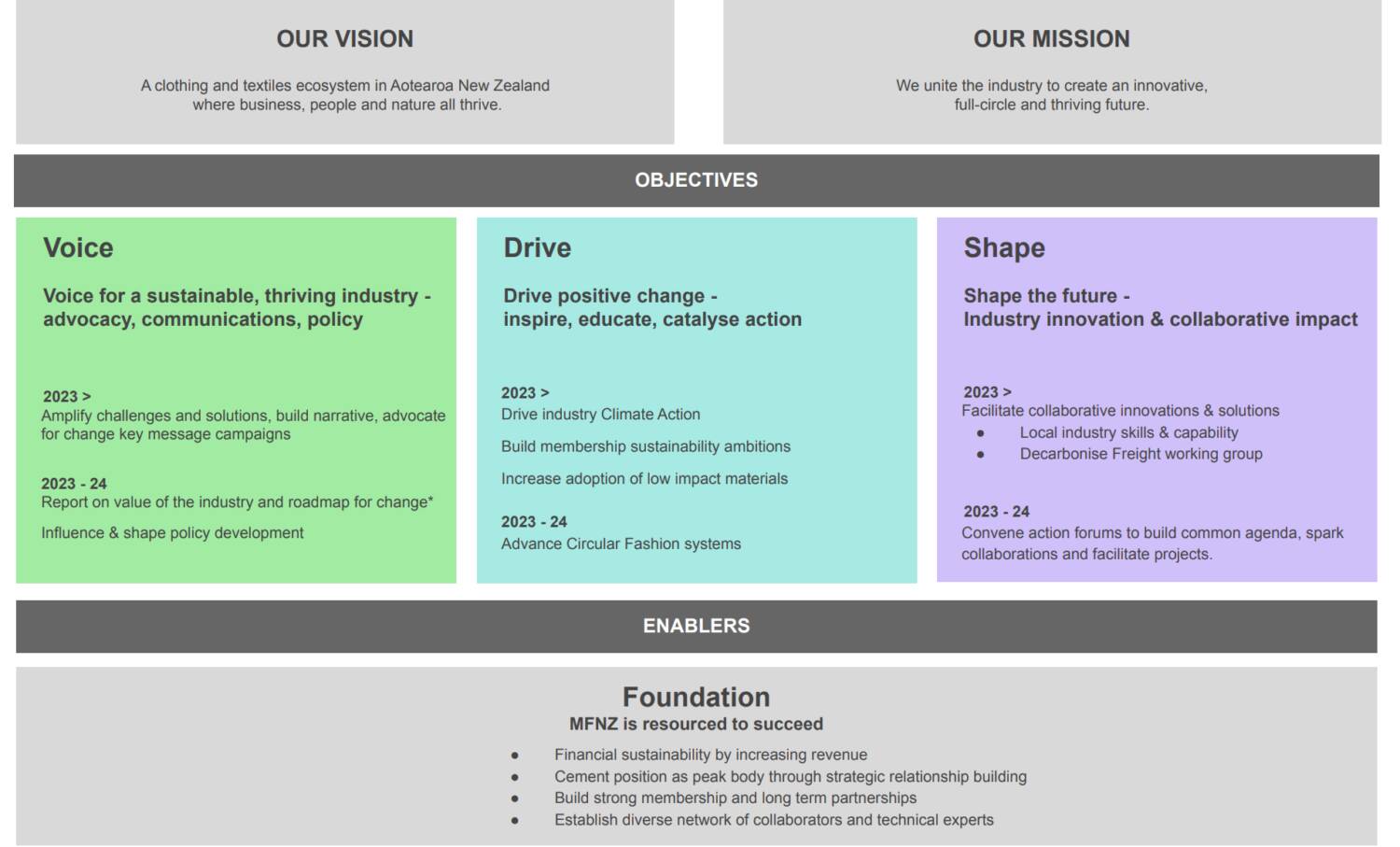
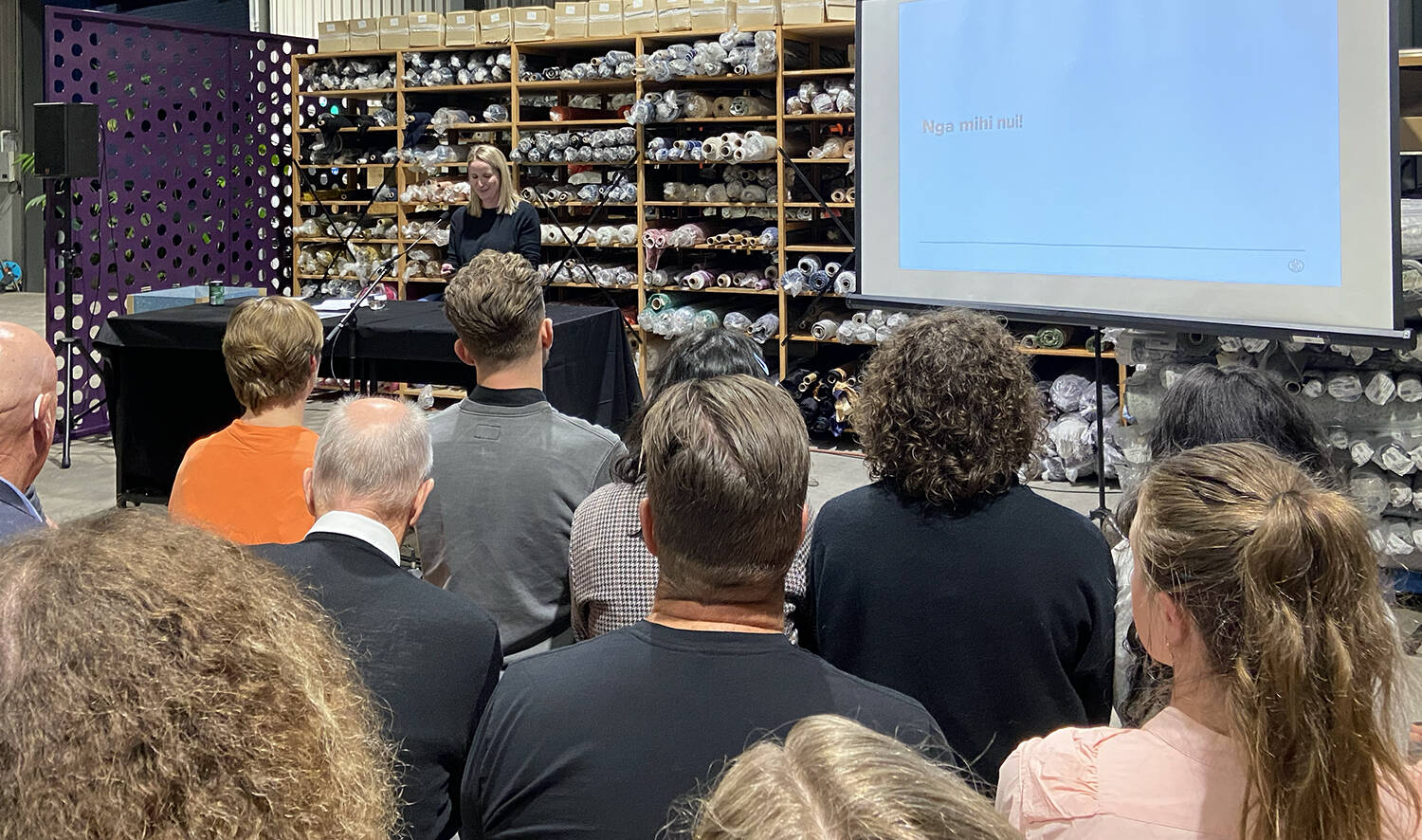
Challenges and opportunities with Textile Waste
Fashion & Textiles adds industry voice to illuminate the growing textile waste issues and opportunities in Aotearoa, explored in this segment by TVNZ 1 News.
The textile waste issue is a multi-faceted one, and its going to take a lot of different actors - businesses, Governments and individuals working together to bring about change right along the value chain of our clothing. In this segment TVNZ 1 News raises awareness of this enormous issue and shines a light on some of the local initiatives we have here in New Zealand that are starting to tackle this challenge from a social and environmental perspective. Charli Cox from Koha Apparel, and Jeff Vollebregt from UPPAREL both share their perspectives alongside our CE Jacinta FitzGerald.
Viva x Fashion & Textiles video series Behind The Seams
We are proud to launch our new collaboration with Viva, the video series Behind The Seams: What It's really like to work in fashion.
In our first episode, we talk to Casey Reid, the digital marketing manager at fashion label Juliette Hogan. This role is fast becoming increasingly pivotal in the success of any fashion brand right now navigating our digital world.
How to effectively and authentically communicate a brand’s values and the quality of its garments is an essential component of the e-commerce and digital experience, with Casey at the forefront of making that happen for one of the country’s leading fashion labels.
Watch Episode One here of Behind The Seams.
The series is directed by Britt Walton.

Fashion & Textiles together with the Viva fashion department pulls the curtains and takes a closer look at the often overlooked roles in the fashion industry, and what it’s really like to work for some of the country’s leading fashion brands.
For those interested in the day-to-day reality of working in fashion or to gain a better insight into career pathways, the series will highlight the diverse array of skills and roles that make our local fashion industry unique.
From the design room to the local makers to the retail floor, there is a broad range of roles that contribute to our thriving industry. The series will illuminate some of these roles with insightful profile interviews, helping all of us understand more about how the many hands that contribute to bringing our clothes to life, along with spotlighting career pathways for those interested in working in the industry.
See more about Casey's role here and explore other roles in the industry through the Fashion & Textiles Role Library.
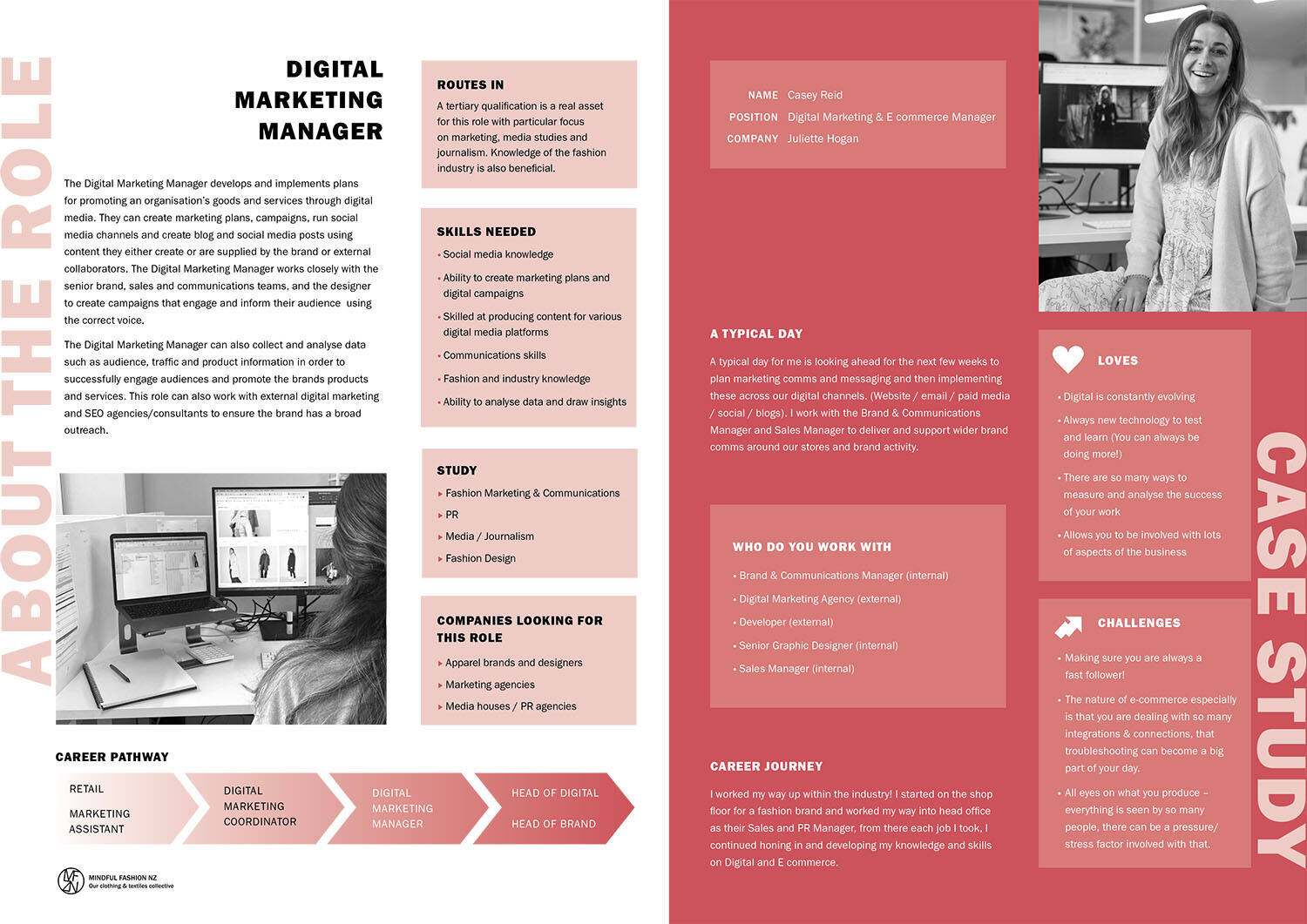
Tax Management New Zealand’s Whakatupu Aotearoa Foundation invests back into NZ.
Whakatupu Aotearoa Foundation shares our vision of a thriving Aotearoa for people, nature and business. It recognises that as the only industry body for the sector in Aotearoa, Fashion & Textiles is uniquely positioned to drive the collaboration required to build a sustainable and thriving future for our fashion and textiles. We are proud to have the support of Whakatupu to help bring our vision to life.
In this impact story Whakatupu discuss the reasons for partnering with Fashion & Textiles and the impact that the partnership is working to create.
“In New Zealand, approximately 45,000 tonnes of apparel is sent to landfill every year, made up of a whole range of clothing from different sources. That’s a lot of textile waste and it’s a problem because we know it releases a disproportionate amount of carbon emissions as it breaks down. Fashion & Textiles has over 80 members who all believe in a more sustainable future for the industry. But, we’ve got a bigger problem in that we don’t, at a country level, have a system to deal with textile waste. This is something we are talking to the Government about addressing at a national level. ” Jacinta FitzGerald, Programme Director – Fashion & Textiles, speaking on Radio New Zealand
“As consumers we’re buying more clothes than ever and wearing them less than ever, and the industry is feeding these habits. So, the challenge is both to change buyer behaviour and disrupt the industry – because this can’t go on,” says Yii Petrus, Programme Director for Whakatupu Aotearoa Foundation.
Issues with Fast Fashion and Textile waste in New Zealand
Thanks to TVNZ Breakfast for having our Chief Executive Jacinta FitzGerald on the show to talk about the challenges with fast fashion, how we need to move to a more circular system for clothing, some of the solutions we have here in NZ and why supporting local businesses tackling these issues is important. This is what we are working towards at Fashion & Textiles New Zealand.
Textile waste is an enormous issue in New Zealand, and this was illustrated well on TVNZs Sunday this week by Ingrid Cronin-Knight from Waste Management NZ. Ingrid told us that Redvale landfill in Auckland receives an estimated 70 truckloads of textile waste - each week!
It's great to see mainstream media spotlighting this issue. Earlier in March, TVNZ Sunday reported that fast fashion contributes to environmental pollution and labour exploitation while encouraging overconsumption and poor-quality clothing, and interviewed Fashion & Textiles member Little Yellow Bird's Samantha Jones about the work it does to combat clothing waste.
Cactus Outdoor's Repair Programme
Fashion & Textiles member Cactus Outdoor and Albion Clothing talked to Seven Sharp about the benefits of local manufacturing and showed how local manufacturing and skilled machinists help them keep their quality outdoor products in use for longer.
Watch the segment here.
Cactus Outdoor carefully crafts high-quality items in their Christchurch based workshop meaning they can be more flexible, have greater control over quality and can offer repairs quickly and easily.
You can learn more about Cactus Outdoor repair service here.
Being Mindful in Fashion - Metropol Magazine
Thanks, Metropol Magazine for spotlighting our work at Fashion & Textiles in your January 2023 edition alongside one of our industries leading voices Peri Drysdale from Untouched World. At Fashion & Textiles, we are all about inspiring, educating and facilitating action with businesses to create impactful change in New Zealand’s clothing and textile industry, and we are excited to be gearing up for a big year in 2023.
Fashion & Textiles Climate Action Programme - Measuring NZ's Apparel Industry
Good Magazine spotlights how Fashion & Textiles's Climate Action Programme supports fashion businesses in New Zealand on their decarbonisation journey.
More than 20 Fashion & Textiles businesses participated in Stage one of the Programme, which was designed to enable businesses with knowledge and tools to measure their organisation’s greenhouse gas emissions and take steps to reduce them. Findings from this stage will feed into a Climate Action roadmap that will outline the path towards meeting longer-term goals for the industry including emissions generated both upstream and downstream in the supply chain.
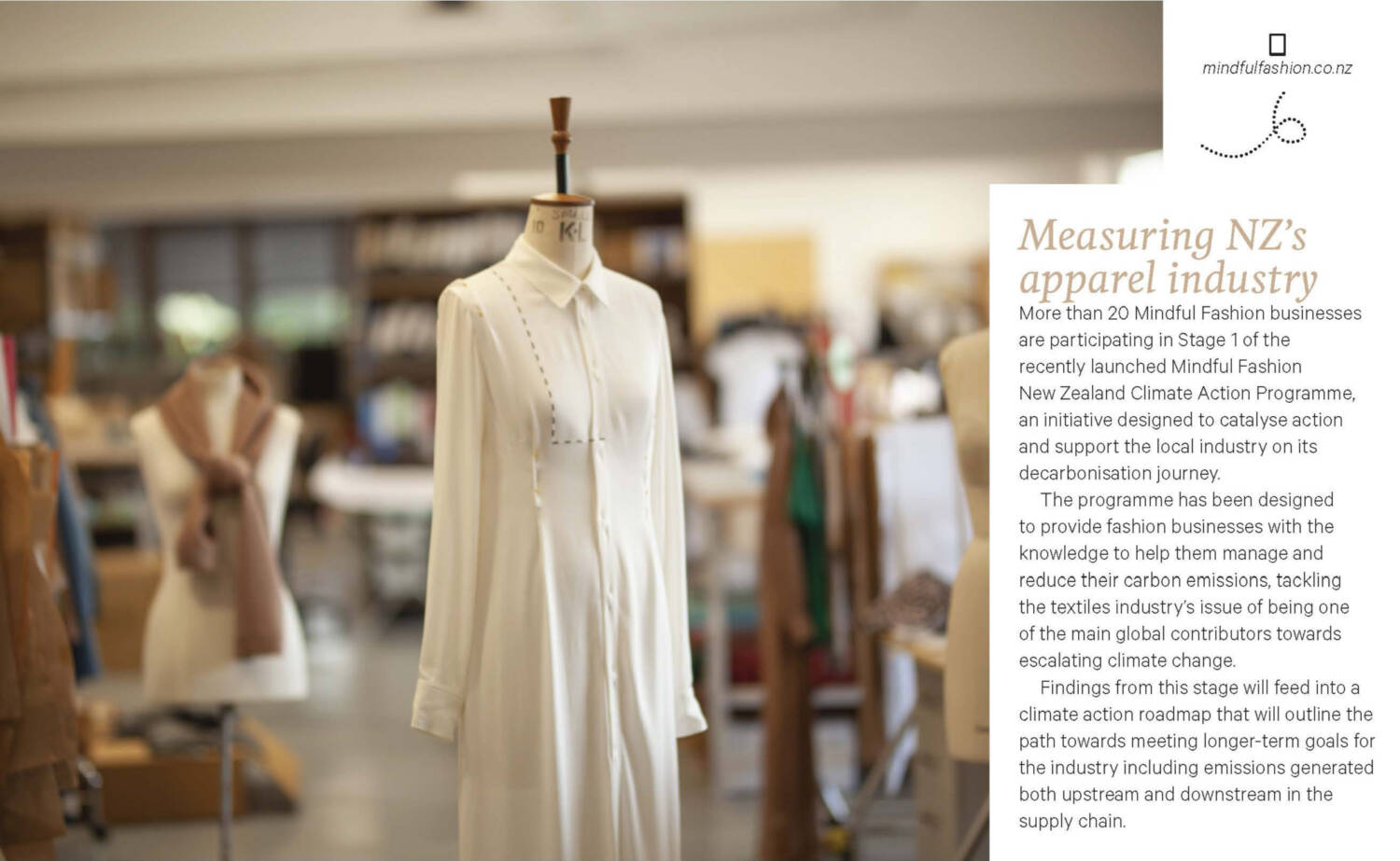
Bin should be last resort for clothing waste - Fashion & Textiles
Thanks to Radio New Zealand for helping us shine a light on the issue of textile waste in New Zealand. We need to address this at a systems level here, starting with awareness and education.
It was great to hear from our Programme Director Jacinta FitzGerald on RNZ’s Check Point highlighting the importance of working toward a more sustainable sector.
“Around 45,000 tonnes of clothing is sent to landfill in NZ each year” Where It produces a disproportionate amount of carbon emissions as it breaks down.
“Clothing is a valuable resource that should be used for as long as possible, only when it is no longer usable should we look at capturing that valuable resource and turning it into something that can be used again.”
Thank you to all our partners and members supporting our work to bring about a system change in Aotearoa.
Fashion & Textiles Meet & Greet Christchurch
In October Fashion & Textiles held its first foray out of Auckland, hosted at the Untouched World flagship cafe, more than 60 members of the local industry came together for an engaging evening of conversations, connections, and delicious canapes!
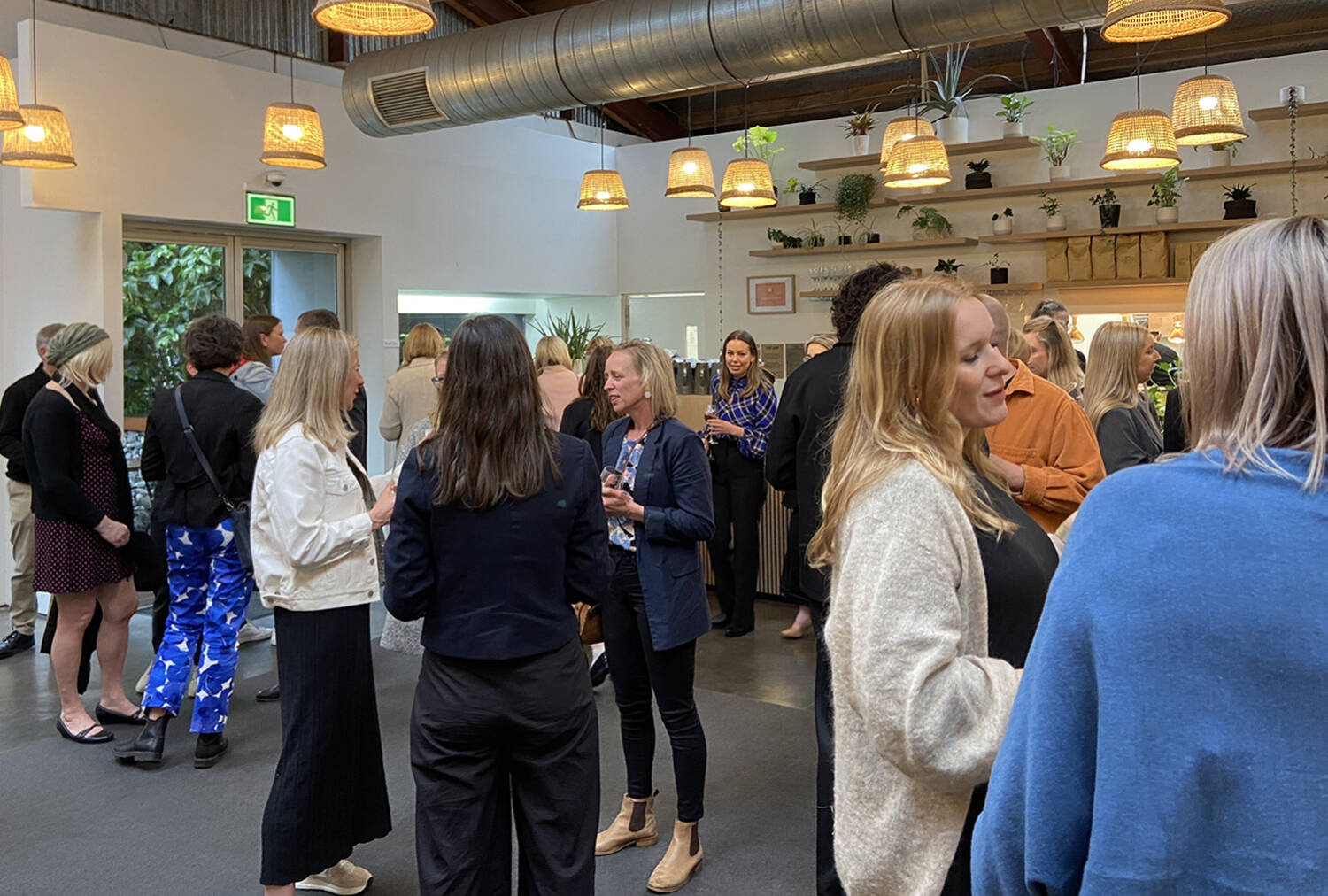
Jacinta welcomed everyone and talked about the important work we’re doing at Fashion & Textiles, then handed over to Peri Drysdale founder and CEO of Untouched World. Peri inspired us with her sustainability journey and ethos, her vision for New Zealand to be the sustainable fashion capital of the world, and the importance of collaboration.
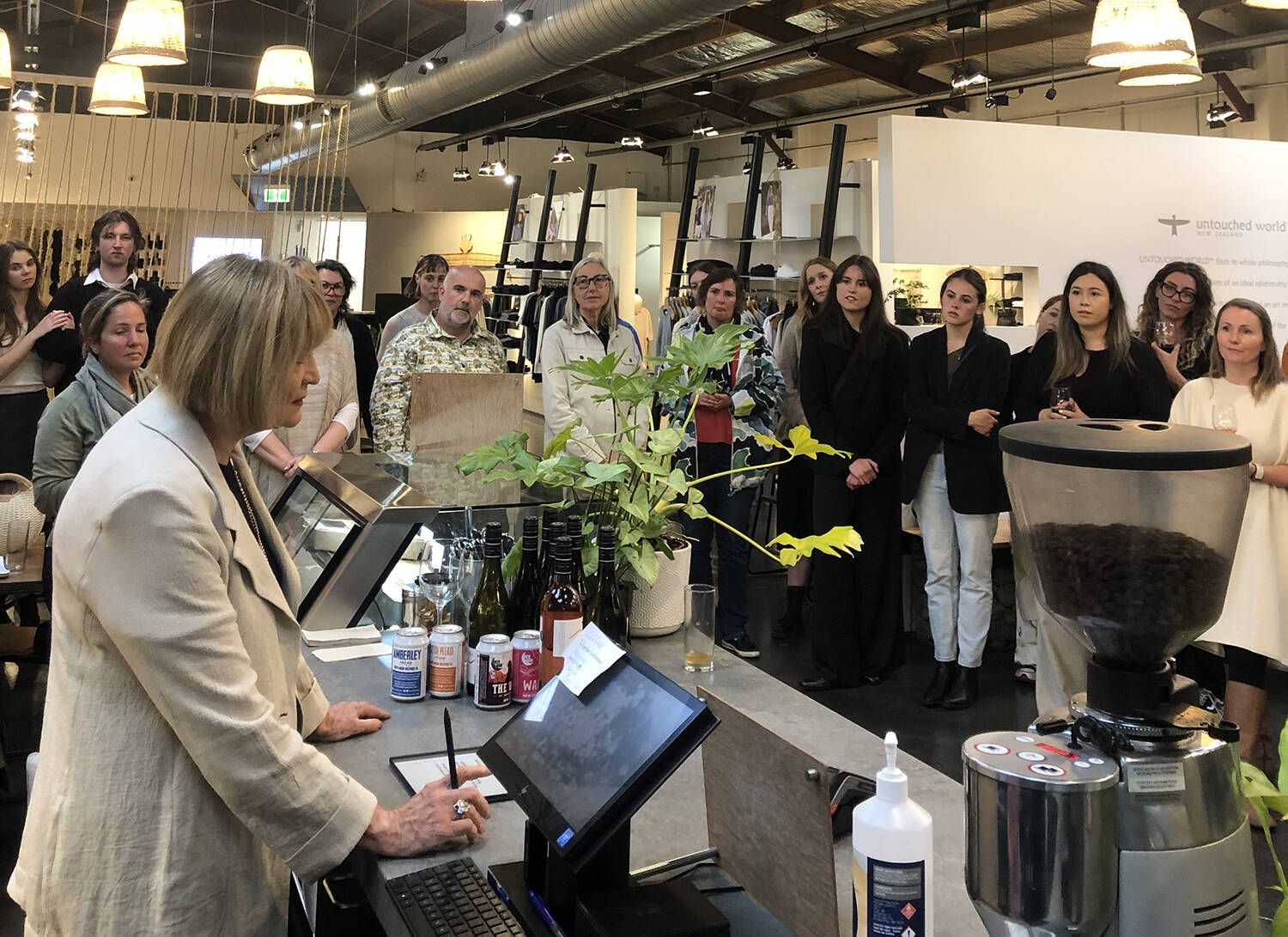
Our own Emily Miller-Sharma gave a really powerful vision of how she sees Fashion & Textiles's role. Emily says “Sustainability can’t be a competitive advantage anymore. Our competitive advantage as a business lies in our design and aesthetic. We must work on sustainability together now, for the good of our planet.”
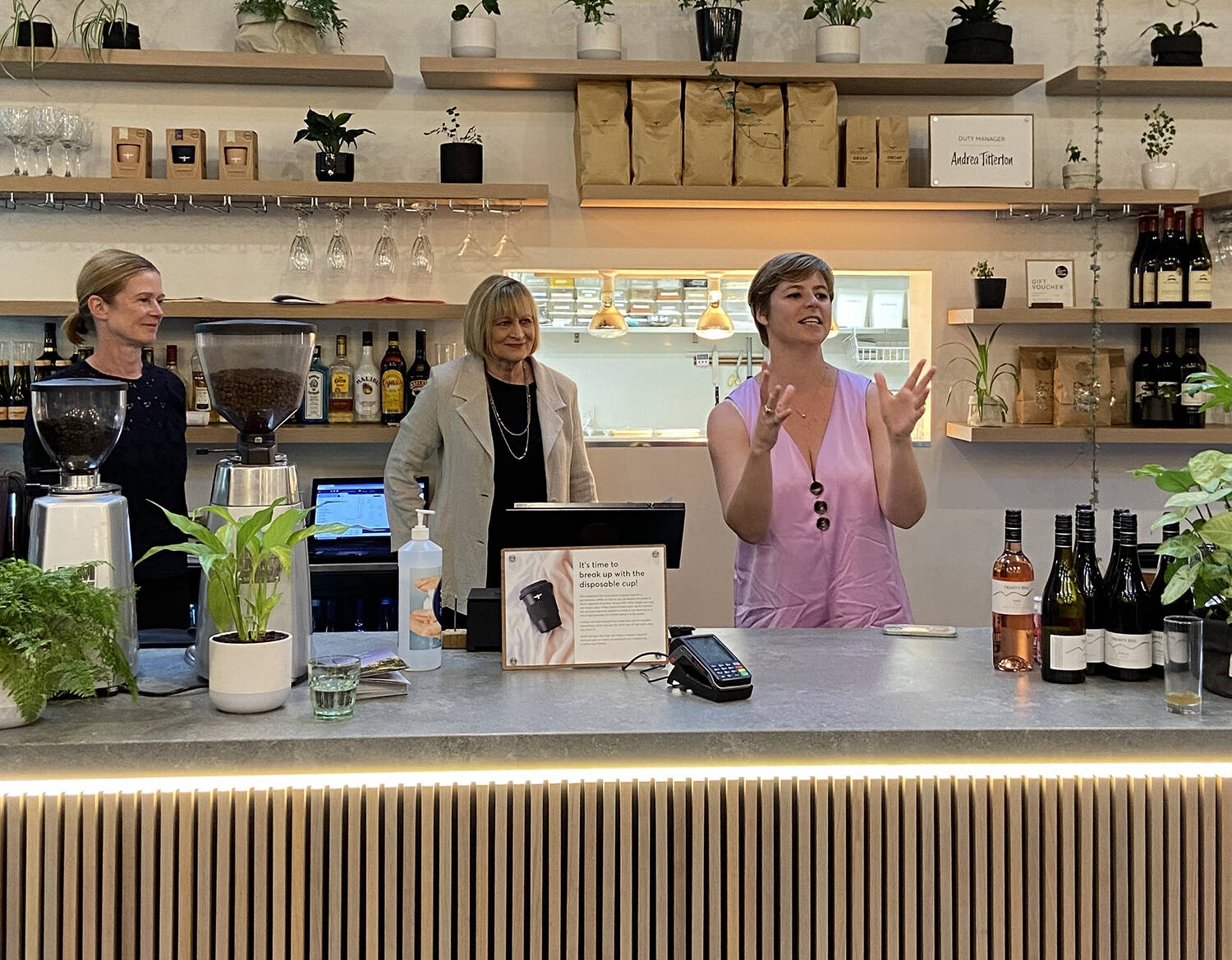
We look forward to our next in-person event and seeing you all again, and if you did attend please get in touch with any follow-up thoughts!
Design for Disassembly - Circular Design
It’s estimated that around 80% of a product’s environmental impact is determined at the design stage. Everything from the choice of materials a product is made from, to how it’s constructed, to its durability, and where it ends its life. By unlocking circular thinking we can start to design for better outcomes from the beginning. One of our key work streams at Fashion & Textiles is activating the circular economy for our clothing in Aotearoa through circular design. Last month we kickstarted this work with a circular design workshop for our members. Tara St James, an international sustainability specialist, shared global case studies and practical tools to unlock circular thinking. Concepts ranged from design innovation and production strategies to the importance of pre-competitive collaboration to create system-wide changes. The range of businesses in the room allowed for cross-pollination across roles, categories and businesses, important as it enables circular thinking to be introduced across every aspect of a business and the conditions for change to build.
A circular economy for the clothing and textiles industry is one where we design out waste and pollution, products and materials are kept in use, and nature is regenerated. It increases our connection to the clothes we make and buy. It also embeds recycling and repairing mindsets, and new retail models including leasing and sharing. There are many ways a business can start to become more circular, with introducing new design systems, material, and ethical sourcing policies, educating consumers on how to look after their clothes, keeping them for longer and responsible end-of-life solutions - so that the life cycle of a product is extended and has a lower environmental impact.
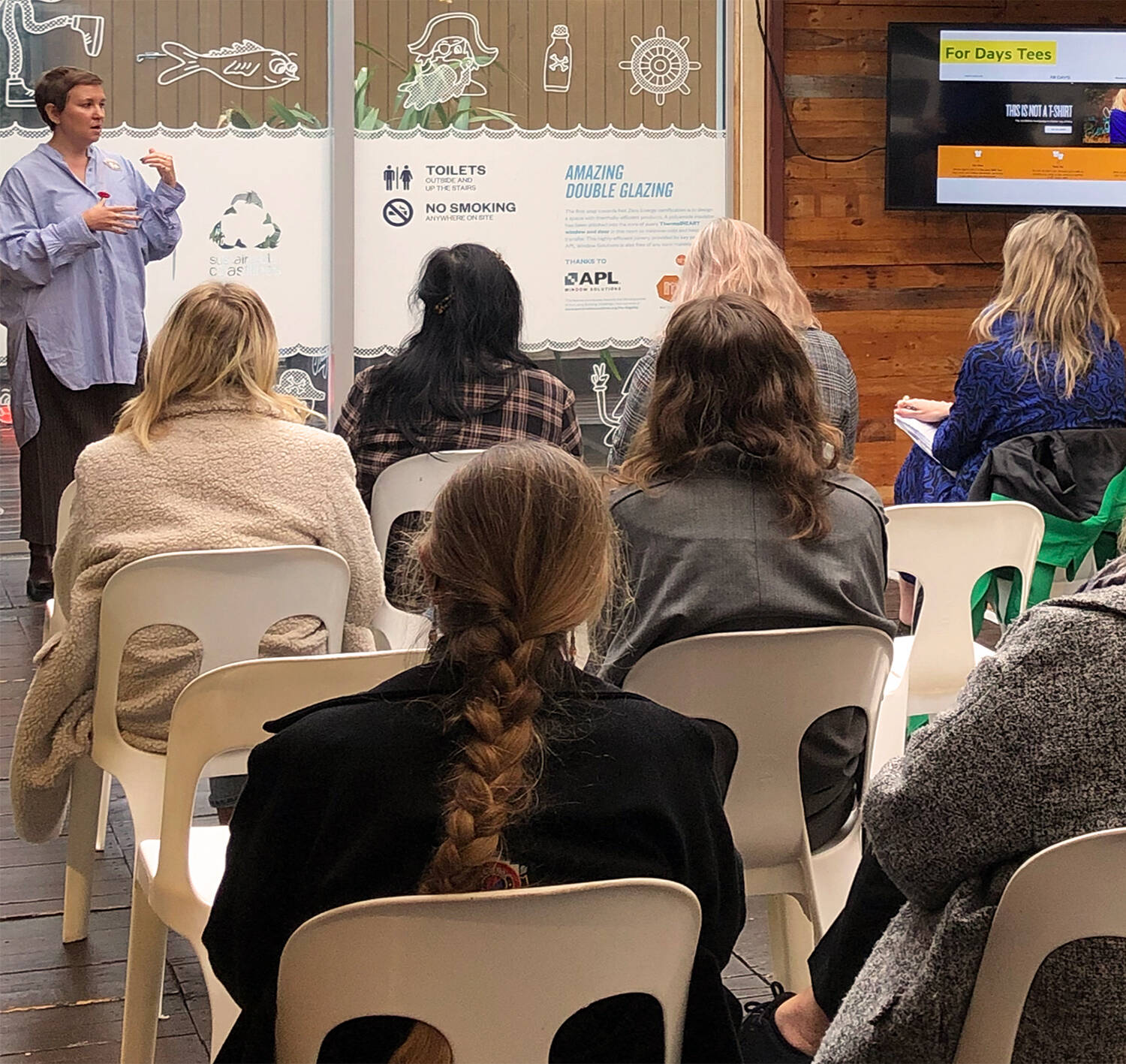
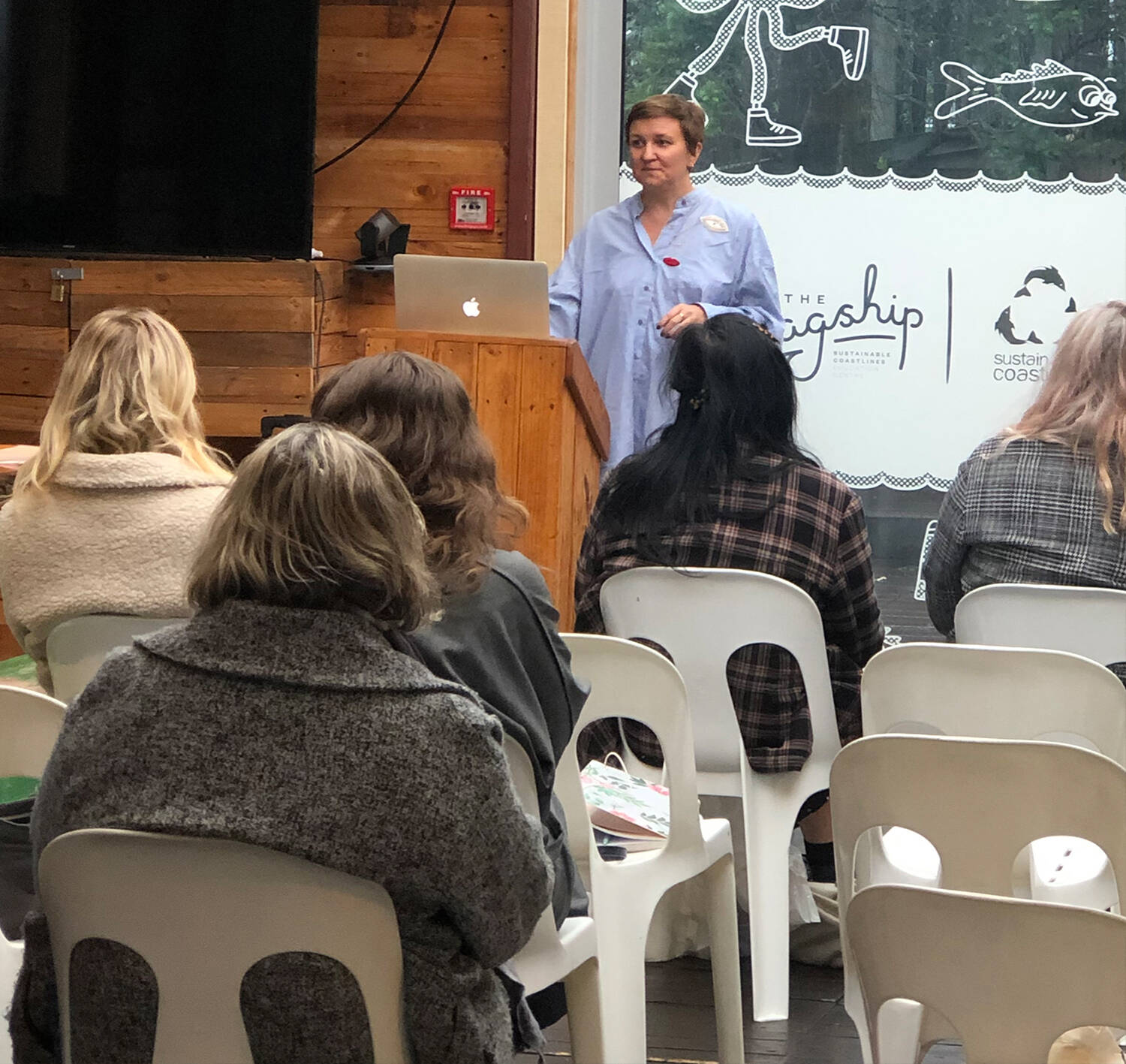
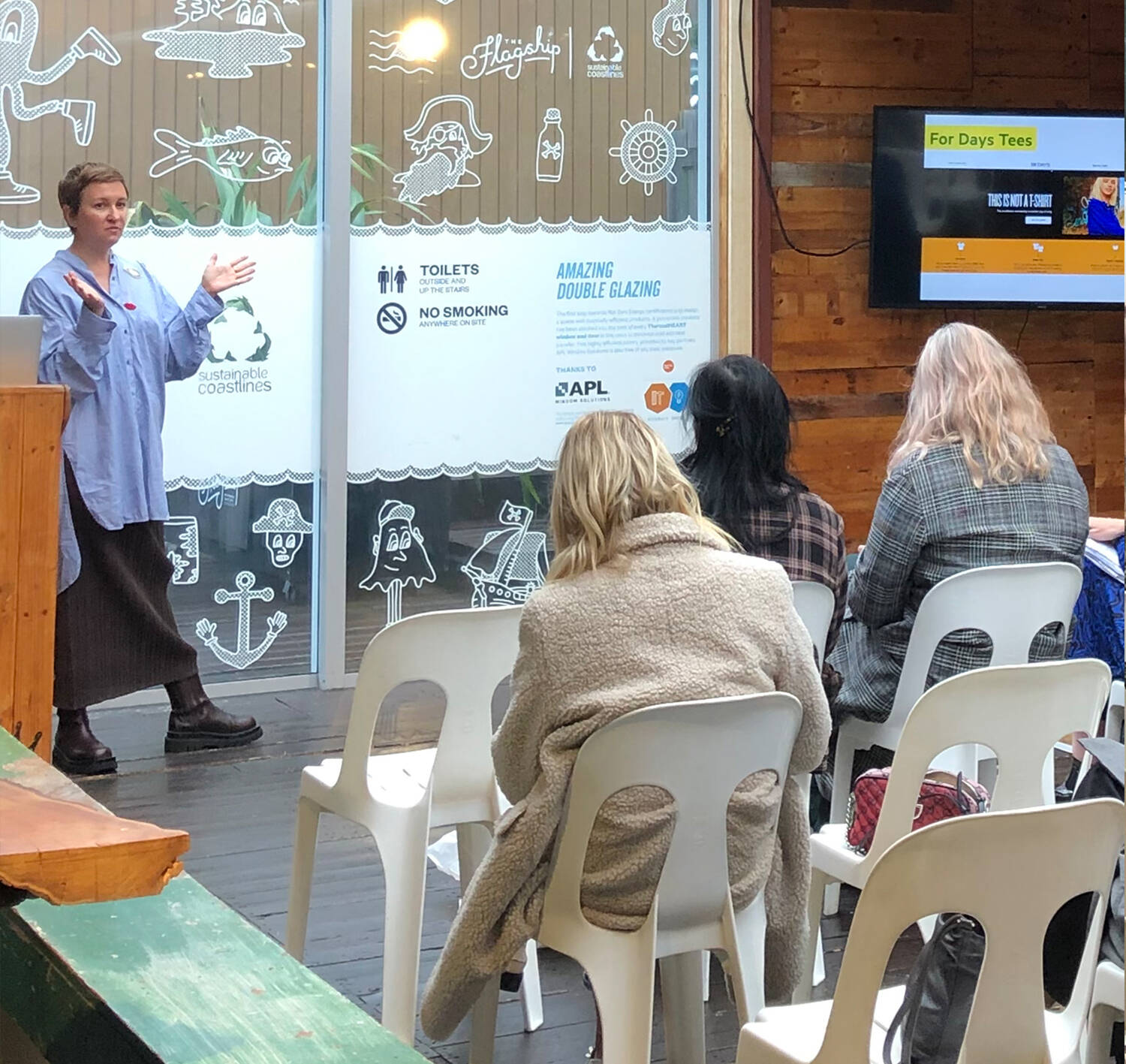
Textile Exchange Climate+ Stories from The Field
September 1, 2022
Fashion & Textiles had the honour of partnering with Textile Exchange last week to bring Climate +, Stories from the Field to the local fashion and textiles industry in New Zealand. It was great to see a real cross section of industry in the room from high end designers to outdoor clothing brands, manufacturers and wool scourers to sustainability leaders and those just starting out all recognising this opportunity to learn and connect.
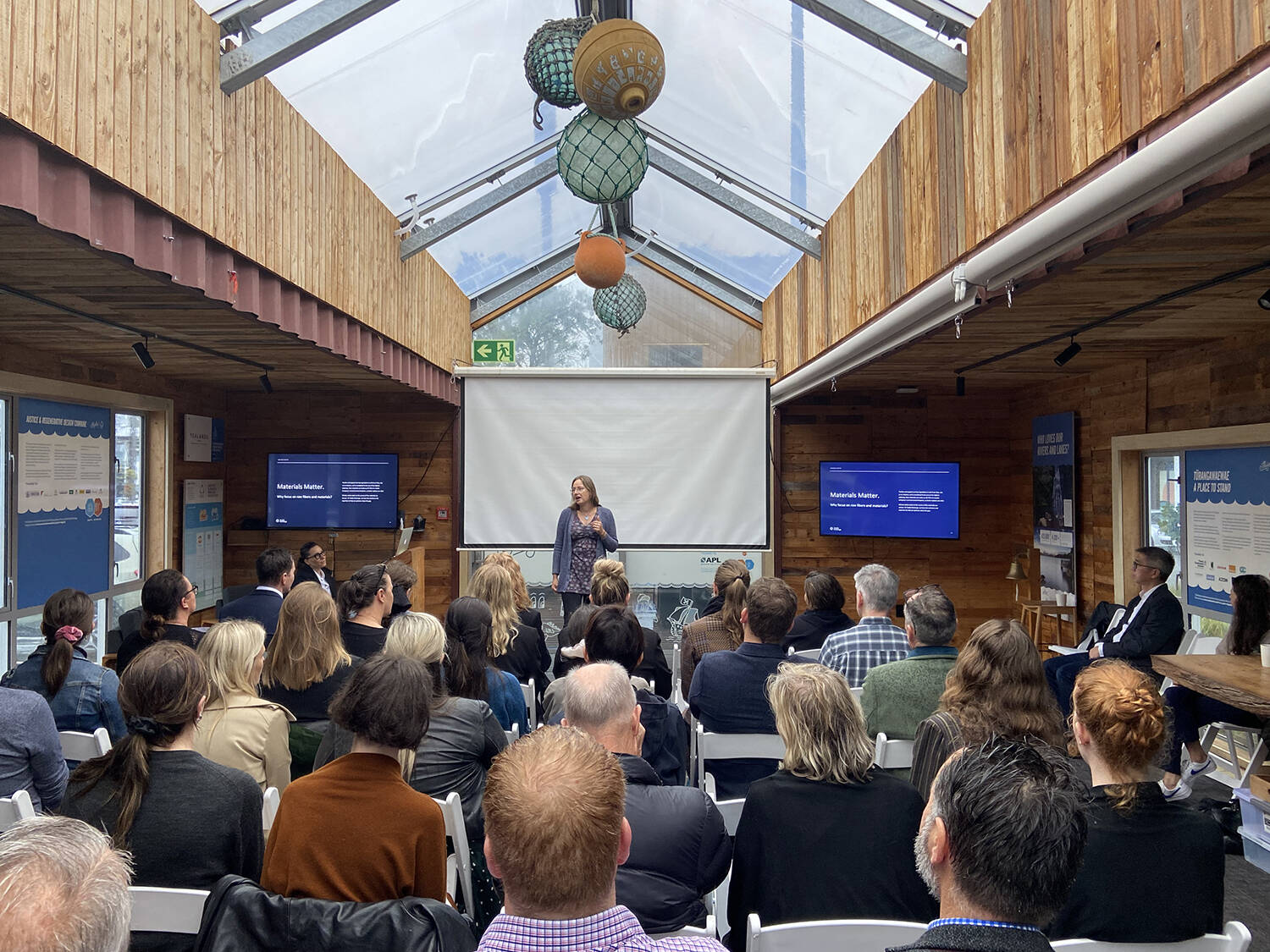
This event gave our members and the wider industry an opportunity to meet and hear from local and global textile experts as part of our work to increase uptake of better materials.
The Textile Exchange team explained their Climate+ strategy and shared how this plays out on the ground through different fibre programs, with Hanna Deans discussing Animal Fibres, Rui Fontana on Cotton Fibres, and Anna Heaton discussing impact measurement and policy. Textile Exchange is a global nonprofit supporting leaders in the industry to accelerate the adoption of lower impact materials. It works collectively with members and the global textiles industry to achieve climate reduction goals and takes a holistic view of impact through its work on regenerative agriculture and biodiversity to increase positive impacts across fibre and raw material production.
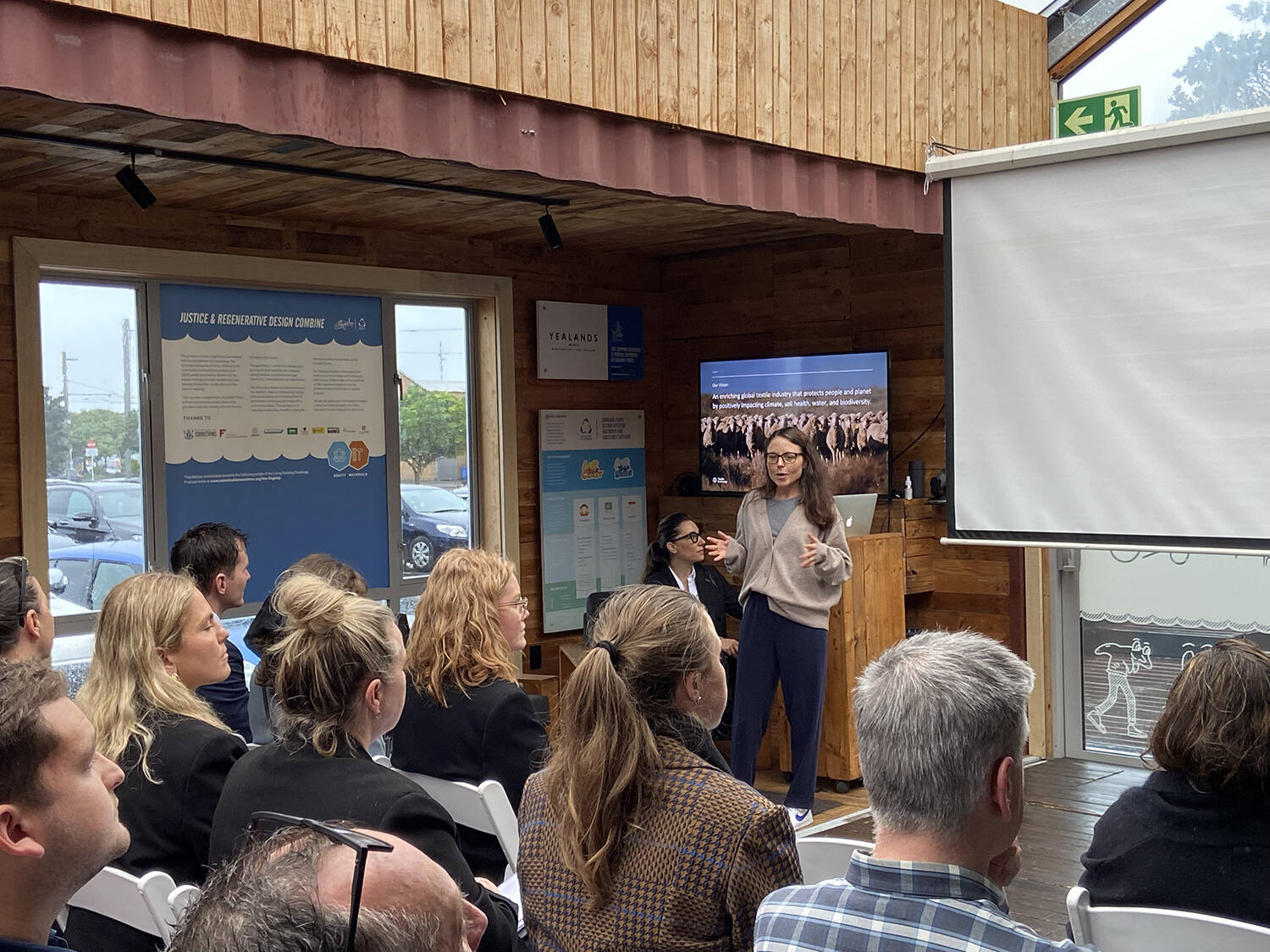
NZ Merino supplies some of the world's biggest names with high quality NZ grown fibre. It was inspiring to hear first hand from Dave Maslen about its ZQRX regenerative agriculture programme and the work it’s doing with wool growers across New Zealand, Australia and South Africa to enhance human health, animal health, environmental and biodiversity outcomes across these complex wool landscapes.
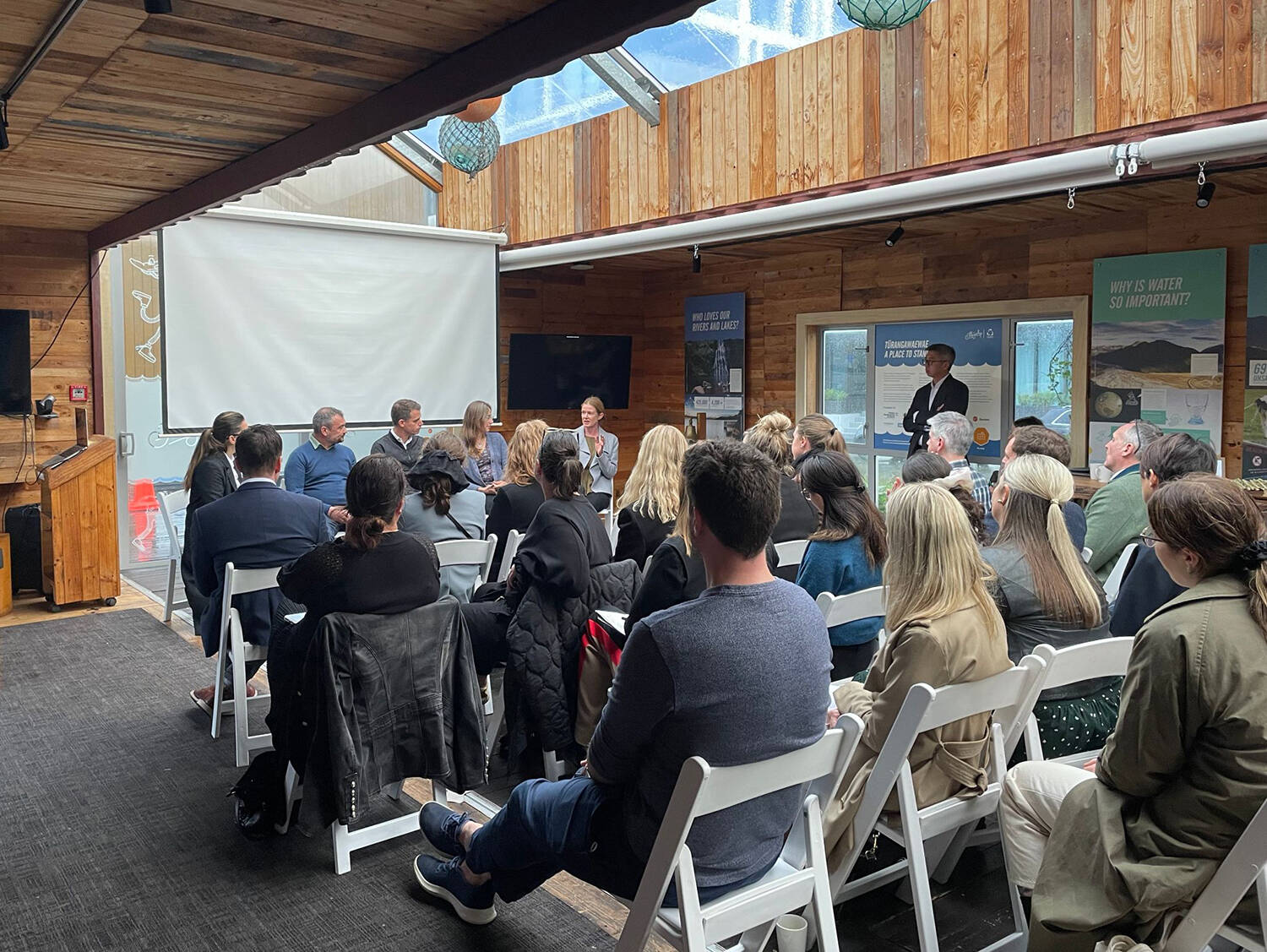
There is a lot of work happening globally to advance a more sustainable and regenerative industry. Partnering with international counterparts such as Textile Exchange to bring expert forums to NZ gives our members and the wider industry the opportunity to share learnings and discuss solutions that reduce the impact of raw materials as we collectively work towards a more responsible textiles sector. A big thank you to Valentina Zarew, Hanna Denes, Anna Heaton and Rui Fontoura from Textile Exchange, and Dave Maslen from NZ Merino for sharing their knowledge and global industry insights with our New Zealand businesses from across the country.
Hanga-Aro-Rau Introduces their Skills and Workforce Leadership Plan
August 17, 2022
Welcome to Hanga-Aro-Rau’s Skills and Workforce Leadership Plan 2022/23.
As an industry that straddles both the creative and manufacturing sectors, fashion and textiles in Aotearoa has fallen between the cracks for many years. That is finally starting to change thanks to Hanga Aro Rau, the Manufacturing, Engineering and Logistics Workforce Development Council.
We are proud to be featured as a spotlight industry in their first Skills and Workforce Leadership Plan. This is a great outcome of all the work put in over the last two years bridging the gap between industry and Government. HAR are now actively working with the industry to address critical skills gaps in our sector.
A skilled local workforce is fundamental in building a resilient and thriving industry here. In particular, manufacturing locally not only has a lower emissions profile than much offshore manufacturing, it also provides local jobs and supports a more circular economy for our clothes.
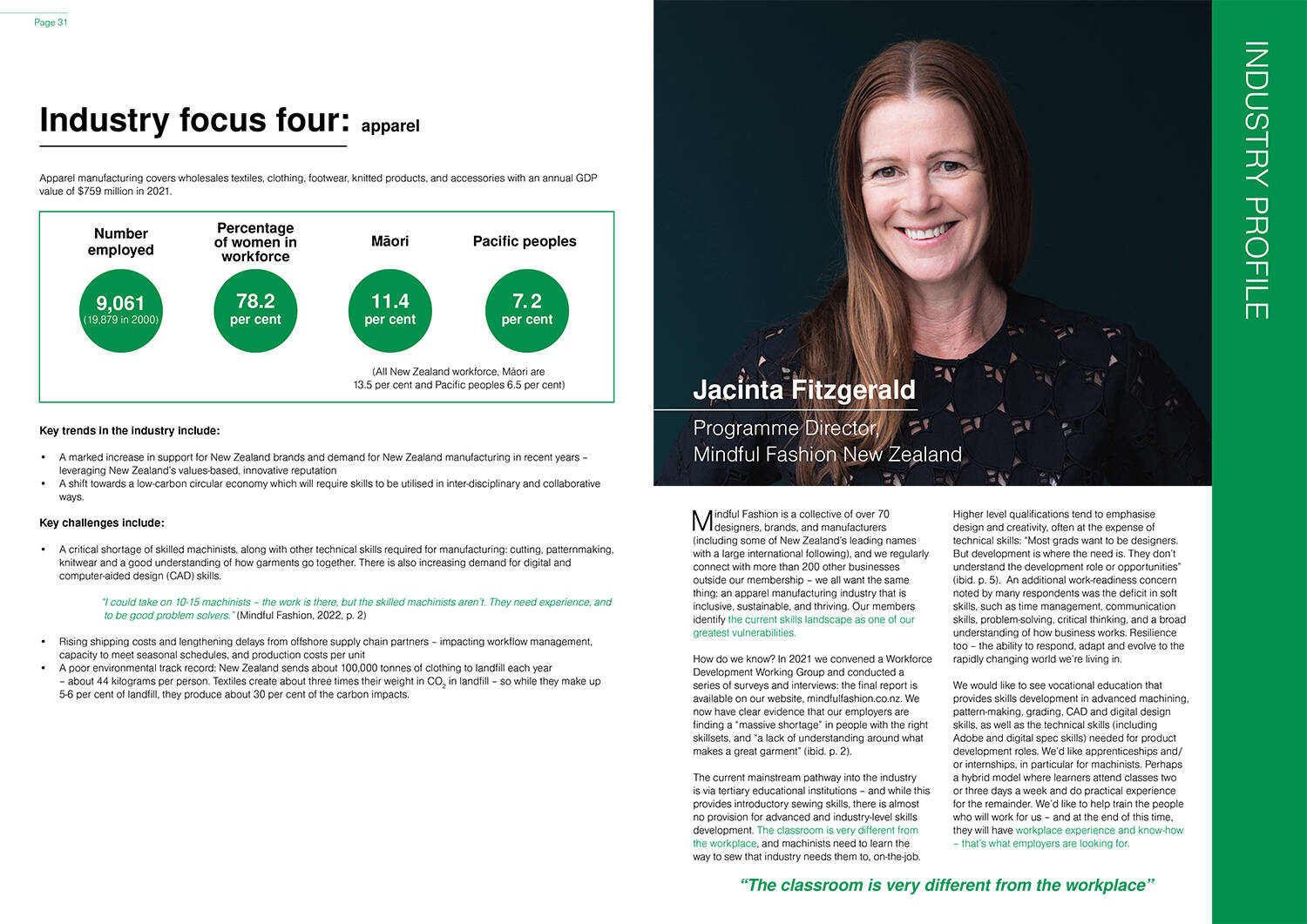
Read their full plan here.
PwC New Zealand partners with Fashion & Textiles
August 10, 2022
Fashion & Textiles is delighted to announce a strategic relationship with PWC New Zealand that will see the firm’s Legal team provide pro bono services to help the fashion industry’s transition to a sustainable future.
Nicky Harrison, Director at PwC Legal, says the opportunity to provide advisory services to an organisation determined to achieve meaningful change is a privilege.
“Fashion & Textiles is doing something that hasn’t been done before in Aotearoa and is organising a collaborative, joined-up voice across the fashion industry to solve an important problem to ensure a thriving and sustainable future.”
Jacinta FitzGerald, Programme Director at Fashion & Textiles says the industry has enormous potential to achieve positive social and environmental outcomes by working together, and its members are actively working to tackle a broad range of sustainability challenges collectively, from climate action to responsible procurement and waste.
“We thank PwC for their support and look forward to growing the relationship over time.”
Fashion & Textiles launches Climate Action Programme
June 28, 2022
Fashion & Textiles launches New Zealand Fashion Industry Climate Action Programme
Interested businesses please get in touch with jacinta@mindfulfashion.co.nz
In direct response to industry need, Fashion & Textiles today announces the launch of the Fashion & Textiles New Zealand Climate Action Programme – an initiative designed to catalyse action and support the local industry on its decarbonisation journey.
What is it?
With the New Zealand clothing and textile industry predominantly made up of SMEs, Fashion & Textiles has designed its programme to address common barriers to action these businesses typically face. Currently each business needs to embark on emissions measurement and reduction independently, with cost, time and knowledge significant barriers. The Fashion & Textiles programme provides industry specific guidance and tools, support to participants during the measurement process, and workshops to collaborate on developing reduction strategies.
Why it was created
One of the key takeaways from recent analysis is the New Zealand fashion industry’s desire to address its climate impact. Fashion & Textiles Programme Director Jacinta FitzGerald says, “We know that globally the fashion industry is a huge contributor to carbon emissions. To create effective change a sector-wide approach is needed. Our action-oriented programme will build capability and use collective action to drive reductions over time. This is a programme the entire fashion and textiles industry can get behind, and frankly it must if we are to meet global targets.”
Who's taking part
More than 20 Fashion & Textiles businesses are participating in Stage 1 of the Programme, which is designed to enable businesses with knowledge and tools to measure their organisation’s greenhouse gas emissions and take steps to reduce them. Findings from this stage will feed into a Climate Action roadmap that will outline the path towards meeting longer term goals for the industry including emissions generated both upstream and downstream in the supply chain.
Partners
Fashion & Textiles’s programme is kickstarted by funding from Whakatupu Aotearoa Foundation, with further support from the Ministry for the Environment | Manatū Mō Te Taiao. It has been co-developed with carbon measurement and offset specialist Ekos, is open industry wide and free for Fashion & Textiles members to participate.
Whakatupu Aotearoa’s Programme Director Yii Petrus says, “We are excited to support Fashion & Textiles to catalyse climate action within the fashion industry in New Zealand. We share a vision of a restored and thriving Aotearoa New Zealand, and this initiative is a crucial step on this journey.”
Ian Challenger from Ekos says, “Working in industry sectors is an excellent way for companies of all shapes and sizes to learn how to measure and manage their emissions, often from each other as they are tackling similar challenges. Ekos is excited to be working with Fashion & Textiles and being part of a programme to help reduce emissions across a whole sector”.
Collaboration is key
Jacinta says “Collaboration is key to making meaningful progress. We welcome all members of the industry to join us on this mission. It's imperative the industry starts to tackle this challenge. ”
Jacinda Ardern knows the importance of New Zealand Fashion
The Prime Ministers May 2022 US trip was partly about using her international profile and popularity to boost New Zealand businesses and industries ready for export, and Ardern used her moments in the spotlight to showcase New Zealander designers. In this opinion piece, Zoe Walker Ahwa argues that while New Zealand fashion may not be as big as New Zealand beef, it is a world-class and valuable industry to be proud of.
That bold statement worn on The Late Show with Stephen Colbert was one of several NZ designer looks worn by Prime Minister Jacinda Ardern for her US tour.
Zoe Walker Ahwa Stuff's style editor, and co-founder for the fashion website Ensemble reports on Jacinda's US trip and her travel wardrobe.
Prime Minister Jacinda Ardern knows the importance of NZ fashion but it won't define her
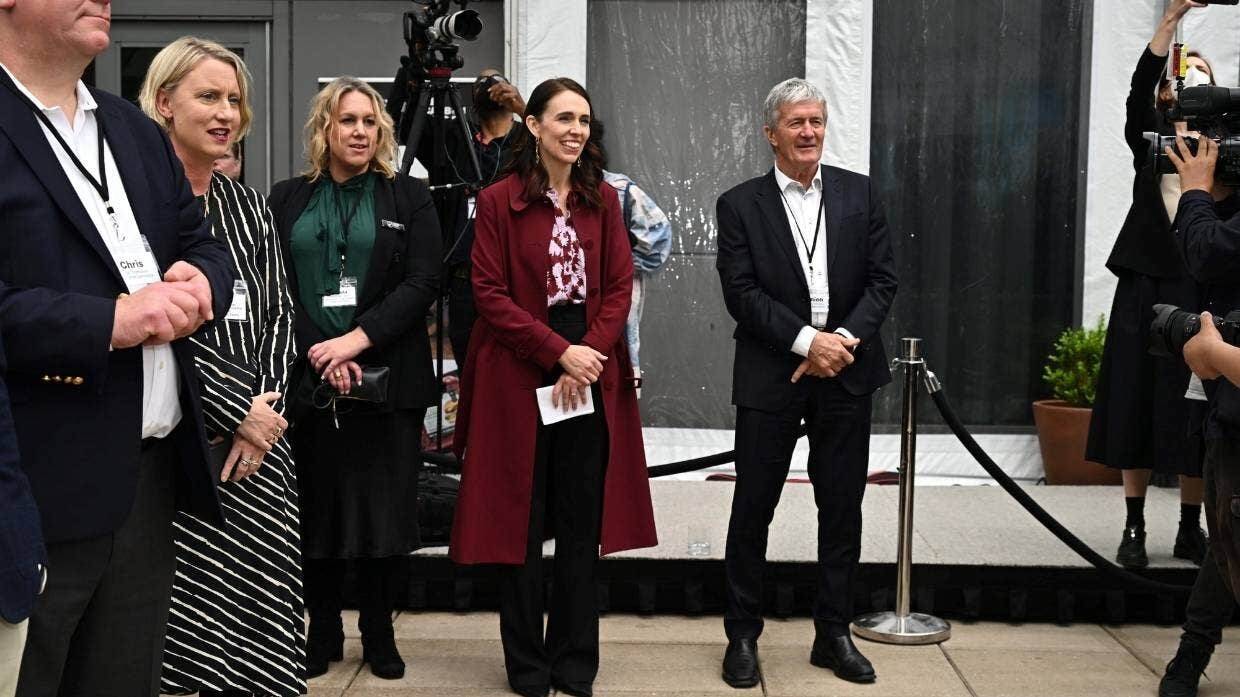
PM Jacinda Ardern in New York with CEO Simon Limmer and Agriculture Minister Damien O'Connor. Her jacket and blouse are by New Zealand designer and Fashion & Textiles co-founder Kate Sylvester.
Fashion & Textiles Modern Slavery Submission
Fashion & Textiles has submitted a response to the governments draft legislation to modern slavery and worker exploitation.
To move towards an equitable and regenerative system for clothing and textiles and away from worker exploitation modern slavery must be addressed, due diligence processes need to be in place and effective accountability mechanisms implemented and monitored. This will not only protect workers from exploitation, but help create a level playing field for businesses that choose to operate responsibly with robust due diligence processes for their procurement.
In order for the modern slavery legislation to be effective, we have outlined what we feel are most important.
You can read our full response in the link below.
New Zealand’s Fashion and Textile industry Skills Landscape
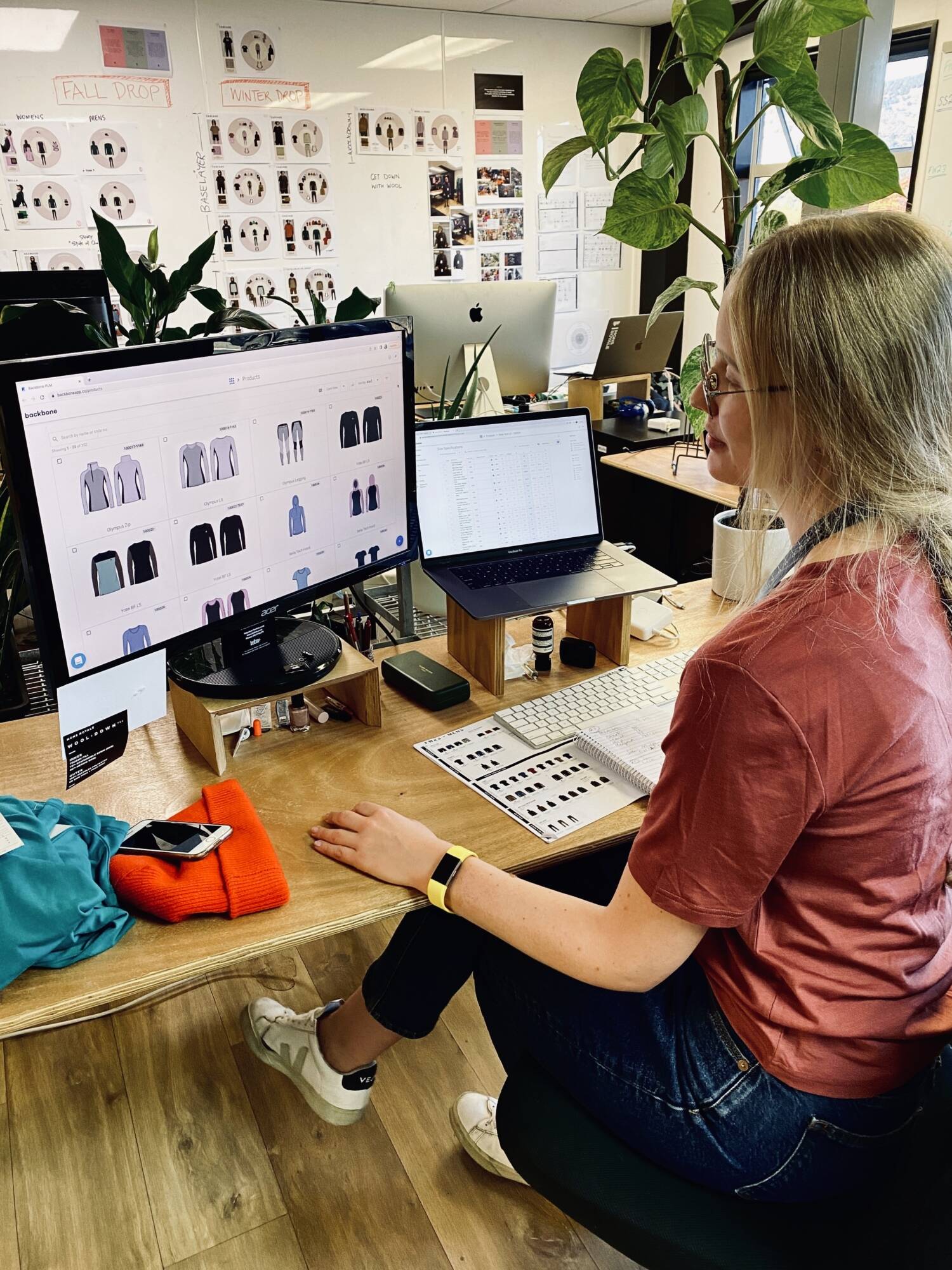
A skilled workforce plays a critical role in the development of an innovative, full-circle and thriving future for the fashion and textiles industry in Aotearoa NZ, one that creates positive benefits for people and planet. Fashion & Textiles has worked with members of NZ’s fashion and textile industry and tertiary education providers to build a comprehensive picture of the skills landscape across the industry in New Zealand.
Through this project Fashion & Textiles has developed a series of resource tools that showcase the diverse range of roles and skills required for a sustainable industry in Aotearoa, and has identified key skills gaps and opportunities where work needs to be done.
Analysis of findings from industry engagement show skills gaps especially in the area of technical skills. In particular the industry is facing a critical shortage of skilled machinists, and has limited training pathways, and no formal on the job training pathway, for machinists wanting to up-skill to be industry ready. Results have been shared with all stakeholders and can be used in workforce and education planning, and in building pathways into the industry.
Read the Skills Landscape paper here.
Read more about the project here.
Industry Recruitment - Reflections and Areas of Growth
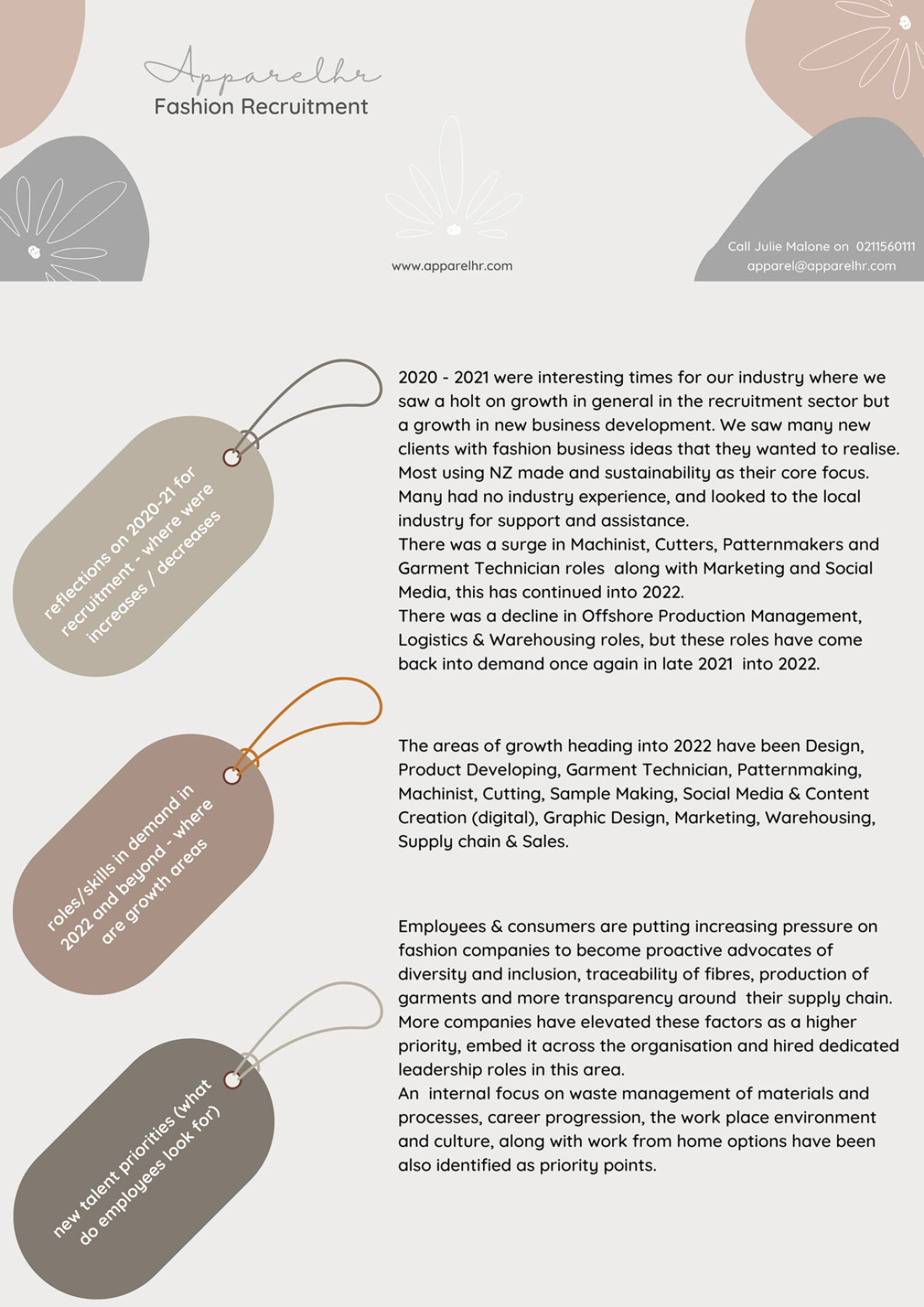
No repeating the cycle
Unifying an Industry Voice
Despite our size, New Zealand is not immune to the environmental and social impacts created by the fashion industry. In this article journalist Sonia Yee from New Zealand Institute of Directors looks at the role of Boards in addressing Aotearoa's Fashion Industry challenges.
Making the planet a better place, or at least having an awareness of the damage that has been done and looking for ways to repair it is a top priority. The advantage for locally made brands is the ability to produce smaller runs which will also have less impact on the environment.
Many in the fashion industry are not in a position to establish their own advisory boards due to their size, and independent businesses have been fending for themselves in the fashion wilderness - albeit, immaculately dressed.
A tension for the local industry, establishing an industry voice has been a struggle until now.
Fashion & Textiles is an incorporated society run by a board of directors with the aim to provide practical advice and solutions to anyone in the New Zealand fashion industry.
Established in 2019 by Kate Sylvester and Emily Miller-Sharma (Ruby), the organisation was founded as a response to the Tear Fund Ethical Fashion Report (2018). That year a handful of leading New Zealand fashion brands were poorly ranked which left many Kiwi designers scrambling for cover amidst a finger-pointing frenzy that saw some subjected to heavy media scrutiny.
Jacinta Fitzgerald is a fashion sustainability strategist and programme director for Fashion & Textiles. She says Kiwi labels were ranked against much larger corporate companies and the structure of the survey did not fit a New Zealand context.
“[In New Zealand] we need to take a much more bespoke approach because our supply chains are different,” she says.
That year the benchmark was set so low that bigger companies operating on fast fashion models with known issues in their supply chain – including not paying a living wage – were scoring top marks, leaving some Kiwi brands with much lower grades. Conflicting with this grading system, many Kiwi designers often do much smaller production runs and work in close proximity with their suppliers, having a traceable and transparent process from start to finish.
Co-founder Emily Miller-Sharma says it enables smaller independent businesses to come together and approach fabric suppliers as a collective, giving them greater purchasing power which leads to other sustainable initiatives.
“There is actually no other option than working together and the more we know, the better the entire industry is going to be,” she says.
Read more about the role of Boards in the fashion industry here.
Fashion & Textiles AGM 2022
The Fashion & Textiles team along with members from across the fashion and textiles industry and our partners gathered together online recently for our AGM, held on the 27th of April 2022.
More than 40 industry stakeholders joined the online event; current members as well as partners and supporting organisations and representatives from educational institutes including Massey University and Otago Polytechnic, and crown research agency AgResearch.
Together we reflected on the past year, celebrated our achievements, mapped out our plans for 2022, and met the newly elected Board members.
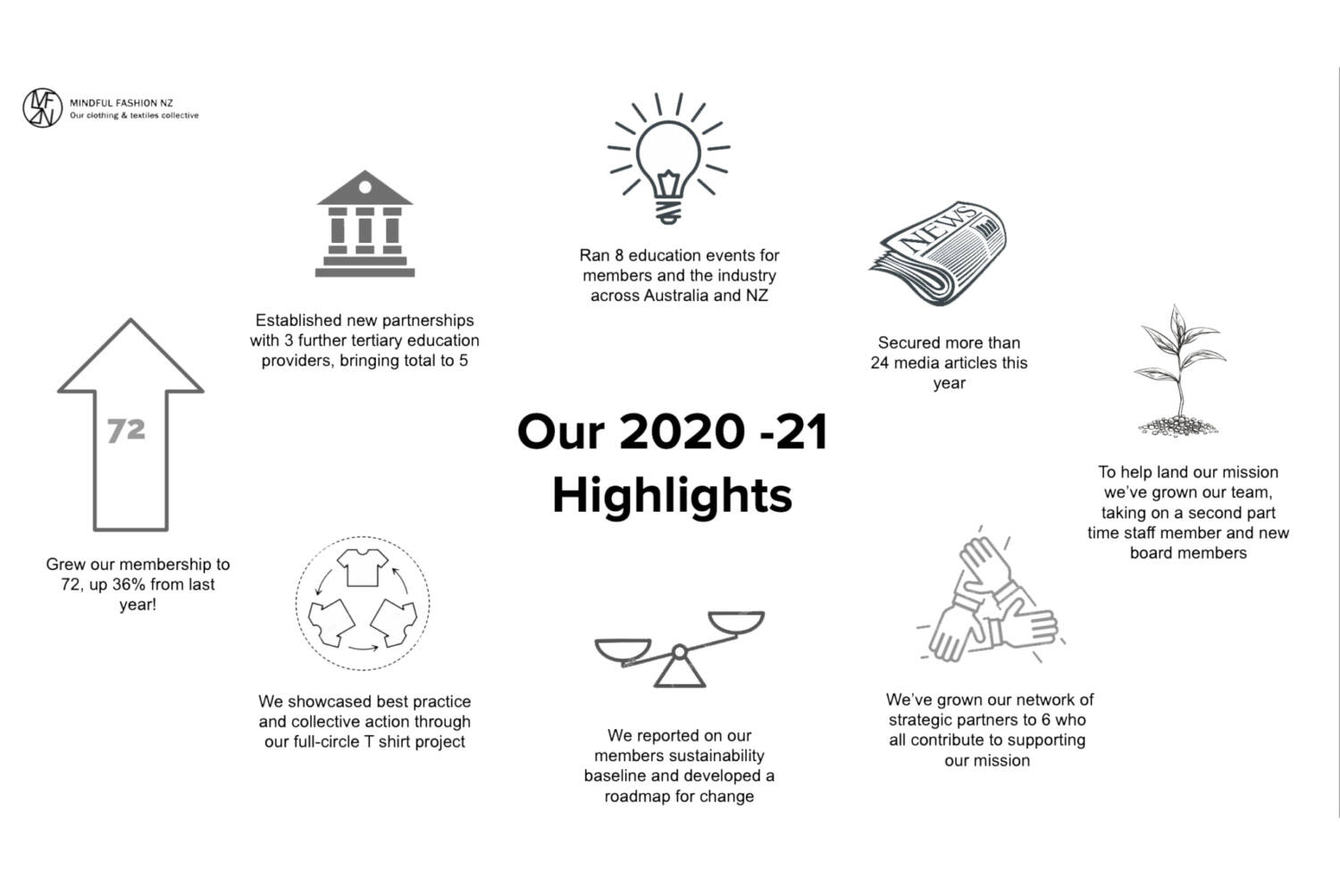
Chair of Fashion & Textiles, James Walker announced an exciting new partnership with Whakatupu Aotearoa and thanked all our partners for their support, and provided an overview of our achievements in the last year as we work to create an innovative, full-circle and thriving future for the industry in NZ.
Jacinta FitzGerald, Programme Director of Fashion & Textiles, reinforced the importance of our mission and the organisation’s objectives, and talked about the soon to launch Fashion & Textiles Climate Action Initiative.
Keep an eye on our Projects page to follow our progress, and get in touch if you would like more information or to get involved.
A highlight of the evening was Keynote speaker Kate Hall. Kate spoke gave us a recap of Fashion Revolution Week, shared insights on consumer mindsets - especially as we move through this challenging period coming out from the global Covid pandemic. Some highlights from her talk included the importance of considering sustainability beyond the point of purchase, and that we can't leave anyone behind.
Our co-founders Kate Sylvester and Emily Miller Sharma then introduced the newly elected Board members. Welcome to Juliette Hogan, Dan Ahwa and Louina Fifita!
He waka eke noa.
This whakatauki speaks to the mission of Fashion & Textiles, we are working in unity and leaving no-one behind.
View the 2022 AGM recording here.
Fashion & Textiles launches Sustainability Insights Report 2021
Wednesday 7 December, 2021
New Zealand fashion’s heavyweights have come together to launch Fashion & Textiles New Zealand’s first Sustainability Insights Report, a report that demonstrates the collective progress being made in the NZ fashion industry and presents a path forward for positive sustainability action.
“This is an exciting new era of collaboration for our industry. Alone, the improvements we make within our individual businesses can feel small, but this report highlights the work of the industry as a whole and we are seeing some really impactful change.”
- Download the Fashion & Textiles Sustainability Insights Report 2021
- Download the Fashion & Textiles Sustainability Insights Executive Summary 2021
Challenges and Opportunities
The report highlights where great work is being done and drills down into the challenges and the opportunities for sustainability across the industry in Aotearoa New Zealand. Findings show the industry’s biggest concern is integrity risks in its supply chain. Programme Director Jacinta FitzGerald says this highlights the nature of the challenges businesses in the sector face. With globalised supply chains and challenges around traceability of suppliers, businesses can have limited ability to influence their supply chains.
Collaboration
“Working together to build capability and address these common challenges is the very reason Fashion & Textiles exists.” says Jacinta. Fashion & Textiles is calling on Government, philanthropic organisations and larger businesses to get involved, to ensure a thriving and sustainable future for New Zealand's fashion industry.
The organisation has created the report on behalf of its members, to show a current view of sustainability in the sector. Programme Director Jacinta FitzGerald says findings presented in the report give an honest look at how Fashion & Textiles members are tackling some of the industry’s toughest challenges. It shows there is a lot to celebrate with members working on initiatives both individually and collaboratively, and where more needs to be done to advance this work.
Raw Materials
Using four of the industry’s primary impact areas, climate, materials, waste and worker welfare, Fashion & Textiles surveyed its members to get a baseline measure of current action. One key takeaway from the study is the industry’s desire to further improve the raw material sustainability. Findings show that 85 percent have a plan in place to drive uptake of low impact materials, however most members want additional support. Jacinta says moving toward low impact materials is an industry imperative and this key area will continue to be a focus of Fashion & Textiles’s work.
Waste
Waste is also a significant challenge for the industry. On average 15 percent of textiles are wasted before a garment is even made. The study shows that over 75 percent of Fashion & Textiles members are diverting some of this (cut and sew) textile waste from landfill through initiatives ranging from upcycling into new garments, to making insulation and furniture stuffing. The report outlines how much more needs to be done to reduce textile waste across all stages of the supply chain and the immense opportunities there are for collective action.
Climate Action
While many members are working to reduce their carbon emissions through actions related to waste reduction, fibre and material choice, and low emissions freight, the study shows a strong desire from the industry to address its climate impact more formally. Programme Director Jacinta FitzGerald says, “We know that globally the fashion industry is a huge contributor to carbon emissions. Our findings show we have an immense opportunity to work together as an industry to take climate action. This is something the entire fashion industry can get behind.”
Join Us!
For the predominantly SMEs that make up the fashion and textile industry in New Zealand, addressing wide ranging sustainability impacts is challenging, requiring time and resources that leave many businesses stretched. Fashion & Textiles’s role is to support the industry to understand what it needs to do, and provide tools and resources to take action, working together where possible to share the load and go further faster.
“Fashion & Textiles’s mission is to support development of a thriving and full-circle clothing and textiles industry in New Zealand, one that is resilient and creates positive benefits for people and place. The industry has shown it wants to work together to tackle its common challenges, in fact collaboration is key to making meaningful progress on sustainability. We call on all members of the industry to join us on this mission.” said Jacinta.
Download the Fashion & Textiles Sustainability Insights Report 2021
Download the Fashion & Textiles Sustainability Insights Executive Summary 2021
Fashion & Textiles NZ partner with Raw Assembly for educational series

Monday 25 October, 2021
Fashion & Textiles New Zealand recently partnered with Raw Assembly Australia to create a five part education series that unpacks the complexities of standards and certifications in the fashion and textile industry. While there is increased demand from consumers for certified products and materials there is also a lot of confusion about the different certifications and how they work.
“There are so many certifications and standards in the fashion and textiles industry, it can be challenging for brands and suppliers, let alone consumers, to understand how they all work,” says Jacinta FitzGerald, Programme Director Fashion & Textiles New Zealand. “Identifying the need for more education in this area, Fashion & Textiles has partnered with Raw Assembly, bringing together global experts to create this education series as a way to break down some of the complexities and make the information more accessible.”
Each session in the series is designed to help businesses along the value chain across New Zealand and Australia break down how these schemes work and what needs to be in place to communicate with customers. The first session covered natural fibre standards and certifications including include Organic Content Standard (OCS), Global Organic Textile Standard (GOTS) and Content Claim Standard (CCS) and can be viewed online.
The second session on Thursday 28th October will cover Textile Exchange standards and certifications. The Textile Exchange oversees a portfolio of standards including for animal, recycled and organic fibres including Responsible Wool Standard (RWS), Responsible Down Standard (RDS), Recycled Claim Standard (RCS), Global Recycled Standard (GRS), Organic Content Standard (OCS) and Content Claim Standard (CCS).
The third session covers OEKO-TEX Standards, while the fourth session looks at Traceability.
View past sessions here.
How Fashion & Textiles Is Guiding The Local Fashion Industry

Wednesday 6 October, 2021
Once again, lockdown has thrown into stark relief the message of supporting local, and how vital government support is for New Zealand businesses. Both of these have become points of focus for Fashion & Textiles NZ — the collective body spearheaded by Kate Sylvester and Liam’s Emily Miller-Sharma — that aims to support the local industry, ensure its sustainability and future, and shift the perception of the trade.
When it launched in 2018, what they envisaged was quite different to the work they’re doing now (and they’re doing a lot of it) as Fashion & Textiles has evolved. “We understand better what we’re trying to do,” explains Emily, over coffee in Kingsland, before the latest Delta outbreak caused the postponement of New Zealand Fashion Week. “It was always about working collaboratively for a sustainable industry, and it still is.” In practice, however, that has grown and become more nuanced, encompassing many more people than they initially thought.
Operating as a collective is vital to the future of the industry, and Kate says the days of being in a silo are over. The problems that the industry is grappling with — waste management, the loss of skills and knowledge, sustainable innovation — are not unique, and certainly can’t be navigated alone. “The conversations that we’re having in the clothing industry are the same as what’s happening in [other] industries,” says Emily. “That’s why this collaborative thinking model is so important, so we’re not all doing the same work twice.”
Read the full article here.
Sign up for our Newsletter!
The Fashion & Textiles Community Newsletter is your go-to source of information about all things fashion and sustainability for Aotearoa New Zealand's clothing and textile industry.
Discover New
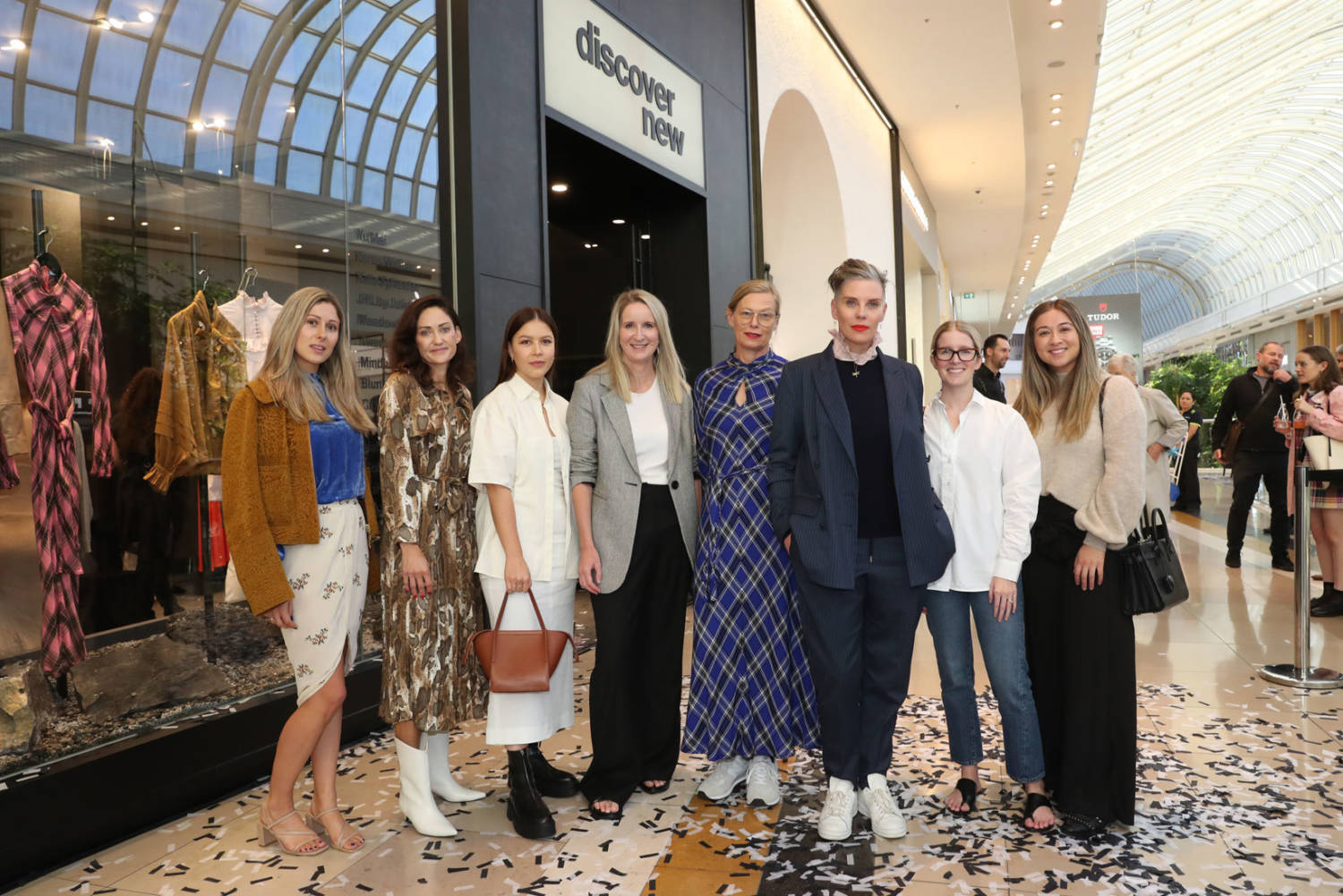
In May 2021 New Zealand Trade and Enterprise (NZTE) opened the doors to Discover New, a pop up retail experience at Chadstone Shopping Centre in Melbourne.
Discover New participating brands were selected for their commitment to sustainability, together with their cutting edge contemporary design. The pop-up space offered a carefully curated selection of fashion, lifestyle, beauty and homewares from New Zealand’s most innovative high-end brands. Fashion & Textiles members and New Zealand acclaimed designers Kate Sylvester, Juliette Hogan, Yu Mei, and Karen Walker showcased collections alongside Fashion & Textiles itself, with our full circle t-shirts.
The Fashion & Textiles Full Circle T-shirt was created to showcase what the industry can achieve when working together. You can read more about the Fashion & Textiles T shirt here.
The Discover New space was designed by renowned architects Warren & Mahoney and brought to life by the expert team at Shirin Pulitano’s design and events agency Dot Dot Dash. The concept was inspired by the New Zealand landscape, with touchpoints running across the design, fit-out and furnishings. The fashion and lifestyle section was housed in a dark and moody “volcanic sand” zone, with accessories set against the earthy neutral backdrop of “rugged alpine”, and lifestyle products heroed in the verdant "green valley”. Every touchpoint tells a story’, says Warren & Mahoney Principal Daryl Maguire.
Discover New was a tactile introduction to contemporary and sustainably led New Zealand design.
Read more on Design Files here.
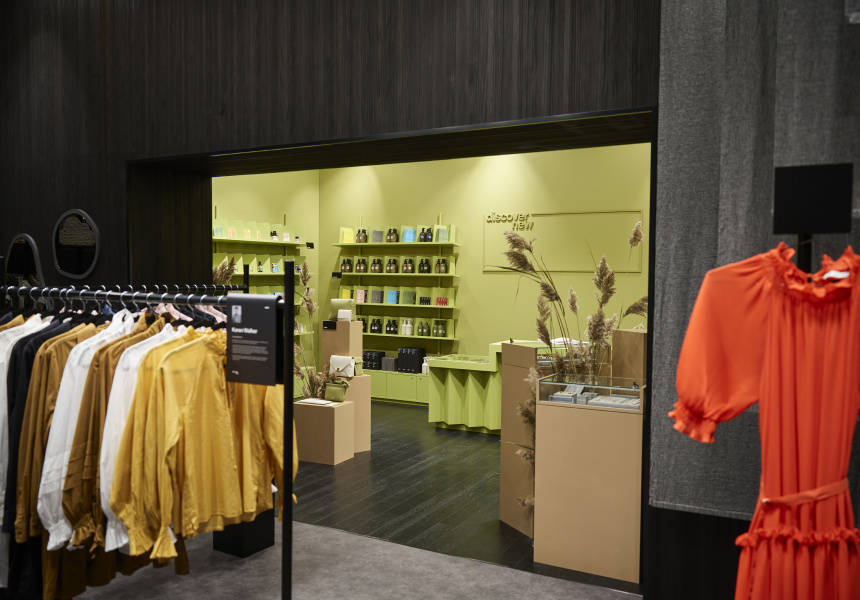
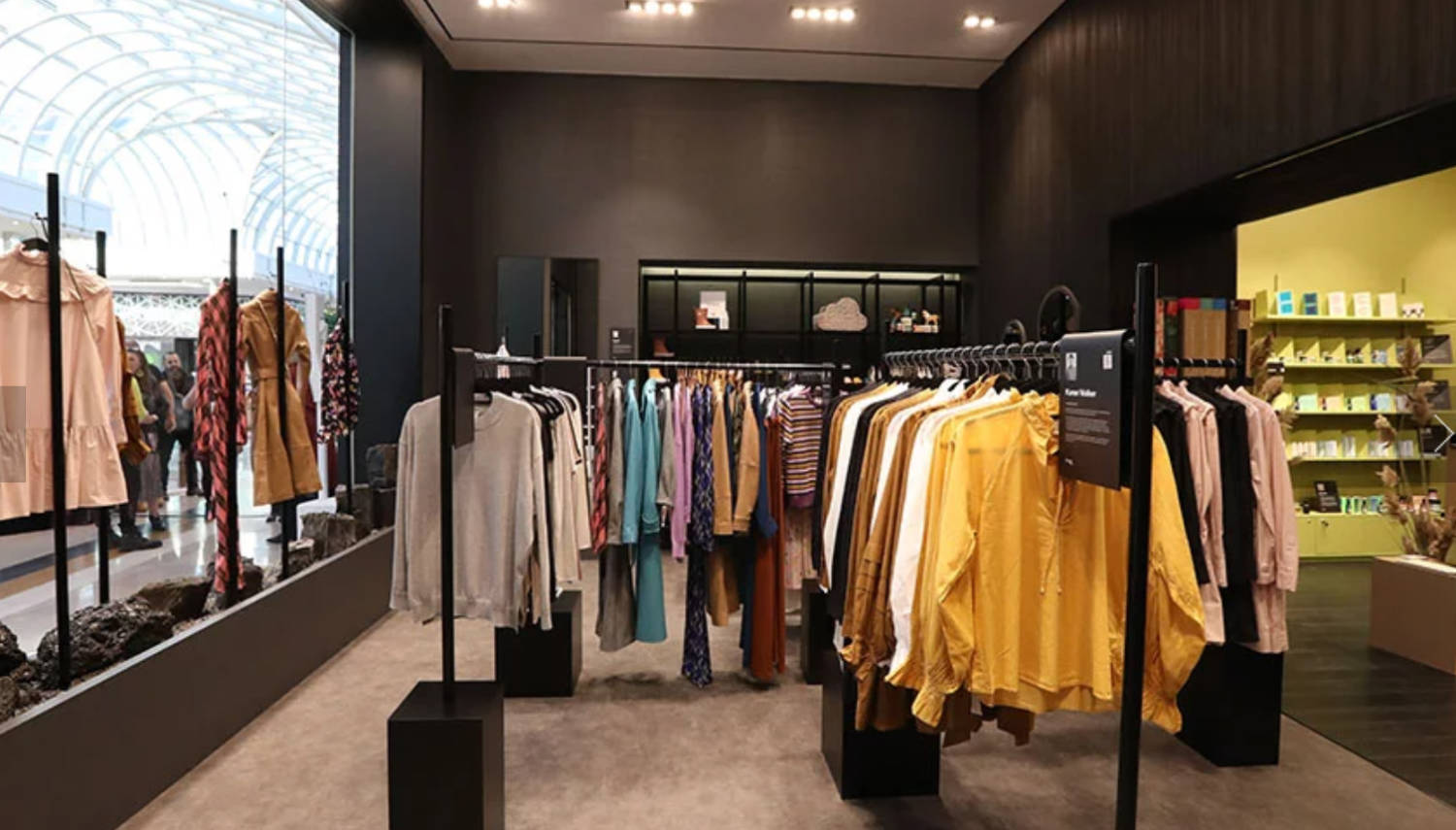
A No-BS Guide To Sustainability
With the fashion industry accounting for up to 10% of global carbon emissions, and purportedly 20% of wastewater pollution, it’s time that for us as consumers to lead the way with our dollars. Clothing and fashion, in general, have such complex supply chains that it can be difficult to understand whether a brand is in fact sustainable.
Our Programme Director Jacinta FitzGerald gave Messy Veggies a no-BS guide to sustainability in the fashion industry.
As consumers we play an active role in changing the status quo through our decisions!
Jacinta's advice for how to shop more mindfully:
- Be mindful in your choices.
- Always look beyond the marketing language, and dig deeper into what is really happening, how the company operates and what values they have. Are they walking the talk?
- Choose brands that are honest and open about their challenges and are working to address them.
- Consider the full lifecycle of your purchase. Favour brands that offer take-back or use resale programs to ensure that your pieces have a journey beyond their time with you.
Read the full article here.
Fashion & Textiles AGM
The Fashion & Textiles team along with members from across the fashion and textiles industry gathered together recently for our AGM, held on the 28th of April 2021.
More than 80 from the local industry attended the Auckland in-person event, current members as well as interested business owners and industry stakeholders keen to find out more about us. Alongside this, many of our members and industry stakeholders from around New Zealand attended via Zoom, including representatives from fashion educational institutes Whitecliffe, AUT, Massey University and Otago Polytechnic, AgResearch, Usedfully and Oritain.
Together we reflected on the past year, celebrated our achievements, mapped out our objectives for 2021 and heard an important message from Keynote speaker Chloe Swarbrick.
He waka eke noa.
This whakatauki speaks to the mission of Fashion & Textiles, we are working in unity and leaving no-one behind.
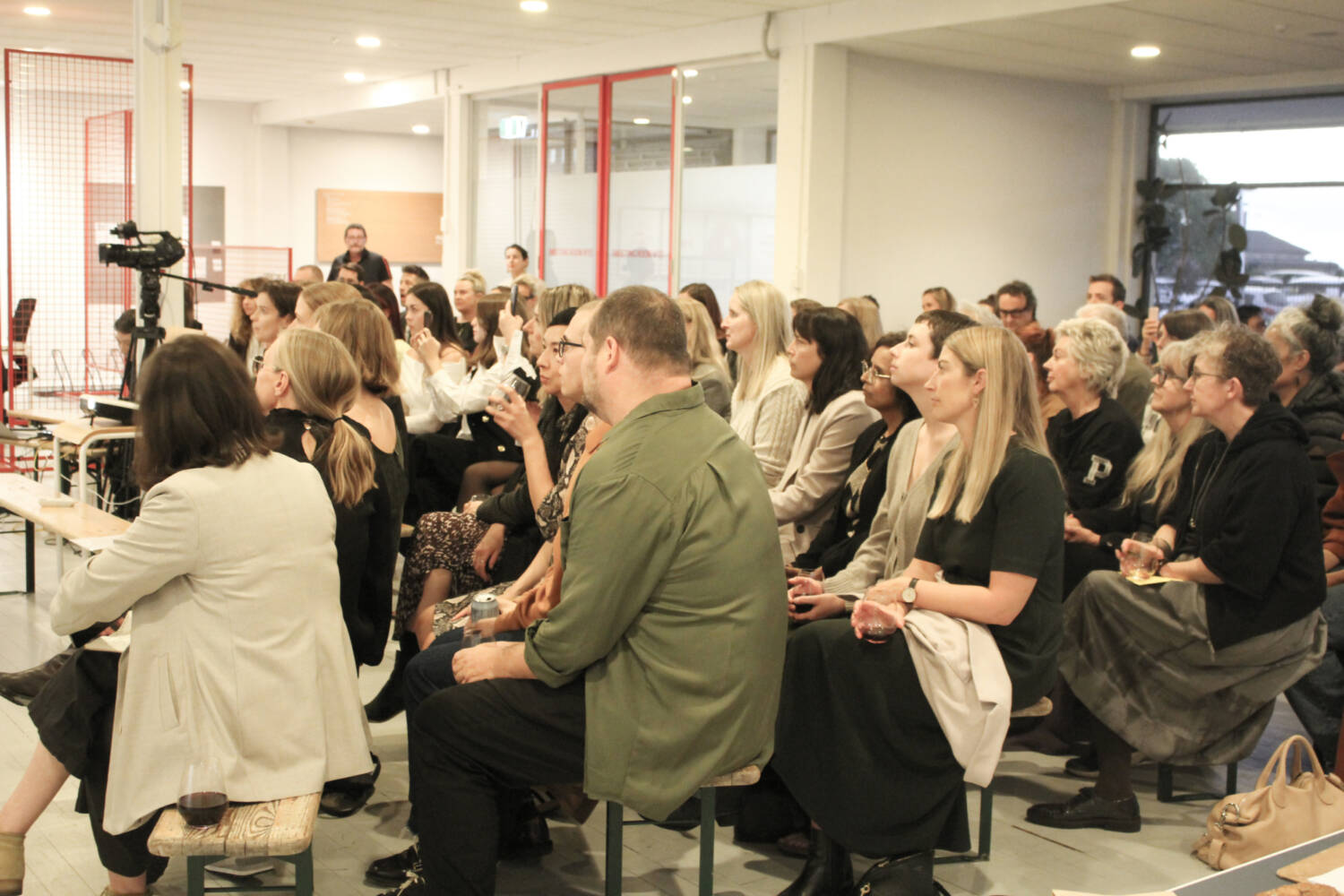
Prime Minister Jacinda Ardern set the scene with a short video presentation. She highlighted the opportunities the pandemic has presented to rethink the way we do business in a way that drives sustainable change, in particular, to ‘support our local people, our local economy and our beautiful Whenua.' You can watch her address in the video recording (3:15) here.
Chair of Fashion & Textiles, James Walker shared important data we have gathered about the clothing and textiles industry in NZ, and provided an overview of our achievements in the last year as we work to create an innovative, full-circle and thriving future for the industry in NZ.
Jacinta FitzGerald, Programme Director of Fashion & Textiles, reinforced the importance of our mission and the organisation’s objectives, and spoke about the need to prioritise our work. Our 4 key priorities for 2021/22 year are:
- Industry Capability
- Sustainability
- Circular Textiles
- A Sustainable Organisation
Keep an eye on our Projects page to follow our progress, and get in touch if you would like more information or to get involved.
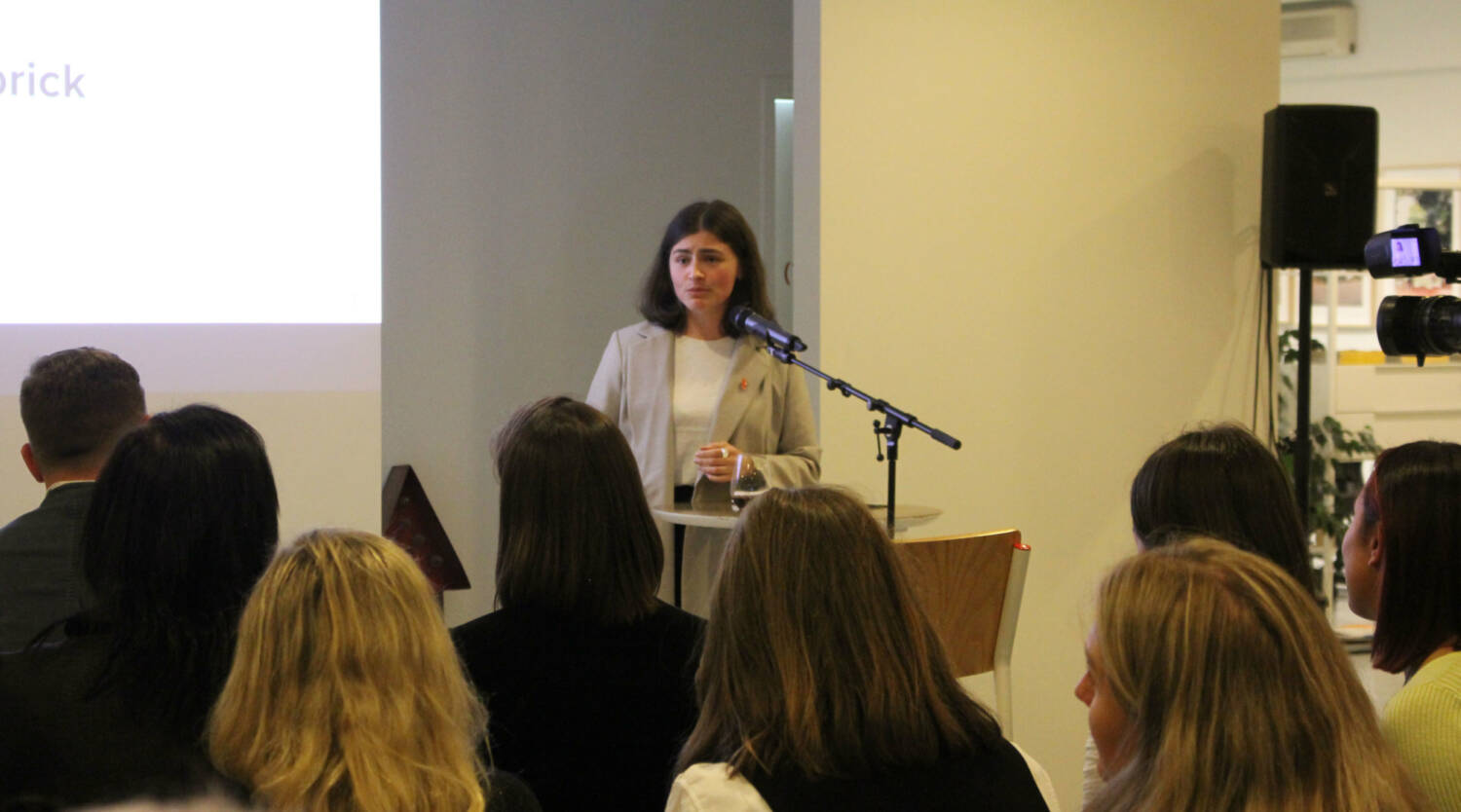
A highlight of the evening was Keynote speaker Chloe Swarbrick. Chloe presented a valuable message around structure, culture and 3 key levers that make change happen. She shared that structure is how things are built or formed and that culture is a shared set of values, making the case that culture is where you have the power to make the change.
Chloe highlighted 3 levers our industry can use to make change happen:
Educating customers, society and politicians.
Media and Social Media: The fashion industry has a powerful storytelling capability and this story is important. As an industry, we need to tell our story through a range of different angles and media channels.
Collective action and community building.
Chloe Swarbrick was joined by Kate Sylvester and Emily Miller Sharma for a Q&A, with key questions shown below.
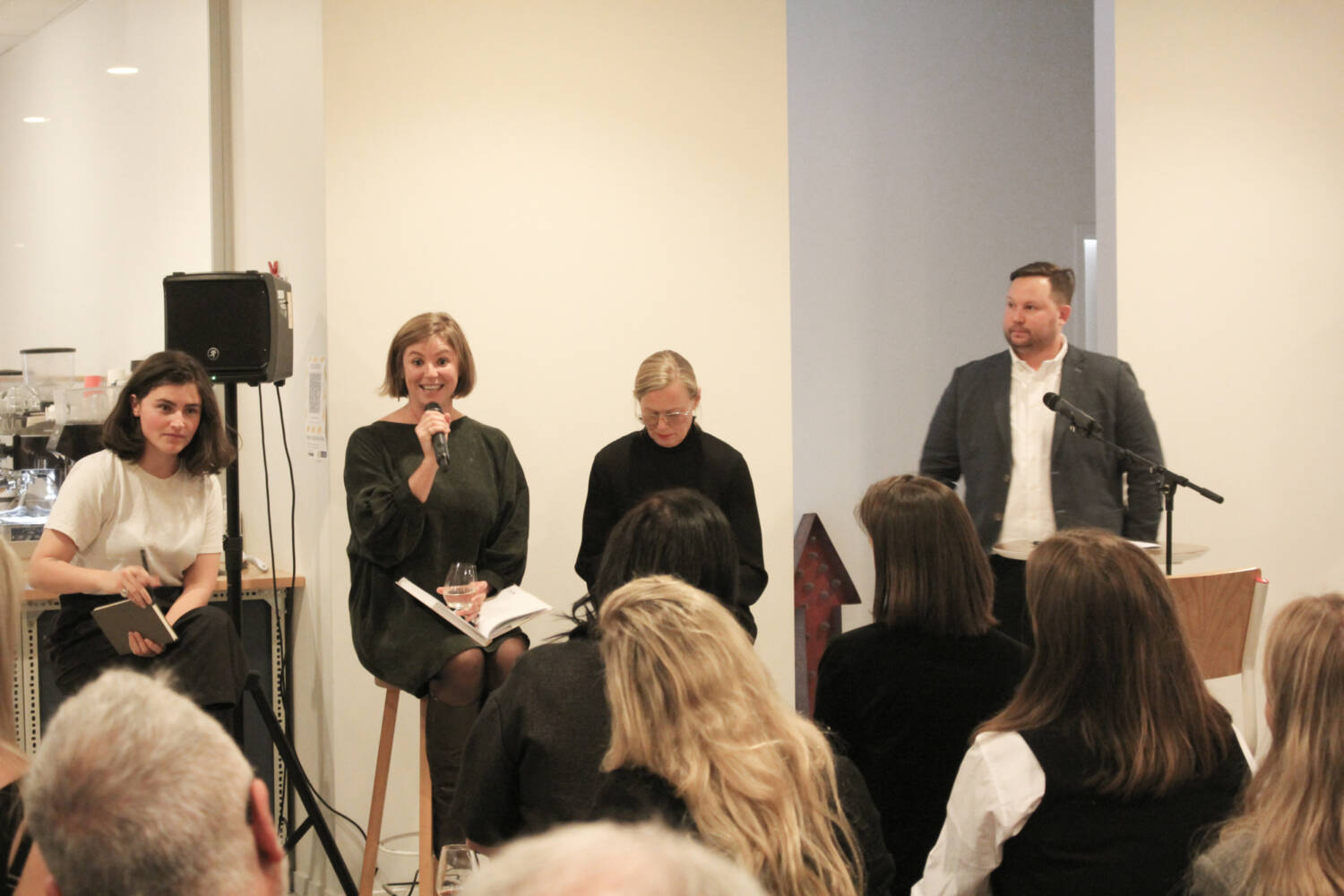
How many apprenticeships will your apprenticeship program create?
- The number of apprenticeships will depend on demand. We plan to start with machinist apprenticeships and build more from here. There is interest from 30-40 businesses.
How will apprenticeships be structured?
- The apprenticeships will be a combination of on-the-job training, with support from a private training organisation to deliver external training block courses, assessments and mentorship.
How will apprenticeships work in smaller towns?
- This will entirely depend on the way the governance structure is set up, and the demand from industry. We are developing the program at the moment and will endeavour to meet the demand from the industry.
- As part of the current education system reforms, there is potential to have training occur within certain smaller areas if they are identified as an area of industry opportunity. These Government initiatives are called Centres for Commercial Excellence.
Chloe Swarbrick: What are your ambitions?
- The aim is to actively build community by helping people with their day-to-day problems. The Karangahape Road electorate office is now open. Having a physical space will give us space to build a community and an ongoing place for people to drop in.
How do we as an industry get recognised by the government?
- By creating cultural importance, empowering people to be our champions and asking people to tell our stories.
The night concluded with a Karakia by fashion designer and Fashion & Textiles Board member Kiri Nathan.
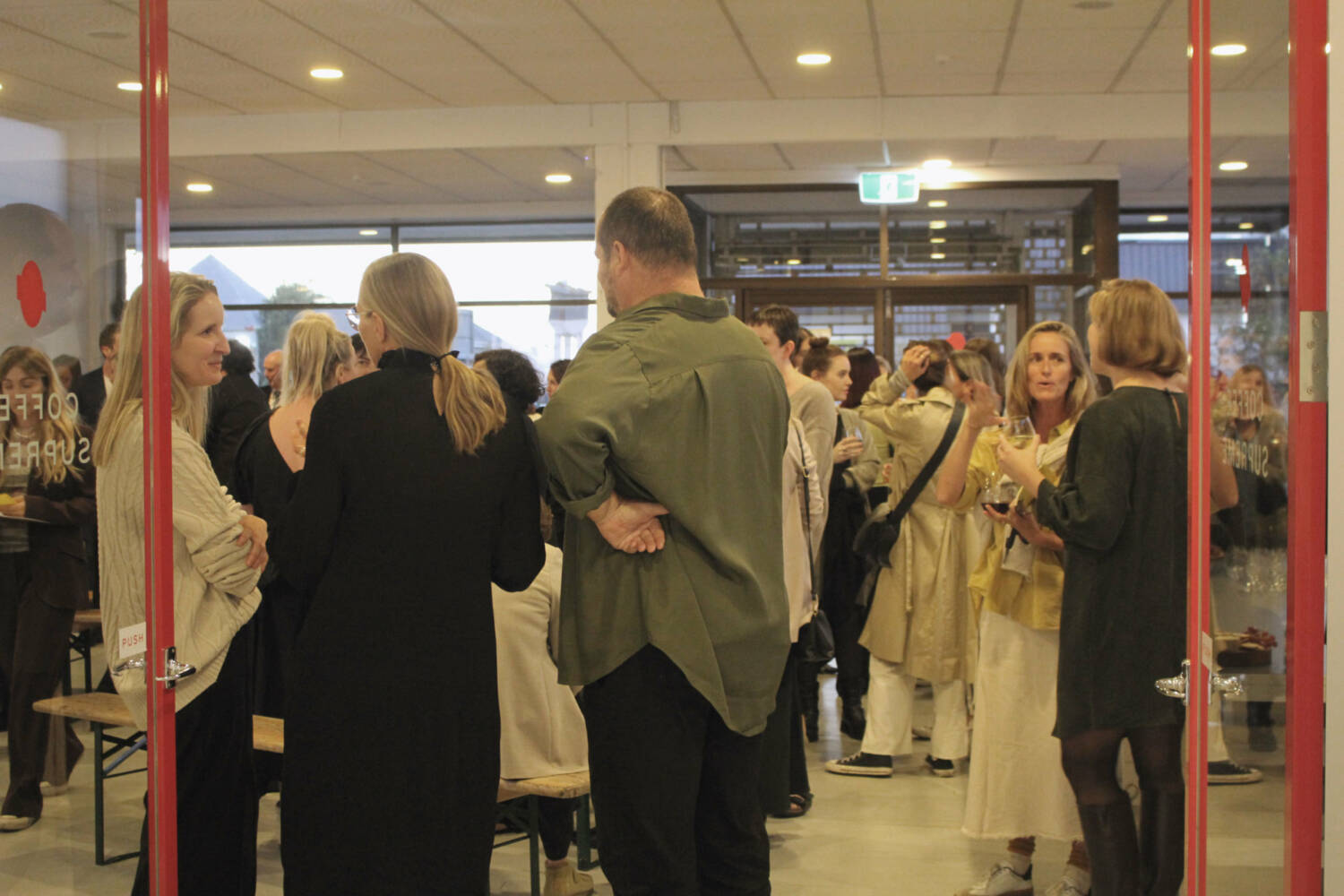
Sustainability Spotlights - Index page
Register
Membership is open to all members of New Zealand’s clothing and textile community whose values and actions align with the Fashion & Textiles mission.
Apply to become a member of Fashion & Textiles NZ below.
Once you have submitted your application, you'll receive an email asking you to set a password for your account, and one of our team will be in touch with you about next steps.
Membership Fees are tiered based on business turnover.
By filling in this form you acknowledge you have read and agree to our expectations of Members.
Fee structure
| TURNOVER | FEE (ANNUAL) | FEE (MONTHLY) |
| < $499,000 | $198 | $16.50 |
| $500,000-$999,999 | $330 | $27.50 |
| $1,000,000-$4,999,999 | $660 | $55 |
| $5,000,000-$9,999,999 | $1,320 | $110 |
| $10,000,000-$19,999,999 | $3,300 | $275 |
| $20,000,000-$49,999,999 | $6,600 | $550 |
| $50,000,000 + | $10,725 | $895 |
Fashion & Textiles Full-Circle T shirt
Fashion & Textiles collaborated with leading New Zealand designers Wynn Hamlyn, Kate Sylvester and Twenty-seven Names to produce an organic cotton, fully traceable printed t-shirt, with specially designed prints by each brand.
The Fashion & Textiles full circle T-shirt has been developed to showcase a circular and sustainable future for the industry. The T-shirt is manufactured in NZ, from 100% certified organic cotton made in a transparent supply chain. Each T-shirt features a bespoke print from one of three Fashion & Textiles designers and is fully recyclable back into new fibre at the end of its life.
Fashion & Textiles NZ's Chief Executive Jacinta FitzGerald explains: "The story behind these T-shirts demonstrates what it truly means for a garment to be circular and responsibly made."
"Each T-shirt is made from organic cotton grown and produced in a fully certified supply chain. They are manufactured, printed and finished in New Zealand with a pathway to be recycled back into new fibre at the end of their life once they are no longer repairable or wearable."
Fashion & Textiles encourages the t-shirts' owners to love and cherish their full-circle T, repair them when needed and caring for them well through mindful washing and drying to give them a long and vibrant life. When each T-shirt reaches the point where it is no longer wearable, Fashion & Textiles asks for the T-shirts to be returned so it can close the loop on the T-shirts life. Fashion & Textiles through a partnership with New Zealand company Little Yellow Bird will facilitate the recycling of them back into new fibre.
The unisex T-shirts are available in black or white in each respective print at $139 here.
You can read the full article by Viva here.
Also featured in Good Magazine and Fashion NZ.
Shop - Index page
Members Resources - Index page
Events - Index page
Industry Resources - Index page
Membership: Members
News - Index page
Projects - Index page
The Power of Collaboration
Mike Barry, UK Sustainable Business leader is an advocate for the fashion industry to reform on itself sustainability. We spoke to him for a recent member’s workshop, and he shared some valuable insight into the power of industry-wide collaboration to make positive change happen.
Donate
As a non-profit, we rely on the generosity of individuals and organisations to provide us with financial support so that we can run programmes to support the development of a thriving and circular clothing and textile ecosystem in New Zealand.
Every donation, no matter the size, moves us closer to achieving our goals: climate action, a circular economy for fashion in Aotearoa, and building local skills and capability.
Here's what your contribution will support:
- Advancing a circular economy for fashion - shaping a future where clothing and textiles are designed to be regenerative and circular and waste is designed out, through advocacy, education campaigns, and programmes such as the Fashion & Textiles Circular Design Award that inspire and educate the next generation.
- Taking climate action - through delivering workshops, tools and resources for businesses across the country to upskill, and mainstream climate action as a driver of innovation.
- Building local skills and capability - building skills and career pathways for the next generation and strengthening local manufacturing and materials innovation.
Thank you for your support.
Where To From Here?
Jacinta FitzGerald, programme director of Fashion & Textiles New Zealand, reflects for Fashion Quarterly on fashion’s most unforeseeable year and ponders, what’s next for sustainability?
The fashion industry contributes significantly to the challenges our world faces today. From climate change and biodiversity loss to pollution, inequality, and modern slavery, you name it, and our clothes have a link.
Prior to 2020, momentum was building on addressing these challenges, albeit slowly. The industry was making some progress towards more sustainable practices with many companies starting to take action, and innovations emerging in design, materials, and production technology. However, progress has been haphazard, due in part to the highly complex nature of the challenges.
Global Fashion Agenda has been measuring the industry’s progress on addressing its impacts since 2017. It notes that while gains were made in 2018, in 2019, action was not nearly enough to outrun the industry’s own growth. Growth expected to further increase 81 per cent by 2030. And herein lies the challenge. In an industry where the core business model is built on growth and increasing volumes of production, how do you turn off the tap?
It goes without saying that 2020 has been a tumultuous year for the fashion industry. When Covid-19 struck early on, everything was thrown into turmoil and survival became the top priority. Cities came to a standstill, businesses were forced to stop trading, and orders were cancelled.
Clothing retailers have been hard hit in most countries, faced with long-term store closures, huge supply-chain disruptions, and shifting consumer sentiment. Fashion spending plummeted in April, with only essential services allowed to trade in New Zealand. Buying local became very important to New Zealanders as we realised the effects of the pandemic. Research shows that ‘local’ and ‘price’ became the two most important factors in purchasing.
At the same time, the disruption to global supply chains has created increased demand for manufacturing locally. As well as removing the shipping challenges, local manufacturing allows brands to produce smaller production runs more quickly. Giving them an oversight of the entire process and the ability to respond rapidly to market demands.
The future of fashion that’s emerging from 2020 is based on collaboration, on diversity of people and ideas, on honesty and transparency, and it works through circular systems that are renewable and regenerative. It no longer operates on a high volume–low cost model; instead, craft and skill are prized, and quality valued.
We are seeing innovations emerge that prioritise people and nature, in the form of fibres that regenerate soil or are made from food waste; fabrics that store carbon; manufacturing hubs that build strong communities and pay living wages; resources that are regenerated into the same if not better quality at the end of use. Thinking in circular flows at all stages of the fashion system, from fibre to production, to use and end of life, will help us reduce our resource consumption and make sure there is no waste.
The industry is starting to come together to solve its common challenges. Fashion & Textiles
New Zealand is a collective of clothing and textile businesses that have united in a common vision of an innovative, full-circle, and thriving future for the industry, built on a foundation of sustainability. With members ranging from designers and brands to manufacturers, fabric suppliers, academic and research partners, Fashion & Textiles is creating a unified voice for the industry and using the power of collaboration to address common challenges such as government advocacy, sustainability action, and circular innovations.
I am optimistic and encouraged by the greater responsibility businesses are taking. But it’s not enough. To be in line with The Sustainable Development Goals, we must also shift our mindsets towards more consideration of our actions at all levels. It takes all of us — government, business owners, employees, lovers of fashion and citizens across the globe to make change happen.
Read the full article here, and visit Fashion Quarterly here.
About: Our People
About: Who We Work With
Membership: FAQ
Who can become a member of Fashion & Textiles?
Membership is open to all members of New Zealand’s clothing and textile community whose values and actions align with the Fashion & Textiles mission. Our members come from across the value chain, including designers, fibre, yarn and textile suppliers, makers and manufacturers, cutters, embroiderers, trim suppliers and more. If you’re active in the supply chain we would love you to join.
What is the Fashion & Textiles Code of Conduct?
The MFNZ Code of Conduct sets out baseline standards of responsible business practice for the industry. The standards cover business ethics, human and labour rights and environmental stewardship. All our members are expected to adopt the Code for their businesses (or an equivalent).
Will there be a verification process against the Code?
While we do not see Fashion & Textiles's role at this point as monitors of compliance with the Code, we know verification of the Code through the supply chain is important. We plan to engage with members early in 2021, to determine the best way to address this.
Will MFNZ undertake due diligence and / or audits?
MFNZ are developing due diligence guidelines for members, including implementing the Code, undertaking due diligence in their supply chains, and guidance and tools on meeting the standards.
Do I need to give MFNZ the names of my suppliers?
Fashion & Textiles asks new members to share their local supplier list, in the efforts of transparency and to avoid Code fatigue with CMTs - to make sure local suppliers are not inundated with multiple versions of the same Code to sign. A local supplier only needs to sign this once. Once you become a member, you may find that many of your suppliers have already signed the MFNZ Code.
Are members expected to make sure their subcontractors and suppliers meet the standards in the MFNZ Code of Conduct?
Members are expected to communicate the standards in the MFNZ Code of Conduct to their suppliers and subcontractors, and ask for them to sign this document, or provide evidence of a similar commitment they may have in place. When they sign the Code, the supplier or subcontractor is making a commitment for their own business to work to meet these standards. Members are not responsible for the way their subcontractors operate their own businesses, but they are responsible for communicating the standards they expect which are outlined in the Code.
Some suppliers may have other Codes of Conduct, certifications, or standards in place, especially if they operate off-shore. MFNZ accepts Codes, certifications and standards that are equivalent in standard.
How can I get in touch and give feedback?
We welcome feedback on our program and process, and understand that it is a continuously evolving process. We are constantly refining and developing this program and are open to any constructive suggestions. Please email ask@mindfulfashion.co.nz with ‘Feedback’ in the subject line. Ending your Membership: Please contact us at ask@mindfulfashion.co.nz to discuss how to pause or cancel your membership.
Membership: Membership Expectations
Fashion & Textiles New Zealand is a member-led organisation, bringing together businesses across the industry who share an ambition to shape a thriving future for Aotearoa’s fashion and textiles sector.
Joining signals a commitment to progress - to innovation, collaboration, and building a more resilient, future-focused industry.
Members are expected to:
- Engage with us honestly and actively
- Agree to the Guiding Principles set out in our Charter
- Adopt the Fashion & Textiles Code of Conduct
- Demonstrate their commitment to sustainability through sharing progress over time
If you have concerns about the operating practices of a Fashion & Textiles NZ member, you can raise these with us here. You can view our Policy on Responding to Complaints here.
Membership: Why Join MFNZ
Become a Fashion & Textiles member and join our collective industry voice.
Help shape and contribute to the future of a sustainable and innovative fashion and textiles in Aotearoa New Zealand.
Gain access to networking and collaboration opportunities, member-only tools and resources, and programs that support your business to evolve and thrive.
The 3 benefits our members found most valuable in 2024:
- Supporting and contributing to a collective industry voice advancing a sustainable future.
- Advocacy for industry recognition and engagement with Government.
- Access to education, workshops, tools and resources.
Membership Benefits
Grow your business and help build a stronger NZ Clothing and textile industry. In addition to actively contributing to the growth and development of the industry members have access to many benefits including:
Connect with your peers at Fashion & Textiles events
Access to membership events. Connect with our professional membership community, keep in direct touch with our team and your peers to learn, network, share resources, contacts, ask and answer questions.
Advocacy and Collective Industry Voice
Contribute to a unified voice to Government and civic society. Support issues that matter to members and advance policy development that supports long term sustainability of the industry.
Access tools and resources
Access education workshops and member-only resources, toolkits and seminar recordings on our platform. Discover best practice guidance and tools to set and meet sustainability and business goals. Share your best practices with others.
Draw on valuable insights
Stay informed with our regular members only news, emerging industry themes and opportunities. Share and learn at our members only roundtables.
Join a collaborative impact working group
Participate in working groups that develop industry initiatives. Collaborate with others to advance best practices.
MFNZ Directory listing
Our Members Directory is referenced by a wide range of industry members and citizens looking for businesses to support and learn about.
Showcase your business
Opportunity to showcase your brand through social media and MFNZ newsletters and website content
About: What We Do
We champion a thriving future for Aotearoa New Zealand’s fashion and textiles industry - one that is innovative, full-circle and globally relevant.
Through advocacy, education and collective action, we bring the industry together to build a united, influential voice, strengthening collaboration, accelerating progress, and lifting the industry as a whole.
We:
- Connect the industry
- Strengthen collaboration
- Elevate the sector’s voice nationally and globally
- Support businesses to innovate and grow
Our Strategy
Our work is guided by three strategic priorities:
Voice
Advocating for a thriving, globally relevant industry
We advocate for the industry through strategic communications and engagement with government and key partners, strengthening recognition of the industry’s economic, cultural and environmental contribution.
Drive
Accelerating progress through insight and action
We inspire and enable change by sharing knowledge, building capability, and catalysing industry action, supporting businesses to respond to emerging challenges and opportunities.
Shape
Enabling the future of the industry
We work collaboratively with industry to shape the future, facilitating innovation, connecting the value chain, and supporting initiatives that deliver long-term impact.
Our 2026 Programme
Our 2026 work is brought to life through a series of core initiatives, focused on strengthening industry capability, accelerating innovation, and unlocking new opportunities across Aotearoa New Zealand’s fashion and textiles ecosystem.
Threads of Tomorrow Summit
Convening the industry to shape what comes next
Our national summit on June 16th brings together leaders from across fibre, textiles, manufacturing, design and retail to explore the forces shaping the future, and to align around the opportunities ahead.
Future of Fibre Aotearoa
Unlocking value from New Zealand’s fibre ecosystem
A multi-year initiative to identify and accelerate high-value opportunities for New Zealand fibre, strengthening connections from raw material through to market-ready products.
Future of Manufacturing Aotearoa
Building a resilient, future-ready industry
Developing a national strategy for apparel and textile manufacturing, focused on strengthening local capability, supporting innovation, and unlocking economic opportunity.
Circular Design Awards
Accelerating innovation through design
Educating, supporting and celebrating designers and businesses leading circular innovation, and advancing the role of design in creating a more resilient, low-impact industry.
Industry Voice & Advocacy
Strengthening recognition and influence
Representing the sector through strategic advocacy and engagement with government and partners, elevating the industry’s role in economic, cultural and environmental outcomes.
About: About Us
Fashion & Textiles New Zealand is a future-facing industry organisation championing a thriving future for New Zealand’s fashion & textile industry. We connect the value chain from fibre and textiles, to manufacturing, design, innovation and retail. Our members are at the heart of our organisation.
Our Belief
We believe New Zealand’s fashion & textiles industry can drive economic resilience, cultural identity and leadership in innovation and circular thinking, and deserves a stronger place on the national agenda.
Our Promise
We’re here to bring the industry together, creating a united force that can no longer be ignored, and achieving a real momentum that strengthens our influence and lifts our industry as a whole.
Our Values
Our work is guided by our four core values:
- Collective Power
Our real power comes from bringing together all of us - industry, partners, community and government - to unite as one force for good. - Brave Leadership
We lead with clarity and conviction. Setting a bold direction that can move fashion and textiles up the national agenda. - Next Gen Guardians
As guardians of our nature and resources, we’re here to support our industry in making better choices for our people, our environment and the future of our industry. - Always Advancing
Never standing still or bound by the past, we’re determined to do what it takes to create the momentum our industry needs to thrive.
Our Origin
Fashion & Textiles New Zealand is built on seven years of momentum, beginning with the early call to collaborate from our founders, Kate Sylvester and Emily Miller-Sharma. We’re deeply grateful for their leadership and continued support.
What started as a vision to bring the industry together and accelerate positive change has grown into a trusted industry convenor, shaped by initiatives like the landmark Threads of Tomorrow report, the Circular Design Awards, and a growing network of partners and members. Today, our influence continues to expand, with increasing recognition from government and industry, alongside a growing and connected membership base.
Fashion & Textiles NZ is a non-profit organisation, governed by a Board of Directors, and incorporated as a society in July 2019.
View our Privacy Policy here.
Our Charter
Our Charter outlines our guiding principles as an organisation.
Our Guiding Principles as an Organisation
- Members share the vision and mission of Fashion & Textiles New Zealand and aspire to continual improvement.
- Members conduct their business with honesty, integrity and in a manner which encourages high standards of business ethics.
- Members respect the principles of Te Tiriti o Waitangi and embrace cultural values and diversity in New Zealand and in all countries in which they operate.
- Members aspire to provide the most supportive workplaces they can for their employees; ones that are fair, safe and inclusive.
- Members seek to continually improve their environmental stewardship, and aspire towards making net-positive environmental impacts.
- Members engage positively with each other and the communities in which they operate.
- Members are open and transparent about their sustainability practice, including reporting their progress and challenges regularly.
- Customer-facing members provide as much sustainability information as they can to their customers so they can make informed choices.
Homepage
MFNZ's first ever Programme Director
Fashion & Textiles New Zealand has announced its appointment of their first Programme Director, Jacinta FitzGerald.
As Programme Director, FitzGerald will be in charge of driving the strategy of MFNZ whilst also being an advocate for the New Zealand fashion industry.
"This is a huge milestone for Fashion & Textiles New Zealand. Now in its second year, MFNZ has reached a stage where it can employ a passionate leader to drive the organisation's mission to unite the New Zealand clothing and textile industry to create an innovative, full-circle and thriving future," said James Walker, MFNZ Chairperson.
FitzGerald is excited about the opportunity she has with MFNZ to shift the needle towards a sustainable and circular clothing and textiles industry in New Zealand.
"There is enormous scope for collaboration, to drive projects forward that benefit our businesses, New Zealanders and the environment. I'm looking forward to working with our members to bring this vision to life," said FitzGerald.
There are just no young people: New Zealand clothing manufacturers sound alarm
You could say Gary Fernandez is something of an endangered species.
The 71-year-old fabric cutter is among the last of his kind, a specialist in the New Zealand fashion manufacturing industry that is under threat of disappearing as cheap fast fashion swamps the market.
Fernandez has been in the trade since he was 15 years old.
His father had wanted him to become a builder but the rag trade beckoned for the teen with an apprenticeship at Rainster, a coat factory in central Auckland.
A lot has changed over his 50 years in the job. While manufacturing was all New Zealand-based when he started, the end of tariffs in between 1992 and 1999 made imported clothes cheaper and prompted a wave of factory closures. Now, fashion brands making clothes locally is the exception rather than the rule.
Some of the country’s top fashion designers want to save what is left rebuild a workforce to replace the experienced workers who are about to retire.
Kate Sylvester, Emily Millar-Sharma from Ruby and others say it is time to invest in the clothing manufacturing industry, before it’s too late.
Sylvester says New Zealand’s fashion industry is almost like an endangered species, having faced significant threats from the fast fashion industry over the last 30 years.
“We had a thriving industry of manufacturers and with the removal of tariffs and arrival of fast fashion, there was a huge pressure, everything became price driven.”
Best foot forward - New Zealand Fashion businesses are leading a global shift
04 Sep 2020
For many established brands, becoming a sustainable business – environmentally, socially and culturally – requires a fresh perspective. They would do well to look to the New Zealand fashion industry.
"We purposely set out to do something that would actually make people think about what they were doing," says Peri Drysdale, who paved the way for sustainable clothing over 30 years ago. A member of Fashion & Textiles, her brand Untouched World is the first lifestyle fashion company to be recognised for sustainability by the United Nations.
Designer Kiri Nathan, whose eponymous label has been offering bespoke, limited-edition collections of heirloom and whakapapa pieces for more than 10 years, says everyone in the fashion industry is trying to work towards a better outcome and a better space, “and anyone that’s not is seriously not going to survive".
The New Zealand fashion industry is traditionally fractured – but that is set to change with Fashion & Textiles New Zealand. Designer Kate Sylvester co-founded the collective in 2018, to build an innovative, full-circle and thriving clothing and textile industry. "Ideally, we want to get fabric being made here in New Zealand again, so that we aren't reliant on overseas markets," she says. "Consumers want to buy local product, and so I think there's a real will from all sides to grow our local industry again."
How important is Made In NZ to you?
August 10, 2020
The Love Local campaign from some of New Zealand's 's top fashion designers is raising funds to invest in the future of local manufacturing - here's why that's important.
Finding positives in this scary, stressful year is glorious. One such positive is New Zealanders celebrating local more than ever before. Supporting local brands, local creativity, local craft and manufacturing.
For consumers and manufacturers alike, sustainability has to become a core tenant in all our decisions and buying local is intrinsic to these decisions.
So far so good, but the scary thing is that decades of globalisation and fast fashion driving prices down through offshore production has resulted in a very fragile, very small local clothing industry made up of an ageing workforce and antiquated machinery.
I liken it to an endangered species, and without support and T.L.C. our New Zealand manufacturing base could become extinct.
I co-founded Fashion & Textiles with Ruby's Emily Miller-Sharma in early 2019 to begin to address some of these challenges of our unique local industry. Our goal was to unite the local industry in a way that hadn’t been done before, to share challenges, problem solve and reverse a shrinking industry.
Mindful Local Fashion Collective launches
Sustainability and ethical fashion have been increasingly hot topics of conversation over the past few years with designers feeling the pressure to be as transparent as possible. While many designers are doing the right thing with their supply chains, the very nature of how complicated supply chains can be and how difficult and expensive it can be for businesses to trace absolutely everything has made being 100% transparent pretty much impossible for many.
This is where new fashion initiative Fashion & Textiles New Zealand is aiming to change things using the collective power of New Zealand designers together to share costs and information.
Fashion & Textiles New Zealand is the brainchild of Emily Miller-Sharma, designer of Liam and general manager of RUBY and designer Kate Sylvester, who saw the need for New Zealand designers to come together to create change.
The patron of Fashion & Textiles New Zealand is Dame Pieter Stewart, founder of New Zealand Fashion Week and someone who has championed local fashion for decades. She is aware, like the designers, of how important it is for fashion brands to be transparent about their supply chains, as now more than ever consumers are demanding to know where their clothes were made and that those workers were treated fairly.
New Zealand labels join forces to overhaul fashion industry's ethical standards
Sustainable, transparent and ethical are three words that don't often come to mind when buying clothing.
But some New Zealand brands are tackling the issue as a collective called Fashion & Textiles New Zealand.
Representatives spoke to Newshub Late's Wilhelmina Shrimpton.
Kiwi fashion brands band together to create an ethical code of conduct
Kate Sylvester talks with Jesse Mulligan about industry collective Fashion & Textiles New Zealand.
Kate shares more about the genesis of Fashion & Textiles, and the challenges that the industry in NZ faces, including its size and scale when trying to ensure ethical manufacture.
The latest way to buy Conscious Clothing in New Zealand
It’s not always easy to know we’re making ethical choices at the till. Buying locally-grown produce and bringing it home in a canvas bag, sure.
Choosing fair trade toys or homewares, perhaps. But fashion-wise, we’re forced to trust that the disclaimer on a label’s website means what it says: its garments are made with raw materials that are responsibly grown, their factories use environmentally sound processes, their workers are paid and treated fairly. Who wants to wear shoes produced by child refugees?
“Sustainability is on everyone’s lips these days,” says Dame Pieter Stewart.
The head of New Zealand Fashion Week is a patron of Fashion & Textiles New Zealand, an initiative spearheaded by Kate Sylvester and Ruby’s Emily Miller-Sharma, that hopes to help consumers make informed choices about buying local designs.
“It’s a huge and ongoing subject that affects absolutely everybody on the planet,” says Pieter. “Everyone needs to be part of this movement.”
Read more about the launch of Fashion & Textiles on Viva here
Open letter to Fashion Designers
Where we started: Read Fashion & Textiless original call to action to the industry here
Future of Fibre Aotearoa
Future of Fibre Aotearoa’s Programme Team and Governance structure provide an industry-led foundation to support the work.
Threads of Tomorrow Summit
Future of Fibre Aotearoa will be at Threads of Tomorrow 2026, a one-day gathering designed to connect the dots across New Zealand’s fibre-to-fashion industry.
Presentation
Programme Lead Kelly McClean will present findings from Future of Fibre Aotearoa ecosystem mapping.
Panel
From Land to Market: Creating Value from New Zealand Fibre brings together voices from across Aotearoa’s fibre system to explore how value is created from farm to finished product. Through perspectives spanning regenerative production, indigenous fibre systems, manufacturing, and emerging innovation, speakers will unpack what we produce, where it goes, and why it matters.
Grounded in real examples, the conversation will highlight both the strengths of our system and the shifts needed to unlock greater value, from provenance and traceability through to design, storytelling, and stronger connections between fibre, product, brand, and market.
Speakers- Lisa Portas, Trustee & Nuffield Scholar 2025 (Facilitator)
- Sophie Hurley, Honest Wolf
- Dr Rangi Te Kanawa, Muka Textiles
- Tim Deane, Norsewear
- Florian Graichen, New Zealand Institute for Bioeconomy Science
About the Project
Future of Fibre Aotearoa is an industry-led initiative committed to unlocking value across New Zealand’s fibre ecosystem, from raw material production to finished product and back again. It aims to reposition fibre as a flagship of NZ’s high-value economy by delivering sector research, foundational insights and pilot projects focused on innovation, design, circularity, and locally embedded systems. Led by Fashion & Textiles NZ, it is supported through an AGMARDT collaborative partnership grant.

Future of Fibre Aotearoa

Future of Fibre Aotearoa is an industry-led initiative focussed on unlocking value across New Zealand’s fibre ecosystem, from raw material production to finished product and back again. It aims to reposition fibre as a flagship of NZ’s high-value economy by delivering sector research, foundational insights and pilot projects focused on innovation, design, and locally embedded systems.
Led by Fashion & Textiles New Zealand, the is supported through an AGMARDT collaborative partnership grant.
Background
Fibre is a strategic, yet underdeveloped, part of NZ’s bioeconomy. Food and fibre have long been approached together in NZ’s primary industries, but they create vastly different end products and value pathways. While food is fast moving and perishable, fibre products are enduring, creating potential to drive innovation and open markets in textiles, composites and other materials while embedding Aotearoa's unique identity.
Future of Fibre Aotearoa is working to connect the ecosystem, identify gaps and opportunities, and pilot new models for innovation, capability building, and market access. We envisage fibre as a national strategic asset, capable of delivering economic, environmental, cultural, and social value.
Future of Fibre Aotearoa is one of three interconnected initiatives Fashion & Textiles NZ is leading this year, alongside the NZ Clothing & Textiles Manufacturing Strategy, and Threads of Tomorrow Summit, a national forum on 16 June 2026 in Auckland.
Together, these aim to form a joined-up view of the sector today and outline a pathway toward greater resilience, competitiveness and opportunity.
About Summit 2026
Regal | Art Restorers of the Fashion World
Fashion & Textiles's Sustainability Spotlights showcase initiatives from our community and members that advance circular and sustainable business.
Through the Fashion & Textiles Circular Design Awards, we partner with aligned businesses to help bring the Awards to life.
Circular Design Award 2024 partner Regal is an Auckland-based garment care specialist that helps maximise the lifetime of clothing using advanced cleaning methods based on biodegradable components, leading-edge European cleaning technologies and a range of restoration services for many types of textile faults.

How Regal can play a role in improving sustainable fashion choices
At Regal, we’ve long understood the vital role a dry cleaner plays in the longevity of your wardrobe. Unfortunately, many garments are thrown away prematurely either because they haven’t been maintained correctly, leading to early wear and tear or because they’re thought to be beyond saving when they could be restored with the right treatment. As the aftercare specialists for the fashion pieces you invest in, we see firsthand how proper care can significantly extend a garment’s lifespan.
The first and most obvious is stain removal, we know so many clothes are thrown out because mould or stubborn stains aren’t coming out in the wash, when in fact a spruce up at Regal would get them good as new. But our services go far beyond stains. We have treatments to enrich faded colours, soften crispy silks, brighten whites, relax shrunken clothes through steam relaxation techniques, de-pill and delint your winter coats and knits that look worn-down, extract dye from colour-run bleeds, deodorize smokey and musty garments using ozone treatments, reproof rain jackets and of course, repair tears and damaged zips. Using garment restoration services effectively can give your clothes an extra life after their first.
Whilst restoration is a handy fix, at Regal, we’re first and foremost committed to gentle cleaning solutions that help prevent deterioration in the first place. Unlike most dry cleaners, we have always been 100% Perc-free, choosing alternatives that are gentler on both your garments and the environment. This ensures your pieces will last longer and reduces the need for frequent wardrobe turnover. Delicate cleaning solutions allow a greater range of decorated, beaded and delicate garments to be cleaned successfully with the least possible risk. With a bit of Regal TLC, your well-loved pieces can be worn and enjoyed for many seasons to come.
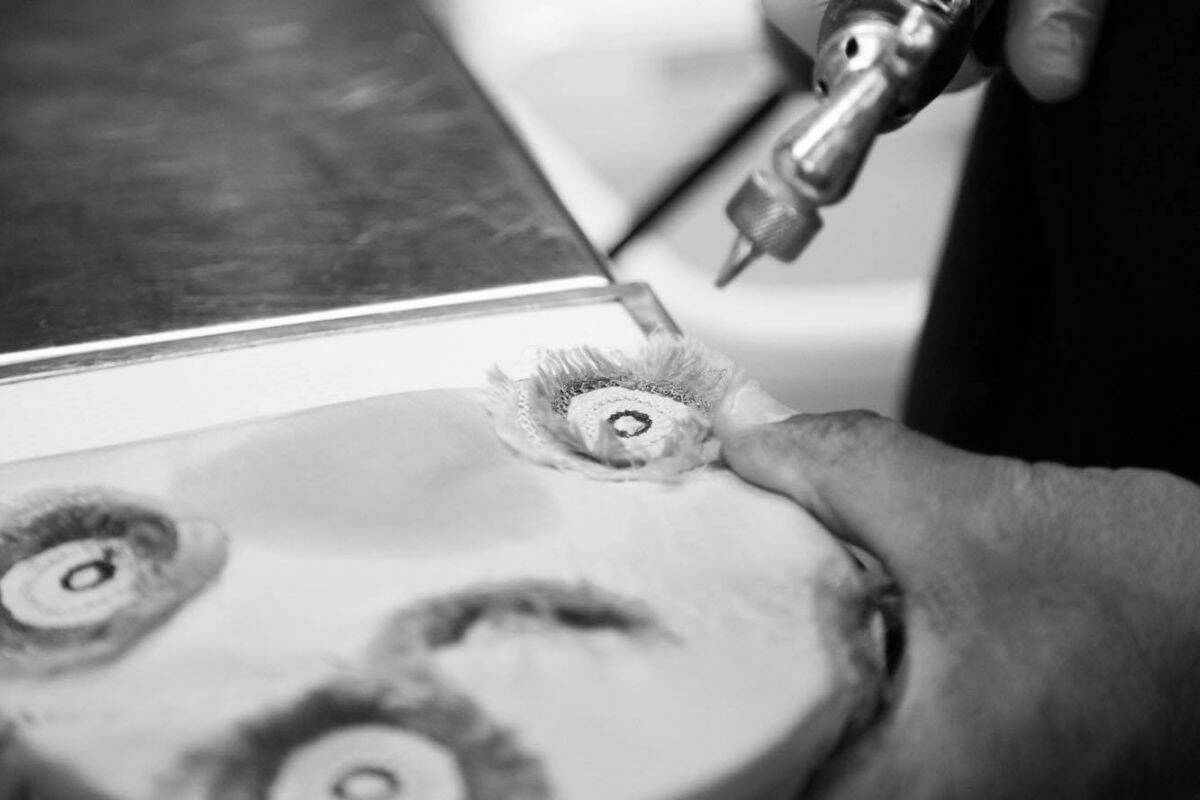
Images: Spot-cleaning techniques
How Regal can play a role in design through partnerships with designers
At Regal, our goal is to preserve the integrity of designer creations, ensuring each piece looks just as it was intended. We handle an array of designs, garment types and intricate components every day. Whilst everything we see is stunning, some designs can present challenges in terms of long-term life for the garment and cleaning. We see our role as official after-care providers for the beautiful pieces that designers are creating, and therefore one of the most impactful ways we can contribute towards circular design is by collaborating closely with designers from the very beginning. Our position allows us to observe what works well and what doesn’t under various wear and cleaning conditions. By partnering with designers, we can help shape more sustaining and serviceable fashion choices.
Images: Before and after a steam relaxation on a garment shrunk in the wash.
We offer free fabric testing for assessing risks such as shrinkage and colourfastness across various cleaning methods, providing insights that can help inform design decisions and improve garment longevity. Designers who work with us receive ongoing complimentary fabric sampling and expert advice on recommended care labels, ensuring that their garments can be properly cared for over time. If issues ever arise during aftercare, Regal collaborates with designer partners to enhance the experience of our shared client. Our relationship means we can assist with proactively sourcing items like buttons and work together to resolve problems and monitor consumer feedback.
We believe that the relationship between designers, consumers and aftercare providers is crucial. By working together with a focus on sustainability and care, we can benefit everyone involved and support the broader movement towards circular fashion.
Aftercare Partnership Programme
If you are a designer or retailer anywhere in New Zealand, you can reach out to us to set up a relationship that works well for you, to benefit your brand, customers, and your sustainability efforts. Our aftercare partnership generally includes all of the following:
- Free fabric testing for your products to optimise cleaning
- Collaborative issue resolution service to enhance client experiences
- Unlimited referral vouchers (provided by Regal) to give customers, to provide them complimentary cleaning upgrades (the equivalent of a $12 discount on our Couture service)
- $5 credit earned on your business account for every referral voucher used by your customers
- Discounted cleaning for store stock, samples, and staff uniforms
- Brand analytics and product feedback data available from the hundreds of thousands of garments that are being serviced at Regal per year
- Free pickup and delivery Auckland-wide, NZ-wide delivery facilitated with a small fee or minimum spend.
Reach out to us at partnerships@regaldrycleaners.co.nz to find out more!
2025

Fashion & Textiles Climate Action Toolkit
A Step by step Guide to measuring your emissions and developing reduction strategies
Learn how to measure your carbon footprint and take action to reduce your emissions using the Fashion & Textiles Climate Action Toolkit for fashion and textile businesses.
TOOLKIT CONTENTS
- Toolkit overview and Checklist
- Print out the checklist to keep track of each step on the journey.
- Climate Action Guide Part 1 - Understand
- Learn about climate change, emissions and fashion's impact, and how to measure carbon footprints.
- Climate Action Guide Part 2 - Measure (members only)
- Plan, collect data and calculate your emissions.
- Climate Action Guide Part 3 - Reduce (members only)
- Develop reduction strategies, set targets, track progress.
- Data Collection Spreadsheet Tool (members only)
- Spreadsheet to help collate and calculate data.
- Climate Action Roadmap for Business (members only)
- A roadmap showing each stage of your climate action journey with suggested timelines. Use this as a guide to incorporate climate action into your business and sustainability strategy.
Download each section using the links above, or the full Toolkit here.
MFNZ Climate Action Toolkit
Learn
Read how Ruby and Dalston are taking climate action in their businesses:
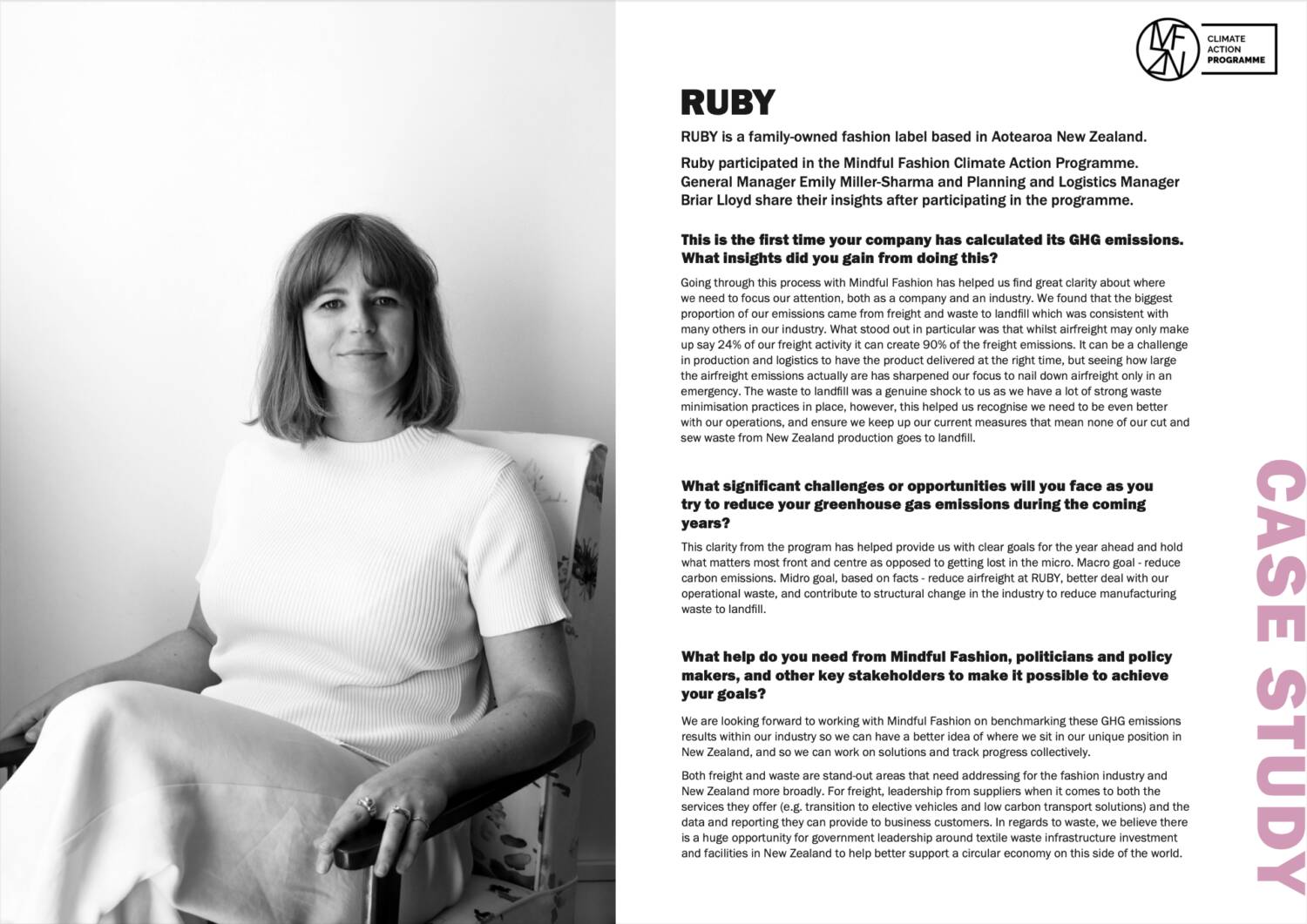
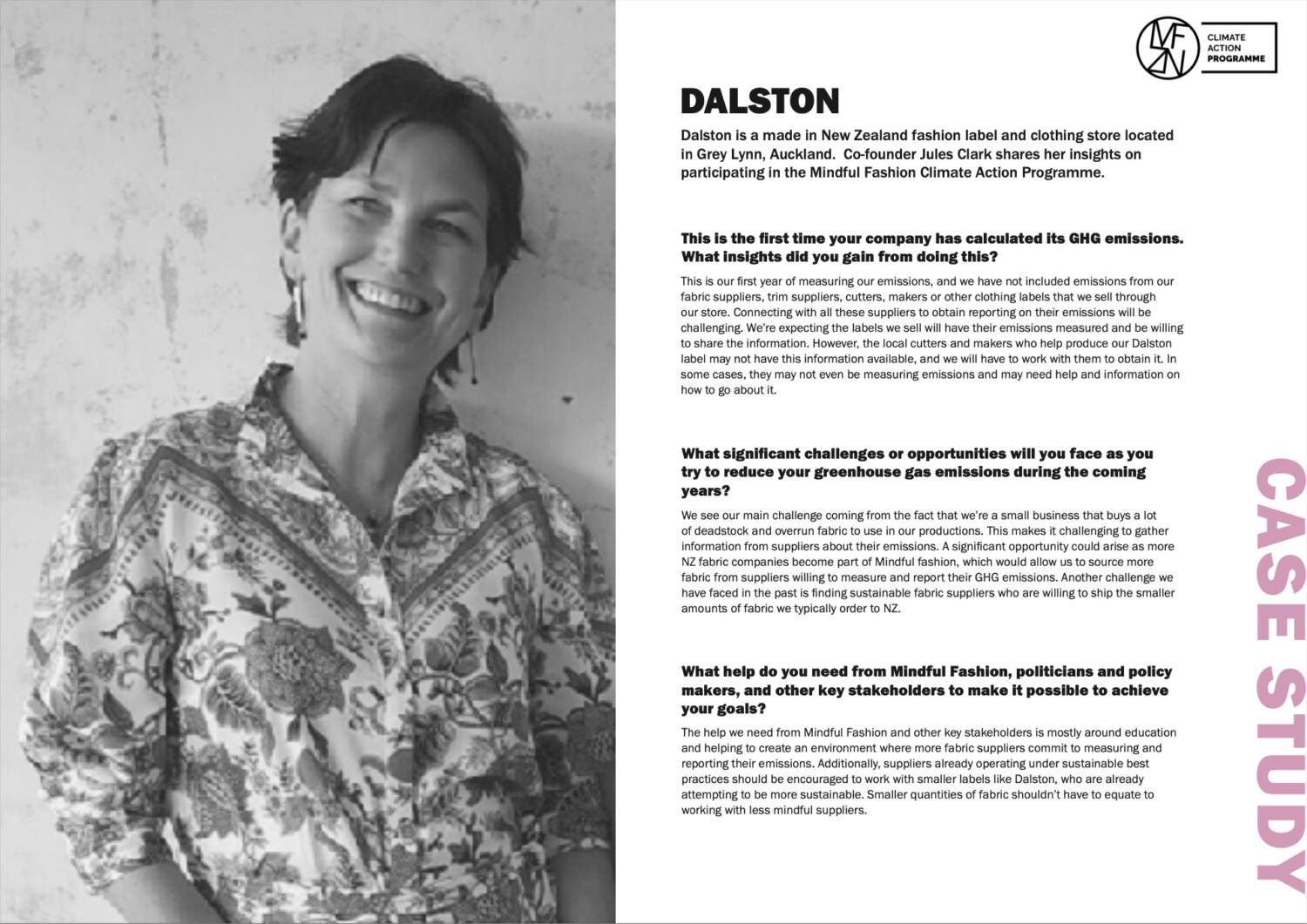
Internship Stories for Industry and Interns


Internship Case Studies
Internship Case Study - Caitlin Crisp
Caitlin Crisp is a New Zealand boutique designer brand, that works with local fabric and trimming suppliers and manufacturers. Designer and Founder Caitlin shares insights and experiences about her most recent internship.
Internship Case Study - Tintex
Tintex are a full-service CMT (Cut, Make, Trim) manufacturer based in Auckland. Owner Bruce Ric Hansen has taken on many interns over the last 15 years, some of whom have gone on to be full-time employees. Here Bruce shares insights from his most recent internship.
Internship Case Study - Juliette Hogan
Juliette Hogan is a New Zealand boutique designer brand, with five stores and multiple stockists throughout NZ. Designer and Founder Juliette shares insights and experience about her most recent internship.
Internship Case Study - Hawes and Freer
Hawes and Freer supply wholesale trimmings and fabrics for the New Zealand fashion and textiles industry, students and keen home sewers. Company Director Trevor Hookway shares insights and experiences about his previous internship.
Internship Case Study - Avenue
Avenue is a boutique manufacturer which makes a range of garments for many New Zealand designers, brands and retailers. Steven Greer shares his experience and views on taking on interns for their work experience.
Getting started on Sustainability - Workshop for members
Join us to discuss some of the industry's sustainability challenges, and priority areas for action. We will launch the Fashion & Textiles Sustainability Framework, which provides an overview of the complex sustainability landscape, along with guidance for members to start to identify priorities and take action on sustainability.
This is the first in a series of workshops where we aim to provide support to members to understand and act on sustainability. It's also an opportunity to connect with fellow industry members to build greater understanding of shared challenges and opportunities.
Hear from local and global industry experts:
- Mike Barry, Strategic Advisor and ex Director of Sustainable Business at M&S
- Gary Shaw, Corporate Response-ability Manager, Kathmandu
- Fiona Bretherton, Sustainability Manager, Untouched World
- James Walker, Sustainability, Advocacy and Strategy Consultant
Watch a recording of the event here.
Emerging System Insights
New Zealand grows, produces and transforms fibre across a broad range of fibre types and applications, from wool, hides and skins, to hemp, harakeke, alpaca, cashmere, mohair and emerging biomaterials.
Until now, these fibres have largely been viewed separately: by commodity, industry body, supply chain or market. Future of Fibre Aotearoa takes a system-wide approach.
Through stakeholder interviews, industry engagement and quantitative analysis, we have been building a cross-sector view of New Zealand’s fibre ecosystem, from what we grow and cultivate, to how fibre is processed, transformed, sold, and valued.
What is emerging is a picture of real strength, critical gaps, and a clear opportunity to do more with what Aotearoa already produces.
This page shares early insights from the current state Ecosystem Mapping phase of the work. The research is still developing, and we invite industry to help shape what comes next.
A fibre sector is emerging
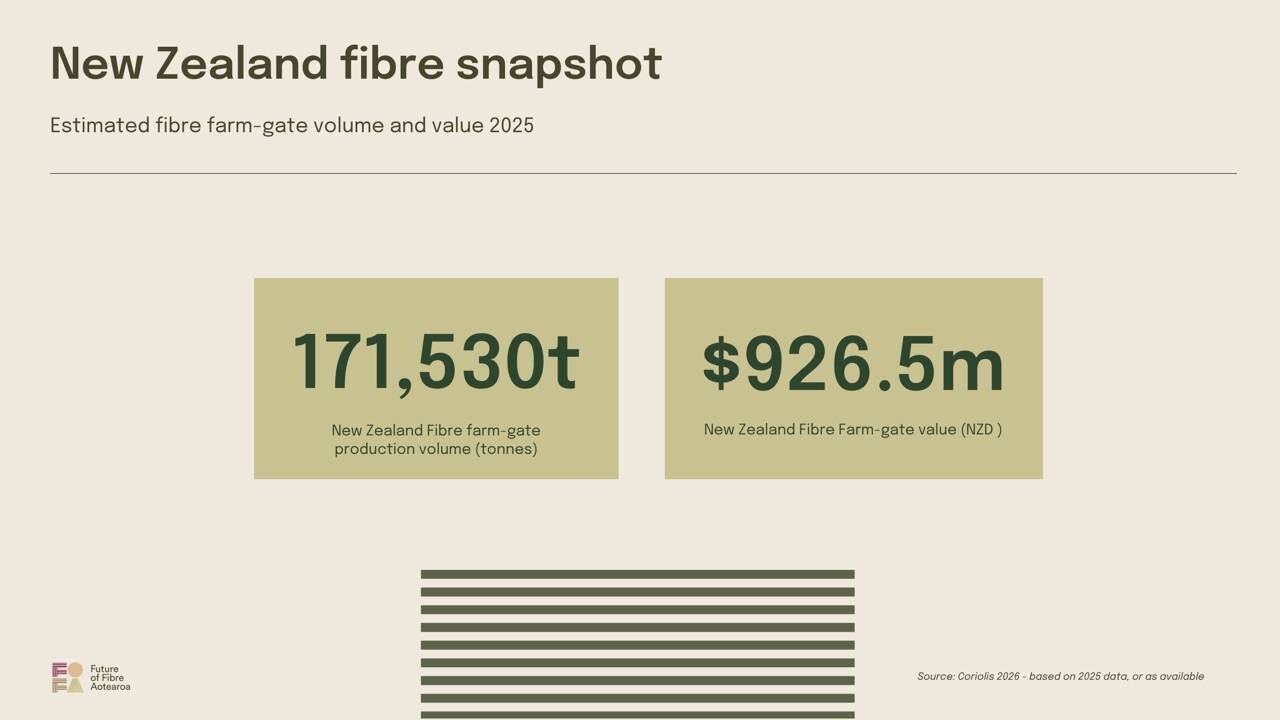
New Zealand produces a diverse range of natural fibres, from established streams such as wool, hides and skins, to emerging fibres including hemp, harakeke, alpaca, cashmere and mohair, and experimental biomaterials still developing their commercial pathways.
Seen individually, each fibre has its own market, maturity level, value chain and barriers to growth. Seen together, a wider system comes into focus.
The research shows shared constraints, common opportunities and points of connection that are not always visible from within a single fibre group. Seeing fibre as a sector makes the differences between fibres more useful.
It allows us to ask where fibre groups can learn from one another, where shared infrastructure or capability could benefit multiple parts of the system, where collaboration could support development, and where the most distinctive opportunities lie for each fibre type.
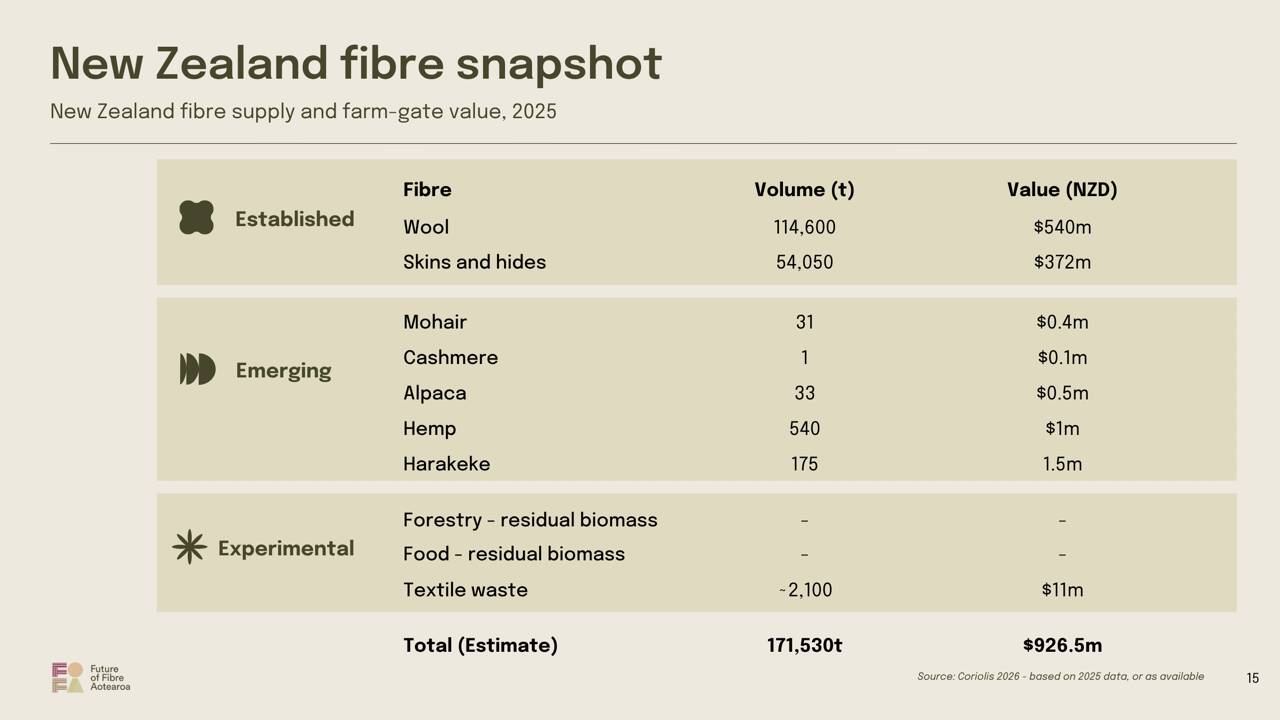
Value is captured through transformation, not raw production alone
Our research found that the future of New Zealand's fibre sector will not only be defined by what we produce, but by how we transform fibre into high-value products, materials and systems that meet real market needs.
New Zealand currently exports much of its fibre as raw or minimally processed material, with significant downstream processing happening offshore.
At the same time, we import approximately 116,000 tonnes of yarn, textiles and manufactured goods annually.
We manufacture around 93,000 tonnes of carpet, textiles and apparel domestically, but export only 11,000 tonnes of finished product.
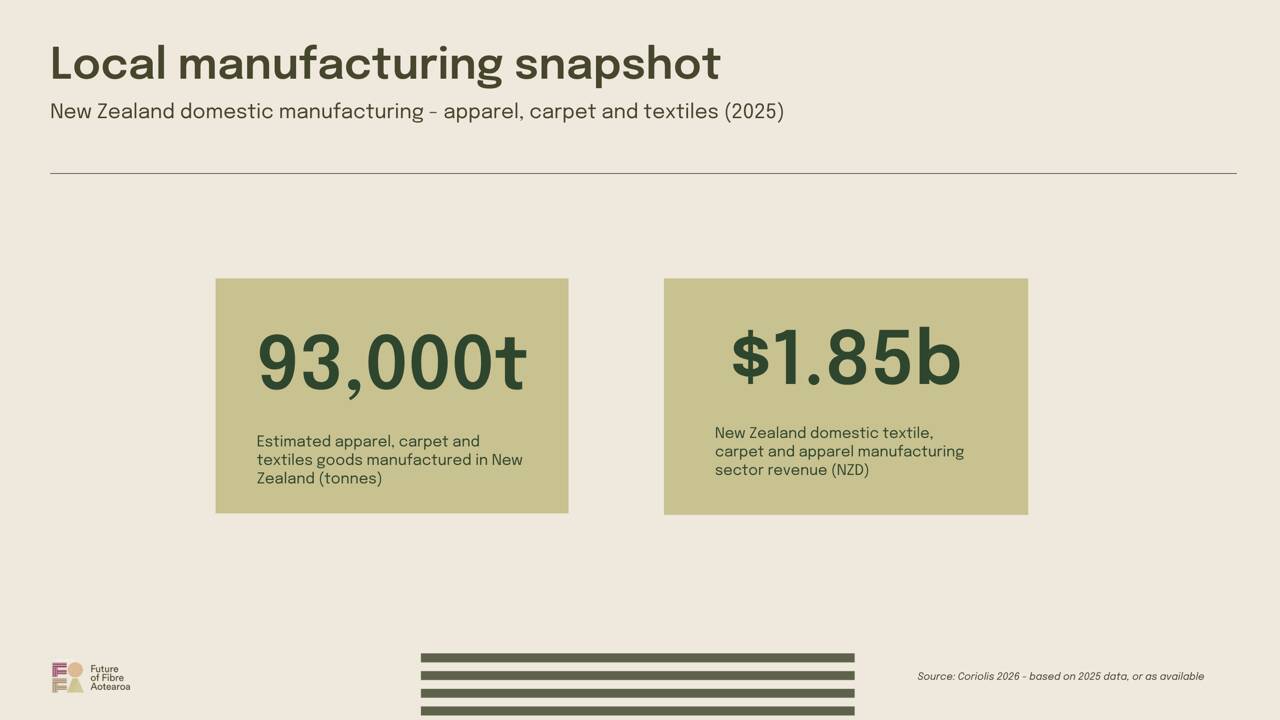
The gap between what we produce, what we transform onshore, and what we sell into global markets as finished goods highlights a central opportunity for the sector that we will explore in more detail as the project evolves.
We heard that value is created when fibre is transformed into finished products, performance materials, technical applications and brands that connect to specific market needs. This requires design and product development capability, technical validation, processing infrastructure, provenance and trust, connected value chains, and deep market understanding.
The research consistently found that Aotearoa's competitive advantage is strong when premium fibre quality is combined with design-led innovation, provenance, technical performance, and direct relationships from growers through to makers, brands, specifiers and customers.
The sector has real strengths, but they are not yet reaching their full potential
New Zealand's fibre system has strong foundations. These include:
world-class natural fibre quality, supported by integrity of production systems and traceability
pockets of applied innovation and design-led product development, particularly visible in strong wool and emerging fibres
relationship-based value chains that connect growers, makers, brands and specifiers
values-led and IP-driven business models, including place-based and culturally grounded fibre systems
growing global demand for natural, bio-based and lower-impact materials from trusted sources
These strengths are significant.
However, a set of structural constraints, built up over decades of industry contraction, fragmentation and underinvestment, continue to limit the sector’s ability to realise its potential.
Five shared constraints emerged strongly through the research:
Fragmentation across the sector
Limited coordination and knowledge sharing across fibres, regions and value chain stages is slowing collective progress.Limited processing and manufacturing capability
The “missing middle” of accessible prototyping, small-batch processing and mid-scale manufacturing remains a critical gap.Weak pathways from innovation to market
Promising ideas often struggle to move from concept to commercial scale because of limited access to prototyping, validation, partners and capital.Skills loss and capability gaps
Specialist textile, processing and manufacturing skills are becoming harder to access, creating a growing system-level risk.Demand creation and market access
Building sustained global demand requires brand development, market intelligence and relationships that are difficult for smaller businesses to develop alone.
While many of these constraints are shared, each fibre group also has its own market dynamics, maturity level and specific barriers to growth.
Encouragingly, there is strong signals of coordination and alignment happening within individual fibre groups including wool, hemp and harakeke to address these issues.
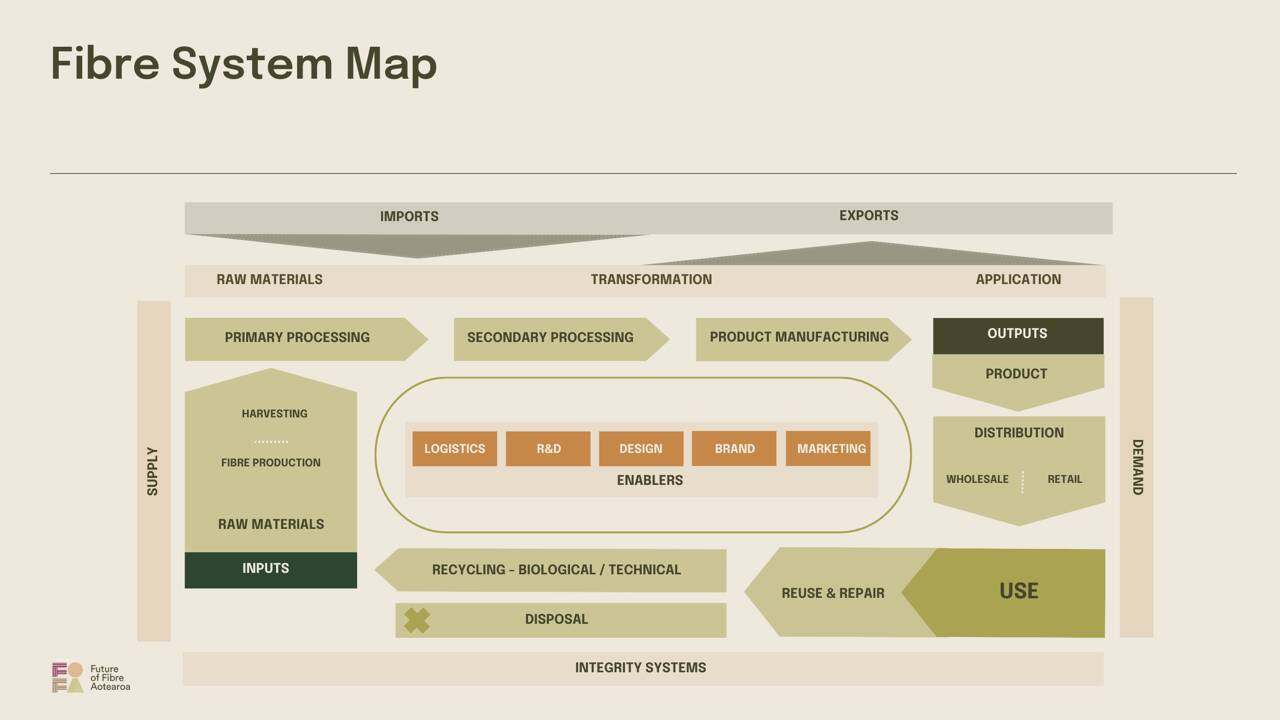
What comes next
Our Ecosystem mapping the current state is a starting point. It is a comprehensive cross-fibre view of New Zealand’s fibre system, but there is more to learn.
Knowledge gaps remain in biomaterials and side-streams, global market dynamics, emerging processing technologies, and the capital investment landscape.
The next phase of Future of Fibre Aotearoa will consolidate qualitative and quantitative insights, identify and model opportunities that create more value for Aotearoa's fibre, and share case studies and findings in a foundational fibre report that looks beyond the current state to explore the sector’s future potential, including where investment and capability development could be prioritised.
Industry participation is essential. This work is only as strong as the knowledge, experience and perspectives that shape it.
If you work in fibre, as a grower, processor, manufacturer, designer, researcher, innovator, brand, investor or market partner, we want to hear from you.
Want to contribute to this work?
We're continuing to engage industry as this research develops. Get in touch to share your perspective, flag gaps in our mapping, or find out how to be involved in the next phase.
Contact us ask@fashiontextilesnz.org
Programme Delivery
- Jacinta FitzGerald, FTNZ | Programme Director
- Kelly McClean, Commonkind | Programme Delivery Lead
- Olive Riley, Commonkind | Communications Specialist
- Maria Walker, Delivery Support | Biomaterials Specialist
- Coriolus | Economic Analysis
- NZIER | Opportunity Development
Global Apparel Market Insights Report 2024
Commissioned by Fashion & Textiles New Zealand and produced by NZTE, this report is tailored specifically for the NZ fashion, clothing and textile industry.
Learn about key insights into global apparel markets and consumer sentiment and brand preferences in the key markets of Australia, the UK, the US and Canada.
The report covers:
- Market sizing and key brands
- Trade overview
- Consumer preferences
- High-level regulatory checks
View and download the report at the link below.
Download Report below
Apparel Market Insights Report 2024
Key Takeaways
- Given the NZFCTI’s value proposition and price point, the shift away from mass apparel in Australia and Canada may be beneficial.
- The USA stood out as a market that may lean towards fast fashion / mass apparel.
- Respondents indicated an interest in purchasing more sustainable products, but price remains a significant factor.
- The opportunities relating to increased consumer interest in second hand apparel need to be explored for the NZFCTI.
- The North American sustainable fashion regulatory environment is changing rapidly.
Future Fashion - Unlocking a Circular Fashion Economy in Aotearoa.
Fashion & Textiles held a dynamic panel discussion held during the Auckland Climate Festival and on the official schedule for New Zealand Fashion Week 23:Kahuria.
Hosted by Fashion & Textiles, this discussion brought together experts from across the value chain to discuss innovative ways to unlock circular systems from a unique Aotearoa New Zealand perspective. From designing for local circular systems and using regenerative materials, to exploring circular economy from an indigenous perspective, incorporating circular business models that keep garments in use and establishing scalable recycling solutions, this panel covered it all.
While our speakers each brought their unique perspectives, there was alignment on the key challenges and opportunities.
Key insights from our panellists:
- The value of the industry needs to be honoured - the creative, artisanal, skills and cultural value it brings. People have lost touch with the true value of clothing.
- For local circular systems, we need to think of spirals rather than circles.
- There is a tension between making fashion accessible and cutting people out that needs to be navigated in any circular transition.
- As a small island nation, we need to think about scale in a different way. The scales of a fish are a fitting metaphor, each individual is small, but they all work in unison. It’s about collaboration and we can all play a role.
- The need for policy and legislation - industry is asking for it and are looking for Government to put it in place.
- Businesses spoke about the need to incentivise and recognise the design and creativity at the top of the creation process, rather than focus on adding more ambulances at the bottom of the cliff.
- Disincentivise the rapid sale of new product.
- Government are the largest procurer of product in NZ, they need to take responsibility for this.
Facing into a climate crisis, the need for systems change is clear. It was great to be able to bring this conversation to a wide and engaged audience at NZ Fashion Week and build further momentum for a circular change with the fashion sector in Aotearoa.
As part of the Auckland Climate Festival, the event also shone a light on the actions New Zealanders can take to bring a low carbon future to life.
Due Diligence in Supply Chain
Watch this recording to learn about supply chain due diligence for local and global supply chains; what good due diligence looks like; modern slavery risks; and how proposed modern slavery legislation in New Zealand will impact you. The workshop shares practical tips for members on getting started with risk assessments, and available tools for domestic and overseas markets.
This session covers
- Modern slavery - how legislation and policy will impact NZ businesses
- Supply chain mapping
- What good due diligence looks like
- Getting started on risk assessments
- Tools to get started
- An essential part of the Modern Slavery and EU legislation requires companies to remedy cases of exploitation or Modern Slavery. What does 'remedy' look like ?
Read our Due Diligence in Supply Chains Guide
Watch the recorded session here
The Circular Design Award
The Fashion & Textiles Circular Design Award is an annual design and innovation competition that challenges individuals and businesses to reimagine fashion as circular and design out waste.
Through the Circular Design Award programme, creatives are inspired to use the dual lens of our unique place in the world and the circular economy, and find innovative ways to keep materials in use.
Based on the guiding principles of people, place and nature, the Award supports entrants to explore creative ways to design out waste, weaving principles of mātauranga Māori and indigenous wisdom with industry knowledge, skills and resources.
The Award launched in 2023 and continues to grow year on year. In 2024 we introduced an Award for Circular Business Innovation, and in 2025 we are excited to introduce a category for Circular Product Design.
View our 2025 Finalists and Winners here.
Ecotricity | Supporting Businesses with Climate Positive Power
Fashion & Textiles's Sustainability Spotlights showcase initiatives from our community and members that advance circular and sustainable business.
Through the Fashion & Textiles Circular Design Awards, we partner with aligned businesses to help bring the Awards to life.
Circular Design Award 2024 partner Ecotricity shares our vision for a sustainable future for New Zealand. Ecotricity is NZ's first, and only, Toitū climate-positive certified electricity provider.
Ecotricity holds the Toitū Envirocare climate-positive certification for both its products and organisation. This achievement underscores its unwavering commitment to sustainability and its role in shaping a greener future. Ecotricity exclusively purchases electricity from 100% renewable sources—wind, hydro, and solar—ensuring its energy mix is free from fossil fuels. By doing so, Ecotricity is not just reducing its carbon footprint but actively contributing to the phase-out of fossil fuels in New Zealand.
Image: Ecotricty team tree planting July 2024
What is Climate Positive
Being Toitū climate-positive certified means having a positive impact on the climate. Ecotricity measures the emissions associated with its full value chain, sets science-based reduction plans for the short and long term, and goes beyond net carbon zero by compensating at 125%, as well as contributing to additional environmental and social projects.
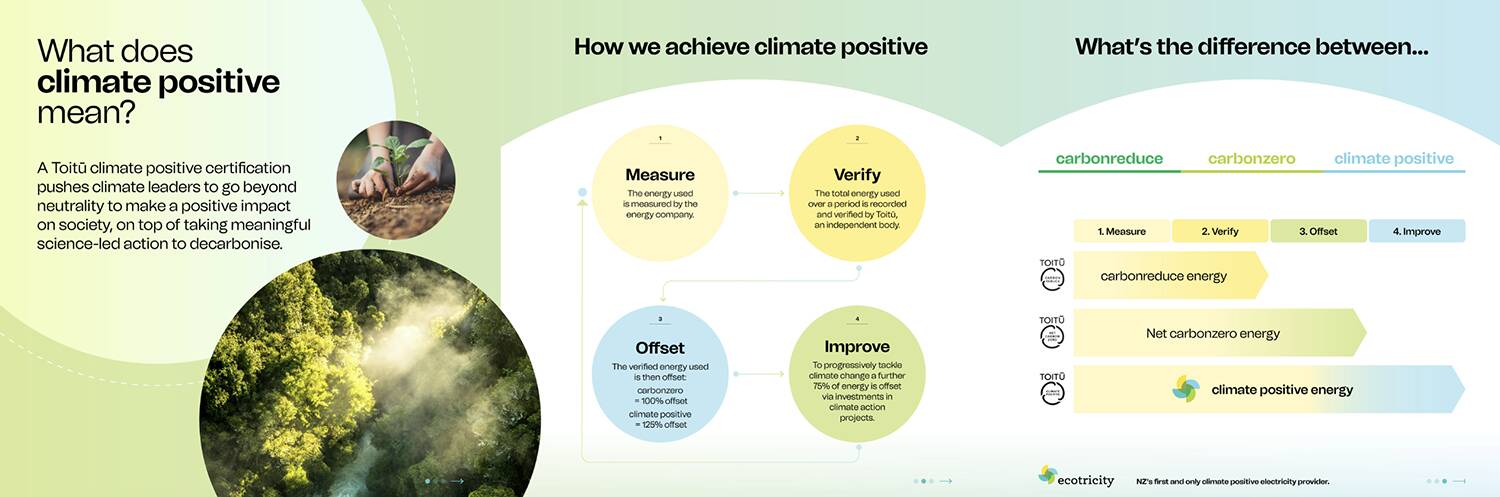
How can Ecotricity's climate-positive energy support businesses?
Ecotricity's Toitū climate-positive certification has been certified against the ISO14067 standard. This meets (and exceeds) the Scope 2 quality criteria for the market-based reporting method. This means that for businesses that measure their carbon emissions, Ecotricity's climate-positive certified electricity can completely pre-offset all greenhouse gas emissions related to their electricity consumption.
Within clothing and textiles businesses, energy usage accounts for a significant portion of
total GHG emissions. Therefore, by choosing an energy retailer like Ecotricity, those
emissions can be removed from your GHG Inventory, to show a meaningful emissions
reduction.

Images: Tekepo B Station, Mt Stuart Wind Turbines and Tekepo B Station
Ecotricity is proud to be Toitū climate-positive certified as it takes science-led, meaningful climate action for a decarbonised future. As it looks ahead, it strives to be the most impactful climate-positive energy provider to help decarbonise the electricity sector and reduce the damaging impacts of the climate crisis. Ecotricity hopes to inspire other businesses and consumers to join them in the journey to put emissions in reverse.
Find out more about Ecotricity's approach to sustainability and climate-positive future here.
Ka pai Ecotricity, we’re proud to have such an innovative climate-positive driven business as a sponsor of our Circular Design Awards 2024.
Threads of Tomorrow Summit 2026
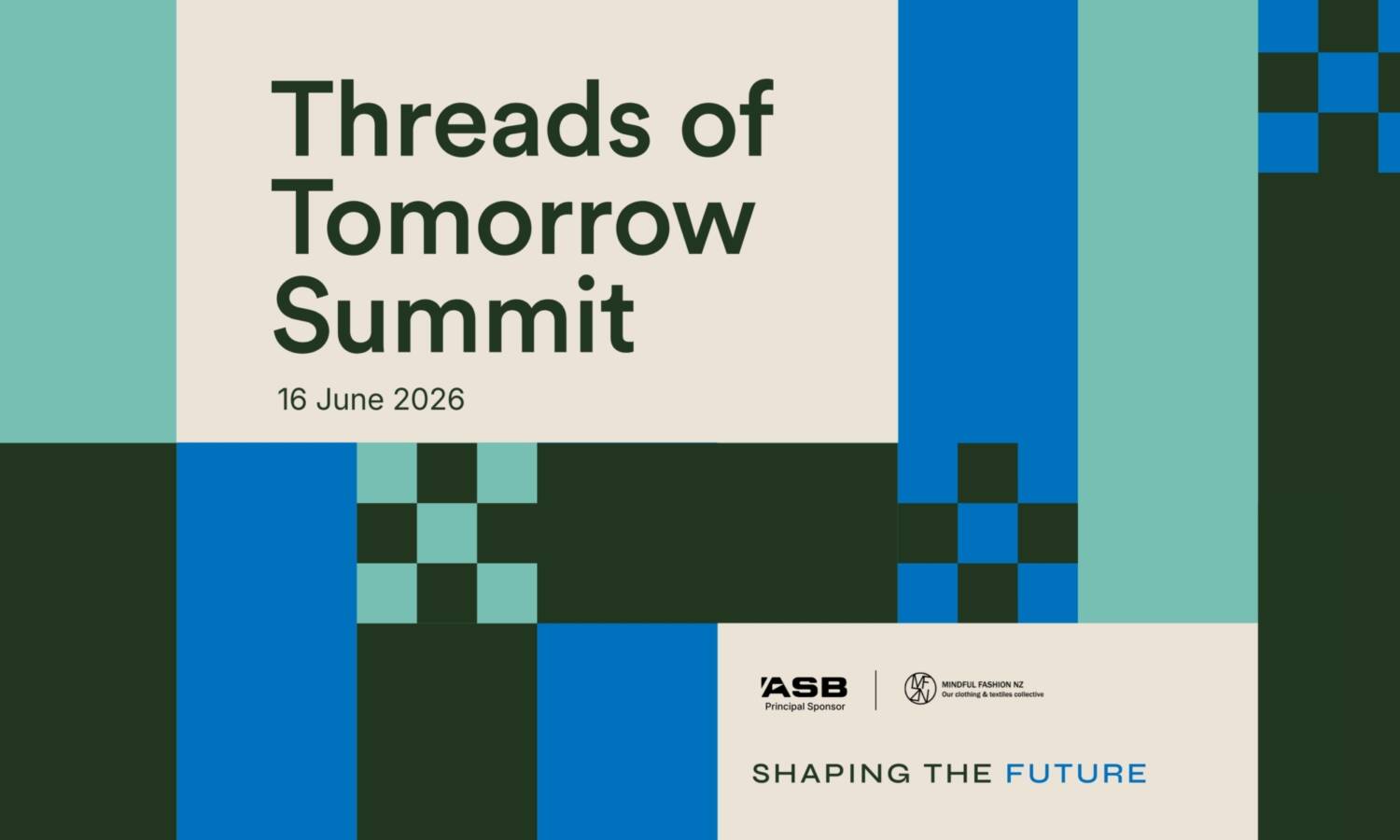
We’re excited to announce that the Threads of Tomorrow Summit will take place in Tāmaki Makaurau Auckland on Tuesday 16th June, 2026.
Theme: Shaping the Future - Place-Based, Innovative, Thriving
Building on the momentum of the Threads of Tomorrow report and the opportunities identified across Aotearoa’s fibre, textile, product and clothing sectors, the Summit will be a major national gathering dedicated to shaping the future of our industry to deliver lasting value for our communities, our economy, and our place.
Convened by Fashion & Textiles NZ (MFNZ) the one-day event will bring together leaders and visionaries from across the value chain, from fibre growers and textile producers to designers, manufacturers, innovators, researchers, policymakers and international partners.
The Summit will explore:
- The values and stories that set Aotearoa apart on the global stage
- Innovation at every stage of the fibre-to-product system
- How Aotearoa can strengthen local industry capability and future-ready manufacturing
- Circular and regenerative models that support a thriving bioeconomy
- How we can collaborate across sectors to unlock new value and opportunity
As global pressures, technological shifts and sustainability imperatives reshape the industry, this Summit offers a pivotal moment to come together, align on a shared narrative, and chart a bold course for the future.
More details, including speakers, programme and ticketing, will be released in early 2026.
Want to be part of this inaugural event?
We'd love you to take part. Do you have an innovation you'd like to showcase, an exciting and bold story to tell, or simply want to attend?
Tell us how you'd like to be involved by filling in our Expression of Interest form here, and we will get back to you.
For now, mark your calendars.
Aotearoa’s future of clothing, textiles and fibre begins here.
Threads of Tomorrow - NZ Industry Value Report 2024
Threads of Tomorrow tells a compelling story.
It shows the industry is a core pillar of New Zealand's creative and commercial economy and is made up of a complex ecosystem of textiles, design, manufacturing, retailing, education and media.
The report highlights for the first time the industry's significant value and contribution to New Zealand, its great potential to contribute to the country's future prosperity and charts a course for the industry to reach a thriving and circular future.
- $7.8b to the economy in 2023
- 1.9% of GDP - contributing more to GDP than supermarkets and specialty foods, more than building construction
- 76,000 workers employed, and $4.4b paid in wages
- 78% female workforce shows women's economic advancement intrinsically linked to industry
The report recommends opportunities to address industry challenges and grow the industry's contribution to NZ, and it puts forward a bold vision for the industry to collectively work towards - a thriving and circular future.
15 recommendations across 4 action areas are proposed.
Zero Waste Pattern Design
Fashion & Textiles hosts Emma La Rocca, a zero-waste pattern design specialist. Emma shares her technical knowledge and expertise in innovative pattern-cutting techniques in this Introduction to Zero Waste Pattern Design workshop for the Fashion & Textiles Community.
The workshop covers:
Illustrating pattern-making techniques and identifying the problems.
Suggestions on how zero waste pattern techniques can be employed.
Examples and strategies for making patterns and markers.
Cost efficiencies and statistics on fabric wastage.
Next steps, and how to take part in the workshop series.
This event is ideal for designers, workroom teams, pattern cutters and marker makers.
Watch the recording
Steering Committee
Composed of fibre, textile and apparel industry subject matter experts, the Future of Fibre Aotearoa Steering Committee provides insight and ensures sector alignment. Meeting on a quarterly basis, the Steering Committee reviews, guides, connects and contributes to the project research.
- Andy May, WoolYarns, Cashmere NZ | CEO
- Anna Crosbie, Wool Impact/Wool Alliance | Navigator
- Kara Biggs, Campaign for Wool NZ/Wool Alliance | GM
- Ben Scales, KiwiFibre | Founder
- Elizabeth Heeg, Forest Owners Association | CE
- Angela Kilford, Te Whiri Whītau
- Faith Kane, Massey University
- Florian Graichen, Bioeconomy Science Institute | GM Scion
- Fiona Bretherton, Untouched World | Development Manager
- Jonathan Mountfort, Autex Acoustics | Creative Director
- Nicky Solomon, Bioresource Processing Alliance | CE
- Raechel Laing, NZ Product Accelerator | Business Development Manager
- Richard Barge, NZ Hemp Industries Association | Chair
- Vanessa Thompson, GoWell Consulting | Director of Supply Chain and Textiles
- Guy Wills, Rubisco | CEO
Introduction to CLO 3D Design & Sampling to Reduce Waste
Fashion & Textiles hosted Helena Steinmann, a digital design expert of Weft Digital NZ who helps New Zealand fashion brands transition to 3D workflows.
Helena ran an online education seminar looking at how software such as CLO3D can help your business improve environmental performance by reducing material waste and saving time and money.
The session looked at:
- How brands can use CLO3D at different stages of design, sampling, specs, marketing and production.
- Case studies showing a reduction in time and waste.
- Realism in digital garments.
- Customisation for consumers and brand identity.
- How to get started and Set up costs.
- Business innovation, and the opportunities of the digital age.
Watch the recorded session here
What is Fibre
Future of Fibre Aotearoa defines Fibre as:
“any raw, minimally processed material, whether grown, cultivated, bio-engineered, regenerated or recycled that can be transformed through spinning, weaving, knitting, felting, moulding, additive/digital manufacturing techniques or other forming processes into textile, composites and products.”
Future of Fibre Aotearoa categorises New Zealand fibre according to levels of maturity and scale.
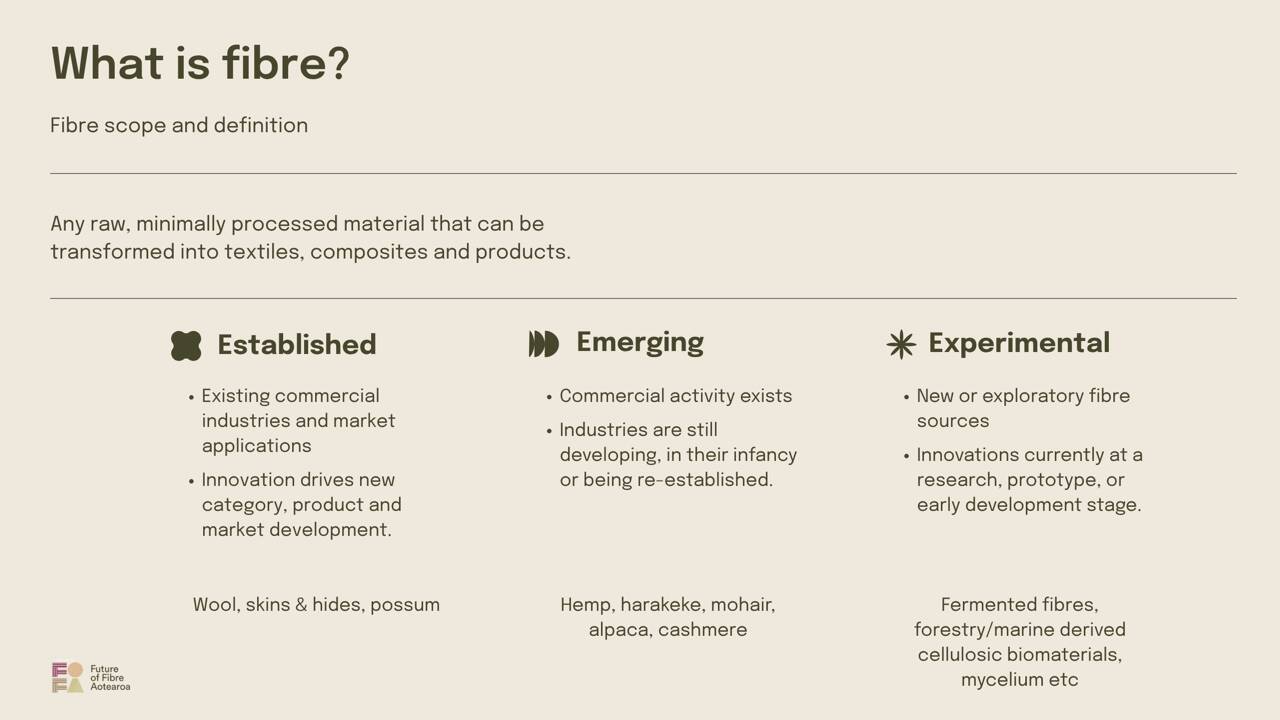
New Zealand fibre is transformed into a wide range of applications including textiles, composites and biomaterials for:
Apparel and Footwear
Interiors
Built Environment
Technical & Advanced Materials
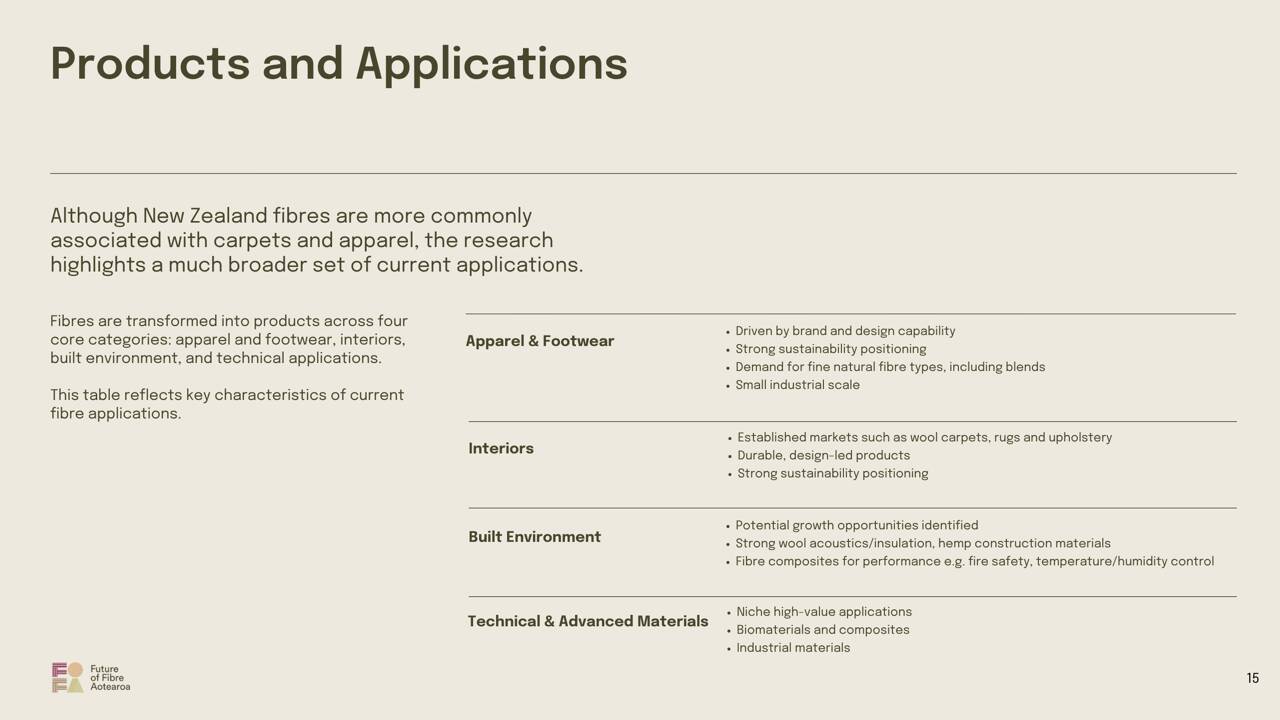
Fashion & Textiles Climate Action Toolkit
Learn how to measure your carbon footprint and take action to reduce your emissions using the Fashion & Textiles Climate Action Toolkit for fashion and textile businesses.
Already a member? Access the full toolkit here.
TOOLKIT CONTENTS
- Toolkit overview and Checklist
-
Climate Action Guide Part 2 - Measure (members only)
-
Climate Action Guide Part 3 - Reduce (members only)
-
Data Collection Spreadsheet Tool (members only)
Climate Action Roadmap for Business (members only)
Join us!
Some parts of this Toolkit are members-only. Find out about becoming a member here.
Already a member? Access the full toolkit here.
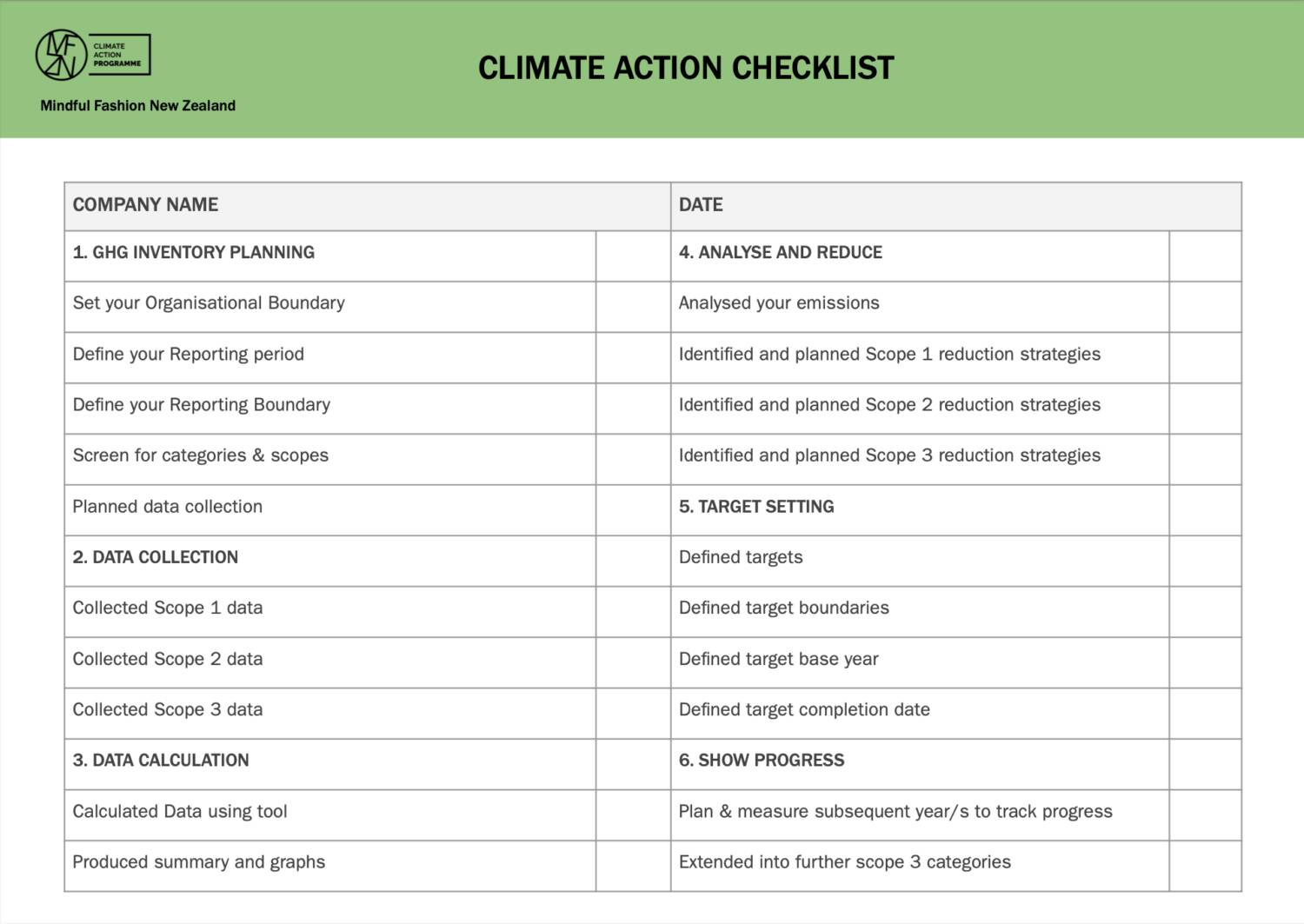
Zentera
The Zentera Wool Company, formerly The New Zealand Merino Company, is the company behind ZQ and ZQ+ (formerly ZQRX), the world’s leading marks for high-quality wool that’s grown with care for animals, land and people. Founded in New Zealand, Zentera has worked alongside growers across the Southern Hemisphere and leading global brands for over 30 years to show that expertise and ethics belong together. Its wool is premium by nature and traceable back to the farm where it was grown.
Communicating Sustainability in 2023
Getting your sustainability communications right is critical in 2023. Fashion & Textiles hosts The Commerce Commission alongside GoodSense, experienced communications specialists, for a balanced discussion to help you navigate the challenges and opportunities of communicating sustainability impact.
The benefits of communicating sustainability are clear, but it needs to be done right. This is especially true in 2023 with green claims legislation coming into full force both in New Zealand and in international markets including Australia, the UK and the EU, as greenwashing practices become rife. Opening up about social and environmental impact can be risky. If it's done wrong, it can open your organisation up to backlash and regulatory scrutiny and can alienate your audience.
How can brands and retailers tell customers about their sustainability advancements – while sticking to the rules and avoiding the greenwashing trap? How can we support brands and retailers that invest in sustainable practices over and above those that do not? This session will present a balanced discussion on the rules in New Zealand around communicating about sustainability, with tips on how to communicate in an honest and transparent way.
Commerce Commission Guidance
The following resources provide further details to consider from a Fair Trading Act compliance perspective.
- Environmental claims – a guide for traders.
- Making accurate claims “If you can’t back it up don’t say it”
- Fair Trading Act: Unsubstantiated representations
What we covered
- The rules for communicating about sustainability in New Zealand;
- Rights and responsibilities under the Fair Trading Act;
- How businesses can tell customers about their sustainability impact and ambitions in a way that engages people but is also honest, transparent and rigorous.
- How to master good sustainability communications and avoid greenwashing.
Guest Speakers
- Vanessa Horne - Acting Chief Executive, Commerce Commission
- Kirsten Mannix - Acting General Manager, Fair Trading branch, Commerce Commission
- Kath Dewar, Managing Director, GoodSense Marketing
Watch the recorded session here
Textile end of use pathways in New Zealand
A guide for reuse and recycling pathways for end-of-life textiles in NZ.
Governance Group
Jane Montgomery (Chair)
Jane is a director of Ravensdown and of two family companies, and has also been a member of a number of not-for-profit boards, chair of an audit and risk committee, and a board observer (associate director) at AgResearch.
Emily Miller-Sharma (Vice-Chair) | GM Ruby
General Manager of Aotearoa fashion brand RUBY & designer for Liam, Emily walks the tightrope between creativity and business on a daily basis managing over seventy staff and running ten retail stores. A passionate advocate for the local industry & sustainable business practices, Emily co-founded Fashion & Textiles New Zealand in 2019 with Kate Sylvester, and she is currently Vice-Chair of the Fashion & Textiles New Zealand Board. Emily’s approach to design has always been an investigative one, from pushing for meaningful change in the clothing industry to exploring what can be achieved using the bias in patternmaking.
Lisa Portas | Nuffield Scholar, Director, Farmer
Lisa Portas has more than a decade of experience working across agriculture, rural businesses, and supply chains in New Zealand and internationally. She is a 2025 Nuffield Farming Scholar and her research focused on global agricultural value-chain models, exploring how greater transparency, trust, and closer alignment between producers and markets can improve long-term outcomes for farmers.
Finn Ross | Founder, Climate Action Company and co-founder, Ocean Balance.
Finn’s passion is championing climate action and protection of our wild places comes from expeditions in the remote corners of the South Pacific. Focused on ocean carbon removal research Finn has a strong interest in regenerative agriculture and economics.
Louise Beard | Director, Forward Insight
Louise Beard is the founder of Forward Insight & Strategy, a specialist market research and strategic planning consultancy working with leading organisations across New Zealand and global primary industries. With more than 30 years of experience, she partners with exporters, marketers, and innovators to uncover opportunity, understand global markets, and build demand-led pathways for value growth.
Tim Deane | Managing Director, Norsewear
In 2023, after over 30 years in the corporate world, I chose to follow my passion for entrepreneurship within the food and fibre sector, by buying Norsewear, an iconic Kiwi company that has been making quality woollen socks and apparel for outdoor people right here in New Zealand since 1963.
Fashion & Textiles New Zealand Industry Role Map
The Fashion & Textiles Fashion and Textile industry Role Map provides a snapshot of core roles in the industry, broken down by function. A useful tool for businesses, educators and learners to explore the broad range of careers the industry has to offer.
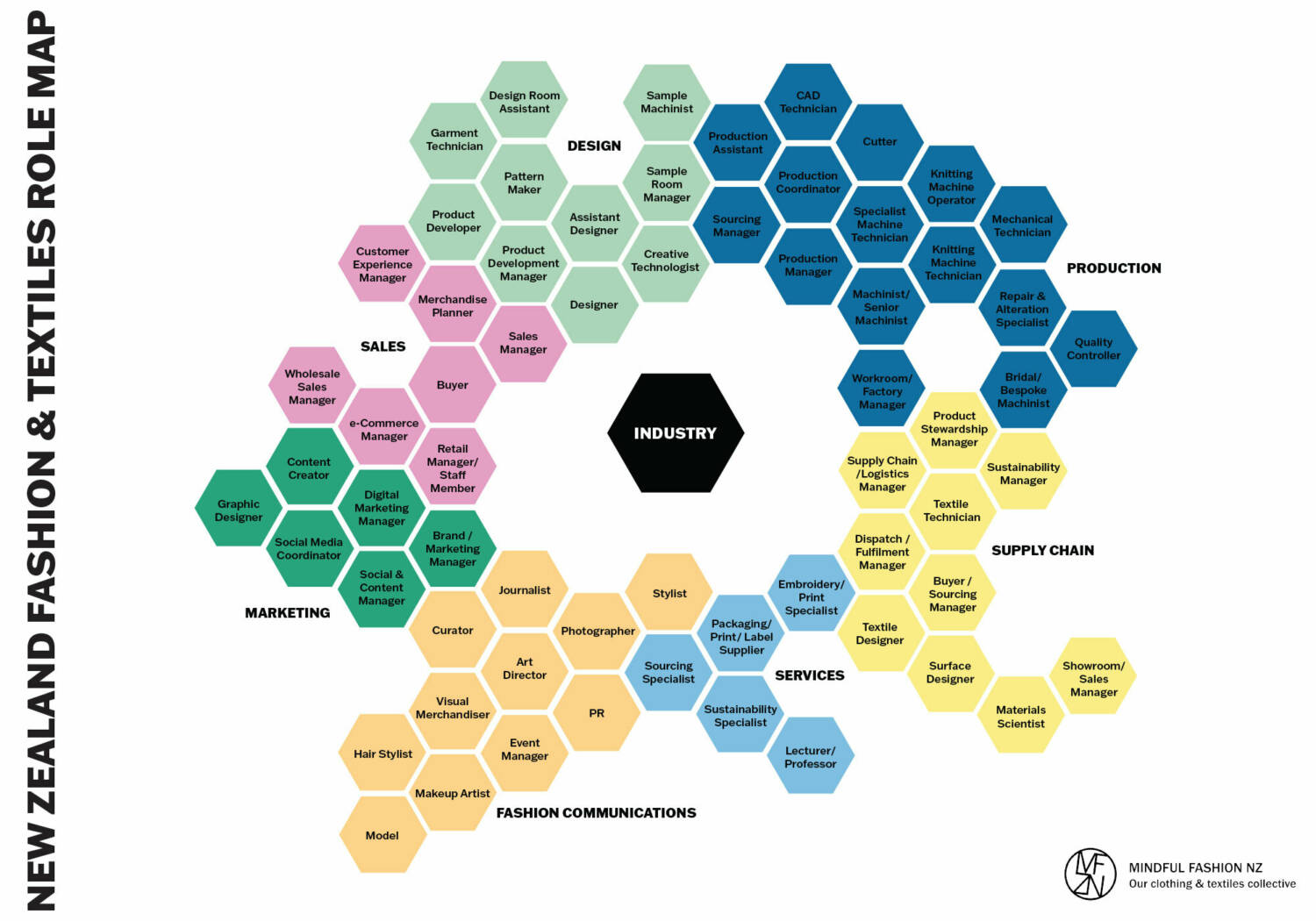
This role map is by no means conclusive, and we welcome further engagement with industry to build on this over time. Please contact us with any suggestions.
RUBY Apparel | Keeping Materials in Use
Fashion & Textiles's Sustainability Spotlights showcase initiatives from our members that advance circular and sustainable clothing and textiles. If you have a sustainability initiative to share get in touch.
This month we caught up with RUBY Apparel Product Development and Sustainability Manager Sarah Parker who told us about the company's push to increase the longevity of its products and keep materials in use, whether that be through repair and resale of garments, or through recycling, composting and waste initiatives that reduce waste at RUBY HQ.
The Initiative
Ka pai Ruby, it’s great to see your commitment to preserving natural resources (aka waste reduction)!
At RUBY HQ and in its stores, keeping materials in use and reducing waste is always front of mind.

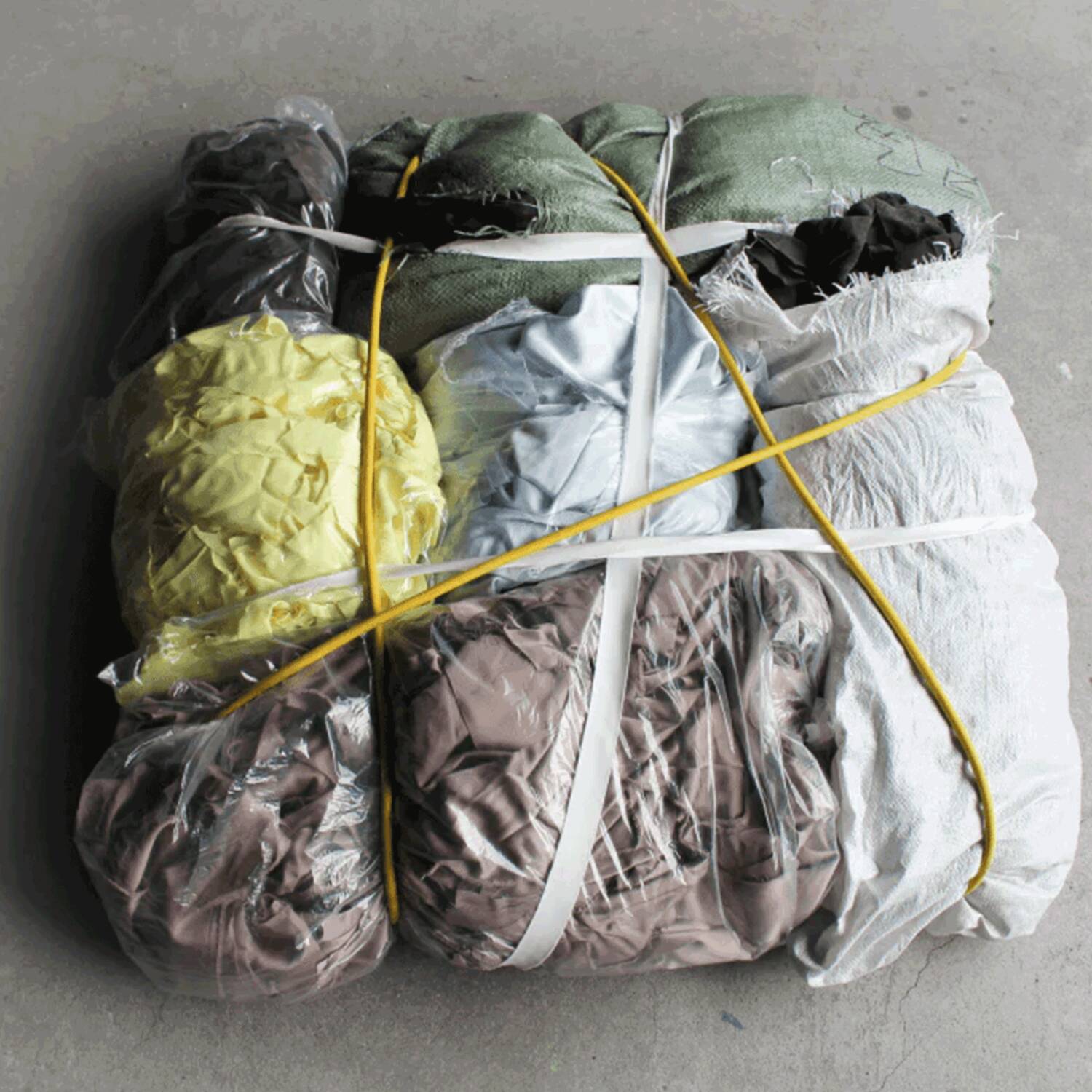
Textiles
Ruby's has a focus on extending the useful life of its products through its Ruby Says Recycle initiative, its Matchmaker service, rental and repair offerings, and its take back scheme.
When it comes to textile waste, Ruby thinks carefully about yield and fabric consumption, to minimise this waste. Seams are added so that the pattern pieces can stack more efficiently, the width of the fabric is considered when making a pattern and ratios adjusted for different sizes so that it can cut more efficiently. Regardless, when cutting garments from lengths of fabric, “waste” is created.
Ruby's Auckland-based bulk production cutters and in-house sample cutters separate all fabric off-cuts into fibre types so it can repurpose or recycle in the most efficient way. Since 2019, Ruby has not sent these excess materials to landfill.
Ruby has experimented with different ways to create value from this "waste" including through its LIAM X GEO KNITS SLOW, a collaboration of knit pieces made using fabric off-cuts.
Once Ruby has exhausted all possibilities to reduce, reuse and repurpose excess materials, it has partners that use them to create products for other industries such as Textile Products and Upparel.
Retail Initiatives
- RUBY SAYS RECYCLE
- RUBY RENTAL
- UPSIDE DOWN
- LIAM PATTERNS
Other Materials
In its HQ Ruby has a range of bins set up to make it easy for the team to sort materials for the right end-purpose, for example composting food waste and end of life compostable packaging, packaging that we reuse, general curb-side recycling, soft plastic recycling, plastic hanger recycling and paper & card recycling or reuse. Signs are plentiful to help educate staff on making the correct choice.
As a last resort it has a landfill bin for things that cannot be composted, recycled or reused. Ruby also works with charity partners and IT recycling companies for reuse or repurposing.
Check out Ruby's suppliers list below to learn what you might need at your business.
Read more about Ruby's work to reduce waste and keep textiles in use in it's Toolbox for Change.
Bins and Suppliers
Soft Plastics: Bins provided by Green Gorilla, collected by Abilities
Compostable Food Waste/ Paper towels: Bins provided by Green Gorilla, paper towels collected by Abilities, and Food waste collected by Green Gorilla.
Glass: JJ’s: Commingled Recycling
Paper: JJ’s: Commingled Recycling
General Recycling: JJ’s - Commingled Recycling & Auckland Council
Cardboard: JJ’s - Flattened Cardboard
Landfill: JJ’s: General waste
Broken plastic hangers: These are sent back to the supplier to be recycled into new hangers
Reusable bags: These are internally re-used at Ruby
Links
Role Profile Library
Fashion & Textiles Industry Case Study - Repair and Alterations Specialist

Repair and Alterations Specialist
Fashion & Textiles Industry Role Profile - Brand Manager
Brand Manager
The Fashion & Textiles Role Profile Library spotlights key roles within the fashion and textile industry in Aotearoa New Zealand, with case study interviews that bring each role to life.
Fashion & Textiles Industry Role Profile - Cutter

Cutter
Fashion & Textiles Industry Role Profile - CAD Technician / Pattern & Marker Maker

CAD Technician / Pattern & Marker Maker
Fashion & Textiles Industry Role Profile - Pattern Maker
Pattern Maker Role Profile
Fashion & Textiles Industry Role Profile - Digital Marketing Manager

Digital Marketing Manager
Fashion & Textiles Industry Role Profile - Product Manager

Production Manager
Fashion & Textiles Industry Role Profile - Sewing / Machine Technician
Sewing Technician / Machinist
Fashion & Textiles Industry Role Profile - Product Developer

Product Developer
Introducing the Fashion & Textiles Code of Conduct and Charter
An introduction to Fashion & Textiles’s foundational documents for members, defining the shared commitment that sets Fashion & Textiles NZ members apart!
The Fashion & Textiles NZ Charter outlines our guiding principles as an organisation. It’s our north star.
The Fashion & Textiles NZ Code of Conduct sets base level core business standards. All our members are obliged to sign and adopt the Code of Conduct for their businesses (or an equivalent), and we will provide support around implementing this.
We created these documents based on feedback from members and in line with our strategic direction. The Code replaces the Partnership Agreement, however, the substance is essentially the same. The core difference is that each member business is responsible for implementing the Code in their own business. It's not an agreement between businesses, rather a shared set of standards.
The next step is whether and how we support members to independently verify compliance with the code. We will commence work on that in 2021 and more details will follow. Let us know if this is of interest.
TrusTrace

TrusTrace offers a market-leading platform for supply chain traceability and compliance that enables brands and suppliers around the world to standardize how supply chain and material traceability data is captured, digitized and shared.
Through its AI-enhanced platform, TrusTrace empowers brands to gather and validate primary data from their supply chains, so they can know, prove and improve their impact. The data can be used for risk management, compliance, product claims, footprint calculations, the ability to confidently and easily share data about product origin and impact, and much more.
TrusTrace is leading global-scale traceability programs for many of the world’s largest and most ambitious brands and is called out as a Top Innovator for supporting the Sustainable Development Goals (SDGs) by the World Economic Forum. The company is headquartered in Stockholm, Sweden, with offices in India, France, Germany and the US.
Fashion & Textiles New Zealand Skills Framework
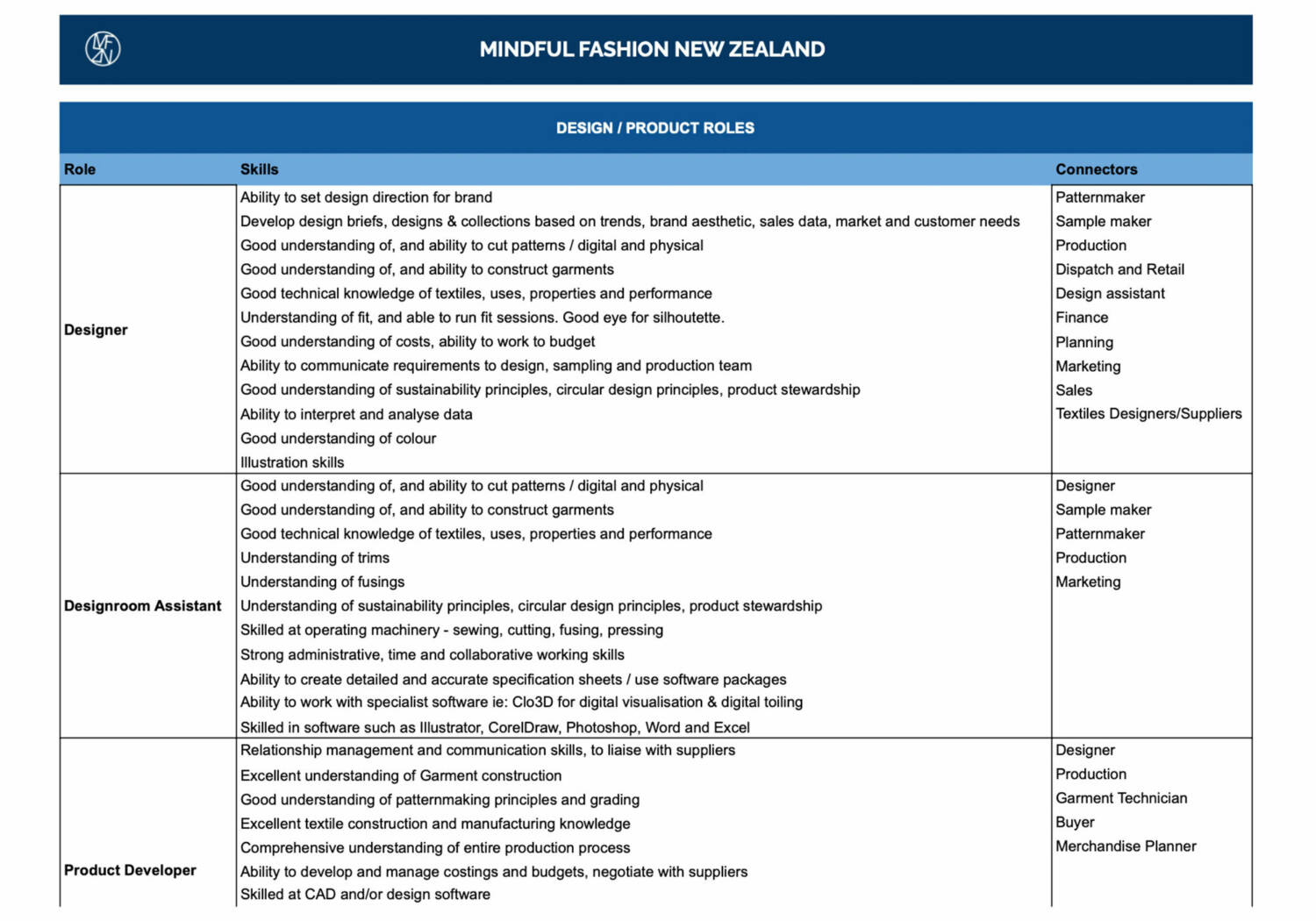
The Fashion & Textiles Skills Framework is an industry first for New Zealand. Created and validated by the industry, the framework is a matrix overview of the broad range of roles and skills within Aotearoa New Zealand’s fashion and textile industry.
Who can use the Skills Framework?
Are you a recruiter?
Are you an educator, a student, a graduate?
Do you want to change careers or return to the industry?
Are you starting a business in the clothing and textiles industry?
View the PDF or download the Excel spreadsheet for your own use.
This framework is by no means conclusive, and we welcome further engagement with industry to build on this over time. Please contact us with any suggestions.
Threads of Tomorrow Report
Crafting the Future of Aotearoa New Zealand’s Fashion, Clothing and Textiles Landscape
Fashion & Textiles commissioned EY New Zealand to examine, for the first time, the sizeable economic and cultural contribution New Zealand’s Fashion, Clothing and Textile Industry (NZFCTI) makes to Aotearoa New Zealand.
Threads of Tomorrow is the result, a landmark report that demonstrates the industry’s value and presents a bold vision and action plan for New Zealand’s Fashion, Clothing and Textile Industry to reach a thriving and circular future.
Aotearoa New Zealand’s fashion, clothing and textile industry has significant value. It is an important part of our economy, our culture and our communities. However, the industry is facing challenges that must be addressed to ensure it not only continues to survive, but thrives.
Economic contribution
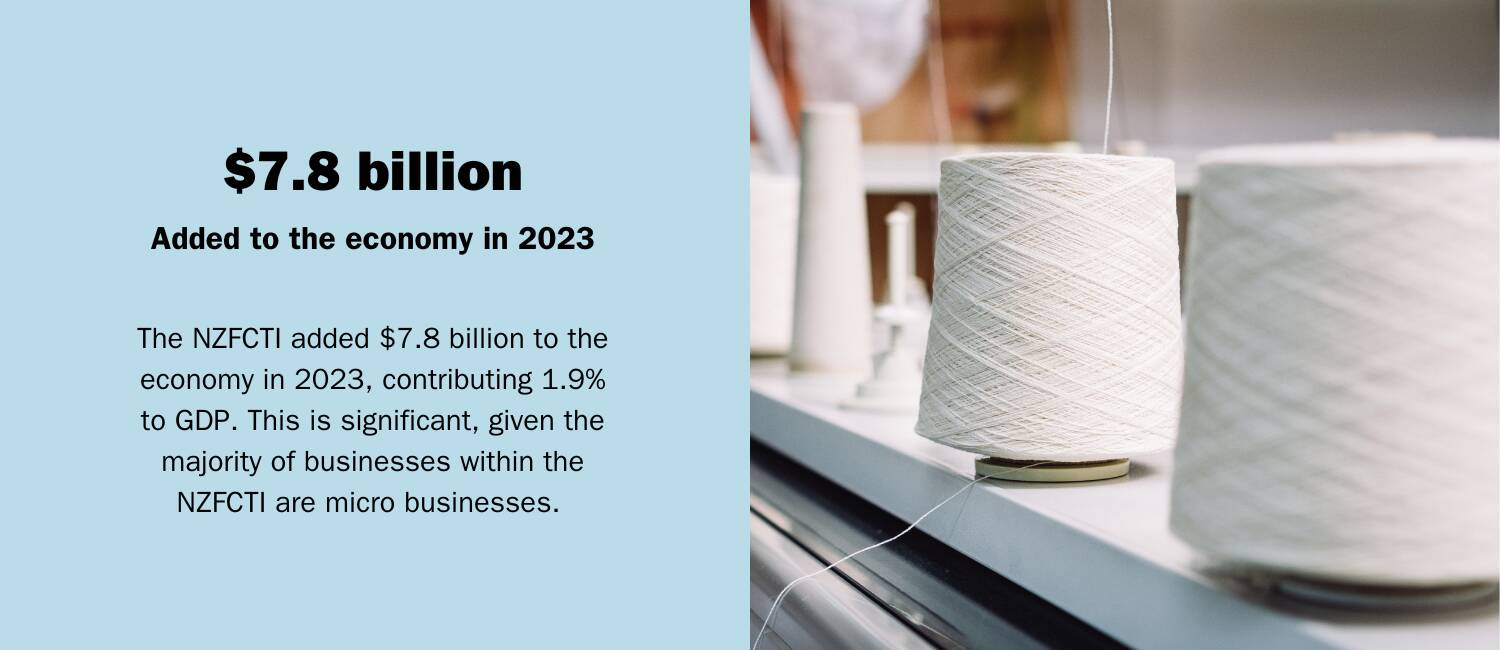
Employment contribution
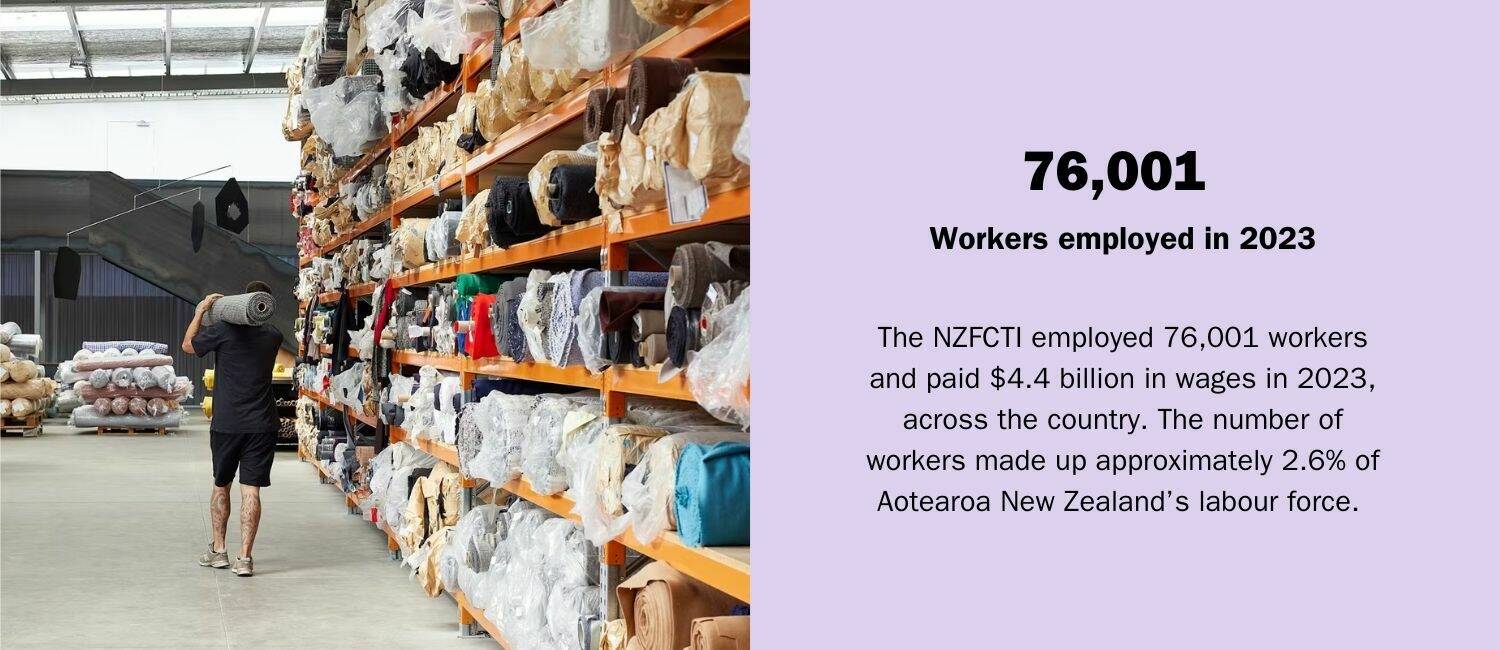
Women are integral to success
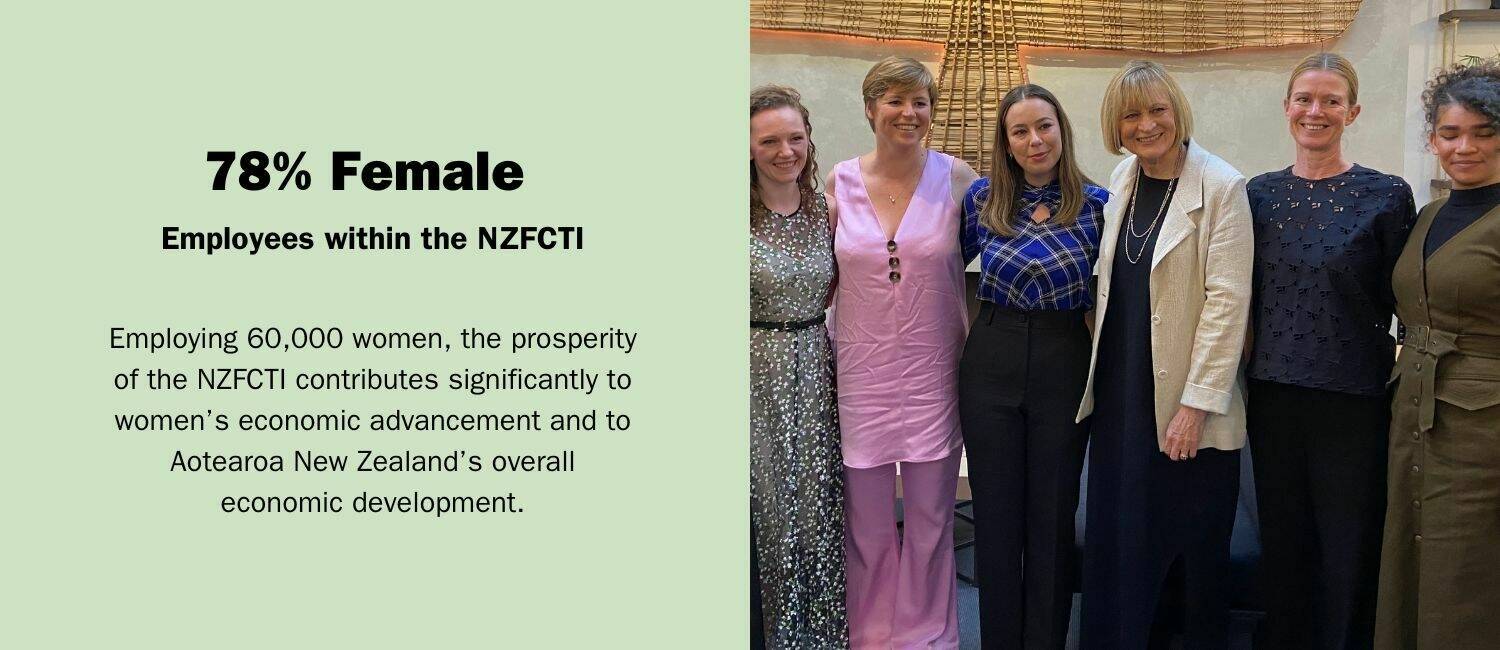
“With a clear roadmap for the future laid out in the report, Fashion & Textiles NZ is calling on the government to engage with the industry on the recommendations, which have significant potential to stimulate economic activity, boost the sector’s contribution to the country, and demonstrate the wider benefits a thriving industry can bring.”
Jacinta FitzGerald, MFNZ Chief Executive
Desired Future
The report presents the case for change, highlights the significant challenges the industry is facing and suggests how the opportunities for growth and development can be realised. It makes a strong case for ambitious action and proposes a bold vision, developed in conjunction with industry stakeholders, for the future:
A thriving and circular clothing and textile industry for Aotearoa New Zealand that meets the needs of people, nature and business.
The report illustrates how these opportunities can be realised with 15 recommendations across four action areas provided which are designed to guide industry collaboration over the next few years.
Taken together these actions are designed to boost the industry’s contribution to Aotearoa New Zealand and guide the industry and all stakeholders on the path towards reaching a thriving and circular future.
“The industry in Aotearoa is at a critical turning point. What is clear is that to successfully transform the industry, we all need to work together. No one organisation alone can change the system, but by working together we can create an industry that’s future-focused and that we’re all proud to be part of.”
Juliette Hogan, Fashion Designer and Fashion & Textiles Board Chair.
Action Areas
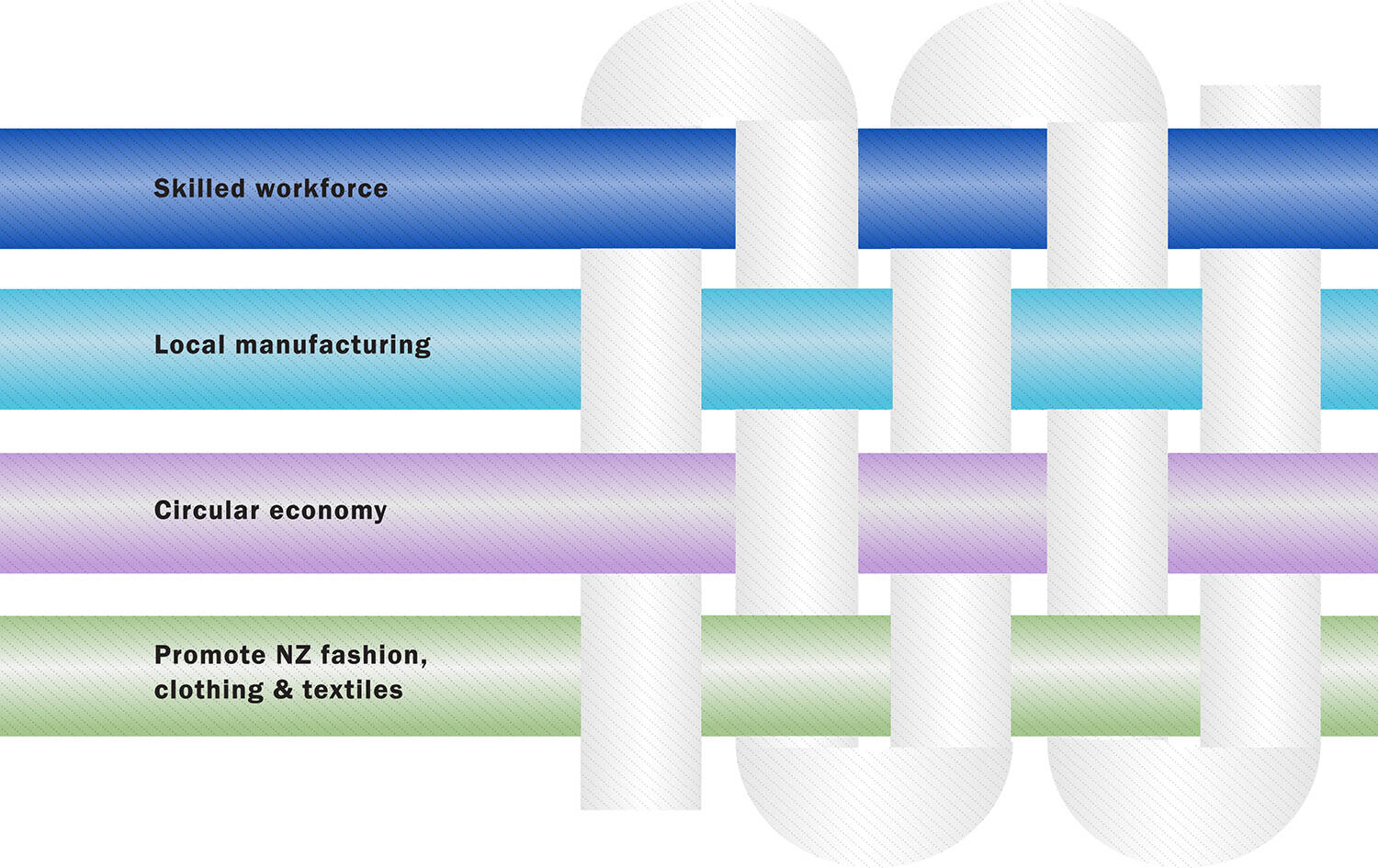
Next steps
This report comes at a critical moment in time. It is a call to action for the industry and it's stakeholders to play an active role in these initiatives to realise a thriving future for all.
Fashion & Textiles urges investors, philanthropists and industry stakeholders to connect with us and get involved. We ask the government to work with us to incentivise and scale the opportunities in this report.
We call on the support and influence of businesses in the Aotearoa New Zealand fashion, clothing and textile industry to show leadership and get involved.By collaborating we can truly unlock these opportunities, grow a thriving industry and contribute to the future prosperity of New Zealand. With businesses, industry bodies and Government coming together we can reach a thriving and circular future for Aotearoa New Zealand’s fashion, clothing and textile industry.
Join us.
New Zealand Fashion and Textile Industry Skills Landscape White paper
Do we have the skilled workforce needed to support a thriving fashion and textiles industry in Aotearoa New Zealand?
That’s the question Fashion & Textiles set out to answer with this project. In collaboration with members of NZ’s fashion and textile industry and the sector's tertiary education providers, Fashion & Textiles has built a comprehensive picture of the skills landscape across the industry in Aotearoa New Zealand.
This paper presents a summary of findings based on analysis of stakeholder interviews, outlining gaps and opportunities and presenting recommendations for workforce, education and pathway planning.
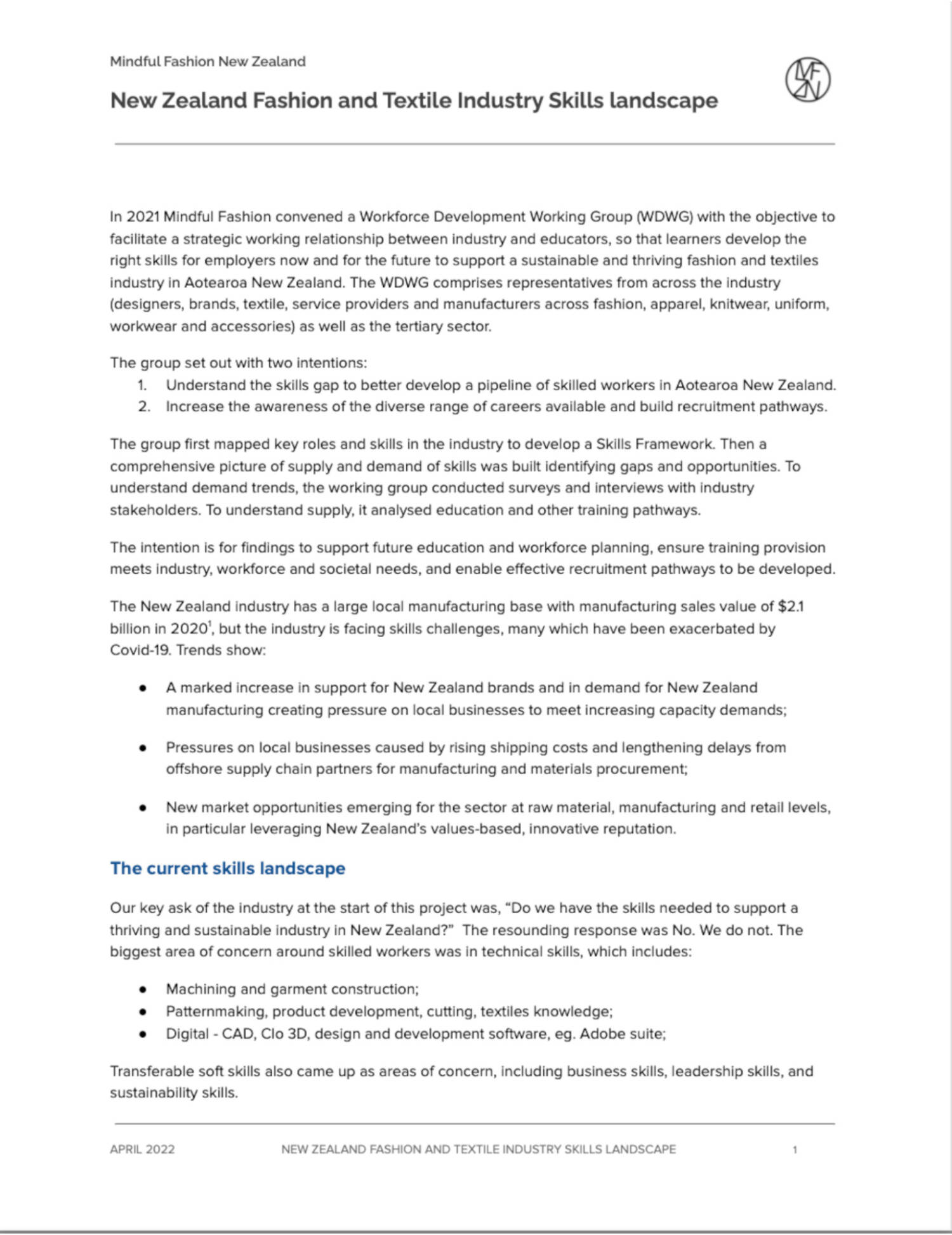
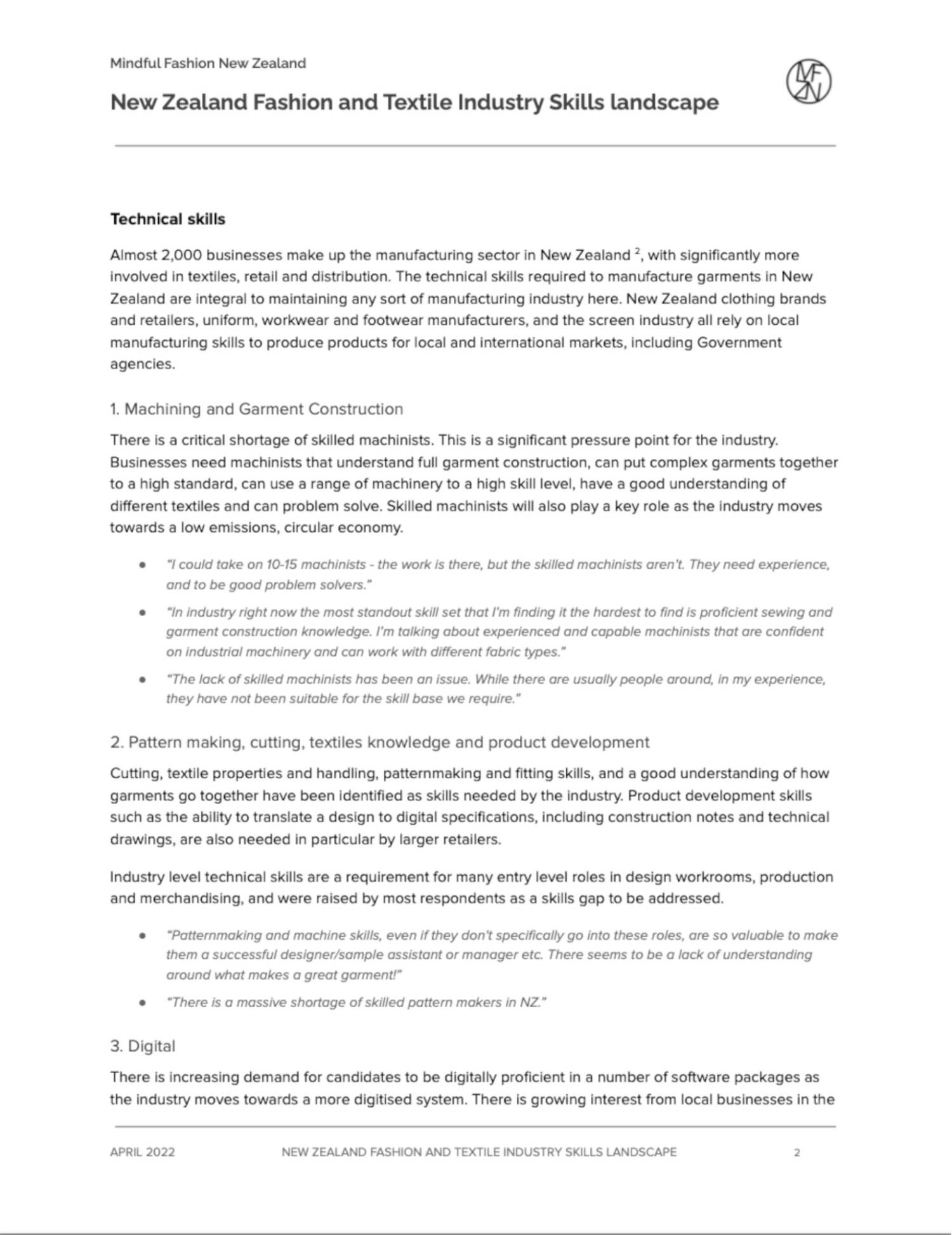
Background
Fibre is a strategic yet underdeveloped part of New Zealand’s bioeconomy. Food and fibre have long been approached together in New Zealand’s primary industries, but they create vastly different end products and value pathways. While food is fast moving and perishable, fibre products are enduring, creating potential to drive innovation and open markets in textiles, composites and other materials while embedding Aotearoa's unique identity.
Categories

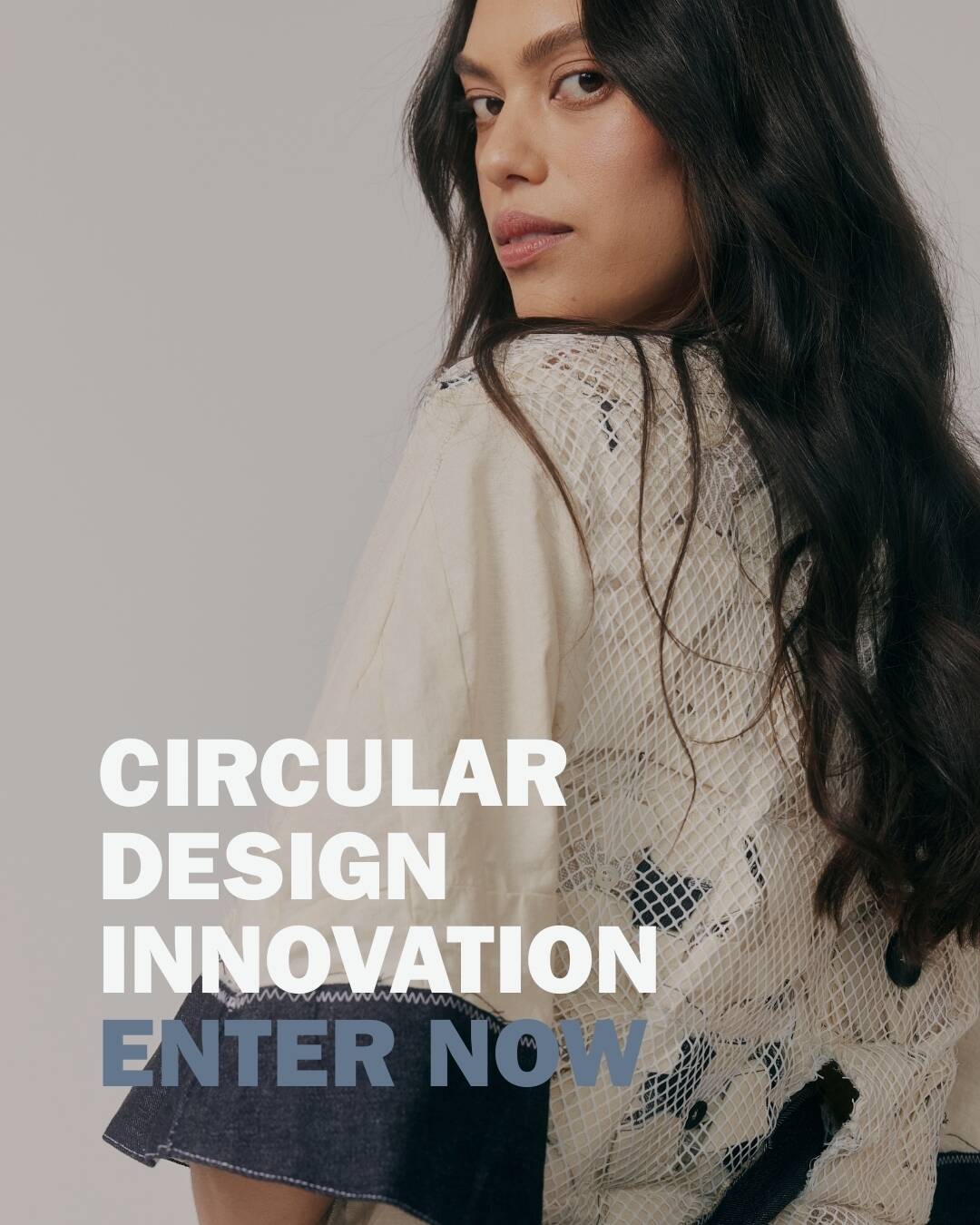
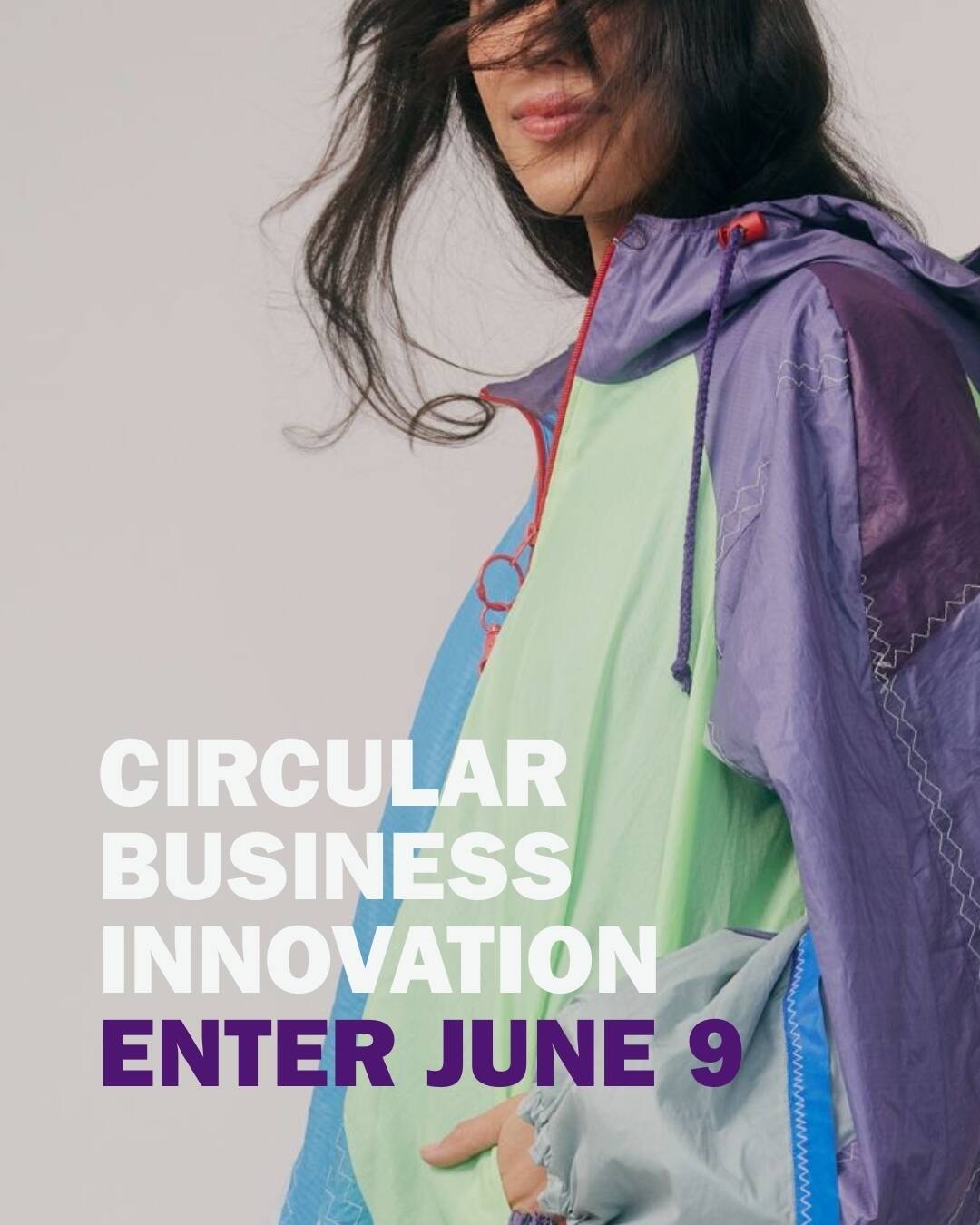
Standard Issue | Care For Life
Fashion & Textiles's Sustainability Spotlights showcase initiatives from our members that advance circular and sustainable clothing and textiles. If you have a sustainability initiative to share get in touch.
This month we caught up with Standard Issue CEO Emma Ensor who tells us about the brands Care for Life initiative that focuses on the longevity of wool and keeping garments in use.
Care for Life Service
Standard Issue designs its collections with a circular life cycle in mind. The environmental footprint of each garment is looked at across its life, and this informs the brand's design process from the beginning. It prioritises the use of natural fibres to ensure the end-of-life options are as low impact as possible, its products are made locally in Aotearoa using a production process designed to minimise waste, and the brand engages with its customers on the best pathway for their garments once they have reached the end of their useful life.
The Initiative
Standard Issue provides a range of options to its community once a garment is damaged, no longer wanted by the customer or reaches the end of its life.
How it came about
Through a thorough waste audit of the entire business, Standard Issue recognised it had a responsibility for the full life of the products it makes. CEO Emma Ensor had a desire to ensure the business cared for its products once they were in the hands of customers - and beyond, so the brand made a promise - to ensure that everything in the business is reviewed as part of their zero-waste policy and to care for the full life of the garments it produces. This inspired the brand to develop its Care For Life service in 2020.
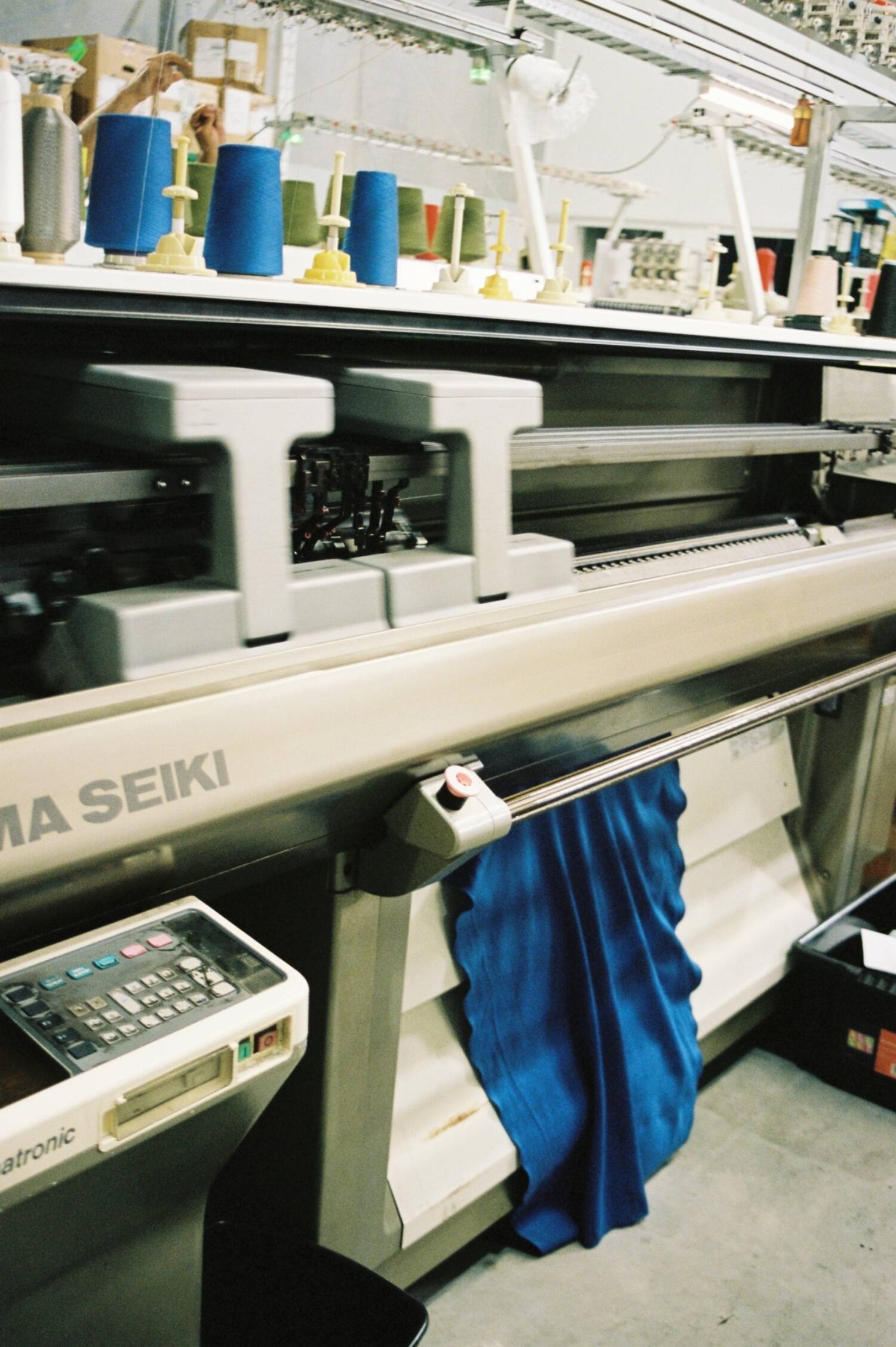
Care For Life
Renew: If it's mendable Standard Issue will help mend it through its skilled team of menders.
Reuse: If it needs a new home/life Standard Issue will help rehome it.
Repurpose: If it reaches the end of its useful life, Standard Issue works with a New Zealand-based textile recycling company that repurposes raw, waste materials into household and commercial textile products.
Emma says, ‘Through Care For Life, we are taking responsibility as a brand, and the customers learn that they are also part of the system.’
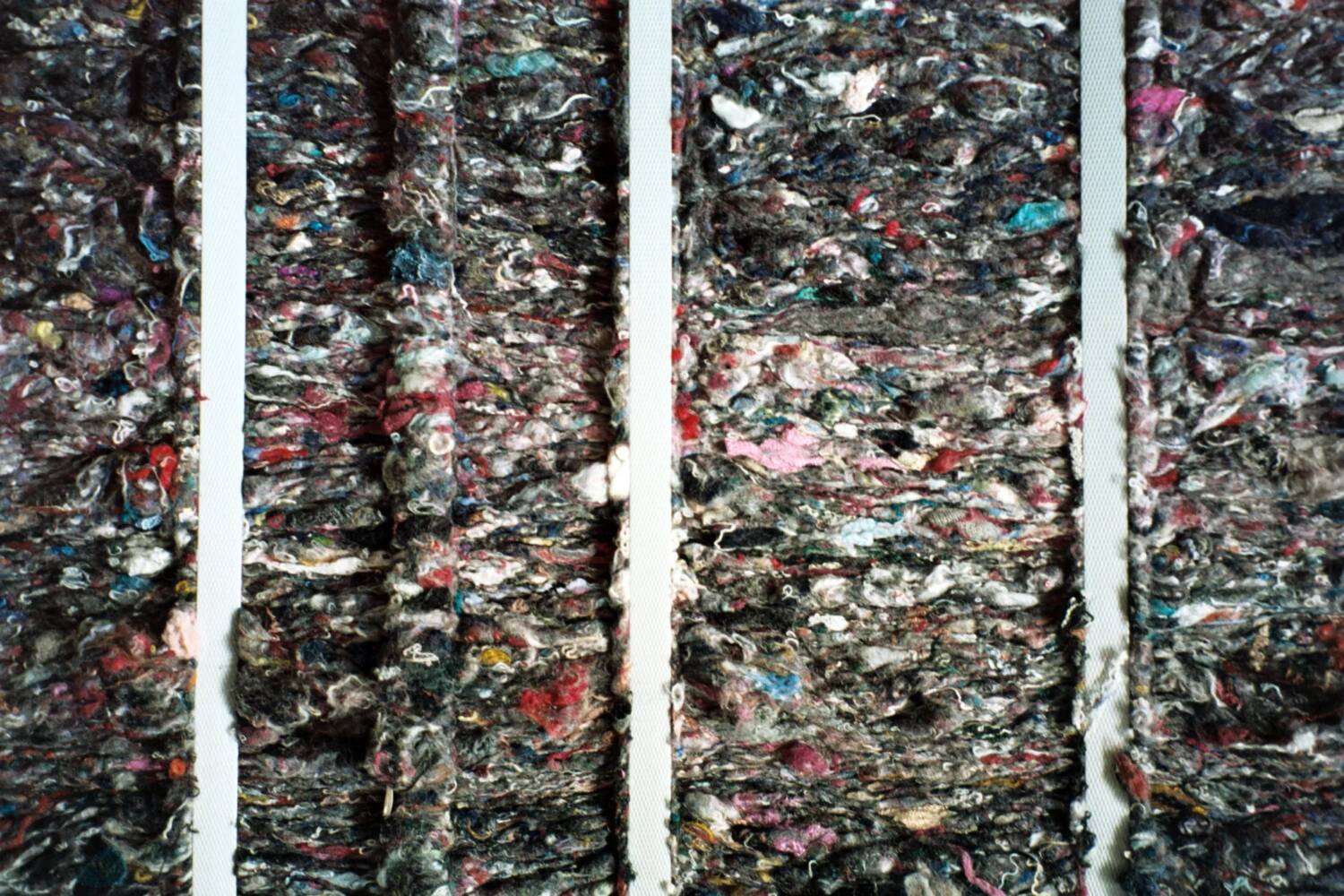
Educating Customers
Standard Issue’s Care For Life service encourages customers to learn how to care for their garments. It gives customers an understanding of where and how their clothes are made, what is involved in repair and reuse pathways, as well as how textiles can be repurposed into products other than clothing.
Even the smallest holes can stop someone from wearing something, so using the Standard Issue Care For Life service is an easy way to keep clothes in use for longer.
Staff are an active part of the programme and work closely with customers to discuss the best care options.
Emma says, ‘It's quite amazing how some customers have been holding onto pieces for over 10 years because they have been wanting to fix it and didn't want to let it go because of a small hole!’
Its Impact
Standard Issues Care For Life service encourages its community to engage in conversations about how to increase the lifespan of clothing and reduce environmental impact by buying better, investing in quality, care and repair and reducing waste.
It also provides the brand with a lot of useful information about the use and life of its products once they are in the hands of customers, which can feed into future product design.
Lenzing Presentation
Lenzing is a sustainable fibre producer, manufacturing a range of fibres including Tencel and EcoVero from certified sustainable forestry sources. Lenzing representatives talked about what makes their product unique, their sourcing practices and certifications, carbon reduction strategy and chain of custody system, and how brands and textile suppliers can communicate their use of Lenzing fibres.
Lenzing can be contacted at:
- Ajeng Mahanani | a.retnomahanani@pt-spv.com (fibres and sourcing)
- Ngudi Fadhol | ngudi.nugroho@pt-spv.com (technical)
- Tania Mariam | m.tania@pt-spv.com (communications)
Strategic Funding Partner
Future of Fibre Aotearoa is supported by AGMARDT through a collaborative partnership grant.
AGMARDT, the Agricultural and Marketing Research and Development Trust, supports research and development that creates value for New Zealand’s primary sector. Its Common Ground initiative supports collaborative pilots that address shared challenges and opportunities across New Zealand food and fibre.
The Goal
Future of Fibre Aotearoa will connect the ecosystem, identify gaps and opportunities, and pilot new models for innovation, capability building, and market access. We envisage fibre as a strategic national asset, capable of delivering economic, environmental, cultural, and social value.
Year 1: Foundations
● Ecosystem Mapping - to understand and define fibre positioning, challenges, opportunities.
● Threads of Tomorrow Summit - industry engagement, roadmap & pilot planning.
● Foundational Fibre Report - comprehensive analysis of current state and potential.
Year 2: Activation (to be confirmed)
● Fibre Action Plan co-created with industry
● Digital Fibre Platform
● Pilot Projects
Woolsource

Wool Source® is transforming pure New Zealand wool into biobased colourants for screen printing inks. Its ground-breaking Wool Source Pigments™ provide a high-performing, renewable alternative to traditional synthetic and fossil-fuel derived pigments. Mixing well in standard ink bases, brands now have an eco-conscious choice to make their screen prints pop.
Untouched World | Repair Workshops
Fashion & Textiles's Sustainability Spotlights showcase initiatives from our members that advance circular and sustainable clothing and textiles. If you have a sustainability initiative to share get in touch.
This month we caught up with Development Manager Fiona Bretherton from Untouched World who shared one of the sustainability initiatives they are currently working on.
The Initiative
In July 2023 Untouched World launched its interactive in-store mending and repair workshops. This initiative is part of the brand's circularity efforts and builds on its commitment to keeping its garments in use for longer, ensuring they continue to be worn and loved!
Mastering Skills
Untouched World’s skilled team of artisans based in its workroom in Christchurch, have mastered the art and technical skills of mending and will be sharing these skills with its community. Once a month, Untouched World’s Production Manager Fi will be based in the brands Christchurch store offering an onsite mending service and sharing best care practice, ways to mend at home, and any other tips and advice on how to keep garments looking good for longer.
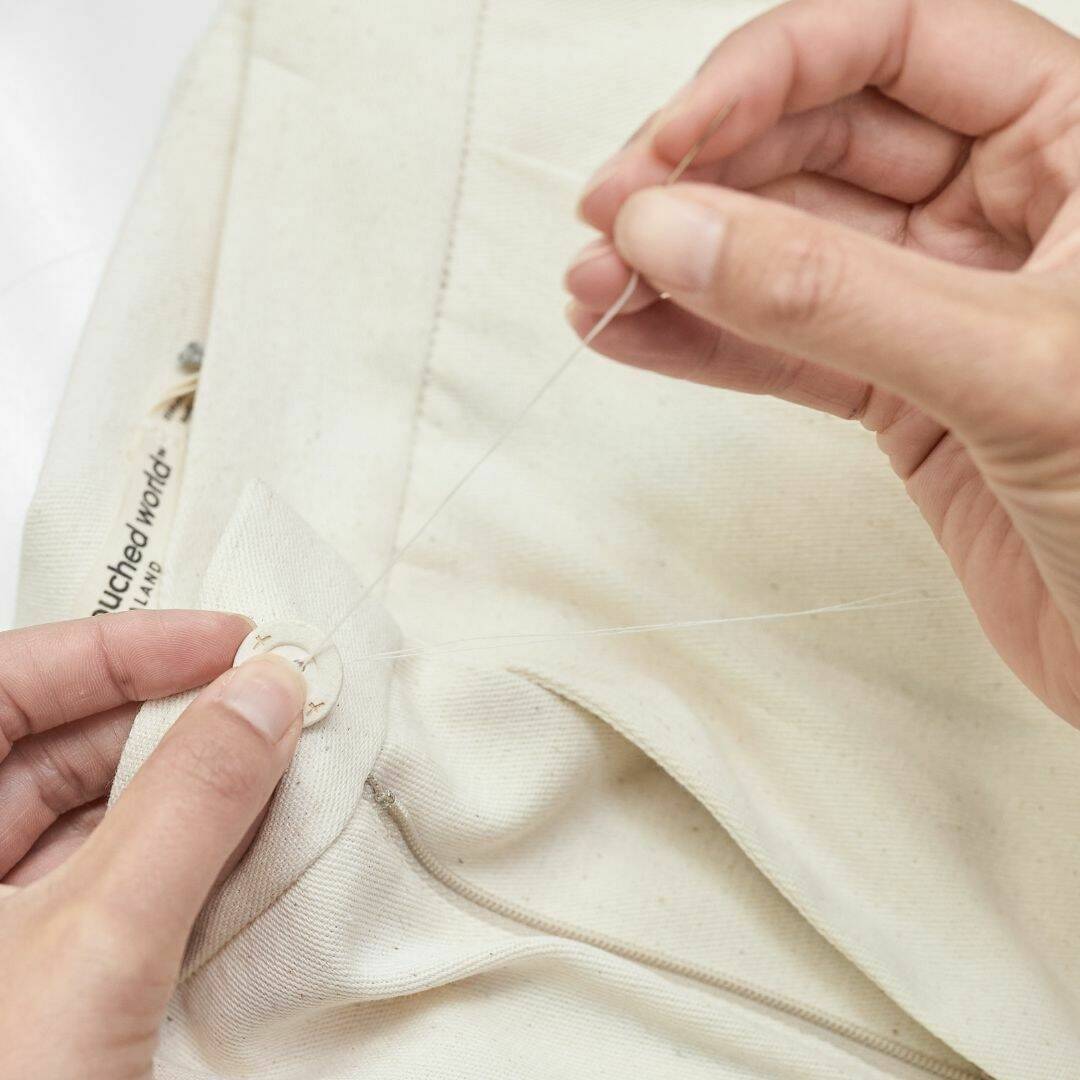
How to Get Involved
Untouched World welcomes anyone to go in and meet Fi, learn a skill, and learn how to get the most out of their garments from 10:30am - 12:30pm on the first Monday of every month.
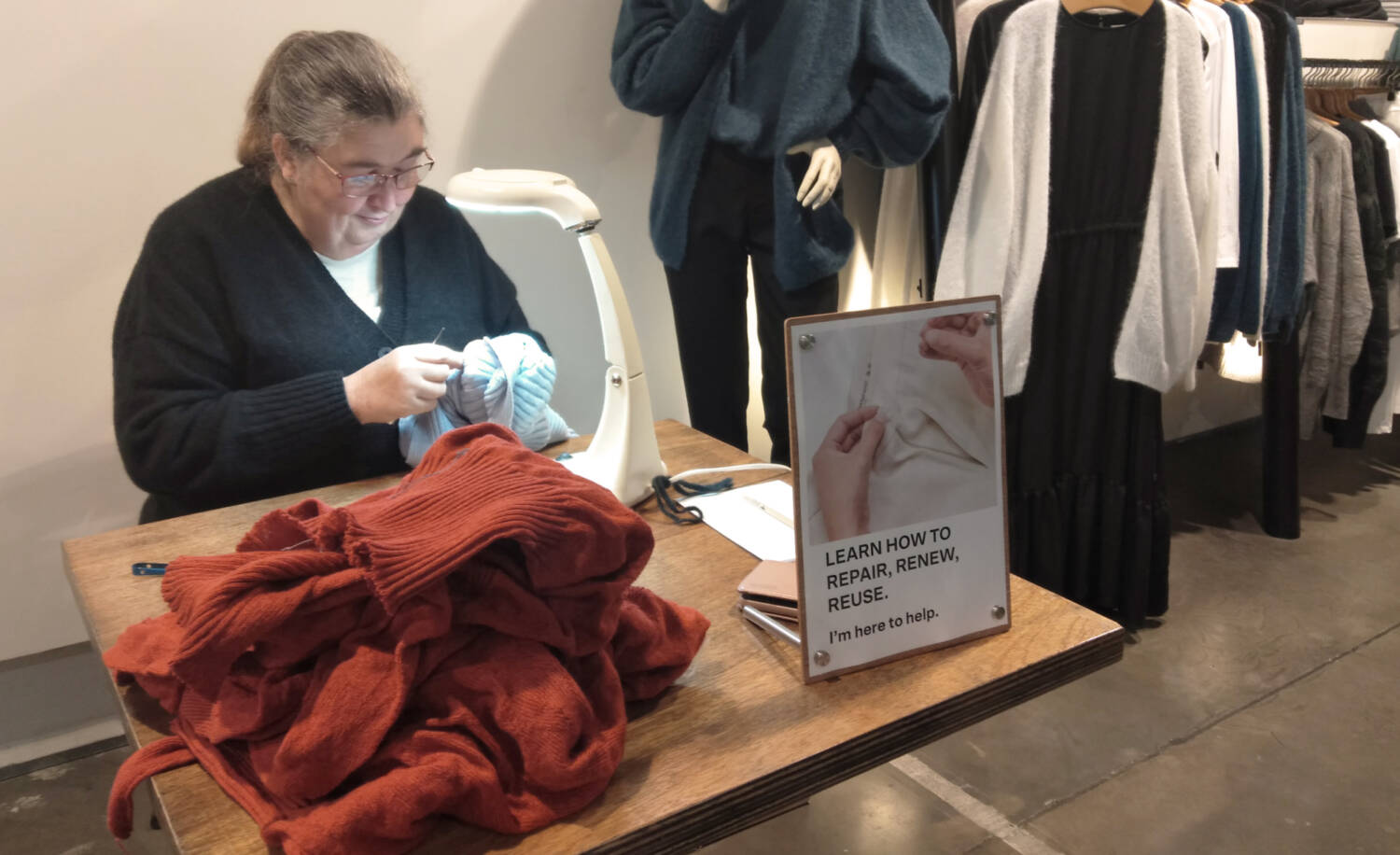
Its Impacts
Exploring creative ways to connect with its community and share its own expertise for garment care and repair with customers helps Untouched World build a closer connection between the wearer and its garments. We love that Untouched World is considering its obligations and responsibilities for the full life of the products it makes, and using this as a platform to inspire and educate its customers and community.
Fashion & Textiles presents: Building Brands for a Better Future
A conversation about new models of sustainability.
Hear from Panellists:
- Jessie Wong - Founder and CEO, YuMei
- Elisha Watson - Founder and CEO, Nisa
- Emma Ensor - part owner and CEO, Standard Issue
- Bobby Campbell Luke - designer and founder Campbell Luke
- Facilitated by Simon Pound
Watch the recorded session here.
It's imperative for anyone starting a business today to consider holistic sustainability principles at the core of their business. This seminar is designed to spark ideas for both emerging and established brands.
An holistic approach to sustainability considers the deeper purpose of a business, and all the elements that a business engages with - social, cultural, natural and economic. It's about responsible production and consumption, about product design and so much more. Come along and hear from some of New Zealand’s leading innovative brands about how they foster sustainability and work towards a just and inclusive fashion system. No one should launch a brand today without these principles at their core.
This conversation will look at what an holistic approach looks like from a number of different perspectives and will be valuable for anyone with an interest in sustainability, fashion and using business for good.
This event was held on Tuesday 29th March at 6.30pm
Wynn Hamlyn x Fashion & Textiles Black T
Inter-Weave
Weaving New Zealand into the world, Inter-Weave is New Zealand's only remaining manufacturer of high-end commercial and residential upholstery fabrics, wool homewares, and apparel. Founded in Auckland in 1978, the company sits at the heart of the fibre-to-fabric value chain, a living example of what locally rooted, end-to-end textile manufacturing looks like in practice.
Almost every product begins with New Zealand wool, grown on local farms and processed entirely within the country. The yarn is then dyed, woven, and finished entirely within the country at Inter-Weave's semi-vertical manufacturing facility in Auckland.
With 50 years of experience, the company serves clients across New Zealand, and throughout the world, spanning commercial upholstery, hospitality, transport fabric, and homewares. Their work is guided by a belief that natural fibres, made responsibly and designed with intention, represent the long-term future of sustainable textiles.
Inter-Weave holds Toitu Enviromark Diamond certification, maintained for 15 consecutive years, and continues to champion New Zealand wool as a world-class, traceable, and genuinely sustainable material.
Deane Apparel | Advancing Circular Business Models
Fashion & Textiles's Sustainability Spotlights showcase initiatives from our community and members that advance circular and sustainable clothing and textiles.
This month we feature our Circular Design Award partner Deane Apparel. We caught up with Sonya Flynn, Head of Product & Design who told us about the company's circularity principles and how these show up in real life, such as customer-specific pre-loved programmes to keep garments in circulation for longer and enabling re-purpose through not-for-profit partnerships.
Deane Apparel
Deane Apparel designs manufactures and distributes uniforms for some of Australia and New Zealand’s biggest corporations, including banks, airlines, fast food chains and healthcare services.
The Challenge
Quality is a cornerstone of a Deane garment. Quality is engineered through a robust fabric selection process (using lab and in-field trials), construction techniques and hard-wearing trims.
However, whilst Deane Apparel feels confident about the durability of its garments, it is still challenged by the industry-wide problem of what to do with its products at the end of their usable life to avoid creating waste. Deane believes that where its clothes end up is just as important as where they came from.
To tackle this Deane are taking a multi-faceted approach, working on solutions at the design stage, at the use stage and at the end of life.
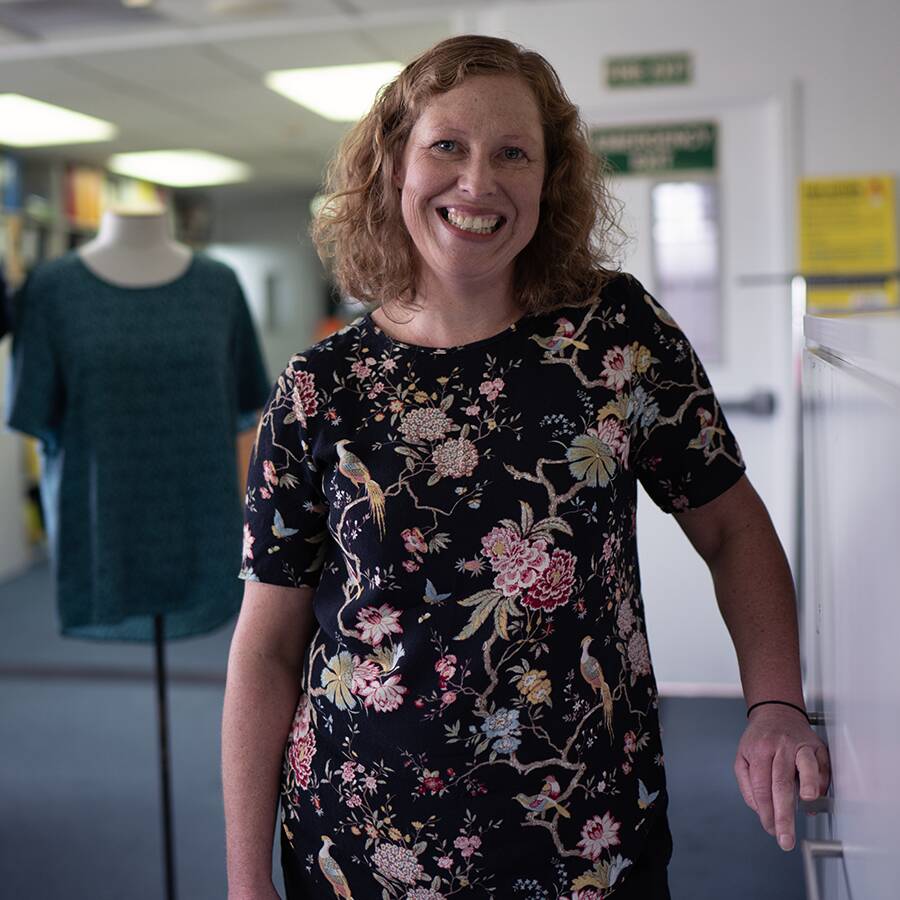
The Initiatives
Design Led
Deane’s goal is to design with the end-of-life in mind. Ideally this means only using fabrics that can be recycled, and designing out the decommissioning process altogether so garments can go directly to recycling, resulting in 100% resource recovery.
For the last year, Deane’s Technical Team have worked closely with BlockTexx, an Australasian textile recycler, to review its common fabrics and trims and identify components which can’t be processed. Sonya says it’s slow going but the work to date has meant that its latest design project for a well-known fast food restaurant includes changes such as moving away from an elastane blended fabric which can’t go through the process, moving to embroidery rather than a print, using 100% PET buttons and using a lighter weight collar fusing.
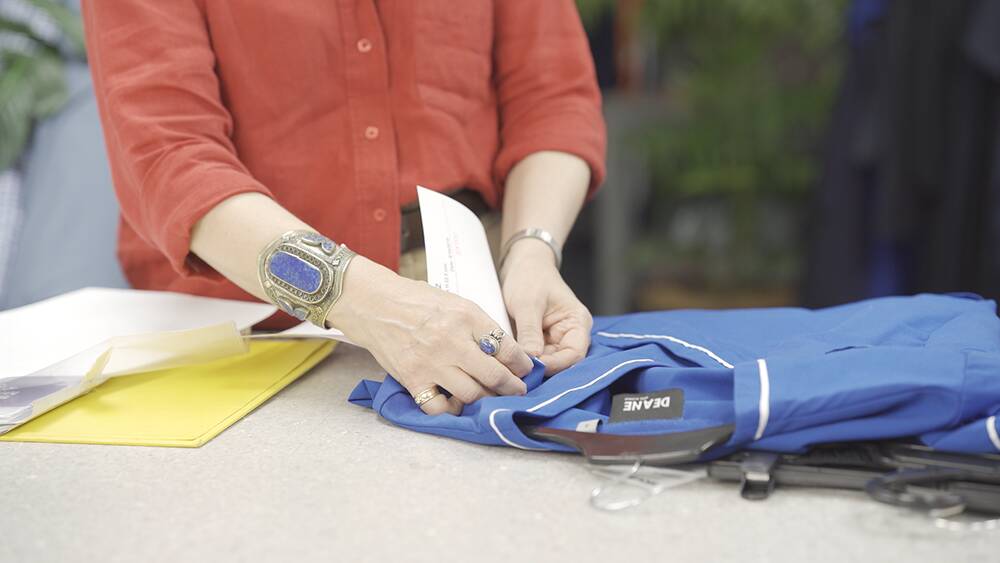
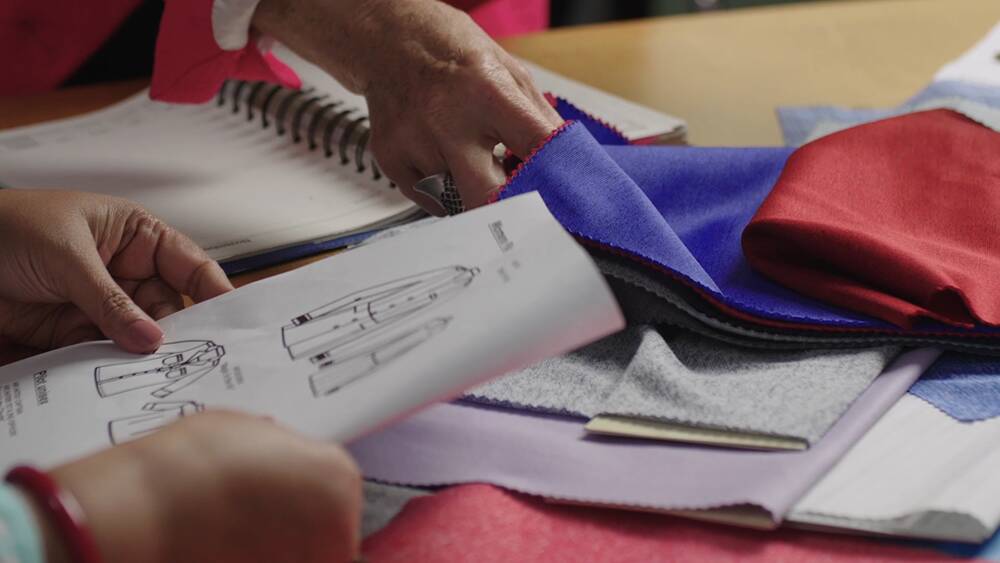
- Extending a garment’s life
In line with its circularity principles, Deane Apparel offer alternatives to keep its uniforms in circulation for longer. This includes customer-specific pre-loved programmes, where Deane takes back used uniforms and either re-sells them or enables them to be re-purposed through partnerships with not-for-profit organisations. This requires careful consideration and some de-commissioning work, because used uniforms often include company branding which for proprietary reasons cannot be circulated in the re-use market.
Repurpose + Technology
Deane has established a partnership with Blocktexx, an Australian-based clean technology company that offer the world-first S.O.F.T. (separation of fibre technology) process which takes cotton and polyester textile waste and turns it into high-grade cellulose powder and rPET pellets that can be used for a range of industrial and manufacturing applications.
By working closely with end of life re-processor BlockTexx, Deane are starting to incorporate these learnings into their design process to make the decommissioning and end of life material recovery more cost effective and viable.
Find out more about Deane's approach to sustainability and circularity here.
Ka pai Deane, we’re proud to have such an innovative sustainability focussed business as a sponsor of our Circular Design Awards 2023.
Loveblock | Grown with Love, Made with Care
Fashion & Textiles's Sustainability Spotlights showcase initiatives from our community and members that advance circular and sustainable business.
Through the Fashion & Textiles Circular Design Awards, we partner with aligned businesses to help bring the Awards to life.
Circular Design Award 2023 partner Loveblock is dedicated to organic grape growing and sustainable winemaking methods which aligns with our principles of circular and sustainable business.
Loveblock
The philosophy of owners Kim and Erica Crawford is based on the principles of leaving the land in a better way than when they started. At Loveblock they do this by removing chemicals and additives throughout the process, and reducing emissions from production and transport, resulting in quality wine that is true to its terroir that has less impact on the land and the grapes.
Principles of Loveblock’s sustainable approach to business.
Organic Farming
Loveblock considers sustainability holistically across the business from soil to bottle, and organic farming is at the heart of its approach.
Loveblock is Certified Organic (Biogro), and accredited Sustainable (NZ Winegrowers Sustainable System).
Biodiversity
Healthy soil is essential for healthy vines. Cover crops are planted between vine rows at Loveblock to provide nutrients, manage vine growth, attract beneficial insects, and avoid erosion. To build organic matter in the soil, Loveblock also utilises compost, which includes grape pomace reclaimed from the winery. Compost offers a healthy environment in which nutrients may be held and maintained in the soil, as well as water may be absorbed and held.
Closed-loop
Loveblock’s vineyards operate on a closed-loop system, meaning the business uses what it has available and minimises what is brought in. For instance, broken vineyard posts are repurposed to serve as general farm posts or reused for other purposes.
Grow guards protect young vines from the elements and until recently, plastic guards were most commonly used. Now Loveblock removes old and damaged wire from the guards so that it can be recycled and has since moved to sturdy cardboard guards which are easily recyclable.
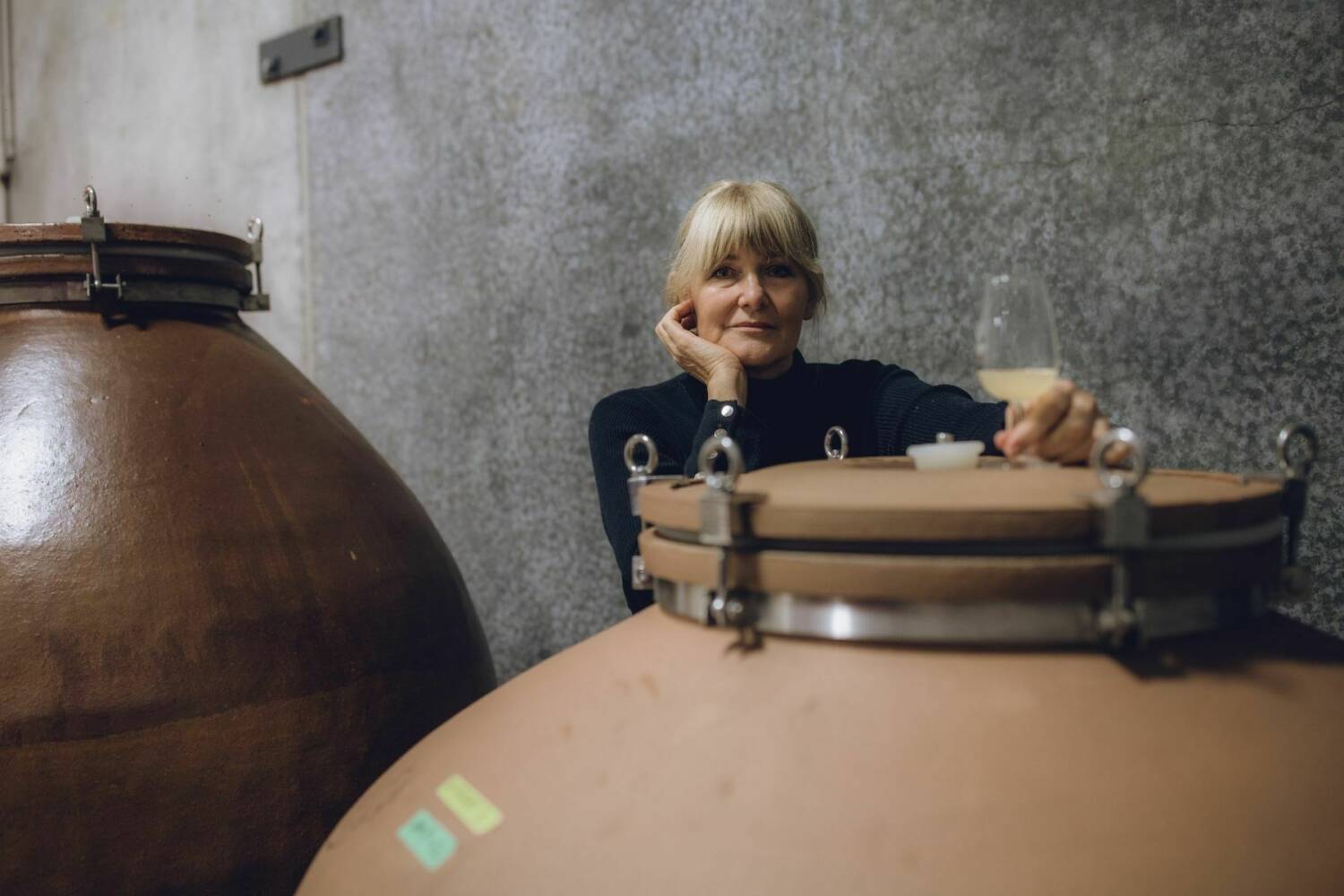
Efficiency
Many advances have been made in fuel and carbon-efficient farming equipment. Loveblock has invested in modern tractors that are not only carbon and fuel-efficient, they also provide comfort and maximum protection to the driver who spends many hours in the seat.
Heavy bottles have traditionally been viewed as an indicator of wine quality, whether real or perceived, and are mostly imported.
Loveblock has designed a much lighter bottle that is made locally here in NZ from 68% recycled glass. It requires less packaging material, and using a NZ made bottle eliminates the emissions generated from freighting empty bottles across the ocean, resulting in carbon savings of around 15% for a bottle of Loveblock wine.
Proud partner
Loveblock shares Fashion & Textiles's values of sustainability with an holistic circular approach to business, and we are proud they are a partner of the Fashion & Textiles Circular Design Award 2023.
Organiser
The Circular Design Award is organised by Fashion & Textiles New Zealand.
At Fashion & Textiles our mission is to create an innovative, full-circle and thriving future for the fashion and textiles industry in New Zealand. This means changing the way products are designed, made, used and circulated to keep valuable materials in use and out of landfill.
Advancing a Circular Economy for fashion and textiles in Aotearoa New Zealand is one of our three work-streams at Fashion & Textiles. We work with a wide range of businesses and industry stakeholders to educate, promote and facilitate circular solutions that keep materials in use, and enable circular models that create economic value to reduce reliance on virgin materials and create value for New Zealanders and New Zealand businesses.
Find out more about our work and our organisation here.
Wool Yarns

Woolyarns Limited is New Zealand’s leading woollen yarn spinner, producing yarns for commercial knitting and weaving at scale. As a Toitū Gold certified company, we are committed to responsible production and the long-term value of natural fibres.
We work closely with growers and customers from fibre sourcing through to production, delivering a reliable supply for commercial programmes.
Alongside this, Woolyarns has developed Perino, a premium yarn brand blending fine New Zealand merino, cashmere, cotton, brushtail possum down, and silk. Designed for designers and high-end knitwear, Perino offers a balance of performance, softness, and flexibility, supported by a stock service for sample development.
NZ Cashmere represents the future of ethical luxury fibre in New Zealand. Currently in development, the initiative focuses on partnering with local growers and building a transparent, sustainable supply of cashmere fibre for the next generation of yarns.
Together, these initiatives reflect Woolyarns’ commitment to innovation, sustainability, and the enduring value of natural fibres. |
UNEP and UN Climate Change: The Sustainable Fashion Communication Playbook
The Sustainable Fashion Communication Playbook acknowledges the cultural influence the fashion sector has through its storytelling and visual language. It presents the need to direct such efforts towards sustainable and circular solutions as a creative opportunity and provides a much-needed framework when policies around how to communicate environmental claims increasingly come into force.
The Playbook shows how fashion communicators, marketers, brand managers, image-makers, media, influencers and beyond can help advance towards the Paris Agreement and Sustainable Development Goals through:
- Countering misinformation
- Reducing messages perpetuating overconsumption
- Redirecting aspiration to more sustainable lifestyles
- Empowering consumers to demand greater action from businesses and policymakers.
Advisors
The Circular Design Award Advisors have helped guide the development of the Award programme.

Jennifer Whitty | Associate Professor of Design
Trained at the Royal College of Art, London, Limerick School of Art and Design and the National College of Art, Dublin, she has worked in a key capacity as educator and designer in many leading design programmes and companies across the globe - USA, Europe, Asia and Australasia. Jennifer publishes and exhibits widely on fashion and sustainability in both academic and popular media, working with various global clients including Conde Nast, Future Learn, and the United Nations.

Johnnie Freeland | Ngaati Te Ata Waiohua, Ngai Tūhoe
He brings together more than 30 years’ knowledge and lived experience of serving community and in guiding and navigating a range of Iwi, Māori community and public sector organisations in working to achieve better outcomes with Māori. He utilises mātauranga Māori in designing Oranga Motuhake/well-being pathways, with whānau, hapū, iwi and organisations.
Johnnie has helped navigate a whakapapa centred response to climate change within Tāmaki Makaurau, through the Tāmaki Makaurau Mana Whenua Forum. In partnering with the Auckland Council, together they worked to harness the benefits of drawing on mātauranga Māori knowledge and western science to navigate a way forward for Tāmaki Makaurau Auckland through the co-development of Te Tāruke-a-Tawhiri – Auckland’s Climate Plan.

Christina Dean | Redress
Founded in 2007, Redress is a pioneering Hong Kong based NGO working to reduce textile waste and promote environmental sustainability in the fashion industry. It runs a variety of dynamic programmes which work to minimise the negative impacts of fashion, whilst promoting innovative new models and driving growth towards a more sustainable industry via the circular economy. Working directly with a wide range of stakeholders, including designers, manufacturers, brands, educational bodies, government and consumers, Redress aims to create lasting environmental change in fashion.
Through its work Redress educates and inspires the next wave of designers coming through with the global Redress Design Awards.
Why Circular?
Waste
Globally each year millions of tonnes of clothes are produced, worn, and thrown away, with more than 85% ending up in landfill. In Aotearoa New Zealand, approximately 74,000 tonnes of clothing are consumed each year, and every year 52,000 tonnes are sent to landfill. Auckland's Redvale landfill alone receives 70 trucks of clothing waste each week, and this mountain continues to grow.
Of the 3.25 billion tonnes of materials the industry consumes each year, over 99% come from virgin sources. Synthetic fibres like polyester, derived from fossil fuels, make up 70%. Keeping materials in use reduces demand for virgin materials, helping humanity to work within planetary boundaries.
Emissions
Moving to a circular fashion system has the potential to reduce emissions by one-third as reported in Threads of Tomorrow.
The 2024 Circularity Gap Report Textiles states that increasing global textiles circularity to 17% (from 0.3%) could help to limit global warming to 2-degrees, underscoring the importance of circular strategies such as repair, reuse and recycling in reducing resource use and emissions.
Community Building and Resilience
Building skills and resource circulation locally creates a pathway for economic benefits for local communities and businesses, and reduces the burden on our environment.
Textiles are Valuable
Textiles are valuable resources that should not become waste. Fashion is a powerful tool that can lead change, so we want to harness this power to drive forward a circular and regenerative fashion and textiles industry.
It starts with how we design our products, materials and business models.
Around 80% of a product’s impact is determined at the design stage which means decisions made at the design stage are crucial. The Circular Design Award targets this area, and challenges designers and creatives to reimagine fashion across its full lifecycle from cradle to cradle, to reduce impact and improve the circularity of products.
The Circular Economy
At its core the circular economy is about keeping materials in circulation so they never become waste. A circular economy recognises the interconnectedness of people and the natural world, which spiral together to create cycles of regeneration.
The Ellen MacArthur Foundation outlines the three principles of the circular economy:
Eliminate waste and pollution
Circulate products and materials (at their highest value)
Regenerate nature
Climate Action Toolkit
Get started on your Climate Action journey
The Fashion & Textiles Climate Action Toolkit makes it easy to measure your carbon footprint, and develop reduction strategies to reduce your emissions.
Get started on your climate action journey and learn from other businesses in the sector.
How we developed the Toolkit
In 2022 the Fashion & Textiles Climate Action Programme educated and enabled a cohort of 10 businesses to measure their carbon emissions and develop reduction strategies. We ran this programme in partnership with Ekos, and the Toolkit is made up of a series of tools and guides that were developed for this programme. These resources were reviewed based on participant feedback and refined for use in our 2023 Toolkit.
View/Download Toolkit
What's in the Toolkit
A Step by step Guide to measuring and reducing your carbon emissions
Part 1: Understand covers:
- Learn about climate change, emissions and fashion's impact, and how to measure carbon footprints.
Part 2: Measure covers:
- Step 1. Plan your inventory
- Step 2: Data Collection
- Step 3: Calculate your emissions
Part 3: Reduce covers:
- Step 4: Reduction Strategies
- Step 5: Set Targets
- Step 6: Making progress
Data Collection Spreadsheet tool
- Proprietary spreadsheet developed for this programme to help collate and calculate data.
Checklist
- A checklist to follow to keep track of each step on the journey.
Climate Action Roadmap
- A roadmap showing each stage of your climate action journey with suggested timelines. Use this as a guide to incorporate climate action into your business and sustainability strategy.
>> Get started by Downloading the Toolkit here (members) !
*Non-members see here.
Read our CLIMATE ACTION GUIDE Part 1 - Understand
To learn more about climate change, carbon emissions, and what that has to do with fashion.
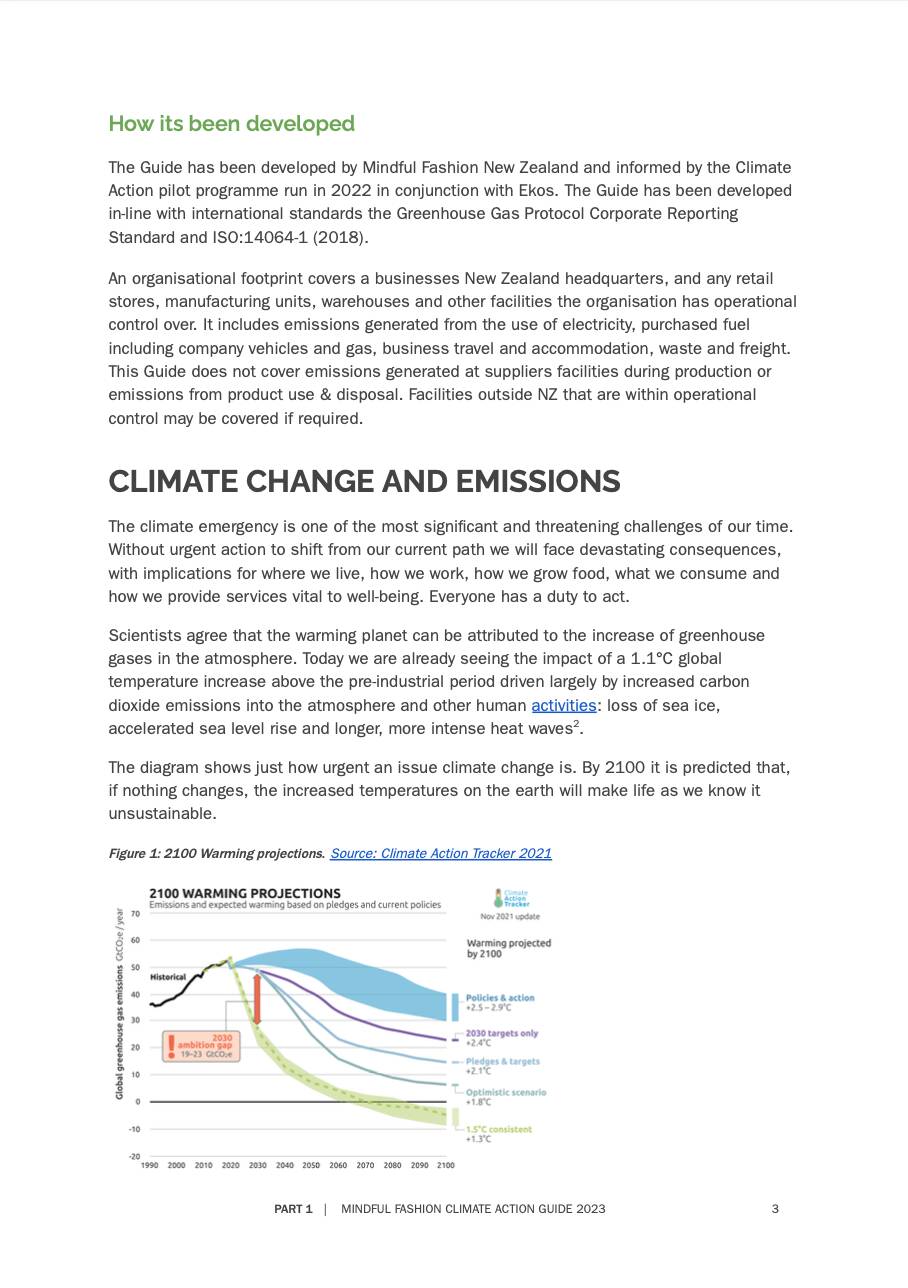
CASE STUDIES
Learn from other businesses on their climate action journey with our case studies.
Avery Dennison
Avery Dennison is a global materials science and digital identification solutions company that provides a wide range of branding and information solutions that optimize labor and supply chain efficiency, reduce waste, advance sustainability, circularity, and transparency, and better connect brands and consumers. Avery Dennison is an Innovation Hub partner of the Threads of Tomorrow Summit.
Travelling Sewing Box Project
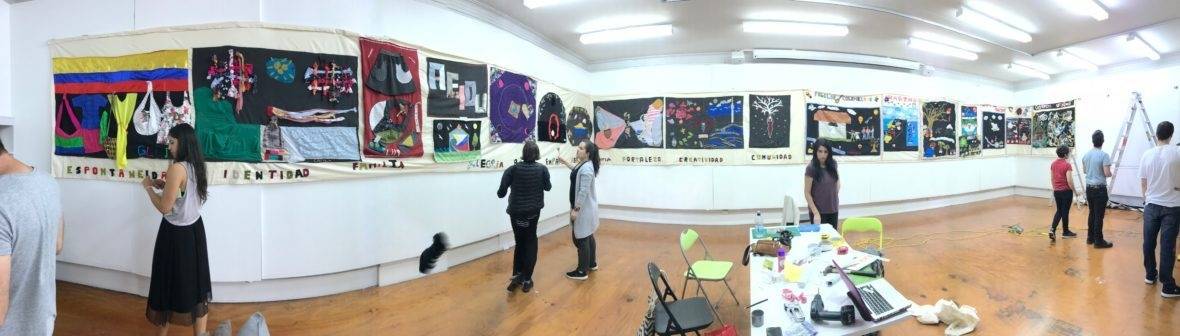
Brainchild of Victoria Martinez Azaro, the Travelling Sewing Box project has the objective to give immigrant women a voice and a sense of participation within society by giving them a space to stitch with other women in a safe and supportive environment.
The project aims to empower and integrate migrant and refugee women into NZ society through textile crafts and repurposed fabric waste by creating opportunities for them to become self sufficient, have better lives and overcome trauma.
For the last 3 years Victoria has been working with NGOs and government agencies such as RAS, ALAC, Selwyn Refugee Centre, and Tamkin Project, by using repurposed fabric waste from the local nz industry. Victoria is looking for offcuts and unwanted ends of fabric that could be repurposed. For more information contact Victoria victoria@lacreativemama.com
Production Templates
Fashion & Textiles members have contributed a range of tools to assist with the production process, including a technical fabric spec sheet and production tracker.
If you would like to contribute resources that other members may find useful, please let us know!
Downloads
Textile Recycling Network
Textile Recycling Network (TRN) was established in 2024 to address the growing environmental impact of textile waste and to create practical, community-driven solutions for recovering and reusing unwanted clothing and fabrics. Originating from a shared concern among environmental organisations, local councils, charities, and industry partners, the network was formed to divert textiles from landfill and promote a circular approach to fashion and resource use within NZ, TRN do not send textile waste to developing countries to be re-processed.
The goal is not only to reduce landfill waste, but also to conserve water, energy, and raw materials while creating social, environmental, and economic benefits. TRN facilitates the production of three main NZ made products from 100% Textile waste
Textile.nz, polyester insulation.
Textile.nz, EcoRest, a futon style mattress
SaveBOARD, a multi-use building panel.
Critical Cleanstone, plastic construction panels.
The purpose of the Textile Recycling Network is to connect communities, businesses, collectors, recyclers, and educators to improve textile recovery systems within Aotearoa. We encourage responsible consumption, and support opportunities for repair, reuse, repurposing, and recycling. TRN aims to reduce waste, and build a more sustainable and socially responsible textile economy in Aotearoa.
UNEP: Sustainability and Circularity in the Textile Value Chain - A Global Roadmap
The United Nations Environment Programme has created this vital report ‘Sustainability and Circularity in the Textile Value Chain: A Global Roadmap’ which outlines what different stakeholder groups can do individually and collectively to reach the shared destination of a circular textile sector.
The report identifies three priorities:
- Shifting consumption patterns
- Improved practices
- Infrastructure investment
Download 'Sustainability and Circularity in the Textile Value Chain: A Global Roadmap'.
Circular Design Innovation

Circular Design Innovation Categories
- Clothing Design Innovation
- Accessory Design Innovation
Design Challenge
Design and make a circular outfit or accessory using textile waste.
Open to
Individuals and collectives who reside in New Zealand
Design Innovation Timeline
- Enter the Award and pay an entry fee by Sunday June 29th, 2025.
- Learn with on demand and workshop content. Create your outfit or accessory during July-August.
- Send us your finished outfit/accessory by Friday 12th September, 2025.
Design Innovation Awards & Prizes
- Circular Clothing Innovation Award | $7,500 prize pack
- Circular Accessory Innovation Award | $6,000 prize pack
Special Prizes
*All entries eligible for these additional awards unless stated otherwise.
- Rising Talent Award | $4,500 prize pack
- Cotton Innovation Award | $4,500 prize pack
- Commercial Potential Award | $4,500 prize pack
Total Prize pool $46,500+
Design Innovation Key Documents
- Information Pack | CDA25 CIRCULAR DESIGN INNOVATION INFO PACK
ENTRIES HAVE NOW CLOSED.
Guidance for Measuring Greenhouse Gas Emissions for the Apparel & Footwear Industry
This guidance document provides details on estimating Purchased Goods and Services emissions for the apparel and footwear industry. As of March 2023, over 300 apparel and footwear companies had either set or committed to set science-based climate change targets (SBTs) via the Science Based Targets initiative (SBTi).
Guidance for Measuring Greenhouse Gas Emission for the Apparel & Footwear Industry
Production Guide
Fashion & Textiles, in collaboration with members, manufacturers and brand production teams has co-developed production guidelines. For the production process to run smoothly, it’s recommended to discuss specific requirements with your manufacturer. The Production Guide includes 3 template spec sheets and a checklist of elements to consider.
Downloads
Production Guide
Spec sheet 1
Seamless - the Australian National Textile Product Stewardship Scheme
Seamless is a National Clothing Product Stewardship Scheme that aims to improve the design, recovery, reuse and recycling of clothing in Australia, providing a roadmap to circularity by 2030.
This important scheme will impact businesses that place garments on the market in Australia.
We keep in regular contact with our counterpart in Australia, the Australian Fashion Council, who have led the development of this work, and will be sharing regular updates.

Wynn Hamlyn x Fashion & Textiles White T
Agmardt
We’re proud to welcome The Common Ground, an initiative from Agmardt, as an official partner of the Threads of Tomorrow Summit 2026.
The Common Ground is a place to seize food and fibre's big opportunities, ignited by AGMARDT. The Common Ground is a place for the food and fibre sector to share new ideas, and tackle big challenges together.
Three Common Ground pilots (funded by AGMARDT) will lead the way – designing for deep collaboration in the horticulture, livestock health, and future fibre spaces.
The Future of Fibre pilot project is designing a generational leap for fibre. From wool to hemp, cashmere, harakeke, and more, New Zealand’s fibre has long been undervalued. This pilot aims to connect the full value chain of New Zealand fibre – lifting the sector from commodity exports to high-value, design-led products and systems.
ASB
We are delighted to welcome ASB as our Principal Sponsor for this landmark gathering of Aotearoa New Zealand’s fibre, textile, and fashion community.
ASB’s partnership signals confidence in the strength and future potential of our industry, from farm and fibre through to manufacturing, design, innovation and global markets.
Together, we are backing practical action and bold thinking to ensure Aotearoa New Zealand’s fibre, textile and fashion ecosystem thrives for decades to come.
Internship Guide for NZ Industry
How we developed the Guides
Industry, educators and students have co-created a valuable guide to Internships for the fashion and textile industry in New Zealand.
There is a huge array of career pathways, and businesses that makeup New Zealand's dynamic fashion and textile industry, so it's vital that students and those seeking a career in the industry get to experience this range, and understand where their skills and interests might best fit.
The Fashion & Textiles Internships working group had representatives from brands and retailers, manufacturing, and education, plus recent graduates. It was critical to the success of the project to include a diverse range of stakeholder voices.
The working group set out to understand what makes an effective internship, and an effective intern and collaborated on guides and case studies that aim to make internships more accessible and effective for businesses and learners.
Stakeholder input
We sought input from a wide range of businesses and current and future students to understand the different perspectives. This data formed the backbone of our guides. We worked with education providers to gain an understanding of internship requirements for students and how these fit into the annual calendar. And we interviewed interns and intern providers to build a picture of how an internship actually looks in real life.
The resulting guides and case studies are the culmination of 6 months of work canvassing industry and learners and provide easy-to-use guidance for businesses wanting to host an internship and share their knowledge and expertise with students. For interns seeking an internship, it provides guidance to gain real-world experience in the industry.
Auckland Council

We're proud to welcome the Auckland Council as a partner of the Threads of Tomorrow Summit 2026.
As Aotearoa’s largest city and a hub for innovation, creativity and enterprise, Auckland plays a critical role in shaping the future of our fashion and textiles industry. This partnership reflects a shared ambition to strengthen the sector’s contribution to jobs, investment and manufacturing, and to showcase Auckland’s position as a centre for future-focused industries.
As Jasmine Millet, Head of Sector Development says “Auckland has long been an important hub for New Zealand’s impressive fashion and textiles sector, and we’re delighted to see this future-focused Summit take place in our city centre. I encourage people to come along and get involved. This will be a fantastic event bringing together design-led export businesses, innovative materials manufacturers and all of those who want to be involved in shaping the future direction of this country’s fibre, textiles, fashion and manufacturing ecosystem.”
The Summit will convene leaders from across the value chain to unlock new opportunities, accelerate innovation, and build a stronger, more connected industry.
We’re grateful for Auckland Council’s support in backing this national moment, and the role Auckland can play in driving it forward.
Previous Cycles
2024
The Circular Design Award 2024 celebrated excellence in Circular Design and Circular Business Innovation. Finalists and award winners showed us that the future is circular and sustainable with innovative solutions that reimagine waste as a valuable resource.
Read more about the Circular Design Award 2024 here.
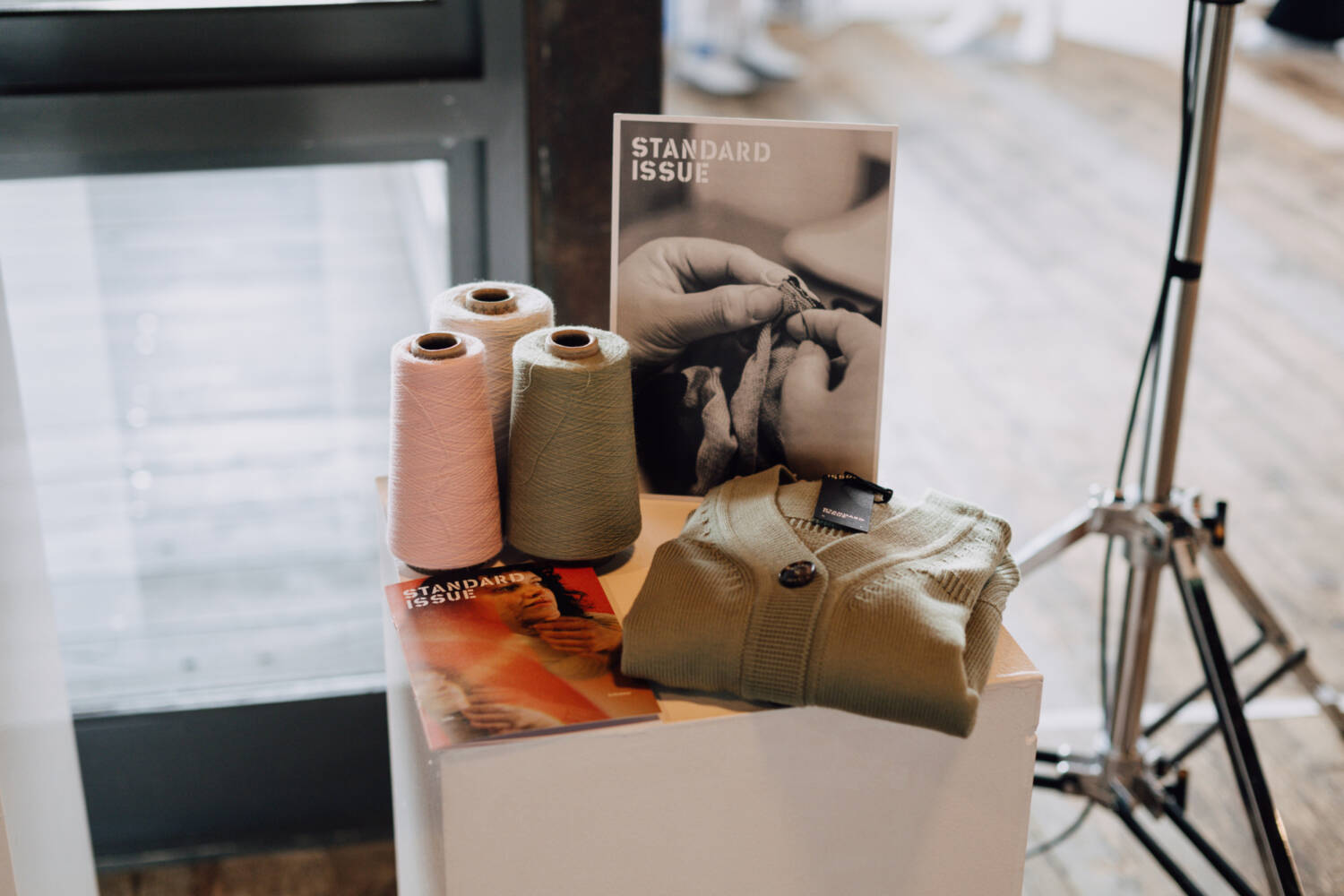
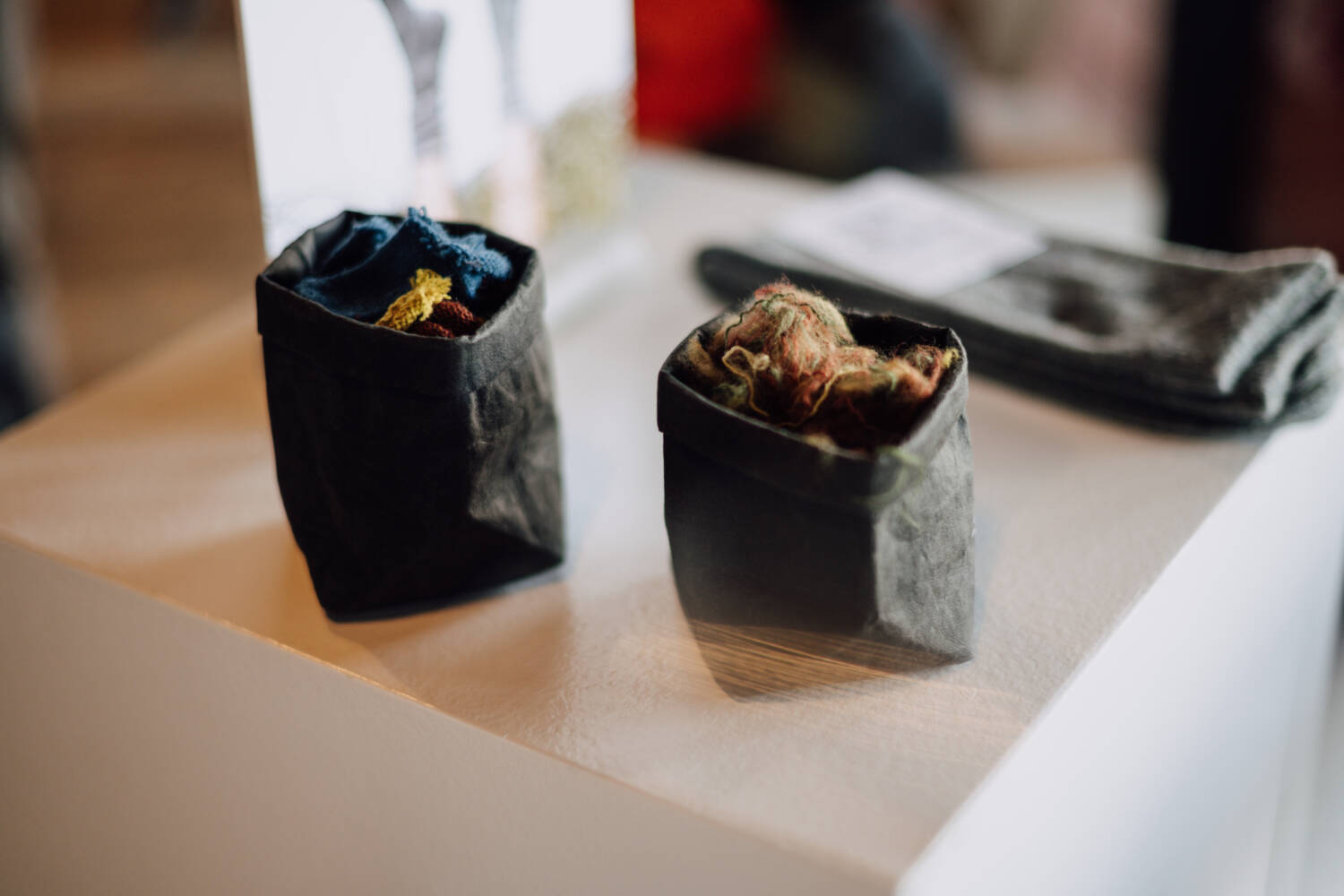
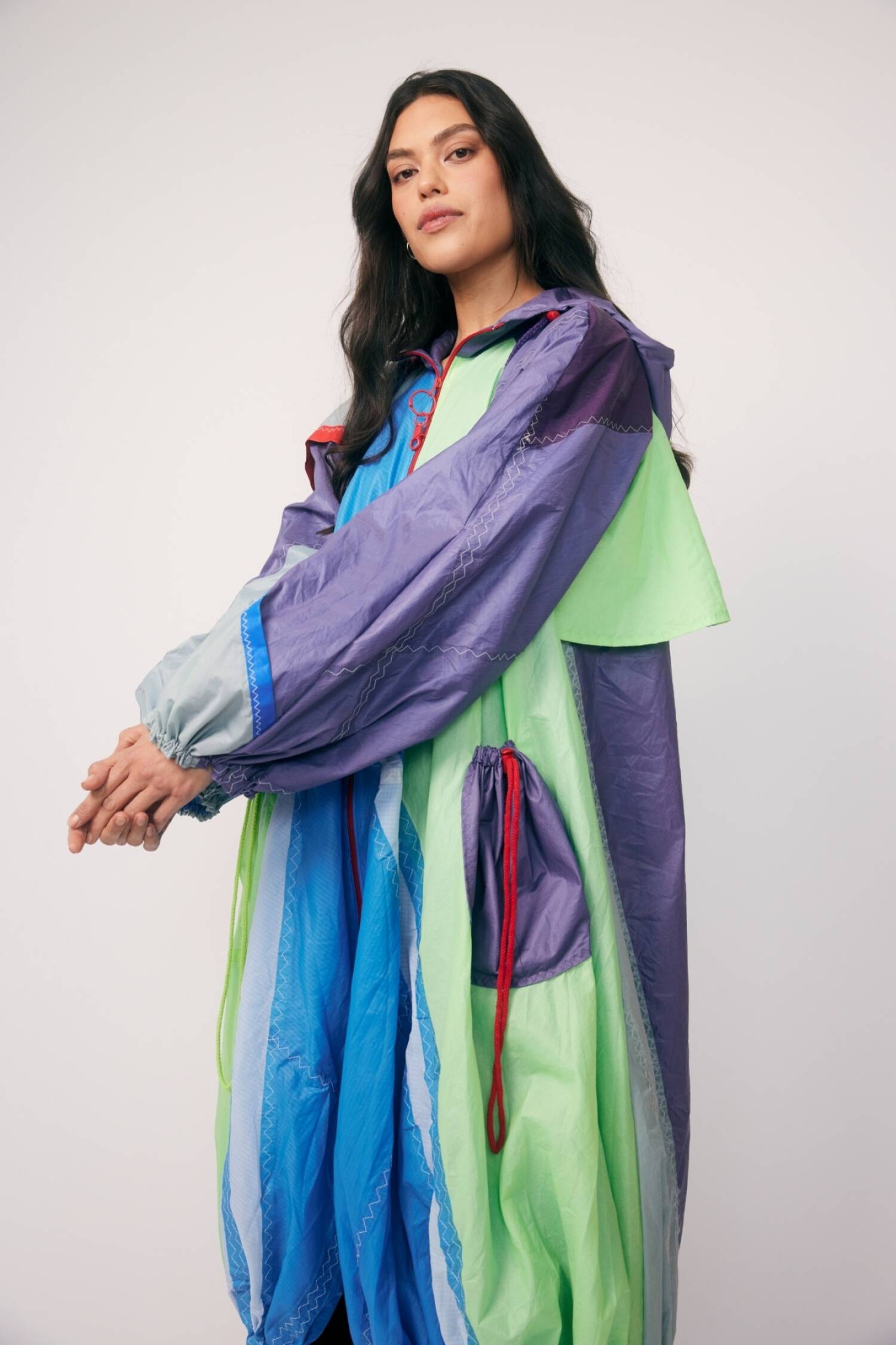
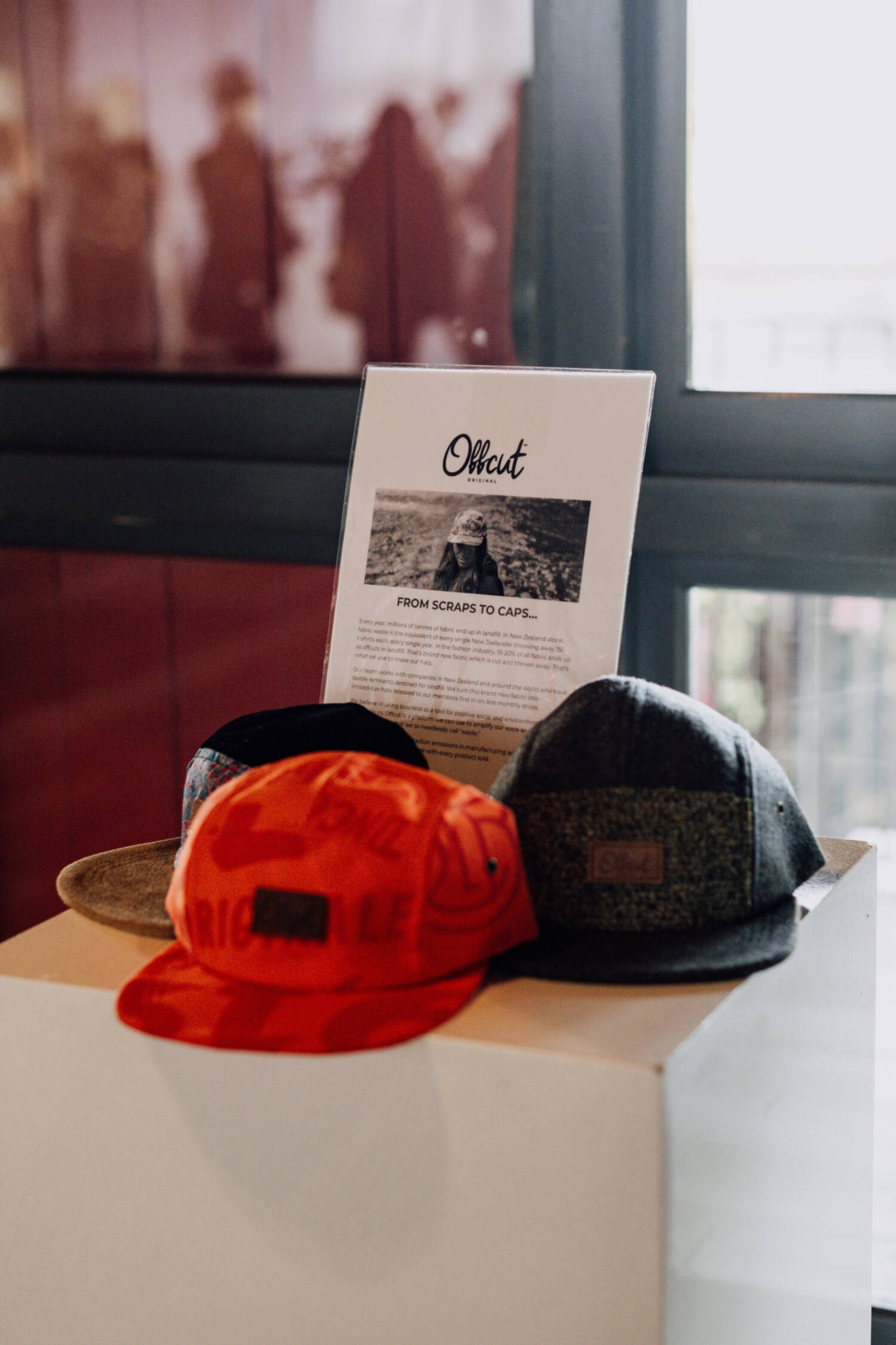
2023
The Circular Design Award 2023 celebrated the best of emerging talent in sustainable fashion design. Designers rose to the challenge, and pushed the boundaries in their design process and use of innovative production techniques to show the many and varied ways that clothes can be designed for the circular economy.
Read more about the Circular Design Award 2023 here.
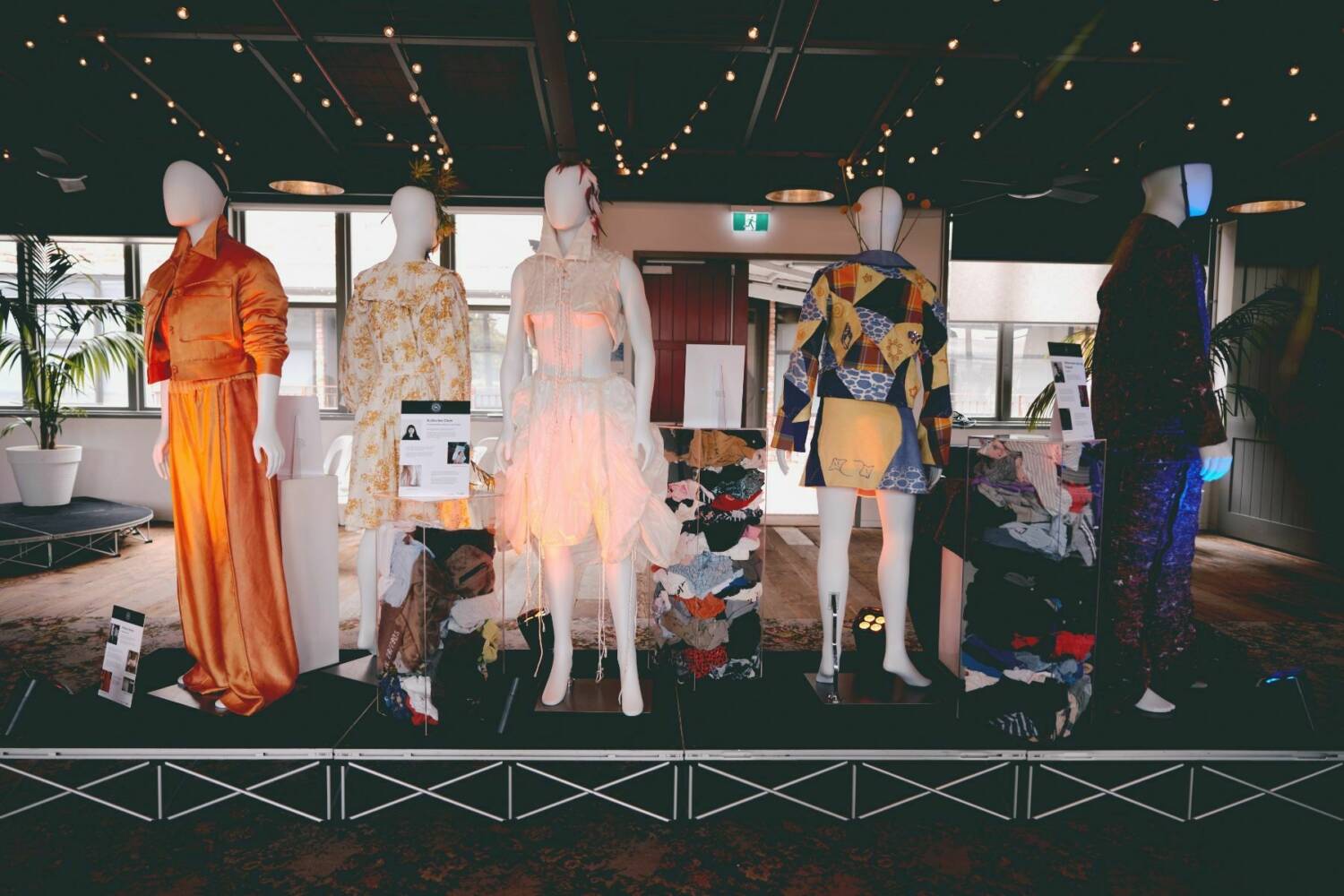
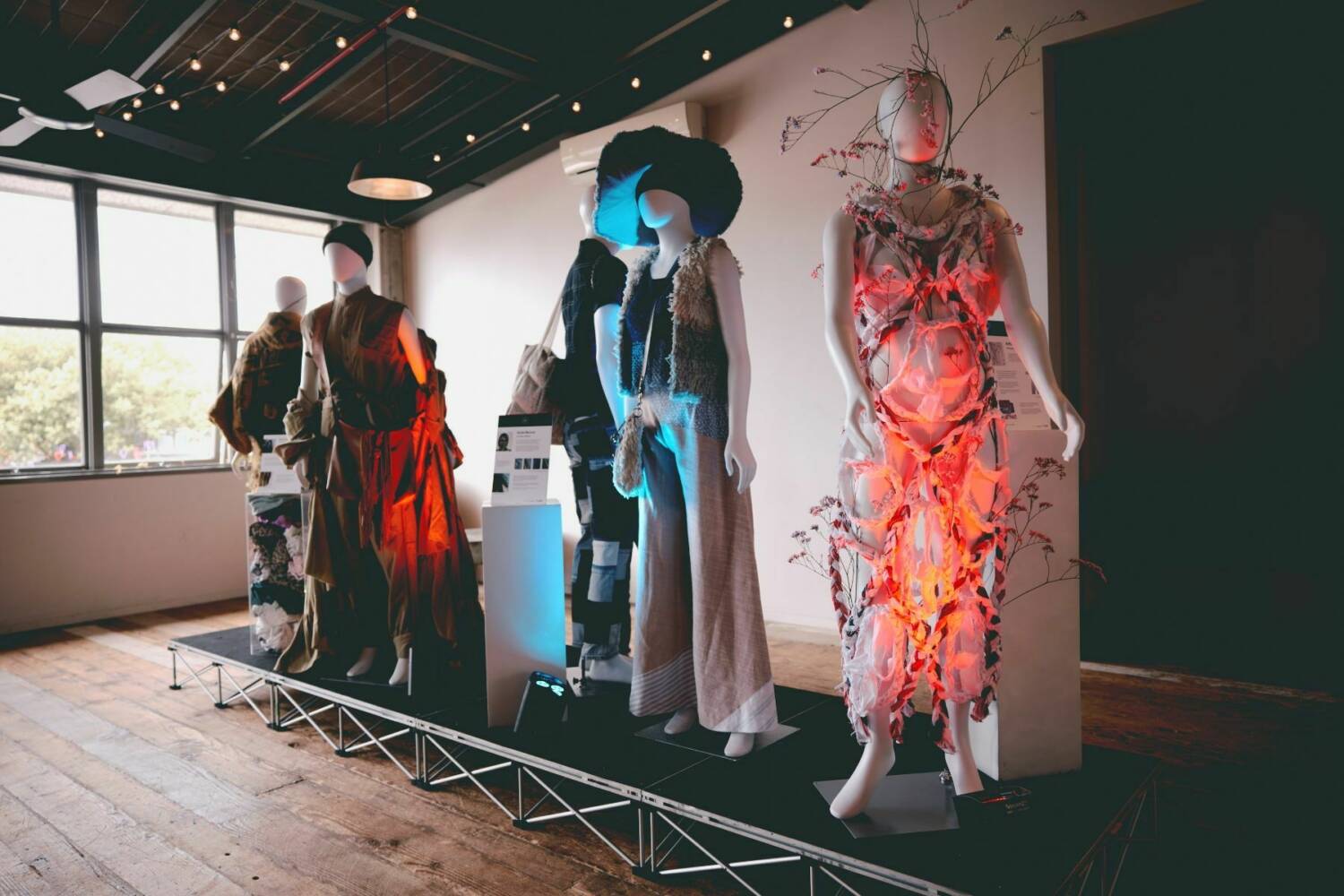
Impactex
The mission is clear and ambitious – prevent textiles from ending up in landfills while actively pursuing circular solutions for textile waste - a pathway to genuine circularity and Net Carbon neutrality for our client partners.
This initiative not only seeks to mitigate the environmental impact of textile waste but also envisions partnerships and collaborative endeavours that push the boundaries of research and innovation. By transforming waste into a resource, we strive to contribute to a more sustainable and circular approach within the textile industry.
At ImpacTex, we view waste as a resource. We believe that sustainability leads to better outcomes for everyone but especially for our future generations.
Through innovative approaches to textile recycling and recovery, ImpacTex increases the lifespan of unwanted garments, uniforms, linen and textiles through our incredible 100% recycled and 100% Recyclable panels.
Chosen by hundreds of local and global brands, retailers and businesses, ImpacTex collect and process end-of-life textiles. Through our unique process we are able to either:
- donate resaleable clothing to charities and social organisations or
- convert what would be deemed end-of-life textile waste into a sustainable and genuinely circular resource
By leading the textile waste initiative, towards a genuinely Circular model we aim to drive radical change in the way we view waste and make a genuine Impact on our environment.
Partner with Us
Our sponsors, donors and partners help us bring important programmes to life. If you are interested in supporting our work through sponsorship, partnership or donations, please email us for more information.
As a non-profit with limited resources, we rely on the generosity of individuals and organisations to provide us with financial support so that we can run programmes such as the Circular Design Award, and work to solve some of the fashion industry's most challenging problems.
Twenty Seven Names x Fashion & Textiles Black T
Environmental Impacts of Materials
Untouched World was the first fashion company in the world to be recognised by the UN for sustainability. Fiona Bretherton, Sustainability lead at Untouched World, shares how the company approaches addressing its environmental impacts and prioritises actions.
Fashion & Textiles Code of Conduct
The Fashion & Textiles Code of Conduct. This document is also the template to use with suppliers. There is a space on Page 2 to enter your company name and add any addendums applicable for your business.
DHL

We’re proud to welcome DHL as an sponsor of the Threads of Tomorrow Summit 2026.
DHL Express is the top international express service provider, connecting people and businesses in over 220 countries. Renowned for its speed and reliability, DHL offers seamless shipping solutions. Committed to innovation and sustainability, it plays a vital role in global trade and maintaining business connectivity worldwide.
Fashion Industry Skills Landscape
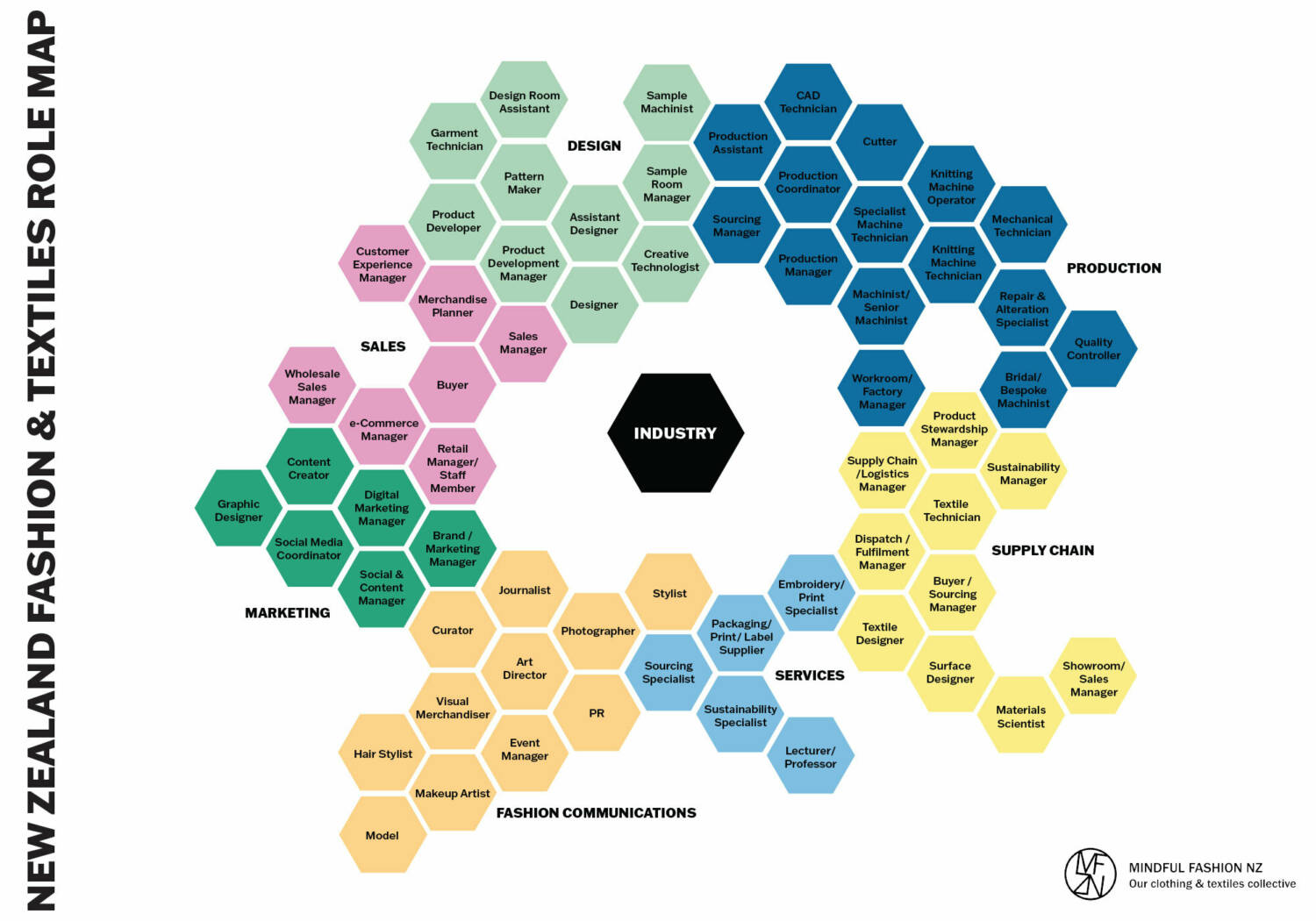
May 2022:
Analysing the New Zealand Fashion and Textile Industry Skills landscape
A skilled workforce plays a key role in supporting the development of an innovative, full-circle and thriving future for the fashion and textiles industry in Aotearoa NZ, one that creates positive benefits for people and planet.
Fashion & Textiles, in collaboration with members of NZ’s fashion and textile industry and the sector's tertiary education providers, has built a comprehensive picture of the skills landscape across the industry in Aotearoa New Zealand. Through this project Fashion & Textiles has developed a series of resource tools that showcase the diverse range of roles and skills required for a sustainable industry in Aotearoa, and has identified key skills gaps and opportunities where work needs to be done.
- New Zealand Fashion & Textile Industry Role Map
- New Zealand Fashion & Textile Industry Skills Landscape Paper
- New Zealand Fashion & Textile Industry Skills Framework
- New Zealand Fashion & Textile Industry Role Profile Library
This project was undertaken to understand what challenges the sector faces, and has resulted in several resources designed to address findings that emerged. The industry is facing numerous challenges, one of which is a critical shortage of technical skills to support manufacturing in New Zealand. A common lack of awareness of the broad range of roles available in the industry was identified as another challenge, creating a barrier to entry for many newcomers.
Skills Gaps
Our key ask of the industry at the start of this project was, “Do we have the skills needed to support a thriving and sustainable industry in New Zealand?” The resounding response was No. We do not.
The biggest area of concern around skilled workers was in technical skills, which includes:
Machining and garment construction;
Patternmaking, product development, cutting, textiles knowledge;
Digital - CAD, Clo 3D, design and development software, eg. Adobe suite;
Transferable soft skills also came up as areas of concern, including business skills, leadership skills, and sustainability skills.
The Skills Landscape paper analyses findings from industry stakeholder interviews to identify skills gaps, and outlines recommendations to address this challenge.
The Fashion & Textiles Skills Framework
The fashion and textile industry is made up of a wide variety of businesses encompassing a broad range of roles, all of which require a diverse set of skills and experience. Fashion & Textiles has created a skills framework, which has been validated by the industry. This framework outlines the key skills required for many of the roles in the industry. This tool is designed to be accessible for any interested stakeholder, including the tertiary education sector, the industry, school leavers, university graduates and job seekers. We want it to grow awareness, spark conversations, and capture more recruits into the broad range of roles we have. For example, it can be used as a guide for the tertiary sector in curriculum planning, to ensure teaching is aligned with industry needs. It can also be used by graduates as they plan their career progression in line with their own skillset. Additionally those looking to employ new staff can use the tool as they form the role outlines.
The Skills Framework is a living document and we welcome further feedback and input from industry.
Role Profiles
To bring the diverse range of roles to life, and showcase the breadth and depth of the industry we are building a library of role profiles, starting with some of those which we know are facing a skills shortage.
- Sewing Technician/Machinist
- Production Manager
- Product Developer
- Digital Marketing Manager
- PatternMaker.
We welcome recommendations for additional roles to profile.
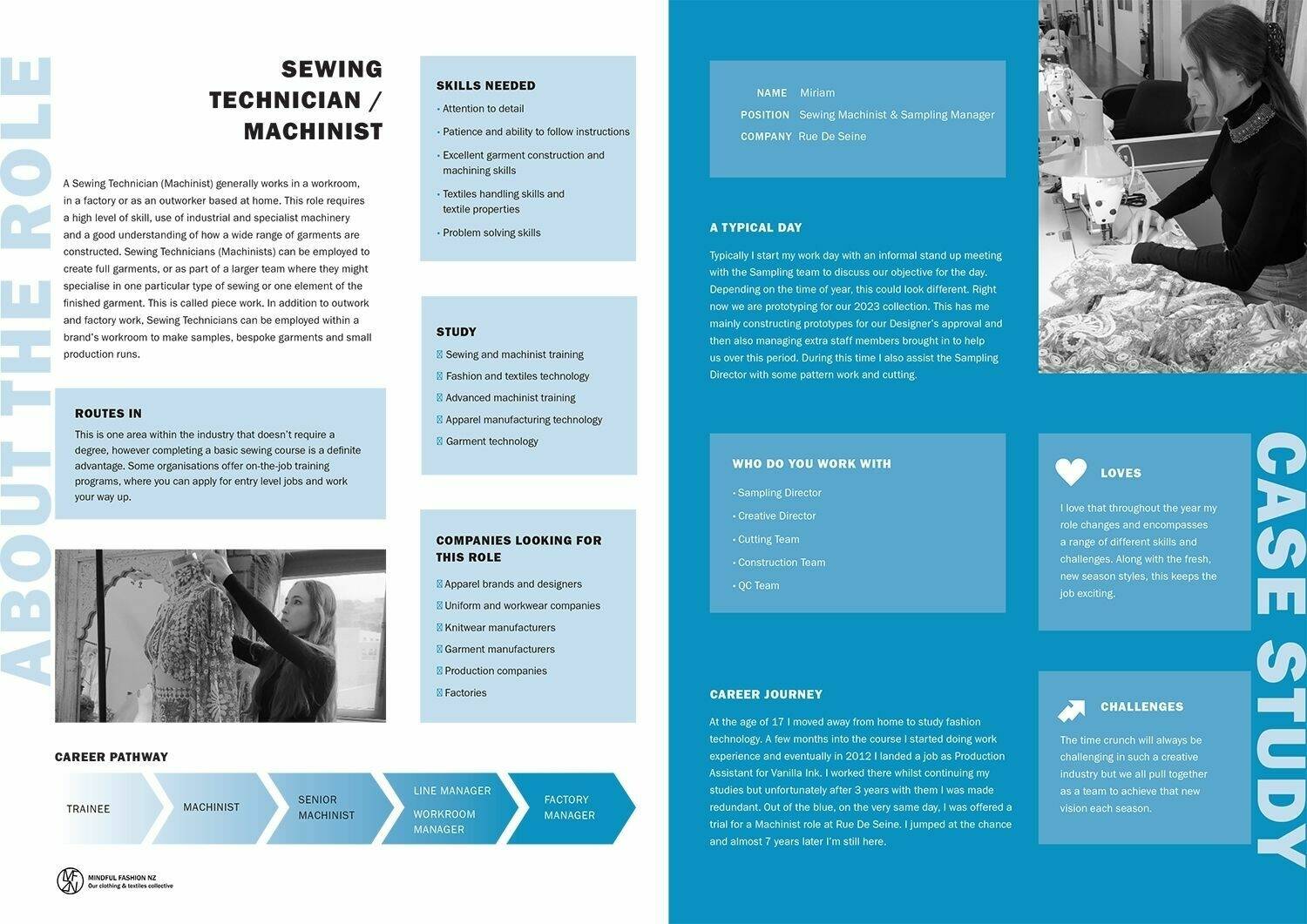
PCW Legal Privacy Fact Sheet
The way you handle information about people speaks to your businesses’ values and purpose, meaning good data privacy practices are fundamental to a sustainable business. PWC have set out some key pointers to help you create responsible and intentional data privacy practices which both enhance trust, and ensure compliance with the Privacy Act 2020.
Innovation Hub
PWC Legal Employment Factsheet
The employment relations landscape in New Zealand is particularly nuanced and can be tricky for organisations to navigate. Based on our experience, we have set out some common pitfalls for organisations to watch out for when managing their most important asset, their people.
PWC Legal Leasing Fact Sheet
Reviewing and updating leasing portfolios is a critical task for retail and manufacturing businesses, especially where location is key. Having a robust leasing portfolio helps secure key locations, strengthens financial forecasting, can limit unforeseen liabilities and helps you meet the expectations of your staff and customers. We’ve put together a checklist of 7 key points to help you ensure your business is asking the right questions of its leasing portfolio.
Fashion & Textiles Code of Conduct - Mandarin
Mandarin translation of the Fashion & Textiles Code of Conduct.
Lenzing x Fashion & Textiles NZ

Fashion & Textiles have partnered with Lenzing to connect our members directly with the team at the sustainable fibre producers facilities. Lenzing will give a presentation to members about their range of sustainable fibres including Tencel and EcoVero, including what makes their product unique, their sourcing certifications, carbon reduction strategy and chain of custody system. Alongside the presentation Lenzing will provide sourcing advice and answer any questions members may have. This is an incredible opportunity to expand your fibre knowledge and sourcing connections.
Members can view the recorded session in the members portal here.
Twenty Seven Names x Fashion & Textiles White T
Fashion & Textiles Draft Resource and Event plan 2021
This is a DRAFT outline of Fashion & Textiles's Calendar of events and resource releases for 2021. It is still to be finalised but will give you an overview of our plans. Resources will be in the form of toolkits and/or online or in-person workshops for our members. Let us know if there's anything you would like to see us prioritise, or would like us to add.
Circular and Traceable T shirt
March 2021:
We are excited to announce the launch of the Fashion & Textiles full-circle T shirt showcase.
The Fashion & Textiles full circle T shirt has been developed to showcase a circular and sustainable future for the industry. The T-shirt is manufactured in NZ, from 100% certified organic cotton made in a transparent supply chain. Each T-shirt features a bespoke print from one of three Fashion & Textiles designers, and is fully recyclable back into new fibre at the end of its life.
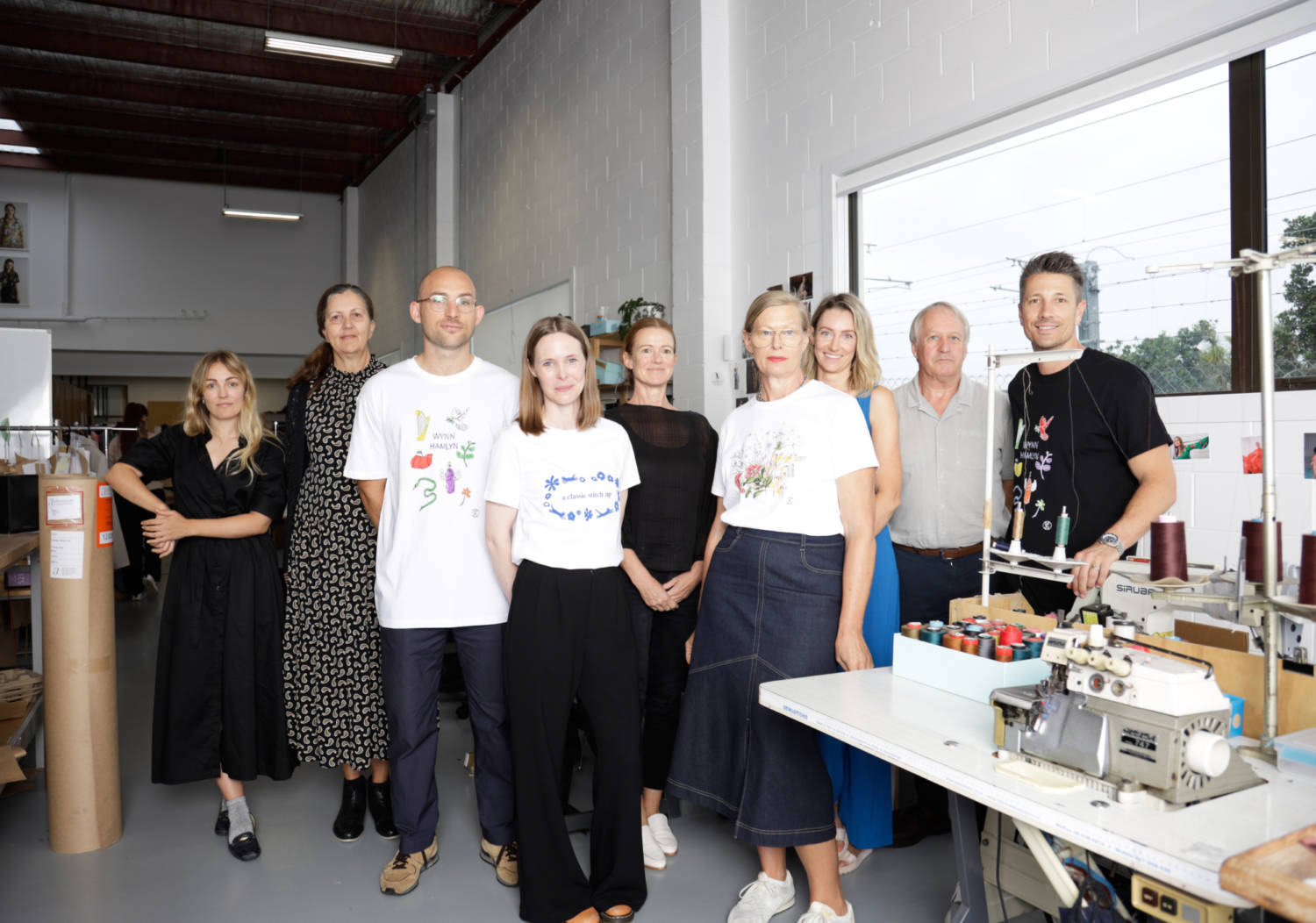
L to R: Sophie Donovan, Lily Mihaijevich, Wynn Hamlyn, Rachel Easting, Jacinta FitzGerald, Kate Sylvester, Kirsty Palin, Bryce Heron, Fraser Wood.
Wynn Hamlyn, Twenty Seven Names and Kate Sylvester have each designed a bespoke print for our circular T Shirt that speak to the Fashion & Textiles audience about their brand and it's connection to Fashion & Textiles’s mission. The T’s are available through each designer's sales channels and on the Fashion & Textiles website.
Follow the T shirt's Provenance Journey...
The journey of our MFNZ T-shirt
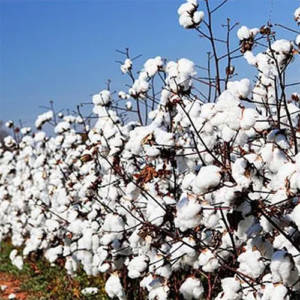
Fibre
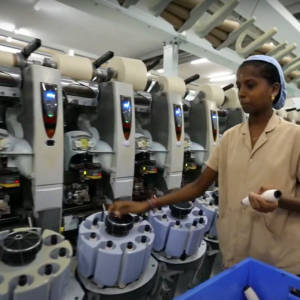
Yarn
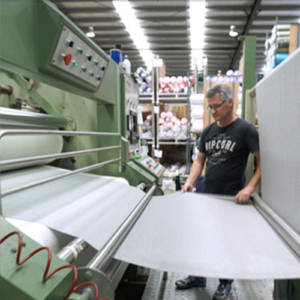
Fabric
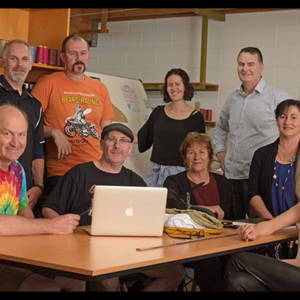
Rib
Cut
Manufacturing
Printing
Pressing
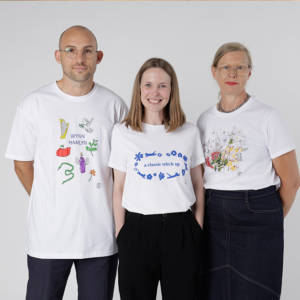
Dispatch

Wear and care
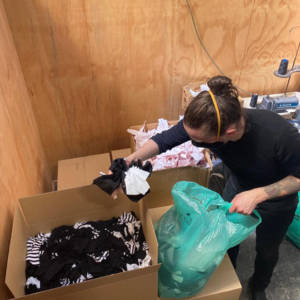
Closing the loop
We want you to love and cherish your T shirt, repair it when needed, and care for it to give it a long and vibrant life. When it reaches the point where the T shirt is no longer wearable, we will bring the T shirt's life full circle. Send it back to us and we will recycle your T shirt back into new fibre through a partnership with New Zealand company Little Yellow Bird.
All proceeds from the sale of the Fashion & Textiles T shirt will go towards our ongoing work to support sustainable and circular developments for the NZ industry.
Shop the Fashion & Textiles full-circle T-shirt here.
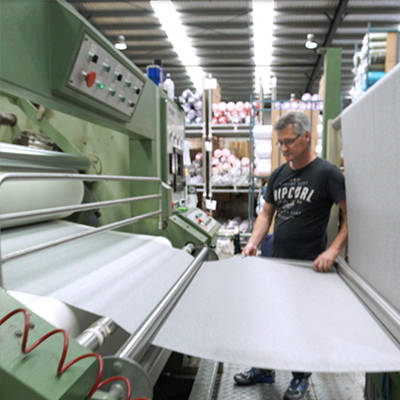
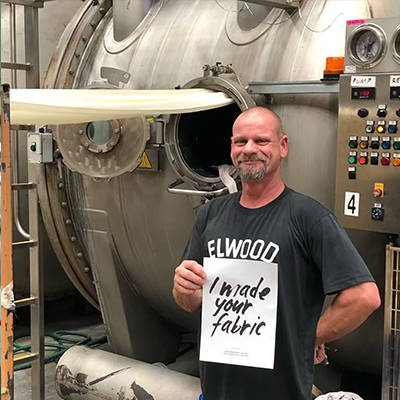
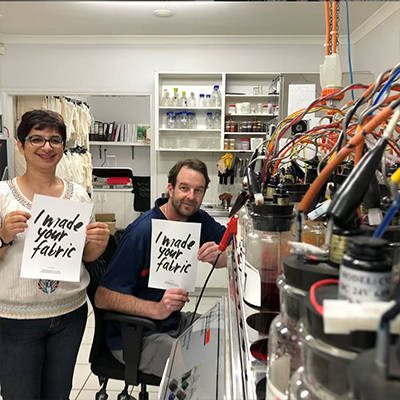
Natural Fibre Standards and Certifications

Fashion & Textiles New Zealand, in partnership with Raw Assembly Australia present a 5-part information series on Certifications and Standards for fibres, materials and textile products.
Watch the recording to find out how certifications and standards work for natural fibres and materials in the textile industry.
Session #1 - Natural Fibres and Materials
There is increasing demand for certified products and materials. Consumers want higher standards from the products they buy, and manufacturers want to make sure they can verify sustainability practices in their supply chain. Learn how businesses in the fashion and textile industry can use standards and certifications to ensure traceability, cultivation and processing standards, and what is required to communicate these schemes with customers.
Schemes covered include Organic Content Standard (OCS) and the Global Organic Textile Standard (GOTS).
In line with our mission to unite the industry, inform and educate, this event is open to all members of the New Zealand and Australian fashion and textile industry free of charge.
Speakers
- Sylvia Poel-Sietsema - Control Union Australia
Sylvia is General Manager of Sustainability standards and certifications at Control Union Australia. Control Union is a global certification body with boots on the ground in over 70 countries. It plays a major role in auditing and verification of certifications in the textile industry. Sylvia will talk about how certifications and standards work, and give insight into what’s involved in the verification process.
- Fiona Matsumoto - Global Organic Textile Standard, Japan
Fiona is the Regional Representative for GOTS Japan. GOTS is a textile processing standard for organic fibres, and includes both ecological and social criteria. In 2020, there were 10,388 GOTS certified facilities in 72 countries with more than 4 million workers covered under GOTS. Fiona will give insight into the key standard features and the conditions for the use of GOTS signs.
- Dane Ward - Afends
Dane is General Manager at Afends. Afends is an Australian streetwear brand committed to being environmentally and socio-economically sustainable in all facets of its company. Its philosophy is ‘Question Everything’ which is about inspiring people to educate themselves. Dane will share Afends sustainability journey and provide insights about the certifications and standards the company has in place.
Read the event Q & A
Programme & Speakers
Kate Sylvester x Fashion & Textiles Black T
Circular Business Innovation

Circular Business Innovation category
- Circular Business Innovation Award
- Sponsored by Untouched World
Challenge
Tell us how your business has (re)designed a product, service, process, or aspect of your business model, away from a linear production model towards a more circular system aimed at minimising waste and making the most of existing resources.
The circular innovation you put forward should be in commercial operation within your business and can be related to any aspect of the business’s operations.
Open To
Businesses in the fashion, clothing and textile industry from across the value chain, registered in New Zealand.
Entry Process
Enter by submitting a completed entry form between Monday 9th June and Sunday 3rd August, 2025.
(We extended the entry period July 30 after hearing your requests)
Entries will be judged by our panel of expert judges. Award winners will be announced at the gala event.
Business Award Timeline
- Entries open | 9th June 2025
- Entries close | 3rd August 2025 at midnight
- Judging | August 2025
- Finalists notified | August/September
- Circular Design Award Gala | 7th October, 2025
Business Award Key Documents
- Information Pack | BUSINESS INNOVATION AWARD INFORMATION PACK
- Entry Form questions | BUSINESS INNOVATION AWARD ENTRY FORM QUESTIONS
- Online Information Session: 2024 Information Session
Biomaterials: Opportunities for fashion and textiles in Aotearoa
Fashion & Textiles hosted Scion, a Crown Research Institute, that specialises in research, science and technology development for materials.
Scion is an impact-driven organisation focused on delivering positive environmental, social and economic outcomes for New Zealand. Through science, research, and innovation, it works across sectors with industry, government, and iwi to help lead New Zealand’s transition to a circular bio-economy and achieve a net-zero 2050 and beyond.
This session sparked some interesting ideas and opportunities for businesses to investigate biomaterial opportunities here in New Zealand. The insights shared by Dr Florian Graichen, General Manager for Scion’s Bioproducts, Bioenergy and Biomanufacturing Portfolios were invaluable, and we are excited to see the impact this will have on our local and wider industry. The presentation was followed by an informative Q&A covering a wide range of topics.
Watch the recorded session here.
If you are interested in investigating textile solutions in New Zealand, please contact Florian.Graichen@scionresearch.com.
Guest Speaker: Florian Graichen
Dr Florian Graichen is the General Manager for Scion’s Bioproducts, Bioenergy and Biomanufacturing Portfolios. These activities are directed at solving new product and process challenges and opportunities that arise through the transition to a Circular Bioeconomy.
In 2022 Florian was appointed as an Honorary Professor by the University of Waikato in the School of Engineering. Florian is a board member of Packaging New Zealand and the Bioresource Processing Alliance. Florian also represents New Zealand on the Australian New Zealand and Pacific Islands Plastics Pact (ANZPAC) Collective Action Group and is a member of several advisory groups to New Zealand ministers and ministries.
Kate Sylvester x Fashion & Textiles White T
Textile Exchange Standards and Certifications

Fashion & Textiles New Zealand, in partnership with Raw Assembly Australia presents a 5-part information series on Certifications and Standards for fibres, materials and textile products.
Session #2 - Textile Exchange standards
Textile Exchange develops and manages a suite of standards that provide the industry with a way to verify sustainability claims from the raw material to the final product. All Textile Exchange standards are developed through a multi-stakeholder approach to address gaps in available verification tools.
Learn how businesses in the fashion and textile industry can use standards and certifications to ensure content claims, traceability and processing requirements, and what is required to communicate these schemes with customers.
Schemes covered will include Responsible Wool Standard (RWS), Recycled Claim Standard (RCS), Global Recycled Standard (GRS), Organic Content Standard (OCS) and Content Claim Standard (CCS).
Speakers
Callie Weldon - Textile Exchange
Callie Weldon has over a decade of experience working with sustainable textiles. As the Standards Specialist at Textile Exchange, Callie consults with stakeholders on their sustainability goals and how Textile Exchange standards can be a tool for achieving impact.
She specialises in animal fiber content knowledge, specifically alpaca, and helps to manage the suite of Responsible Animal Fiber standards. Before joining Textile Exchange, Callie worked for a number of impact brands as a buyer for ethical apparel programs. Callie is also the founder of Fair Fiber, a social start-up dedicated to creating economic mobility opportunities for small farmers in the Peruvian alpaca fiber industry. Callie holds a B.S. in Fashion Merchandising from the University of Delaware and an MBA in Global, Social, and Sustainable Enterprises from Colorado State University. She is based in Boulder, Colorado.
Manu Rastogi - Kathmandu
Manu is the Head of Product Innovation & Product Sustainability at Kathmandu, New Zealand. With a strong background in materials engineering, Manu has more than 18 years of experience working in the fashion and outdoor industry across different parts of the textile supply chain in China, Bangladesh, India and New Zealand. Working for the last 9 years at Kathmandu, his role is to support the team on Product Innovation & Product Sustainability as two key pillars of Kathmandu’s winning Product Strategy.
Fashion & Textiles Sustainability Insights Report 2021
The Fashion & Textiles Sustainability Insights Report is an industry first for New Zealand. The report presents a baseline of the industry's sustainability action, demonstrates the collective progress being made in the NZ fashion industry and presents a path forward for positive sustainability action.
The report highlights where great work is being done and drills down into the challenges and the opportunities for sustainability across the industry in Aotearoa New Zealand.
Findings show the industry’s biggest concern is integrity risks in its supply chain. Programme Director Jacinta FitzGerald says this highlights the nature of the challenges businesses in the sector face. With globalised supply chains and challenges around traceability of suppliers, businesses can have limited ability to influence their supply chains.
Dig into this and more insights in the report below.
Download the Fashion & Textiles Sustainability Insights Report 2021.
Download the Fashion & Textiles Sustainability Insights Report 2021 Executive Summary.
Download the Fashion & Textiles Sustainability Insights Report 2021 Case Studies
Fashion & Textiles Newsletters
Keep up to date with MFNZ and Become a member!
Climate Action Guide and Toolkit Launch
2022 Newsletters
Sustainability

Sustainability Insights Report - November 2021
In November, Fashion & Textiles released its inaugural Sustainability Insights Report 2021. The report demonstrates the collective progress being made in the New Zealand fashion industry and presents a path forward for positive action.
Challenges and Opportunities
The report highlights where great work is being done and drills down into the challenges and the opportunities for sustainability across the industry in Aotearoa New Zealand. Findings show the industry’s biggest concern is integrity risks in its supply chain. Programme Director Jacinta FitzGerald says this highlights the nature of the challenges businesses in the sector face. With globalised supply chains and challenges around traceability of suppliers, businesses can have limited ability to influence their supply chains.
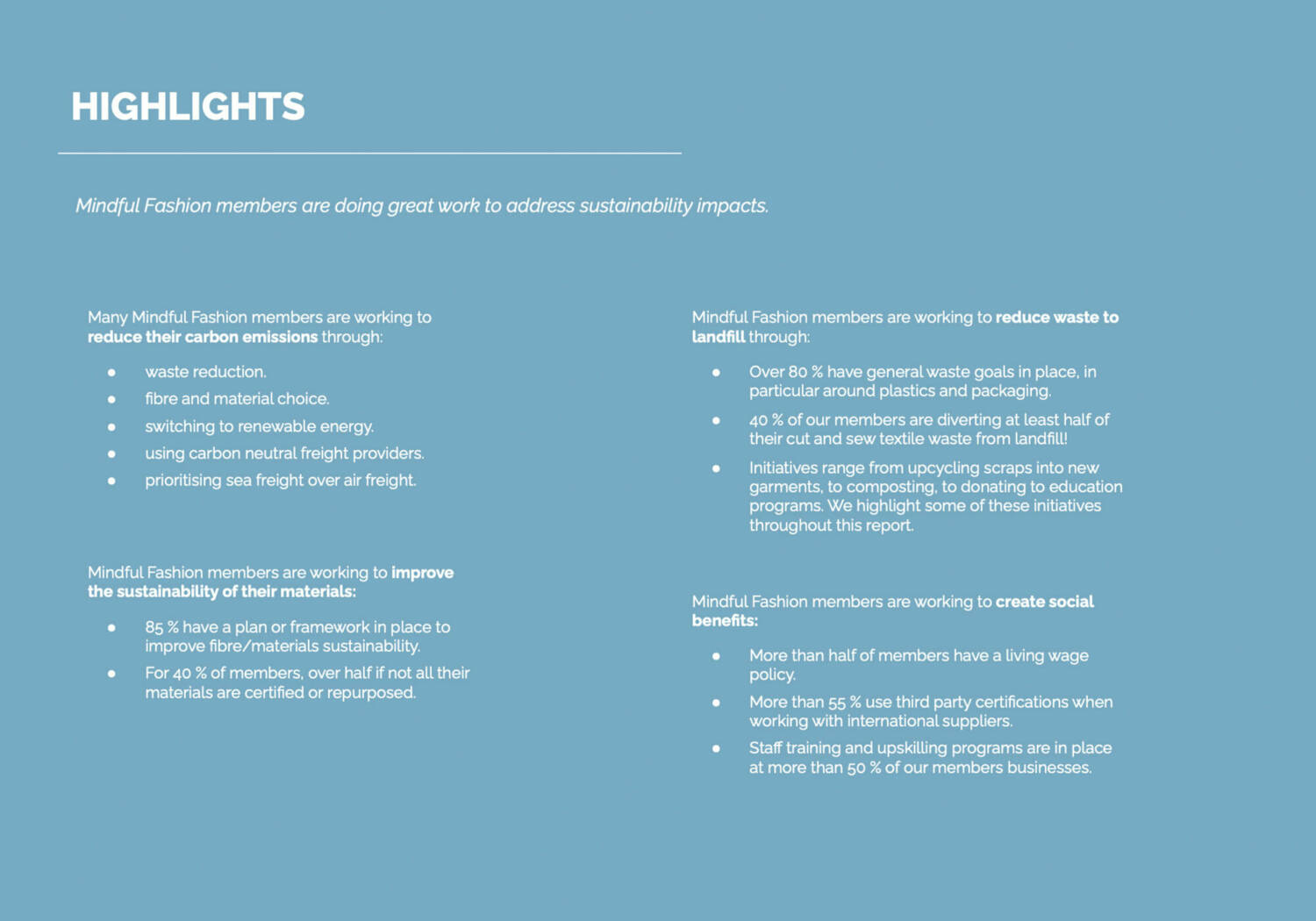
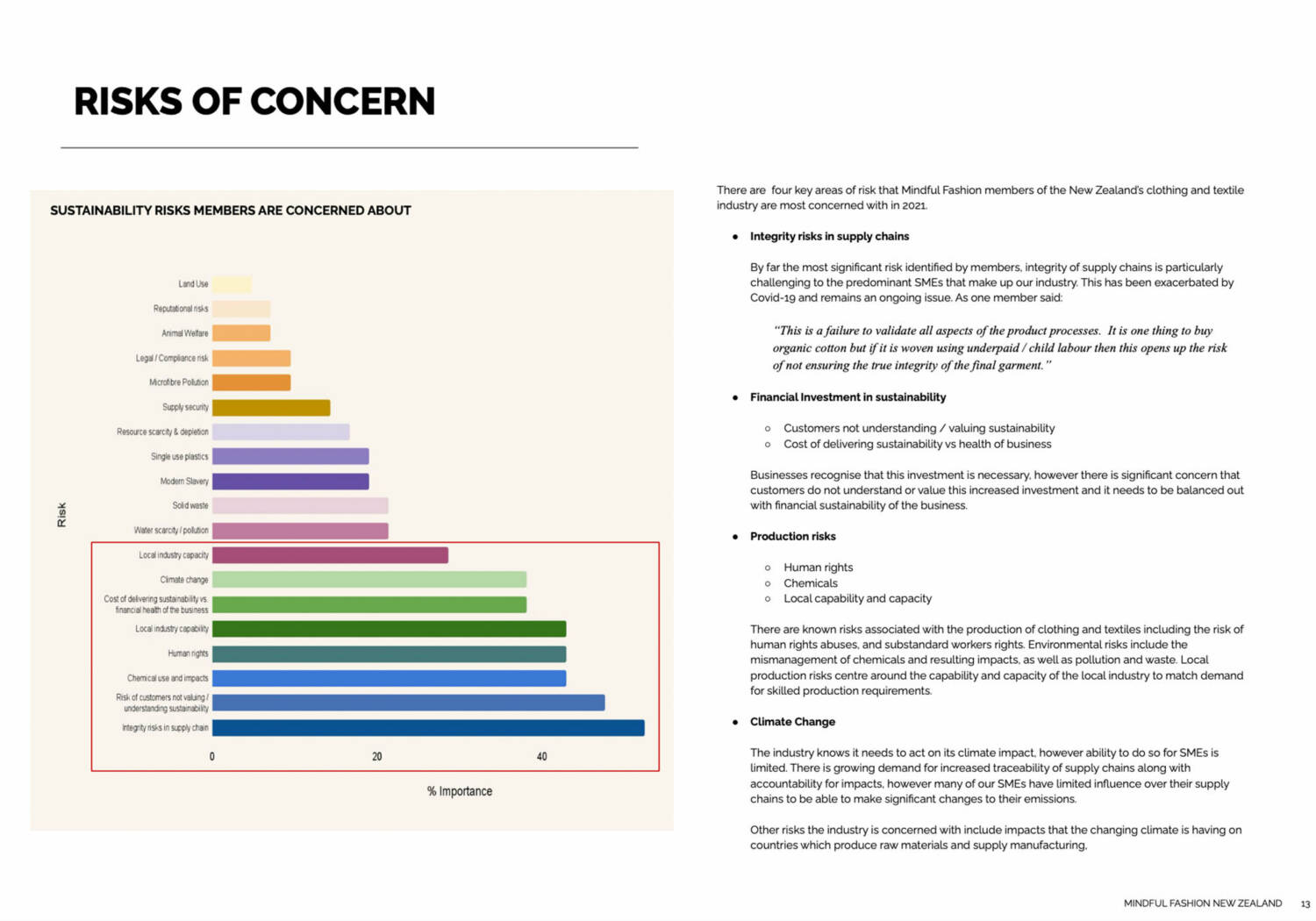
Emissions Reduction Plan submission - October 2021
Fashion & Textiles has submitted feedback to the Government's emissions reduction plan consultation. The first emissions reduction plan will set the direction for climate action for the next 15 years for Aotearoa New Zealand. As an organisation we wanted to have a say on what we think should be included in the plan.
You can read our submission here.
Sustainability Framework for members - February 2021
The clothing and textiles industry currently has no unified, or globally recognised path or methodology to act on sustainability. Building on our shared vision for a sustainable and thriving future for the industry, Fashion & Textiles has created a Framework for Sustainability Action. The framework outlines the scope of sustainability challenges the industry currently faces, broken down into three pillars of People, the Environment and Business. We have developed our framework in consultation with members, industry experts and global initiatives.
The objective of the framework is to provide an overview of sustainability action areas for our members. The framework is not proposing that any business needs to be addressing all of these areas.
Our members operate at different stages of the supply chain and undertake a diverse range of business operations, therefore each member will have its own individual sustainability challenges to address. We will provide guidance for members to help them identify which areas within the framework are a priority for them, and then tools to help address these sustainability challenges. More to come on this.
Our goal is to create a community of positive change in our industry. Fashion & Textiles will support members to identify their priorities, set ambition, take action and monitor progress on their sustainability goals in a way that works for their business.
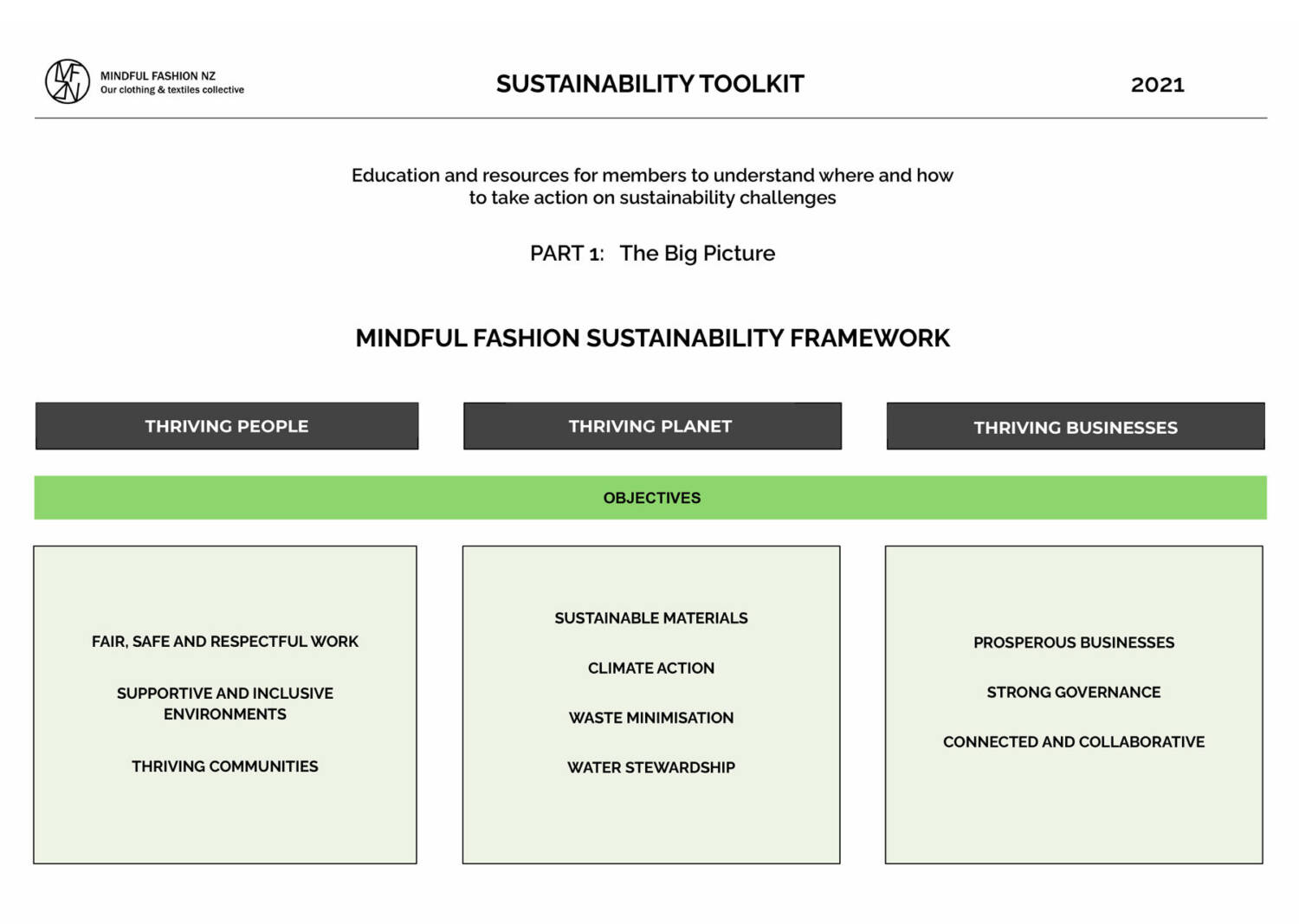
To support our members to act on sustainability, we are developing tools and resources in partnership with local and global subject matter experts and aligned organisations. These will be delivered through workshops and masterclasses on a rolling basis over the course of 2021, and will be available for members on the Fashion & Textiles website.
Climate Action Programme
Fashion & Textiles New Zealand Fashion Climate Action Programme
In direct response to industry needs, Fashion & Textiles launches the Fashion & Textiles New Zealand Climate Action Programme – an initiative designed to catalyse action and support the local industry on its decarbonisation journey.
What is it?
With the New Zealand clothing and textile industry predominantly made up of SMEs, Fashion & Textiles has designed its programme to address common barriers to action these businesses typically face. Currently, each business needs to embark on emissions measurement and reduction independently, with cost, time and knowledge significant barriers. The Fashion & Textiles programme provides industry-specific guidance and tools, support to participants during the measurement process, and workshops to collaborate on developing reduction strategies.
Why it was created
One of the key takeaways from a recent analysis is the New Zealand fashion industry’s desire to address its climate impact. Fashion & Textiles CE Jacinta FitzGerald says, “We know that globally the fashion industry is a huge contributor to carbon emissions. To create effective change a sector-wide approach is needed. Our action-oriented programme will build capability and use collective action to drive reductions over time. This is a programme the entire fashion and textiles industry can get behind, and frankly, it must if we are to meet global targets.”
Who's taking part
More than 20 Fashion & Textiles businesses participated in Stage 1 of the Programme, which was designed to enable businesses with knowledge and tools to measure their organisation’s greenhouse gas emissions and take steps to reduce them. Findings from this stage will feed into a Climate Action roadmap that will outline the path towards meeting the industry's longer-term goals, including emissions generated both upstream and downstream in the supply chain.
Partners
Fashion & Textiles’s programme is kickstarted by funding from Whakatupu Aotearoa Foundation, with further support from the Ministry for the Environment | Manatū Mō Te Taiao. It has been co-developed with carbon measurement and offset specialist Ekos, is open industry-wide and free for Fashion & Textiles members to participate.
Whakatupu Aotearoa’s Programme Director Yii Petrus says, “We are excited to support Fashion & Textiles to catalyse climate action within the fashion industry in New Zealand. We share a vision of a restored and thriving Aotearoa New Zealand, and this initiative is a crucial step on this journey.”
Ian Challenger from Ekos says, “Working in industry sectors is an excellent way for companies of all shapes and sizes to learn how to measure and manage their emissions, often from each other as they are tackling similar challenges. Ekos is excited to be working with Fashion & Textiles and being part of a programme to help reduce emissions across a whole sector”.
Collaboration is key
Jacinta says “Collaboration is key to making meaningful progress. We welcome all members of the industry to join us on this mission. It's imperative the industry starts to tackle this challenge. ”
Interested businesses please get in touch with jacinta@fashiontextilesnz.org
Oeko-Tex Standards

Fashion & Textiles New Zealand, in partnership with Raw Assembly Australia presents a 5-part information series on Certifications and Standards for fibres, materials and textile products.
Session #3 - OEKO-TEX Standards
Chemicals are involved in every step of the fashion supply chain.
OEKO-TEX provides a range of standards that address chemical use, enabling consumers and companies to make responsible decisions about the products they buy. There is a focus on product safety, improving sustainable production and ensuring a sustainable, transparent value chain.
Learn how businesses in the fashion and textile industry can use Oeko-Tex standards to ensure chemical safety and limit the use of harmful substances, and communicate these practices along the supply chain, including what's required to communicate on product labelling to consumers.
Speakers
Kate Barry - Testex
Kate Barry is the General Manager of the TESTEX Australian / NZ branch office with over 20 years’ experience in the textile industry including raw material buying & processing, apparel sourcing & manufacturing & currently testing & certification of textiles / clothing / leather.
She joined TESTEX in 2010 & has been providing service & support to the Australian & New Zealand textile, retail & manufacturing industries in helping to meet global industry standards with the OEKO-TEX® product portfolio. She works closely with the major manufacturing markets in Asia & in Australia & New Zealand on consumer & industrial levels implementing the OEKO-TEX® system.
TESTEX is a globally operating, independent Swiss testing and certification organisation with focus on textile and leather testing. Founded in 1846 the TESTEX Group now operates more than 25 branches with more than 250 employees worldwide from its head office in Zurich. TESTEX is a member institute of the OEKO-TEX® Association and the official representative in Australia, Canada, the P.R. China, Hong Kong, Indonesia, Malaysia, New Zealand, the Philippines, Switzerland, South Korea and Taiwan. www.testex.com/en
Julian Collins - AMBT
Julian Collins is the group sales manager - Textiles/ Apparel for AMBT Melbourne, a global leader in natural fibre performance and circular knit manufacturing for lifestyle and fashion textiles. With a diverse customer base covering local fashion retailers through to global sports and outdoor brands, such as Lululemon, Under Armour, Adidas, Country Road and Intimo. ABMT has production facilities in both Melbourne and just outside of Ningbo, China.
ABMT’s latest venture into local garment production (ABMT APPAREL) sees Julian lead a team of local merchandisers together with 3 sewing facilities, 2 print houses, a laundry and a packing site across greater Melbourne. Local responsible manufacturing remains a true passion of Julians and the last years has been exciting and rewarding by playing a small part in the comeback of Australian Made apparel.
Courtney Holm - A.BCH
Courtney Holm is the founder and creative director at A.BCH.
A.BCH is a circular fashion label on a mission to transform the way people buy, wear and discard clothing. A.BCH focuses on eliminating material and energy waste through the entire lifecycle of a garment whilst creating beautiful, design-led products for people around the world to love and enjoy. Through a unique point of view, focus on education and customer empowerment plus a hyper-transparent business model, Courtney is leading the charge in demonstrating fashion circularity and a reimagined future for the industry at large.
Lenzing Fibres Introduction
Find out what makes Lenzing fibres sustainable.
View the Lenzing Fibre presentation here.
Vision for a Circular Economy for Fashion
The Ellen MacArthur Foundations Make Fashion Circular initiative presents its vision of a circular economy for fashion, where products (apparel, footwear, and accessories) are used more, made to be made again, made from safe and recycled or renewable inputs.
Fashion on Climate
This report from McKinsey & Co and Global Fashion Agenda presents an analysis on the fashion industry’s GHG emissions and outlines areas in which players can focus their efforts to meet climate targets.
Textile Flows in NZ
Until now, no overview of the textile flows in Aotearoa has been available to inform business and government on the scale of the challenge we are facing with the current linear textile system. Looking in the Mirror is a review of circularity in in the clothing and textile industry in Aotearoa and forms the first part of the ‘Textile Product Stewardship Project’ by The Formary under their Textile Reuse Programme.
Circularity Working Group
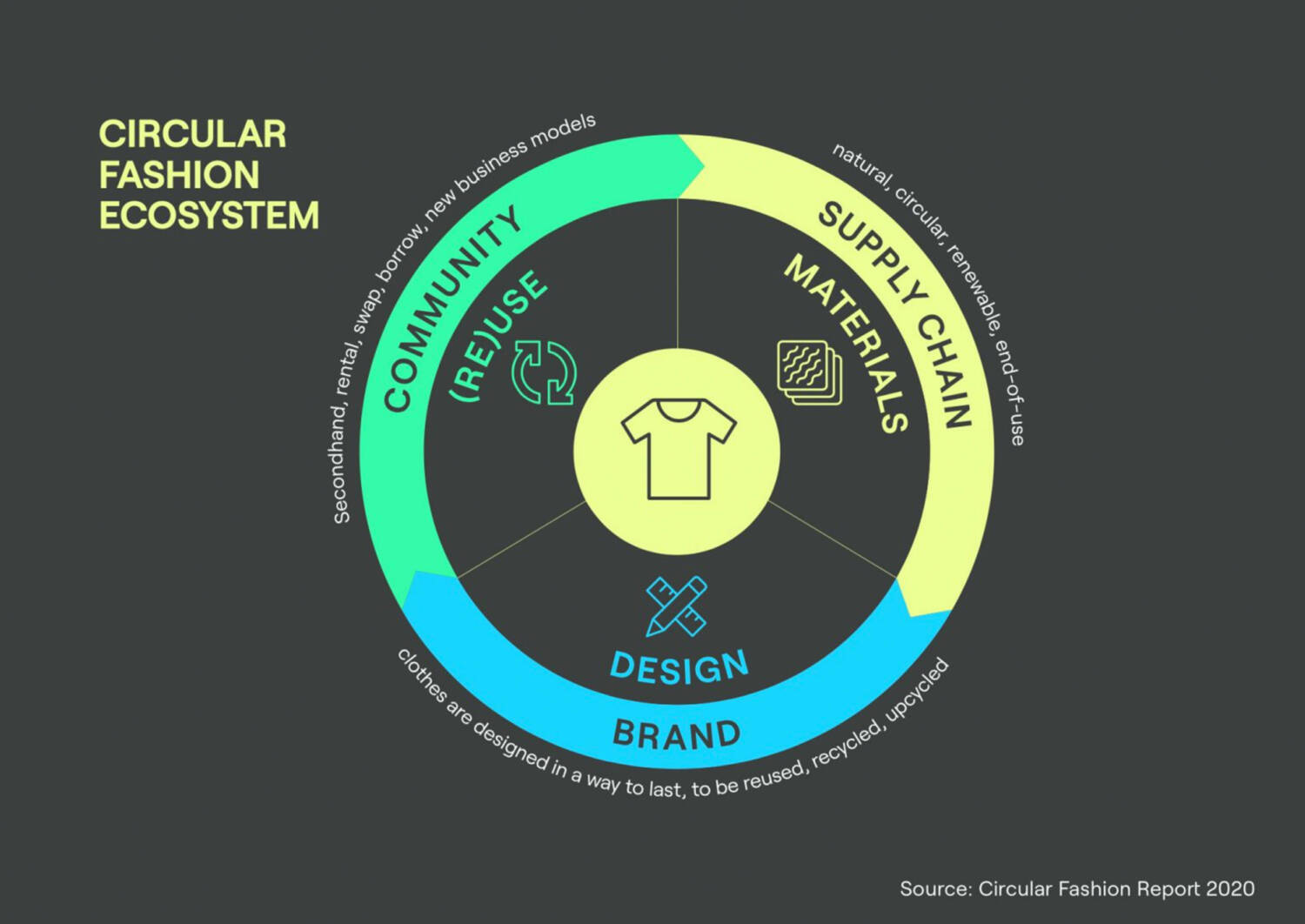
Feb 2021:
A full-circle clothing and textile industry is part of our mission statement at Fashion & Textiles. With this in mind we have established a working group of interested members from across the value chain to come up with a plan for how we can work together to bring this closer to reality.
Some of our challenges as an industry are:
- We are producing and consuming more than ever. Production has doubled in the last 15 years while use-rates have dropped by 40%. 1
- While less than 1% of used clothing and textiles are recycled back into new clothing; in fact 85% ends up in landfill. 2
- The industry’s current “take, make, waste” approach does not manage resources for the long term; as a planet we use 1.7x the earth’s resources each year! 3
- In Aotearoa the majority of textile waste ends up in landfill - an estimated 220,000 tonnes/yr. Auckland Council estimates textiles are 9% of their landfills, and that at current growth rates this would rise to 14% by 2040. 4
- There is currently little to no local operational textile recycling in Aotearoa, or textile production.
The industry needs to move towards a circular system, where resources are used more and products are designed never to become waste. We need to start putting value ahead of volume.
To help solve some of these wicked challenges, our working group is currently exploring themes in two areas:
- How can we be more circular now with existing models and systems
- How we can create more circular models and systems for the future
We have identified two projects that have potential to help the industry move towards a more circular system. These are both in the scoping stage and more information, including how members can get involved, will follow soon. Let us know if you’re keen to be involved!
1. Ellen MacArthur Foundation, 2017. A New Textiles Economy.
2. Ellen MacArthur Foundation, 2017. A New Textiles Economy.
3. Global Footprint Network, 2020. Earth Overshoot Day.
4. The Formary, 2020. Looking in the Mirror; A review of circularity in the clothing and textiles industry in Aotearoa.
Standards and Certifications - Traceability

Fashion & Textiles New Zealand, in partnership with Raw Assembly Australia presents a 5-part information series on Certifications and Standards for fibres, materials and textile products.
Session #4 - Traceability
The session focuses on traceability, best practice in the supply chain and importance of full life cycle impact data to access sustainability and circularity of fibres and of course high quality products.
Hear from industry leaders Fibretrace, Icebreaker and Suedwolle Group about the unique way their businesses tackle these challenges.
Watch the recorded session here.
Speakers
Kara Hurry - Chief Marketing Officer | FibreTrace
FibreTrace is the world's most advanced traceability solution providing real-time and accurate verification of raw fibres across global supply chains including recycle, reuse or rebirth. Combined with the power of a Fibre Impact Module that provides primary social and environmental data across raw materials and processing stages to prove impact claims and deliver to the bottom line. Every fibre tells a story.
Jordi Beneytoferre - Senior Manager, Global Materials and Sustainability
Jordi is Senior Manager Global Materials and Sustainability at Icebreaker, a VF company. With 13 years experience in sportswear development and innovation within global leading brands (Puma, adidas, icebreaker) Jordi is an Industrial engineer and industrial designer by trade. His vision is for the apparel industry to stop being part of the problem and become an active part of the solution.
A world where petro-chemical synthetics are no longer needed because there are much better natural and renewable alternatives that can deliver the same or better functionality.
A world were every garment can be traced back all the way to the place where the fiber was grown, and to the people who was part of that journey.
Kylee Davis - Sales & Marketing Regional Manager Suedwolle Group
Kylee is the Sales and Marketing Regional Manager for Suedwolle Group, Germany. Suedwolle Group is a family-owned company, which has been producing yarns since 1966. Located in Schwaig, Nuremberg, Germany, they pride themselves on being not just a spinner but a strong partner to their client's businesses. Süedwolle Group creates high-quality yarns produced from worsted wool and other natural and eco-friendly resources for a wide range of end-uses. Dedicated to producing robust and long-lasting products, they offer a wide range of stock supported items allowing for prompt and efficient delivery from 11 warehouses in 8 countries.
The Nature of Fashion
The Biomimicry institute looks to answer the question: What would the fashion industry look like if it acted like a natural ecosystem?
Partners & Exhibitors
How to go organic - Industry guide
The newly published organic cotton sourcing guide “How to go organic” provides practical answers to the question how companies can source organic cotton. This guide was published by the Partnership of Sustainable Textiles under the German government & industry organisations including Textile Exchange and GOTS.
Apprenticeship Program
Feb 2021:
The New Zealand garment manufacturing industry is under threat, and now more than ever, we need to support our beloved local supply chain of makers who bring your favourite clothes to life.
New Zealand needs to invest in a sustainable future for the local fashion industry and the creation of manufacturing jobs. It is becoming more and more challenging to produce clothing in New Zealand with a declining number of New Zealanders who have technical expertise and skills in garment construction.
Fashion & Textiles has been working with Industry Training Organisation (ITO) Competenz, a government agency, to develop a meaningful garment manufacturing apprenticeship programme to fulfil much needed industry skill shortages and create jobs within our clothing industry. We began this process in August 2020 thinking it would be a relatively simple undertaking. What novices! The wheels of bureaucracy work on a frustratingly slow rotation.
In October 2020 we surveyed members and the wider industry to determine the need and feasibility of an apprenticeship program. Our analysis of the results showed there is demand, especially in the area of machining. Of those surveyed more than 50% said they would be willing to take on an apprentice. Working with Competenz we have built out a business case which is making its way through the system.
The scoping document to develop a machining apprenticeship was submitted to the Senior Leadership team at Competenz in December 2020, and has been approved to the next stage of internal discovery, which includes updating the unit standards and creating supporting assessments - looking to be added to the 2021 Competenz work plan.
However, the current vocational education system is being redesigned through ROVE, the Reform of Vocational Education. Under ROVE, in 2021 new Workforce Development Councils (WDCs) are being developed along with one central Industry Training Organisation, Te Pukenga, which will replace Competenz. While we are assured this should not impact existing programs of work, this adds potentially further complications to our development timeline. In early march 2021, Jacinta, Kate and Trevor are due to meet with Fiona Kingsford, CEO of Competenz in an effort to make our case a greater priority.
More to come as this project progresses.
Rethinking Textile Waste
Join us in a conversation with four different businesses - some who create and manage textile waste and others who provide solutions for textile waste here in New Zealand. Our guest speakers highlight the challenges they have with their textile waste, and offer some insight, ideas and pathways on reducing, reusing and recycling instead of sending this valuable resource to landfill.
Hear from speakers:
- Fiona Bretherton from Untouched World
- Sarah Parker from Ruby
- Jeff Vollebregt from Upparel
- Mark Borgfeldt from Textile Products
Watch the recorded session here
Global textile waste crises
Textile waste is one of the biggest challenges facing the fashion industry today and a global issue. It’s huge negative environmental and socio-economic consequences are already widespread - including in our charity shops and our landfills.
Approximately 12-15% of textiles are discarded before the garments hit the factory floors, while 25% of garments made remain unsold.
In addition, highly recyclable or compostable materials only represent a nominal share of the overall market.
The Ellen MacArthur Foundation A New Textiles Economy Report shows that less than 1% of material used to produce clothing is recycled into new clothing. While 80% of all second hand clothing is downcycled, exported or landfilled.
It's estimated that globally $500b is lost by clothing and textiles being thrown into landfill.
Should growth continue as expected, total clothing production is predicted to triple by 2050, three times today’s amount.
This challenge brings significant opportunity to transform previously wasted products into new resources and drive progress towards net zero. A report published by the Global Fashion Agenda and McKinsey & Company found that “existing recycling technologies have the potential to drive 80% circularity in the fashion industry if fully scaled.”
At Fashion & Textiles our goal is to advance a more circular and sustainable fashion and textiles industry in New Zealand. This event is one step in our journey of exploring pathways to a more circular system for textiles. There are many organisations working on innovative solutions to this issue, the solutions shown about are by no means exhaustive, and we will continue to explore this area.
Find out more about Rethinking Textile Waste:
Hey Fashion - a platform from the Eileen Fisher Foundation.
Institute of Positive Fashion - Circular Fashion Ecosystem.
Textile Recycling options in NZ - MFNZ Textile Recycling options in NZ
Textile Solution Providers:
(Collector and Sorter)
Diverting all textile waste from landfill
Accept any textiles, but as their team sorts through all textiles by hand they can only accept clean items.
Can assist with collection anywhere in NZ with freight and recycling simply invoiced together. Can also provide onsite/in-store branded collection bins with monthly collections available in Auckland.
Once textiles are collected, Upparel apply a reuse, repurpose & up-cycle model where resaleable garments/textiles can be either donated to charity partners on your behalf or upcycled to create sustainable products from these traditional textile waste items.
Contact: jeff@upparel.nz
(Recycler)
Accept any textiles in any condition, but must be decommissioned with all hardware removed.
Can collect in Auckland.
Recycled textiles are made into a range of textile products - geotextiles, wadding, felted protective blankets, insulation and underlays.
Wants to work with businesses to develop useful innovative products using textile waste.
Contact: mark@textile.co.nz
(Collector and Sorter)
An industry collective reducing cotton textile waste in NZ.
LYB accepts 100% cotton from any brand for their circular cotton program.
It accepts 100% cotton jeans, sheets, clothing and textiles from any business in any condition. It also accepts any and all socks (regardless of composition).
Products must be clean. It does not accept any undergarments at this time.
Waste is sent to Europe to be recycled in a fibre-to-fibre chemical recycling process. Old cotton is shredded, turned into a slurry, made into a pulp and then fed back into the textile production chain. This fabric is then used again to make new clothing.
For smaller businesses
Purchase Take Back Box online. Box measures 40 x 40 x 60 cm and fits approximately 12-13kg.
For larger businesses i.e 300kg+ then LYB offer an annual membership.
Contact info@littleyellowbird.com
Have a suggestion on waste solutions in NZ, or know a business working in this area? Let us know!
Leading Circular 2020
Pathways for evolving apparel and textile businesses from linear to circular.
The Renewal Workshop, a leading circular solution provider for the apparel industry reports on the power of circular business models and presents examples of how circular practices are being used across the apparel and textile industry.
Workforce Development
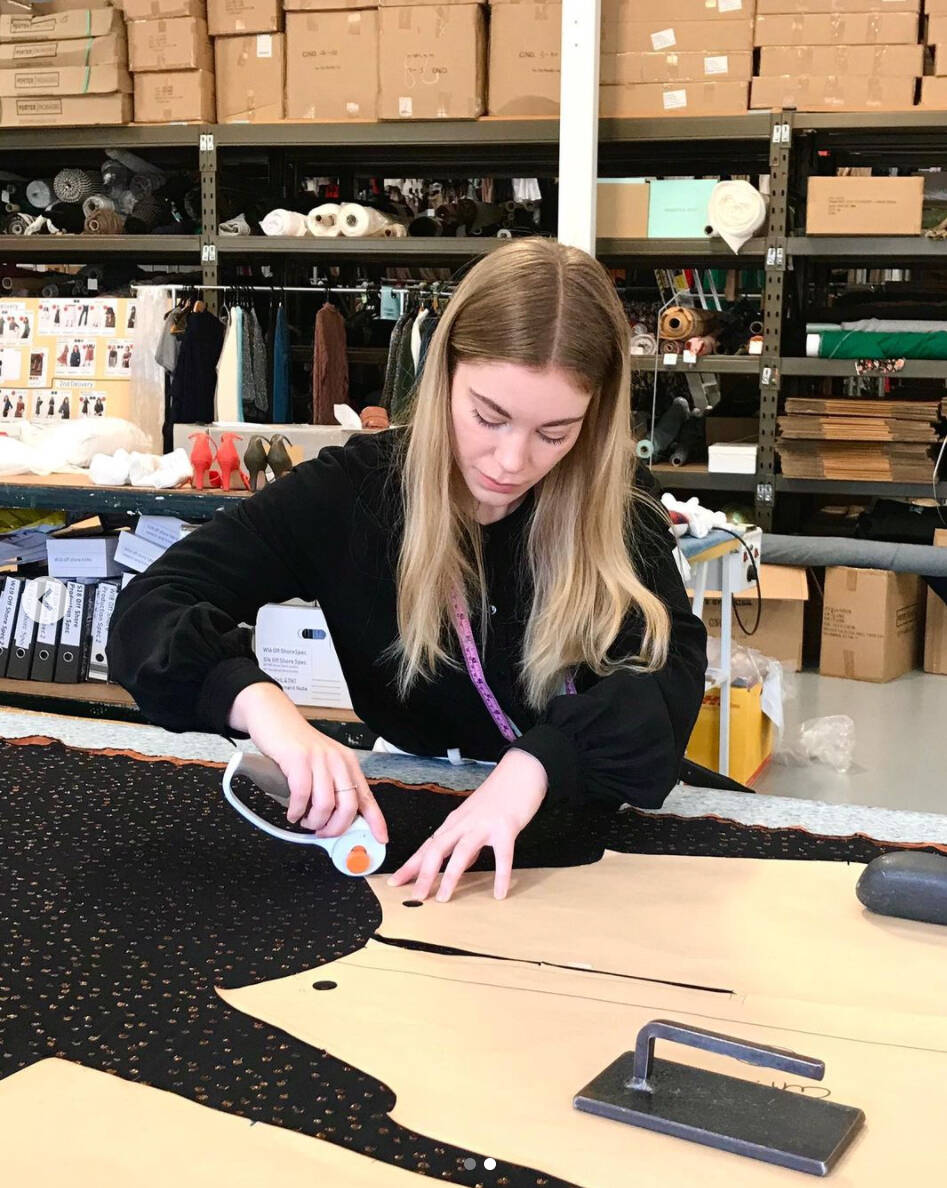
Our objective is to develop a capable and responsive workforce. To achieve this, we need to ensure our industry has pathways to employment for graduates entering the workforce, and on-the-job training pathways for those upskilling/developing new skills.
A strong workforce development pipeline will enable our industry to increase innovation and productivity, and build a resilient and thriving industry to meet the changing demands of society and consumers.
Two pathways have been identified to begin to develop a strong workforce. These are not exhaustive, but are avenues we are currently focussing on due to acute need.
- Degree program graduates > Workplace internships / graduate placements
- Vocational on-the-job training > Apprenticeships
Graduate Placements
Fashion & Textiles has identified a need to work closely with New Zealand’s tertiary education providers to ensure their graduates are meeting the needs of industry, and to ensure recruitment pathways exist for students entering the workforce.
In September 2020, Fashion & Textiles submitted a Needs Analysis to Competenz to support an application to the Covid-19 Response Fund to assist the sector in recovery from Covid-19 impacts. The application was for funding for the design and pilot of a Graduate Placement Programme. Competenz advised that this proposal would have a low chance of success for the Covid Relief Fund and therefore advised us to focus instead on developing an apprenticeship program through the standard channels.

Jan 2021:
We are currently developing a proposal for a pilot Graduate Placement Program to help bridge the gap between tertiary education and employment for students. The idea of the program is to connect graduates with potential employers and provide them with commercial experience in the form of a paid internship. We have raised this program with both TEC and Competenz with positive responses, yet the concept falls outside their brief.
To support this, in January Jacinta and Trevor took Fashion & Textiles to the Beehive! We met with Jan Tinetti (Minister for Women and Associate Minister of Education) and a senior policy advisor to Chris Hipkins. We discussed industry challenges and opportunities, in particular around workforce development. We were advised by the Minister to build out the proposal for a pilot program, and submit it for funding to Government Agencies to be advised.
More to come as this project progresses.
The State of Fashion 2021
2020 will go down in history as one of the most challenging for the fashion industry on record, marked by declining sales, shifting customer behaviour and disrupted supply chains. Business of Fashion and McKinsey & Co provide expert analysis on the trends and challenges facing the industry in the year ahead.
Code of Conduct
October 2020:
Fashion & Textiles NZ is a voluntary organisation. Members choose to join because they share a common aspiration for a sustainable future for the New Zealand Clothing and Textiles industry. To support this common agenda, we have created the Fashion & Textiles NZ Code of Conduct.
The MFNZ Code of Conduct sets out baseline standards of responsible business practice for the industry. The standards cover business ethics, human and labour rights and environmental stewardship. All our members are expected to adopt the Code for their businesses (or an equivalent), and we will provide support around implementing this.
By adopting the same Code we set a shared understanding of ethical and sustainable practice among members and with wider society. This is a big step forward for us as an organisation - defining the shared commitment that sets Fashion & Textiles NZ members apart!
The Code replaces the original Partnership Agreement, and for those who signed this the substance is essentially the same. The core difference is that each member business is responsible for implementing the Code in their own business. It is not an agreement between businesses, rather a shared set of standards. We made this change based on feedback from members, in line with our strategic direction.
Codes of Conduct are an important tool in the apparel industry and are expected by other businesses, NGOs and some consumers. While we do not see Fashion & Textiles's role at this point as monitors of compliance with the Code, we know verification of the Code through the supply chain is important. We plan to engage with members in 2021, to understand the need that a verification process is addressing, so we can determine the best way to address this.
The Code and Charter can be accessed here.
Fashion Industry Charter for Climate Action
In 2018, UN Climate Change convened companies from across the fashion value chain - raw material producers, textile producers, apparel manufacturers, and brands - as well as other organizations to align on a holistic set of commitments on climate action. From this came the Fashion Industry Charter for Climate Action (Charter). Building on the Charter, the UN Fashion Industry Charter for Climate Action has developed the Climate Action Playbook to guide industry action.
Design For Disassembly & End of Use Solutions
Circular Design Workshop
Fashion & Textiles are delighted to have Tara St James, an international circular design specialist, visiting us in New Zealand. Tara will run a circular design workshop for Fashion & Textiles members, sharing global best practice with practical activities for you to learn from. The workshop is targeted at anyone working in the industry - design, production, product development, textiles and trims. The more cross-pollination across roles we have the more circular thinking can be introduced in every aspect of your business.
- Using recyclable or biodegradable materials
- Understanding mono-materiality
- Understanding the landscape for end of use
- Low impact and circular trims
- End of life considerations for materials
- Fashion & Textiles members - complimentary
- Non-members. We have limited paid spaces available for non-members. Email ask@mindfulfashion.co.nz for more info.
Sustainable Coastlines Flagship | 55 Madden St, Auckland CBD | Location Map
Tara St James launched Study NY in 2009 after designing high street fashion for over 15 years in Canada and the US. Study produced in NYC’s garment district using ethical fabrics and production methods. Shortly after starting Study NY, Tara focused on educating the next generation of designers on the importance of sustainability in design. She has extensive lecturing and teaching experience in NYC including teaching a class on sustainable textiles at the Fashion Institute of Technology. Study NY has been awarded the Ecco Domani Fashion Foundation prize as well as runner up in the CFDA / Lexus Sustainable Fashion Challenge. Most recently Tara worked as Production Coordinator and Research Fellow in the Sustainable Strategies Lab for Pratt’s Brooklyn Fashion + Design Accelerator. She launched Re:Source(d), a consultancy, sustainable textile library and sourcing service in July 2019. And in 2021 Tara joined the team at Another Tomorrow as VP of Sustainability, Supply Chain and Culture.
Textile Exchange Climate+ Stories from The Field
Fashion & Textiles NZ are delighted to be an event partner for Textile Exchange in Auckland, New Zealand as part of our work to increase uptake of better materials.
Textile Exchange Climate+ Stories from The Field
Under the Climate+ strategic direction, Textile Exchange will be the driving force for urgent climate action with a goal of 45% reduced CO2 emissions from textile fibre and material production by 2030.
While the need for this strategy and the overall target for the industry is clear, it’s not always easy to see how this will work in practice at the raw material production level.
This event gives an opportunity to hear from experts working at the raw material level who are driving this work, including NZ Merino who run the ZQRX regenerative wool program.
Please join Fashion & Textiles New Zealand for a morning of learning and storytelling, and the opportunity to meet one-on-one with global and local Textile Exchange team members.
Hear from:
- Dave Maslen, New Zealand Merino
- Hanna Denes, Climate+ Impact Strategy Manager, Textile Exchange
- Rui Fontoura, Fiber & Materials Strategy Lead - Cotton, Textile Exchange
- Anna Heaton, Fiber & Materials Strategy Lead - Animal Materials, Textile Exchange
- Valentina Zarew, Oceania Ambassador & Strategist, Textile Exchange
The event will include information and updates from Textile Exchange as well as time for discussion and Q&A.
Time: 3.00pm – 5.00pm
Location Sustainable Coastlines Flagship | Auckland CBD
Light refreshments will be served.
Register to attend here.
What is Textile Waste?

Circular Design Innovation entries must use textile waste.
For the purpose of the award, we categorise textile waste as:
Textile Waste
- Pre- or post-consumer textile waste from across the value chain; textile swatches; cut-and-sew textile waste; damaged or faulty textiles; damaged or faulty clothing or textile products; end-of-life, unwearable or un-sellable clothing; unusable textile products; and proprietary clothing or textile products that are no longer able to be worn.
- Cotton - to be considered for the Cotton Innovation prize outfits must be made from 100% cotton material (at least 80% of which is waste), with the source clearly identified for judges.
- All waste must be sourced from within Aotearoa New Zealand.
Sourcing Waste Textiles
Entrants are challenged to source waste from their local region where possible. When sourcing, consider the scale of the waste problem you are addressing and how your solution might be able to provide a viable pathway for this waste. Ideally, include data on the scale of your waste stream in your entry so we can understand the scale of impact potential.
Fashion & Textiles can connect entrants with waste textiles. We have on-demand education sessions available to watch where industry experts share sourcing advice and their experience from working with waste textiles. See our Learn section for more on this.
Regional Ecosystem
This Award is place-based, challenging entrants to create regional ecosystems to solve a local waste challenge. Entrants should explore their region to (where possible) source waste materials, along with the skills, knowledge and resources needed to bring their creation to life. A region could be defined as one of the sixteen local government regions4, however there is flexibility for the entrant to define their own regional boundary (larger or smaller) as long as this is outlined in their entry.
FAQs

Any confidential information provided to Fashion & Textiles will be treated as such and only provided to the judging panel if required.
- Circular Design Innovation Award entries:
must be made from at least 80% waste textiles, sourced within Aotearoa, and from a local or regional waste stream where possible. Documented evidence of textile waste is required as part of supporting documentation;
can be submitted by a collective or an individual. There is no limit to the number of people within a collective. Entries from collectives must name all members of the collective on the final submission form. Collectives that reach the finalist stage of the Award are responsible for managing the distribution of the prize pack themselves;
Garments shown at university graduation shows are allowed to be entered in the Circular Design Innovation Award. Any garment that has been entered and placed in the top three in any other competition is ineligible to enter;
Garments and accessories that are made under licence or that are currently produced by a commercial label in New Zealand are not eligible to be entered into the Circular Design Innovation Award;
Garments or accessories entered into this award cannot subsequently be commercially manufactured or sold without the written agreement of the Award organisers;
Each Finished Entry must be received by 5pm on the end closing date, and accompanied by a completed Entry Form and all other submission requirements, in order to be considered.
Circular Business Innovation entries will be accepted from any business in the clothing and textile industry across the value chain that operates and is registered in New Zealand. Members of Fashion & Textiles are encouraged to enter.
Individuals or collectives who are employed by Fashion & Textiles member businesses are encouraged to enter, but it is not a requirement.
Fashion & Textiles staff cannot enter.
Fashion & Textiles Board member companies can enter, as long as this is declared on their entry form.
Individuals who are employed by Fashion & Textiles Board member companies or sponsor companies of this Award can enter, as long as they are doing so in their own capacity and this is declared in their entry form.
Prizes are not transferable for cash. Where a collective entry wins a prize, the collective must decide how they would like to manage the distribution of prizes within their collective.
Becoming a B Corp with Tim Jones from Grow Good and Fashion & Textiles
Join us online to learn about the benefits of becoming a B Corp with Tim Jones from Grow Good, a B Consultant who has helped more than 80 businesses in NZ on their B Corp journey. Learn about the process, the benefits, and the opportunities with B Corp certification from businesses that manufacture in New Zealand, and off-shore. Hear from speakers including Fashion & Textiles Certified B Corp members who will share their first-hand experience and insights:
- Tim Jones - Grow Good, B Consultant
- Emma Wallace - Managing Director, Kowtow
- Fiona Bretherton - Development Manager, Untouched World
Watch the recorded session here
Tim takes us on an interactive and energetic online workshop journey, with his extensive knowledge of the B Corp process and break-out rooms that gave attendees an opportunity to share ideas and learnings with each other.
Tim shares his enthusiasm on how becoming a B Corp is not the destination, it's the journey heading towards a regenerative business. B Corp has a framework that's global and independently verified with a high level of scrutiny, it won’t solve all of our problems but is a step in the right direction, and is a really cool tool to see where you aren’t doing good.
Emma and Fiona share their experience of becoming a B Corp from different angles of producing in New Zealand and offshore. They both express their appreciation for the sense of community that the journey creates. And to take use of B Lab, which can support you to ask difficult questions. It is a great way to learn about what is happening within your business, and part of your development and growth.
Here’s a summary of what we learned:
- It works best when you get the whole company involved
- Identify a Queen or King B to lead it
- How the impact business model works
- It’s an important part of the development and growth of a business
- The leaders within the business need to be actively on board.
- You can do the B Impact Assessment for free, anytime. It's a great tool to develop your own sustainability plan.
Here's some info to get started:
- All About B Corp - the new IT certificate for fashion
- Patagonia has a new mission - to save our home planet
- Customers seek purpose-driven companies - creating a rise in B Corps
You can connect with Tim here or tim@growgood.co.
Zero Waste Pattern Design Workshop
Fashion & Textiles hosts Emma La Rocca, a zero-waste pattern design specialist. Emma shares her technical knowledge and expertise in innovative pattern-cutting techniques in this Introduction to Zero Waste Pattern Design workshop for the Fashion & Textiles Community.
The workshop covers:
Illustrating pattern-making techniques and identifying the problems.
Suggestions on how zero waste pattern techniques can be employed.
Examples and strategies for making patterns and markers.
Cost efficiencies and statistics on fabric wastage.
Next steps, and how to take part in the workshop series.
This event is ideal for designers, workroom teams, pattern cutters and marker makers.
Watch the recording
Fashion & Textiles Members can watch the recording in the Members only Resources.
Find out more on how to become a member.

Emma La Rocca established her zero-waste swimwear brand, Emroce in 2015 for which she continues to pattern make and sew. She considers Emroce as her laboratory for perfecting zero-waste pattern methods and business models that fast fashion brands can scale up to fit into their large companies.
Emma recently worked on a project for Decathlon, the world's largest sporting goods retailer. Decathlon is the first fast fashion company to be convinced of the economical and environmental benefits of working with zero waste patterns.
Emma has a Bachelor of fashion design from Massey University Wellington. She studied under the tutelage of Holly Mcquillan who is one of the world's leading zero-waste fashion designers. When Emma first began her studies in 2006 she was introduced to the devastating impact of the fashion industry and focused on the need to educate the general public on this issue, as consumer power is strong and through the things we buy, we decide who, what, where, when and how our products are made. Now that there is more awareness of how the fashion industry truly operates, she is focused on working directly with large fashion companies in order to have a fast and direct impact on the 60 billion square meters (minimum) of fabric that is discarded annually.
Zero Waste Fashion Masterclass with Emma La Rocca
Emma la Rocca of Emroce is delighted to announce that she will be delivering three in-person zero-waste pattern design masterclasses created for the fashion industry throughout May 2023 in Auckland. The location will be announced soon.
MASTERCLASS 1: 26 May 2023, DESIGNER & PATTERN MAKER COLLABORATION (3 hours)
Objective: To integrate pattern making, drape & marker making into the design process in order to create less fabric waste.
Find out more and register for Masterclass 1 here
MASTERCLASS 2: 29 May 2023, GRADING FOR ZERO WASTE PATTERNS (4 hours)
Objective: To explore and test the different solutions to grading zero-waste patterns.
Find out more and register for Masterclass 2 here
MASTERCLASS 3: 30 May 2023, ANALYSING OUR MARKERS (3 hours)
Objective: To analyse a marker of your choice and manipulate it with minimal changes to the pattern pieces, in order to create less waste.
Communicating Sustainability in 2023
Getting your sustainability communications right is critical in 2023. Fashion & Textiles hosts The Commerce Commission alongside GoodSense, experienced communications specialists, for a balanced discussion to help you navigate the challenges and opportunities of communicating sustainability impact.
The benefits of communicating sustainability are clear, but it needs to be done right. This is especially true in 2023 with green claims legislation coming into full force both in New Zealand and in international markets including Australia, the UK and the EU, as greenwashing practices become rife. Opening up about social and environmental impact can be risky. If it's done wrong, it can open your organisation up to backlash and regulatory scrutiny, and can alienate your audience.
How can brands and retailers tell customers about their sustainability advancements – while sticking to the rules and avoiding the greenwashing trap? How can we support brands and retailers that invest in sustainable practices over and above those that do not? This session will present a balanced discussion on the rules in New Zealand around communicating about sustainability, with tips on how to communicate in an honest and transparent way.
Commerce Commission Guidance
The following resources provide further details to consider from a Fair Trading Act compliance perspective.
- Environmental claims – a guide for traders.
- Making accurate claims “If you can’t back it up don’t say it”
- Fair Trading Act: Unsubstantiated representations
What we covered
- The rules for communicating about sustainability in New Zealand;
- Rights and responsibilities under the Fair Trading Act;
- How businesses can tell customers about their sustainability impact and ambitions in a way that engages people but is also honest, transparent and rigorous.
- How to master good sustainability communications and avoid greenwashing.
Watch the recording
Fashion & Textiles Members can watch the recording in the Members only Resources.
Find out more on how to become a member.
Guest Speakers
- Vanessa Horne - Acting Chief Executive, Commerce Commission
- Kirsten Mannix - Acting General Manager, Fair Trading branch, Commerce Commission
- Kath Dewar, Managing Director, GoodSense Marketing
Introducing our Speakers
Vanessa Horne
Acting Chief Executive, Commerce Commission

Kirsten Mannix
Acting General Manager, Fair Trading branch, Commerce Commission

Kath Dewar
Founder & Managing Director. GoodSense Marketing
GoodSense is an outsource ethical marketing team, and a Certified B Corp. Kath is also on the Board of the Sustainable Business Network and the Advisory Board to the University of Auckland’s Circular Economy Beacon (CEBUS).

Introduction to CLO 3D Design & Sampling to Reduce Waste
Fashion & Textiles hosted Helena Steinmann, a digital design expert of Weft Digital NZ who helps New Zealand fashion brands transition to 3D workflows.
Helena ran an online education seminar looking at how software such as CLO3D can help your business improve environmental performance by reducing material waste and saving time and money.
The session looked at:
- How brands can use CLO3D at different stages of design, sampling, specs, marketing and production.
- Case studies showing a reduction in time and waste.
- Realism in digital garments.
- Customisation for consumers and brand identity.
- How to get started and Set up costs.
- Business innovation, and the opportunities of the digital age.
Watch the recording
Fashion & Textiles Members can watch the recording in the Members only Resources.
Find out more on how to become a member.

Helena is passionate about bringing digital fashion into the mainstream for New Zealand fashion brands. Coming from roles in the fashion industry and the 3D industry, Helena offers insights from both sides and a drive to create a more sustainable fashion industry.
Helena has a long-standing interest in interdisciplinary design and streamlining workflows, thus the digitisation of fashion became the natural next move. Helena’s enterprise empowers businesses and individuals to integrate the digital fashion software CLO3D into their studios, offering software training and updating analogue systems.
Get started on your Climate Action Journey
Learn about our Climate Action Toolkit!
We share the tools and resources that you'll find in the Toolkit, take you through step by step how to get started on your climate action journey, and outline the support that Fashion & Textiles can give.
Learn what's involved in measuring your carbon footprint and developing reduction strategies, and hear from a business that took part in our Climate Action Programme in 2022.
Guest speaker:
Briar Lloyd | Planning & Logistics Manager | Ruby
Ruby participated in the Fashion & Textiles Climate Action pilot in 2022. Briar shares what she learned during the programme, and how measuring Ruby's carbon footprint has started to influence the brands decision making and internal planning and procurement processes.
Due Diligence in Supply Chains
Learn about due diligence in supply chains!
Through this online workshop, we looked into supply chain due diligence for local and global supply chains; what good due diligence looks like; modern slavery risks; and how proposed modern slavery legislation in New Zealand will impact you. The workshop will share practical tips for members on getting started with risk assessments, and available tools for domestic and overseas markets.
What we covered
- Modern slavery - How legislation and policy will impact NZ businesses
- Supply chain mapping
- What good due diligence looks like
- Getting started on risk assessments
- Tools to get started
- An essential part of the Modern Slavery and EU legislation requires companies to remedy cases of exploitation or Modern Slavery. What does that look like?
Guest speaker:
Daniel King | Co-founder | The Nature of Business
Daniel King has 25+ years of business experience working in Multinationals and SMEs. His passion is Human/Labour rights in the supply chain, Modern Slavery and Business Ethics. He has served on the board of Transparency International New Zealand and has conducted human and labour rights audits in Europe and Asia. He has developed systems to meet the UK Modern Slavery and Australian Modern Slavery legislation and has expertise in turning complex legislation and customer requirements into business-speak and developing frameworks and systems to meet these requirements.
Watch the recording
Fashion & Textiles Members can watch the recording in the Members only Resources.
Future Fashion - Unlocking a Circular Fashion Economy in Aotearoa.

Fashion & Textiles held a dynamic panel discussion held during the Auckland Climate Festival and on the official schedule for New Zealand Fashion Week 23:Kahuria.
Hosted by Fashion & Textiles, this discussion brought together experts from across the value chain to discuss innovative ways to unlock circular systems from a unique Aotearoa New Zealand perspective. From designing for local circular systems and using regenerative materials, to exploring circular economy from an indigenous perspective, incorporating circular business models that keep garments in use and establishing scalable recycling solutions, this panel covered it all.
While our speakers each brought their unique perspectives, there was alignment on the key challenges and opportunities.
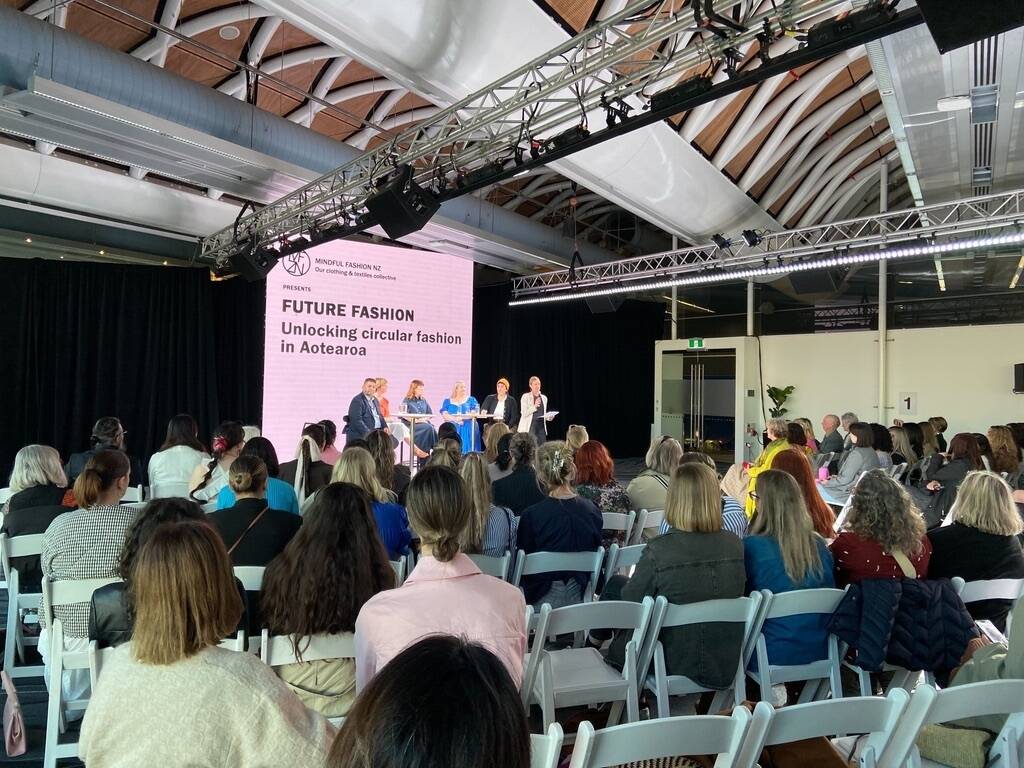
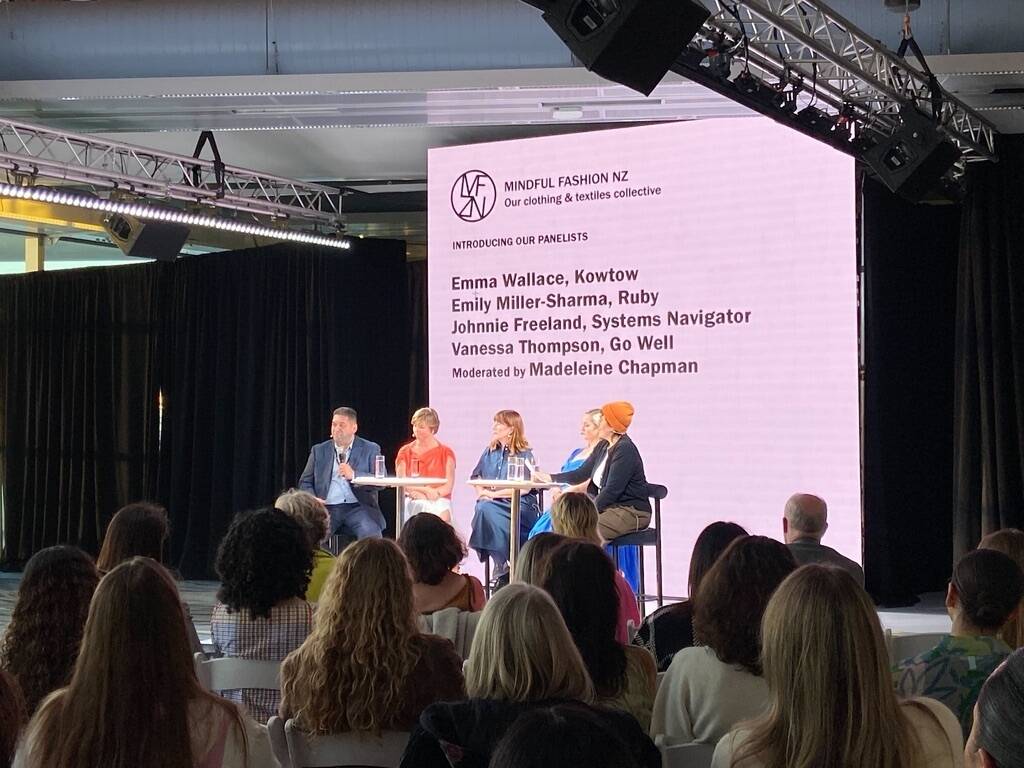
Key insights from our panellists:
- The value of the industry needs to be honoured - the creative, artisanal, skills and cultural value it brings. People have lost touch with the true value of clothing.
- For local circular systems, we need to think of spirals rather than circles.
- There is a tension between making fashion accessible and cutting people out that needs to be navigated in any circular transition.
- As a small island nation, we need to think about scale in a different way. The scales of a fish are a fitting metaphor, each individual is small, but they all work in unison. It’s about collaboration and we can all play a role.
- The need for policy and legislation - industry is asking for it and are looking for Government to put it in place.
- Businesses spoke about the need to incentivise and recognise the design and creativity at the top of the creation process, rather than focus on adding more ambulances at the bottom of the cliff.
- Disincentivise the rapid sale of new product.
- Government are the largest procurer of product in NZ, they need to take responsibility for this.
Facing into a climate crisis, the need for systems change is clear. It was great to be able to bring this conversation to a wide and engaged audience at NZ Fashion Week and build further momentum for a circular change with the fashion sector in Aotearoa.
As part of the Auckland Climate Festival, the event also shone a light on the actions New Zealanders can take to bring a low carbon future to life.
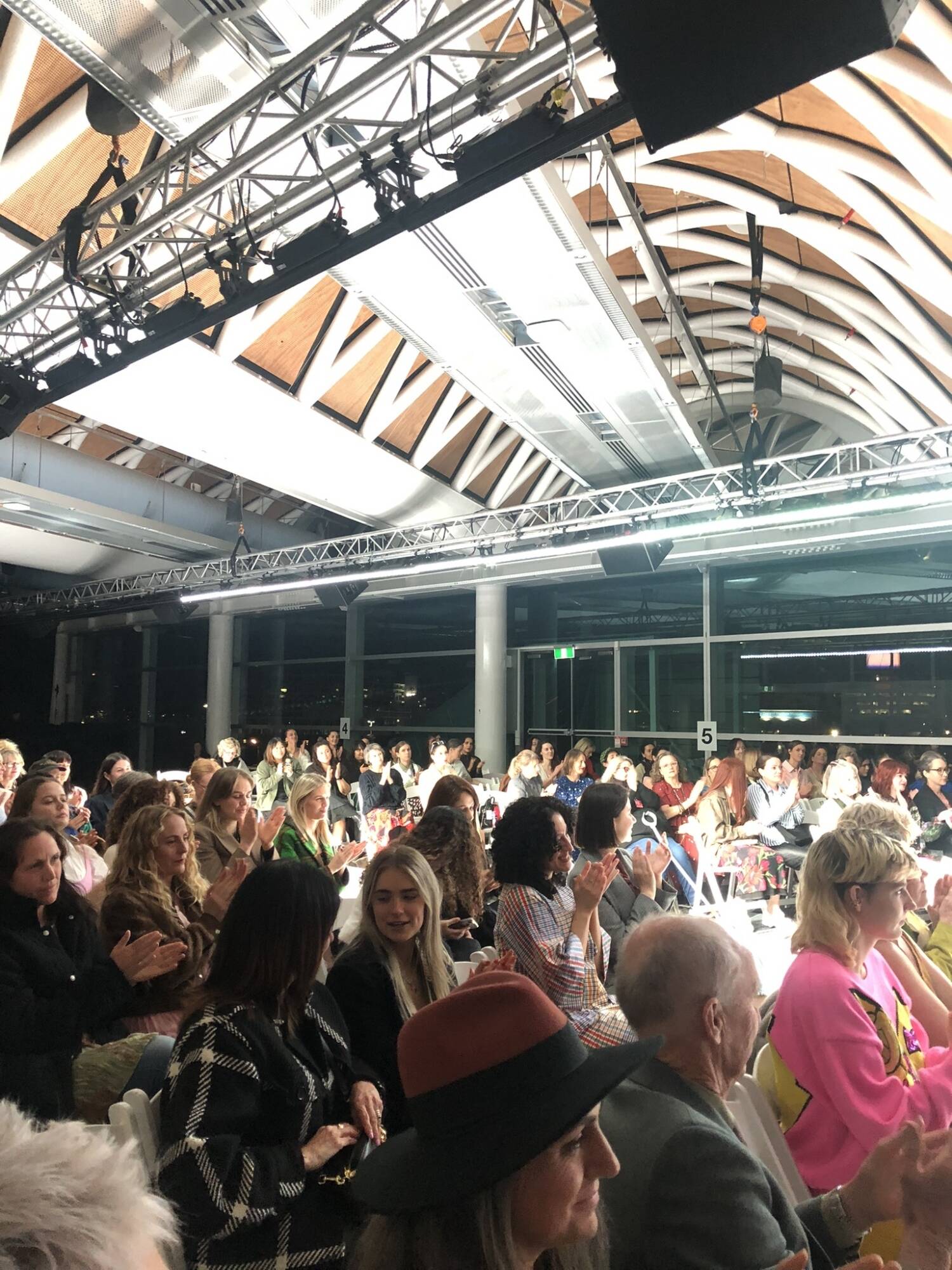
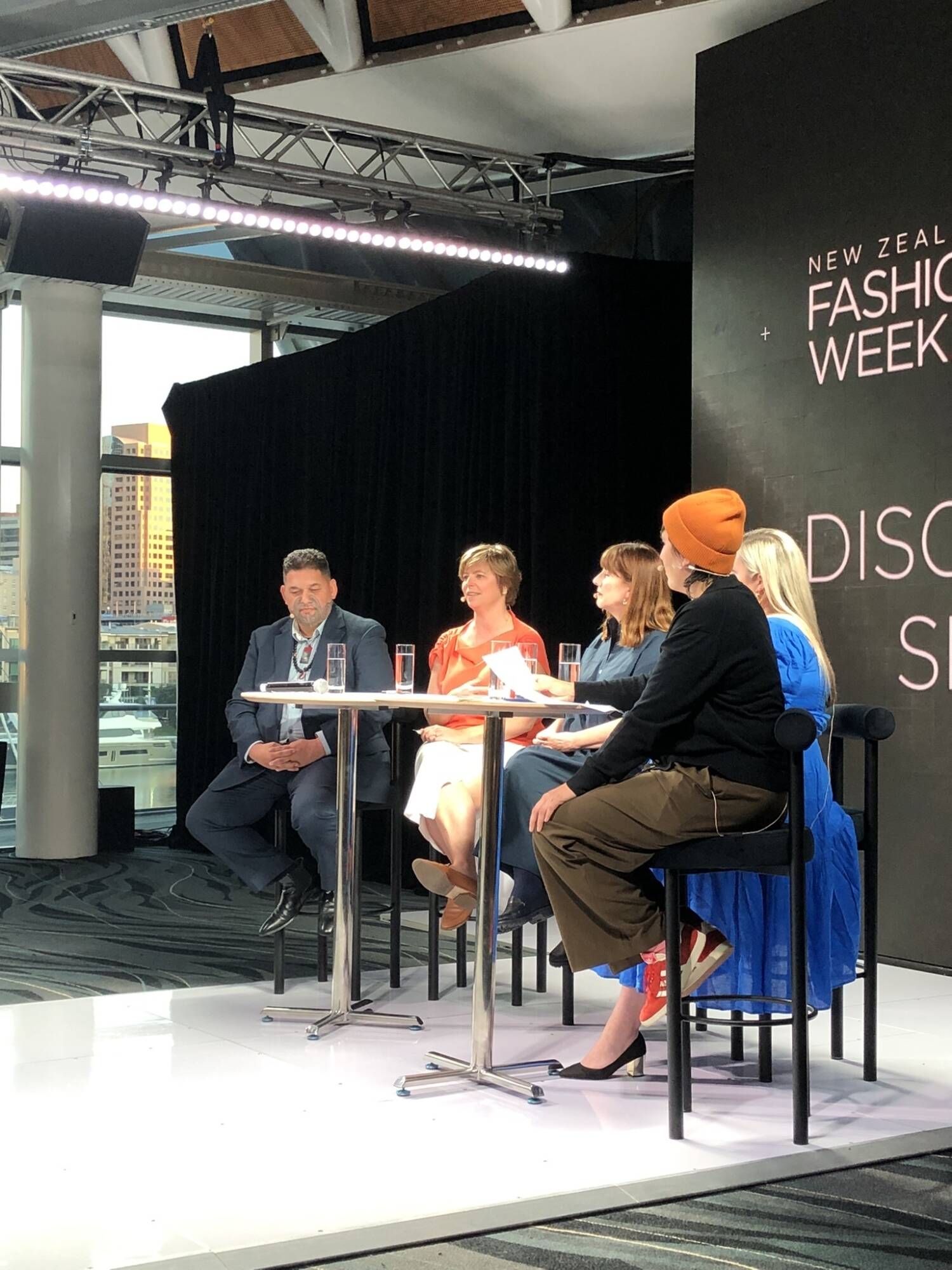
Speakers

Emma Wallace | Managing Director, Kowtow

Emily Miller-Sharma | General Manager, Ruby
Johnnie Freeland | Ngaati Te Ata Waiohua, Ngai Tūhoe
He brings together more than 30 years’ knowledge and lived experience of serving community and in guiding and navigating a range of Iwi, Māori community and public sector organisations in working to achieve better outcomes with Māori. He utilises mātauranga Māori in designing Oranga Motuhake/well-being pathways, with whānau, hapū, iwi and organisations.

Vanessa Thompson | Director of Supply Chain, Go Well

Madeleine Chapman
Madeleine will be moderating the discussion.
Leasing for Commercial and Retail businesses
PwC Legal recently hosted a seminar for members of Fashion & Textiles NZ focussed on the topic of leasing for commercial and retail businesses. The seminar highlighted some key considerations to be aware of in leasing a retail premises, as well as some strategies to help you get the most out of your leasing arrangements.
A range of topics were discussed, including:
Entry into a lease: What you should be looking out for when entering into a lease to ensure you get things right from the start.
Lease security and incentives: Important considerations in relation to lease security and incentives such as personal vs bank guarantees, types of incentives offered and the potential tax implications of various lease incentive options.
Negotiation strategies: Negotiating lease terms that are aligned and favour your business’ long term strategy and how to leverage your business’ value and brand power as a tenant in negotiations.
Management of key dates: The importance of keeping track of key lease dates, such as lease variations, renewals and rent reviews and how to use the renewal process as a basis for negotiation of other lease terms.
Assignments and subletting: How to navigate your rights and responsibilities under the assignment, subletting and change of control provisions commonly found in a lease.
Tenants’ rights when things go wrong: Tenants’ rights during a business interruption, the right of quiet enjoyment and what these mean for your business when things go wrong.
Thank you to all of you that came along to the seminar. It was a great opportunity to discuss and share some valuable insights between the PwC Legal team and the MFNZ members in attendance. For those of you that did not make it to the seminar, but are looking for advice or assistance in relation to any commercial or retail leasing questions, you can reach out to Nicky Harrison (nicky.c.harrison@pwc.com) or Jonathan Simons (jonathan.a.simons@pwc.com) at PwC Legal.
Circular Design Award Celebration Event
We had an incredible celebration of fashion and sustainability at the Fashion & Textiles Circular Design Awards held in Auckland! On show were some of the many and varied ways that clothes can be designed for the circular economy. The Award celebrates the best of emerging talent in sustainable fashion design. Congratulations to the 2023 winners and finalists!
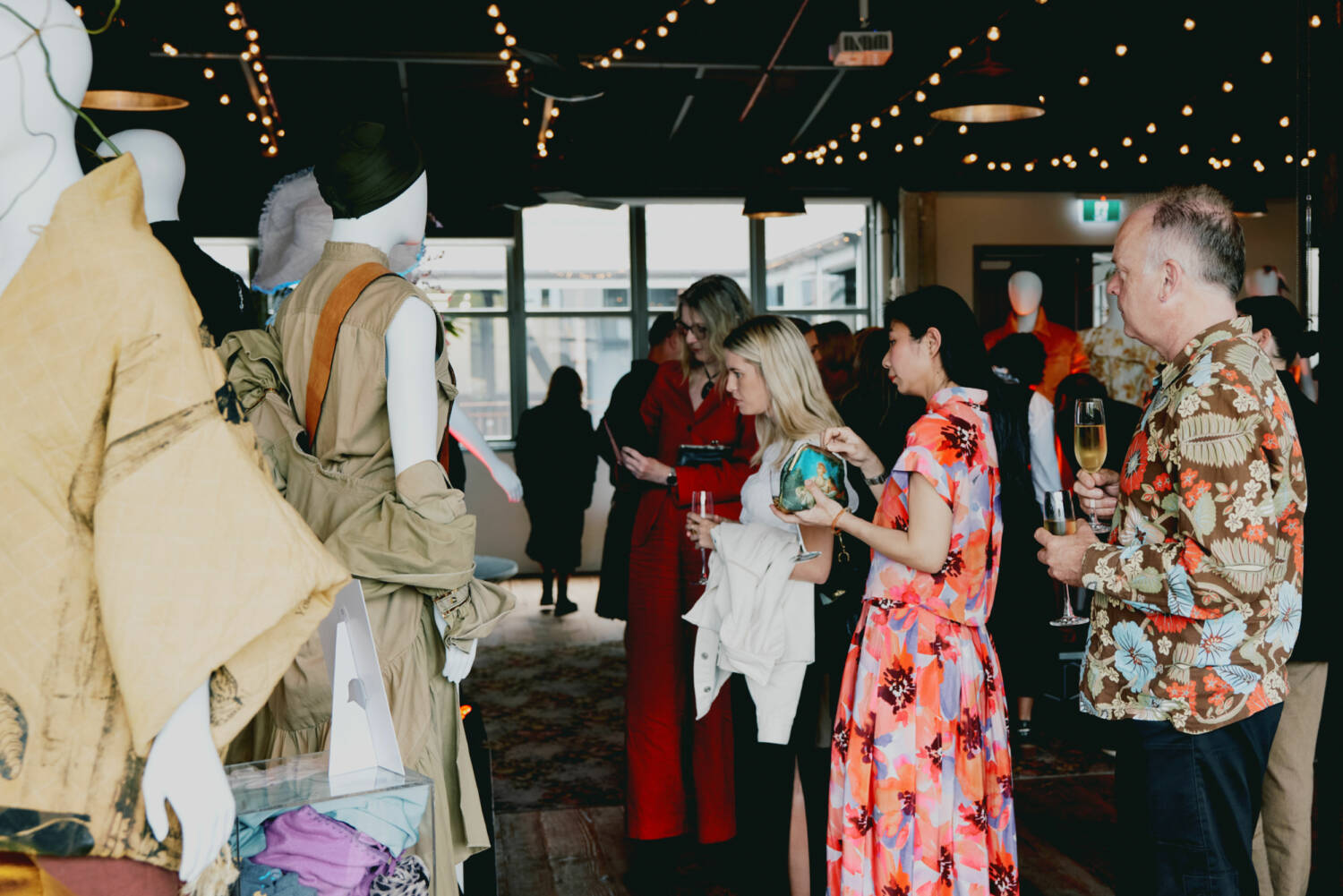
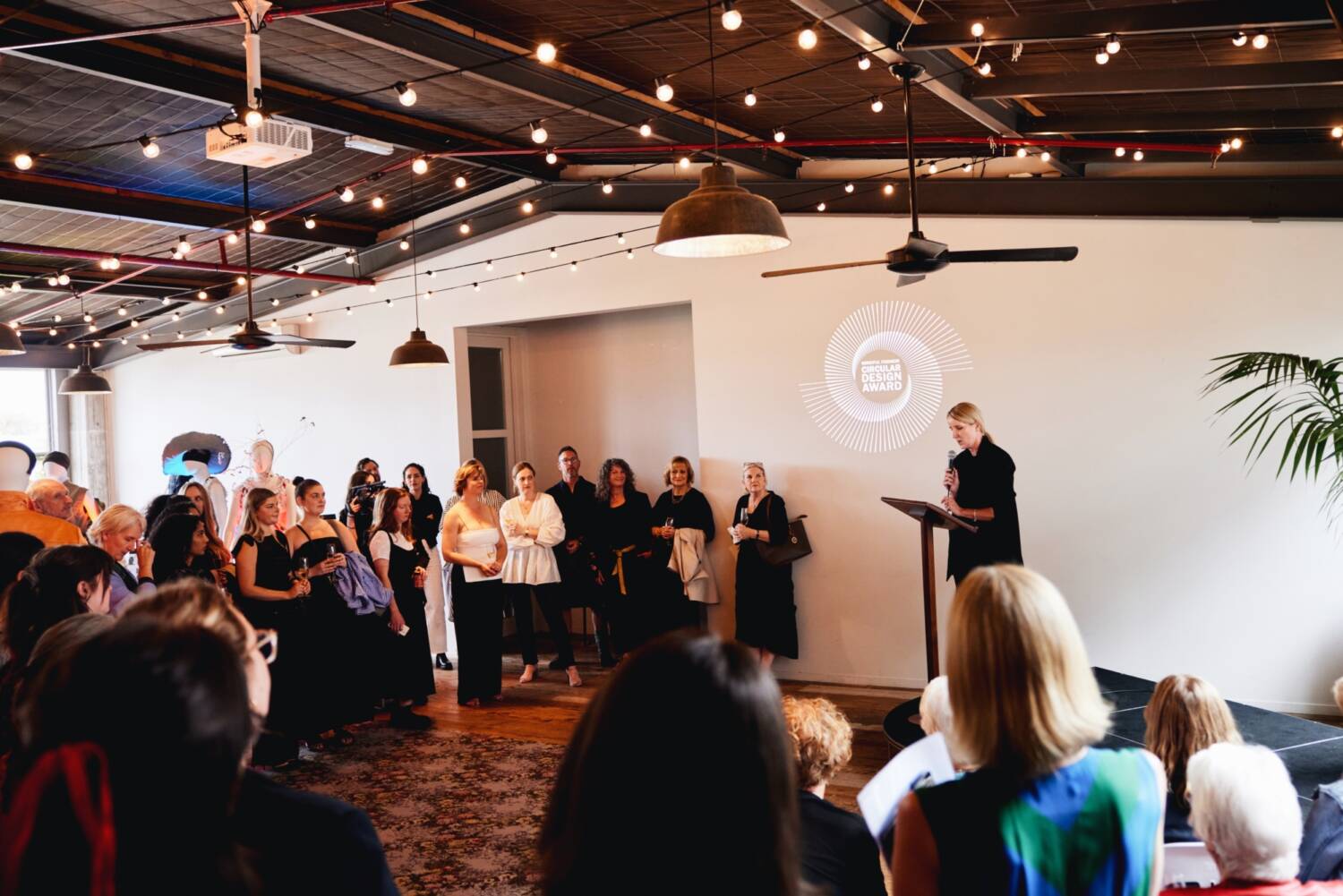
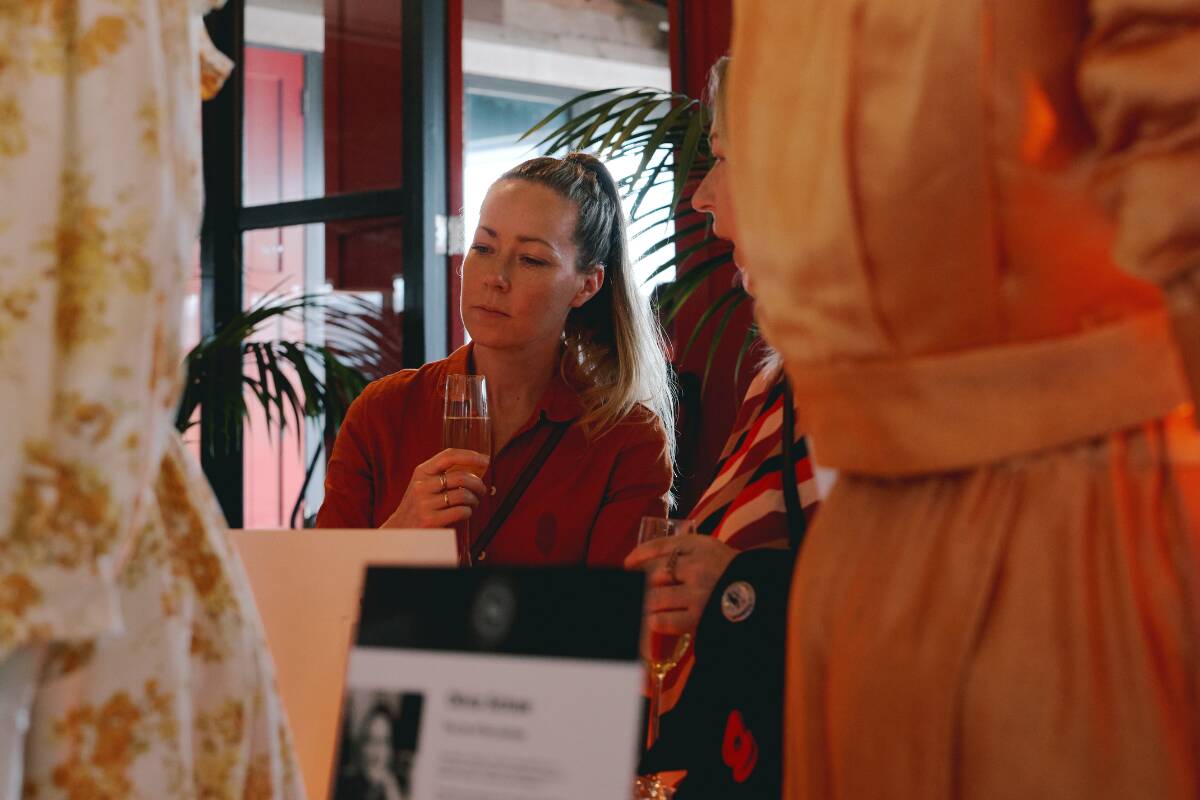
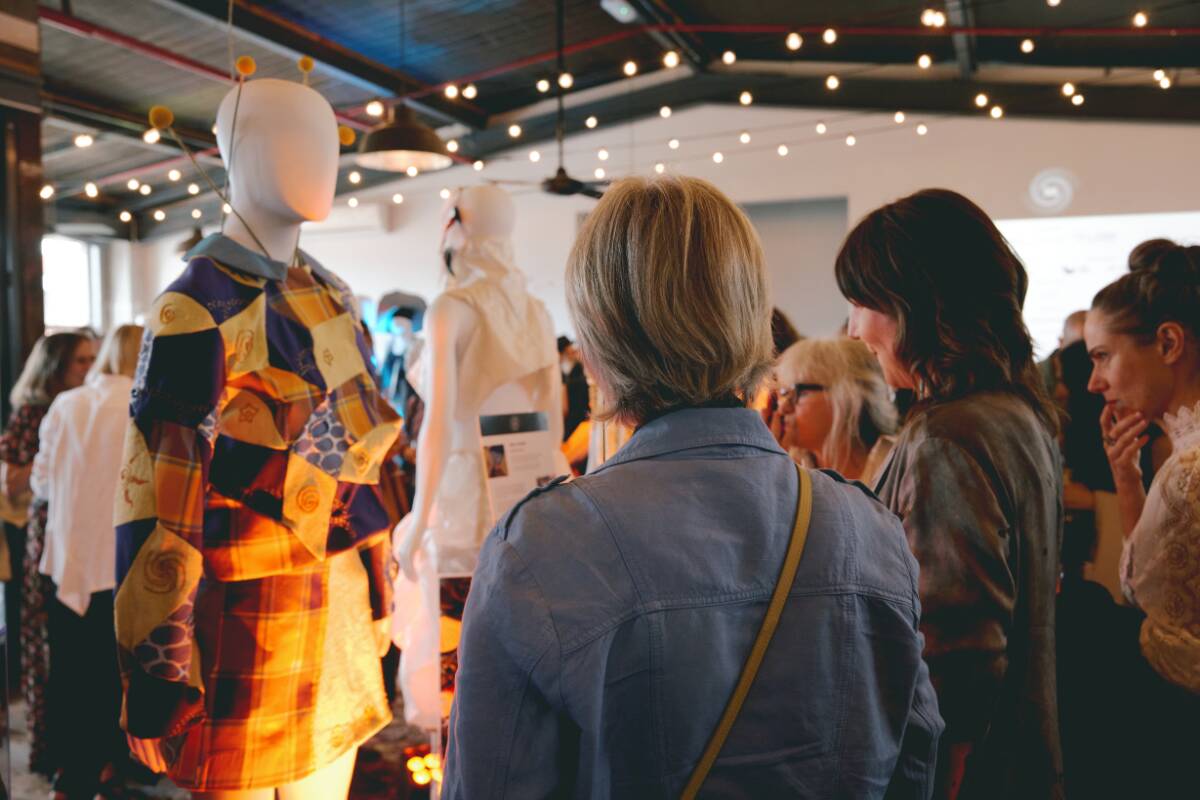
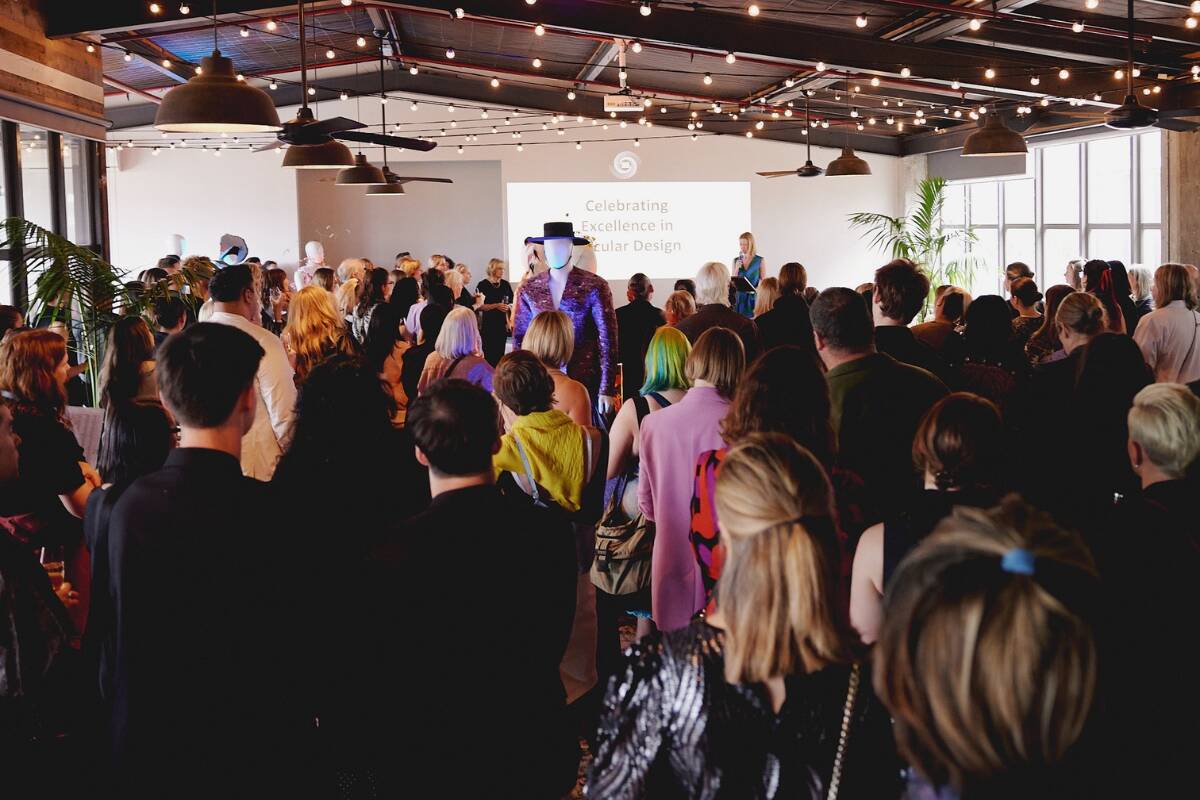
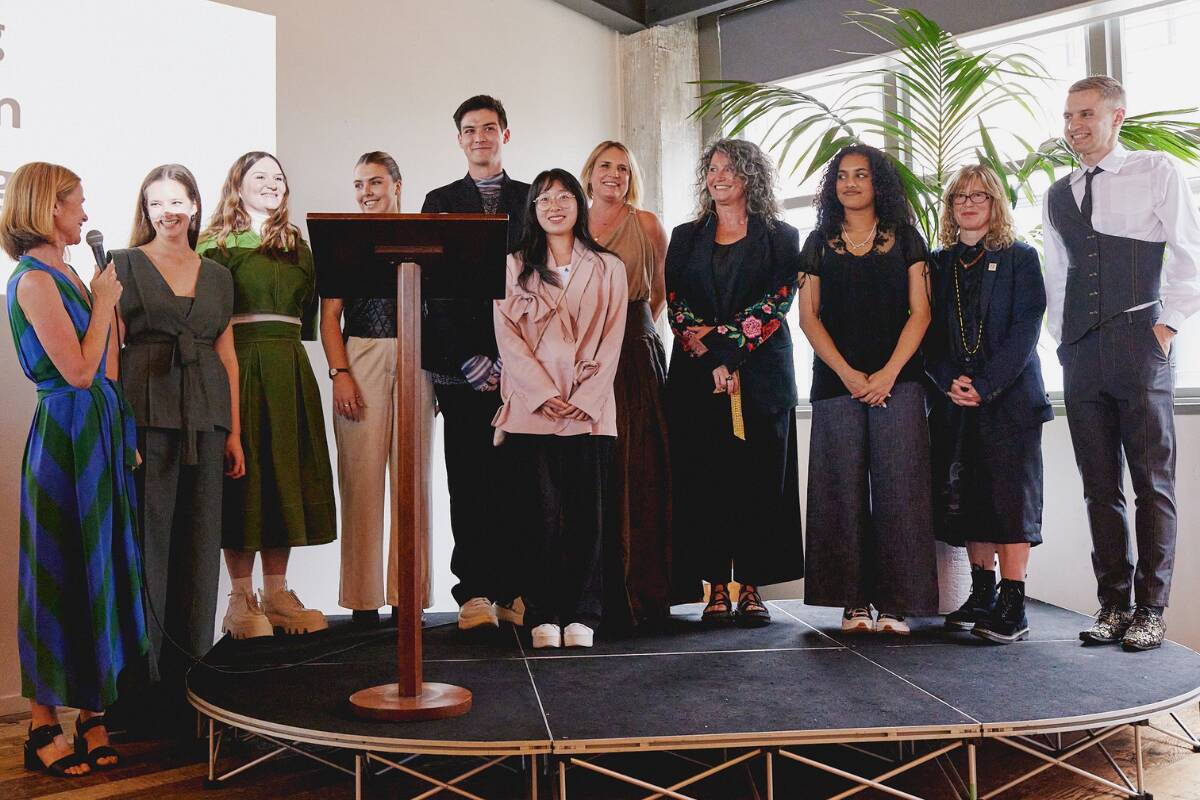
Thanks to our event sponsors

End of Year Industry Networking
Fashion & Textiles hosted industry networking events in 3 regions across Aotearoa at the end of 2023! We met up with our community to connect with others in the sector in an informal setting. It was great to see so many of the industry out in force in Auckland, Wellington and Christchurch for our end-of-year networking!
Everyone enjoyed the opportunity to come together and celebrate the end of 2023 and the start of summer. It was a great opportunity for members and non-members to connect, and build networks. For us, a stronger, interconnected community is instrumental in strengthening our industry for the benefit of everyone!
Special thank you to Fashion & Textiles Board Member Mat Junge from Albion Clothing for hosting our Christchurch community and giving a behind-the-scenes tour of their manufacturing facility.
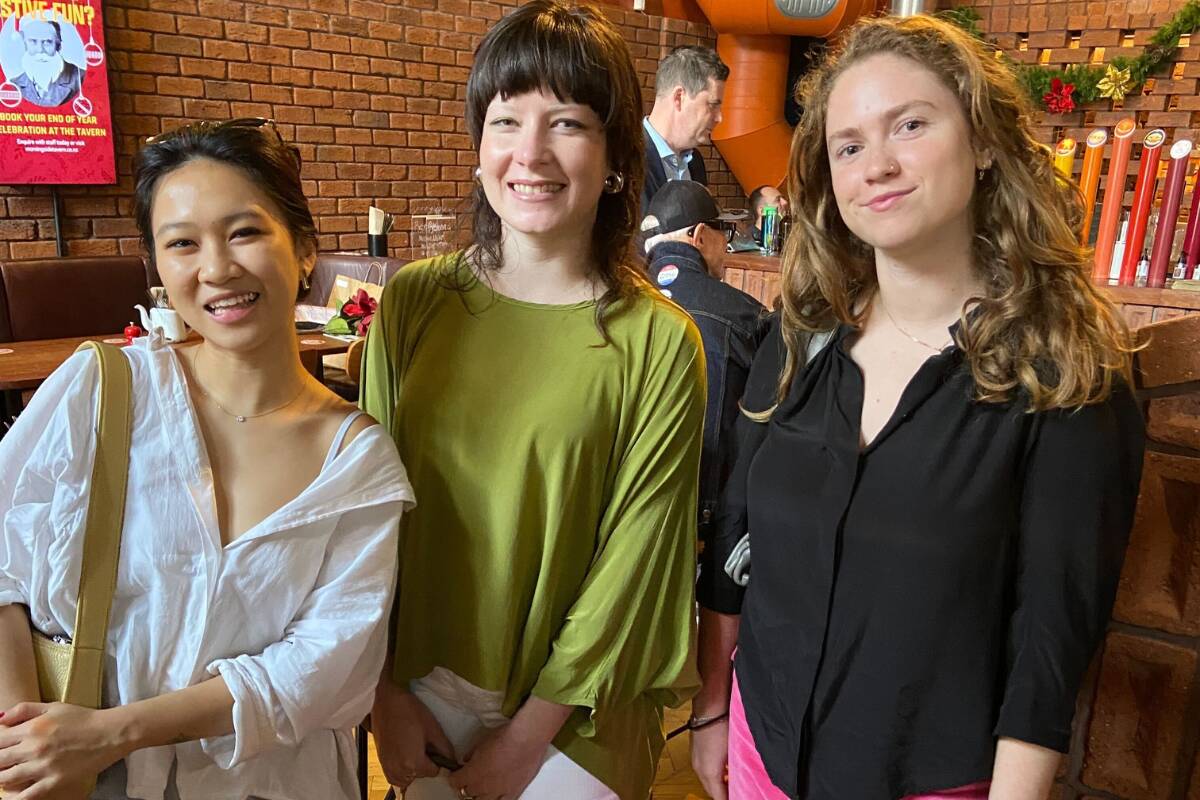
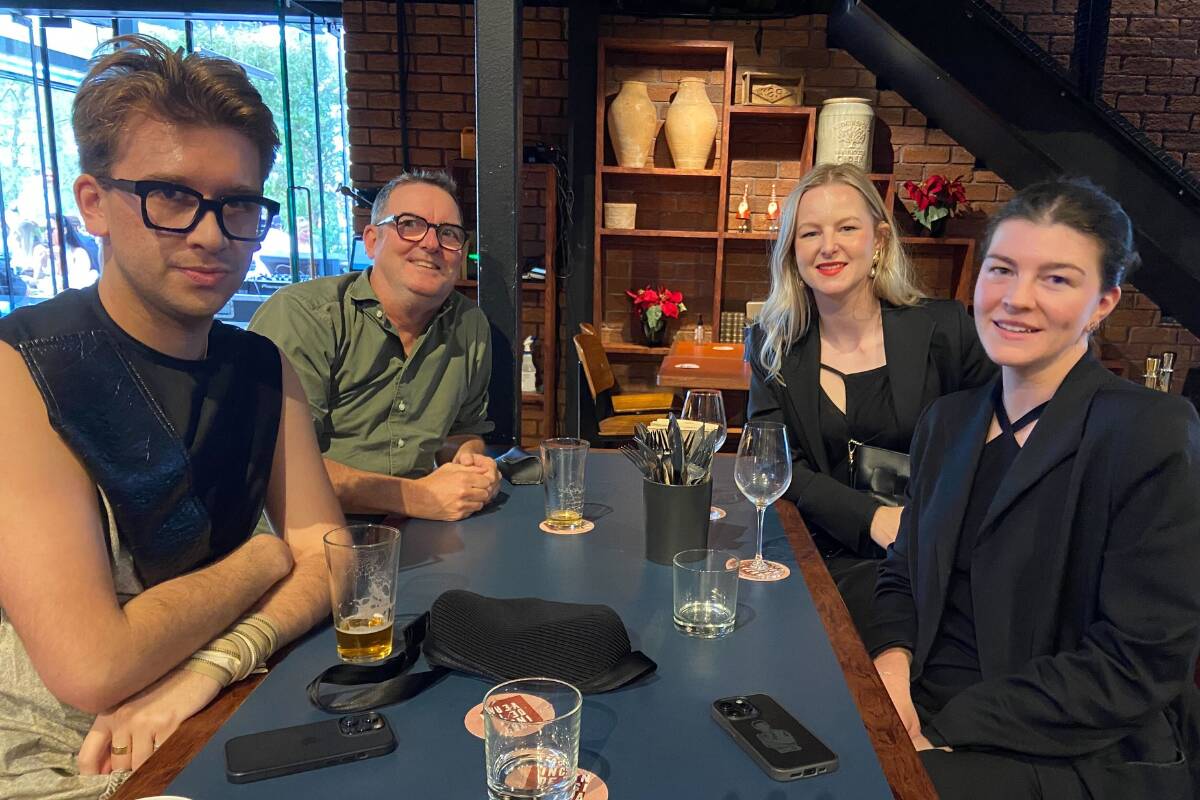
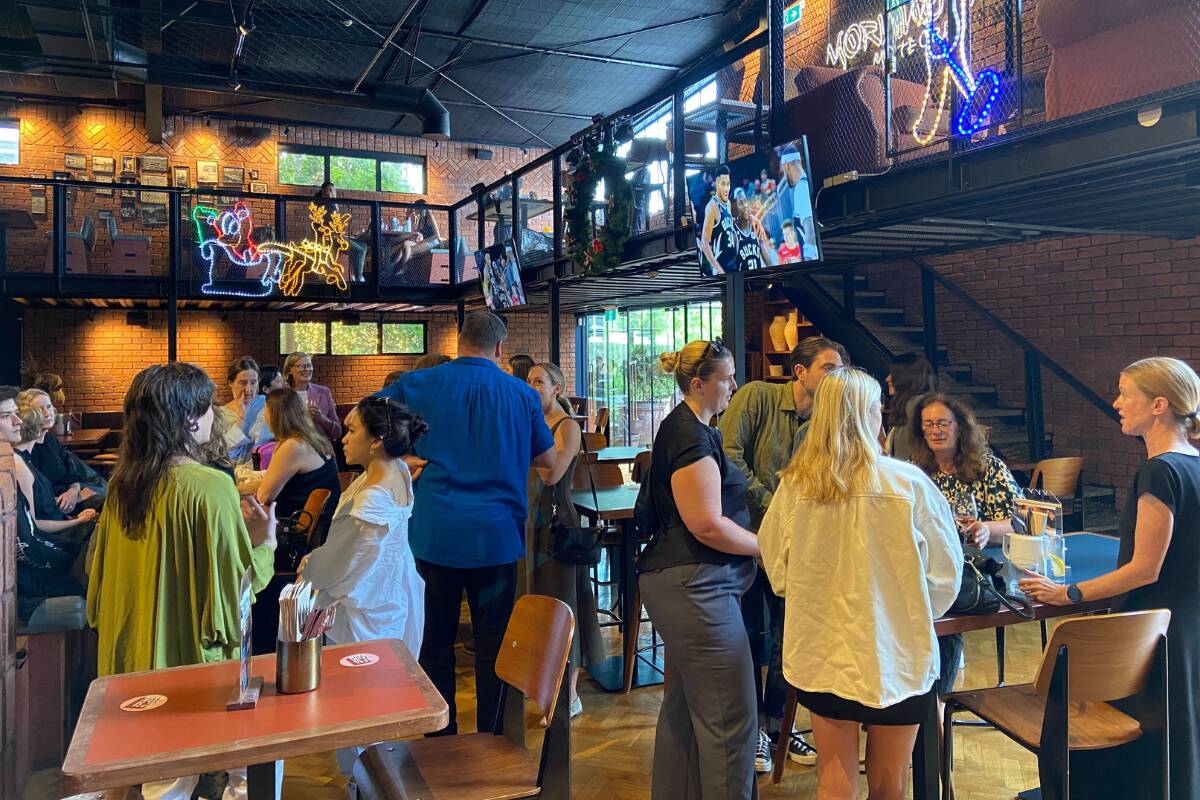
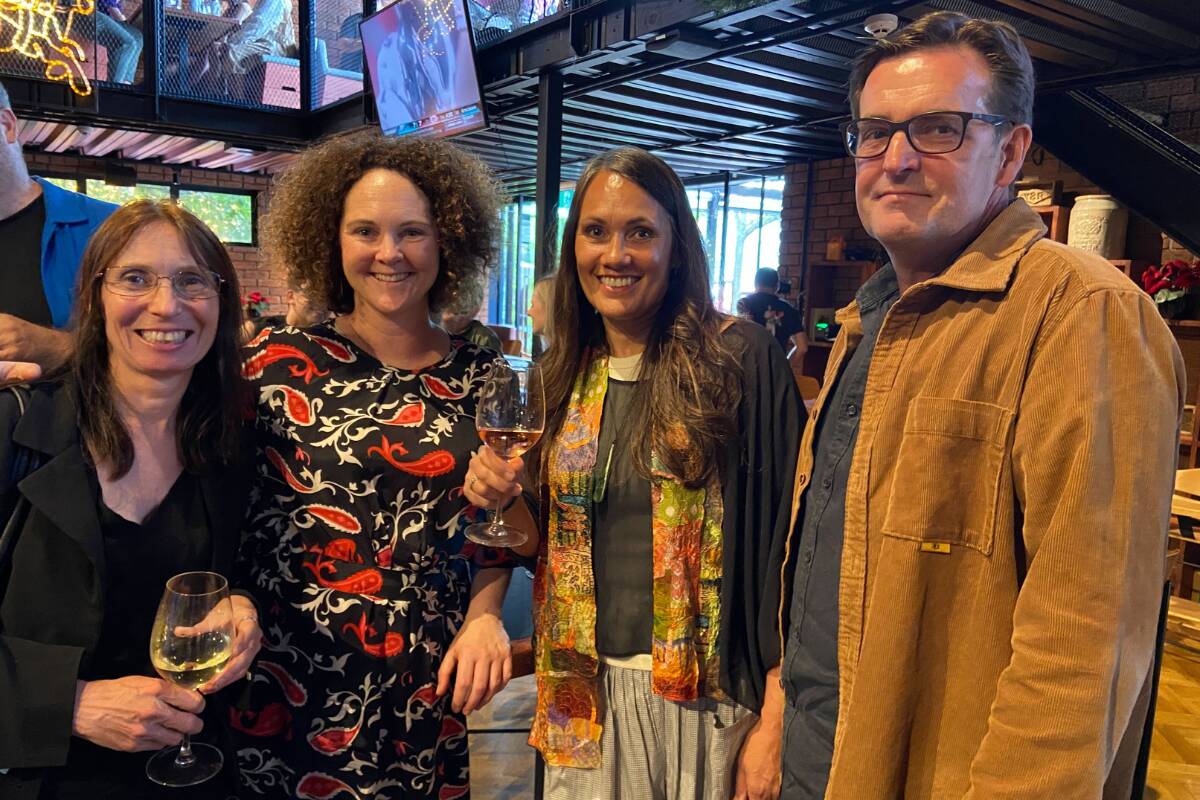
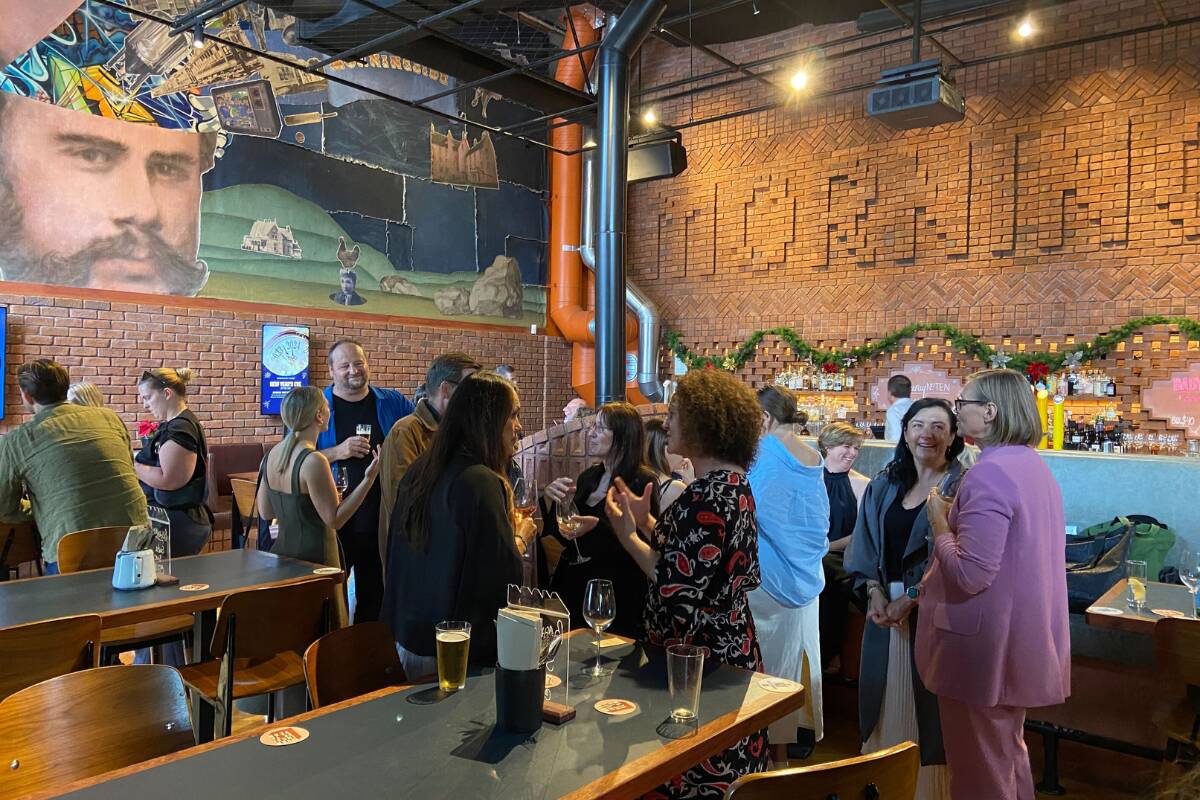
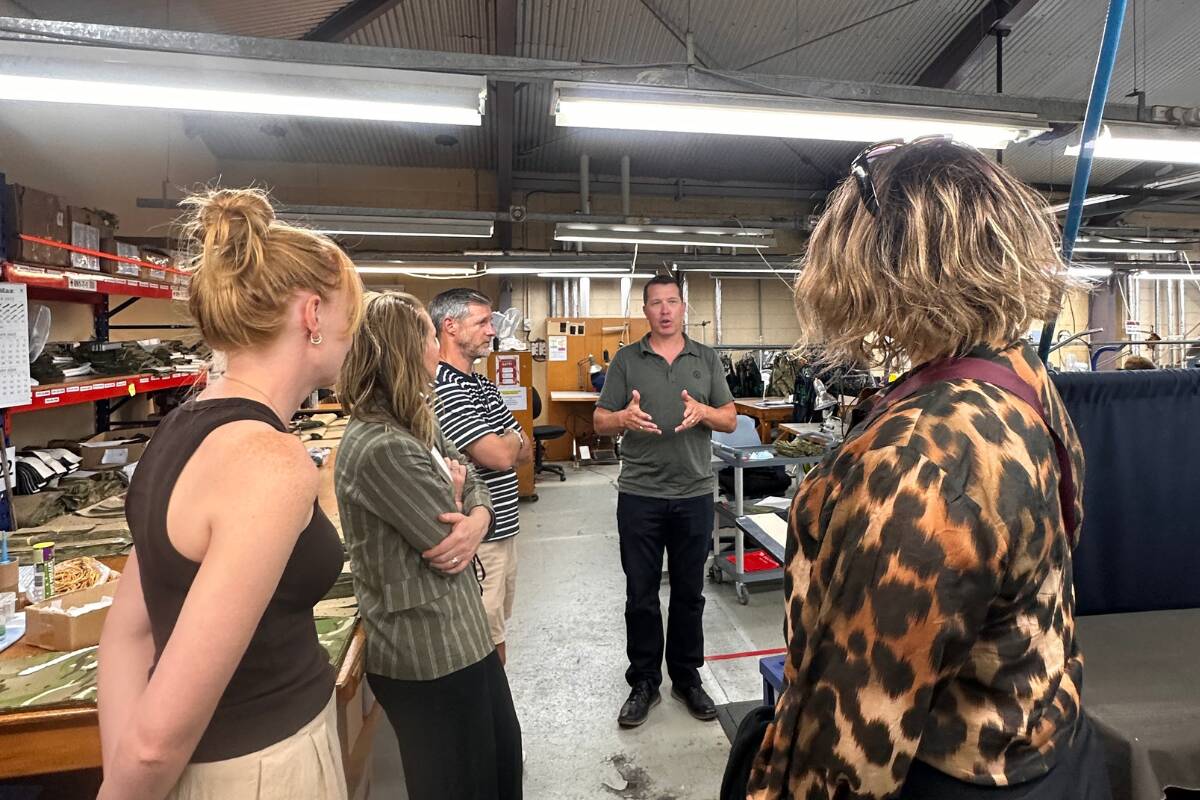
Going Plastic-Free with Kowtow
New Zealand brand Kowtow recently announced that it has achieved its goal of being 100% plastic-free. Join us to hear first-hand how they achieved this and learn more about the steps your business could take to follow suit.
Kowtow has long been committed to Fairtrade organic cotton, however, it also recognises the need to go beyond industry norms with its vision to make clothes that can return to the earth without causing harm.
Kowtow has spent the past two years rebuilding its supply chain and sourcing natural alternatives for all its garment components to enable a 100% plastic-free product and has reached its goal of being plastic-free in January 2024. The brand has also open-sourced its “Plastic-Free Handbook” providing a guide and encouraging other businesses to follow suit.
Speaker
Tessa Bradley, Head of Supply Chain Sustainability at Kowtow.
Tessa shares the brand's journey to plastic-free, what she has learned, and gives an overview of Kowtow’s Plastic-Free handbook. Followed by a Q&A which is sure to be highly informative and not to be missed!
This is a unique opportunity to hear from the brand first-hand.
Watch the recorded session here.
Guest Speaker
Tessa Bradley, Head of Supply Chain Sustainability Kowtow

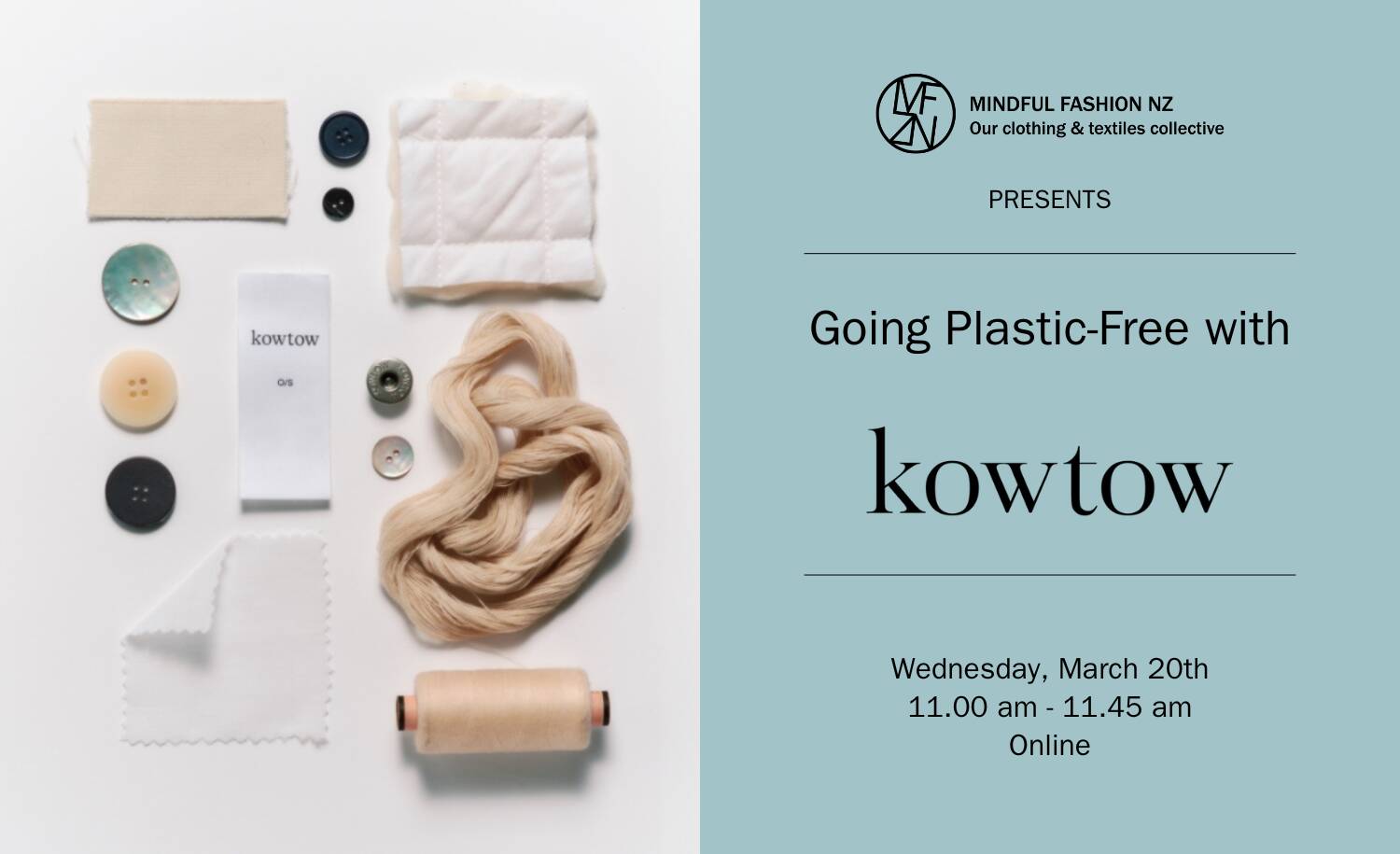
Biomaterials: Opportunities for fashion and textiles in Aotearoa
Fashion & Textiles hosted Scion, a Crown Research Institute, that specialises in research, science and technology development for materials.
Scion is an impact-driven organisation focused on delivering positive environmental, social and economic outcomes for New Zealand. Through science, research, and innovation, it works across sectors with industry, government, and iwi to help lead New Zealand’s transition to a circular bio-economy and achieve a net-zero 2050 and beyond.
Scion joined us to discuss biomaterials and the opportunities in NZ for fashion businesses. Through this session, Scion explored the prospects for biotechnology research and development in New Zealand, how this relates to fashion and textiles, and what is happening in other industries in NZ and globally.
Watch the recorded session here.
Guest Speaker: Florian Graichen
Dr Florian Graichen is the General Manager for Scion’s Bioproducts, Bioenergy and Biomanufacturing Portfolios. These activities are directed at solving new product and process challenges and opportunities that arise through the transition to a Circular Bioeconomy.
In 2022 Florian was appointed as an Honorary Professor by the University of Waikato in the School of Engineering. Florian is a board member of Packaging New Zealand and the Bioresource Processing Alliance. Florian also represents New Zealand on the Australian New Zealand and Pacific Islands Plastics Pact (ANZPAC) Collective Action Group and is a member of several advisory groups to New Zealand ministers and ministries.

Seamless Briefing for New Zealand Brands
Fashion & Textiles is holding an information session for New Zealand brands interested in finding out about joining Seamless, the Australian clothing product stewardship scheme, for any clothing they put on the market in Australia (B2B or B2C). The session will provide an overview of the scheme, with guest speakers from brands who have joined. Speakers include:
- Ainsley Simpson, CEO, Seamless
- Danielle Kent, Head of Industry Transformation, Seamless
- Fabia Pryor, Country Road Group
- Neha Nagpal, Social and Environmental Manager, APG & Co (Jag)
- Emma Wallace, Managing Director, Kowtow
If you are a brand or manufacturer that sells products into the Australian market and would like to join, let us know and we will send you the zoom meeting invitation link. Contact saida@mindfulfashion.co.nz
Circular Design Award Gala 2024!

Join Fashion & Textiles as we unveil the finalists and Award Winners for the Fashion & Textiles Circular Design Award 2024!
This exciting event will celebrate and showcase the innovations of our finalists who have taken on the challenge of designing waste out of fashion. Mix and mingle with finalists, creatives, designers, and fashion industry guests while enjoying celebratory beverages and local fare. It’s an event not to be missed!
Be inspired by some of New Zealand's most exciting designers and innovators who are changing the face of fashion.
Venue
Sapphire Room, Ponsonby Central, Auckland
7 Richmond Road, Grey Lynn, Auckland 1011, New Zealand
Tickets
General Admission: $65
Concession (NZ Student Card): $30
Fashion & Textiles Member: $50
Digital Transparency & Sustainability Solutions
Trackgood is a New Zealand digital supply chain transparency and communication tool that helps brands tell their stories and track their claims. Trackgood joined us online and share how this technology can help streamline transparency and digital communications.
With legislative requirements coming in around the globe digital technology solutions will be a necessity for businesses looking to export to these markets.
Key takeaways:
- A growing number of consumers want to know more about the brands they buy from and have concerns about the lack of trusted information.
- Legislative requirements coming in around the globe mean digital technology solutions will be a necessity for businesses to back up their claims.
- Businesses want to communicate their supply chains transparently but have data fragmentation. Trackgood can guide businesses on how to do this and streamline their data.
- John the founder of Trackgood shared live demos that illustrated how clients use their tools.
Global Apparel Market Insights Report launch
Fashion & Textiles in conjunction with NZTE, launch a research report into global apparel markets and customer preferences. The report is tailored specifically for the New Zealand fashion, clothing and textile industry.
Learn key insights into global apparel markets and consumer sentiment and brand preferences in the key markets of Australia, the UK, the US and Canada.
The report covers:
- Market sizing and key brands
- Trade overview
- Consumer preferences
- High-level regulatory checks
View and download the report at the link below.
READ THE REPORT HERE: Apparel Market Insights Report 2024
Key Takeaways
- Given the NZFCTI’s value proposition and price point, the shift away from mass apparel in Australia and Canada may be beneficial.
- The USA stood out as a market that may lean towards fast fashion / mass apparel.
- Respondents indicated an interest in purchasing more sustainable products, but price remains a significant factor.
- The opportunities relating to increased consumer interest in second hand apparel need to be explored for the NZFCTI.
- The North American sustainable fashion regulatory environment is changing rapidly.
If you would like to watch the recorded session, please get in touch ask@mindfulfashion.co.nz
MFNZ AGM 2025
Please join us at our 2025 AGM. All welcome!
This is an important annual event where we are accountable to our members, presenting what we have achieved over the last 12 months, and sharing our plans for 2025/26.
It's also a great opportunity to connect with others in the industry and meet our newly elected Board members. Bring your team and network with other members over a drink.
Online and In person.
Register to attend here.
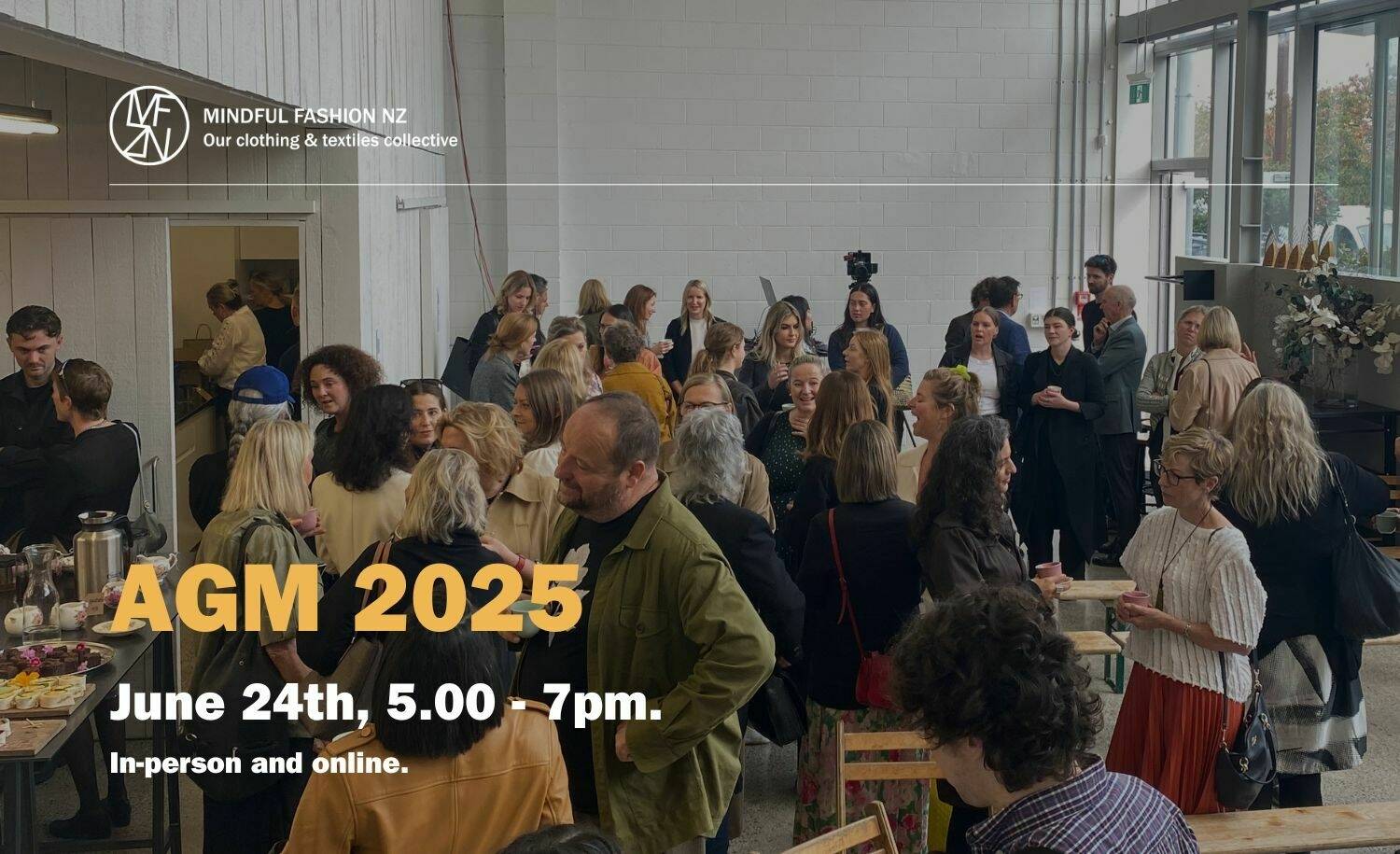
Responsible By Design
In collaboration with Forest Stewardship Council (FSC) we ran an informative and inspiring webinar exploring how FSC-certified materials can support more sustainable fashion, tailored to fashion brands, retailers and manufacturers across Australia and New Zealand.
Key Insights from session:
- The important role of forests globally. They support the livelihoods of 1.6 billion people globally, play a crucial role in climate regulation and in maintaining biodiversity.
- Why FSC matters. The chain of custody approach that allows for the integrity of the system to be maintained and verified which builds trust right across the supply chain.
- The impact when forest fibres are not sourced sustainably, how this can lead to deforestation and biodiversity loss.
- Consumer expectation of transparency is growing, and how FSC allows your organisation to provide this traceability and communications tool, and demonstrate your commitment to protecting forests.
- How FSC can support your organisation’s sustainability goals.
- How to get started, even if you're a small brand or retailer.
Key Resources
- Browse the certified entities for your sourcing requirements here.
- Fashion and Textiles case studies and intelligence on the FSC website.
- Get started with the Fashion Forever Green Pact
- Recent news article about work in this space that has taken place in Italy
Get in touch with the FSC team to get started with the license holder certification process.
- Vickie Au, Hong Kong designer of award winning collection Tranquility: Nature in Modernity, who will share how she created the first FSC-certified capsule collection, in conversation with Neha Simlai, Head of Market Development for FSC APAC.
Attendees gained practical insights and inspiration for using FSC-certified fibres in fashion and textile supply chains.


Images: ©FSC Asia Pacific
From Fast to Regenerative
Fashion & Textiles NZ proudly presents:
Beyond the Runway | From Fast to Regenerative: Redefining Fashion in Aotearoa in an Age of Speed
As the fashion industry grapples with its environmental and social impacts, a new vision is emerging, one that challenges the fast fashion model and embraces regenerative ways of working. What does it take to build a local industry ecosystem rooted in care, craft, circularity and long-term value? How can we move from intention to transformation?
This panel will bring together bold thinkers and purpose-led leaders to explore practical approaches reshaping fashion in Aotearoa. Join us to discover what’s working, what’s not, and how we can scale business systems that support people and the planet, to redefine success for the future of fashion.
Panellists:
- Michele Wilson | Aotearoa Director, B Lab Aotearoa; co-founder AWWA
- Peri Drysdale | Founder & CEO, Untouched World
- Rory Docherty | Designer & Artist
- Emily Miller-Sharma | General Manager, Ruby
Time & Date
Wednesday 27th August
Doors 4.30pm | 5pm start.
Venue
The Tuesday Club, Airedale St, Auckland CBD
Tickets
Limited Tickets available
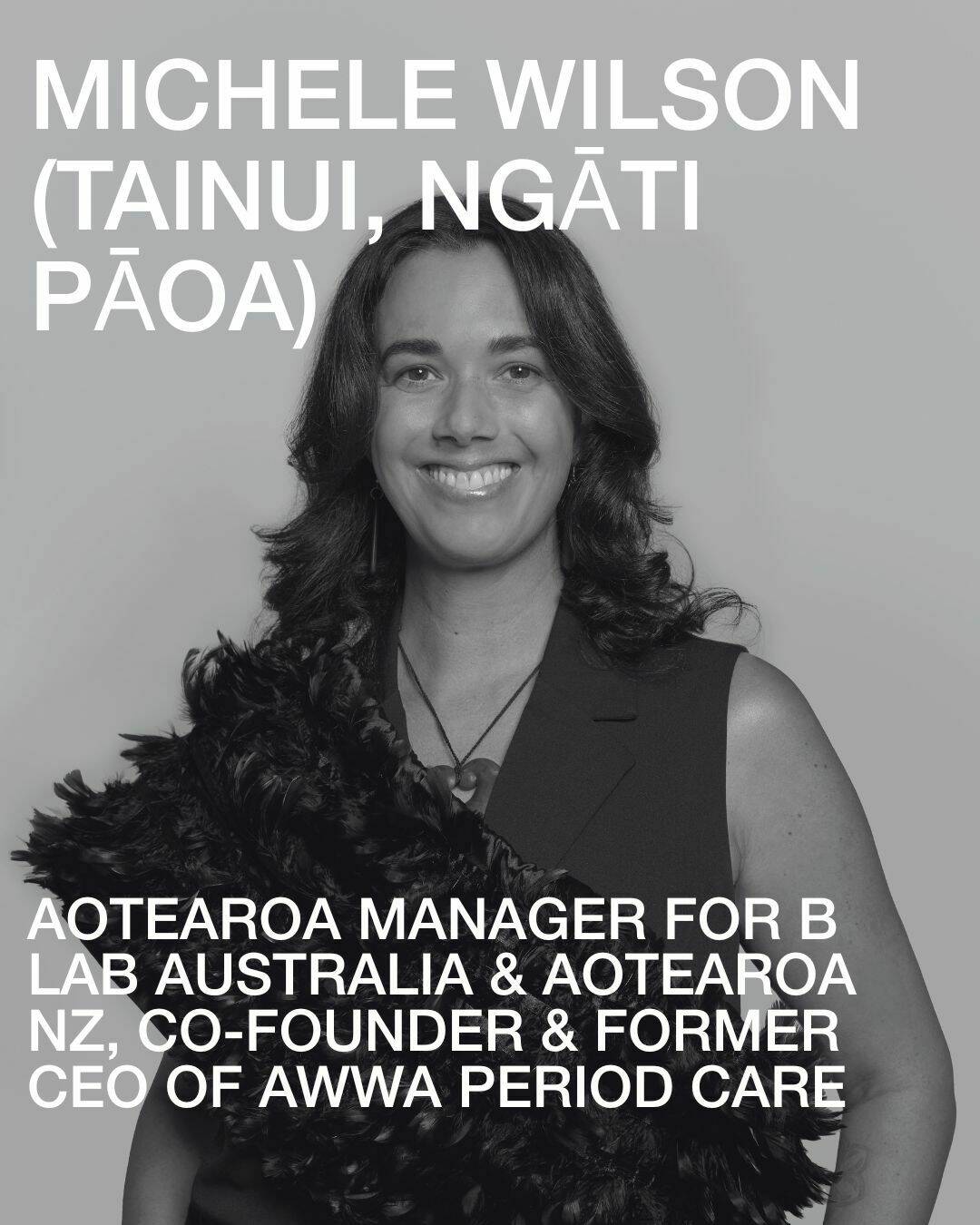
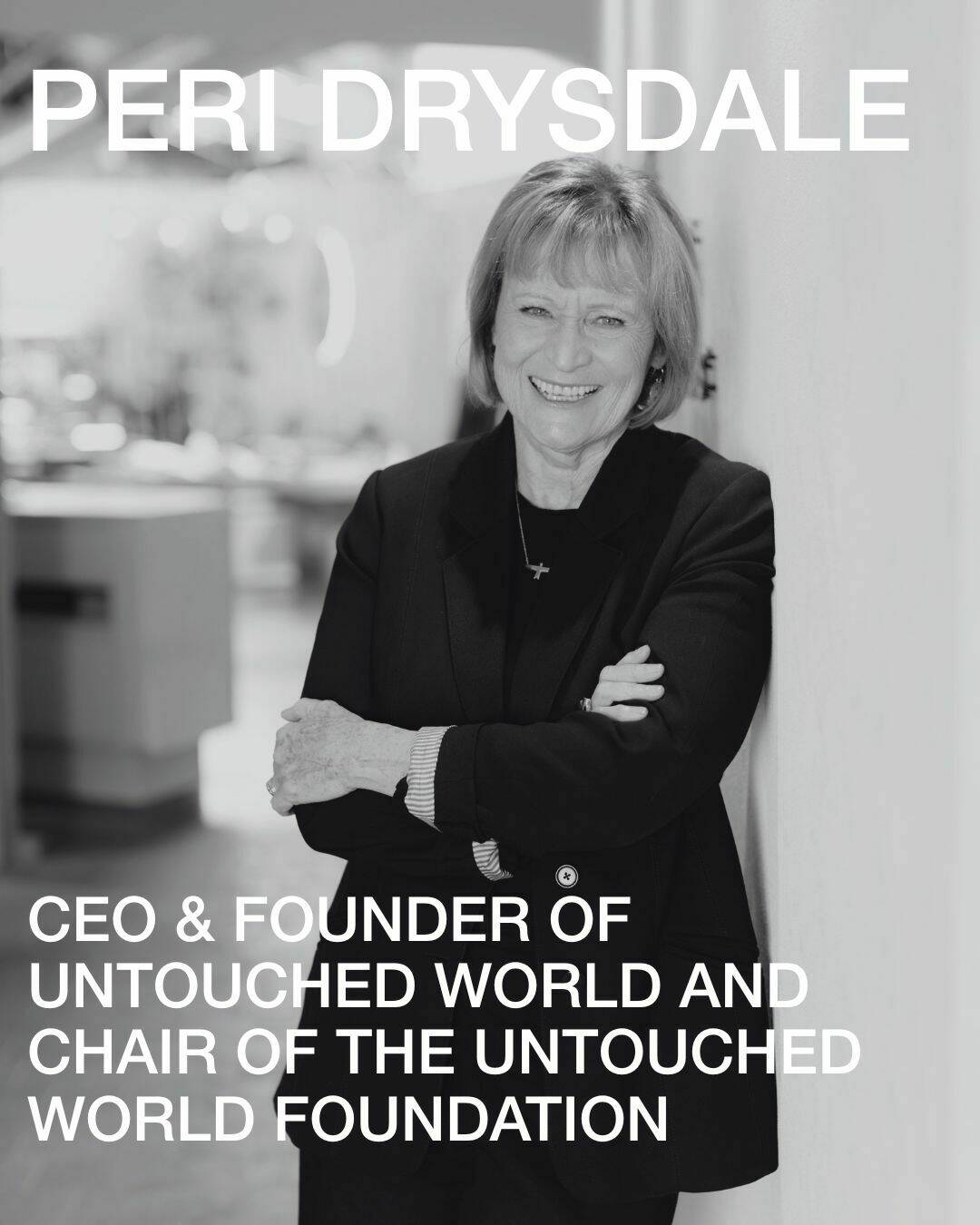
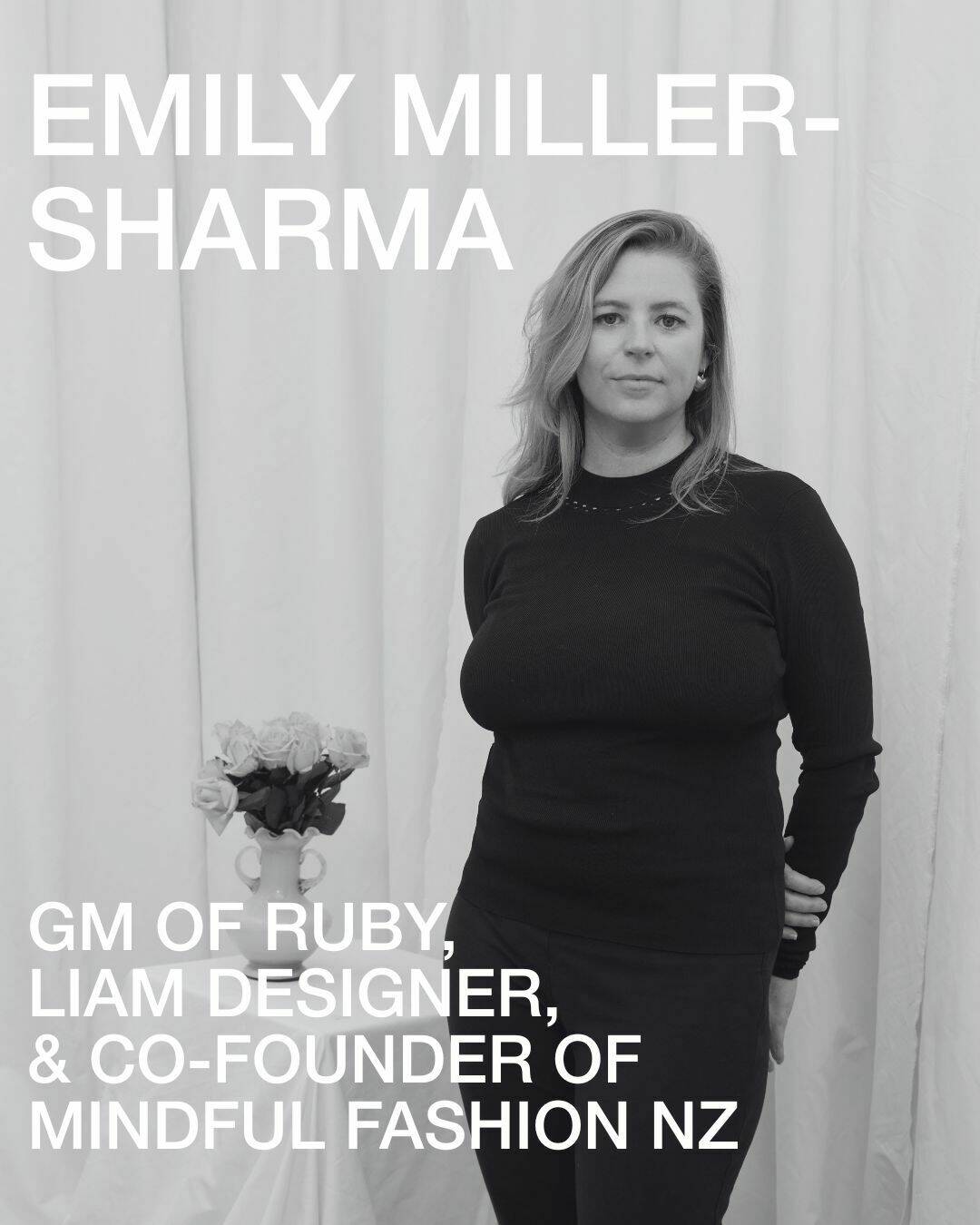

Fashion & Textiles Circular Design Award 2025

Join Fashion & Textiles as we showcase the finalists and unveil the Award Winners for the Fashion & Textiles Circular Design Award 2025!
Set in the stunning surrounds of Webb's Auction house, this exciting event will celebrate and showcase the innovations of our finalists who have taken on the challenge of designing waste out of fashion. Mix and mingle with finalists, creatives, designers, and fashion industry guests , while enjoying celebratory beverages and local fare. It’s an event not to be missed!
Be inspired by some of New Zealand's most exciting designers and innovators who are changing the face of fashion.
Date:
Tuesday 7th October
5.30 - 8pm
Venue:
Webb's Auction House
33a Normanby Road, Mount Eden, Auckland 1024, New Zealand
Industry Manufacturing Strategy Feedback Session
We would like to thank industry for it's ongoing input into Ernst & Young (EY NZ) and Fashion & Textiles New Zealand’s work to develop a Manufacturing Strategy for Aotearoa’s fashion, clothing and textiles industry.
We’re now at a critical stage in this work and invite you to join us for an online session where EY NZ will present the draft findings and recommendations, followed by an opportunity for a final round of industry feedback and discussion.
Session details:
Date: Monday 25 May
Time: 3.00pm – 4:30pm (NZT)
Location: Online
Register in advance for this meeting:
https://us06web.zoom.us/meetin...
After registering, you will receive a confirmation email containing information about joining the meeting.
During this session, we will share the draft report, which aims to provide a clear, practical roadmap for the New Zealand fashion, clothing and textiles industry. This includes:
Priority actions and opportunities for the sector
- Key barriers to realising these opportunities
A staged roadmap outlining short, medium, and long-term actions for industry, government, and other stakeholders
This is an important opportunity to sense-check the direction of the work and ensure it reflects industry realities and priorities. Feedback from this session will be incorporated into the final report.
Further information will be shared ahead of the session. In the meantime, please add this to your calendar and don’t hesitate to reach out if you have any questions.
Social Sustainability in supply chains
Kathmandu are a certified B corp and . Gary Shaw, Corporate Response-ability manager at Kathmandu, talks with Fashion & Textiles about the social challenges inherent in global supply chains and shares how Kathmandu is tackling its challenges in this area, how they have prioritised, and what they have learned.
Watch our recorded session with Gary on You Tube here.