
Threads of Tomorrow Summit brings Industry ecosystem together

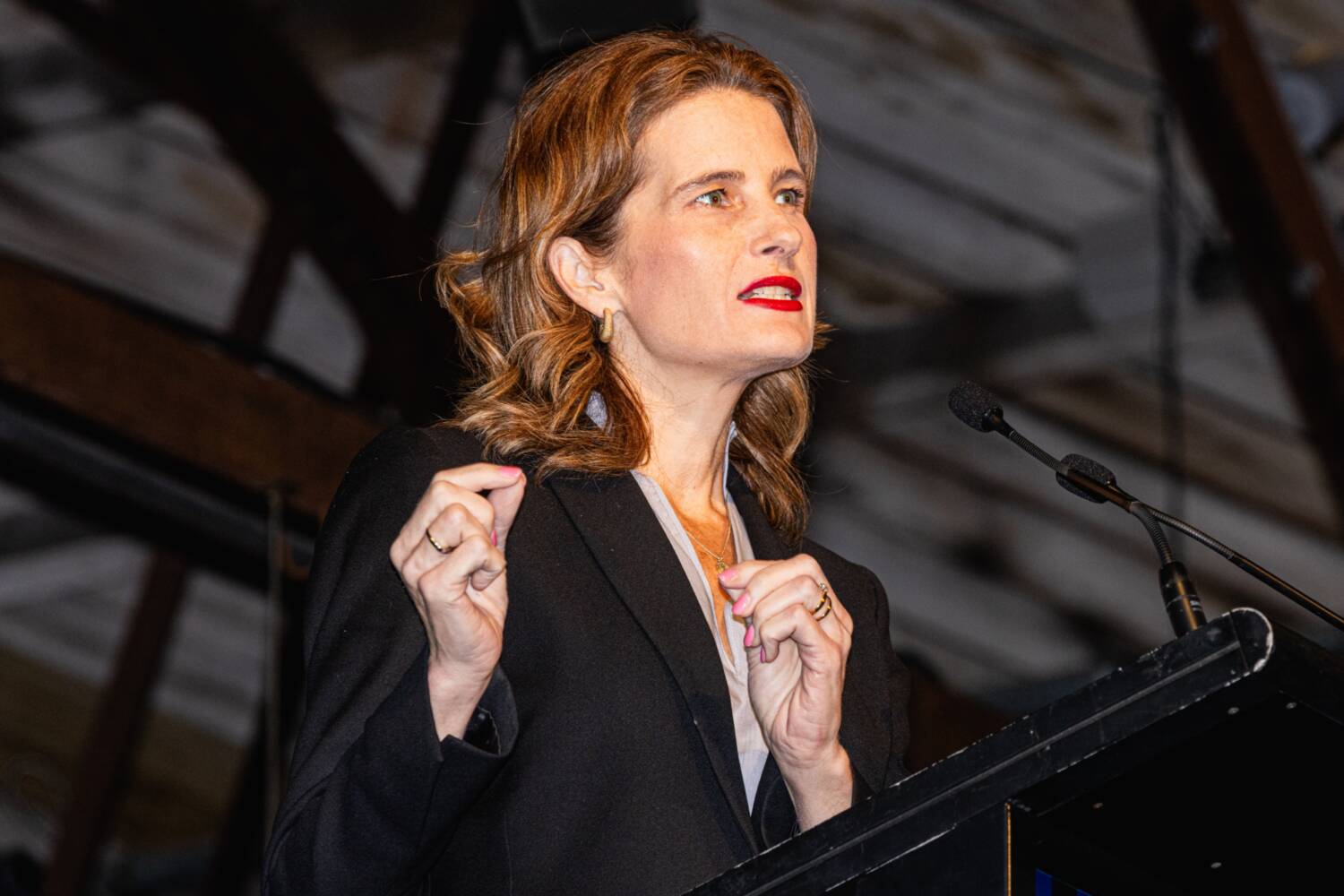
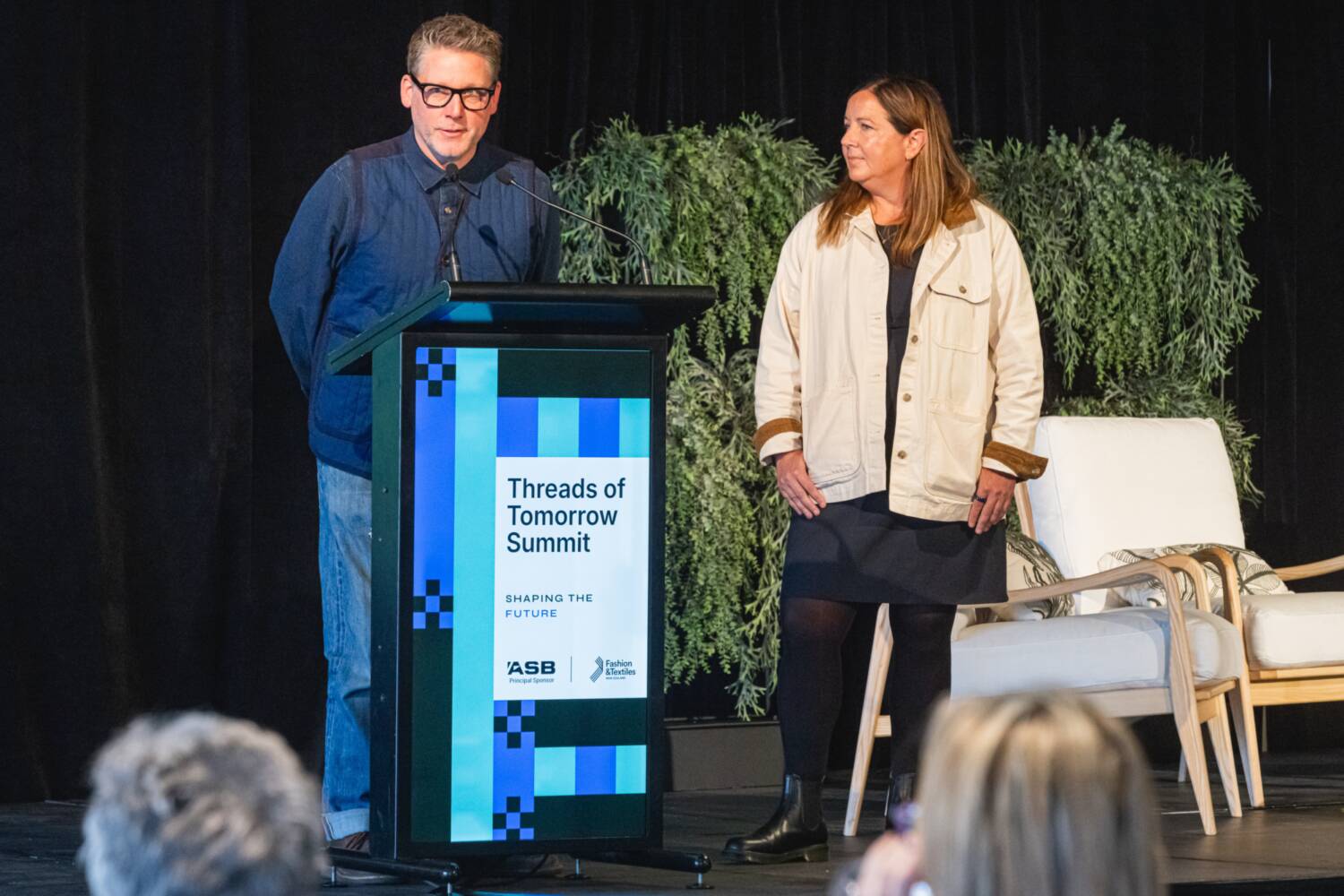
Fashion & Textiles New Zealand brought more than 220 people together last week for the inaugural Threads of Tomorrow Summit, a national gathering focused on the future of the fibre, textiles, and fashion sectors in Aotearoa New Zealand.
Held at Shed 10 in Tāmaki Makaurau Auckland, the sold-out Summit brought together people from across the full ecosystem: fibre growers, textile and apparel manufacturers, designers, brands, retailers, researchers, innovators, funders, policymakers, circular economy leaders, students and industry partners.
With our three connected themes, Place, Possibility and Momentum, at the heart of every conversation, the day explored how Aotearoa can build a stronger, more coherent and future-ready fashion and textiles industry.
A sector with real economic and cultural value
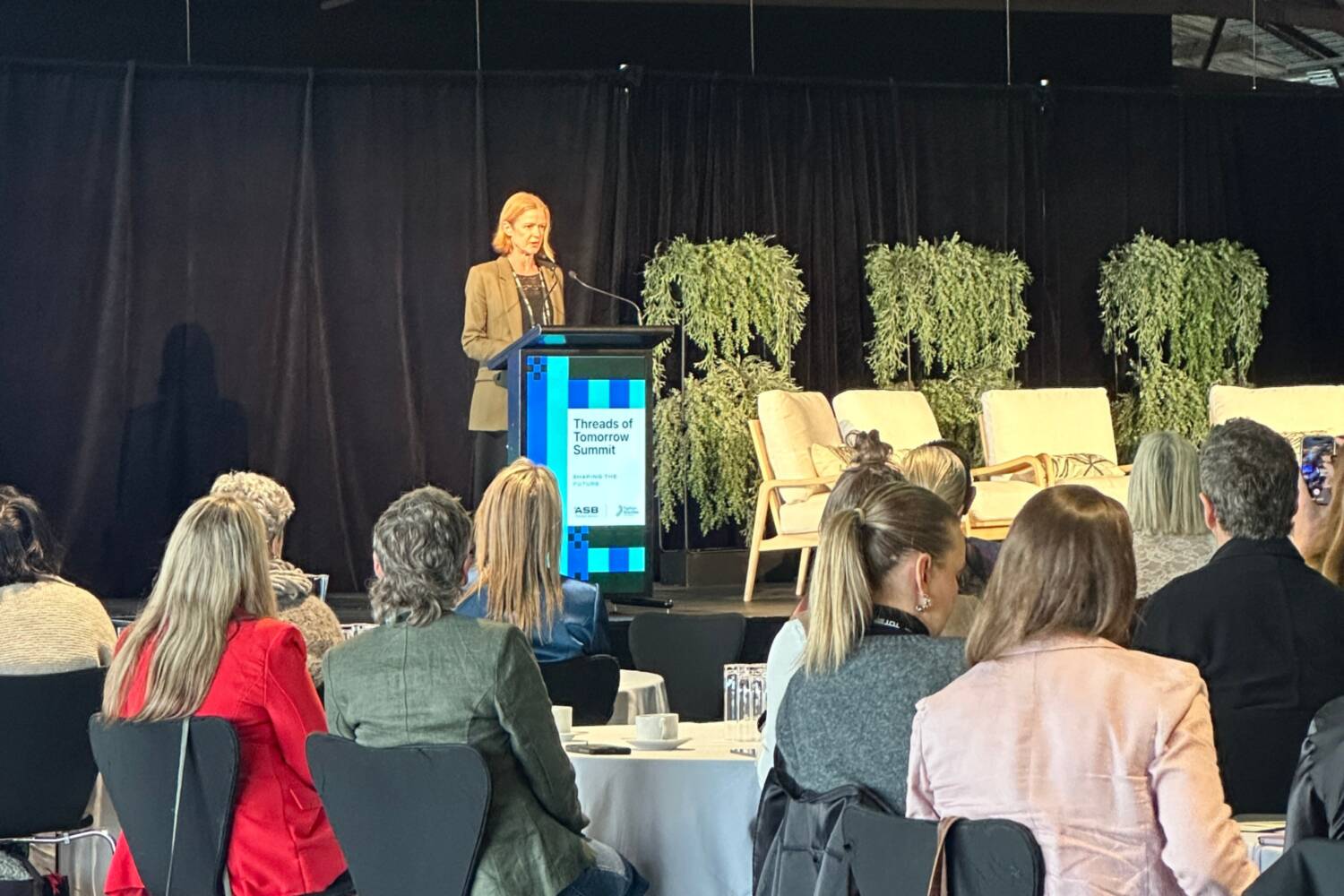
Opening the Summit, Fashion & Textiles New Zealand Chief Executive Jacinta FitzGerald reminded the room that textiles are part of everyday life, “literally how we start our day”, but are often under-recognised as a national industry which contributes an estimated $7.8 billion to the New Zealand economy and supports around 76,000 jobs.
Who was in the room
The strength of the day came from the diversity of people and perspectives present.
Across the room were those working at both ends of the value chain and everywhere in between, from land and fibre production through to design, product development, manufacturing, retail, reuse, repair, recycling, stewardship and end-of-life systems.
That mix was central to the energy of the Summit with people making new connections across the full system. It was a reminder that the future of fashion and textiles will not be built by one organisation, one business model, one material, or one part of the value chain alone.
Key voices and highlights
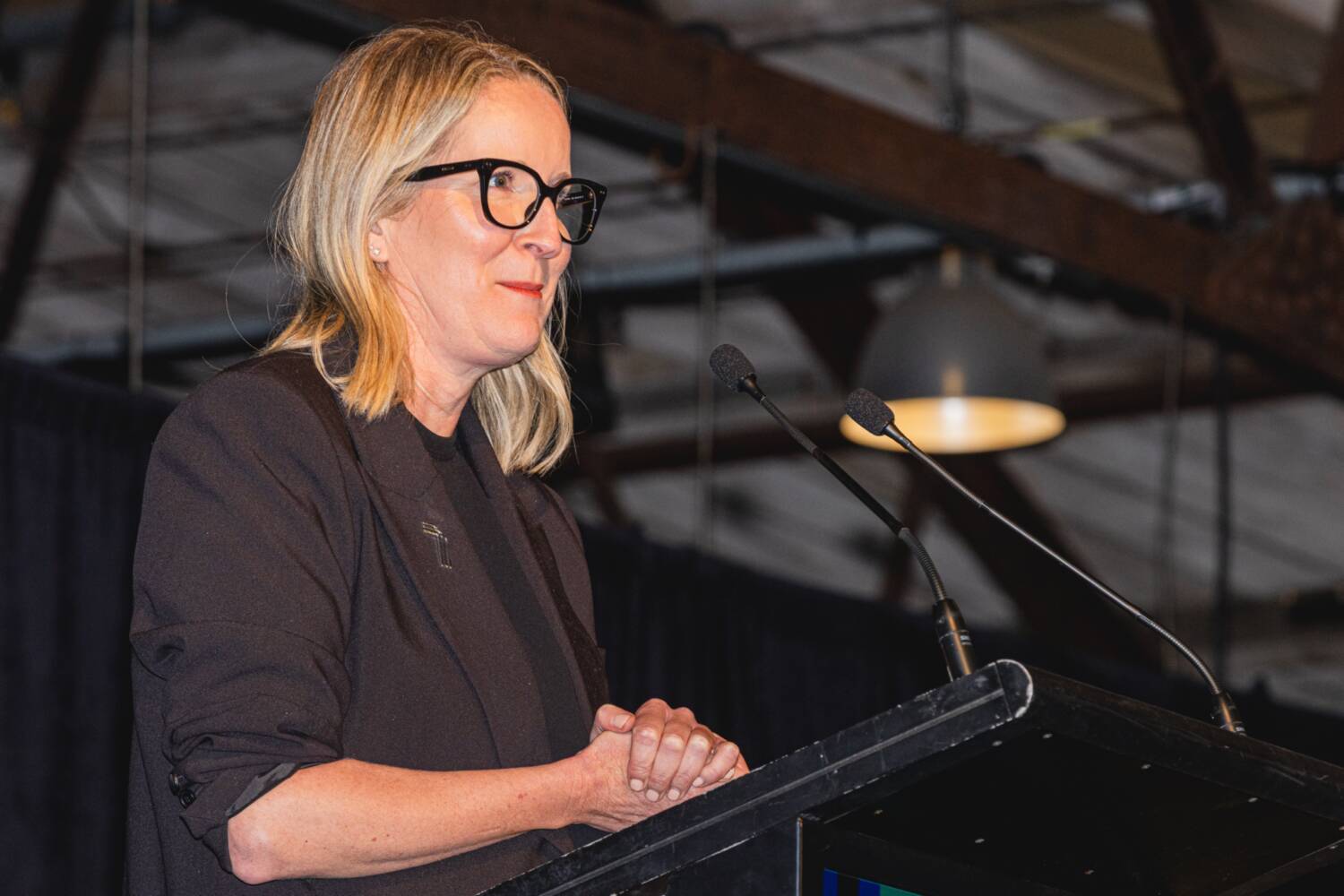
The programme brought together local and global speakers across future signals, industry strategy, fibre systems, circularity, innovation, business resilience and global leadership.
Hon Nicola Willis acknowledged the economic importance of the sector, the role of skills and education, and the opportunity to think about long-term value, including through procurement and support for New Zealand-made products and materials.
Victoria Mulligan challenged the room to look up and look out, connecting future signals to the decisions businesses and sectors need to make today. She introduced us to the importance of critical ignoring in a communication saturated world.
The Land to Market conversation, expertly facilitated by Lisa Portas, explored how Aotearoa’s fibre advantage is not just about provenance, but about relationships, land, knowledge, values, quality and market connection.
Pip Best and Gina Morrissey of EY shared insights from their work on the draft Industry Manufacturing Strategy, including the opportunities and challenges involved in rebuilding capability, strengthening skills and supporting a more future-ready manufacturing base.
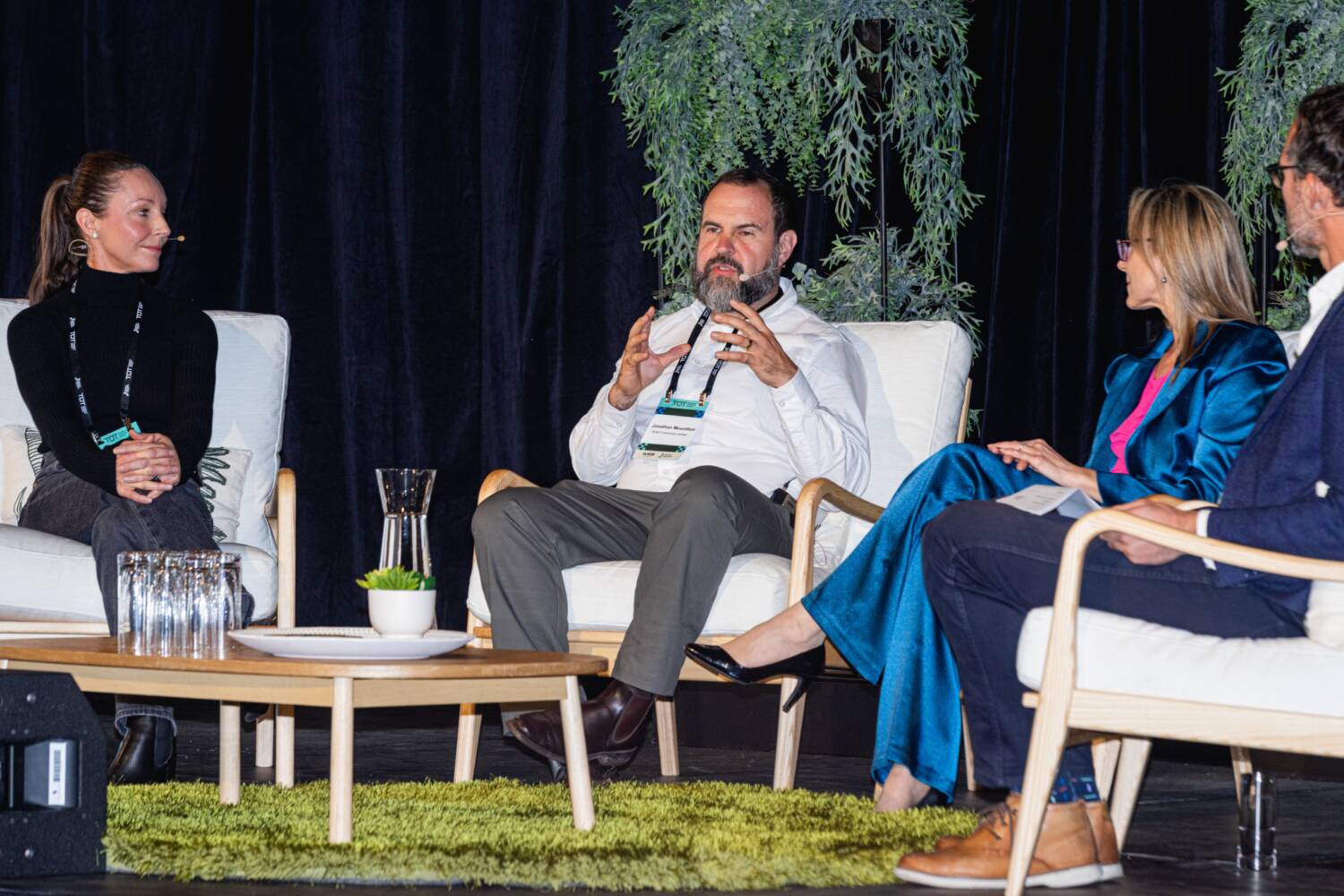
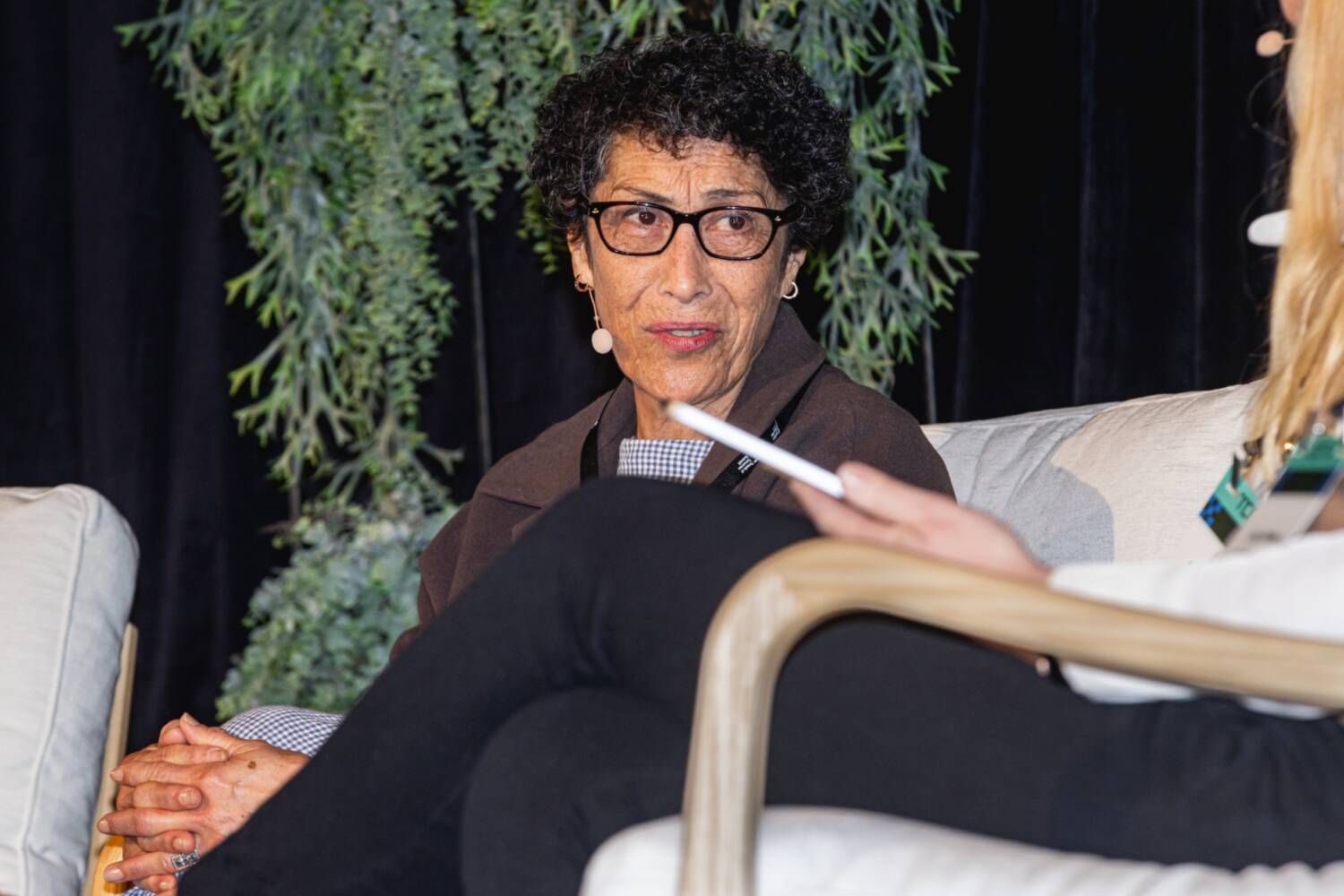
The circular systems conversation, facilitated by Nick Morrison and featuring Ainsley Simpson of Seamless, Jonathan Mountfort and Emma Ensor, reinforced that circularity is systems change. It requires design decisions, infrastructure, policy, product stewardship, business model innovation and collaboration across the full value chain.
Mark Little and Sarah Hayes from Patagonia challenged the room to think beyond business as usual, with a clear message about material responsibility, product durability, emissions reduction, repair, and the importance of ensuring that every material used in a product has earned its place.
Local case studies brought possibility to life. Emma Wallace from Kowtow shared the brand’s work to design out waste and think beyond end-of-life, including its biochar journey. Sophie Poelman of LOF spoke to human-centred design and fair relationships with growers. Shelley Houston of Materially Kiwi showed how waste streams can be reimagined into high-value materials.
In the Beyond our shores panel, Paul Gestro from ASB expertly led the conversation exploring how NZ brands are navigating global markets and building competitive advantage, while Dean Werder of Les Mills spoke about resilience in business, offering a practical and human perspective on leadership, mindset and navigating change.
Through the Future of Fibre Aotearoa briefing, Kelly McClean shared emerging insights into New Zealand’s fibre ecosystem, including the importance of moving beyond fragmentation, strengthening value chains, and building greater connection between what we grow, make, design and sell. Bringing global expertise, Sean Sloan from Avery Dennison highlighted the role of traceability and technology in connecting products, proof and story,

What we heard
Several themes emerged strongly across the day.
- Place matters, but equally important is evidence. Aotearoa has distinctive strengths in fibre, land-based knowledge, creativity, design, innovation and making. But provenance on its own is no longer enough. The stories behind New Zealand products need to be supported by credible data, traceability, certification and evidence.
- Materials matter. Material choices shape the performance, durability, impact, value and end-of-life pathway of a product. The Summit reinforced that thoughtful material selection is not a narrow sustainability concern. It is a core business and design decision.
- Circularity must be designed in from the beginning. Retrofitting circularity after a product has been made is not enough. The strongest circular systems start with better decisions about whether something should be made, what it is made from, how it is used, how long it lasts, and what happens next.
- Collaboration is not optional. Circular systems, local manufacturing capability, fibre value chains, market access and future skills all require coordinated action across the ecosystem. All parties need to be involved, no single organisation can build the future alone.
- The sector has real momentum. There was a strong sense of optimism in the room, but it was not vague optimism. It was grounded in real challenges, practical examples, emerging opportunities and a growing recognition that the industry is ready to work more collectively.
The energy in the room
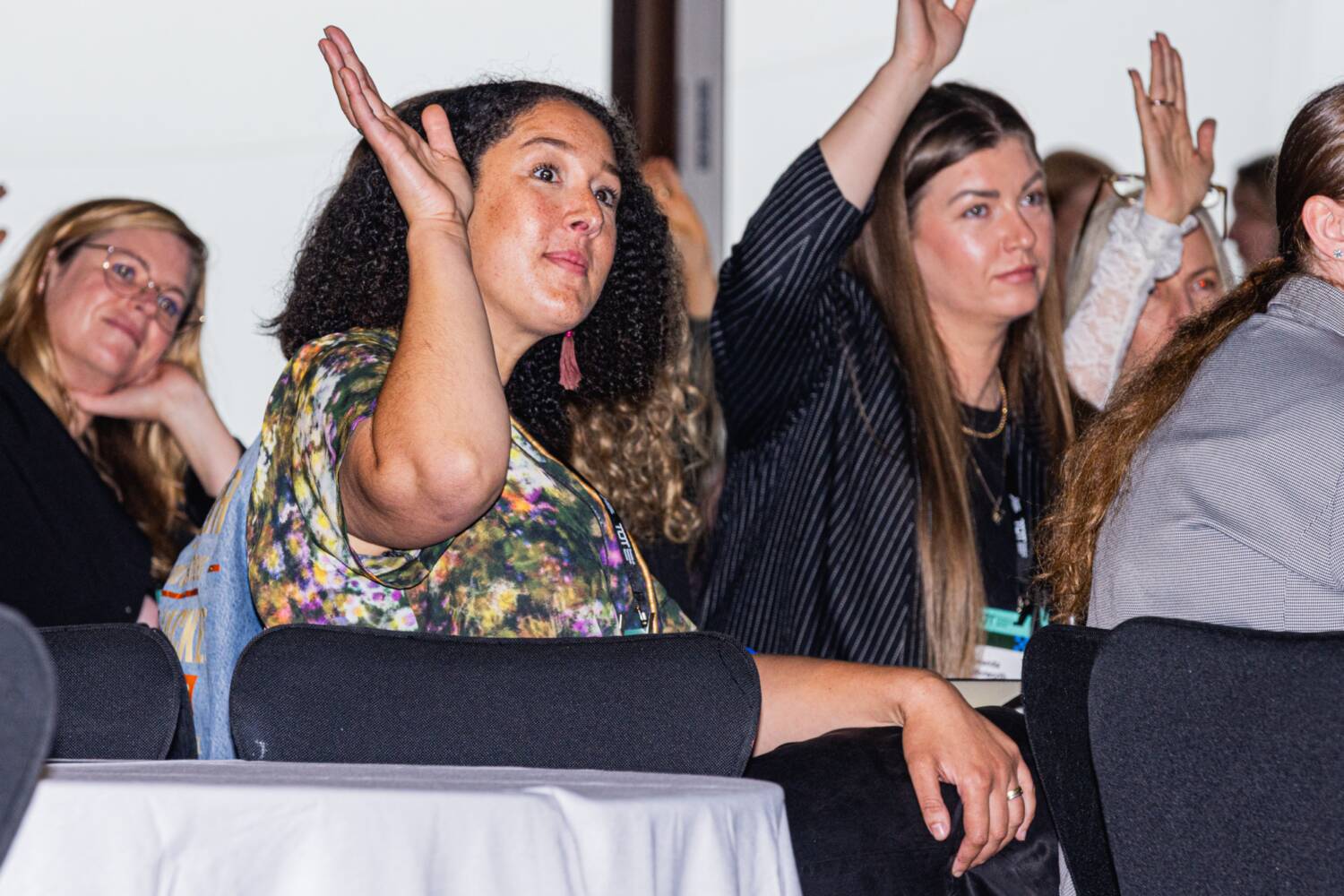
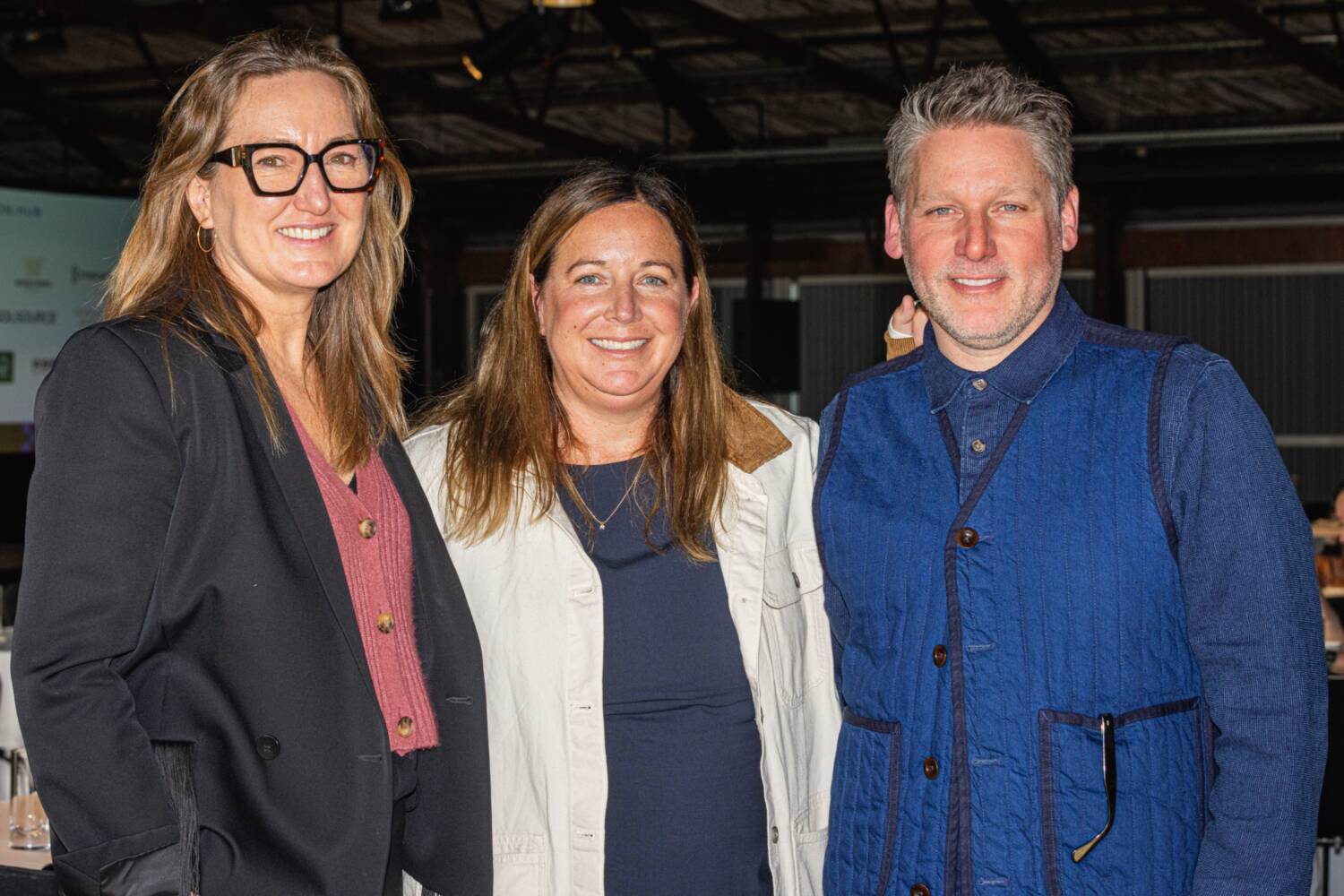
The energy in the room was one of the strongest parts of the day. People came ready to listen, share, challenge and connect. Conversations continued through the breaks, across the Innovation Showcase and into the networking that followed.
As Juliette Hogan, Chair of Fashion & Textiles New Zealand, reflected in closing, New Zealand’s opportunity is not to be the biggest or the cheapest. It is to build from what we have: land, fibre, creativity, capability, values and connection.
What comes next
For Fashion & Textiles New Zealand, the Summit was not a standalone event. It forms part of a wider programme of work to build visibility, capability and connection across the sector, including Future of Fibre Aotearoa, manufacturing strategy, circular design and innovation, and ongoing advocacy for the role this industry can play in New Zealand’s economic, environmental and cultural future.
The challenge now is to keep the momentum moving.
That means continuing the conversations started at the Summit, turning relationships into action, and identifying the practical steps that will help build a stronger, more connected and future-ready fashion and textiles ecosystem for Aotearoa.
One sector. Many threads. A shared future.